“I’m interested in Botox, but how long does it actually last?”
“Will I need to keep coming back for treatments forever?”
These are some of the most common questions people have before trying Botox. Botox injections are one of the most popular non-surgical cosmetic treatments worldwide, used for concerns ranging from wrinkles and jaw slimming to excessive sweating. However, many people are still unsure about how Botox works, how long the results last, and what affects the longevity of treatment.
In this article, we’ll explain everything you need to know about Botox in simple terms — including how it works, expected duration, factors that affect longevity, downtime, side effects, and treatment costs.
What Is Botox?|How It Works
Botox refers to Botulinum Toxin, a purified protein derived from the bacterium Clostridium botulinum. In aesthetic medicine, Botox works by temporarily blocking the communication between nerves and muscles.
Normally, nerves release a neurotransmitter called acetylcholine, which signals muscles to contract. Botox reduces this signal transmission, relaxing targeted muscles and softening dynamic wrinkles caused by repetitive facial expressions.
An important point is that Botox is temporary. It does not permanently damage muscles or nerves. Over time, nerve activity gradually recovers, muscle movement returns, and the effects fade naturally. This is why maintenance treatments are usually required.
Common Areas and Concerns Treated With Botox
Forehead Lines, Frown Lines, and Crow’s Feet
Botox can soften expression wrinkles caused by repeated facial movement, helping the skin appear smoother and more refreshed.
Jawline Slimming (Masseter Botox)
By relaxing enlarged jaw muscles (masseters), Botox can create a slimmer facial contour and reduce teeth grinding or jaw tension.
Shoulder and Neck Tension
Botox may also be used in overactive muscles such as the trapezius to relieve muscle tension and improve shoulder contour.
Excessive Sweating (Hyperhidrosis)
Botox can reduce sweating by blocking nerve signals to sweat glands, especially in the underarms.
Gummy Smile
Small amounts of Botox can relax the muscles that elevate the upper lip excessively when smiling.
How Long Does Botox Last?
Botox effects usually begin to appear within 2 to 7 days after treatment. Results continue to develop over 1 to 2 weeks before reaching their peak effect.
In general, Botox lasts around 3 to 6 months, though the duration varies depending on the treatment area and individual factors.
Average Duration by Treatment Area
Forehead and Frown Lines
Approximately 3–4 months. Since these muscles move frequently during facial expressions, the effect may wear off slightly faster.
Crow’s Feet
Typically 3–4 months due to constant movement from smiling and blinking.
Jawline (Masseter Botox)
Usually 4–6 months. Because the jaw muscles are larger and stronger, results may take longer to appear but often last longer.
Underarm Sweating
Effects may last around 6 months or sometimes longer.
Why Isn’t Botox Permanent?
Botox naturally breaks down over time through the body’s metabolic and immune processes. After injection, the body gradually metabolizes and clears the protein.
Additionally, nerves undergo a process called “sprouting,” where new nerve endings form and restore communication with the muscles. As nerve signaling returns, muscle activity gradually recovers.
This temporary nature is actually one of Botox’s advantages. Since the effects wear off naturally, unwanted results are generally not permanent.
Factors That Affect How Long Botox Lasts
Even when receiving the same treatment, people may experience different durations and results. Several factors can influence how long Botox remains effective.
① Metabolism, Muscle Strength, and Age
People with faster metabolisms or stronger muscles often break down Botox more quickly. Younger individuals and those with intense exercise habits may notice shorter-lasting effects.
In contrast, some older patients may experience slightly longer-lasting results due to slower metabolism.
② Injection Dose and Treatment Area
Higher doses generally produce stronger and longer-lasting effects. However, more is not always better.
The ideal dosage depends on muscle strength, facial anatomy, and the treatment goal. Natural-looking results require careful customization by an experienced injector.
③ Treatment Frequency and Antibody Formation
Repeated Botox treatments over time may rarely lead to the formation of neutralizing antibodies, which can reduce treatment effectiveness.
Several clinical reviews published in 2023 suggested that a small percentage of long-term Botox users may develop reduced responsiveness. Maintaining appropriate intervals between treatments is important for long-term success.
④ Lifestyle and Aftercare
Heavy exercise, alcohol consumption, or massaging the treated area immediately after injections may increase diffusion of the product or shorten its duration.
Following your doctor’s aftercare instructions carefully can help optimize results.
Downtime and Possible Side Effects
Botox is generally considered a low-downtime procedure. Mild redness, swelling, or bruising at the injection site may occur but often resolves within a few days.
Potential Risks and Side Effects
Eyebrow or Eyelid Drooping
If Botox spreads beyond the intended muscles, temporary heaviness or drooping may occur. Proper anatomical knowledge and injection technique are essential.
Unnatural Facial Expressions
Excessive dosing or poor placement can lead to stiffness or limited facial movement.
Mild Headache or Tightness
Some patients experience temporary headaches shortly after treatment.
Allergic Reactions
Rarely, allergic responses to the product may occur.
Most risks can be minimized by choosing an experienced medical professional with strong anatomical expertise.
Who Is a Good Candidate for Botox?
Botox May Be Suitable For:
• People bothered by dynamic wrinkles caused by facial movement
• Individuals with jawline bulkiness or teeth grinding
• Those experiencing excessive sweating
• Patients seeking minimal downtime treatments
• People comfortable with ongoing maintenance treatments
Botox May Not Be Suitable For:
• Pregnant or breastfeeding individuals
• Patients with neuromuscular disorders such as myasthenia gravis or ALS
• Individuals allergic to Botox ingredients
• Patients taking certain antibiotics such as aminoglycosides
• People whose wrinkles are primarily caused by volume loss or skin laxity rather than muscle movement
For volume loss or deeper folds, treatments such as hyaluronic acid fillers may be more appropriate. Moderate to severe skin laxity may also benefit from combining Botox with treatments such as HIFU, Embrace RF, or Morpheus8.
Cost of Botox Treatments
Botox is considered an elective cosmetic procedure and is generally not covered by insurance. Pricing varies depending on the clinic, treatment area, dosage, and product used.
Typical price ranges include:
• Forehead, frown lines, or crow’s feet: approximately ¥15,000–¥40,000 per area
• Jawline (masseter Botox): approximately ¥30,000–¥80,000
• Underarm sweating treatment: approximately ¥50,000–¥100,000
Costs may also vary depending on whether an FDA-approved or officially authorized product is used, such as Botox Vista® by Allergan.
Frequently Asked Questions
Q. Does Botox stop working after repeated treatments?
Most patients can continue Botox safely for many years if treatments are spaced appropriately (typically at least 3 months apart). However, very frequent or excessive injections may increase the risk of antibody formation and reduced effectiveness.
Q. Will my wrinkles become worse after Botox wears off?
No. As the effect fades, muscle movement gradually returns to baseline. Botox does not usually make wrinkles worse than before treatment.
Some studies suggest that regular treatment may even help prevent wrinkles from becoming deeply etched over time.
Q. What is the difference between Botox and dermal fillers?
Botox works by relaxing muscles that cause wrinkles through movement.
Hyaluronic acid fillers, on the other hand, restore lost volume and support areas of the face affected by aging or volume depletion.
Because they address different causes of aging, Botox and fillers are often combined for more comprehensive facial rejuvenation.
Korean Botox Pricing
| Treatment Area | Price (Tax Included) |
|---|---|
| Submental Botox (Under Chin) | ¥35,000 |
| Masseter Botox (Jaw Slimming) | ¥45,000 |
| Scalp / Head (20U) | ¥22,000 |
| Forehead | ¥9,900 |
| Glabella (Frown Lines) | ¥9,900 |
| Crow’s Feet | ¥9,900 |
| Bunny Lines (Nasal Root) | ¥9,900 |
| Nasal Flare Botox | ¥9,900 |
| Chin | ¥9,900 |
| Gummy Smile | ¥9,900 |
| Mouth Corner Lift | ¥9,900 |
| Botox Lift | ¥45,000 |
| Jawline / Masseter (60U) | ¥29,800 |
| Jawline / Masseter (100U) | ¥45,000 |
| Underarm Hyperhidrosis (60U) | ¥29,800 |
| Underarm Hyperhidrosis (100U) | ¥45,000 |
| Shoulder / Trapezius (100U) | ¥55,000 |
| Shoulder / Trapezius (200U) | ¥98,000 |
| Calves (60U) | ¥29,800 |
| Calves (100U) | ¥45,000 |
| Palms | ¥45,000 |
| Soles of Feet | ¥45,000 |
| Salivary Gland Botox | ¥35,000 |
| Nefertiti Lift | ¥45,000 |
※ Anesthesia fee of ¥2,200 applies separately.
Allergan Botox Vista® Pricing
| Treatment Area | Price (Tax Included) |
|---|---|
| Scalp / Head (20U) | ¥35,000 |
| Forehead | ¥22,000 |
| Glabella (Frown Lines) | ¥22,000 |
| Crow’s Feet | ¥22,000 |
| Bunny Lines (Nasal Root) | ¥22,000 |
| Nasal Flare Botox | ¥22,000 |
| Chin | ¥22,000 |
| Gummy Smile | ¥22,000 |
| Mouth Corner Lift | ¥22,000 |
| Botox Lift | ¥55,000 |
| Jawline / Masseter (60U) | ¥35,000 |
| Jawline / Masseter (100U) | ¥68,000 |
| Underarm Hyperhidrosis (60U) | ¥35,000 |
| Underarm Hyperhidrosis (100U) | ¥68,000 |
| Shoulder / Trapezius (100U) | ¥75,000 |
| Shoulder / Trapezius (200U) | ¥148,000 |
| Calves (60U) | ¥35,000 |
| Calves (100U) | ¥68,000 |
| Palms / Soles / Nefertiti Lift | ¥55,000 |
| Salivary Gland Botox | ¥45,000 |
※ Anesthesia fee of ¥2,200 applies separately.
Micro Botox Pricing
| Treatment | Price (Tax Included) |
|---|---|
| Micro Botox (Korean Product / 10U) | ¥22,000 |
| Micro Botox (Allergan / 10U) | ¥33,000 |
※ Anesthesia fee of ¥2,200 applies separately.
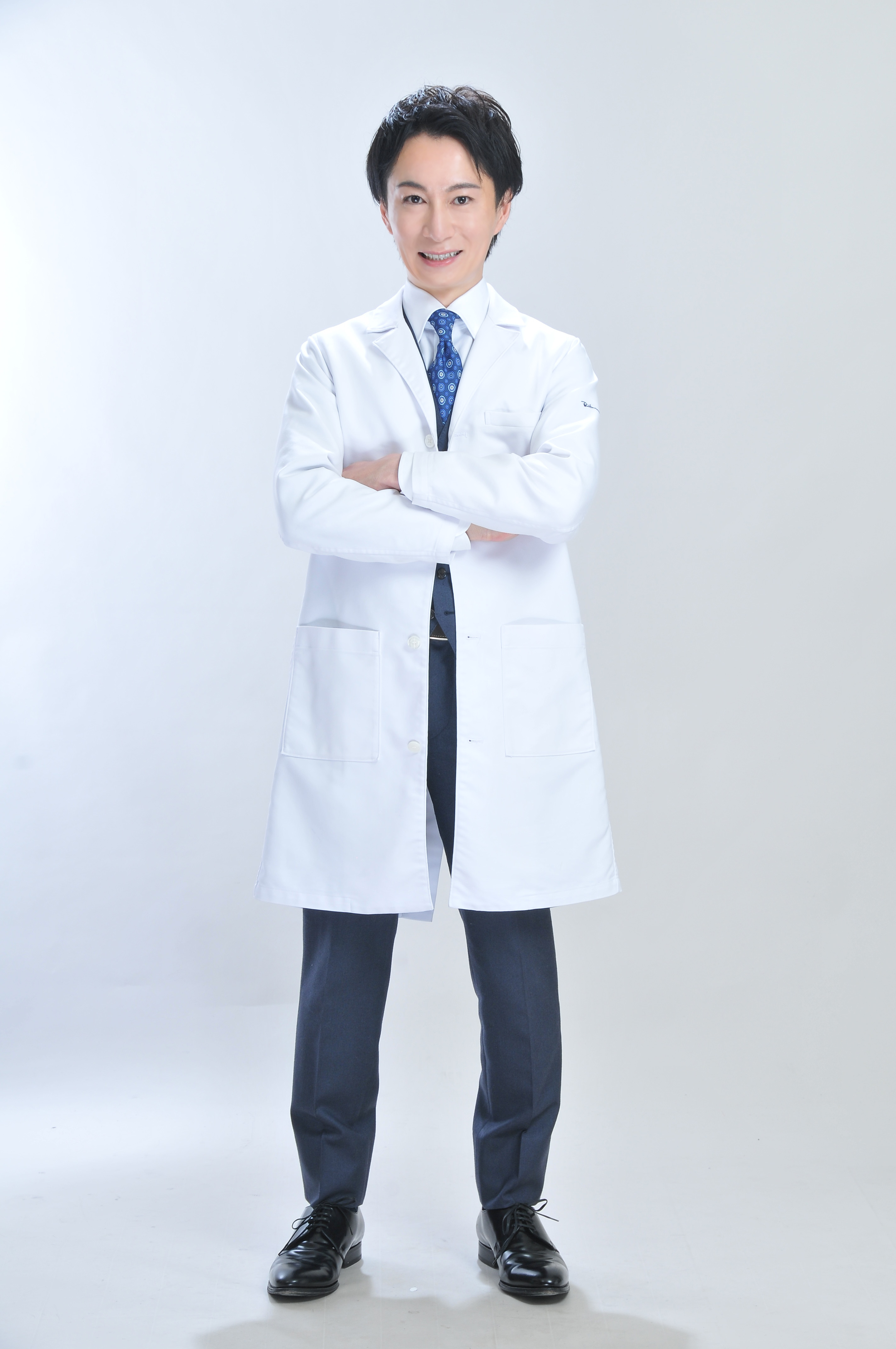
Supervising Doctor
Dr. Jun Karibe
Board-certified plastic surgeon.
After graduating from Juntendo University School of Medicine, Dr. Karibe joined the Department of Plastic and Reconstructive Surgery at The University of Tokyo Hospital.
He later gained extensive experience in both cosmetic and reconstructive surgery through positions at Saitama Medical Center Department of Plastic and Cosmetic Surgery and Yamanashi University Department of Plastic Surgery.
At BIOTOPE CLINIC, Dr. Karibe provides aesthetic care combining cosmetic surgery, cosmetic dermatology, nutritional therapy, supplement-based treatment, and regenerative medicine.
English consultation available for international patients.
24/7 Consultation & Booking
Book a Consultation or Treatment
Our English-speaking team responds via LINE or WhatsApp — usually the same day.