Non-Surgical Facelift Tokyo: Costs, HIFU, Thread Lift & Botox Guide (2026)
Focus Keyphrase: Non-Surgical Facelift Tokyo
URL Slug /non-surgical-facelift-tokyo/
Meta Description
Looking for a non-surgical facelift in Tokyo? Discover HIFU, RF microneedling, thread lifts, Botox, dermal fillers, costs, recovery, and English-speaking cosmetic clinics for foreigners.
Non-Surgical Facelift Tokyo: The Complete Guide for Foreigners
Looking for a Non-Surgical Facelift in Tokyo?
If you are searching for a non-surgical facelift in Tokyo, you are certainly not alone. Every year, thousands of international residents, business travellers, and medical tourists visit Japan looking for safe, effective facial rejuvenation without undergoing traditional facelift surgery.
Fortunately, modern aesthetic medicine offers a wide range of minimally invasive treatments that tighten skin, restore facial volume, and soften wrinkles with little or no downtime. Many patients achieve impressive rejuvenation while returning to work the next day.
Tokyo has become one of Asia’s leading destinations for cosmetic medicine. In particular, patients appreciate the combination of advanced medical technology, experienced physicians, strict safety standards, and competitive pricing compared with North America, Europe, and Australia.
At Kojimachi Dermatology & Plastic Surgery Clinic, we regularly treat English-speaking patients from around the world. Every consultation takes place in English, allowing patients to understand every available treatment option before making a decision.
This comprehensive guide explains:
- What a non-surgical facelift actually is
- The latest technologies available in Tokyo
- How HIFU, RF microneedling, thread lifts, Botox, and dermal fillers work
- Expected results and recovery
- Typical treatment costs
- Who is a suitable candidate
- When surgery may be the better option
Whether you live in Japan or are visiting Tokyo, this guide will help you choose the safest and most effective treatment for your facial rejuvenation goals.
What Is a Non-Surgical Facelift?
A non-surgical facelift is not one single treatment. Instead, it combines several minimally invasive or non-invasive procedures that improve facial ageing without large incisions, general anaesthesia, or prolonged recovery.
Unlike a traditional facelift, which physically repositions facial tissues, non-surgical treatments stimulate your body’s natural repair mechanisms or restore lost facial volume.
Most modern treatment plans combine several techniques, including:
- High-Intensity Focused Ultrasound (HIFU)
- Radiofrequency (RF) Microneedling
- Thread Lift
- Botulinum Toxin (Botox)
- Hyaluronic Acid Fillers
Each treatment addresses a different cause of facial ageing. Consequently, combining two or three techniques often produces significantly better results than relying on a single procedure.
Why Are Non-Surgical Facelifts Becoming So Popular?
Many people want noticeable rejuvenation without taking weeks off work.
As a result, non-surgical facial rejuvenation has become one of the fastest-growing fields in cosmetic medicine worldwide.
Patients appreciate several advantages.
Minimal downtime
Most patients return to normal daily activities within one or two days.
No general anaesthesia
Nearly all treatments use topical anaesthetic cream or local anaesthesia only.
Lower risk
Although every medical procedure carries some risk, non-surgical treatments generally involve fewer complications than surgery.
Natural-looking improvement
Rather than dramatically changing facial appearance, these procedures gradually restore a fresher, healthier, and more youthful look.
Gradual collagen stimulation
Unlike surgery, treatments such as HIFU and RF microneedling continue improving the skin for several months after treatment by stimulating collagen production.
Why Foreign Patients Choose Tokyo for Non-Surgical Facelift Treatments
Tokyo has earned an excellent international reputation for cosmetic medicine.
Many overseas patients specifically travel to Japan because they value precision, safety, and physician-led care.
Compared with many countries, Japanese aesthetic clinics often provide:
- Board-certified plastic surgeons
- Advanced FDA-approved or CE-certified medical devices
- Strict infection control standards
- Modern treatment protocols
- Competitive pricing
- High patient satisfaction
Equally important, several clinics—including Kojimachi Dermatology & Plastic Surgery Clinic—offer consultations entirely in English, making treatment accessible for expatriates and international visitors.
Medical tourism continues to grow every year, and facial rejuvenation remains one of the most requested procedures among foreign patients visiting Tokyo.
Understanding Facial Ageing
To understand how a non-surgical facelift works, it helps to understand why the face ages in the first place.
Ageing is not caused by a single process. Instead, several biological changes occur simultaneously.
Collagen gradually declines
Beginning in our twenties, collagen production slowly decreases. As collagen levels fall, skin becomes thinner and loses firmness.
Elastin weakens
Elastin allows skin to stretch and bounce back. Over time, elastin fibres deteriorate, making skin less resilient.
Facial fat changes
Youthful facial contours depend on several fat compartments.
As we age, some fat pads shrink while others descend due to gravity. Consequently, cheeks flatten, under-eye hollows become deeper, and jowls begin to develop.
Bone structure also changes
The facial skeleton gradually remodels with age.
Support around the cheeks, jawline, and eye sockets slowly decreases, contributing to an older appearance.
Sun exposure accelerates ageing
Ultraviolet radiation damages collagen through oxidative stress.
This process—known as photoageing—often progresses faster than natural chronological ageing.
For this reason, sunscreen remains one of the most effective anti-ageing treatments available.
How Does a Non-Surgical Facelift Work?
Different treatments target different layers of the face.
Some stimulate collagen.
Others restore lost volume.
Others physically reposition tissue.
Therefore, modern facial rejuvenation rarely relies on one treatment alone.
Instead, experienced cosmetic physicians design an individual treatment plan based on:
- Age
- Skin thickness
- Degree of laxity
- Facial anatomy
- Volume loss
- Personal goals
This personalised approach generally produces the most natural-looking outcome.
HIFU (High-Intensity Focused Ultrasound)
Among all non-surgical facelift treatments available today, HIFU remains one of the most popular options for patients with mild to moderate skin laxity.
Unlike lasers, HIFU delivers focused ultrasound energy deep beneath the skin without damaging the surface.
The ultrasound reaches the SMAS (Superficial Musculoaponeurotic System)—the same fibromuscular layer tightened during a surgical facelift.
Tiny thermal coagulation points trigger the body’s natural wound-healing response.
Over the following weeks, fibroblasts produce new collagen and elastin.
As collagen remodels, the skin gradually becomes firmer and tighter.
Rather than creating an artificial appearance, HIFU encourages the body to repair itself.
Scientific Evidence
Multiple clinical studies have demonstrated measurable improvements in facial laxity after HIFU treatment.
A systematic review published in Dermatologic Surgery reported significant improvements in facial lifting, jawline definition, and skin tightness among appropriately selected patients.
Most patients notice gradual improvement over two to six months, with continued collagen remodelling thereafter.
Patients with mild or moderate skin laxity typically achieve the best outcomes.
Advantages of HIFU
- No incisions
- No scars
- Minimal downtime
- Stimulates natural collagen production
- Suitable for busy professionals
- Safe for most skin types
- Can be combined with injectables and RF treatments
Recovery
Most patients experience only mild redness for several hours.
Some notice temporary tenderness beneath the skin for several days.
However, daily activities can usually resume immediately.
Cost of HIFU in Tokyo
At Kojimachi Dermatology & Plastic Surgery Clinic, HIFU treatments typically range from ¥25,000 to ¥110,000, depending on the treatment area and number of ultrasound shots delivered.
During your consultation, Dr. Karibe will recommend the most appropriate protocol based on your facial anatomy and treatment goals.
Part 2 – RF Microneedling, Thread Lift, Botox & Hyaluronic Acid Fillers
RF Microneedling (POTENZA)
Among today’s collagen-stimulating technologies, RF microneedling has become one of the most versatile treatments for facial rejuvenation. Unlike HIFU, which primarily targets deeper support structures, RF microneedling works within the dermis and superficial subcutaneous tissue. As a result, it improves both skin quality and skin tightness simultaneously.
The treatment combines two proven technologies. First, ultra-fine insulated needles create controlled microchannels within the skin. Next, radiofrequency energy is delivered precisely through those needles into the deeper dermis. This dual-action approach stimulates fibroblasts, promotes collagen remodeling, and encourages elastin production while minimizing damage to the skin surface.
Consequently, RF microneedling is particularly effective for patients who not only want tighter skin but also wish to improve enlarged pores, acne scars, fine wrinkles, and uneven skin texture.
Why Is RF Microneedling Different from HIFU?
Patients often ask whether they should choose HIFU or RF microneedling. In reality, these treatments are complementary rather than competitive.
HIFU primarily lifts deeper tissues by stimulating collagen within the SMAS layer.
RF Microneedling, on the other hand, focuses on improving the skin itself. It enhances dermal quality while providing mild-to-moderate tightening.
Therefore, many physicians combine both procedures within the same treatment plan for more comprehensive facial rejuvenation.
Scientific Evidence
Several peer-reviewed studies support the effectiveness of RF microneedling.
A prospective study published in the Journal of Cosmetic Dermatology demonstrated statistically significant improvements in:
- Skin laxity
- Fine wrinkles
- Acne scars
- Overall facial appearance
- Patient satisfaction
Moreover, patients continued to improve for several months after treatment because collagen remodeling is an ongoing biological process.
Clinical studies also report excellent safety profiles across multiple skin types, including Asian skin, when treatments are performed using appropriate energy settings.
Who Is an Ideal Candidate?
RF microneedling works particularly well for patients experiencing:
- Early facial sagging
- Enlarged pores
- Acne scars
- Fine wrinkles
- Mild skin laxity
- Uneven skin texture
- Early neck ageing
Because the treatment stimulates your own collagen production, younger patients often achieve excellent preventive anti-ageing benefits as well.
Recovery After RF Microneedling
Most patients experience:
- Mild redness for 24–48 hours
- Slight swelling
- Temporary skin roughness
- Mild sensitivity
Fortunately, makeup can usually be applied within one or two days, allowing patients to return to work quickly.
New collagen gradually develops over the following three to six months.
Cost of RF Microneedling in Tokyo
At Kojimachi Dermatology & Plastic Surgery Clinic, POTENZA RF Microneedling typically costs between ¥35,000 and ¥49,800 per treatment session, depending on the treatment protocol.
For optimal results, most patients undergo three to four sessions approximately four to six weeks apart.
Thread Lift (Tesslift)
While HIFU and RF microneedling stimulate collagen gradually, Thread Lift provides an immediate lifting effect.
This treatment uses specially designed absorbable sutures placed beneath the skin through tiny entry points. Once positioned, the threads gently reposition sagging facial tissue while simultaneously stimulating collagen production during the months that follow.
Unlike a surgical facelift, thread lifting requires no large incisions, no general anaesthesia, and very little downtime.
For carefully selected patients, it offers one of the fastest methods of restoring youthful facial contours.
What Makes Tesslift Different?
Not all thread lifts are created equal.
At our clinic, we use Tesslift, an advanced barbed thread surrounded by a three-dimensional mesh.
The mesh creates stronger tissue engagement than conventional PDO threads, allowing the thread to distribute tension more evenly while encouraging more extensive collagen formation.
As a result, many patients experience:
- Better lifting capacity
- Longer-lasting support
- Improved collagen stimulation
- More natural facial contours
Best Areas for Thread Lift
Thread lifting works especially well for:
- Jowls
- Jawline definition
- Midface sagging
- Marionette lines
- Mild neck laxity
- Lower face rejuvenation
Patients with moderate skin laxity usually benefit the most.
Scientific Evidence
Clinical studies have shown that absorbable suspension threads provide:
- Immediate tissue repositioning
- Progressive collagen formation
- Increased skin firmness
- High patient satisfaction
Furthermore, complications remain uncommon when procedures are performed by experienced physicians using appropriate patient selection.
Recovery
Following treatment, patients may experience:
- Mild swelling
- Bruising
- Temporary tightness
- Mild tenderness
These symptoms generally improve within several days.
Most patients return to office work after approximately two or three days.
Cost of Thread Lift in Tokyo
At Kojimachi Dermatology & Plastic Surgery Clinic, Tesslift costs ¥48,000 per thread.
The number of threads varies according to facial anatomy and treatment goals.
During your consultation, Dr. Karibe will determine the most appropriate treatment plan after carefully assessing facial support structures.
Botox
Although Botox is best known for reducing wrinkles, it also plays an important role in modern non-surgical facelift strategies.
Botulinum toxin temporarily relaxes selected facial muscles.
By reducing excessive muscular contraction, Botox softens dynamic wrinkles while allowing opposing muscles to elevate certain facial structures naturally.
Consequently, experienced injectors can achieve subtle lifting effects without surgery.
Common Treatment Areas
Botox is commonly used for:
- Forehead lines
- Frown lines
- Crow’s feet
- Bunny lines
- Chin dimpling
- Neck bands
In addition, strategic placement around the eyebrows can create a gentle chemical brow lift.
Masseter Botox also slims the lower face, creating a more refined V-shaped facial contour.
Results
Patients usually begin noticing improvement within three to five days.
Maximum results typically appear after approximately two weeks.
Effects generally last three to four months.
Safety
Botox remains one of the most extensively studied aesthetic treatments worldwide.
When performed by experienced physicians using appropriate doses, serious complications are extremely uncommon.
Natural-looking movement—not a frozen appearance—should always be the treatment goal.
Cost of Botox in Tokyo
At our clinic, premium Allergan Botox treatments typically range from ¥22,000 to ¥148,000, depending on the treatment area and the number of units required.
Hyaluronic Acid Fillers
While collagen stimulation improves skin quality, volume restoration often produces the most dramatic improvement in facial ageing.
One of the earliest signs of ageing is not simply loose skin—it is the gradual loss of facial volume.
The cheeks flatten.
The temples hollow.
The jawline weakens.
Deep folds develop around the mouth.
Rather than stretching the skin tighter, hyaluronic acid fillers rebuild structural support beneath the skin.
Consequently, the face appears naturally refreshed rather than artificially tightened.
How Fillers Create a Non-Surgical Lift
Strategic filler placement can:
- Restore cheek projection
- Support the midface
- Improve tear troughs
- Define the jawline
- Soften nasolabial folds
- Reduce marionette lines
- Improve facial symmetry
Importantly, experienced injectors use filler to restore youthful anatomy—not simply to add volume.
Less is often more.
Why Technique Matters
Poorly performed filler injections may create an unnatural appearance.
Overfilled cheeks, excessive lips, and distorted facial proportions usually result from poor treatment planning rather than from the filler itself.
At Kojimachi Dermatology & Plastic Surgery Clinic, treatment focuses on restoring natural facial balance while preserving each patient’s individual features.
Scientific Evidence
Modern cross-linked hyaluronic acid fillers have demonstrated excellent long-term safety and effectiveness in numerous clinical studies.
Patients consistently report:
- Improved facial harmony
- Higher confidence
- Natural-looking rejuvenation
- High satisfaction rates
Results typically last between 9 and 18 months, depending on the product used and the treatment area.
Cost of Hyaluronic Acid Fillers
At Kojimachi Dermatology & Plastic Surgery Clinic, hyaluronic acid fillers typically cost ¥66,000 to ¥88,000 per syringe.
Most full-face rejuvenation treatments require between one and four syringes, depending on the degree of volume loss.
Comparison of Non-Surgical Facelift Treatments
|
Treatment |
Best For |
Downtime |
Results |
Typical Duration |
|---|---|---|---|---|
|
HIFU |
Skin tightening |
Minimal |
2–6 months |
12–18 months |
|
RF Microneedling |
Texture + tightening |
1–3 days |
Gradual |
Long-term collagen remodeling |
|
Thread Lift |
Immediate lifting |
3–7 days |
Immediate |
12–24 months |
|
Botox |
Dynamic wrinkles |
None |
3–14 days |
3–4 months |
|
Hyaluronic Acid Fillers |
Volume restoration |
Minimal |
Immediate |
9–18 months |
Dr. Karibe’s Clinical Perspective
One of the most common misconceptions is that there is a single “best” non-surgical facelift treatment. In reality, the most natural and long-lasting results usually come from combining different modalities based on each patient’s anatomy rather than relying on one procedure alone.
For example, a patient with early skin laxity may benefit most from HIFU combined with RF microneedling to stimulate collagen at multiple tissue depths. Another patient with significant midface volume loss may achieve a better result with hyaluronic acid fillers supported by HIFU or a thread lift. The treatment plan should always reflect the individual’s facial structure, ageing pattern, and long-term goals—not simply the latest technology.
At Our BIOTOPE Clinic, every consultation begins with a comprehensive facial assessment. We believe that careful diagnosis is the foundation of successful facial rejuvenation and that subtle, natural-looking improvements are always preferable to an overtreated appearance.
References
- Fabi SG. Noninvasive skin tightening: focus on new ultrasound techniques. Clinical, Cosmetic and Investigational Dermatology. 2015;8:47–52. PubMed
- Alexiades M, et al. Randomized, blinded, 3-arm clinical trial assessing optimal temperature and duration for treatment with minimally invasive fractional radiofrequency. Dermatologic Surgery. 2015;41(5):623–632. PubMed
- Savoia A, et al. Radiofrequency with fractional microneedle in the treatment of acne scars and skin laxity. Journal of Cosmetic Dermatology. 2014;13(3):172–179. PubMed
- Sulamanidze M, et al. APTOS suture lifting methods: 10 years of experience. Aesthetic Surgery Journal. 2011;31(7 Suppl):93S–105S. PubMed
- Carruthers J, Carruthers A. A prospective, randomized, parallel group study analyzing the effect of BTX-A (Botox) and nonanimal sourced hyaluronic acid (NASHA, Restylane) in combination compared with NASHA alone in severe glabellar rhytides in adult female subjects. Dermatologic Surgery. 2003;29(8):802–809. PubMed
24/7 Consultation & Booking
Book a Consultation or Treatment
Our English-speaking team responds via LINE or WhatsApp — usually the same day.
SUPERVISED BY
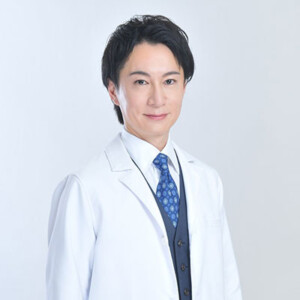
Dr. Jun Karibe
MD
Director
Education & Career
Certifications
Awards
This article is for general informational purposes only and does not constitute medical advice or a diagnosis. Please consult a qualified physician for any health concerns.
MEDICAL REVIEW