Laser Skin Treatment in Tokyo: A Complete Guide for English-Speaking Patients
Finding a trusted clinic for laser skin treatment in Tokyo — one where you can communicate freely in English — can feel like a daunting task. Whether you are an expatriate managing a long-standing skin concern, a medical tourist planning a treatment during your stay, or a visitor curious about the laser technology available in Japan, this guide is designed to answer your most pressing questions. Below you will find a clear, clinically grounded overview of the main laser treatments available in Tokyo, what realistic results look like, how much they typically cost, and how to decide whether laser therapy is right for you.
- What laser skin treatments are available in Tokyo, and how each one works
- What results to expect and how many sessions are typically needed
- How much laser treatment costs at a Tokyo clinic, with actual price ranges
- Who is — and who is not — a good candidate for laser therapy
- Common misconceptions about laser treatment, especially for Asian skin tones
What Is Laser Skin Treatment?
Laser skin treatment is a broad term covering several distinct technologies, each designed to target a specific layer of the skin or a specific chromophore (a light-absorbing molecule such as melanin or haemoglobin). The word “laser” stands for Light Amplification by Stimulated Emission of Radiation — in practice, this means a highly focused beam of light energy is delivered to the skin in a controlled, precise manner. Different wavelengths target different concerns: shorter wavelengths address superficial pigmentation, while longer wavelengths penetrate more deeply to stimulate collagen remodelling or remove tattoo ink.
In a dermatology or cosmetic medicine setting, lasers are used for a wide range of concerns including sunspots, melasma, acne scarring, enlarged pores, uneven skin tone, fine lines, and tattoo removal. Some lasers — such as fractional CO₂ — work by creating thousands of microscopic channels in the skin to trigger the body’s natural healing and collagen-building response. Others, such as picosecond lasers, deliver ultra-short pulses of energy that shatter pigment particles without generating significant heat, reducing the risk of post-inflammatory hyperpigmentation — a particularly important consideration for patients with East Asian, South Asian, or mixed skin tones.
Types of Laser Treatment Available in Tokyo
PicoWay Picosecond Laser
The PicoWay laser is one of the most widely adopted picosecond-technology platforms globally. It fires pulses in trillionths of a second (picoseconds), generating a photoacoustic (pressure-based) effect rather than primarily a photothermal (heat-based) one. This makes it highly effective for pigmentation — including stubborn melasma, post-acne dark marks, and solar lentigines (sunspots) — while significantly lowering the thermal burden on surrounding tissue. It is also one of the gold-standard options for multi-colour tattoo removal.
Clinical studies support the safety of picosecond lasers on darker skin types. A 2019 review published in Lasers in Surgery and Medicine noted that picosecond-domain devices demonstrated favourable safety profiles in Fitzpatrick skin types III–V, with lower rates of post-inflammatory hyperpigmentation compared with nanosecond Q-switched devices. This is particularly relevant for many patients of Asian heritage seeking treatment in Tokyo.
CO₂ Fractional Laser
The fractional CO₂ laser operates at a wavelength of 10,600 nm and is absorbed by water in skin cells, causing controlled micro-thermal damage. This stimulates the remodelling of collagen and elastin, making it one of the most effective treatments available for atrophic acne scarring, enlarged pores, and mild to moderate skin laxity. Because only a fraction of the skin surface is treated in each pass, the surrounding intact skin accelerates healing and reduces recovery time compared with fully ablative (non-fractional) CO₂ treatments.
A 2022 study in the Journal of Cosmetic Dermatology reported that fractional CO₂ laser achieved clinically significant improvement in acne scar grading scores in approximately 70–80% of subjects after two to three treatment sessions. Results are cumulative, meaning each additional session typically builds upon the last.
Laser Toning (Low-Fluence Q-Switched Nd:YAG)
Laser toning — sometimes called “carbon peel laser” or “Hollywood peel” — uses a low-fluence, high-repetition Q-switched Nd:YAG laser to deliver gentle, diffuse energy across the skin surface. It is a popular maintenance and brightening treatment in East Asia, valued for reducing overall skin tone unevenness, minimising the appearance of pores, and offering a degree of collagen stimulation with virtually no downtime. It is generally well-tolerated on Asian skin tones and can be used as a standalone treatment or in combination with other modalities.
Photofacial (IPL — Intense Pulsed Light)
While not a laser in the strict technical sense — IPL (Intense Pulsed Light) uses a broad-spectrum light source rather than a monochromatic beam — it is commonly grouped with laser skin treatments and addresses similar concerns. At Kojimachi Dermatology & Plastic Surgery Clinic, the Stella M22 photofacial system is available for treating vascular redness, diffuse pigmentation, and rosacea-associated flushing. It is a popular first-step treatment for patients seeking an overall improvement in skin clarity with minimal recovery time.
Laser Treatment Comparison: Which Option Is Right for You?
| Treatment | Primary Concerns | Downtime | Sessions Typically Needed | Suitable for Asian Skin? |
|---|---|---|---|---|
| PicoWay Pico Laser | Pigmentation, melasma, sunspots, tattoo removal | Minimal (1–3 days) | 3–6 sessions (pigmentation); 5–10+ (tattoo) | Yes — lower risk of PIH |
| CO₂ Fractional Laser | Acne scars, enlarged pores, skin resurfacing | Moderate (5–7 days) | 2–4 sessions | With caution; proper settings essential |
| Laser Toning (Nd:YAG) | Skin brightening, pores, mild pigmentation | None to minimal | 5–10 sessions (monthly) | Yes — widely used in East Asia |
| Photofacial Stella M22 | Redness, vascular lesions, diffuse pigmentation | Minimal (1–3 days) | 3–5 sessions | Moderate — consult specialist first |
Expected Results and How Many Sessions Are Needed
Laser skin treatment is rarely a one-session fix, and honest expectations are central to a satisfying experience. For pigmentation concerns such as sunspots or post-inflammatory marks, most patients begin to see a noticeable reduction after two to three sessions with a pico laser, though deeper or more established pigmentation — including melasma — may require five or more carefully spaced treatments. Melasma in particular is known for its tendency to recur, especially with sun exposure, making diligent daily SPF use non-negotiable as a complementary measure.
For acne scarring treated with the fractional CO₂ laser, meaningful structural improvement typically becomes visible four to six weeks after each session, as new collagen forms progressively. Most clinicians recommend three to four sessions spaced six to eight weeks apart for optimal outcomes. In our clinical experience at BIOTOPE CLINIC or Kojimachi Dermatology & Plastic Surgery Clinic, patients who combine fractional laser with a bio-stimulating injectable treatment — such as JUVELOOK (poly-D-lactic acid) — often report more comprehensive skin quality improvements than with laser alone, as the injectable works to restore dermal volume and hydration from within.
Dr. Karibe’s Note
A common question I receive from international patients is: “Will laser treatment work on my skin tone?” The short answer is yes — but the settings, wavelength selection, and spacing of sessions all need to be carefully adjusted for each individual’s Fitzpatrick skin type. Many of our patients from South and Southeast Asia, as well as those of East Asian heritage, have had very positive experiences with picosecond laser and laser toning protocols specifically calibrated for their skin. I always recommend a thorough consultation before any laser procedure, not only to match the technology to your concern, but to ensure we are treating your skin safely and effectively.
Cost of Laser Skin Treatment in Tokyo
The cost of laser treatment in Tokyo varies considerably depending on the technology used, the size of the area being treated, and the number of sessions required. The following are approximate price ranges at Kojimachi Dermatology & Plastic Surgery Clinic in Ichigaya:
- PicoWay Pico Laser (pigmentation, spot removal): ¥11,000–¥98,000 per session
- Laser Toning: ¥15,000–¥135,000 per session
- CO₂ Fractional Laser (acne scars, enlarged pores): ¥11,000–¥66,000 per session
- Photofacial Stella M22 (redness, pigmentation): ¥28,000–¥126,000 per session
Initial consultations are available from ¥3,300. The final cost for any individual patient depends on the treatment area, the energy settings used, and whether combination protocols are recommended. For an accurate quote, we recommend booking a consultation.
What to Expect: Before, During, and After Laser Treatment
Before Your Appointment
Most clinics will ask you to avoid direct sun exposure and self-tanning products for at least two to four weeks before laser treatment, as tanned skin absorbs laser energy differently and may increase the risk of adverse effects. You will typically be asked to discontinue certain skincare actives — such as retinoids or AHAs/BHAs — for several days beforehand. A patch test may be recommended for first-time patients or those with a history of post-inflammatory hyperpigmentation
Consultation & Booking
Book a Consultation or Treatment
Our English-speaking team responds via LINE or WhatsApp — usually the same day.
During the Procedure
A numbing cream (topical anaesthetic) is applied to the treatment area approximately 30–60 minutes before the session begins, significantly reducing discomfort. The laser device is passed over the skin in a systematic pattern; patients typically describe the sensation as a series of brief, sharp snaps or mild heat. Session times vary from 15 minutes for targeted spot treatment to 45–60 minutes for full-face fractional laser resurfacing.
After the Procedure and Recovery
Post-treatment responses differ considerably between laser types. Pico laser and laser toning typically produce only mild redness that resolves within 24–48 hours, allowing most patients to resume normal activities the following day. Fractional CO₂ laser causes more visible redness, swelling, and micro-crusting for five to seven days; diligent moisturisation and strict sun avoidance during this period are essential. For all laser treatments, broad-spectrum SPF 50 sunscreen must be applied daily throughout the course of treatment and beyond.
Who Is a Good Candidate for Laser Skin Treatment?
Adults in generally good health who have realistic expectations and specific, identifiable skin concerns — pigmentation, scarring, uneven texture, or vascular irregularities — are typically well-suited to laser therapy. At our clinic in Ichigaya, Tokyo, we frequently see patients who have tried multiple over-the-counter brightening products without satisfactory results and are now ready to explore a more clinically targeted approach.
Ideal candidates are those who can commit to adequate sun protection before and after treatment, follow the recommended aftercare protocol, and attend the full recommended course of sessions. Patients with active inflammatory acne should address the active breakouts first — often with prescription topicals or antibiotics — before proceeding with laser resurfacing to avoid exacerbating inflammation or introducing post-procedure infection risk.
Who Should Approach with Caution or Avoid Laser Treatment
- Patients who are pregnant or breastfeeding
- Those with active skin infections, open wounds, or active herpes simplex in the treatment area
- Individuals currently using isotretinoin (Accutane) — most guidelines recommend waiting six to twelve months after completing a course
- Patients with a personal or family history of keloid scarring (raised, thickened scar tissue), particularly for ablative treatments
- Those with very recent, deep suntan or active sun-damaged skin at the time of treatment
Common Misconceptions About Laser Skin Treatment
Misconception 1: “Laser treatment is not safe for Asian skin”
This is one of the most persistent misunderstandings in the field. While it is true that individuals with higher Fitzpatrick skin types (IV–VI) carry a greater inherent risk of post-inflammatory hyperpigmentation from aggressive laser protocols, this risk can be substantially mitigated through appropriate technology selection and parameter adjustment. Picosecond lasers, in particular, have been specifically developed and validated for use on Asian skin types, and laser toning has been a mainstream treatment in South Korea, Japan, and China for over a decade. The key is working with a clinician who has genuine experience treating diverse skin tones.
Misconception 2: “One session will fix the problem permanently”
Laser treatment is effective, but it is not a permanent solution in all cases. Pigmentation concerns — particularly melasma — are driven by a combination of hormonal, UV, and genetic factors. Even after successful clearance, re-exposure to the sun without adequate protection can cause recurrence. Similarly, while fractional CO₂ laser can significantly improve acne scarring, the skin continues to age, and periodic maintenance sessions may be beneficial over time. Patients who achieve the best long-term outcomes are typically those who view laser treatment as part of an ongoing skin health regimen, not a one-time procedure.
Frequently Asked Questions
- Q. Can I have laser skin treatment as a tourist visiting Tokyo for a short trip?
- It depends on the treatment type. Laser toning and pico laser spot treatments carry minimal downtime and can be manageable within a short visit, particularly if the session is scheduled early in the trip. Fractional CO₂ laser, which requires five to seven days of recovery, is generally better suited to those with a longer stay or to residents. During a consultation, the team can help you plan a realistic treatment schedule based on your travel timeline.
- Q. How do I prepare for my first laser consultation at a Tokyo clinic?
- Bring a clear photograph of your skin concern taken in natural lighting, a list of any skincare products and medications you currently use, and notes on any previous cosmetic treatments you have received. If you have a history of cold sores (herpes labialis), skin allergies, or keloid scarring, mention this during the consultation. At Kojimachi Dermatology & Plastic Surgery Clinic, consultations are available in English and the initial fee is ¥3,300.
- Q. Is laser treatment covered by Japanese health insurance?
- In the vast majority of cases, laser skin treatments for cosmetic purposes — pigmentation, resurfacing, pore refinement — are classified as elective cosmetic procedures and are not covered by Japan’s public health insurance (shakai hoken or kokumin kenko hoken). Certain medically indicated conditions may qualify for insurance-covered treatment; a dermatologist can advise whether your specific case meets the criteria. Most cosmetic laser treatments are self-pay.
Summary
Tokyo offers access to a wide range of laser skin treatments, from the virtually no-downtime PicoWay picosecond laser and laser toning protocols to the more intensive fractional CO₂ laser for acne scarring and skin resurfacing. The city’s dermatology and cosmetic medicine sector has considerable expertise in treating diverse skin tones — including Asian skin types where careful parameter selection is essential — making it a strong choice for medical tourists and residents alike.
Key takeaways: choose the right technology for your specific concern; maintain realistic expectations about the number of sessions required; protect your investment with rigorous daily SPF use; and work with a clinician who will assess your skin individually rather than applying a one-size-fits-all protocol. A thorough initial consultation — including a review of your skin history, current skincare, and lifestyle factors — is the most important first step.
If you have any questions about laser skin treatment in Tokyo, our team at Kojimachi Dermatology & Plastic Surgery Clinic in Ichigaya, Tokyo would be happy to help. We offer consultations in English.
References
- Wat H, Wu DC, Rao J, Goldman MP. Application of intense pulsed light in the treatment of dermatologic disease: a systematic review. Dermatol Surg. 2014;40(4):359–377. PubMed
- Gómez-García FJ, et al. Picosecond laser treatment of pigmented lesions and tattoos: a systematic review. Lasers Surg Med. 2019. PubMed Search
- Yin R, et al. Fractional CO₂ laser for acne scars: efficacy and tolerability in Asian patients — a systematic review. J Cosmet Dermatol. 2022. PubMed Search
- Kauvar AN, Bernstein LJ, Friedman PM. Best practices in laser dermatology. Lasers Surg Med. 2020;52(2):106–131. PubMed
- Chan HH, et al. The use of Q-switched 1064 nm Nd:YAG laser for the treatment of melasma in Asians. Lasers Surg Med. 2006;38(9):890–895. PubMed
24/7 Consultation & Booking
Book a Consultation or Treatment
Our English-speaking team responds via LINE or WhatsApp — usually the same day.
SUPERVISED BY
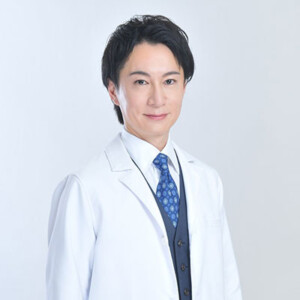
Dr. Jun Karibe
MD
Director
Education & Career
Certifications
Awards
This article is for general informational purposes only and does not constitute medical advice or a diagnosis. Please consult a qualified physician for any health concerns.
MEDICAL REVIEW