Melasma Treatment in Tokyo: Causes, Options, and What Really Works
If you have noticed stubborn brown or greyish patches on your cheeks, forehead, or upper lip that seem to worsen in summer and refuse to fade with ordinary skincare, you are far from alone. Melasma is one of the most common — and most frustrating — pigmentation conditions seen in dermatology clinics across Tokyo. For English-speaking expats, tourists, and medical visitors unfamiliar with the Japanese healthcare system, navigating treatment options can feel overwhelming. This article explains what melasma is, why it develops, and what evidence-based treatments are available in Tokyo so you can make an informed decision about your skin.- What melasma is and why it is particularly common in East Asia
- The key triggers behind melasma flare-ups and why sun exposure alone is not always to blame
- Which treatments are most effective for melasma in 2024, from topical agents to laser therapy
- Realistic costs for melasma treatment in Tokyo
- Who is a good candidate and what to expect from a consultation
What Is Melasma?
Melasma (also called chloasma, or kanzame in Japanese) is a chronic skin condition characterised by flat, symmetrical patches of hyperpigmentation — that is, areas where the skin produces more melanin (the pigment responsible for skin colour) than surrounding tissue. The patches typically appear on sun-exposed areas: the cheeks, bridge of the nose, forehead, chin, and upper lip. Unlike freckles, which are small and scattered, melasma tends to form larger, diffuse areas with irregular edges. The condition affects people of all ethnicities but is significantly more prevalent in those with Fitzpatrick skin types III–V — a classification used by dermatologists to describe how the skin responds to UV light. This includes many individuals of East Asian, South Asian, Latin American, and Middle Eastern heritage. Studies suggest that melasma affects up to 35% of women in certain Asian populations, making it a priority concern in dermatology clinics throughout Japan.Epidermal vs. Dermal Melasma
Not all melasma is the same. Clinicians classify it into two main subtypes based on the depth of pigment within the skin. Epidermal melasma sits in the outer layer of skin (the epidermis) and tends to appear brown; it generally responds better to topical treatments and certain lasers. Dermal melasma involves pigment deposited in the deeper dermis and often has a greyish or bluish hue; this type is more difficult to treat and requires a more cautious approach. Many patients have a mixed type, which is where treatment planning becomes nuanced.What Causes Melasma?
Melasma is driven by an overactivation of melanocytes — the pigment-producing cells in the skin — in response to several overlapping triggers. Understanding these triggers is essential, because treatment without addressing the root cause is unlikely to produce lasting results.UV Radiation
Ultraviolet radiation from the sun is the most significant external trigger. Even brief, incidental sun exposure can stimulate melanocytes to overproduce pigment in predisposed individuals. Crucially, UVA rays — which penetrate glass and are present year-round, even on overcast days — are also implicated. This is why consistent, broad-spectrum sun protection is considered the cornerstone of any melasma management plan.Hormonal Influences
Oestrogen and progesterone are known to sensitise melanocytes. This is why melasma is sometimes called the “mask of pregnancy” (chloasma gravidarum), as it commonly appears during pregnancy or when using hormonal contraceptives. In some women, patches may fade after delivery or after stopping the contraceptive pill — though not always completely.Visible Light and Heat
Emerging research suggests that visible light (especially blue-violet wavelengths) and infrared heat can also trigger melanocyte activity, independent of UV. This means that even indoor light sources or heat from cooking may contribute to melasma in some cases — a finding that has important implications for treatment choices.Genetic Predisposition
A family history of melasma significantly increases susceptibility. The condition is not contagious and is not caused by any dietary deficiency, though certain nutritional factors — such as antioxidant status — may influence skin resilience.Available Melasma Treatments in Tokyo
Effective melasma management almost always requires a multimodal approach — combining topical agents, sun protection, and, where appropriate, procedural treatments. No single treatment delivers a permanent cure, but a carefully tailored regimen can achieve significant and sustained lightening.Topical Agents
The first line of treatment for most patients remains topical depigmenting agents prescribed by a dermatologist. Tranexamic acid (applied topically or taken orally) has strong evidence supporting its use in Asian skin types and works by inhibiting the pathway that activates melanocytes. Kojic acid, azelaic acid, and retinoids (vitamin A derivatives) are also commonly prescribed in combination regimens. In Japan, hydroquinone — widely used in the United States and Europe — is not commercially available as a cosmetic product, though it may be compounded by a specialist clinic on prescription.Sun Protection as Therapy
It bears emphasising that sunscreen is not merely an adjunct to melasma treatment — it is a core therapeutic intervention. Dermatologists recommend SPF 50+ broad-spectrum sunscreen applied daily, even indoors, and reapplied every two hours when outdoors. Iron oxide-containing sunscreens may provide additional protection against visible light.Laser and Energy-Based Treatments
Laser therapy for melasma requires careful selection, as the wrong laser wavelength or fluence (energy level) can paradoxically worsen pigmentation through a phenomenon called post-inflammatory hyperpigmentation (PIH). This is a particular concern in darker skin types common among Tokyo’s expatriate community. Low-fluence Q-switched Nd:YAG laser toning (also called laser toning or gentle laser) is one of the most widely studied laser approaches for Asian skin. Multiple sessions at low energy are used to gradually reduce pigment without triggering PIH. A 2019 systematic review published in the Journal of the American Academy of Dermatology reported that laser toning produced measurable improvement in melasma severity scores across multiple Asian cohorts, though the authors noted that recurrence without maintenance was common. Pico lasers (ultra-short pulse lasers, such as the PicoWay system) represent a newer generation of technology and are increasingly used for melasma in combination with topical therapy. Their ultra-short pulses deliver energy to pigment cells with less heat dispersion to surrounding tissue, which may reduce the risk of PIH compared with older nanosecond lasers. Clinical evidence is still accumulating, but early studies are encouraging. At Kojimachi Dermatology & Plastic Surgery Clinic, both laser toning and pico laser treatments are available for patients with pigmentation concerns including melasma. Laser toning is priced at approximately ¥15,000–¥135,000 depending on the treatment area, and pico laser (PicoWay) sessions are priced at approximately ¥11,000–¥98,000. These are treatments available at our Ichigaya clinic — feel free to ask about them during a consultation.Chemical Peels
Superficial chemical peels — particularly salicylic acid and mandelic acid peels — can help accelerate the turnover of pigmented skin cells and enhance the penetration of topical agents. They are typically used as part of a programme rather than as a standalone treatment. Salicylic acid peeling at the clinic is available from ¥11,000 to ¥308,000 depending on the extent of treatment.Skincare Regimens and Nutraceuticals
Medical-grade skincare lines such as Zo Skin Health, available at the clinic, include formulations specifically developed for pigmentation management and can meaningfully support in-clinic treatments at home. Oral tranexamic acid and certain antioxidant supplements (vitamin C, glutathione) are also used adjunctively in some clinical protocols, and intravenous glutathione drips are offered as a preventive or supportive measure.Melasma Treatment Comparison
| Treatment | Best For | Sessions Needed | Downtime | Approximate Cost at Clinic |
|---|---|---|---|---|
| Topical agents (prescription) | Mild–moderate, epidermal | Ongoing (months) | None | Varies by prescription |
| Laser toning (Nd:YAG) | Moderate, Asian skin types | 5–10 sessions | Minimal (1–2 days redness) | ¥15,000–¥135,000 |
| Pico laser (PicoWay) | Stubborn epidermal/mixed | 4–8 sessions | Minimal–mild | ¥11,000–¥98,000 |
| Salicylic acid peel | Mild, superficial pigment | 4–6 sessions | 2–5 days peeling | ¥11,000–¥308,000 |
| IV glutathione / vitamin C drip | Supportive / systemic | Monthly or as directed | None | Available; ask at consultation |
Expected Results and Realistic Outlook
It is important to set honest expectations. Melasma is a chronic, relapsing condition — this means that while treatment can produce significant and visible improvement, the pigmentation may return, particularly following sun exposure, hormonal changes, or other triggers. A 2020 review in the International Journal of Dermatology found that recurrence rates within one year of stopping treatment ranged from 20–50%, even among patients who had achieved marked clearing. The most successful outcomes are consistently seen in patients who combine procedural treatments with diligent daily sun protection and maintenance skincare. Patients should view melasma management as an ongoing process rather than a one-time intervention. In our clinical experience at Kojimachi Dermatology & Plastic Surgery Clinic, patients who commit to a structured programme — combining in-clinic laser sessions with prescription topical therapy and rigorous sun avoidance — typically begin to notice visible lightening within 6–8 weeks, with more substantial improvement over a 3–6 month course.Dr. Karibe’s Note
A common question I receive from international patients is: ‘Can I just do a few laser sessions to get rid of my melasma?’ I always explain that laser is a valuable tool, but it must be selected carefully and used as part of a broader plan. Using an aggressive laser on melasma-prone skin without proper preparation and sun protection can make pigmentation significantly worse. My approach is always to start conservatively, assess the skin’s response, and build a personalised programme — particularly for patients with darker skin tones who are at higher risk of post-inflammatory hyperpigmentation. Patience and consistency consistently outperform aggressive, rushed treatment.
Cost of Melasma Treatment in Tokyo
The total cost of melasma treatment depends heavily on the type and number of sessions required, the surface area being treated, and whether topical or oral medications are included. Below is a guide to relevant treatment costs at Kojimachi Dermatology & Plastic Surgery Clinic in Ichigaya:- Laser toning: ¥15,000– per session (area-dependent)
- Pico laser (PicoWay): ¥11,000–¥98,000 per session
- Salicylic acid peeling: ¥11,000–¥308,000
- Initial consultation: ¥3,300
Who Is a Good Candidate for Melasma Treatment?
Most adults with visible melasma patches and a desire for improvement are potential candidates for treatment. However, the most appropriate treatment modality will depend on skin type, melasma depth and severity, skin sensitivity, and individual health history.Good Candidates
- Adults with confirmed melasma (as opposed to other pigmentation conditions such as post-acne marks or seborrhoeic keratoses)
- Those willing to commit to daily sun protection throughout and after treatment
- Those not currently pregnant or breastfeeding (most laser and prescription treatments are contraindicated during pregnancy)
- Those with realistic expectations about the chronic nature of melasma
Who Should Proceed with Caution or Avoid Certain Treatments
- Pregnant or breastfeeding individuals — many topical agents and all laser treatments are not recommended
- Those with active tan or recent significant sun exposure — laser treatment on recently tanned skin significantly increases PIH risk
- Those on photosensitising medications — discuss all medications with your dermatologist before beginning treatment
- Individuals with very dark skin tones (Fitzpatrick type VI) — require specialist assessment as standard laser protocols may need significant adjustment
Common Misconceptions About Melasma
Misconception 1: “Melasma Will Go Away on Its Own If I Just Use Sunscreen”
Sunscreen is essential, but for established melasma, it is rarely sufficient on its own to produce significant clearing. Sun protection primarily prevents worsening and helps maintain results achieved through active treatment. Patients hoping to clear existing patches typically need prescription topical agents or procedural treatments in addition to diligent photoprotection.Misconception 2: “A Single Laser Session Will Clear My Melasma”
At our clinic in Ichigaya, Tokyo, we frequently see patients who have sought a single aggressive laser session elsewhere hoping for rapid results, only to experience worsened or rebound pigmentation. Melasma treatment with lasers requires a low-and-slow approach — multiple low-intensity sessions — especially in Fitzpatrick types III–V. Aggressive treatment is one of the most common reasons for treatment failure in melasma.Frequently Asked Questions
- Q. Is melasma the same as sun spots or age spots?
- No. Although both are forms of hyperpigmentation, they have different underlying causes and distribution patterns. Sun spots (solar lentigines) are typically discrete, round spots caused by cumulative UV damage and appear more frequently in older individuals. Melasma tends to form larger, diffuse, symmetrical patches and is more strongly linked to hormonal factors. A dermatologist can distinguish between them and recommend the appropriate treatment.
- Q. How many laser sessions will I need for melasma?
- The number of sessions varies depending on the severity, depth, and type of melasma, as well as the specific treatment modality chosen. For laser toning, most protocols involve 5–10 sessions spaced 2–4 weeks apart, followed by maintenance sessions. Your treating physician will provide a personalised estimate during consultation after assessing your skin.
- Q. Can I receive melasma treatment if I am only visiting Tokyo for a short time?
- It is possible to begin a treatment programme during a visit to Tokyo, though most effective melasma protocols require multiple sessions over several weeks or months. A consultation can assess your skin and provide prescription topical agents or an initial in-clinic treatment that you can continue at home or at a clinic in your home country. Some treatments — such as a single peel session or starting a medical-grade skincare regimen — are well suited to shorter visits.
Summary
Melasma is a common, chronic pigmentation condition driven by UV exposure, hormonal influences, and genetic predisposition. It is particularly prevalent among the diverse international community living in or visiting Tokyo, and it disproportionately affects individuals with Fitzpatrick skin types III–V. Effective management requires a multimodal, evidence-based approach: prescription topical agents, rigorous sun protection, and carefully selected procedural treatments such as low-fluence laser toning, pico laser, or superficial chemical peels. No treatment offers a permanent cure, and the risk of recurrence is real — but patients who commit to a consistent, supervised programme can achieve meaningful and lasting improvement. Consulting a board-certified dermatologist or plastic surgeon before beginning any treatment is strongly advised, particularly given the risk of worsening pigmentation if the wrong approach is taken. If you have any questions about melasma treatment, our team at BIOTOPE CLINIC or Kojimachi Dermatology & Plastic Surgery Clinic Tokyo would be happy to help. We offer consultations in English.References
- Rajanala S, Maymone MBC, Vashi NA. Melasma pathogenesis: a review of the latest research, pathological findings, and investigational therapies. Dermatology Online Journal. 2019. PubMed
- Rodrigues M, Pandya AG. Melasma: clinical diagnosis and management options. Australasian Journal of Dermatology. 2015. PubMed
- Sarkar R, et al. Melasma update. Indian Dermatology Online Journal. 2014. PubMed
- Vachiramon V, et al. Low-fluence Q-switched Nd:YAG 1064-nm laser for the treatment of facial melasma in Asians: a systematic review and meta-analysis. PubMed Search
- Trivedi MK, et al. A review of laser and light therapy in melasma. International Journal of Dermatology. 2017. PubMed
Topical Tranexamic Acid — a Complement to In-Clinic Treatment
For melasma, dullness, and post-inflammatory pigmentation, at-home care with a topical tranexamic acid serum can complement in-clinic treatments. Tranexamic acid is reported to inhibit melanin-triggering signaling (the plasmin pathway) and is used clinically for pigmentation care.
As an accessible daily-care option, we introduce Dr.J+ TA Serum, a topical tranexamic acid serum developed by Dr. Jun Karibe, MD, Director of BIOTOPE Clinic (Shirokanedai, Tokyo).
Born from the Aesthetic Dermatology Practice
Dr.J+ TA Serum (2% Tranexamic Acid Topical Serum)
More than a brightening serum. Designed to address pigmentation and inflammation together — a total concept from an aesthetic dermatology perspective.
High-Concentration Formula — 2% Tranexamic Acid
Formulated with concerns like the following at the core:
- Melasma
- Dark spots
- Dullness
- Uneven skin tone
Dipotassium Glycyrrhizate — High Concentration
Formulated with sensitivity and inflammation in mind, supporting a healthy skin environment.
- Rough skin
- Redness
- Sensitive / reactive skin
- Chronic inflammatory concerns
Curated Cosmetic Ingredients
- Placenta Extract
- Sodium Hyaluronate
- Sage Leaf Extract
- Roman Chamomile Extract
- Mandarin Orange Peel Extract
- Allantoin
Beyond active correction — a philosophy of nurturing while calming inflammation. Radiance, firmness, glow, hydration, and smoothness — all in one serum.
※ Cosmetic product. Individual results may vary.
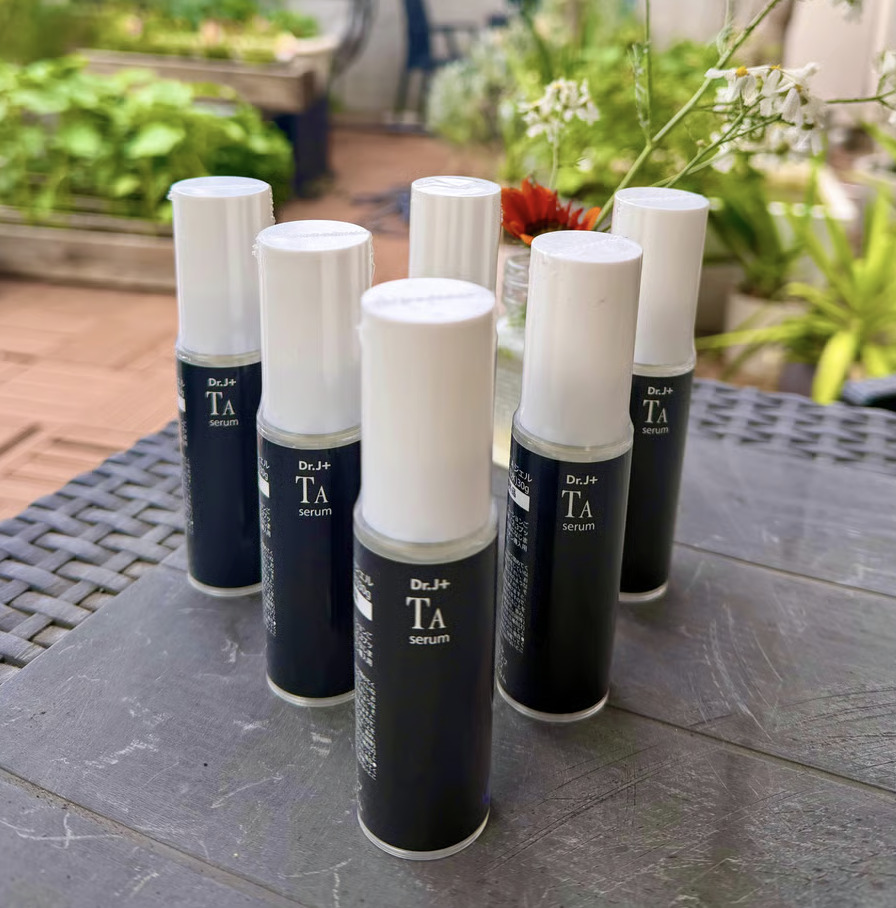
Developed by Dr. Jun Karibe, MD — Director, BIOTOPE Clinic
Dr.J+ TA Serum (Tranexamic Acid Topical Serum)
For those concerned with melasma, dullness, and post-inflammatory pigmentation.
A high-concentration topical serum easily incorporated into your morning and evening skincare.
※ Cosmetic product. Individual results may vary.
24/7 Consultation & Booking
Book a Consultation or Treatment
Our English-speaking team responds via LINE or WhatsApp — usually the same day.
SUPERVISED BY
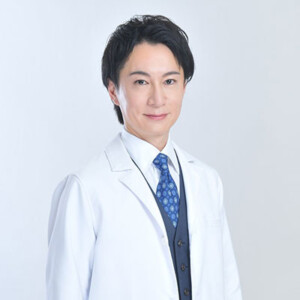
Dr. Jun Karibe
MD
Director
Education & Career
Certifications
Awards
This article is for general informational purposes only and does not constitute medical advice or a diagnosis. Please consult a qualified physician for any health concerns.
MEDICAL REVIEW