Acne Treatment Tokyo: A Complete Guide for Foreigners
Looking for Acne Treatment in Tokyo?
If you are searching for acne treatment in Tokyo, you are certainly not alone.
Every year, thousands of expatriates, international students, business travellers, and medical tourists visit dermatology clinics across Japan seeking effective treatment for acne, acne scars, enlarged pores, and post-inflammatory pigmentation.
Fortunately, Tokyo offers some of the most advanced dermatological care in Asia. Modern treatments combine evidence-based prescription medication with state-of-the-art technologies such as POTENZA RF microneedling, CO₂ fractional laser, Dermapen, and chemical peels.
However, acne is far more than a cosmetic concern.
Without appropriate treatment, acne can leave permanent scars, pigmentation, and psychological distress that may persist long after active breakouts disappear.
Therefore, early diagnosis and individualized treatment are essential.
At Kojimachi Dermatology & Plastic Surgery Clinic, we provide comprehensive acne treatment in English for international patients. Every consultation begins with a careful assessment of your skin type, acne severity, lifestyle, medical history, and previous treatments before we develop a personalized treatment plan.
In this guide, you’ll learn:
- Why acne develops
- How acne is diagnosed
- Prescription treatments available in Japan
- Laser and cosmetic treatments for acne scars
- Typical treatment costs in Tokyo
- Recovery and aftercare
- How to prevent acne from returning
Whether you live in Japan or are visiting Tokyo, this guide will help you understand your treatment options and choose the approach that best suits your skin.
What Is Acne?
Acne vulgaris is one of the world’s most common skin diseases.
It develops when four biological processes occur simultaneously.
These include:
- Excess oil (sebum) production
- Blocked hair follicles
- Overgrowth of Cutibacterium acnes
- Chronic skin inflammation
Together, these processes produce blackheads, whiteheads, papules, pustules, cysts, and nodules.
Although acne often begins during adolescence, many adults continue to experience breakouts throughout their twenties, thirties, and even forties.
Consequently, acne should not be considered “just a teenage problem.”
Why Does Acne Develop?
Understanding the underlying causes helps explain why different patients require different treatments.
Excess Sebum Production
Sebaceous glands naturally produce oil that protects the skin.
However, hormonal changes—particularly increased androgen activity—can stimulate these glands to produce excessive amounts of sebum.
As oil accumulates, pores become blocked more easily.
Blocked Hair Follicles
Normally, dead skin cells shed naturally.
In acne-prone skin, these cells accumulate inside the follicle.
Consequently, pores become clogged.
This forms:
- Whiteheads (closed comedones)
- Blackheads (open comedones)
These lesions often represent the earliest stage of acne.
Bacterial Growth
Cutibacterium acnes normally lives on healthy skin.
However, blocked follicles create an environment where the bacteria multiply rapidly.
As bacterial numbers increase, the immune system responds with inflammation.
This produces red, swollen pimples.
Inflammation
Inflammation is responsible for many of acne’s most troublesome symptoms.
It causes:
- Pain
- Redness
- Swelling
- Permanent scarring
Modern acne treatment focuses not only on reducing bacteria but also on controlling inflammation before permanent skin damage develops.
Why Early Treatment Matters
Many people delay visiting a dermatologist because they believe acne will disappear naturally.
Unfortunately, delaying treatment often increases the risk of permanent scars.
Research suggests that up to 95% of patients with moderate or severe acne develop some degree of acne scarring.
In addition to physical changes, acne frequently affects emotional wellbeing.
Clinical studies consistently demonstrate associations between acne and:
- Reduced self-confidence
- Anxiety
- Depression
- Social withdrawal
- Reduced quality of life
Therefore, treating acne early improves both skin health and overall wellbeing.
How Acne Is Diagnosed
Many patients assume diagnosis simply involves counting pimples.
In reality, dermatologists perform a much more comprehensive assessment.
During your consultation, your physician evaluates:
- Acne severity
- Lesion type
- Distribution
- Skin type
- Scarring
- Pigmentation
- Previous treatments
- Lifestyle
- Hormonal influences
This detailed assessment allows your dermatologist to develop an individualized treatment plan rather than recommending the same therapy for every patient.
Acne Severity Classification
Dermatologists usually classify acne into three categories.
Mild Acne
Typically includes:
- Blackheads
- Whiteheads
- Occasional small pimples
Most patients respond well to prescription topical medication.
Moderate Acne
Moderate acne usually presents with:
- Numerous inflamed papules
- Pustules
- Early pigmentation
- Early scarring
Combination therapy often produces the best results.
Severe Acne
Severe acne includes:
- Nodules
- Deep cysts
- Extensive inflammation
- Significant scarring
These patients usually require oral medication together with long-term follow-up.
What Happens During Your First Consultation?
At BIOTOPE Clinic, every consultation begins with a comprehensive medical assessment.
Rather than recommending treatment immediately, we first identify the underlying causes of your acne.
Your consultation includes:
- Medical history
- Current medications
- Previous acne treatments
- Daily skincare routine
- Lifestyle assessment
- Clinical photographs
- Skin examination
- Personalized treatment planning
English-speaking staff are available throughout the consultation.
Consequently, international patients can discuss their concerns comfortably without worrying about language barriers.
Dr. Karibe’s Clinical Perspective
One of the biggest misconceptions I encounter is that acne is simply something patients must “grow out of.” In reality, untreated acne often leads to permanent scarring that becomes far more difficult—and expensive—to treat later.
Another common mistake is trying multiple skincare products without first identifying the underlying cause. Some patients primarily have hormonal acne, while others develop acne because of excess oil production, inflammation, or inappropriate skincare. Although these conditions may look similar, they require different treatment strategies.
For this reason, I always begin with a detailed consultation. Once we understand why your acne developed, we can create a treatment plan that not only clears active breakouts but also minimizes future scars and improves long-term skin health.
Evidence-Based Acne Treatment in Tokyo
One of the biggest advantages of seeing an English-speaking dermatologist in Tokyo is access to evidence-based acne treatment that follows international clinical guidelines.
Rather than relying on a single cream or medication, dermatologists usually combine several therapies to address the different causes of acne.
For example, one treatment may reduce oil production, while another controls inflammation and a third prevents future scarring.
As a result, combination therapy often produces better long-term outcomes than any single treatment alone.
Prescription Acne Treatments
Prescription medication remains the foundation of acne treatment.
For most patients, controlling active inflammation comes before treating acne scars.
Fortunately, Japanese dermatologists follow treatment strategies that closely match international guidelines published by organizations such as the American Academy of Dermatology (AAD) and the European Dermatology Forum.
Topical Retinoids
Topical retinoids remain one of the most effective first-line treatments for acne.
The most commonly prescribed retinoid in Japan is adapalene (Differin®).
Retinoids work by:
- Preventing clogged pores
- Increasing skin cell turnover
- Reducing inflammation
- Preventing new acne lesions
Unlike spot treatments, retinoids treat the entire acne-prone area.
Therefore, they help prevent future breakouts as well as treating existing acne.
Patients should understand that mild dryness or irritation during the first few weeks is completely normal.
Most skin gradually adapts with continued use.
Benzoyl Peroxide
Benzoyl peroxide has been a cornerstone of acne treatment for decades.
Unlike antibiotics, bacteria do not develop resistance to benzoyl peroxide.
Consequently, dermatologists frequently combine it with topical or oral antibiotics.
Benefits include:
- Reducing Cutibacterium acnes
- Lowering inflammation
- Preventing antibiotic resistance
- Reducing new inflammatory lesions
Many patients begin noticing improvement after four to six weeks.
Topical Antibiotics
Topical clindamycin remains another commonly prescribed medication.
However, dermatologists rarely prescribe antibiotics alone.
Instead, they combine them with benzoyl peroxide to reduce bacterial resistance.
This combination improves treatment effectiveness while protecting future antibiotic usefulness.
Oral Medications
Moderate or severe inflammatory acne often requires oral medication.
Oral Antibiotics
The most frequently prescribed antibiotics include:
- Doxycycline
- Minocycline
These medications reduce inflammation rather than simply killing bacteria.
Therefore, patients often notice improvement within several weeks.
However, oral antibiotics should only be used for limited periods.
Long-term antibiotic therapy increases the risk of bacterial resistance.
Consequently, dermatologists gradually transition patients toward maintenance therapy using topical medication.
Hormonal Treatment
For many adult women, hormones play a major role in acne development.
Common signs include:
- Acne around the jawline
- Breakouts before menstruation
- Persistent adult acne
- Acne resistant to topical treatment
Depending on the patient’s medical history, hormonal treatment may become part of the overall management strategy.
What About Isotretinoin?
Many international patients ask about isotretinoin (Accutane®).
Unlike several Western countries, isotretinoin prescribing remains more limited in Japan.
Therefore, patients interested in isotretinoin should discuss their previous treatment history during consultation.
Your dermatologist can explain whether alternative therapies or referral options are more appropriate.
Is Acne Treatment Covered by Japanese Health Insurance?
Many international residents ask this question.
Fortunately, the answer is often yes.
If acne is diagnosed as acne vulgaris, medically necessary treatments are generally covered by Japanese National Health Insurance (NHI) for eligible residents.
Insurance-covered treatment commonly includes:
- Dermatology consultation
- Prescription retinoids
- Topical antibiotics
- Oral antibiotics
- Benzoyl peroxide
- Follow-up visits
However, cosmetic procedures remain self-funded.
Cosmetic Acne Treatments
Once active acne becomes well controlled, many patients wish to improve:
- Acne scars
- Enlarged pores
- Uneven skin texture
- Post-inflammatory pigmentation
Modern cosmetic dermatology offers several highly effective options.
CO₂ Fractional Laser
CO₂ fractional laser remains one of the most extensively researched treatments for acne scars.
Instead of treating the entire skin surface, the laser creates thousands of microscopic treatment columns.
These controlled micro-injuries stimulate collagen remodeling.
Consequently, depressed acne scars gradually become shallower.
Patients also notice improvements in:
- Skin texture
- Fine wrinkles
- Enlarged pores
- Overall skin quality
Recovery usually requires five to ten days, although collagen production continues for several months.
Scientific Evidence
Multiple systematic reviews support fractional CO₂ laser for acne scarring.
Clinical studies consistently demonstrate meaningful improvement following three to four treatment sessions.
Although complete scar removal is unrealistic, most patients experience substantial improvement.
POTENZA RF Microneedling
POTENZA combines microneedling with radiofrequency energy.
Unlike ablative lasers, RF microneedling delivers heat beneath the skin surface while minimizing damage to the epidermis.
Therefore, recovery tends to be faster.
POTENZA is particularly effective for:
- Acne scars
- Enlarged pores
- Oily skin
- Mild skin laxity
- Overall skin texture
Many dermatologists also prefer POTENZA for patients with darker skin because the risk of post-inflammatory pigmentation is generally lower than with some ablative laser treatments.
Dermapen
Dermapen stimulates collagen using hundreds of tiny needles.
Rather than removing skin, it encourages natural healing.
Patients commonly choose Dermapen to improve:
- Mild acne scars
- Fine lines
- Skin texture
- Enlarged pores
Recovery usually lasts only two to four days.
Therefore, Dermapen remains popular among patients with busy schedules.
Chemical Peels
Chemical peels remain an excellent option for mild acne.
Salicylic acid peels are especially effective because they penetrate oily pores.
Benefits include:
- Reducing clogged pores
- Improving oily skin
- Preventing future breakouts
- Brightening post-inflammatory pigmentation
Most treatments require virtually no downtime.
Furthermore, peels combine well with prescription medication.
Which Treatment Is Best?
There is no universal answer.
Instead, the best treatment depends on:
- Acne severity
- Scar type
- Skin type
- Lifestyle
- Downtime
- Previous treatment history
For example:
Active inflammatory acne
→ Prescription medication.
Acne scars
→ CO₂ fractional laser.
Sensitive or darker skin
→ POTENZA.
Mild scars
→ Dermapen.
Comedonal acne
→ Chemical peels.
Most patients ultimately benefit from combining several treatment modalities.
Dr. Karibe’s Clinical Perspective
Many patients come to our clinic believing they need laser treatment immediately. However, treating active inflammation should almost always come first.
When acne remains active, new scars continue to develop. Therefore, beginning with prescription medication often provides the strongest foundation for long-term improvement. Once the skin becomes stable, we can safely introduce treatments such as POTENZA, fractional CO₂ laser, or Dermapen to improve scars and overall skin quality.
This staged approach consistently produces better outcomes than attempting cosmetic treatment too early.
Evidence-Based Acne Treatment in Tokyo
One of the biggest advantages of seeing an English-speaking dermatologist in Tokyo is access to evidence-based acne treatment that follows international clinical guidelines.
Rather than relying on a single cream or medication, dermatologists usually combine several therapies to address the different causes of acne.
For example, one treatment may reduce oil production, while another controls inflammation and a third prevents future scarring.
As a result, combination therapy often produces better long-term outcomes than any single treatment alone.
Prescription Acne Treatments
Prescription medication remains the foundation of acne treatment.
For most patients, controlling active inflammation comes before treating acne scars.
Fortunately, Japanese dermatologists follow treatment strategies that closely match international guidelines published by organizations such as the American Academy of Dermatology (AAD) and the European Dermatology Forum.
Topical Retinoids
Topical retinoids remain one of the most effective first-line treatments for acne.
The most commonly prescribed retinoid in Japan is adapalene (Differin®).
Retinoids work by:
- Preventing clogged pores
- Increasing skin cell turnover
- Reducing inflammation
- Preventing new acne lesions
Unlike spot treatments, retinoids treat the entire acne-prone area.
Therefore, they help prevent future breakouts as well as treating existing acne.
Patients should understand that mild dryness or irritation during the first few weeks is completely normal.
Most skin gradually adapts with continued use.
Benzoyl Peroxide
Benzoyl peroxide has been a cornerstone of acne treatment for decades.
Unlike antibiotics, bacteria do not develop resistance to benzoyl peroxide.
Consequently, dermatologists frequently combine it with topical or oral antibiotics.
Benefits include:
- Reducing Cutibacterium acnes
- Lowering inflammation
- Preventing antibiotic resistance
- Reducing new inflammatory lesions
Many patients begin noticing improvement after four to six weeks.
Topical Antibiotics
Topical clindamycin remains another commonly prescribed medication.
However, dermatologists rarely prescribe antibiotics alone.
Instead, they combine them with benzoyl peroxide to reduce bacterial resistance.
This combination improves treatment effectiveness while protecting future antibiotic usefulness.
Oral Medications
Moderate or severe inflammatory acne often requires oral medication.
Oral Antibiotics
The most frequently prescribed antibiotics include:
- Doxycycline
- Minocycline
These medications reduce inflammation rather than simply killing bacteria.
Therefore, patients often notice improvement within several weeks.
However, oral antibiotics should only be used for limited periods.
Long-term antibiotic therapy increases the risk of bacterial resistance.
Consequently, dermatologists gradually transition patients toward maintenance therapy using topical medication.
Hormonal Treatment
For many adult women, hormones play a major role in acne development.
Common signs include:
- Acne around the jawline
- Breakouts before menstruation
- Persistent adult acne
- Acne resistant to topical treatment
Depending on the patient’s medical history, hormonal treatment may become part of the overall management strategy.
What About Isotretinoin?
Many international patients ask about isotretinoin (Accutane®).
Unlike several Western countries, isotretinoin prescribing remains more limited in Japan.
Therefore, patients interested in isotretinoin should discuss their previous treatment history during consultation.
Your dermatologist can explain whether alternative therapies or referral options are more appropriate.
Is Acne Treatment Covered by Japanese Health Insurance?
Many international residents ask this question.
Fortunately, the answer is often yes.
If acne is diagnosed as acne vulgaris, medically necessary treatments are generally covered by Japanese National Health Insurance (NHI) for eligible residents.
Insurance-covered treatment commonly includes:
- Dermatology consultation
- Prescription retinoids
- Topical antibiotics
- Oral antibiotics
- Benzoyl peroxide
- Follow-up visits
However, cosmetic procedures remain self-funded.
Cosmetic Acne Treatments
Once active acne becomes well controlled, many patients wish to improve:
- Acne scars
- Enlarged pores
- Uneven skin texture
- Post-inflammatory pigmentation
Modern cosmetic dermatology offers several highly effective options.
CO₂ Fractional Laser
CO₂ fractional laser remains one of the most extensively researched treatments for acne scars.
Instead of treating the entire skin surface, the laser creates thousands of microscopic treatment columns.
These controlled micro-injuries stimulate collagen remodeling.
Consequently, depressed acne scars gradually become shallower.
Patients also notice improvements in:
- Skin texture
- Fine wrinkles
- Enlarged pores
- Overall skin quality
Recovery usually requires five to ten days, although collagen production continues for several months.
Scientific Evidence
Multiple systematic reviews support fractional CO₂ laser for acne scarring.
Clinical studies consistently demonstrate meaningful improvement following three to four treatment sessions.
Although complete scar removal is unrealistic, most patients experience substantial improvement.
POTENZA RF Microneedling
POTENZA combines microneedling with radiofrequency energy.
Unlike ablative lasers, RF microneedling delivers heat beneath the skin surface while minimizing damage to the epidermis.
Therefore, recovery tends to be faster.
POTENZA is particularly effective for:
- Acne scars
- Enlarged pores
- Oily skin
- Mild skin laxity
- Overall skin texture
Many dermatologists also prefer POTENZA for patients with darker skin because the risk of post-inflammatory pigmentation is generally lower than with some ablative laser treatments.
Dermapen
Dermapen stimulates collagen using hundreds of tiny needles.
Rather than removing skin, it encourages natural healing.
Patients commonly choose Dermapen to improve:
- Mild acne scars
- Fine lines
- Skin texture
- Enlarged pores
Recovery usually lasts only two to four days.
Therefore, Dermapen remains popular among patients with busy schedules.
Chemical Peels
Chemical peels remain an excellent option for mild acne.
Salicylic acid peels are especially effective because they penetrate oily pores.
Benefits include:
- Reducing clogged pores
- Improving oily skin
- Preventing future breakouts
- Brightening post-inflammatory pigmentation
Most treatments require virtually no downtime.
Furthermore, peels combine well with prescription medication.
Which Treatment Is Best?
There is no universal answer.
Instead, the best treatment depends on:
- Acne severity
- Scar type
- Skin type
- Lifestyle
- Downtime
- Previous treatment history
For example:
Active inflammatory acne
→ Prescription medication.
Acne scars
→ CO₂ fractional laser.
Sensitive or darker skin
→ POTENZA.
Mild scars
→ Dermapen.
Comedonal acne
→ Chemical peels.
Most patients ultimately benefit from combining several treatment modalities.
Dr. Karibe’s Clinical Perspective
Many patients come to our clinic believing they need laser treatment immediately. However, treating active inflammation should almost always come first.
When acne remains active, new scars continue to develop. Therefore, beginning with prescription medication often provides the strongest foundation for long-term improvement. Once the skin becomes stable, we can safely introduce treatments such as POTENZA, fractional CO₂ laser, or Dermapen to improve scars and overall skin quality.
This staged approach consistently produces better outcomes than attempting cosmetic treatment too early.
Common Misconceptions About Acne Treatment
Many patients delay seeing a dermatologist because they believe common myths about acne. Unfortunately, these misconceptions often lead to unnecessary scarring and prolonged inflammation.
Understanding the facts allows patients to start effective treatment much sooner.
Misconception 1: “Acne Is Just a Teenage Problem”
This is one of the most common myths.
Although acne often begins during adolescence, adult acne is becoming increasingly common.
In fact, many of our patients are in their twenties, thirties, and forties.
Adult acne frequently develops because of:
- Hormonal fluctuations
- Chronic stress
- Poor sleep
- Certain cosmetics
- Diet
- Genetics
Consequently, adult acne often requires a different treatment strategy than teenage acne.
Fortunately, both conditions respond well to evidence-based dermatological care.
Misconception 2: “Washing Your Face More Often Will Cure Acne”
Many people believe acne results from poor hygiene.
However, this is incorrect.
Acne develops because of inflammation, blocked follicles, excess sebum, bacteria, and hormonal influences—not because the skin is “dirty.”
Over-cleansing often damages the skin barrier.
As a result, irritation increases and breakouts may become even worse.
Instead, dermatologists usually recommend gentle cleansing twice daily using products appropriate for acne-prone skin.
Misconception 3: “Sunlight Clears Acne”
Some patients notice temporary improvement after sun exposure.
Unfortunately, this effect rarely lasts.
Ultraviolet radiation may initially reduce visible inflammation.
However, excessive UV exposure eventually causes:
- Increased pigmentation
- Premature skin ageing
- Reduced skin barrier function
- Higher skin cancer risk
Furthermore, post-inflammatory hyperpigmentation becomes much more noticeable after sun exposure.
Therefore, daily SPF 50+ sunscreen remains essential throughout acne treatment.
Misconception 4: “Acne Scars Cannot Be Treated”
Years ago, treatment options were limited.
Today, modern dermatology offers numerous effective solutions.
Depending on scar type, treatment may include:
- CO₂ Fractional Laser
- POTENZA RF Microneedling
- Dermapen
- Chemical Peels
- Combination therapy
Although complete scar removal is rarely possible, most patients achieve significant improvement in texture and appearance.
Frequently Asked Questions
Can tourists receive acne treatment in Tokyo?
Yes.
Many international visitors receive acne treatment while staying in Tokyo.
Prescription medication, chemical peels, Dermapen, and many laser procedures are suitable for short-term visitors.
However, if you plan to undergo CO₂ fractional laser treatment, allow sufficient recovery time before your return flight.
Is acne treatment covered by Japanese National Health Insurance?
For eligible residents enrolled in Japanese National Health Insurance (NHI), medically necessary acne treatment is generally covered.
Covered treatments commonly include:
- Dermatology consultation
- Prescription retinoids
- Oral antibiotics
- Topical antibiotics
- Benzoyl peroxide
However, cosmetic procedures—including laser treatment, POTENZA, Dermapen, and chemical peels—are self-funded.
Which acne scar treatment works best?
There is no single best treatment.
Instead, the ideal treatment depends on the type of scar.
For example:
Ice-pick scars
→ Often require combination therapy.
Rolling scars
→ Frequently improve with RF microneedling.
Boxcar scars
→ Often respond well to fractional CO₂ laser.
During your consultation, your dermatologist will explain which approach best matches your skin.
How long does acne treatment take?
Most patients notice improvement within six to twelve weeks.
However, severe acne may require several months of treatment.
Similarly, acne scar remodeling continues for many months after laser or RF procedures.
Therefore, consistency is far more important than speed.
Can I wear makeup after treatment?
Usually, yes.
Following prescription treatment or chemical peels, makeup can often be applied the following day.
After Dermapen or POTENZA, patients typically wait 24 hours.
Following CO₂ fractional laser, makeup should be postponed until the skin has healed completely.
Your dermatologist will provide personalized aftercare instructions.
Why Choose Kojimachi Dermatology & Plastic Surgery Clinic?
Choosing the right clinic is just as important as choosing the right treatment.
At Kojimachi Dermatology & Plastic Surgery Clinic, we combine medical dermatology with advanced cosmetic technology to provide comprehensive acne care for international patients.
Our clinic offers:
- English-speaking consultations
- Board-certified plastic surgery expertise
- Medical dermatology
- Cosmetic dermatology
- Advanced laser systems
- POTENZA RF Microneedling
- CO₂ Fractional Laser
- Dermapen
- Chemical Peels
- Personalized treatment plans
- Transparent pricing
- Comprehensive aftercare
Rather than offering the same treatment to every patient, we carefully evaluate your acne type, skin condition, previous treatments, and long-term goals before creating an individualized plan.
This approach improves both safety and long-term satisfaction.
Dr. Karibe’s Final Advice
One of the most rewarding aspects of treating acne is watching patients regain confidence as their skin improves.
Many people spend years trying countless skincare products before seeing a dermatologist. Unfortunately, delaying appropriate treatment often allows inflammation to continue and increases the likelihood of permanent scarring.
In my experience, successful acne treatment requires more than simply prescribing medication. It begins with understanding why the acne developed in the first place. Once we identify the underlying causes, we can combine prescription therapy, advanced technology, skincare guidance, and lifestyle advice into a comprehensive treatment plan.
The goal is not only to clear today’s breakouts but also to prevent tomorrow’s scars.
Summary
Acne is one of the most common skin conditions worldwide, yet modern dermatology offers highly effective treatment options for almost every stage of the disease.
Whether you have active acne, hormonal acne, enlarged pores, post-inflammatory pigmentation, or acne scars, a personalized treatment plan can significantly improve both your skin and your confidence.
At BIOTOPE CLINIC ・Dermatology & Plastic Surgery Clinic, we provide evidence-based acne treatment for international patients in English.
Our comprehensive approach combines prescription medication, advanced laser technology, RF microneedling, Dermapen, and individualized skincare recommendations to achieve safe, natural, and long-lasting results.
If you are looking for Acne Treatment in Tokyo, our experienced team would be delighted to help you begin your journey toward clearer, healthier skin.
Description
Looking for Acne Treatment in Tokyo? Discover prescription acne treatments, acne scar removal, CO₂ laser, POTENZA RF microneedling, Dermapen, treatment costs, and expert care from an English-speaking dermatologist in Tokyo.
- Acne Scar Treatment Tokyo
- Rosacea Treatment Tokyo
- Dark Spot Removal Tokyo
- Pico Laser Tokyo
- CO₂ Fractional Laser Tokyo
- POTENZA RF Microneedling Tokyo
- Dermapen Tokyo
- Chemical Peel Tokyo
- English-Speaking Dermatologist Tokyo
- Skin Rejuvenation Tokyo
References
- Zaenglein AL, et al. Guidelines of care for the management of acne vulgaris. Journal of the American Academy of Dermatology. 2016;74(5):945–973. PubMed
- Tan J, et al. Prevalence, severity, and impact of acne vulgaris: a systematic review and meta-analysis. Journal of the American Academy of Dermatology. 2022;86(2):367–375. PubMed Search
- Chapas AM, et al. Successful treatment of acneiform scarring with CO2 ablative fractional resurfacing. Dermatologic Surgery. 2008;34(10):1303–1311. PubMed
- Bhargava S, et al. Fractional radiofrequency microneedling in the treatment of acne scars: a systematic review and meta-analysis. Journal of Cosmetic Dermatology. 2022. PubMed Search
- Del Rosso JQ, et al. Antibiotic use in acne vulgaris and rosacea: clinical considerations and resistance issues of significance to dermatologists. Journal of Clinical and Aesthetic Dermatology. 2012;5(2):19–31. PubMed
24/7 Consultation & Booking
Book a Consultation or Treatment
Our English-speaking team responds via LINE or WhatsApp — usually the same day.
SUPERVISED BY
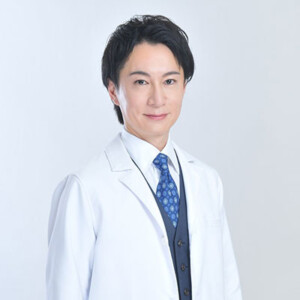
Dr. Jun Karibe
MD
Director
Education & Career
Certifications
Awards
This article is for general informational purposes only and does not constitute medical advice or a diagnosis. Please consult a qualified physician for any health concerns.
MEDICAL REVIEW