Looking for Scar Revision Surgery in Tokyo?
If you are searching for scar revision surgery in Tokyo, you are certainly not alone.
Visible scars can affect both appearance and confidence. Some scars cause only cosmetic concerns. Others create discomfort, itching, tightness, or even functional limitations.
Fortunately, modern plastic surgery offers many effective solutions.
Today, scar treatment goes far beyond simply cutting out a scar. Plastic surgeons can combine surgical revision with laser therapy, RF microneedling, steroid injections, fillers, and advanced wound management techniques to significantly improve scar appearance and function.
At Kojimachi Dermatology & Plastic Surgery Clinic, we regularly treat international patients seeking scar revision after:
- Surgery
- Accidents
- Burns
- Acne
- Traumatic injuries
- Previous cosmetic procedures
Every scar behaves differently.
Therefore, successful treatment begins with an individualized assessment rather than a one-size-fits-all approach.
In this guide, you will learn:
- What scar revision surgery involves
- Which scars respond best to treatment
- Surgical and non-surgical scar revision options
- Recovery expectations
- Scar revision costs in Tokyo
- Common misconceptions about scar treatment
What Is Scar Revision Surgery?
Scar revision surgery refers to procedures designed to improve the appearance, texture, position, or function of a scar.
Importantly, no treatment can completely erase a scar.
However, modern techniques can often make a scar:
- Flatter
- Softer
- Less noticeable
- Better aligned with natural skin lines
- Less symptomatic
The goal is improvement rather than complete removal.
Consequently, realistic expectations are essential before treatment begins.
Why Do Scars Form?
Scars develop as part of the body’s natural wound-healing process.
Whenever the skin experiences injury, the body produces collagen to repair the damaged tissue.
Although this response is necessary, the repaired tissue rarely matches normal skin perfectly.
Several factors influence scar quality:
- Genetics
- Skin type
- Wound location
- Infection
- Inflammation
- Mechanical tension
- Sun exposure
- Age
Because each factor affects healing differently, two patients with identical injuries may develop completely different scars.
Why Some Scars Become More Visible
Many patients assume scar appearance depends only on surgical technique.
In reality, numerous biological factors influence the final result.
For example:
A scar located across a joint experiences continuous tension.
Consequently, it may widen over time.
Similarly, scars on the chest, shoulders, and upper back often become raised because these areas experience higher tension during healing.
Understanding these factors helps surgeons select the most appropriate treatment strategy.
Types of Scars
Before treatment can begin, the scar must be accurately classified.
Different scars require different approaches.
Hypertrophic Scars
Hypertrophic scars are raised, thickened scars that remain within the boundaries of the original wound.
Common characteristics include:
- Redness
- Firm texture
- Itching
- Tenderness
Fortunately, hypertrophic scars often improve over time.
However, treatment can accelerate improvement significantly.
Common treatments include:
- Steroid injections
- Silicone therapy
- Laser treatment
- Scar revision surgery
Keloid Scars
Keloids behave differently.
Unlike hypertrophic scars, they continue growing beyond the original wound margins.
Keloids often appear on:
- Earlobes
- Chest
- Shoulders
- Jawline
Because keloids have high recurrence rates, treatment usually combines multiple approaches.
These may include:
- Surgical excision
- Steroid injection
- Pressure therapy
- Radiation therapy
Studies suggest recurrence rates may exceed 50% when surgery is performed alone.
Therefore, combination therapy remains the standard of care.
Atrophic Scars
Atrophic scars appear depressed below the surrounding skin.
The most common example is acne scarring.
These scars develop when inflammation destroys collagen during healing.
Common forms include:
- Ice-pick scars
- Rolling scars
- Boxcar scars
Treatment often combines:
- Subcision
- RF Microneedling
- CO₂ Fractional Laser
- Dermapen
- Fillers
Because each subtype behaves differently, treatment plans are highly individualized.
Contracture Scars
Contracture scars most commonly occur after burns.
Unlike purely cosmetic scars, these scars may restrict movement.
For example, contractures around the:
- Neck
- Elbow
- Shoulder
- Hand
can significantly impair daily function.
Consequently, surgical correction often focuses on restoring mobility as well as appearance.
Advanced techniques may include:
- Skin grafts
- Local flaps
- Z-plasty
- Tissue rearrangement
Widened Surgical Scars
Some scars heal flat but become stretched over time.
These widened scars frequently occur after:
- Abdominal surgery
- Cesarean section
- Breast surgery
- Mole removal
- Cosmetic procedures
In these situations, scar revision surgery can often improve the appearance dramatically.
The surgeon removes the existing scar and re-closes the wound using meticulous layered techniques designed to reduce tension.
Why Early Evaluation Matters
One of the biggest mistakes patients make is waiting several years before seeking treatment.
While some scars continue improving naturally, others benefit from early intervention.
For example:
- Steroid injections work best during active scar formation.
- Laser treatment often works best during scar maturation.
- Contractures should be addressed before significant functional limitation develops.
Therefore, an early consultation often improves long-term outcomes.
Dr. Karibe’s Clinical Perspective
One of the most common questions I hear is, “Should I wait until the scar is completely mature before doing anything?”
The answer depends on the scar type. While major surgical revision is often delayed until the scar has matured, many supportive treatments—including steroid injections, silicone therapy, and selected laser treatments—can begin much earlier. In fact, timely intervention frequently produces better results than waiting several years.
Another important point is that scar revision is rarely a single procedure. The best outcomes often come from combining several techniques over time. My goal is not simply to make a scar smaller, but to help it blend naturally with the surrounding skin while preserving function and maintaining a natural appearance.
Scar Revision Treatment Options in Tokyo
Modern scar treatment is highly individualized.
There is no single treatment that works for every scar.
Instead, plastic surgeons select the most appropriate approach based on:
- Scar type
- Scar location
- Scar age
- Skin type
- Previous treatments
- Functional symptoms
Consequently, successful scar revision often combines multiple techniques rather than relying on a single procedure.
Surgical Scar Revision
For many widened, distorted, or poorly positioned scars, surgery remains the most effective treatment.
The principle is simple.
The surgeon removes the existing scar and creates a new wound closure under optimal conditions.
This allows:
- Better alignment
- Reduced tension
- Improved contour
- Less visible scarring
Although a new scar inevitably forms, the revised scar is often significantly less noticeable.
Who Benefits Most?
Surgical scar revision is particularly effective for:
- Wide scars
- Stretched scars
- Irregular scars
- Misaligned scars
- Traumatic scars
- Poorly healed surgical scars
Patients often see the greatest improvement when the scar has fully matured before revision.
Z-Plasty
Z-plasty is one of the most important techniques in reconstructive scar surgery.
Rather than simply removing a scar, the surgeon rearranges adjacent skin using carefully designed triangular flaps.
This technique can:
- Lengthen contracted tissue
- Reorient scars
- Improve mobility
- Reduce tension
Consequently, Z-plasty is frequently used for:
- Burn contractures
- Joint contractures
- Facial scars
- Neck scars
Advantages of Z-Plasty
Benefits include:
- Improved function
- Better camouflage
- Reduced scar tension
- Greater mobility
For contracture scars, functional improvement is often just as important as cosmetic improvement.
W-Plasty
W-plasty serves a different purpose.
Instead of lengthening tissue, it breaks up a straight scar into multiple small segments.
As a result, the scar becomes less visible because it reflects light less predictably.
This technique is particularly useful for:
- Facial scars
- Forehead scars
- Cheek scars
- Linear traumatic scars
Patients often appreciate the more natural appearance that W-plasty can create.
CO₂ Fractional Laser for Scar Revision
Not every scar requires surgery.
For many acne scars and surface irregularities, CO₂ fractional laser provides excellent improvement with less downtime than surgical revision.
This treatment works by creating thousands of microscopic treatment zones within the skin.
Consequently, the body produces new collagen during healing.
Over time, scars become:
- Shallower
- Softer
- Smoother
- Less noticeable
Scientific Evidence
Fractional CO₂ laser remains one of the most extensively studied scar treatments.
Clinical studies consistently demonstrate improvement in:
- Acne scars
- Surgical scars
- Traumatic scars
- Surface irregularities
Most patients undergo three to five sessions for optimal results.
Best Candidates
CO₂ laser works particularly well for:
- Boxcar acne scars
- Surgical scars
- Mild hypertrophic scars
- Skin texture irregularities
However, darker skin types require careful treatment planning to minimize pigmentation risk.
RF Microneedling (Morpheus8 / POTENZA)
RF microneedling has become increasingly popular in scar treatment.
Unlike ablative lasers, RF devices deliver heat beneath the skin while preserving much of the surface.
Therefore, recovery is generally faster.
How RF Microneedling Works
Tiny needles penetrate the skin.
Radiofrequency energy is then delivered into the deeper dermis.
This process stimulates:
- Collagen production
- Elastin formation
- Scar remodeling
- Skin tightening
Improvement develops gradually over several months.
Advantages of RF Microneedling
Benefits include:
- Short downtime
- Lower pigmentation risk
- Improved acne scars
- Reduced pore size
- Improved skin quality
Many patients with Asian skin prefer RF microneedling because it often carries a lower risk of post-inflammatory hyperpigmentation.
Subcision
Subcision is one of the most underutilized scar treatments.
Yet for selected acne scars, it can be extremely effective.
What Is Subcision?
Many rolling acne scars are tethered downward by fibrous bands.
These bands pull the skin inward, creating depressions.
During subcision, the surgeon releases these bands using a specialized needle.
Once released:
- The skin rises
- New collagen forms
- Scar depth decreases
Consequently, rolling scars often improve dramatically.
Combining Subcision with Other Treatments
Subcision frequently works best when combined with:
- RF Microneedling
- CO₂ Laser
- Fillers
- PRP
Combination therapy often produces superior results compared with any single treatment alone.
Hyaluronic Acid Fillers for Depressed Scars
Some depressed scars respond well to filler treatment.
Rather than stimulating collagen, fillers immediately restore lost volume.
This approach is particularly useful for:
- Isolated atrophic scars
- Traumatic depressions
- Post-surgical contour defects
Results are visible immediately.
However, most fillers gradually dissolve and require maintenance treatment.
Step-by-Step: What Happens During Scar Revision?
Many patients feel anxious because they do not know what to expect.
Fortunately, most scar revision procedures follow a predictable process.
Step 1: Consultation
Your surgeon evaluates:
- Scar type
- Skin quality
- Scar maturity
- Medical history
- Treatment goals
Photographs are often taken for planning purposes.
Step 2: Treatment Planning
Next, a personalized plan is developed.
This may include:
- Surgery
- Laser treatment
- RF Microneedling
- Steroid injections
- Combination therapy
The surgeon explains realistic expectations before treatment begins.
Step 3: Procedure
Most scar revision procedures are performed under local anesthesia.
Consequently, patients remain comfortable throughout treatment.
Procedure duration varies from:
- 15–30 minutes for small scars
- Several hours for more complex revisions
Step 4: Recovery
After treatment, patients receive detailed aftercare instructions.
Follow-up visits ensure:
- Proper healing
- Scar monitoring
- Early management of any complications
Good aftercare is one of the most important predictors of a successful outcome.
Dr. Karibe’s Clinical Perspective
Many patients initially focus on the size of a scar. However, visibility is often more important than size. A longer scar that follows natural skin creases may be far less noticeable than a shorter scar that crosses facial aesthetic units or sits under excessive tension.
For this reason, scar revision surgery is not simply about making a scar smaller. It is about placing the scar in a more favorable position, improving contour, reducing tension, and helping it blend naturally into surrounding skin. The most successful outcomes often result from combining surgery with technologies such as fractional CO₂ laser or RF microneedling during later stages of healing.
What Results Can You Expect from Scar Revision Surgery?
One of the most important questions patients ask is:
“Will my scar disappear completely?”
The honest answer is no.
No scar revision procedure can completely erase a scar.
However, modern scar treatment can often produce dramatic improvement.
The goal is to make the scar:
- Less visible
- Flatter
- Softer
- Better aligned with natural skin folds
- Less symptomatic
For many patients, this level of improvement significantly increases confidence and quality of life.
What Determines the Final Result?
Several factors influence scar revision outcomes.
These include:
- Scar type
- Scar location
- Skin type
- Age
- Genetics
- Smoking status
- Sun exposure
- Compliance with aftercare
Consequently, results vary from person to person.
Two patients undergoing identical procedures may heal differently.
Results for Surgical Scar Revision
Patients often notice immediate improvement in scar alignment after surgery.
However, the final result takes much longer to develop.
Scar maturation typically occurs over:
6–18 months
During this period, the scar gradually becomes:
- Flatter
- Lighter
- Softer
Therefore, patience is essential.
The appearance seen during the first few weeks rarely reflects the final outcome.
Results for CO₂ Fractional Laser
Laser treatment improves scars through collagen remodeling.
Unlike surgery, improvement develops gradually.
Patients typically notice:
First Month
- Improved texture
- Smoother skin
- Reduced irregularity
Three Months
- Improved scar depth
- Better skin quality
- More uniform appearance
Six Months
- Continued collagen remodeling
- Further softening of scars
Because collagen production continues long after treatment, improvement often progresses for months.
Results for RF Microneedling
RF microneedling generally produces:
- Gradual scar improvement
- Smaller pores
- Better skin texture
- Improved skin firmness
Although changes appear subtle initially, cumulative improvement becomes increasingly visible after multiple sessions.
Recovery After Scar Revision Surgery
Recovery varies significantly depending on the treatment performed.
Fortunately, most procedures involve manageable downtime.
Surgical Scar Revision Recovery
Immediately after surgery, patients may experience:
- Mild swelling
- Bruising
- Tightness
- Tenderness
These symptoms generally improve within several days.
Suture Removal
Sutures are usually removed after:
- Face: 5–7 days
- Body: 10–14 days
Exact timing depends on wound location and tension.
Physical Activity
Patients should avoid:
- Heavy exercise
- Weight lifting
- Stretching the treated area
for several weeks.
Reducing tension during healing helps minimize scar widening.
CO₂ Fractional Laser Recovery
Patients commonly experience:
- Redness
- Swelling
- Peeling
- Temporary crusting
Recovery usually requires:
5–10 days
However, collagen remodeling continues for several months.
RF Microneedling Recovery
Recovery is generally shorter.
Most patients experience:
- Mild redness
- Slight swelling
- Temporary sensitivity
These symptoms typically resolve within:
2–5 days
Therefore, RF microneedling remains popular among patients seeking minimal downtime.
How to Optimize Scar Healing
Aftercare plays a major role in the final result.
We commonly recommend:
✔ Silicone gel or silicone sheets
✔ Sun protection (SPF 50+)
✔ Smoking cessation
✔ Adequate protein intake
✔ Regular follow-up appointments
✔ Avoiding excessive tension on the scar
Patients who follow these recommendations often achieve superior outcomes.
Scar Revision Cost in Tokyo
The cost of scar revision depends on:
- Scar size
- Scar location
- Treatment type
- Complexity
- Anesthesia requirements
At Kojimachi Dermatology & Plastic Surgery Clinic, pricing varies according to individual needs.
Consultation Fees
|
Service |
Cost |
|---|---|
|
Initial Consultation |
¥3,300 |
|
Surgical Consultation |
¥2,200 |
Laser Treatments
|
Treatment |
Cost |
|---|---|
|
CO₂ Fractional Laser |
¥11,000–¥66,000 |
|
RF Microneedling (POTENZA) |
¥35,000–¥49,800 |
Injectable Treatments
|
Treatment |
Cost |
|---|---|
|
Hyaluronic Acid Filler |
¥66,000–¥88,000 per syringe |
Surgical Scar Revision
Pricing is individualized because every scar differs.
Additional fees may include:
|
Item |
Cost |
|---|---|
|
Blood Testing |
¥11,000 |
|
Local Anesthesia |
¥2,200+ |
|
Sedation / Advanced Anesthesia |
Up to ¥77,000 |
An exact quotation is provided during consultation.
Is Scar Revision Covered by Japanese Health Insurance?
This depends on the purpose of treatment.
Cosmetic Scar Revision
Generally:
❌ Not covered
Examples include:
- Cosmetic scar improvement
- Acne scar treatment
- Appearance-focused scar revision
Functional Scar Revision
In some situations:
✅ Partial insurance coverage may apply.
Examples include:
- Burn contractures
- Restricted movement
- Functional impairment
During consultation, your surgeon can determine whether any portion of treatment may qualify.
Who Is a Good Candidate for Scar Revision?
Ideal candidates include patients who:
- Have realistic expectations
- Are in good general health
- Have mature scars
- Experience cosmetic or functional concerns
- Do not smoke heavily
Most patients benefit from at least an evaluation, even if surgery is not ultimately recommended.
Who May Need to Delay Treatment?
Treatment may need postponement in patients with:
- Active infection
- Poor wound healing
- Uncontrolled diabetes
- Active skin disease
- Pregnancy (for elective procedures)
Addressing these issues first improves safety and results.
Dr. Karibe’s Clinical Perspective
One of the most common misconceptions is that scar revision ends when the surgery is finished. In reality, the healing phase is just as important as the procedure itself.
Patients who follow scar management protocols—including silicone therapy, sun protection, and regular follow-up—often achieve significantly better results than those who focus only on the surgery itself. Scar revision should be viewed as a partnership between surgeon and patient. Together, we guide the scar through its maturation process and maximize the final outcome.
Common Misconceptions About Scar Revision Surgery
Many patients arrive for consultation with expectations shaped by social media, online advertisements, or misinformation. While modern scar revision techniques can produce excellent improvement, understanding what scar treatment can realistically achieve is essential.
Misconception 1: “Scar Revision Surgery Removes a Scar Completely”
This is the most common misunderstanding.
No treatment can completely erase a scar.
Every scar revision procedure creates a new healing process, which means a new scar will form.
However, the new scar is often:
- Smaller
- Flatter
- Better positioned
- Less visible
- Less symptomatic
The goal is improvement, not complete elimination.
Fortunately, significant improvement is often achievable.
Misconception 2: “I Should Wait Several Years Before Seeking Treatment”
Many patients believe they must wait indefinitely before consulting a specialist.
In reality, timing matters.
While major surgical revision often occurs after scar maturation, many supportive treatments work best earlier.
Examples include:
- Silicone therapy
- Steroid injections
- Laser therapy
- Scar massage
- Pressure therapy
Therefore, early assessment by a plastic surgeon frequently improves long-term outcomes.
Misconception 3: “Keloids Can Be Removed with Surgery Alone”
Unfortunately, surgery alone is rarely the ideal treatment for keloids.
Clinical studies consistently demonstrate high recurrence rates after excision without adjunctive therapy.
Consequently, modern keloid treatment typically combines:
- Surgical excision
- Steroid injection
- Pressure therapy
- Radiation therapy
- Silicone management
Combination treatment dramatically improves success rates.
Misconception 4: “Only Surgical Treatment Works”
Not every scar requires surgery.
Many scars improve significantly with non-surgical treatment.
For example:
- CO₂ Fractional Laser
- RF Microneedling
- Steroid Injection
- Subcision
- Fillers
may provide excellent results without formal surgery.
A consultation helps determine which approach is most appropriate.
Frequently Asked Questions
How long should I wait before scar revision surgery?
In general, scars are considered mature after approximately:
12–18 months
However, treatment timing varies according to scar type.
Some interventions begin much earlier.
Therefore, early consultation is recommended even if surgery is ultimately delayed.
Is scar revision painful?
Most scar revision procedures are performed under local anesthesia.
Consequently, patients remain comfortable throughout treatment.
Afterward, mild soreness and tightness are normal.
These symptoms typically improve within several days.
How many treatments will I need?
The answer depends on the scar.
Some patients achieve their goals after one procedure.
Others benefit from a staged treatment plan involving:
- Surgery
- Laser treatment
- RF Microneedling
- Steroid injections
The most effective approach is highly individualized.
Can acne scars be treated surgically?
Yes.
Certain acne scars respond extremely well to:
- Subcision
- Punch excision
- Scar excision
However, many acne scars improve more effectively through:
- CO₂ Fractional Laser
- RF Microneedling
- Combination therapy
Your surgeon will recommend the most suitable approach after evaluation.
Are scar treatments safe for Asian skin?
Yes.
However, treatment parameters must be adjusted appropriately.
Asian skin has a higher tendency toward:
- Hyperpigmentation
- Keloid formation
- Hypertrophic scarring
Consequently, careful treatment planning is essential.
When performed by an experienced plastic surgeon, scar revision procedures are generally very safe.
Can tourists receive scar revision treatment in Tokyo?
Absolutely.
Many international patients travel to Tokyo specifically for scar treatment.
Non-surgical treatments often fit easily within a short visit.
For surgical procedures, however, patients should allow sufficient time for:
- Follow-up appointments
- Suture removal
- Early wound monitoring
Your surgeon can help plan treatment around your travel schedule.
Why Choose BIOTOPE CLINIC/Kojimachi Dermatology & Plastic Surgery Clinic?
Choosing the right surgeon is one of the most important decisions in scar treatment.
At BIOTOPE CLINIC or Kojimachi Dermatology & Plastic Surgery Clinic, we combine reconstructive plastic surgery principles with advanced dermatologic technologies to provide individualized scar care for international patients.
Our clinic offers:
English-Speaking Consultations
International patients can discuss concerns comfortably without language barriers.
Board-Certified Plastic Surgery Expertise
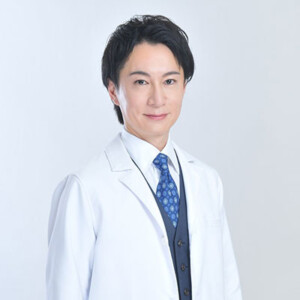
Dr. Jun Karibe is a board-certified plastic surgeon experienced in both cosmetic and reconstructive scar management.
Comprehensive Treatment Options
We offer:
- Surgical Scar Revision
- Z-Plasty
- W-Plasty
- CO₂ Fractional Laser
- RF Microneedling (POTENZA)
- Steroid Injection
- Subcision
- Hyaluronic Acid Fillers
This allows us to tailor treatment to each patient’s needs.
Personalized Treatment Plans
No two scars are identical.
Therefore, every treatment plan is customized based on:
- Scar type
- Location
- Skin type
- Functional concerns
- Aesthetic goals
Dr. Karibe’s Final Advice
One of the most important things I tell patients is that scar revision should not be judged by the first few weeks after treatment.
Healing continues for many months.
The scar you see at one month is often very different from the scar you see at one year.
Successful scar revision requires:
- Proper treatment selection
- Meticulous technique
- Consistent aftercare
- Patience
When these factors come together, improvement can be substantial.
Whether the concern is an old surgical scar, acne scarring, a traumatic injury, or a keloid, modern scar revision techniques offer more options than ever before.
Summary
Scar revision surgery can significantly improve the appearance and function of many different types of scars, including:
- Surgical scars
- Traumatic scars
- Burn scars
- Keloids
- Hypertrophic scars
- Acne scars
Although no treatment can completely erase a scar, modern plastic surgery and dermatologic technologies can often make scars flatter, softer, less visible, and more comfortable.
Treatment options range from surgical scar revision and tissue rearrangement techniques such as Z-plasty to advanced non-surgical treatments including CO₂ fractional laser, RF microneedling, subcision, steroid injections, and fillers.
The most effective treatment depends on accurate diagnosis, realistic expectations, and an individualized treatment plan developed by an experienced plastic surgeon.
If you are looking for Scar Revision Surgery in Tokyo, our team at BIOTOPE CLINIC or Kojimachi Dermatology & Plastic Surgery Clinicwould be delighted to help you explore the safest and most effective options for your specific scar.
We proudly offer consultations in English for international patients.
Scar revision encompasses a spectrum of treatments — from surgical excision and geometric rearrangement techniques to fractional laser, RF microneedling, and injectable therapies — tailored to the specific characteristics of each individual scar. No treatment can eliminate a scar entirely, but a carefully planned, appropriately timed intervention can produce a meaningful and lasting improvement in appearance and, in some cases, function.
At our clinic in Ichigaya, Tokyo, we frequently see patients who have been living with a scar for years — sometimes because they were unaware that effective treatment options exist, and sometimes because they had been told nothing could be done. With advances in both surgical technique and energy-based devices, the range of options available today is broader than ever. The key to a satisfactory outcome is an honest, thorough consultation with a board-certified plastic surgeon who can assess your scar objectively and set realistic expectations before treatment begins.
If you have questions about scar revision surgery in Tokyo, our team at BIOTOPE CLINIC or Kojimachi Dermatology & Plastic Surgery Clinic in Ichigaya, Tokyo would be happy to help. We offer consultations in English.
24/7 Consultation & Booking
Book a Consultation or Treatment
Our English-speaking team responds via LINE or WhatsApp — usually the same day.
References
- Gauglitz GG, Korting HC, Pavicic T, Ruzicka T, Jeschke MG. Hypertrophic scarring and keloids: pathomechanisms and current and emerging treatment strategies. Molecular Medicine. 2011.
- Mustoe TA, Cooter RD, Gold MH, et al. International clinical recommendations on scar management. Plastic and Reconstructive Surgery. 2002.
- Ogawa R. The most current algorithms for the treatment and prevention of hypertrophic scars and keloids: a 2020 update of the Japanese guidelines. Plastic and Reconstructive Surgery. 2022.
- Leventhal D, Furr M, Reiter D. Treatment of keloids and hypertrophic scars: a meta-analysis and review of the literature. Archives of Facial Plastic Surgery. 2006.
- Niessen FB, Spauwen PH, Schalkwijk J, Kon M. On the nature of hypertrophic scars and keloids: a review. Plastic and Reconstructive Surgery. 1999.
Related Articles
You may also find these articles useful.
- Acne Scar Laser Treatment Tokyo: Cost & Results
- Acne Scar Laser Treatment Tokyo: Cost & Results Guide
- English Speaking Plastic Surgeon Tokyo: Complete Guide
- English Speaking Dermatologist Tokyo: Complete Guide
- Skin Clinic Tokyo for Foreigners: How to Find One
SUPERVISED BY
Dr. Jun Karibe
MD
Director
Education & Career
Certifications
Awards
MEDICAL REVIEW