Body Contouring Treatment in Tokyo: A Complete Clinic Guide for International Patients
Many people arrive in Tokyo — whether as residents, medical tourists, or long-stay visitors — already researching body contouring options and wondering how the local clinic landscape compares to what they know at home. The terminology, pricing structures, and available technologies can all differ, and it is entirely reasonable to want a reliable overview before booking anything. This guide explains what body contouring treatments involve, how they work, what realistic outcomes look like, and what patients can expect at a Tokyo clinic.
What you’ll learn in this article:
- What “body contouring” means and which treatments fall under this category
- How non-surgical and surgical options compare — and which may suit your goals
- Realistic cost ranges for body contouring in Tokyo
- Who is a suitable candidate and who should consider alternatives
- Common misconceptions that international patients often bring to consultations
Have a question about this treatment?
Message us on LINE or WhatsApp — our English-speaking team usually replies the same day.
What Is Body Contouring?
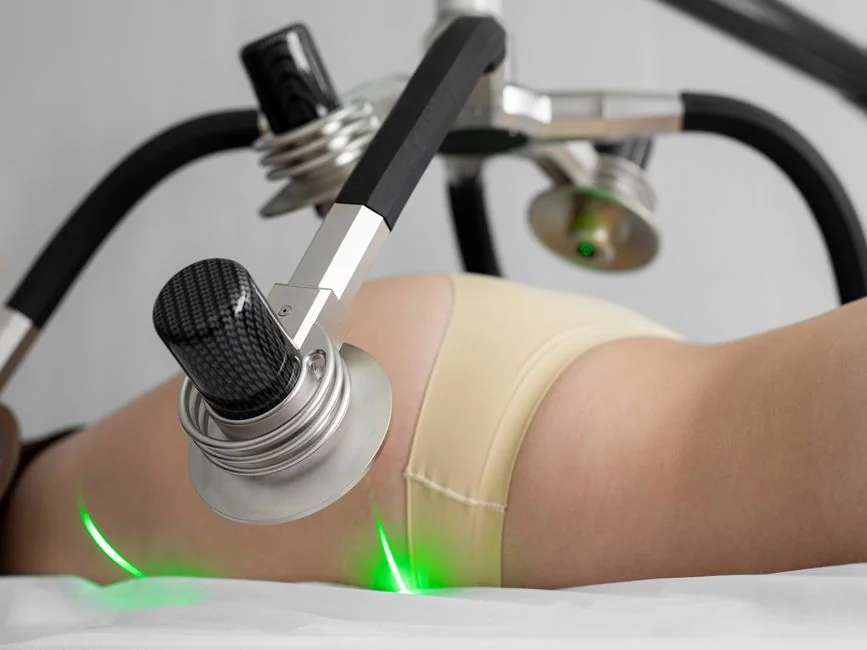
Body contouring is a broad term covering procedures that reshape or refine specific areas of the body by reducing localised fat, tightening skin, or improving overall silhouette.
It does not refer to weight-loss treatments. Instead, body contouring targets pockets of fat or loose skin that remain resistant to diet and exercise.
The field spans a spectrum from minimally invasive injectables to surgical procedures such as liposuction. At a clinic level, the right approach depends on the treatment area, the degree of change sought, skin laxity, and the patient’s tolerance for downtime.
Non-Surgical vs Surgical Body Contouring
Non-surgical approaches — including energy-based devices and fat-dissolving injections — generally require little to no downtime and carry lower procedural risk, but the degree of change achievable is typically more modest than surgery. Surgical options such as liposuction can produce more dramatic fat reduction in a single session, but they involve anaesthesia, recovery time, and a greater clinical commitment.
Most patients benefit from an honest discussion with a qualified physician before deciding which category is appropriate. A board-certified plastic surgeon can assess tissue quality, realistic goals, and safety considerations in a way that general marketing materials cannot.
How Body Contouring Treatments Work
Fat-Dissolving Injections (Lipolytic Injections)
Fat-dissolving injections use compounds — most commonly deoxycholic acid or phosphatidylcholine-based formulas — that break down fat cell membranes, allowing the body to gradually clear the released fatty material through its lymphatic system. The treated fat cells do not regenerate. Results typically develop over several weeks following each session, and most patients require two to four sessions spaced approximately four to six weeks apart.
This approach suits smaller, well-defined areas such as a double chin, jowls, or localised pockets beneath the jawline. It is not suited to large-volume fat reduction.
Radiofrequency and Energy-Based Devices
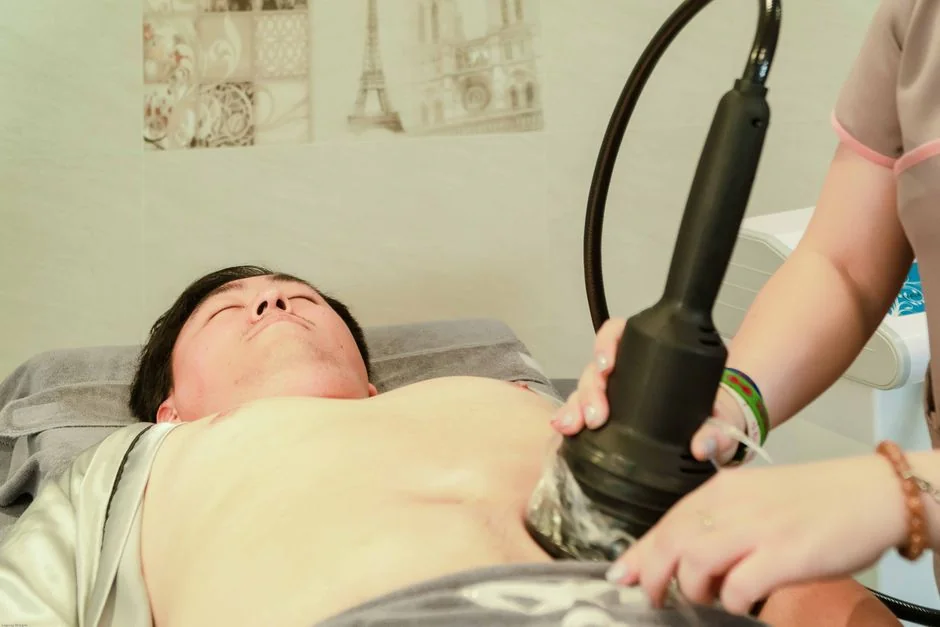
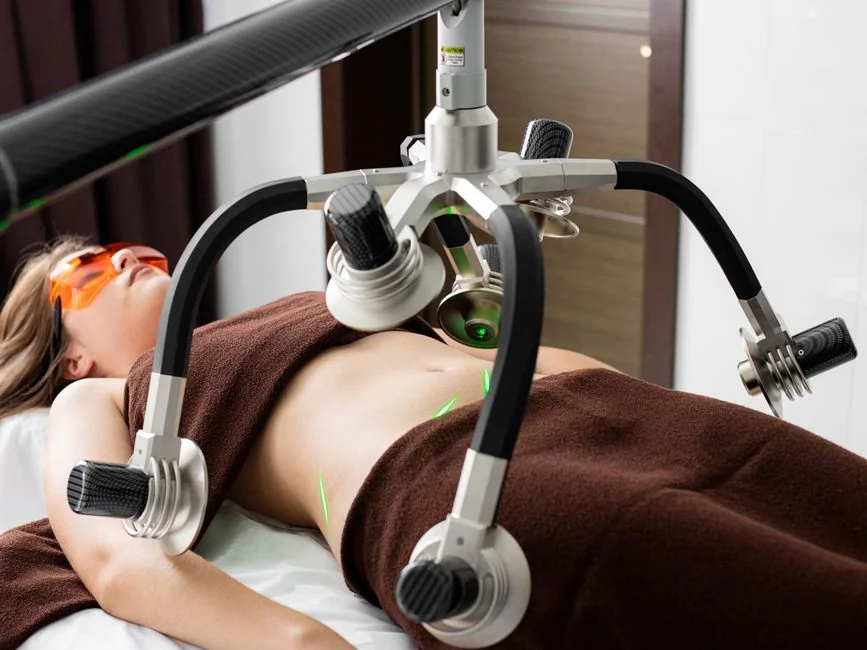
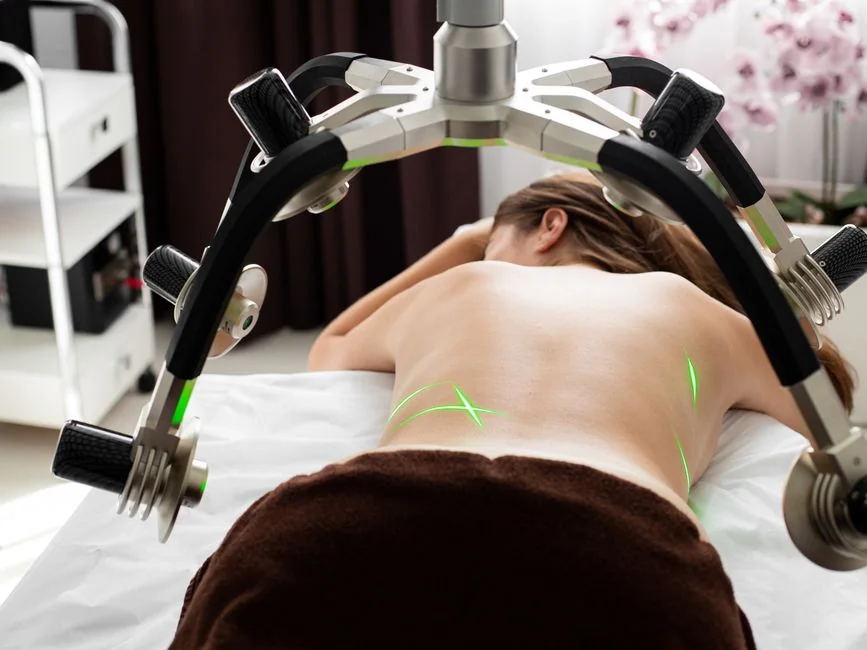
Radiofrequency (RF) technology delivers controlled thermal energy into the deeper layers of the skin and subcutaneous tissue, stimulating collagen remodelling and, in some devices, contributing to fat cell disruption. Treatments such as Morpheus8 — a fractional RF microneedling device available at the clinic — combine the mechanical action of micro-needles with RF energy, addressing both skin texture and mild tissue laxity simultaneously. Embrace RF is another RF-based device available at Kojimachi Dermatology and Plastic Surgery Clinic that targets body contouring and skin tightening with higher energy output.
These technologies are well suited to patients with mild-to-moderate skin laxity who want gradual, natural-looking improvement rather than surgical correction.
Surgical Liposuction
Liposuction involves inserting a thin cannula (hollow tube) beneath the skin through small incisions, then using suction to mechanically remove fat cells from the targeted area. Under the direction of Dr. Jun Karibe — a board-certified plastic surgeon certified by the Japan Society of Plastic and Reconstructive Surgery — the clinic offers liposuction focused on the cheek and jawline area, which is a particularly common concern among both Asian and international patients seeking facial slimming.
Surgical liposuction produces more immediate and definitive volume reduction than non-surgical alternatives, though it requires adequate anaesthesia, a brief recovery period, and careful post-operative management.
Expected Results and What the Evidence Shows
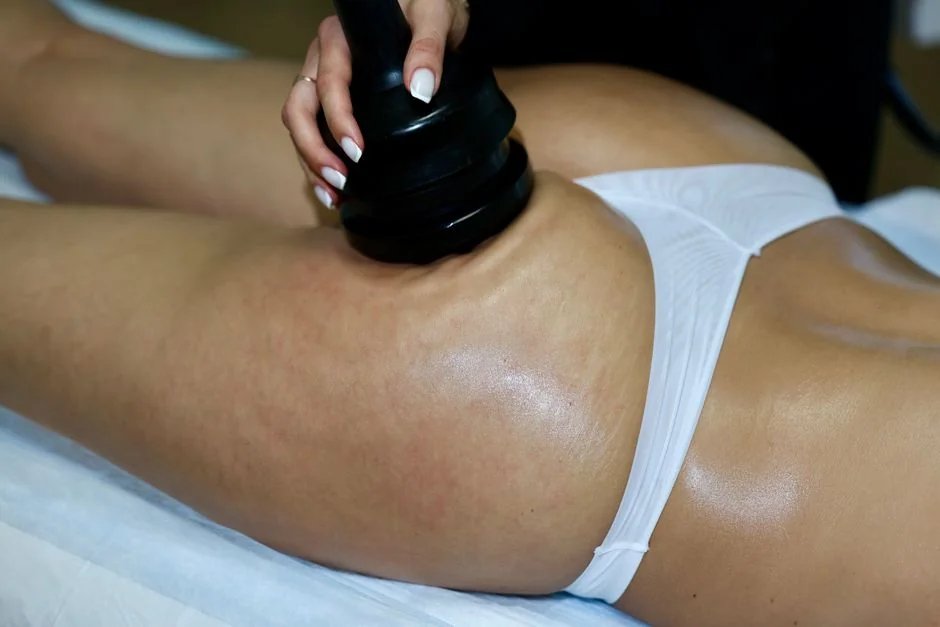
Clinical studies suggest that injectable lipolytic agents can reduce submental (under-chin) fat volume measurably, with published trials reporting statistically significant improvements in patient-rated satisfaction compared with placebo at 12-week endpoints. Similarly, clinical reports indicate that fractional radiofrequency microneedling — such as Morpheus8 — can produce measurable improvements in skin laxity scores and subcutaneous tissue thickness after a series of sessions, with some studies reporting patient satisfaction rates above 80% at three-month follow-up.
It is important to note that individual results vary considerably depending on baseline anatomy, skin quality, adherence to post-treatment guidance, and lifestyle factors. No reputable clinic should promise a specific outcome.
In our clinical experience at Kojimachi Dermatology and Plastic Surgery Clinic, patients who approach body contouring with realistic expectations — understanding that results are progressive and sometimes subtle — consistently report higher satisfaction than those seeking dramatic overnight change from non-surgical methods.
Dr. Karibe’s Note
Many of our international patients are surprised to find that body contouring in Japan is often approached with a preference for subtlety and natural-looking refinement rather than aggressive transformation. A common question I receive is whether non-surgical treatments can replace surgery entirely.
The honest answer depends entirely on how much fat is present, how lax the skin is, and what the patient’s goals are. I always recommend a thorough consultation before committing to any treatment plan, because the right choice for one patient may not be appropriate for another.
What People Often Get Wrong About Body Contouring
Misconception 1: Body contouring is a weight-loss solution. This is one of the most common misunderstandings. Body contouring procedures — whether surgical or non-surgical — are designed to reshape specific anatomical areas, not to reduce overall body weight. Patients who are significantly above their healthy weight range are generally not suitable candidates and may be advised to address weight management first.
Misconception 2: Non-surgical treatments produce surgical-level results. Energy-based devices and injectables have improved substantially over the past decade, and they deliver real, clinically measurable changes. However, they cannot replicate the volume reduction achievable through liposuction, nor can they correct significant skin laxity the way a surgical procedure might. Positioning these treatments honestly — as refinement tools rather than replacements for surgery — leads to better patient outcomes and fewer disappointments.
Body Contouring Treatment Comparison
| Treatment | Mechanism | Typical Target Area | Sessions Required | Downtime | Suitable For |
|---|---|---|---|---|---|
| Fat-dissolving injection | Dissolves fat cell membranes | Chin, jowls, small pockets | 2–4 | Minimal (swelling 3–7 days) | Small, localised fat deposits |
| Morpheus8 (RF microneedling) | Fractional RF energy + microneedles | Face, neck, body | 3–4 | 3–5 days redness/swelling | Mild laxity, texture concerns |
| Embrace RF | Monopolar radiofrequency | Face, neck, body | 1–3 | Minimal | Skin tightening, contouring |
| Liposuction (cheek/jawline) | Surgical fat removal via cannula | Cheeks, jawline, submental | 1 (surgical) | 1–2 weeks | Moderate fat volume, defined goals |
Cost of Body Contouring in Tokyo
Pricing in Tokyo varies considerably depending on the treatment type, the area being treated, and the clinic’s level of medical expertise. Below are the relevant fee ranges at BIOTOPE CLINIC or Kojimachi Dermatology and Plastic Surgery Clinic in Tokyo.
- Morpheus8 (RF microneedling): Available under Dermapen and RF device categories — please enquire directly for current body-area pricing (Dermapen range: ¥9,800–¥220,000 depending on area and protocol)
- Embrace RF: ¥66,000–¥165,000 per session
- Fat-dissolving injection (JUVELOOK and related): ¥11,000–¥267,300 depending on product and treatment volume
- Liposuction (cheek/jawline): ¥280,000 per area
- Anaesthesia (for surgical procedures): ¥2,200–¥77,000 depending on type
- Pre-operative blood work (required for surgery): ¥11,000
- Initial consultation: ¥3,300 / Surgical consultation with Dr. Karibe: ¥2,200
Non-surgical body contouring treatments generally fall in the range of ¥66,000–¥270,000 for a course of treatment, while surgical procedures start from ¥280,000 before anaesthesia and pre-operative fees. For an accurate quote, we recommend booking a consultation.
Have a question about this treatment?
Message us on LINE or WhatsApp — our English-speaking team usually replies the same day.
What to Expect: Before, During, and After Treatment
Before Treatment
All patients at Kojimachi Dermatology and Plastic Surgery Clinic begin with a consultation. For surgical procedures, a pre-operative blood panel (¥11,000) is required to screen for any contraindications. Patients are typically advised to avoid blood-thinning medications such as aspirin, ibuprofen, and high-dose vitamin E supplements for one to two weeks prior to any injectable or surgical procedure. Alcohol should be avoided for at least 24–48 hours beforehand.
During Treatment
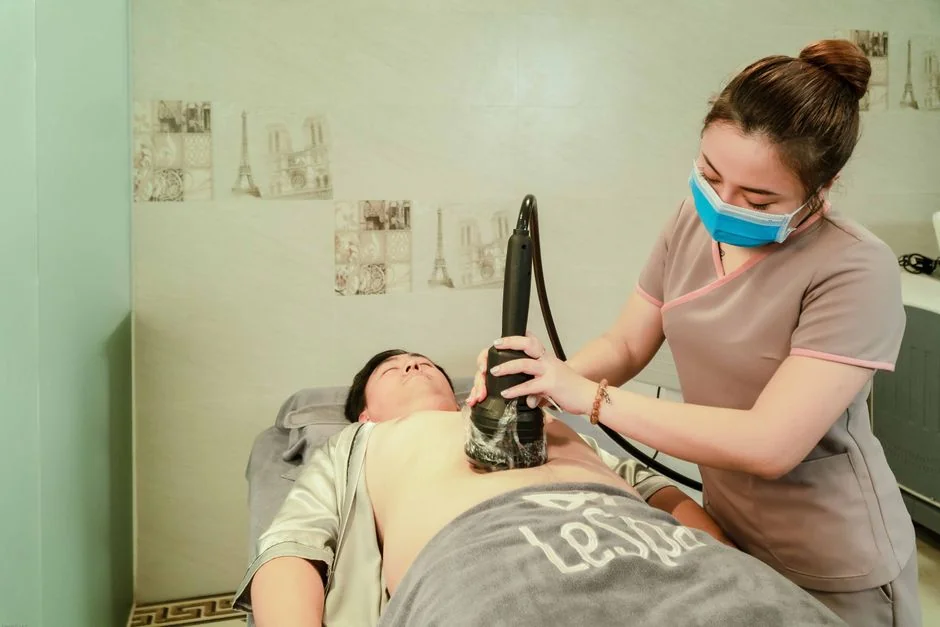
Non-surgical treatments such as RF microneedling or fat-dissolving injections are performed in-clinic and typically take between 30 and 90 minutes depending on the area.
Topical or local anaesthetic is applied to minimise discomfort. Surgical liposuction is performed under appropriate anaesthesia and requires a sterile operating environment with trained support staff.
After Treatment
Non-surgical recovery is generally brief. Mild swelling, redness, or tenderness at the treatment site is common and usually resolves within several days. After surgical liposuction, patients can expect one to two weeks of noticeable swelling and bruising, with compression garments sometimes recommended. Full results from any body contouring treatment — surgical or otherwise — may take eight to twelve weeks to appreciate fully, as the body continues to respond and remodel during this period.
Who Is a Good Candidate?
Good candidates for body contouring are adults who are at or near a stable, healthy weight and have specific localised concerns — such as a double chin, jowl fullness, or cheek volume — that have not responded adequately to lifestyle modifications. Patients should be in general good health, non-smokers (or willing to stop smoking before and after surgery), and have realistic expectations about what any given treatment can achieve.
At our BIOTOPE CLINIC, Tokyo, we frequently see patients who are ideal candidates for minimally invasive contouring because they are already in good overall condition but have stubborn anatomical features — such as a genetically rounded jawline or submental fat — that are simply not responsive to diet or exercise alone.
Who Should Approach with Caution or Seek Alternatives
Body contouring may not be appropriate for individuals who are pregnant or breastfeeding, have active skin infections in the treatment area, are taking anticoagulant medications that cannot be safely paused, or have unrealistic expectations about the degree of change achievable.
Patients with significant skin laxity who seek non-surgical treatment may find that the results do not meet their goals, and a frank discussion about surgical options is more appropriate. Individuals with certain autoimmune conditions or bleeding disorders require careful pre-procedure evaluation.
Frequently Asked Questions
- Q. Are body contouring treatments in Tokyo safe for foreign patients who cannot stay long-term?
- Non-surgical options such as RF treatments or fat-dissolving injections are generally well tolerated with short recovery periods, making them feasible for visitors with a limited stay. Surgical procedures such as liposuction require a longer recovery window and ideally at least one follow-up appointment; patients who cannot commit to this timeframe are usually advised to plan their trip accordingly or consider non-surgical alternatives.
- Q. How many sessions of non-surgical body contouring are typically needed before seeing results?
- Most non-surgical body contouring protocols involve two to four sessions spaced four to six weeks apart, with visible results typically becoming apparent six to eight weeks after the first session. The exact number of sessions depends on the treatment modality, the area being addressed, and individual response to treatment.
- Q. Does the clinic offer consultations in English?
- Yes. BIOTOPE CLINIC and Kojimachi Dermatology and Plastic Surgery Clinic in Ichigaya, Tokyo offers consultations in English. International patients are encouraged to contact the clinic in advance to arrange an appointment and to bring any relevant medical history documentation.
- Q. Is the fat removed by liposuction or fat-dissolving injections permanent?
- Fat cells that are physically removed by liposuction or destroyed by injectable lipolytic agents do not regenerate in that location. However, if a patient gains significant weight after treatment, remaining fat cells in other areas of the body can enlarge, potentially altering the overall contour. Maintaining a stable weight is important for preserving long-term results.
- Q. What is the difference between Morpheus8 and Embrace RF?
- Morpheus8 combines fractional microneedling with radiofrequency energy, making it particularly effective for improving skin texture, mild laxity, and superficial contouring. Embrace RF delivers monopolar radiofrequency energy for deeper tissue heating and tightening, often used when the primary goal is skin firming over a broader area.
- A physician consultation is the most reliable way to determine which device is appropriate for a specific concern.
Have a question about this treatment?
Message us on LINE or WhatsApp — our English-speaking team usually replies the same day.
Summary
Body contouring in Tokyo encompasses a range of well-established treatments — from minimally invasive fat-dissolving injections and radiofrequency devices to surgical liposuction — each with a distinct mechanism, appropriate patient profile, and expected outcome. Understanding which approach aligns with one’s anatomy, goals, and available recovery time is essential to a satisfying result.
Tokyo clinics operating under the guidance of board-certified plastic surgeons offer a high standard of care, and international patients have increasingly found that the combination of clinical expertise, advanced technology, and English-language support makes cities like Tokyo a viable destination for elective aesthetic treatment.
If you have questions about body contouring treatment, our team at BIOTOPE CLINIC or Kojimachi Dermatology and Plastic Surgery Clinic in Tokyo would be happy to help. We offer consultations in English.
24/7 Consultation & Booking
Book a Consultation or Treatment
Our English-speaking team responds via LINE or WhatsApp — usually the same day.
References
- Rzany B, Griffiths T, Walker P, et al. Reduction of unwanted submental fat with ATX-101 (deoxycholic acid), an adipocytolytic injectable treatment: results from a phase III, randomised, placebo-controlled trial. British Journal of Dermatology. 2014.
- Hantash BM, Ubeid AA, Chang H, et al. Bipolar fractional radiofrequency treatment induces neoelastogenesis and neocollagenesis. Lasers in Surgery and Medicine. 2009.
- DiBernardo BE, Reyes J. Evaluation of skin tightening after laser-assisted liposuction. Aesthetic Surgery Journal. 2009.
- Theodorou SJ, Paresi RJ, Chia CT. Radiofrequency-assisted liposuction device for body contouring: 97 patients under local anaesthesia. Aesthetic Plastic Surgery. 2012.
- Gold MH, Sensing W, Biron JA. Fractional radiofrequency for the treatment of localised adiposity and skin laxity: a clinical study. Journal of Drugs in Dermatology. 2014.
Related Articles
You may also find these articles useful.
SUPERVISED BY
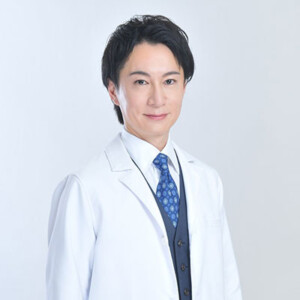
Dr. Jun Karibe
MD
Director
Education & Career
Certifications
Awards
MEDICAL REVIEW