Exosome Therapy in Tokyo: A Complete Guide to Skin Rejuvenation and Anti-Ageing
If you have been researching ways to refresh tired-looking skin, reduce fine lines, or address uneven tone without surgery, you have likely come across the term “exosomes.” The science behind this treatment is evolving rapidly, and for many English-speaking patients in Tokyo, knowing where to start — and who to trust — can be genuinely confusing.
This guide explains what exosome therapy is, how it works on a cellular level, what realistic results look like, what it costs in Tokyo, and whether you are likely to be a suitable candidate.
What you’ll learn in this article:
- What exosomes are and how they stimulate skin renewal
- Which skin concerns exosome therapy can realistically address
- Typical cost ranges for exosome treatments in Tokyo
- How exosome therapy compares to similar regenerative treatments
- Who is — and is not — a good candidate
Have a question about this treatment?
Message us on LINE or WhatsApp — our English-speaking team usually replies the same day.
What Is Exosome Therapy?
Exosomes are tiny vesicles — essentially microscopic packets — naturally released by cells as part of normal cell-to-cell communication. They carry proteins, lipids, and genetic material (including messenger RNA and microRNA) that instruct neighbouring cells to repair, regenerate, or modulate their activity.
In aesthetic medicine, exosome preparations derived from stem cells (most commonly from human placental or adipose tissue-derived stem cells, or from plant sources) are applied to or injected into the skin.
The goal is to encourage the skin’s own fibroblasts and keratinocytes — the cells responsible for collagen production and surface renewal — to behave more like younger, healthier cells.
Unlike platelet-rich plasma (PRP), which uses growth factors drawn from the patient’s own blood, exosome products are typically manufactured from donor or plant-derived cell cultures and then processed under strict sterile conditions.
This means no blood draw is required, and the concentration of bioactive signals can be standardised more precisely than with autologous (self-derived) treatments.
How Exosome Therapy Works for Skin Rejuvenation
The Science in Plain Language
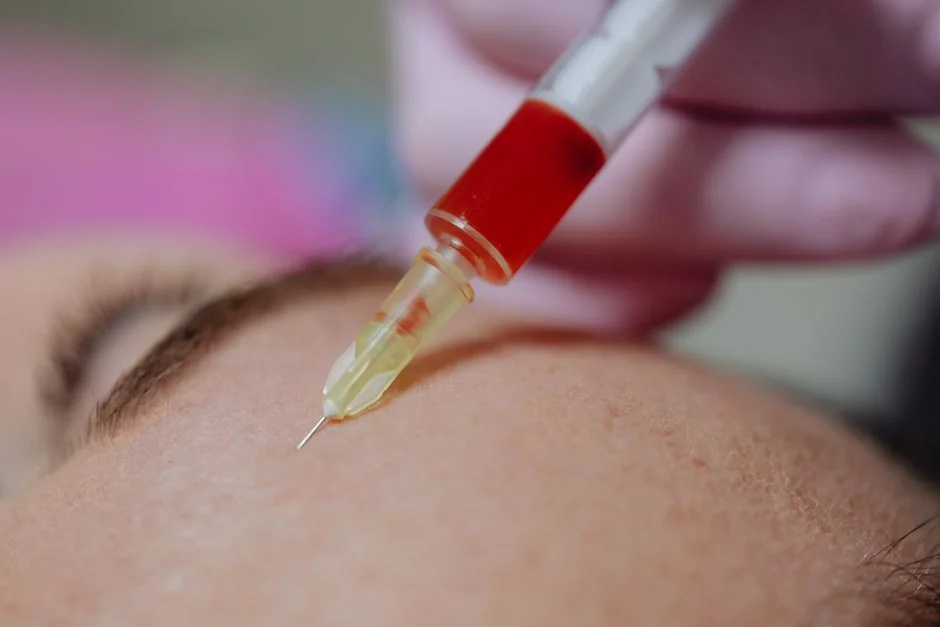
When exosomes are introduced into the skin — whether through microchannels created by a device such as a Dermapen, via direct injection, or as a topical application immediately after a laser or radiofrequency procedure — they are taken up by skin cells and begin to influence gene expression. Simplified: they essentially send “repair and renew” signals to cells that have slowed down with age or sun damage.
Key processes that studies suggest exosomes can support include collagen synthesis, hyaluronic acid production, angiogenesis (the formation of new small blood vessels that improve skin circulation), and the reduction of localised inflammation — a key driver of accelerated skin ageing.
Combination Approaches
Exosome therapy is frequently combined with procedures that create controlled microinjuries or temporary permeability in the skin, allowing the exosome solution to penetrate more deeply. In clinical practice, this often means applying exosomes directly after treatments such as HIFU, radiofrequency microneedling, fractional CO2 laser, or Dermapen. This combination approach is available at BIOTOPE CLINIC in Shirokanedai — if you are interested in pairing exosomes with a device treatment, it is worth raising this during a consultation with Dr. Karibe.
Dr. Karibe’s Note
Many international patients arrive having read that exosomes are a standalone “miracle” treatment, and are surprised to learn that in most clinical settings they work best as a complement to another procedure rather than in complete isolation.
In my experience at BIOTOPE CLINIC, the patients who see the most meaningful improvement are those who use exosomes to enhance recovery and amplify results after an energy-based treatment such as HIFU or Dermapen — not as a replacement for it.
That said, topical or injected exosomes alone can still provide measurable benefit for patients whose skin is too sensitive for device procedures.
Expected Results: What Exosome Therapy Can and Cannot Do
Realistic Outcomes
Clinical reports indicate that patients undergoing exosome skin treatments may notice improvements in skin hydration, texture, and luminosity within two to four weeks of an initial session, with continued improvement over three to six months as collagen remodelling progresses. A 2021 review published in the International Journal of Molecular Sciences found that exosome-based preparations derived from adipose-derived stem cells demonstrated statistically significant increases in dermal collagen density and skin elasticity in both in vitro and early clinical observations.
Reasonable expectations include a more even skin tone, reduction in the appearance of fine lines, improved hydration and plumpness, and — when combined with laser — faster post-procedure recovery and reduced post-inflammatory hyperpigmentation risk.
What Exosomes Are Unlikely to Achieve
Exosome therapy is not a substitute for structural correction. Significant skin laxity, deep folds, or volume loss will still respond better to procedures such as thread lifts, filler, or surgical intervention. The field is also still maturing: while early clinical data are encouraging, large-scale randomised controlled trials remain limited, and results vary depending on the source, concentration, and delivery method of the exosome product used.
What People Often Get Wrong About Exosome Therapy
Misconception 1: “All exosome products are the same.” The term “exosome” covers an extremely wide range of preparations. The source cell type (stem cell-derived vs. plant-derived), extraction method, concentration of active vesicles, and storage conditions all affect efficacy significantly. A product labelled “exosome” from one clinic may bear little resemblance to a rigorously quality-controlled preparation used at another. Asking your doctor about the product’s origin, concentration (often measured in units of vesicle count), and how it is stored is entirely reasonable.
Misconception 2: “Exosome therapy is the same as PRP.” PRP (platelet-rich plasma) and exosome therapy are both regenerative approaches, but they are fundamentally different. PRP is autologous — it comes from your own blood and relies on growth factors in your platelets. Exosomes are cell-signalling vesicles and do not require a blood draw. Their bioactive cargo (microRNA, proteins) acts differently and, in some studies, more precisely than the broader growth factor mix in PRP.
Exosome Therapy vs. Comparable Treatments: A Comparison
| Treatment | Mechanism | Downtime | Best For | Price Range (Tokyo, approx.) |
|---|---|---|---|---|
| Exosome therapy (standalone) | Cell-signalling vesicles stimulate repair and collagen synthesis | Minimal (topical/injection) | Hydration, glow, post-procedure recovery enhancement | Varies by product and delivery method — enquire at consultation |
| PRP (Platelet-Rich Plasma) | Autologous growth factors from patient’s own blood | Minimal–mild redness 1–2 days | Fine lines, hair loss, skin renewal | Varies widely by clinic |
| HIFU (High-Intensity Focused Ultrasound) | Focused ultrasound energy tightens SMAS layer and dermis | Minimal; mild swelling 1–3 days | Skin laxity, jowls, neck lifting | ¥25,000–¥110,000 at BIOTOPE CLINIC |
| Dermapen (microneedling) | Controlled microinjuries trigger collagen induction | Redness 24–72 hours | Texture, pores, fine lines, scars | ¥9,800–¥220,000 at BIOTOPE CLINIC |
| Hyaluronic acid filler | Volumising gel restores lost volume and hydration | Minimal; possible bruising 3–5 days | Volume loss, deep folds, lip augmentation | ¥66,000–¥88,000 per syringe at BIOTOPE CLINIC |
Cost of Exosome Therapy in Tokyo
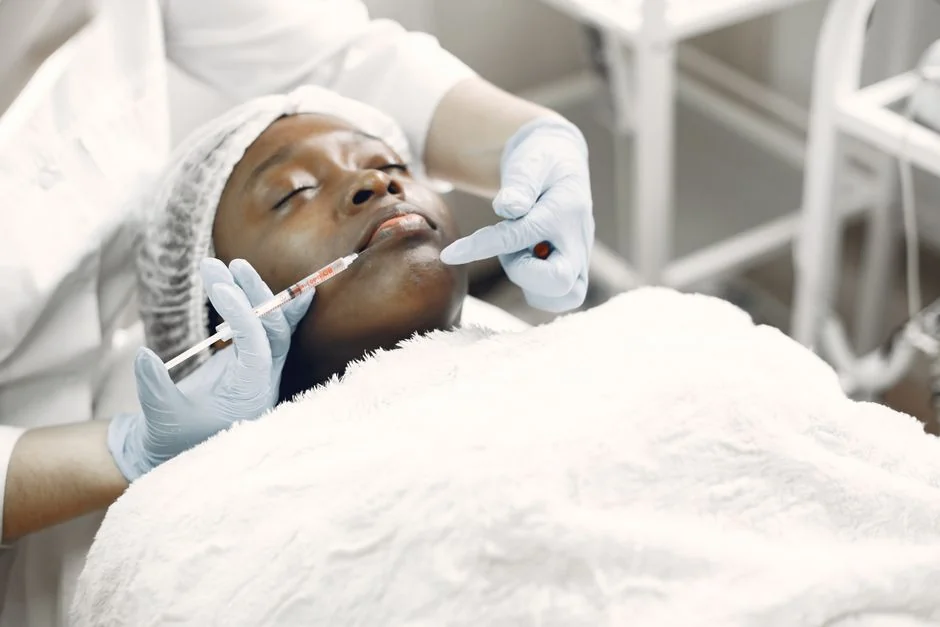
Pricing for exosome therapy in Tokyo varies considerably because it depends on the quality and brand of the exosome product, the volume used, and whether it is delivered as a standalone topical application, combined with a device procedure such as Dermapen or HIFU, or administered by direct injection.
As a general indication, standalone exosome application sessions at Tokyo clinics typically range from approximately ¥20,000 to ¥80,000 per session, with premium products or combination protocols running higher.
At BIOTOPE CLINIC in Shirokanedai, exosome therapy is most often recommended as part of a combined protocol — for example, applied immediately after a Dermapen session (¥9,800–¥220,000 depending on treatment area and protocol) or following HIFU (¥25,000–¥110,000). A series of sessions is generally recommended for sustained results rather than a single treatment. For an accurate quote, we recommend booking a consultation.
Have a question about this treatment?
Message us on LINE or WhatsApp — our English-speaking team usually replies the same day.
What to Expect: Before, During, and After
Before Your Appointment
A thorough skin assessment and medical history review is essential before any regenerative treatment. You should inform your doctor of any autoimmune conditions, current medications, pregnancy or breastfeeding status, and any history of allergy or adverse reactions to skin treatments. Avoiding blood-thinning medications and supplements (such as aspirin, fish oil, and vitamin E) for several days prior — if medically safe to do so — may help reduce any bruising risk if injection delivery is planned.
During the Procedure
When exosomes are applied after a microneedling or device treatment, the session typically involves the device procedure first, followed by immediate application of the exosome solution to the treated area while the skin’s microchannels are still open. For direct injection delivery, the skin may be numbed with topical anaesthetic beforehand. Sessions generally take 30 to 60 minutes depending on the area treated and whether a combination procedure is involved.
After the Procedure and Recovery
Downtime is generally minimal when exosomes are used as a topical application. If combined with a device treatment such as Dermapen or fractional CO2 laser, the redness and sensitivity associated with that procedure will apply. Most patients are comfortable returning to normal activities within 24 to 48 hours, though sun protection is essential in the weeks following treatment.
In Dr. Karibe’s clinical experience at BIOTOPE CLINIC, patients who follow a consistent post-treatment skincare routine — including a medical-grade SPF and physician-recommended moisturiser — tend to maintain their results for longer. The clinic also offers Zo Skin Health products as part of a post-treatment care programme.
Who Is a Good Candidate for Exosome Therapy?
Likely to Benefit
- Adults in their 30s to 60s noticing early to moderate signs of skin ageing: dullness, fine lines, uneven texture, or loss of firmness
- Those seeking a low-downtime regenerative treatment with gradual, natural-looking improvement
- Patients recovering from laser or energy-based treatments who wish to accelerate healing
- Individuals with sensitive skin who cannot tolerate more aggressive procedures
May Not Be Suitable
- Pregnant or breastfeeding individuals (insufficient safety data; most clinics advise avoidance as a precaution)
- Those with active skin infections, open wounds, or inflammatory skin conditions in the treatment area
- Patients with certain autoimmune conditions — a detailed medical history review with the doctor is essential
- Anyone with a known allergy to components of the specific exosome product being used
- Those expecting dramatic structural correction (volume restoration, significant laxity) — other treatments are more appropriate
Where to Book Exosome Therapy in Tokyo (English-Speaking Patients)
Within our clinic group, English-speaking consultations are handled at BIOTOPE CLINIC in Shirokanedai (Minato-ku, Tokyo) by Dr. Jun Karibe. Our sister clinic, Kojimachi Dermatology & Plastic Surgery Clinic in Ichigaya (Chiyoda-ku, Tokyo), handles Japanese-language insurance dermatology as the group’s main office. Bookings and enquiries in English: LINE or WhatsApp.
At BIOTOPE CLINIC in Shirokanedai, we frequently see patients — expatriates, medical tourists, and Tokyo residents alike — who have had difficulty finding an English-speaking doctor willing to discuss regenerative skin treatments in detail.
Dr. Karibe’s consultation (¥3,300 initial fee) covers a thorough skin assessment and an honest discussion of which combination of treatments is most likely to address your specific concerns.
Frequently Asked Questions
- Q. How many exosome therapy sessions will I need?
- Most clinicians recommend an initial course of two to four sessions spaced two to four weeks apart, followed by periodic maintenance sessions every three to six months. The exact protocol depends on the condition being treated, the delivery method chosen, and how your skin responds to the initial sessions.
- Q. Is exosome therapy safe? Are there known side effects?
- Exosome preparations used in clinical aesthetics are generally well-tolerated, with adverse events in published reports being mild and transient — typically temporary redness, mild swelling, or sensitivity at the treatment site.
- However, as with any injectable or device treatment, there is always a small risk of bruising, infection, or allergic reaction. Product quality and clinical expertise matter greatly; this is not a treatment to seek solely on the basis of price.
- Q. Can exosome therapy be combined with Botox or filler on the same day?
- In many cases, yes — but the specific combination and timing should be decided by your doctor based on your individual plan. Some practitioners prefer to schedule injectables and regenerative treatments on separate days to allow accurate assessment of each treatment’s effect and to minimise procedural stress on the skin.
- Q. Is exosome therapy approved by Japanese health authorities?
- In Japan, aesthetic exosome preparations are administered under the framework of free (non-insurance-covered) medical practice. They are not currently listed as approved drugs by the Pharmaceuticals and Medical Devices Agency (PMDA) in Japan, which means their use is at the discretion of the treating physician under informed consent. This is consistent with how many advanced aesthetic treatments are offered globally. Discuss this with Dr. Karibe during your consultation so you can make a fully informed decision.
- Q. Will my results look natural, or will people notice I have had something done?
- Exosome therapy produces gradual, progressive changes rather than immediate or dramatic transformation. Most patients report that colleagues and family simply remark that they look “refreshed” or “well-rested” — the improvement tends to be noticed rather than attributed to any specific procedure. This is one of the appeals of regenerative treatments for patients who prefer subtle results.
Have a question about this treatment?
Message us on LINE or WhatsApp — our English-speaking team usually replies the same day.
Summary
Exosome therapy represents a genuinely promising frontier in skin rejuvenation, grounded in cell biology rather than simply volumising or injecting. For the right candidate — particularly someone seeking improved texture, luminosity, and long-term collagen support — it offers a low-downtime, biologically logical approach to skin health.
Realistic expectations, a quality-controlled product, and a doctor who can integrate exosomes thoughtfully into a broader treatment plan are the key factors in achieving meaningful results.
If you have questions about exosome therapy, English-speaking consultations are handled at BIOTOPE CLINIC in Shirokanedai (Minato-ku, Tokyo) by Dr. Karibe. Our sister clinic Kojimachi Dermatology & Plastic Surgery Clinic in Ichigaya (Chiyoda-ku) handles Japanese-language insurance dermatology. English enquiries: LINE or WhatsApp.
24/7 Consultation & Booking
Book a Consultation or Treatment
Our English-speaking team responds via LINE or WhatsApp — usually the same day.
References
- Wiklander OPB, Nordin JZ, O’Loughlin A, et al. Extracellular vesicle in vivo biodistribution is determined by cell source, route of administration and targeting. Journal of Extracellular Vesicles. 2015.
- Shao S, Fang H, Zhang J, et al. Exosomes derived from adipose-derived stem cells improve skin aging through promoting dermal fibroblast proliferation and differentiation. International Journal of Molecular Sciences. 2021.
- Kim YJ, Yoo SM, Park HH, et al. Exosomes derived from human umbilical cord blood mesenchymal stem cells stimulates rejuvenation of human skin. Biochemical and Biophysical Research Communications. 2017.
- Tsikouras P, Zervoudis S, Manav B, et al. Stem cells and regenerative potential in aesthetic medicine: an emerging overview. Journal of B.U.ON. 2018.
- Teoría EM, Gimeno-Sandig A, et al. Cell-derived extracellular vesicles as platforms for the delivery of bioactive cargoes in skin repair and anti-ageing. Advanced Drug Delivery Reviews. 2022.
Related Articles
You may also find these articles useful.
- Stem Cell vs Exosome vs Supernatant Tokyo
- Anti-Aging Treatments Tokyo: Complete Guide for Expats
- FaceTite for Jawline and Neck in Tokyo
- Morpheus8 RF Microneedling Tokyo: Cost & Results
- Embrace RF Tokyo: FaceTite & Morpheus8 Explained
SUPERVISED BY
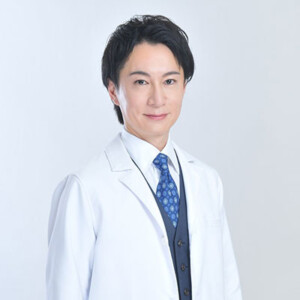
Dr. Jun Karibe
MD
Director
Education & Career
Certifications
Awards
MEDICAL REVIEW