
Filler for Jawline and Cheeks in Tokyo: What Results Can You Realistically Expect?

Many people seeking facial rejuvenation in Tokyo are curious about Filler — a relatively new injectable treatment that promises lifted, sculpted contours without surgery. If you are considering this treatment for your jawline or cheeks, it is natural to wonder whether the results are worth the investment and what the recovery actually looks like.
This guide explains exactly how Volnewmer works, what clinical evidence suggests about its outcomes, what it costs in Tokyo, and who is — and is not — a suitable candidate.
Have a question about this treatment?
Message us on LINE or WhatsApp — our English-speaking team usually replies the same day.
What Is Filler?

Many people seeking facial rejuvenation in Tokyo are interested in dermal filler because it can restore cheek projection, define the jawline and improve facial proportions without surgery.
However, filler is often misunderstood.
It does not tighten loose skin in the same way as facelift surgery. It cannot remove excess facial fat, and adding more filler does not necessarily make the face look slimmer or younger. In some patients, excessive or poorly positioned filler can make the face appear wider, heavier or unnatural.
The best results come from identifying the actual anatomical problem, selecting an appropriate hyaluronic acid product and placing it in the correct tissue plane.
This guide explains what jawline and cheek filler in Tokyo can realistically achieve, how the procedure is performed, how much filler may be needed, how long the results may last, what recovery looks like and which risks patients should understand before treatment.
What You Will Learn in This Article
- What dermal filler is and how hyaluronic acid filler works
- How cheek filler differs from jawline filler
- What results can realistically be achieved
- How much filler may be required
- How long filler results usually last
- What to expect before, during and after treatment
- Common side effects and serious complications
- How filler compares with HIFU, radiofrequency and surgery
- Who is—and who is not—a suitable candidate
- The approximate cost of filler treatment in Tokyo
What Is Dermal Filler?
Dermal fillers are injectable materials used to restore facial volume, support soft tissue and improve facial contours.
The most widely used temporary facial fillers are made from cross-linked hyaluronic acid, commonly abbreviated as HA.
Hyaluronic acid is a naturally occurring substance found in the skin, connective tissue and joints. It attracts and retains water and helps tissues maintain hydration and volume.
In an injectable filler, hyaluronic acid molecules are chemically cross-linked to create a gel that remains in the tissue longer than naturally occurring HA.
Depending on the formulation and treatment area, filler may be used to:
- Restore cheek projection
- Improve jawline definition
- Increase chin projection
- Replace age-related volume loss
- Support selected facial structures
- Improve facial symmetry
- Fill depressions or contour irregularities
- Create smoother transitions between facial regions
Different fillers have different physical properties. Some are firmer and more suitable for the cheekbone, chin or jawline. Others are softer and better suited to mobile or superficial areas such as the lips.
There is no single filler that is ideal for every facial area.
Is Filler a Specific Product?
No. The word filler refers to a category of injectable products rather than one specific brand.
Common hyaluronic acid filler families include:
- JUVÉDERM
- Restylane
- Belotero
- Teosyal
- Stylage
- Neuramis
- Other medically selected HA products
Each product family contains different formulations designed for different anatomical areas and treatment goals.
For example, a filler used to define the jawline usually requires greater firmness and structural strength than a product intended for fine lines or lip hydration.
At BIOTOPE CLINIC and Kojimachi Dermatology & Plastic Surgery Clinic, product selection is based on:
- Facial anatomy
- Skin thickness
- Degree of volume loss
- Existing filler
- Desired projection
- Treatment depth
- Safety considerations
- The required degree of flexibility or structural support
The choice should not be based on brand recognition alone.
How Does Hyaluronic Acid Filler Work?
Hyaluronic acid filler produces its main effect by physically supporting and reshaping tissue.
Once injected, the gel occupies space and changes the contour of the surrounding structures. The visible effect depends on the depth, location and volume of injection.
Deep Structural Placement
When filler is placed close to the bone, it may:
- Increase skeletal projection
- Support the overlying soft tissue
- Improve cheekbone definition
- Strengthen a retruded chin
- Enhance the mandibular angle
- Improve facial proportions
This approach is often used in the cheeks, chin and selected areas of the jawline.
Subcutaneous Placement
Filler placed within the subcutaneous tissue may be used to:
- Smooth contour transitions
- Support areas of soft-tissue volume loss
- Camouflage selected depressions
- Improve the continuity of the jawline
- Soften early prejowl hollowing
The appropriate injection plane varies according to the anatomical area.
A technique that is suitable over the cheekbone may be unsafe or aesthetically inappropriate around the jawline or mouth.
Product Firmness and Tissue Integration
Hyaluronic acid filler is not simply a hydration treatment.
Structural fillers differ in:
- Firmness
- Elasticity
- Cohesivity
- Water absorption
- Resistance to compression
- Ability to project tissue
- Ability to move naturally with facial expression
These characteristics influence the appearance, durability and likelihood of swelling or irregularity.
Understanding Facial Ageing
Facial ageing affects more than the skin.
Over time:
- Facial bones gradually remodel
- Deep and superficial fat compartments change
- Ligaments provide less support
- Collagen and elastin decline
- Skin becomes thinner
- Soft tissue descends
- The lower face may become heavier
- The jawline may lose definition
The cheeks may flatten, the transition from the lower eyelid to the cheek may become more visible, and nasolabial folds may deepen.
In the lower face, early jowls and prejowl depressions can make the mandibular border appear irregular.
Filler can improve some of these changes, particularly when loss of structural support or volume deficiency is an important component.
It is less effective when the main problem is:
- Significant loose skin
- Advanced tissue descent
- Excess facial fat
- Marked neck laxity
- Severe jowling
What Can Cheek Filler Realistically Achieve?
Cheek filler can restore projection and support in the midface.
Depending on the patient’s anatomy, treatment may improve:
- Flat or under-projected cheeks
- Reduced cheekbone definition
- Age-related midface volume loss
- Mild under-eye-to-cheek hollowing
- Facial asymmetry
- A tired or deflated appearance
- The transition between the cheek and lower face
- Selected nasolabial heaviness associated with volume loss
Cheek filler may also create a modest lifting effect by restoring structural support beneath the soft tissue.
However, this effect has limits.
Cheek filler does not reposition the deeper facial layers in the same way as surgery. It should therefore not be described as equivalent to a facelift.
Improving Cheek Projection
Patients with naturally flat cheekbones may benefit from filler placed over the lateral or anterior cheek.
The intended result may include:
- Greater cheekbone projection
- Improved facial balance
- A smoother ogee curve
- Better lower-eyelid-to-cheek transition
- Improved three-dimensional contour
Placement must be individualised.
Filler placed too far forward may create an overly round “apple-cheek” appearance. Excessive lateral placement may widen the face.
Restoring Midface Volume
In patients with age-related volume loss, filler may be distributed across several deep and superficial compartments rather than injected as one large deposit.
This can restore support while avoiding an obviously filled appearance.
Caution is required in patients with:
- Under-eye puffiness
- Malar oedema
- Festoons
- Poor lymphatic drainage
- Naturally full cheeks
- Significant previous cheek filler
Adding more filler to an already swollen or overfilled midface may worsen heaviness.
Improving Nasolabial Folds
Cheek filler may soften nasolabial folds when midface volume loss contributes to their appearance.
However, cheek filler cannot eliminate every fold.
Nasolabial folds are influenced by:
- Facial movement
- Ligament anatomy
- Fat distribution
- Skin quality
- Bone structure
- Individual facial proportions
Using excessive cheek filler solely to remove the folds can distort the face.
The goal should be improved balance rather than the complete removal of normal facial lines.
What Can Jawline Filler Realistically Achieve?
Jawline filler can improve the proportions and definition of the lower face.
Potential benefits include:
- Sharper jawline definition
- Better mandibular-border continuity
- Improved mandibular-angle definition
- Camouflage of mild prejowl depressions
- Improved facial symmetry
- A stronger lower-face profile
- Better chin-to-jawline balance
- A clearer border between the face and upper neck
Defining the Mandibular Angle
The mandibular angle is located near the back of the jaw, below and in front of the ear.
Filler placed in this area can make the jaw appear:
- More angular
- More defined
- More structured
- Wider or more masculine
- Better balanced with the chin
However, too much filler can make the lower face look excessively broad.
The desired result differs among patients. Some prefer a strong, square jaw, while others want a narrow, refined contour.
Treating the Prejowl Depression
The prejowl depression is the indentation between the chin and an early jowl.
Carefully placed filler may smooth this area and create a more continuous jawline.
However, it does not remove the jowl itself. It camouflages the hollow beside it.
When jowling or loose skin is significant, filler alone may provide only limited improvement.
Improving Chin Projection
A weak or retruded chin can make the jawline appear less defined.
In some patients, treating the chin creates a greater improvement than injecting large amounts directly along the jaw.
Chin filler can alter:
- Forward projection
- Vertical length
- Lower-face proportions
- Profile balance
- The transition between the chin and jawline
Assessment should therefore include the chin, jawline, lips, nose, neck and dental profile.
Can Jawline Filler Make the Face Look Slimmer?
Sometimes, but not always.
A carefully planned chin and jawline treatment may create the visual impression of a longer, sharper or more balanced lower face.
However, filler adds volume. It does not remove fat.
Jawline filler may not create a genuinely slimmer face when the main concern is:
- Excess submental fat
- Heavy lower-cheek fat
- Prominent jowls
- Large masseter muscles
- Significant skin laxity
- A naturally wide mandible
Other treatment options may include:
- Masseter botulinum toxin
- HIFU
- Monopolar radiofrequency
- RF microneedling
- Fat-dissolving injections
- Liposuction
- Thread lifting
- Facelift or neck-lift surgery
Some patients require fat reduction or skin tightening rather than additional volume.
Can Cheek Filler Lift the Jawline?
Cheek filler may create a modest indirect improvement in the lower face when midface support has been lost.
By restoring cheek structure, it may improve the transition into the lower face and reduce the impression of tissue descent.
However, claims that cheek filler can dramatically lift the jawline are often exaggerated.
Adding excessive cheek volume in an attempt to lift the lower face can cause:
- Facial widening
- Puffy cheeks
- Under-eye swelling
- Distorted proportions
- A heavy midface
- An unnatural appearance
Cheek filler should correct genuine cheek deficiency rather than serve as a universal lifting treatment.
What Results Should You Not Expect?
Jawline and cheek filler cannot reliably:
- Remove loose skin
- Eliminate large jowls
- Remove facial fat
- Correct significant neck laxity
- Replace a facelift
- Permanently reposition descended tissues
- Completely erase nasolabial folds
- Correct every asymmetry
- Guarantee a perfectly sharp jawline
- Reproduce a digitally edited photograph
Some facial asymmetry is normal.
The goal of treatment should be improved balance while preserving natural movement and individual identity.
How Much Filler Is Usually Needed?
The amount of filler required varies substantially.
It depends on:
- Facial size
- Sex
- Bone structure
- Degree of volume deficiency
- Existing asymmetry
- Skin thickness
- Previous filler
- Product characteristics
- Treatment area
- Desired degree of change
Most filler syringes contain approximately 1mL, although this varies by product.
Cheek Filler
A subtle bilateral cheek treatment may require approximately one syringe in total.
A more comprehensive correction may require two or more syringes.
Patients with significant volume loss may benefit from staged treatment rather than receiving a large volume during one appointment.
Jawline and Chin Filler
A limited chin or prejowl correction may require one to two syringes.
A complete chin and bilateral jawline treatment may require several syringes because the mandibular border is a relatively large anatomical area.
A one-syringe jawline treatment can provide a subtle improvement, but it may be insufficient for dramatic definition.
Why Staged Treatment Is Often Preferable
Staged treatment can:
- Reduce the risk of overcorrection
- Allow swelling to settle
- Improve symmetry
- Reveal where further support is genuinely needed
- Avoid unnecessary product
- Produce a more natural result
It is easier to add a small amount later than to correct an overfilled face.
What Makes Filler Results Look Natural?
Natural-looking results depend on more than the amount injected.
Appropriate Product Selection
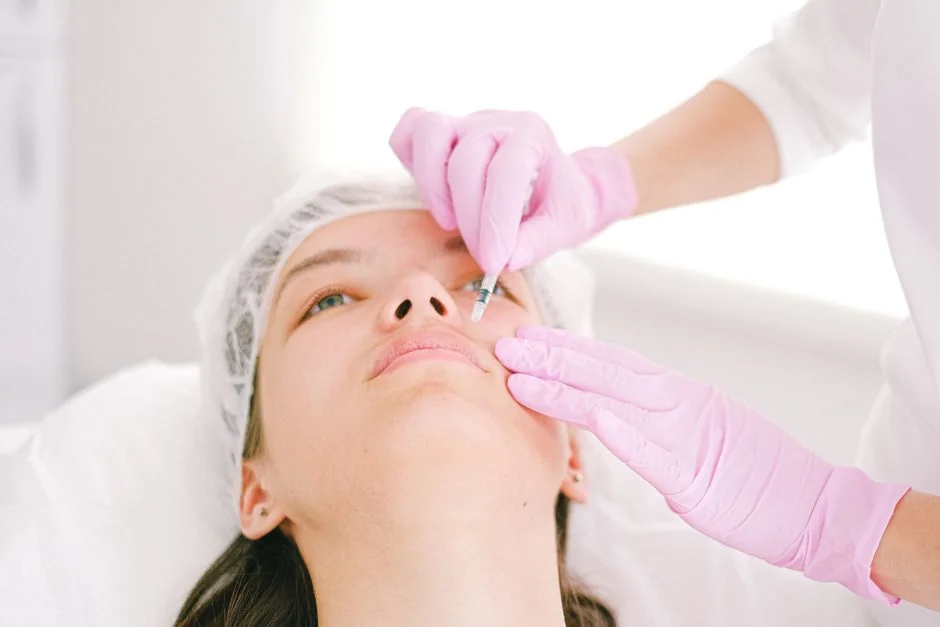
Structural cheek and jawline treatments require fillers with suitable mechanical properties.
A product that is too soft may not provide adequate definition. A product that absorbs too much water or is placed too superficially may cause puffiness.
Correct Injection Depth
Filler behaves differently when placed:
- Directly above bone
- Within deep fat
- Within superficial fat
- In the subcutaneous plane
- Near mobile muscles
Correct placement is essential for both safety and appearance.
Whole-Face Assessment
The cheeks, chin and jawline must be assessed as part of the entire face.
Improving one area without considering the surrounding anatomy can create imbalance.
Conservative Volume
Overfilling often develops gradually after repeated treatment.
Some patients have received filler over several years without realising that residual product may still be present.
A careful practitioner should assess previous filler before adding more.
Injector Experience
The cheeks and jawline contain important:
- Arteries
- Veins
- Nerves
- Muscles
- Salivary structures
- Fat compartments
Detailed anatomical knowledge is essential for both aesthetics and safety.
How Long Do Cheek and Jawline Fillers Last?
The duration varies according to the product, treatment area and individual patient.
Typical approximate ranges are:
- Cheek filler: 12–24 months
- Chin filler: 9–18 months
- Jawline filler: 9–18 months
- More mobile or superficial areas: sometimes shorter
The duration is influenced by:
- Filler formulation
- Injection depth
- Amount injected
- Facial movement
- Metabolism
- Treatment area
- Previous filler
- Smoking
- Weight changes
- Degree of correction
Results usually fade gradually rather than disappearing suddenly.
Some HA filler may remain in the tissues longer than the visible cosmetic effect. For this reason, automatic repeat treatment every six or twelve months may not always be necessary.
Are the Results Immediate?
Yes. Changes in projection and contour are usually visible immediately.
However, the appearance immediately after treatment is not the final result because there may be:
- Swelling
- Redness
- Temporary asymmetry
- Local anaesthetic effects
- Small injection-site irregularities
- Initial water absorption by the filler
A more reliable assessment is generally possible after approximately two weeks.
After larger-volume cheek or jawline treatment, three to four weeks may be required before the result is fully settled.
Does Filler Stimulate Collagen?
Hyaluronic acid filler is primarily a structural and volumising treatment.
Some research suggests that cross-linked HA may influence fibroblast activity and extracellular-matrix production. However, this is not its primary or guaranteed effect.
HA filler differs from products specifically designed as collagen biostimulators, such as:
- Poly-L-lactic acid
- Calcium hydroxylapatite
- Other biostimulatory injectables
Patients seeking gradual global collagen stimulation rather than immediate structural contouring may require a different treatment plan.
What to Expect Before Treatment
A medical consultation is essential before cheek or jawline filler treatment.
At BIOTOPE CLINIC and Kojimachi Dermatology & Plastic Surgery Clinic, assessment may include:
- Facial proportions
- Cheek projection
- Chin projection
- Mandibular width and shape
- Skin laxity
- Facial fat distribution
- Dental and skeletal relationships
- Dynamic facial movement
- Previous filler
- Previous threads or surgery
- Medical history
- Medications
- Allergy history
- History of cold sores
- The patient’s expectations
Standardised photographs may be taken to document:
- Baseline asymmetry
- Facial proportions
- Existing swelling
- Previous filler irregularities
- Treatment results
Medications and Supplements
Some medications and supplements can increase bruising.
Tell the clinic if you take:
- Anticoagulants
- Antiplatelet medication
- Aspirin
- Ibuprofen or similar medication
- Fish oil
- High-dose vitamin E
- Herbal supplements
- Immunosuppressive medication
Prescription medication should never be stopped without approval from the prescribing physician.
Dental Treatment
Inform the clinic about recent or planned dental procedures.
In some cases, an interval between dental treatment and filler injection may be recommended because dental procedures may cause local inflammation or temporary bacterial exposure.
Recent Illness or Vaccination
Tell the clinic about:
- Recent fever
- Viral illness
- Vaccination
- Dental infection
- Sinus infection
- Skin infection
- Cold-sore outbreak
- Inflammatory flare
Elective filler treatment may need to be postponed until you are well.
What Happens During the Procedure?
Treatment generally takes approximately 30 to 60 minutes.
The process may include:
- Cleansing and disinfection
- Facial assessment and marking
- Optional topical anaesthetic
- Injection with a needle, cannula or both
- Reassessment of symmetry and contour
- Gentle moulding when appropriate
- Post-treatment photographs
- Aftercare instructions
Many HA fillers contain lidocaine, which reduces discomfort as treatment progresses.
Patients commonly describe:
- Pressure
- Pinching
- A pushing sensation
- Mild aching
- Tenderness near the bone
- Temporary discomfort during cannula passage
Needle or Cannula: Which Is Better?
Both needles and cannulas have appropriate indications.
Needle
A needle allows precise placement and may be used for:
- Small deep deposits
- Cheekbone projection
- Chin augmentation
- Mandibular-angle definition
- Precise structural correction
However, a needle is sharp and can penetrate a blood vessel.
Cannula
A cannula has a blunt tip and enters through a small opening created by a needle.
It may be useful for:
- Treating broader areas
- Subcutaneous contouring
- Smoothing transitions
- Reducing the number of entry sites
- Selected jawline techniques
Cannulas may reduce bruising in some situations, but they do not eliminate the risk of vascular injury.
Neither method is universally superior. The choice depends on anatomy, injection plane and practitioner experience.
Recovery and Downtime
Most patients can return to routine activities shortly after treatment.
Common reactions include:
- Swelling
- Redness
- Tenderness
- Bruising
- Firmness
- Small lumps
- Itching
- Temporary asymmetry
Typical Recovery Timeline
|
Timeframe |
What You May Notice |
What You Can Usually Do |
|---|---|---|
|
Immediately after |
Swelling, redness, tenderness and visible contour change |
Return home; avoid pressing the area |
|
First 24 hours |
Swelling may increase; entry marks may remain |
Gentle cleansing; avoid heat, exercise and alcohol |
|
Days 2–3 |
Swelling and tenderness begin to improve |
Resume light daily activities |
|
Days 4–7 |
Bruising or mild firmness may remain |
Most normal activities can resume |
|
Weeks 1–2 |
The contour begins to settle |
Attend review if recommended |
|
Weeks 2–4 |
The final result can usually be assessed |
Discuss adjustment only after swelling resolves |
When Is Swelling Usually Most Noticeable?
Swelling may peak during the first 24 to 48 hours.
Cheek swelling can be more prolonged in patients who:
- Retain fluid easily
- Have malar oedema
- Have previous cheek filler
- Receive larger volumes
- Receive a filler with greater water absorption
- Consume significant alcohol or salt
- Sleep flat immediately after treatment
Jawline swelling may be less visible but can cause firmness and tenderness.
Filler Aftercare
The First 24–48 Hours
Patients are generally advised to:
- Avoid strenuous exercise
- Avoid saunas and steam rooms
- Avoid hot baths
- Avoid excessive alcohol
- Avoid pressing or massaging the filler
- Avoid strong pressure while sleeping
- Keep injection sites clean
- Use clean makeup applicators
- Use a cool compress if advised
- Contact the clinic if severe pain or skin-colour changes occur
Do not apply ice directly to the skin for a prolonged period.
Makeup
Makeup can usually be applied later the same day or the following morning after the entry sites have closed.
Use clean products and avoid rubbing.
Facial Massage
Do not massage the treated area unless instructed by the injector.
Unsupervised massage may increase swelling or alter the distribution of recently placed filler.
Exercise
Avoid strenuous exercise for approximately 24 to 48 hours.
Alcohol
Avoid or minimise alcohol for approximately 24 to 48 hours.
Sauna and Hot Springs
Avoid intense heat for approximately 48 hours or as instructed by the clinic.
Sleeping Position
Try to avoid direct pressure on the cheeks or jawline during the first night.
Sleeping with the head slightly elevated may reduce swelling.

Side Effects
Swelling
Mild to moderate swelling is common.
It should gradually improve after the first several days.
Bruising
Bruising may develop at needle or cannula entry sites.
It usually fades within one to two weeks.
Tenderness
The treated area may feel tender during touch or facial movement.
Firmness and Small Lumps
Temporary firmness or small palpable areas may occur.
Some irregularities are caused by swelling rather than misplaced filler.
Do not aggressively massage a lump without medical advice.
Temporary Asymmetry
Early asymmetry is common because swelling is rarely identical on both sides.
Final symmetry should not be judged immediately.
Redness and Itching
Mild redness or itching may occur near the injection sites.
Increasing redness, heat, discharge or worsening pain should be assessed.
Serious Filler Risks
Although most reactions are mild, filler injection can cause rare but serious complications.
The most important is vascular occlusion, which occurs when filler is injected into or compresses a blood vessel.
Reduced blood flow can cause:
- Skin ischaemia
- Skin necrosis
- Scarring
- Visual impairment
- Blindness
- Stroke
Warning Signs of Vascular Occlusion
Contact the clinic immediately if you develop:
- Severe or increasing pain
- Pain that appears disproportionate to the procedure
- White or pale skin
- Dusky or grey skin
- Mottled, net-like discoloration
- Cool skin
- Blistering
- Delayed capillary refill
- Progressive darkening of the skin
Visual Symptoms Are an Emergency
Seek immediate emergency medical attention if you experience:
- Blurred vision
- Double vision
- Partial visual-field loss
- Sudden loss of vision
- Eye pain
- Drooping eyelid
- Severe headache
- Nausea
- Weakness or neurological symptoms
Contact the treating clinic at the same time.
Hyaluronidase
Hyaluronidase is an enzyme used to break down hyaluronic acid filler.
It may be used for:
- Suspected HA filler vascular occlusion
- Overfilling
- Migration
- Persistent lumps
- Asymmetry
- Unwanted HA filler results
Prompt recognition and treatment are essential.
Hyaluronidase does not guarantee complete reversal of tissue injury or visual loss. Prevention and immediate access to an emergency protocol remain critical.
Other Uncommon Complications
Infection
Possible signs include:
- Increasing redness
- Heat
- Pain
- Swelling
- Discharge
- Fever
Treatment may involve antibiotics, drainage or filler dissolution.
Delayed Inflammatory Nodules
Firm, red or tender nodules may occasionally appear weeks or months after treatment.
Potential triggers include:
- Infection
- Immune activation
- Systemic illness
- Dental treatment
- Vaccination
- Inflammatory responses to the filler
Medical assessment is required before treatment is selected.
Filler Migration
Filler may move or become visible outside the intended area.
Migration may be influenced by:
- Excessive volume
- Injection depth
- Product choice
- Repeated treatment
- Tissue movement
- Local anatomy
Persistent Oedema
Cheek filler may worsen chronic puffiness, malar oedema or festoons.
Patients with existing under-eye swelling require cautious assessment.
Overfilling
Repeated filler treatment may gradually cause:
- Facial widening
- Puffy cheeks
- Distorted proportions
- A heavy lower face
- Reduced natural expression
- Visible or palpable product
In some patients, dissolving previous filler is more appropriate than adding more.
Dr. Karibe’s Note
Many patients ask for “lifting” with filler, but filler is fundamentally a structural-support and volume treatment.
When I assess the cheeks and jawline, I examine the facial skeleton, fat compartments, skin elasticity, chin projection, mandibular contour and any previous filler.
The key question is not simply, “Where should we add filler?”
It is, “Which anatomical deficiency is creating the patient’s concern?”
For some patients, a small amount of cheek or chin filler produces an elegant and natural improvement. For others, adding volume would make the face look heavier, and skin tightening, fat reduction or surgery may be more appropriate.
Accurate diagnosis is more important than the number of syringes used.
Common Misconceptions About Cheek and Jawline Filler
Misconception 1: All Fillers Are the Same
Fillers differ in firmness, cohesivity, water absorption and ability to provide projection.
A filler suitable for the lips may be unsuitable for the jawline.
Misconception 2: Filler Always Makes the Face Look Younger
Filler can restore youthful proportions when true volume loss is present.
Adding filler to an already full or heavy face may make it look older or more swollen.
Misconception 3: More Filler Produces More Lift
There is a limit to how much soft tissue can be supported by injectable gel.
Beyond that point, more filler creates additional volume rather than lift.
Misconception 4: Cannulas Eliminate Vascular Risk
Cannulas may reduce certain risks in selected areas, but vascular occlusion remains possible.
Misconception 5: HA Filler Is Completely Reversible
Hyaluronic acid filler can often be dissolved.
However, several sessions may be required, and dissolution may not immediately reverse stretched tissue, inflammation or vascular injury.
Misconception 6: Jawline Filler Removes Jowls
Filler may camouflage a mild prejowl hollow.
It cannot remove descended tissue or loose skin.
Misconception 7: Cheek Filler Always Improves Under-Eye Hollows
Cheek support may improve the lower-eyelid-to-cheek transition in selected patients.
In patients with bags, festoons or oedema, more filler may worsen puffiness.
Who Is a Good Candidate?
Cheek or jawline filler may be suitable for patients with:
- Mild to moderate cheek-volume deficiency
- Flat or under-projected cheeks
- Age-related midface volume loss
- Weak chin projection
- Mild jawline irregularity
- Prejowl depressions
- Facial asymmetry
- Good or moderate skin elasticity
- Realistic expectations
- A preference for non-surgical treatment
Candidate Guide
|
Patient Profile |
Likely Benefit From Filler |
Other Options to Consider |
|---|---|---|
|
Mild cheek flattening with good elasticity |
Strong potential benefit |
Filler alone may be sufficient |
|
Mild midface volume loss |
Good potential benefit |
Filler with skin tightening |
|
Weak chin and poorly defined jawline |
Good if structural support is deficient |
Chin and jawline filler |
|
Mild prejowl hollowing |
Good camouflage potential |
Filler with RF or HIFU |
|
Moderate laxity and early jowling |
Partial improvement |
HIFU, RF, Morpheus8 or threads |
|
Significant loose skin and heavy jowls |
Limited benefit |
Facelift or neck lift |
|
Excess lower-face or submental fat |
Filler may worsen heaviness |
Liposuction or fat reduction |
|
Puffy midface or festoons |
Requires caution |
Assess oedema and existing filler |
|
Extensive previous filler |
Reassessment required |
Ultrasound or dissolution may be considered |
Who Should Avoid or Postpone Filler?
Treatment may need to be avoided or postponed in patients with:
- Active infection
- Active cold sores
- Dental infection
- Uncontrolled inflammatory skin disease
- Severe allergy to product components
- Previous serious filler reaction
- Pregnancy
- Breastfeeding
- Uncontrolled systemic illness
- Unrealistic expectations
- Body dysmorphic concerns
- Inability to understand the risks
- Recent significant illness or inflammatory reaction
Some HA fillers contain lidocaine and may not be appropriate in patients with relevant allergy.
Patients taking anticoagulants are not automatically excluded, but they may have an increased risk of bruising or bleeding.
Filler Compared With Other Facial-Contouring Treatments
|
Treatment |
Main Purpose |
Typical Downtime |
Approximate Duration |
Best Suited For |
|---|---|---|---|---|
|
Cheek filler |
Restore projection and midface support |
Several days |
Approximately 12–24 months |
Volume deficiency |
|
Jawline filler |
Improve chin and mandibular definition |
Several days |
Approximately 9–18 months |
Structural definition |
|
Botulinum toxin |
Reduce masseter activity |
Minimal |
Approximately 3–6 months |
Wide muscular jaw |
|
HIFU |
Focused tissue tightening |
Minimal |
Several months or longer |
Mild to moderate laxity |
|
Volnewmer |
Monopolar RF tightening |
Usually minimal |
Several months or longer |
Skin firmness |
|
XERF |
Multi-frequency RF tightening |
Usually minimal |
Several months or longer |
Volumetric tightening |
|
Morpheus8 |
RF microneedling |
Approximately 3–7 days |
Progressive |
Texture and mild tightening |
|
Thread lift |
Reposition selected soft tissue |
Approximately 5–10 days |
Variable |
Selected tissue descent |
|
Fat-dissolving treatment |
Reduce localised fat |
Several days of swelling |
Potentially long-lasting |
Small fat deposits |
|
Liposuction |
Surgically remove fat |
Approximately 1–3 weeks |
Long-lasting |
Excess facial or submental fat |
|
Facelift or neck lift |
Reposition tissue and remove excess skin |
Several weeks |
Long-term |
Significant laxity |
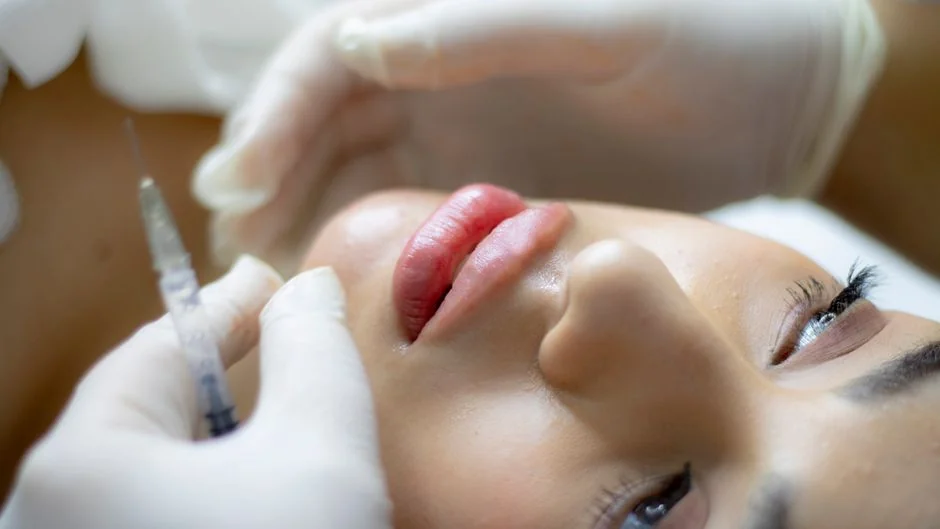
Expected Results: Jawline and Cheeks
Have a question about this treatment?
Message us on LINE or WhatsApp — our English-speaking team usually replies the same day.
-
Combining Filler With Other Treatments
Filler and Botulinum Toxin
Filler and botulinum toxin may be combined within the same treatment plan.
For example:
- Chin filler may improve projection
- Jawline filler may improve structure
- Masseter Botox may reduce muscular width
- Upper-face Botox may soften dynamic wrinkles
Filler and HIFU
HIFU may be appropriate when skin laxity accompanies volume loss.
The sequence depends on the location of the filler, HIFU depth and treatment intensity.
Filler and Radiofrequency
Volnewmer or XERF may improve skin firmness while filler restores structural volume.
Timing should be planned carefully, particularly when high-energy treatment will be delivered over areas containing filler.
Filler and Morpheus8
Morpheus8 can improve pores, scars, texture and mild laxity.
Filler addresses deeper structural deficiency. The treatments may complement each other.
Filler and Thread Lift
Threads may reposition selected tissues while filler restores volume.
However, combining multiple treatments is not automatically better. Excessive treatment can create swelling and distortion.
Filler and Surgery
Previous filler should always be disclosed before facial surgery.
Residual product may affect anatomy, swelling and surgical planning.
Cost of Jawline and Cheek Filler in Tokyo
At BIOTOPE CLINIC and Kojimachi Dermatology & Plastic Surgery Clinic, hyaluronic acid filler is generally priced at approximately ¥66,000 to ¥88,000 per syringe, depending on the selected product.
The total cost depends on:
- Number of syringes
- Product type
- Areas treated
- Previous filler
- Degree of asymmetry
- Desired correction
- Whether staged treatment is recommended
A subtle treatment may require one syringe.
Comprehensive bilateral cheek, chin and jawline contouring may require several syringes.
A larger amount does not automatically mean a better result. The objective is to use the minimum appropriate volume needed to improve facial proportions safely.
The initial consultation fee is ¥3,300. A specialist surgical consultation with Dr. Karibe is ¥2,200.
Hyaluronidase treatment for dissolving appropriate HA filler is available from approximately ¥11,000 to ¥22,000, depending on the indication and amount required.
An exact quotation can only be provided after examination.
Have a question about filler costs or treatment availability?
Message us on LINE or WhatsApp. Our English-speaking team usually replies on the same day.
Have a question about this treatment?
Message us on LINE or WhatsApp — our English-speaking team usually replies the same day.
Frequently Asked Questions
How Many Syringes Will I Need for My Cheeks?
Some patients require only one syringe for subtle bilateral support.
Patients with greater volume loss may require two or more syringes, sometimes divided across several appointments.
How Many Syringes Will I Need for My Jawline?
A limited chin or prejowl correction may require one to two syringes.
A full bilateral jawline and chin treatment may require several.
Is Cheek Filler Painful?
Most patients experience mild to moderate discomfort.
Topical anaesthetic may be used, and many fillers contain lidocaine.
Is Jawline Filler Painful?
Jawline injections may cause pressure, pinching or temporary tenderness.
The chin and mandibular angle can be more sensitive in some patients.
Can Filler Be Dissolved?
Hyaluronic acid filler can usually be dissolved with hyaluronidase.
Dissolution may be used for overcorrection, migration, persistent lumps, asymmetry or vascular compromise.
Will Filler Make My Face Look Puffy?
Conservative and correctly placed filler should not produce excessive puffiness.
The risk increases with too much product, superficial placement, previous filler accumulation or pre-existing oedema.
Can Filler Make My Face Look Wider?
Yes.
Cheek and posterior-jawline filler can increase facial width. This may be desirable for some patients and undesirable for others.
Can Jawline Filler Remove a Double Chin?
No.
Filler may improve chin projection and mandibular definition, but it does not remove submental fat.
Can Filler Treat Jowls?
Filler can camouflage mild prejowl depressions.
It cannot remove significant jowls or loose skin.
Can Cheek Filler Improve Nasolabial Folds?
It may soften folds when midface volume loss contributes to them.
It cannot eliminate folds caused by multiple anatomical factors.
Can Cheek Filler Improve Under-Eye Hollows?
It may improve the cheek–eyelid transition in selected patients.
Patients with bags, festoons or oedema may not be suitable.
How Soon Can I Return to Work?
Most patients return to work immediately or the following day.
Bruising or swelling may remain visible for several days.
When Can I Wear Makeup?
Makeup can usually be applied once entry sites have closed, often later the same day or the next morning.
When Can I Exercise?
Avoid strenuous exercise for approximately 24 to 48 hours.
When Can I Drink Alcohol?
Avoid or minimise alcohol for approximately 24 to 48 hours.
When Can I Have a Facial Massage?
Avoid massage or strong pressure over treated areas for several days unless instructed otherwise.
When Can I See the Final Result?
The result can usually be assessed after approximately two weeks.
Larger treatments may require three to four weeks to settle fully.
How Long Will the Results Last?
Cheek filler may last approximately 12 to 24 months.
Jawline and chin filler commonly last around 9 to 18 months.
These are approximate ranges rather than guarantees.
Can I Have Filler and Botox at the Same Appointment?
Yes. These treatments are often combined.
For example, masseter Botox may reduce muscular width while filler improves chin or jawline structure.
Is Filler Safe for Darker Skin Tones?
HA filler can generally be performed across all skin tones.
However, bruising, inflammation and post-inflammatory pigmentation can still occur.
What Should I Do if My Skin Becomes Pale or Painful?
Contact the clinic immediately.
Severe pain, pale skin, mottled discoloration or visual symptoms may indicate vascular compromise.
What Happens if I Develop Visual Symptoms?
Visual disturbance after filler injection is a medical emergency.
Seek immediate emergency care and contact the treating clinic.
Is Filler Better Than HIFU or Radiofrequency?
The treatments address different problems.
Filler restores volume and structure. HIFU and radiofrequency treatments target laxity and collagen-rich tissues.
Is Filler Better Than a Thread Lift?
Filler restores support and volume. Threads mechanically reposition selected tissues.
The best option depends on the patient’s anatomy.
Is Filler Better Than Surgery?
Filler offers less downtime and can provide subtle contour correction.
Surgery is more effective for significant skin excess, advanced jowling and deeper tissue descent.
Summary
Hyaluronic acid filler can improve cheek projection, restore age-related midface volume and create a more defined chin and jawline without surgery.
Cheek filler may:
- Restore cheekbone projection
- Improve midface support
- Soften selected contour transitions
- Create a healthier and less deflated appearance
Jawline and chin filler may:
- Improve mandibular definition
- Strengthen chin projection
- Camouflage mild prejowl depressions
- Improve lower-face proportions
- Create a cleaner transition between the face and neck
However, filler cannot remove excess fat or loose skin. It cannot reproduce the effect of a facelift, and excessive treatment may make the face look wider, heavier or unnatural.
Results are visible immediately but should normally be assessed after approximately two weeks. Depending on the product and treatment area, results may last from around 9 months to 2 years.
Swelling, tenderness, bruising and temporary firmness are common. Serious complications are rare but include vascular occlusion, skin necrosis, visual impairment, blindness and stroke.
Treatment should therefore be performed by a medically qualified practitioner with detailed knowledge of facial anatomy and immediate access to an emergency management protocol.
At BIOTOPE CLINIC and Kojimachi Dermatology & Plastic Surgery Clinic, hyaluronic acid filler is generally priced from ¥66,000 to ¥88,000 per syringe.
A face-to-face consultation is the most reliable way to determine whether filler, HIFU, radiofrequency, botulinum toxin, fat reduction, thread lifting or surgery is the most appropriate treatment.
Our clinics in Tokyo offer consultations in English for international patients.
Have a question about cheek or jawline filler in Tokyo?
Message us on LINE or WhatsApp. Our English-speaking team usually replies on the same day.
24/7 Consultation & Booking
Book a Consultation or Treatment
Our English-speaking team responds via LINE or WhatsApp — usually the same day.
References
- Raspaldo H, Niforos FR, Gassia V, et al. Lower-face and neck antiaging treatment and prevention using onabotulinumtoxin A injection technique: The 2010 multidisciplinary French consensus — Part 2. Journal of Cosmetic Dermatology. 2011.
- Vleggaar D, Fitzgerald R, Lorenc ZP. Consensus recommendations on the use of injectable poly-L-lactic acid for facial and nonfacial volumization. Journal of Drugs in Dermatology. 2014.
- Wollina U, Goldman A. Hyaluronic acid fillers for jawline rejuvenation and facial contouring: physiology and clinical outcomes. Dermatology and Therapy. 2020.
- De Boulle K, Glogau R, Kono T, et al. A review of the metabolism of 1,4-butanediol diglycidyl ether-crosslinked hyaluronic acid dermal fillers. Dermatologic Surgery. 2013.
- Casabona G, Marchetti M. Managing changes in facial anatomy through multimodal approach: hyaluronic acid filler and HIFU combination. Journal of Cosmetic and Laser Therapy. 2019.
Related Articles
You may also find these articles useful.
- Dermal Filler Tokyo Price & Clinic Guide
- Botox vs Dermal Fillers: Which Treatment Is Right for You?
- Natural Filler Treatment in Tokyo for International Patients
SUPERVISED BY

Dr. Jun Karibe
MD
Director
Education & Career
Certifications
Awards
MEDICAL REVIEW