Double Eyelid Surgery in Tokyo: An English-Speaking Patient’s Guide
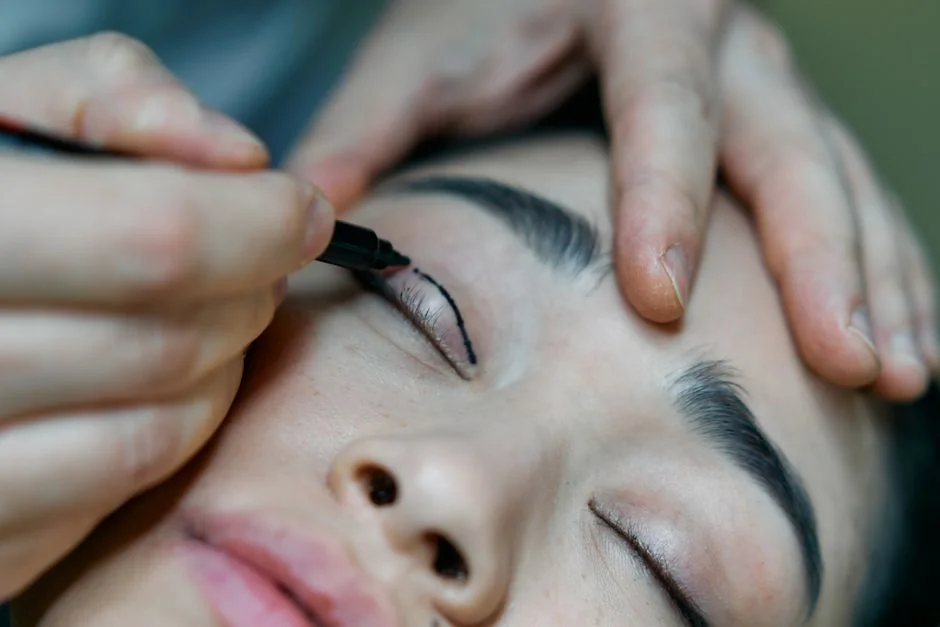
Booking eyelid surgery in a country where you do not speak the language is daunting — not because the procedure is unusual, but because the consultation is where the important decisions are made.
Many expatriates and visitors in Tokyo worry that a nuance about crease height, downtime, or reversibility will be lost in translation.
This guide explains what double eyelid surgery actually involves, what the published evidence says about how long results last, what it costs in Tokyo, and how to judge whether you are a suitable candidate.
What you’ll learn in this article:
- The difference between the buried-suture method and the incision method, and who each suits
- What clinical studies report about crease loss and complication rates
- Realistic swelling and downtime timelines, based on our clinic group’s published guidance
- Current published fees for double eyelid surgery within our group in Tokyo
- Two things patients frequently get wrong — including whether Japanese health insurance applies
Have a question about this treatment?
Message us on LINE or WhatsApp — our English-speaking team usually replies the same day.
What Is Double Eyelid Surgery, and How Does It Work?
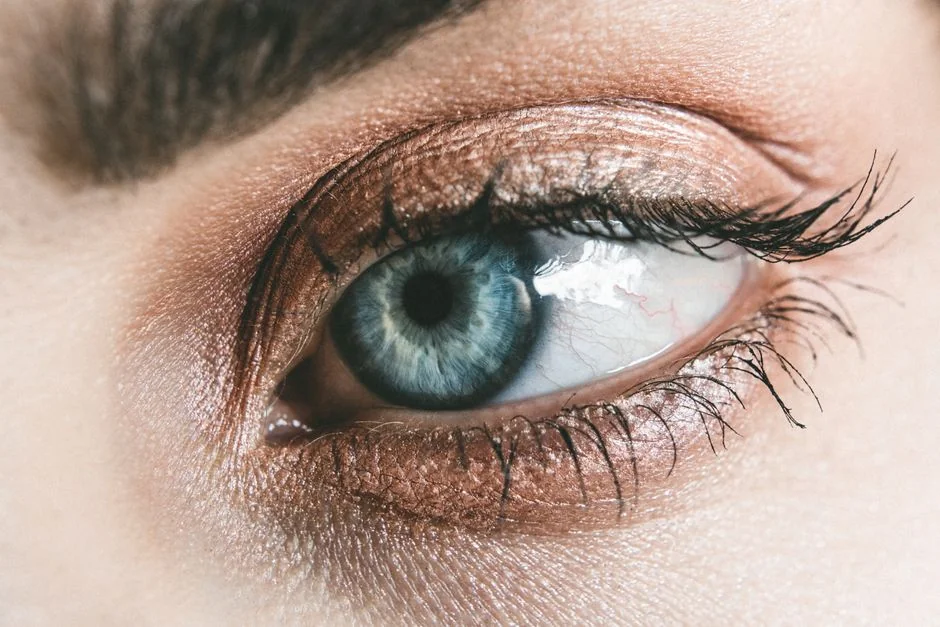
Double eyelid surgery (blepharoplasty for crease formation) creates a visible fold in the upper eyelid by attaching the skin of the lid to the deeper tissue that lifts it. When the eye opens, that attachment causes the skin above it to fold, producing the crease.
It is one of the most commonly requested aesthetic operations worldwide.
According to the International Society of Aesthetic Plastic Surgery’s global survey, more than 2.1 million eyelid procedures were recorded in 2024 — a 13.4% year-on-year increase that made eyelid surgery the most frequently performed surgical aesthetic procedure that year, ahead of liposuction.
The buried-suture method (埋没法)
Fine surgical thread is passed through the eyelid and tied so that the knot sits buried beneath the skin. No incision is made, so there is no linear scar, and swelling is generally more limited than with cutting techniques.
Surgeons vary the number of fixation points — commonly two, four, or six. More fixation points distribute tension across a wider span of the lid, which is generally used where the crease needs to hold a heavier or thicker eyelid.
The incision method (切開法)
An incision is made along the planned crease line, allowing the surgeon to remove excess skin or fat before fixing the fold. This is the approach usually discussed when a lid carries significant redundant skin, or when a previous suture procedure has failed.
Comparing the two approaches
| Feature | Buried-suture method | Incision method |
|---|---|---|
| Technique | Thread passed and knotted under the skin; no cut | Skin opened along the crease line; tissue may be removed |
| Visible scarring | None expected, as the skin is not opened | A fine line along the crease, which typically softens over months |
| Swelling and bruising | Generally shorter; our group’s published guidance is roughly 7–14 days | Generally longer |
| Reversibility | Sutures can be removed, though removal is itself a procedure | Not readily reversible |
| Typically discussed for | Thinner lids, modest crease changes, patients wanting shorter downtime | Heavy or redundant upper lid skin, revision after a failed crease |
| Evidence note | Crease loss is a recognised outcome — see the misconceptions section below | Clinical reports suggest incisional techniques carry a lower rate of crease loss but a higher complication burden |
A 2024 cohort of 333 patients published in Frontiers in Medicine compared small-incision and full-incision blepharoplasty and reported overall complication rates of 12.3% and 36.0% respectively, with satisfaction at six months of 95.5% versus 86.5%. Crease durability did not differ significantly between the two groups in that series.
Within our clinic group, the buried-suture double eyelid procedure is the listed crease-formation option, offered in two-point, four-point, and six-point configurations; ptosis (drooping upper lid) correction is a separate procedure on the menu.
Expected Results, Swelling and Recovery
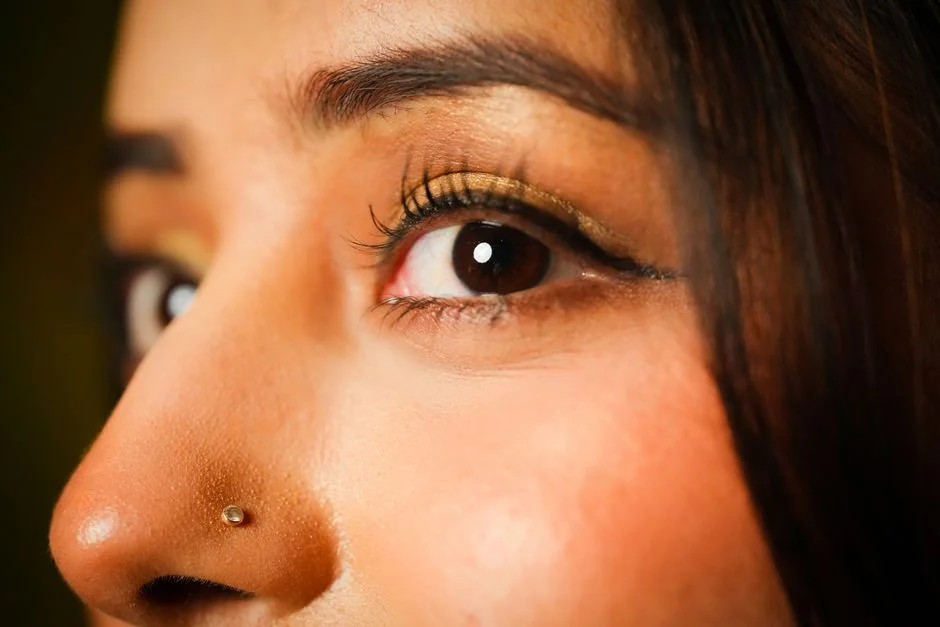
Results are visible immediately, but the eyelid you see on day one is not the eyelid you will keep. Swelling exaggerates crease height, so early photographs tend to look deeper and wider than the settled outcome.
Our clinic group’s published patient guidance for the buried-suture method indicates swelling and bruising of approximately 7 to 14 days, with the result stabilising over roughly one month. Gentle face washing is generally permitted from the following day, and make-up after about one week; prolonged bathing is best avoided during early recovery.
Listed side effects for the procedure include swelling, subcutaneous bleeding, redness of the eye, and a sensation of something in the eye. These are usually transient, but persistent discomfort should always be reviewed by the operating surgeon rather than left to settle.
No surgeon can promise a specific crease shape. Eyelid anatomy is asymmetric in most people, and a realistic goal is improved balance rather than perfect symmetry.
Cost of Double Eyelid Surgery in Tokyo
Because crease surgery is cosmetic, it is self-pay in Japan and each facility sets its own fees. The figures below are the current published, tax-inclusive prices for the buried-suture method within our clinic group.
| Procedure | One eye | Both eyes |
|---|---|---|
| Buried suture, 2-point | ¥66,000 | ¥110,000 |
| Buried suture, 4-point | ¥104,500 | ¥187,000 |
| Buried suture, 6-point | ¥181,500 | ¥341,000 |
| Each additional fixation point | ¥16,500 | — |
| Ptosis correction | ¥418,000 | |
| Suture removal (procedure performed at our group) | ¥22,000 per point | |
| Suture removal (procedure performed elsewhere) | ¥88,000 per point |
All figures above are tax-inclusive as published on the clinic’s official price page. Fees can change, so please see the clinic’s official price page or contact us for a current quote.
Note the two removal lines. Reversal is possible, but it is a separate paid procedure — worth factoring in before choosing a technique. For an accurate quote, please book a consultation.
Have a question about this treatment?
Message us on LINE or WhatsApp — our English-speaking team usually replies the same day.
Who Is a Good Candidate — and Who Should Wait
Generally suitable candidates are adults in good general health with a clear, specific idea of the crease they want, realistic expectations about symmetry, and enough flexibility in their schedule to absorb one to two weeks of visible swelling.
The buried-suture approach is typically discussed for thinner eyelids without substantial excess skin.
Where the upper lid carries heavy redundant skin, or where the eyelid margin itself sits low and obstructs vision, the underlying issue may be functional rather than aesthetic, and the assessment changes accordingly.
Reasons to postpone or reconsider include active infection or inflammation of the eyelid, uncontrolled dry eye or ocular surface disease, recent eye surgery, bleeding disorders or anticoagulant therapy that has not been reviewed by the prescribing doctor, pregnancy or breastfeeding, and expectations that cannot be met by surgery. Any history of a previous eyelid procedure — anywhere in the world — must be disclosed, as it materially changes the surgical plan.
At BIOTOPE CLINIC in Shirokanedai, English-speaking patients are asked to bring reference photographs and, where relevant, records of any prior eyelid surgery to the consultation, since crease preferences are difficult to convey in words across languages.
What People Often Get Wrong
Misconception 1: “The buried-suture method is permanent.”
It is best understood as long-lasting but not guaranteed to be permanent. A comparative study of 204 patients (392 eyes) published in The Journal of Craniofacial Surgery reported loss of the formed crease in 19.3% of patients treated with an interrupted buried-suture technique versus 8.6% treated with a continuous technique.
Separately, a Japanese case series of 116 patients (210 upper eyelids) who required removal of buried sutures documented complications including corneal irritation, suture granulomas, and late-onset suture extrusion — sometimes years after the original operation. Clinical reports of this kind are a reminder that the threads remain in the lid, and that revision is a genuine possibility rather than a remote one.
Misconception 2: “Japanese health insurance will cover it.”
It will not. The Japan Society of Plastic and Reconstructive Surgery states explicitly that double eyelid surgery, along with wrinkle treatment, breast augmentation, and hair removal, is not covered by health insurance and is treated as self-pay care.
Insurance in Japan applies to congenital conditions, trauma and burns, and reconstruction after cancer surgery — that is, to function and disease, not to appearance. If an eyelid concern turns out to be functional, the assessment and the billing pathway are different, which is one reason a proper examination matters before any price is quoted.
Where to Get Double Eyelid Surgery in Tokyo
Within our clinic group, both BIOTOPE CLINIC (Shirokanedai, Minato-ku) and Kojimachi Dermatology & Plastic Surgery Clinic (Ichigaya, Chiyoda-ku) offer English-language consultation with Dr. Jun Karibe’s team. Double eyelid surgery is handled at BIOTOPE CLINIC in Shirokanedai. Bookings and enquiries in English: LINE or WhatsApp.
BIOTOPE CLINIC is a one-minute walk from Shirokanedai Station, Exit 1, and covers cosmetic dermatology, cosmetic surgery, plastic surgery, and men’s health. Dr. Karibe — a plastic surgeon certified by the Japan Society of Plastic and Reconstructive Surgery — consults there personally.
Kojimachi Dermatology & Plastic Surgery Clinic in Ichigaya is the group’s main office and handles insurance-covered general dermatology, such as eczema, acne, rashes, and warts, alongside general and aesthetic plastic surgery.
Patients considering eyelid work often ask about the surrounding area at the same time. Hyaluronic acid filler and botulinum toxin injection are treatments available at BIOTOPE CLINIC in Shirokanedai — feel free to ask about them during a consultation with Dr. Karibe if the concern is partly volume or muscle-related rather than crease-related.
Frequently Asked Questions
- Q. How long before I can return to work after buried-suture double eyelid surgery?
- Our clinic group’s published guidance indicates swelling and bruising of roughly 7 to 14 days, with the result settling over about a month. Many patients feel presentable earlier than that, but planning around a one- to two-week window is more realistic than assuming a weekend will be enough.
- Q. Can the procedure be reversed if I dislike the result?
- Buried sutures can be removed, and our group lists suture removal as a separate procedure at ¥22,000 per point for work performed at our clinics. Removal is surgery in its own right, however, and the eyelid does not always return exactly to its pre-operative appearance.
- Q. Will my Japanese health insurance card cover any of this?
- No. The Japan Society of Plastic and Reconstructive Surgery explicitly lists double eyelid surgery among the cosmetic procedures that health insurance does not cover, meaning it is paid in full by the patient. Insurance-covered eyelid care applies only where there is a functional or disease-related indication.
- Q. Is consultation available in English, and do I need to bring anything?
- Both BIOTOPE CLINIC and Kojimachi Dermatology & Plastic Surgery Clinic offer English-language consultation. Bringing reference photographs and records of any previous eyelid procedure makes the discussion of crease height and technique considerably more precise.
Have a question about this treatment?
Message us on LINE or WhatsApp — our English-speaking team usually replies the same day.
Summary
Double eyelid surgery in Tokyo is a well-established, self-pay procedure available in two broad forms: the buried-suture method, which avoids an incision and generally involves around 7 to 14 days of visible swelling, and the incision method, which suits heavier lids and revision cases.
Published data support treating the suture method as long-lasting rather than permanent — reported crease-loss rates of 8.6% to 19.3% depending on technique — and Japanese health insurance does not apply to cosmetic crease surgery. Current published fees within our group start at ¥110,000 (tax-inclusive) for a two-point buried-suture procedure on both eyes.
The single most useful step is an unhurried consultation in a language you are comfortable in, where crease height, technique, downtime, and the possibility of revision are all discussed before anything is booked.
If you have questions about double eyelid surgery, both BIOTOPE CLINIC (Shirokanedai, Minato-ku) and Kojimachi Dermatology & Plastic Surgery Clinic (Ichigaya, Chiyoda-ku) offer English-language consultation with Dr. Karibe and his team. Double eyelid surgery is primarily handled at BIOTOPE CLINIC in Shirokanedai. English enquiries: LINE or WhatsApp.
24/7 Consultation & Booking
Book a Consultation or Treatment
Our English-speaking team responds via LINE or WhatsApp — usually the same day.
References
- Baek JS, Ahn JH, Jang SY, Chee E, Jang JW. Comparison Between Continuous Buried Suture and Interrupted Buried Suture Methods for Double Eyelid Blepharoplasty. The Journal of Craniofacial Surgery. 2015;26(7):2174–2176.
- Mizuno T. Treatment of Suture-related Complications of Buried-suture Double-eyelid Blepharoplasty in Asians. Plastic and Reconstructive Surgery – Global Open. 2016.
- Cao J, Yan L. The small incisions combined with interrupted buried suture blepharoplasty: flexible-rigid fixation. Frontiers in Medicine. 2024.
- International Society of Aesthetic Plastic Surgery (ISAPS). ISAPS International Survey on Aesthetic/Cosmetic Procedures Performed in 2024. 2025.
- Japan Society of Plastic and Reconstructive Surgery. Plastic Surgery and Health Insurance (形成外科と健康保険). Accessed 2026.
Related Articles
You may also find these articles useful.
- How Long Should You Stay in Tokyo for Double Eyelid Surgery? Downtime, Pain & Flying Guide
- Ptosis Correction Surgery Tokyo: Droopy Eyelid Treatment
- Under Eye Bags Surgery Tokyo: Transconjunctival Blepharoplasty
- English Speaking Plastic Surgeon Tokyo: Complete Guide
- How Long Should You Stay in Tokyo for Rhinoplasty? Downtime, Pain & Flying Guide
SUPERVISED BY
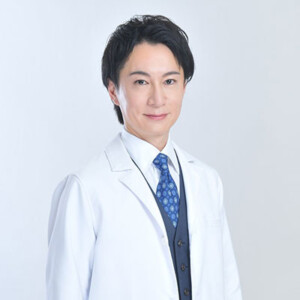
Dr. Jun Karibe
MD
Director
Education & Career
Certifications
Awards
MEDICAL REVIEW