XERF for the Eye Area and Forehead in Tokyo: What Results Can You Realistically Expect?
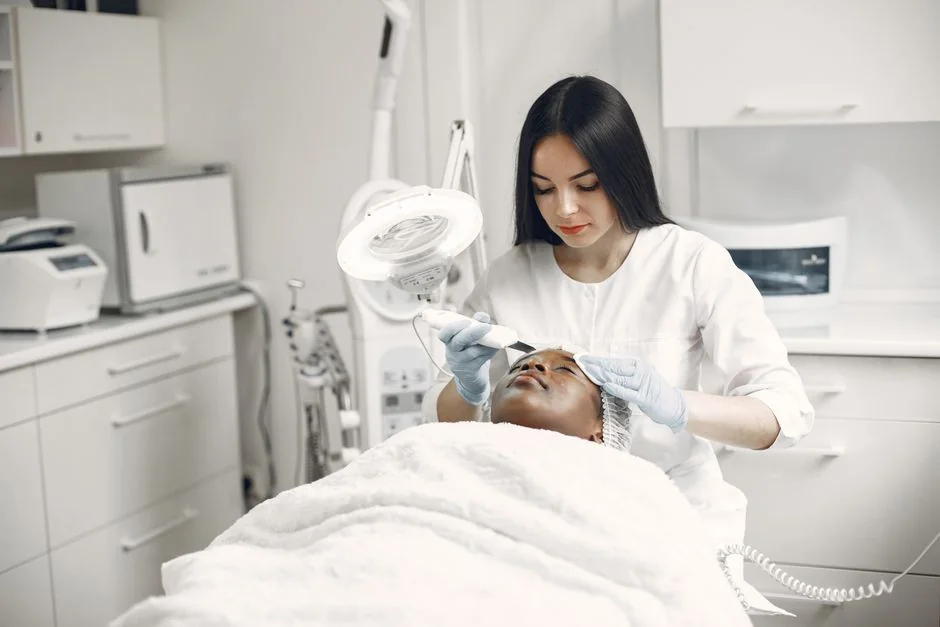
If you have noticed heaviness above the eyes, fine lines across the forehead, or the early deepening of crow’s feet, it is natural to look for a treatment that addresses these concerns without the commitment of surgery. Xerf — an advanced radiofrequency-based platform — has gained attention in Tokyo’s cosmetic medicine scene as a precise, non-surgical option for exactly these delicate zones.
This article explains how Xerf works, what clinical evidence suggests about its outcomes, how it is used around the eyes and forehead, and what you should realistically expect before, during, and after treatment.
What you’ll learn in this article:
- What Xerf is and how radiofrequency energy tightens skin in the periorbital (eye area) and forehead zones
- The clinical evidence behind radiofrequency-based treatments for facial skin laxity
- Realistic outcomes, session planning, and downtime specific to the upper-face area
- Pricing for Xerf at Tokyo clinics, with reference to BIOTOPE CLINIC’s official fee schedule
- Who is a good candidate and who should consider an alternative approach
Have a question about this treatment?
Message us on LINE or WhatsApp — our English-speaking team usually replies the same day.
What Is XERF?
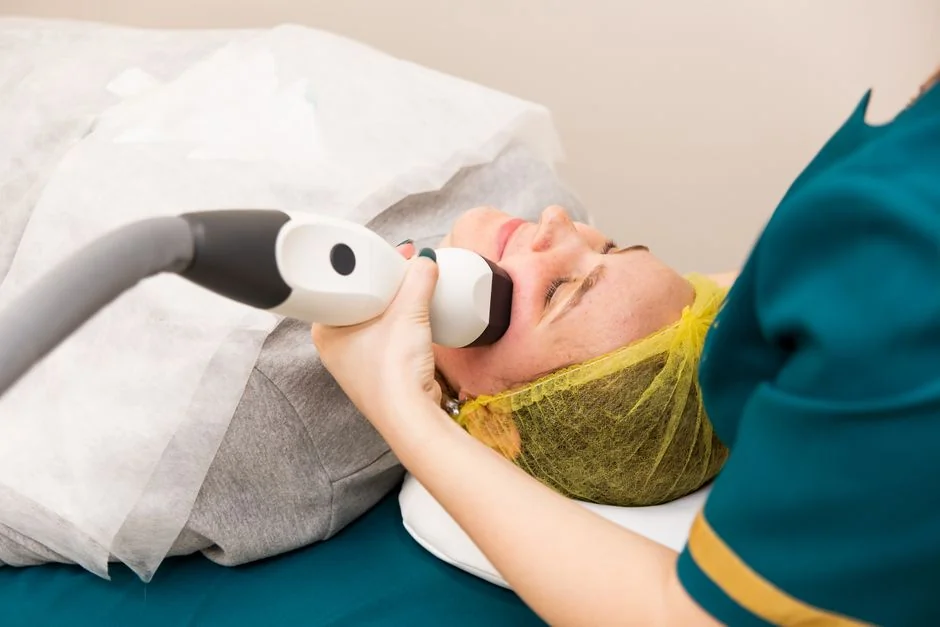
Xerf is a minimally invasive radiofrequency (RF) device designed to deliver controlled thermal energy beneath the skin’s surface using micro-insulated needles. Unlike traditional RF microneedling platforms that treat the face broadly, Xerf is engineered for precision — making it particularly suited to anatomically sensitive zones such as the periorbital region (around the eyes) and the forehead, where tissue planes are thin and the margin for error is narrow.
The “RF” in its name refers to radiofrequency — a form of electromagnetic energy that generates heat when it passes through biological tissue.
By directing this heat to the dermis (the layer beneath the surface skin) while protecting the overlying epidermis, Xerf stimulates the body’s natural collagen-remodelling response. Collagen is the structural protein responsible for skin firmness and elasticity; its gradual depletion from the mid-twenties onwards is one of the primary drivers of fine lines, laxity, and the tired appearance that many patients wish to address.
How Xerf Differs from Standard RF Microneedling
Standard RF microneedling devices — such as Morpheus8 or POTENZA — use arrays of needles to create multiple micro-channels and deliver RF energy simultaneously across a wider treatment area.
These platforms are highly effective for mid-face, jawline, and neck rejuvenation, but their needle configurations and energy parameters require careful adjustment when working near the orbit (eye socket) and the thin forehead skin.
XERF uses a refined needle geometry and adjustable depth settings that allow a physician to treat the sub-millimetre tissue layers around the lower eyelid and brow area with a degree of targeting that broader platforms do not always permit. This specificity is what makes it of interest for patients with concerns concentrated in the upper-face zone. It is worth noting that Morpheus8 and POTENZA — both available at BIOTOPE CLINIC — remain excellent options for patients whose laxity extends to the cheeks and lower face; a consultation with Dr. Karibe will clarify which platform, or which combination, suits your individual anatomy.
How XERF
Works on the Eye Area and Forehead
During a Xerf session targeting the periorbital region and forehead, the physician inserts fine, insulated micro-needles to a calibrated depth — typically between 0.5 mm and 2.5 mm, depending on the specific zone being treated. The insulation on the needle shaft means that energy is released only at the tip, protecting the epidermis from thermal injury while heating the dermal and subdermal tissue precisely.
The localised heat — generally reaching 60–70 degrees Celsius at the target tissue — causes immediate collagen contraction (a mild tightening effect visible within the first few weeks) and triggers a wound-healing cascade that stimulates fibroblasts, the cells responsible for producing new collagen and elastin. This secondary remodelling process continues for three to six months after each session, which is why final results are assessed at the three-to-six-month mark rather than immediately after treatment.
The Biology of Collagen Remodelling Around the Eye
The skin of the lower eyelid averages approximately 0.5 mm in thickness — among the thinnest on the human body. The forehead, by contrast, has a thicker dermis and sits above the frontalis muscle, which is responsible for brow elevation. These anatomical differences mean that treatment parameters must be adapted zone by zone during a single session.
Studies suggest that RF-induced thermal stimulation at dermal temperatures of 60–65 degrees Celsius is sufficient to initiate collagen neodeposition (new collagen formation) without causing full-thickness tissue injury. A clinical report published in Dermatologic Surgery found that fractional RF microneedling produced measurable improvement in periorbital rhytids (wrinkles around the eye) in a significant proportion of subjects, with histological analysis confirming increased collagen density at the three-month follow-up. Such evidence supports the rationale for using precision RF devices in this anatomically demanding zone, though individual responses vary.
Expected Results: Eye Area and Forehead
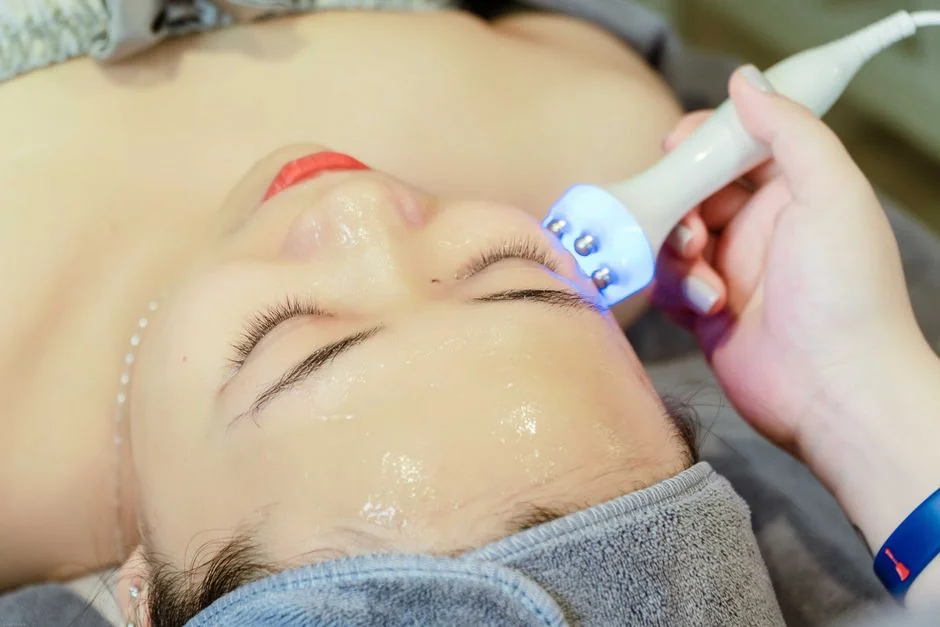
Patients who are suitable candidates and who complete a recommended course of Xerf sessions may notice the following changes over time. It is important to understand that results are progressive and cumulative rather than immediate.
- Crow’s feet and lateral orbital lines: Softening of fine-to-moderate dynamic and static lines in the outer corner of the eye area. Deeper lines may show partial improvement rather than full resolution.
- Lower eyelid skin laxity: A mild-to-moderate tightening effect that can reduce the “crepey” texture often seen beneath the eyes. Significant fat prolapse (eye bags with structural fat herniation) is not addressed by RF alone and may require transconjunctival blepharoplasty — a surgical procedure performed by Dr. Karibe at BIOTOPE CLINIC.
- Forehead lines: Softening of horizontal rhytids (creases) and improvement in skin texture. Deeply etched forehead lines benefit more from a combination approach that may include Botox to reduce muscle movement alongside RF tissue remodelling.
- Brow position: Some patients report a subtle brow-lifting effect as the tissue above the lateral brow tightens, though this should not be compared to a surgical brow lift in terms of magnitude.
- Skin quality overall: Improved skin tone, reduction in pore visibility, and a firmer surface texture are commonly reported secondary benefits in the treated zones.
Clinical reports indicate that most patients require two to three sessions spaced four to six weeks apart to achieve optimal collagen remodelling. A maintenance session once or twice yearly is generally recommended to sustain results, as the natural ageing process continues after treatment.
Dr. Karibe’s Note
Many of our international patients at BIOTOPE CLINIC come in expecting the eye area to respond the same way the cheeks or jawline do to RF treatments — and they are sometimes surprised to learn that the periorbital zone requires a more conservative energy protocol. A common question I receive is: “Can we treat the entire face in one session?” The answer is yes, but the eye area demands its own parameter settings, and rushing through it to match the rest of the face does not serve the patient well. I always allocate separate attention to this zone and often combine Xerf with a small amount of Botox or hyaluronic acid filler in the same appointment, depending on what the anatomy actually calls for rather than what is trending.
Common Misconceptions About Xerf and RF Eye Treatments
Misconception 1: “RF around the eyes is dangerous because of proximity to the eyeball.”
This concern is understandable but does not reflect the reality of modern, insulated-needle RF devices when used by a trained physician. The needles in a precision RF platform do not penetrate to the depth of the orbit, and the energy is deposited within the dermis — not the deeper orbital structures. Safety records for RF microneedling in the periorbital zone are well established in the peer-reviewed literature. That said, the procedure must be performed by a physician with specific training in periorbital anatomy; it is not a task for a non-medical aesthetician.
Misconception 2: “One session will produce permanent results.”
Collagen remodelling is a biological process, not a one-time structural repair. The results of a single Xerf session build over three to six months and are meaningful, but the ageing process continues. Most practitioners — including Dr. Karibe’s approach at BIOTOPE CLINIC — recommend a short initial course followed by annual or biannual maintenance. Setting realistic expectations at the outset is a core part of the consultation process, and patients who understand this tend to report greater long-term satisfaction.
Xerf vs. Alternative Treatments for the Eye Area and Forehead: A Comparison
The upper face is one of the most-requested treatment zones in cosmetic medicine, and several effective options exist. The table below provides a straightforward comparison to help readers understand where Xerf fits relative to other modalities available at BIOTOPE CLINIC.
| Treatment | Mechanism | Depth of Action | Downtime | Best For | Limitations for Eye/Forehead |
|---|---|---|---|---|---|
| Xerf | Insulated-needle RF — precision dermal heating | Dermis / superficial subdermal | 3–5 days (mild redness, micro-crusting) | Fine-to-moderate periorbital lines, forehead laxity, skin texture | Not suitable for significant fat prolapse or deep structural sagging |
| HIFU (High-Intensity Focused Ultrasound) | Ultrasound energy focused at SMAS layer | Deep dermis and SMAS (3–4.5 mm) | Minimal (1–2 days mild swelling) | Overall brow elevation, upper-face lifting | Painful around orbital rim; less precise for surface fine lines |
| Botox (Botulinum Toxin) | Muscle relaxation | Neuromuscular junction | None | Dynamic crow’s feet, forehead lines caused by muscle movement | No collagen stimulation; effect lasts 3–6 months only |
| Hyaluronic Acid Filler | Volume replacement | Subcutaneous / supraperiosteal | 1–3 days (bruising risk) | Tear trough hollowing, temple volume loss | Does not address skin laxity or surface texture; overfilling risk |
| CO2 Fractional Laser | Ablative laser resurfacing | Epidermis and upper dermis | 7–14 days (significant) | Deep rhytids, acne scars, textural irregularities | Longer recovery; post-inflammatory hyperpigmentation risk in darker skin tones |
| Transconjunctival Blepharoplasty (Surgery) | Surgical fat repositioning / removal | Structural — orbital fat | 10–14 days | True lower eyelid fat prolapse (“eye bags”) | Surgery — not suitable for patients seeking non-invasive options |
HIFU, Botox, hyaluronic acid filler, CO2 fractional laser, and transconjunctival blepharoplasty are all available at BIOTOPE CLINIC in Shirokanedai. During a consultation with Dr. Karibe, the relative merits of each approach — or a combined protocol — can be assessed based on your specific anatomy and aesthetic goals.
Cost of Xerf for the Eye Area and Forehead in Tokyo
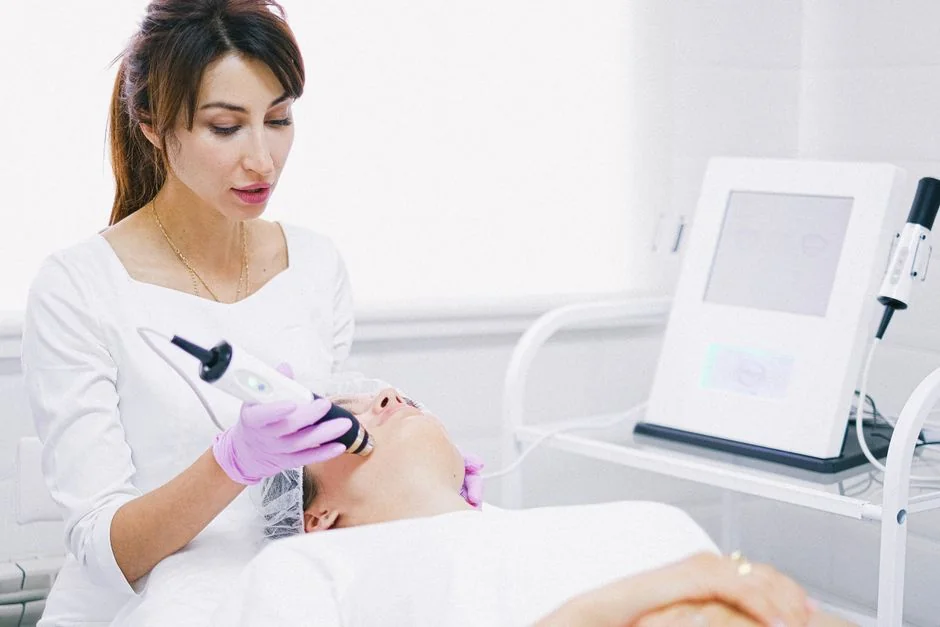
Pricing for XERF at BIOTOPE CLINIC is determined by the treatment zone and the number of passes or session complexity. As a general reference, energy-based device treatments at BIOTOPE CLINIC for the facial area range from approximately ¥35,000 to ¥110,000 per session, depending on the scope of the treatment (eye area only versus full upper face including forehead). Packages covering multiple sessions are available and typically offer a more cost-effective path for patients committing to a recommended course.
For context, comparable RF microneedling devices at the clinic are listed at the following price ranges:
- POTENZA (RF microneedling): ¥35,000–¥49,800 per session
- HIFU (for brow lifting and upper-face tightening): ¥25,000–¥110,000 per session
- Botox (Allergan, for crow’s feet and forehead): ¥22,000–¥148,000 depending on areas treated
- Hyaluronic acid filler (tear trough or temple): ¥66,000–¥88,000 per syringe
An initial consultation is priced at ¥3,300; a surgical consultation with Dr. Karibe specifically is ¥2,200. All cosmetic procedures at BIOTOPE CLINIC are self-pay (not covered by Japanese national health insurance). For an accurate quote tailored to your anatomy and treatment goals, we recommend booking a consultation.
Have a question about this treatment?
Message us on LINE or WhatsApp — our English-speaking team usually replies the same day.
What to Expect: Before, During, and After Xerf Treatment
Before Your Appointment
At the initial consultation, Dr. Karibe will assess your skin laxity, the depth and character of lines in the eye and forehead zones, your skin tone (relevant to post-inflammatory pigmentation risk), and your medical history. Patients taking blood-thinning medications (aspirin, warfarin, certain supplements) may be asked to pause these before treatment to reduce bruising risk. Sun exposure should be minimised in the two weeks prior to the session.
Topical numbing cream (local anaesthetic) is applied to the treatment area approximately 30–45 minutes before the procedure begins. This substantially reduces discomfort, though a degree of pressure sensation and warmth is normal during needle insertion and energy delivery.
During the Session
A Xerf session targeting the periorbital region and forehead typically takes 30–60 minutes in total, including preparation. The physician works methodically across the treatment area in a grid pattern, adjusting needle depth and energy level zone by zone. Patients commonly describe the sensation as a warm pressure or mild stinging — generally manageable with topical anaesthetic in place.
In Dr. Karibe’s clinical experience at BIOTOPE CLINIC, the forehead portion is generally well tolerated, while the lower eyelid margin and outer orbital area tend to be the most sensitive zones. Patients are encouraged to communicate their comfort level throughout the session so that parameters can be adjusted as needed.
After Treatment and Recovery
Immediately after treatment, the skin appears red and mildly swollen, similar in appearance to a mild sunburn. Fine pinpoint marks from needle entry are visible but resolve within 24–48 hours. The most noticeable downtime for the eye area specifically is mild puffiness around the lower eyelids, which typically settles within two to five days.
Patients are advised to keep the skin clean, avoid heavy make-up for 24–48 hours, and apply a broad-spectrum SPF 30 or higher sunscreen consistently thereafter. Strenuous exercise and heat exposure (saunas, hot baths) should be avoided for 48–72 hours. Visible social downtime is generally three to five days for the eye and forehead area, which is shorter than CO2 laser resurfacing but slightly more than HIFU.
Who Is a Good Candidate for Xerf in the Eye Area and Forehead?
Xerf in the periorbital and forehead zone tends to produce the most satisfying outcomes in patients who meet the following profile:
- Age range approximately 30–60, with early-to-moderate signs of skin laxity and fine-to-moderate lines (not deep structural sagging)
- Good baseline skin health — no active infection, eczema, or dermatitis in the treatment zone
- Realistic expectations about progressive, non-surgical improvement rather than surgical-level correction
- Willing and able to complete a short course of sessions and appropriate aftercare
- Skin types I–V (Fitzpatrick scale); darker skin tones are treatable but may benefit from a more conservative energy protocol to reduce hyperpigmentation risk
Patients who may not be suitable candidates include:
- Those with active eyelid infections, chalazion, or blepharitis at the time of treatment
- Patients with pacemakers or implanted electrical devices (contraindicated for all RF devices)
- Pregnant or breastfeeding individuals
- Those with significant structural eye-bag fat prolapse, for whom transconjunctival blepharoplasty is likely the more appropriate route
- Patients who expect immediate or dramatic results comparable to surgery — and who would be better served by an open conversation about surgical options
Where to Get Xerf for the Eye Area and Forehead in Tokyo
Within our clinic group, this treatment is performed by Dr. Jun Karibe at BIOTOPE CLINIC in Shirokanedai (Minato-ku, Tokyo). Our English-speaking team also covers Kojimachi Dermatology and Plastic Surgery Clinic and handles all English enquiries via LINE or WhatsApp.
BIOTOPE CLINIC is the group’s dedicated cosmetic and plastic surgery branch, and it is the only location where Dr. Karibe personally consults and performs procedures. Kojimachi Dermatology and Plastic Surgery Clinic (located in Ichigaya, Chiyoda-ku) serves as the group’s main office for insurance-covered dermatology and is managed by other staff physicians. Cosmetic treatment bookings — including Xerf, HIFU, injectables, laser procedures, and surgical consultations — are directed to BIOTOPE CLINIC in Shirokanedai.
Frequently Asked Questions
- Q. Is Xerf painful around the eyes?
- With topical numbing cream applied in advance, most patients describe the sensation as manageable — a warm pressure or mild stinging rather than sharp pain. The outer orbital area and lower eyelid margin are the most sensitive zones. Patients can communicate their comfort level during the session and parameters can be adjusted. The procedure does not require injectable local anaesthesia in most cases.
- Q. How many Xerf sessions will I need for the eye area and forehead?
- Most patients benefit from two to three sessions spaced four to six weeks apart for the initial course. Some individuals with milder concerns see satisfactory improvement after a single session. Following the initial course, one to two maintenance sessions per year are generally recommended to support ongoing collagen remodelling as the natural ageing process continues.
- Q. Can Xerf remove eye bags completely?
- Xerf addresses skin laxity and fine lines but does not remove or reposition the orbital fat that creates true structural eye bags. If fat prolapse is the primary concern — rather than skin laxity alone — transconjunctival blepharoplasty (a surgical procedure performed by Dr. Karibe at BIOTOPE CLINIC) is likely the more appropriate option. Many patients benefit from a combination of both approaches addressed in sequence.
- Q. Can Xerf be combined with Botox or filler in the same appointment?
- In many cases, yes. At BIOTOPE CLINIC, Dr. Karibe frequently combines RF-based treatments with Botox (to address dynamic muscle-driven lines) or hyaluronic acid filler (to restore volume loss, for example in the tear trough or temple area). The sequencing and suitability of combining treatments is assessed on an individual basis at consultation.
- Q. Is Xerf available in English at BIOTOPE CLINIC?
- Yes. BIOTOPE CLINIC’s English-speaking team handles enquiries and appointments via LINE and WhatsApp, and English-language consultations with Dr. Karibe are available. Pre-appointment questions can also be submitted in writing before your visit, which can be especially helpful for patients travelling from abroad or navigating a new healthcare system in Japan.
- Q. How long do Xerf results last?
- Clinical reports suggest that the collagen remodelling response following RF microneedling produces results that are sustained for approximately twelve to eighteen months after a full course of sessions. However, results are not permanent — natural ageing continues, and the extent of longevity varies by age, skin condition, lifestyle factors, and sun exposure habits. Maintenance sessions help preserve outcomes over time.
Have a question about this treatment?
Message us on LINE or WhatsApp — our English-speaking team usually replies the same day.
Summary
XERF is a precision radiofrequency platform that offers a clinically grounded, non-surgical approach to addressing fine lines, mild laxity, and textural concerns in the periorbital (eye area) and forehead zones. Its insulated-needle delivery system allows controlled dermal heating in anatomically delicate areas where broader RF platforms require more conservative use.
Clinical evidence supports RF microneedling as an effective collagen-stimulating modality, with results building progressively over a three-to-six-month window following each session.
Realistic expectations are central to a satisfying outcome.
XERF can meaningfully improve crow’s feet, forehead rhytids, lower eyelid skin laxity, and overall skin quality in suitable candidates — but it does not replicate surgical lifting or remove structural fat prolapse. For patients whose concerns go beyond what RF alone can address, BIOTOPE CLINIC offers a full range of complementary options, from Botox and hyaluronic acid filler to HIFU, CO2 fractional laser, and transconjunctival blepharoplasty, allowing Dr. Karibe to design a personalised treatment plan based on actual anatomy rather than a one-size-fits-all protocol.
If you have questions about Xerf for the eye area and forehead, Dr. Karibe consults at BIOTOPE CLINIC in Shirokanedai (Minato-ku, Tokyo) — our clinic group’s cosmetic and plastic surgery branch. Our English-speaking team handles enquiries via LINE and WhatsApp.
24/7 Consultation & Booking
Book a Consultation or Treatment
Our English-speaking team responds via LINE or WhatsApp — usually the same day.
References
- Hruza G, Taub AF, Collier SL, Mulholland SR. Skin rejuvenation and wrinkle reduction using a fractional radiofrequency system. Journal of Drugs in Dermatology. 2009.
- Alexiades-Armenakas M, Dover JS, Arndt KA. Fractional laser skin resurfacing and tightening technologies: an updated review. Seminars in Cutaneous Medicine and Surgery. 2012.
- Gold MH, Biron JA. Treatment of acne scars by fractional bipolar radiofrequency energy. Journal of Cosmetic and Laser Therapy. 2012.
- Cho SI, Chung BY, Choi MG, et al. Evaluation of the clinical efficacy of fractional radiofrequency microneedle treatment in acne scars and large facial pores. Dermatologic Surgery. 2012.
- Kassar R, Bhatt V, Mazzei M, Jagdeo J. Safety and efficacy of radiofrequency microneedling for the treatment of periorbital rhytids: a systematic review. Journal of the American Academy of Dermatology. 2022.
SUPERVISED BY
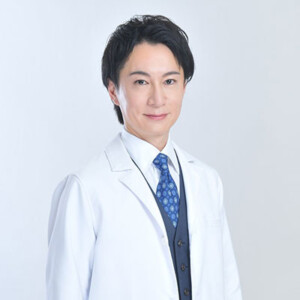
Dr. Jun Karibe
MD
Director
Education & Career
Certifications
Awards
MEDICAL REVIEW