By Dr. Jun Karibe, MD — BIOTOPE Clinic Shirokanedai, Tokyo · Reviewed August 2026
Every year around late October, the pattern in our clinic becomes predictable. The first cold snap arrives, humidity drops, the heating comes on in offices and homes, and within two to three weeks patients begin asking the same question: “What should I be taking to avoid getting sick this winter?” Some ask because they already caught something and want to shorten it.
Others ask because they cannot afford to be off work — a business trip, a wedding, a school event. A few ask because they were the ones who ended up hospitalised with influenza the previous year and do not want a repeat.
This is a reasonable question, and it deserves a specific answer rather than a vague list of “immune boosters” from a supplement website. The evidence base for nutritional immune support is uneven — some interventions are well-supported by randomised trials, some are supported for one indication but not another, and several popular products are essentially marketing with a thin evidence base.
This article walks through what the winter environment in Tokyo actually does to your immune system, what nutritional and lifestyle interventions are supported by evidence, in what dose and form, and what to skip.
Why Tokyo winter is a specific immune challenge
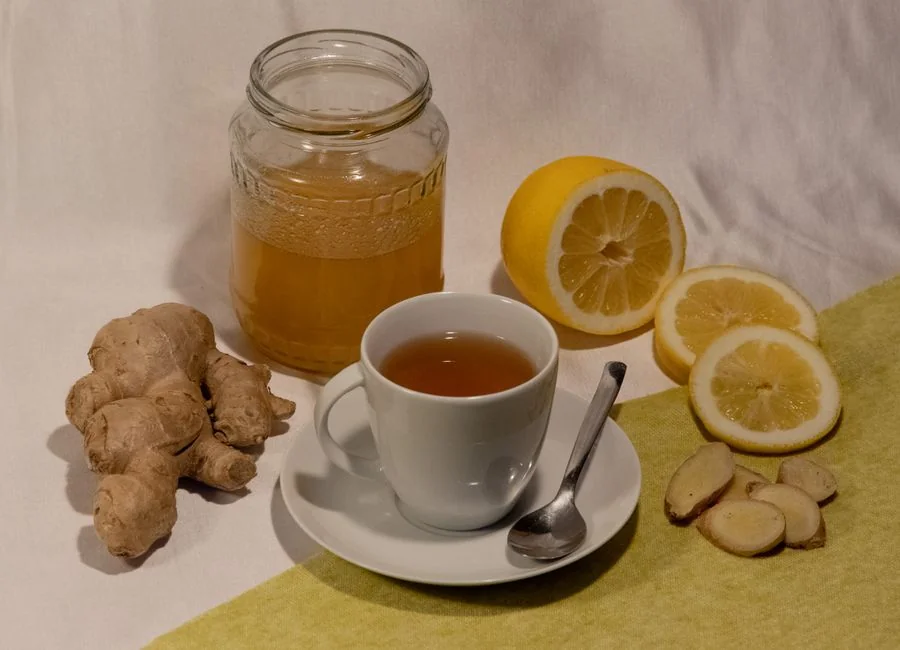
Winter respiratory illness is not simply a matter of “cold weather makes you sick”. The mechanisms are more interesting, and each one points to a different intervention.
Dry air impairs mucosal defence
Cold outdoor air holds very little water, and once that air is heated indoors the relative humidity often falls below 30 percent. In central Tokyo apartments and offices with continuous heating, mid-winter indoor humidity routinely sits between 20 and 35 percent.
The nasal and upper respiratory mucosa depends on a thin, well-hydrated mucus layer to trap and clear inhaled viral particles by ciliary action. When the mucosa dries out, that clearance mechanism becomes sluggish, and inhaled virus lingers on the epithelium long enough to establish infection.
Laboratory work published in the last several years has shown that at low ambient humidity, influenza virus survives longer in aerosols and that infected animals shed more virus in dry conditions. Human epidemiology mirrors the pattern: respiratory viral transmission peaks in the driest months across most temperate climates, and controlled studies of humidification in schools and offices have shown reduced transmission when indoor humidity is kept above 40 percent.[1]
Short days lower vitamin D
Tokyo sits at approximately 35.7 degrees north latitude. Between roughly November and February, the sun angle is too low for meaningful cutaneous vitamin D synthesis at any exposure duration — the UVB simply does not reach the surface with adequate intensity. Combined with winter clothing coverage, shorter working-hour daylight and the sun-avoidance habits that persist year-round in Japan, serum 25-hydroxyvitamin D levels in Tokyo residents typically bottom out in February and March.
Vitamin D is not incidental to immune function. It regulates both innate and adaptive immunity, upregulates antimicrobial peptides such as cathelicidin in respiratory epithelium, and modulates the inflammatory response to viral infection. Meta-analyses of randomised trials have shown that vitamin D supplementation reduces the incidence of acute respiratory infection, with the largest effect in those who were most deficient at baseline.[2] If you are entering winter with a 25(OH)D level in the teens or twenties — which describes the majority of Tokyo adults — this is the single most impactful nutritional lever you have.
Shared indoor spaces concentrate exposure
Tokyo winter life is indoor life. Commuter trains at rush hour, izakaya dining, gym floors, cinemas, office meeting rooms, coffee shops and elevators all bring you into close-range contact with the exhaled aerosols of dozens or hundreds of other people per day. Viral dose matters — the inoculum of virus you receive affects both the probability of developing symptomatic infection and, once infected, the severity of the illness. In a city of 37 million people moving through a small footprint of shared indoor spaces, your daily viral exposure in winter is substantially higher than in most Western cities.
Sleep and stress get worse in winter
Year-end work deadlines, bonenkai season, travel, holidays with family, and the reduced daylight itself all conspire to erode sleep and increase psychological stress in December and January. Both sleep restriction and sustained stress reliably suppress adaptive immune function.
A pre-vaccination sleep restriction study demonstrated meaningfully lower antibody titres in sleep-deprived adults after influenza vaccination, and chronic stress has been repeatedly shown to reduce the response to vaccination and slow wound healing.[3] Any winter immunity plan that ignores sleep and stress is missing the largest levers.
The foundation: vitamin D as the single most important intervention

If you do only one thing on this list, correct your vitamin D. The evidence is not marginal — it is one of the more consistently replicated findings in the nutritional immunology literature.
A pooled analysis of 25 randomised controlled trials, encompassing more than 11,000 participants, found that vitamin D supplementation reduced the risk of acute respiratory tract infection compared with placebo. The protective effect was strongest in individuals whose baseline serum 25(OH)D was below 25 nmol/L (10 ng/mL) — precisely the range in which many Tokyo residents sit at the end of winter. Daily or weekly supplementation was consistently more effective than large intermittent bolus doses.[2]
The correction dose depends on the baseline level. For a Tokyo adult with no prior testing, our practical starting point is cholecalciferol 5,000 IU daily with a fat-containing meal, continued through the winter months, with a serum 25(OH)D check at 12 weeks to titrate. The target we aim for is 40 to 60 ng/mL. Magnesium sufficiency should be confirmed alongside because vitamin D metabolism requires magnesium at multiple enzymatic steps; a patient with low magnesium may not respond fully to vitamin D supplementation until the magnesium is also corrected. For a fuller treatment of vitamin D testing, dosing and cofactors, see our dedicated vitamin D guide for Tokyo residents.
Vitamin D is a slow lever. Even at 5,000 IU daily, it typically takes 8 to 12 weeks for serum levels to reach the sufficient range from a deficient baseline. The implication is straightforward: if you start supplementing in late January because you have already been sick twice, you will not reach optimal levels until the tail end of winter. Start in October or November, not January.
Zinc: shorten the cold, not prevent it
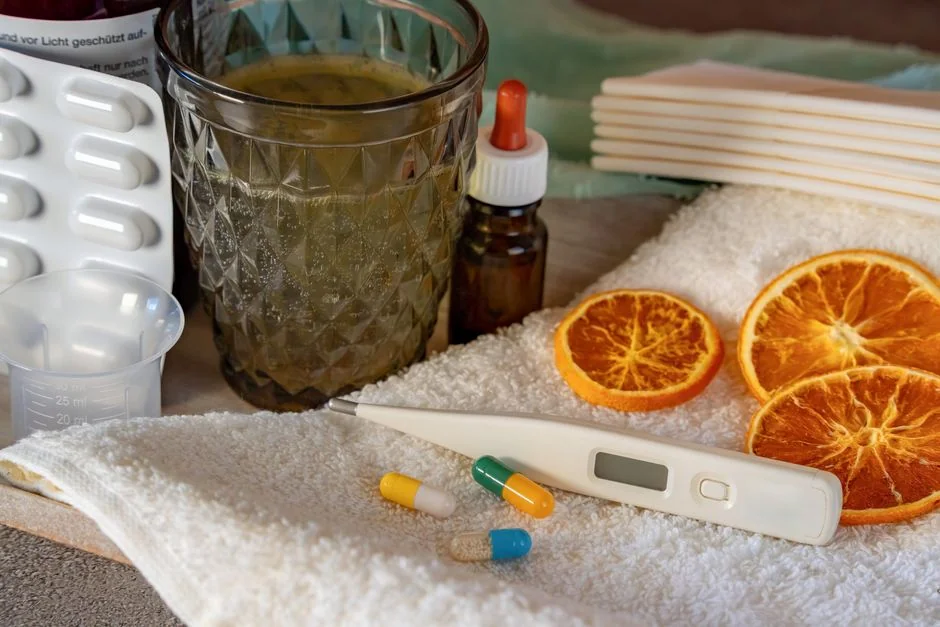
Zinc has two distinct roles worth separating clearly. The first is baseline sufficiency for normal immune function; a zinc-deficient patient has impaired innate and adaptive immunity, and correcting the deficiency restores function.
The second is acute use at the onset of a viral upper respiratory infection to shorten the duration.
For the second, the evidence for zinc lozenges taken within 24 hours of first symptom is respectable.
Meta-analyses have shown that zinc lozenges — specifically zinc acetate or zinc gluconate at doses providing at least 75 mg of elemental zinc per day, taken as frequent lozenges — reduce the duration of the common cold by approximately one day on average. The effect is not consistent across all preparations. Formulations that include citric acid, sorbitol or mannitol appear to reduce efficacy, likely by binding zinc ions and preventing their release in the mouth and throat.[4]
The catch is tolerability. High-dose zinc lozenges can cause nausea, altered taste, and mouth irritation. Use during acute illness is limited to about a week; longer use, particularly at these doses, requires copper monitoring because high-dose zinc interferes with copper absorption and can produce a functional copper deficiency over time. We discuss the zinc-copper balance in more detail in our zinc article, which also covers baseline zinc status testing, dietary sources appropriate for Tokyo, and the situations in which chronic maintenance zinc supplementation is warranted.
Note the distinction: zinc for cold duration is a short course started at the first symptom. Chronic low-dose zinc supplementation for winter prevention is not well-supported by trial evidence, and comes with the copper interaction risk on repeated use.
Vitamin C: for illness onset, not routine prophylaxis

Vitamin C occupies an unusual position. Regular prophylactic supplementation in the general population does not meaningfully reduce the incidence of the common cold — the meta-analytic effect is essentially null in adults. What routine supplementation appears to do is modestly reduce the duration of cold episodes when they occur, on the order of 8 percent shorter in adults and 14 percent shorter in children.[5]
Where the evidence is stronger is therapeutic use at symptom onset. A number of trials have examined higher-dose vitamin C started within the first 24 to 48 hours of upper respiratory infection symptoms and continued for the duration of the illness, with reductions in symptom duration and severity. The effect is not enormous but it is reproducible, and the safety profile at doses up to 2 to 3 g per day divided across the day is excellent.
The practical protocol we recommend to patients is not daily prophylaxis. It is a bottle of 1,000 mg vitamin C tablets kept at home, with instructions to start 1,000 mg three times daily at the very first sign of a cold — sore throat, sneezing, nasal congestion — and continue for the duration of symptoms. Athletes and people under sustained physical stress (long-haul flights, marathon training) are a partial exception, where a smaller body of trial evidence supports 1,000 mg daily during the training or travel period.
Vitamin C at doses above 2 g per day can cause loose stools. If this happens, reduce the dose. Chronic mega-doses (5 g and above) are not recommended and offer no additional benefit.
Quercetin: the most interesting of the second-tier options

Quercetin is a plant flavonoid found in onions, apples, capers and green tea. Two distinct mechanisms make it interesting for winter immune support.
The first is mast cell stabilisation. Quercetin inhibits histamine release from mast cells, which is why it has a small but real evidence base for allergic conditions. Patients with year-round nasal symptoms often benefit incidentally in winter, when a cold layered on top of allergic rhinitis produces worse mucosal congestion than either would alone.
The second is direct antiviral activity. In vitro and small clinical studies have documented quercetin’s activity against several respiratory viruses, including influenza and coronaviruses, likely via inhibition of viral entry and protease activity. A 2021 randomised trial of quercetin phytosome in COVID-19 outpatients showed reduced viral persistence and symptom severity compared with standard care, and subsequent trials have reported similar patterns.[6] This is a smaller and less-replicated evidence base than that for vitamin D, but it is real.
Quercetin’s bioavailability from food and standard supplements is limited — the molecule is poorly absorbed on its own. Formulations that combine quercetin with bromelain (a proteolytic enzyme that appears to improve absorption) or that use phytosome technology to attach quercetin to phospholipids show better serum levels. The Klaire Labs quercetin we prescribe in our clinic uses a well-absorbed form and is dosed at 500 mg per capsule, typically taken twice daily during allergy season or at the first sign of viral symptoms.
Dr. Karibe’s Choice
Quercetin
500 mg quercetin per capsule in a well-absorbed form. Used in our clinic for mast cell stabilisation, allergic rhinitis and as an antiviral adjunct at the onset of upper respiratory symptoms.
We prefer this preparation over generic quercetin powder because the bioavailability of standard quercetin is poor, and the Klaire form has been used consistently in the functional medicine literature. Typical dosing is 500 mg twice daily during allergy season or at the first sign of a cold, taken with meals.
View at Dr.JUN’s Store →
·
Also available in-clinic at BIOTOPE
Quercetin is generally well tolerated. It has mild kidney-related cautions at very high sustained doses and can interact with certain medications including some antibiotics and cyclosporine, which is why we prefer to introduce it inside the framework of a nutrition consultation rather than as an untargeted purchase.
Elderberry: modest evidence, mostly harmless
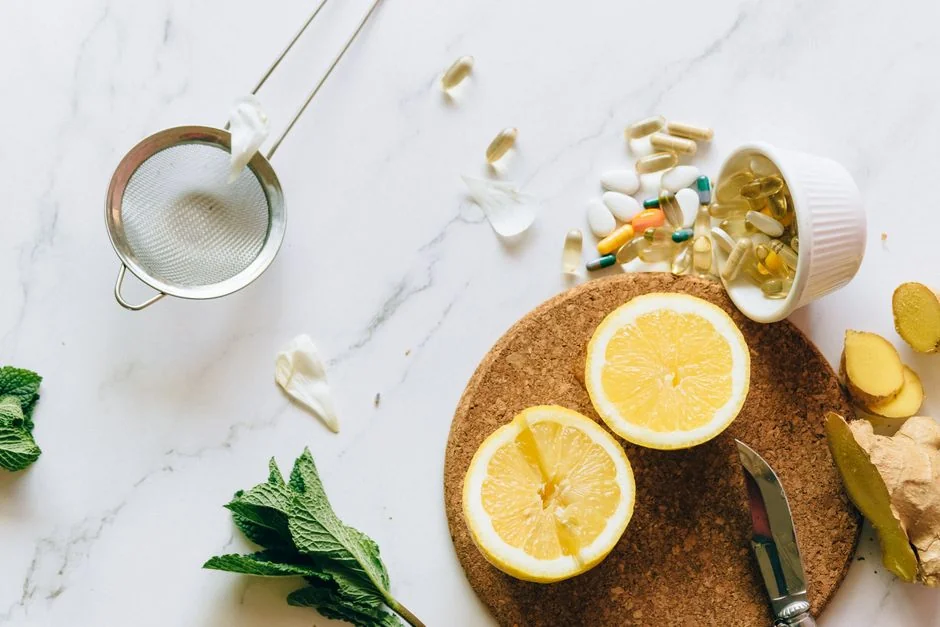
Elderberry (Sambucus nigra) syrup has become one of the more popular winter supplements. The evidence is more limited than the marketing suggests.
A small number of randomised trials — most in the range of 60 to 300 participants — have suggested that elderberry syrup started within 48 hours of influenza-like symptoms may shorten symptom duration by two to four days. A 2019 meta-analysis pooled the available trials and reported a favourable effect on upper respiratory symptom duration.[7] The trials are heterogeneous in preparation, dose and outcome measures, and no large definitive trial has been published.
Practical position: elderberry is reasonable to keep in the medicine cabinet for early use in family members prone to viral illness. It is not a substitute for vitamin D, and the trial evidence base is not close to that of vitamin D.
Cost-benefit is favourable because elderberry preparations are inexpensive, palatable in the syrup form, and safe when properly prepared. Raw or improperly processed elderberry can be toxic; only use commercially prepared syrup or extract.
One reasonable use case is at symptom onset when a patient does not tolerate high-dose vitamin C. Elderberry syrup 1 tablespoon four times daily for the duration of symptoms is a common regimen. As with all early-symptom interventions, the effect is only realistic if you start within the first day or two.
Glutathione: the antioxidant undercurrent
Glutathione is the body’s principal intracellular antioxidant and plays a central role in modulating the oxidative burst that follows viral infection. It is not something you take at the first sign of a cold; it is something that supports your baseline antioxidant capacity through the winter months, particularly if you are already dealing with chronic inflammation, poor sleep or heavy alcohol use.
The relevance to respiratory infection is mechanistic. Oxidative stress produced during viral replication contributes to tissue damage and to the systemic symptoms of illness. Patients with chronically depleted glutathione — smokers, chronic alcohol users, those with liver disease, older adults — appear to have both higher susceptibility to severe respiratory viral illness and slower recovery.
Whether replenishing glutathione in generally healthy patients affects clinical outcomes is less clear, but the biochemistry supports it as an underlying tonal intervention rather than an acute treatment.
Oral glutathione is poorly absorbed in its standard form. Liposomal preparations — glutathione encapsulated in a phospholipid vesicle that survives the gastrointestinal tract — achieve meaningfully higher plasma and tissue levels. This is the form we use in our clinic for patients where glutathione is clinically indicated. Not everyone needs it; if your diet is rich in cruciferous vegetables, alliums and adequate protein, you may synthesise enough endogenously.
Probiotics: real evidence for URI reduction
The evidence base for probiotics in respiratory infection prevention is stronger than most physicians realise. Several meta-analyses of randomised trials in adults and children have shown that certain Lactobacillus and Bifidobacterium strains reduce the incidence and duration of upper respiratory tract infections, and reduce absenteeism from school and work.[8]
The mechanism is not fully established, but the current picture involves modulation of gut-associated lymphoid tissue, which in turn shapes systemic immune tone. Roughly 70 percent of the immune system by cell number resides in or around the gut. What happens in the intestinal microbiome ripples outward to systemic immunity, including at the respiratory mucosa.
Two practical caveats. First, the effect is strain-specific. A meta-analysis of “probiotics” as a category obscures large differences between individual strains. Strains with reproducible evidence for URI reduction include Lactobacillus rhamnosus GG, Lactobacillus casei strains and certain Bifidobacterium longum preparations. A generic “8 billion CFU multi-strain” from a convenience store is not equivalent. Second, benefits typically require sustained use over weeks to months; a probiotic started at the onset of a cold will not help that particular cold.
For patients entering winter, our practical approach is to start a targeted probiotic preparation — often a Klaire Labs formulation with documented strain identity and CFU count — in October or November and continue through March. Patients who already have irritable bowel symptoms, recent antibiotic exposure or postpartum microbiome disruption are the most likely to benefit both digestively and immunologically.
Sleep and stress: the largest levers, and the ones you cannot bottle
If the supplement list above is the visible part of an immune protocol, sleep and stress management are the invisible foundation on which everything else rests. Their effects are larger than any supplement.
Sleep
Adults sleeping fewer than 6 hours per night have a several-fold higher risk of catching a rhinovirus upon experimental exposure than those sleeping 7 hours or more, and the sleep-deprived subjects develop more severe symptoms once infected. Vaccine studies show reduced antibody response in sleep-restricted adults following influenza vaccination, with the effect persisting for weeks.[3]
In Tokyo, the practical failure points are consistent: late-night work, screen use in bed, alcohol at year-end social events, and morning meetings that push wake times earlier without corresponding earlier bedtimes. The intervention is not exotic. Consistent sleep and wake times, seven to eight hours in bed, a cool bedroom, and a firm cut-off for screens and alcohol two hours before bed. For patients who cannot sleep despite good sleep hygiene, a magnesium bisglycinate at 250 mg elemental at bedtime is worth trying before medication.
Stress
Chronic psychological stress produces sustained cortisol elevation, which suppresses lymphocyte function and reduces the antibody response to vaccination. Acute stress in the pre-vaccination window has been shown to blunt the vaccine response. During the compressed workload of December and January, stress reduction is not optional.
What actually works is not vague. Twenty to thirty minutes of moderate outdoor physical activity most days, even in winter, meaningfully lowers cortisol and improves both sleep and immune parameters. Structured breath-work practices lower sympathetic tone within minutes and have measurable effects on inflammatory markers with sustained use. Time away from work in the evenings — genuinely away, not “answering a few emails on the sofa” — matters. Patients who cannot achieve this on their own often benefit from working with a coach or therapist, and we can refer to English-speaking practitioners in Tokyo when appropriate.
What to skip
A short list of popular winter products that are not supported by the evidence they claim.
High-dose echinacea for prevention. Meta-analyses do not show meaningful preventive effect, and evidence for treatment at symptom onset is inconsistent across preparations. Some patients report subjective benefit; the objective trial data is weak.
“Immune-boosting” multivitamin gummies. Doses are typically well below therapeutic thresholds, sugar content is meaningful, and the marketing implies effects the product cannot deliver.
Colloidal silver. No credible evidence of clinical benefit, real risk of argyria (skin discolouration) with sustained use, and no place in an evidence-based protocol.
Very high-dose vitamin A for prevention. Vitamin A is essential for mucosal immunity, and correcting a documented deficiency matters. Chronic high-dose supplementation in already-sufficient adults is not beneficial and carries teratogenic risk in women of reproductive age.
IV vitamin C during acute illness for the general population. There is a specific role for high-dose IV vitamin C in sepsis and critical care, which is a hospital setting. In the outpatient clinic, oral vitamin C at symptom onset is what the evidence supports; IV vitamin C for a routine cold is not.
A practical winter protocol for a Tokyo adult
Putting the evidence together, this is what a reasonable winter immunity protocol looks like for an otherwise healthy Tokyo adult. Individual patients should adjust based on their own biochemistry and clinical picture, ideally with baseline blood work.
October to November (build the foundation)
- Serum 25-hydroxyvitamin D level, aiming for 40 to 60 ng/mL by January
- Cholecalciferol 2,000 to 5,000 IU daily with a fat-containing meal, adjusted to level
- Confirm magnesium sufficiency; supplement 250 mg elemental bisglycinate at bedtime if suboptimal
- Start a targeted probiotic (specific strain, documented CFU) and continue through March
- Establish sleep window and wake time; hold both consistent within 30 minutes on weekends
December to February (maintain and defend)
- Continue vitamin D; retest 25(OH)D in early February to confirm target reached
- Continue probiotic
- Indoor humidifier if apartment humidity falls below 40 percent
- Keep zinc lozenges (75 to 100 mg elemental per day, in acetate or gluconate form without citric acid) available at home for use within 24 hours of first cold symptoms; limit to about 5 to 7 days
- Keep 1,000 mg vitamin C tablets available for use at symptom onset (1,000 mg three times daily during illness)
- Optional: quercetin 500 mg twice daily during peak allergy weeks (kafunsho starts January) or at first sign of viral symptoms
- Optional: elderberry syrup for early symptom use in patients who prefer or tolerate it
Throughout winter (the foundational habits)
- Seven to eight hours of sleep, consistent timing
- Twenty to thirty minutes of outdoor activity most days
- Alcohol restraint during peak year-end social season
- Influenza vaccination if you are not contraindicated; discuss timing with your primary physician
When to see a doctor rather than reach for more supplements
Not every winter illness is a common cold. Consult a physician if you experience any of the following:
- Fever above 38.5 degrees Celsius lasting more than three days
- Shortness of breath, chest pain, or difficulty breathing at rest
- Symptoms that improve and then dramatically worsen (a pattern suggestive of secondary bacterial infection)
- Confusion, severe headache, stiff neck
- Persistent productive cough with coloured sputum lasting more than a week
- Any respiratory illness in a patient with poorly controlled diabetes, immunosuppression, pregnancy, or significant cardiac or pulmonary disease
Supplements are for the healthy adult trying to reduce the frequency and severity of routine winter illness. They are not a substitute for medical evaluation of a serious infection.
About Dr. Jun Karibe
Dr. Jun Karibe is a Japan-licensed physician trained in cosmetic surgery, aesthetic medicine and nutritional medicine. He is the founder of BIOTOPE Clinic Shirokanedai and the formulator behind Dr.JUN’s Store, a physician-selected supplement line built to fill gaps in the Japanese market. He runs an English-language orthomolecular nutrition therapy programme for adult patients in Tokyo and consults primarily in Japanese and English.
Frequently asked questions
Should I take vitamin D year-round or only in winter?
For most Tokyo residents, year-round supplementation is appropriate given the population-wide deficiency observed even in summer. The dose can often be reduced in the sunnier months (April through October) if summer sun exposure is genuinely regular, but the practical reality for most working adults in Tokyo is that summer sun exposure is limited and the maintenance dose does not need to change much across the year. Retest annually.
Can I take zinc every day through winter as prevention?
We generally do not recommend high-dose zinc for chronic winter prevention. The trial evidence supports high-dose zinc lozenges at the onset of a cold to shorten its duration, not chronic daily use. Prolonged high-dose zinc interferes with copper absorption. If you and your physician have established a baseline low zinc on blood work, a lower maintenance dose (15 to 25 mg elemental daily) with periodic copper monitoring is reasonable — but the therapeutic dose for cold treatment (75 to 100 mg elemental) should not be a daily habit.
Does the flu vaccine make winter supplements unnecessary?
No, and the two are complementary. The flu vaccine targets influenza specifically and effectively reduces both incidence and severity. Winter nutritional support addresses the broader spectrum of respiratory viruses (rhinoviruses, coronaviruses, RSV, adenovirus and others) that the flu vaccine does not cover. Both matter.
My kids keep bringing colds home from school. Is there anything for them?
The paediatric evidence base is separate from the adult evidence and is generally strongest for daily probiotics in reducing school absenteeism and for vitamin D correction in deficient children. Dosing in children requires paediatric consultation and is beyond the scope of this article. Speak to your child’s paediatrician.
I already caught something. Is it too late to start supplements?
For zinc, vitamin C, quercetin and elderberry, the earlier you start the greater the effect — within 24 hours of first symptom is ideal, within 48 hours is still worthwhile, and after that the acute-illness benefit is smaller. For vitamin D, starting during an illness is not going to affect that illness because the timeline to raise serum levels is 8 to 12 weeks; start now for the next illness.
What about intravenous vitamin C or high-dose IV vitamin drips for winter immunity?
IV vitamin C has an established role in critical illness in the hospital setting and is being investigated for other indications. For the outpatient adult trying to avoid or shorten a routine winter cold, the trial evidence supports oral supplementation, not IV. IV drip therapy in Tokyo is often marketed for immunity; the evidence does not currently justify it for that indication.
Are humidifiers really worth it?
Yes, for indoor spaces where you spend hours daily. The mucosal and viral-survival science both point in the same direction: keeping indoor humidity above roughly 40 percent reduces respiratory viral transmission. A humidifier in the bedroom during sleep is the highest-yield placement because you spend seven to eight continuous hours in that space with dry heated air otherwise. Cool-mist or ultrasonic humidifiers are fine; clean them weekly to prevent bacterial growth.
How this fits into a nutrition therapy consultation
The list above is a reasonable generic protocol. What a nutrition therapy consultation adds is calibration to your specific biochemistry: your actual vitamin D level, whether you are magnesium-sufficient, whether your baseline zinc and copper suggest chronic supplementation is safe, whether your inflammatory markers point to a larger antioxidant strategy, and whether your gut microbiome status affects your probiotic choice.
Our orthomolecular nutrition therapy consultation at ¥22,000 measures 25(OH)D, magnesium, zinc, copper, ferritin, inflammatory markers and 55 additional parameters, and produces a written English protocol calibrated to your results. Patients entering winter benefit particularly from starting the process in September or October so that any deficiencies identified can be corrected before peak respiratory illness season.
Orthomolecular Nutrition Therapy at BIOTOPE Tokyo
¥22,000 (approximately US$150) — a complete personalised programme built around your blood biochemistry.
- Comprehensive blood panel measuring 60+ nutritional and metabolic markers
- Interpretation by Dr. Jun Karibe, MD using functional-medicine reference ranges
- Written dietary protocol tailored to your lifestyle in Japan
- Personalised supplement plan with physician-selected products
- English-language consultation and written report
BIOTOPE Clinic Shirokanedai · 5 minute walk from Shirokanedai Station
References
- Moriyama M, Hugentobler WJ, Iwasaki A. Seasonality of Respiratory Viral Infections. Annu Rev Virol 2020;7:83-101. Link
- Jolliffe DA, Camargo CA Jr, Sluyter JD, et al. Vitamin D supplementation to prevent acute respiratory infections: a systematic review and meta-analysis of aggregate data from randomised controlled trials. Lancet Diabetes Endocrinol 2021;9:276-292. Link
- Prather AA, Janicki-Deverts D, Hall MH, Cohen S. Behaviorally Assessed Sleep and Susceptibility to the Common Cold. Sleep 2015;38:1353-1359. Link
- Hemilä H, Fitzgerald JT, Petrus EJ, Prasad A. Zinc Acetate Lozenges May Improve the Recovery Rate of Common Cold Patients: An Individual Patient Data Meta-Analysis. Open Forum Infect Dis 2017;4:ofx059. Link
- Hemilä H, Chalker E. Vitamin C for preventing and treating the common cold. Cochrane Database Syst Rev 2013;(1):CD000980. Link
- Di Pierro F, Iqtadar S, Khan A, et al. Potential Clinical Benefits of Quercetin in the Early Stage of COVID-19: Results of a Second, Pilot, Randomized, Controlled and Open-Label Clinical Trial. Int J Gen Med 2021;14:2807-2816. Link
- Hawkins J, Baker C, Cherry L, Dunne E. Black elderberry (Sambucus nigra) supplementation effectively treats upper respiratory symptoms: A meta-analysis of randomized, controlled clinical trials. Complement Ther Med 2019;42:361-365. Link
- Hao Q, Dong BR, Wu T. Probiotics for preventing acute upper respiratory tract infections. Cochrane Database Syst Rev 2015;(2):CD006895. Link
- Bouillon R, Manousaki D, Rosen C, et al. A systematic review of evidence-based clinical guidelines for vitamin D screening and supplementation over the last decade. PMC 2024. Link
This article is provided for educational purposes and does not constitute individual medical advice. If you are pregnant, immunocompromised, taking prescription medications, or have significant cardiac, kidney or hepatic disease, discuss any new supplement with a physician familiar with your specific medical history before starting.
Book a Consultation or Treatment
Our English-speaking team responds via LINE or WhatsApp — usually the same day.
Related Articles
- Vitamin D Deficiency in Tokyo: The 98% Problem
- Zinc Deficiency in Tokyo (Skin/Taste/Immunity)
- Kafunsho: Nutritional Approach to Japan’s Hay Fever
- Orthomolecular Nutrition Therapy in Tokyo
SUPERVISED BY
Dr. Jun Karibe
MD
Director
Education & Career
Certifications
Awards
MEDICAL REVIEW