Finding an English-Speaking Dermatologist in Tokyo for Melasma and Pigmentation
- What melasma and pigmentation disorders actually are, and why they are especially common concerns in Japan
- Which clinic-based treatments — including laser therapy and topical protocols — are available in Tokyo
- Realistic cost ranges for pigmentation treatments at BIOTOPE CLINIC in Shirokanedai
- Who is a suitable candidate for laser or device-based pigmentation treatment
- How to book an English-speaking dermatology consultation in Tokyo quickly and easily
Have a question about this treatment? Message us on LINE or WhatsApp — our English-speaking team usually replies the same day.
What Are Melasma and Pigmentation Disorders?
Why Melasma Is Particularly Challenging to Treat
Melasma sits in the epidermis (the outer skin layer), the dermis (deeper layer), or both — and mixed-type melasma is the most difficult to address because different depths respond to different treatments. It is also a condition that can recur after successful treatment if sun protection habits are not rigorously maintained. Many patients arrive having already tried over-the-counter brightening products with limited effect. This is not unusual: clinical-strength treatment typically requires prescription-grade agents or regulated energy-based devices, combined with a structured maintenance plan.Treatment Options for Melasma and Pigmentation in Tokyo
Topical and Prescription Treatments
The foundation of most melasma management programmes is a topical protocol. Hydroquinone (a skin-lightening agent), tretinoin (a vitamin A derivative that accelerates cell turnover), and topical corticosteroids — sometimes combined as a triple-combination cream — are supported by considerable clinical evidence. Tranexamic acid, available both topically and as an oral supplement, is widely used in Japanese dermatology practices and has shown promising results in reducing melasma severity in multiple clinical trials. Alongside prescription topicals, a medical-grade skincare regimen — such as the Zo Skin Health range, which is available through BIOTOPE CLINIC — can support the skin barrier, reduce UV-induced pigmentation, and help maintain results between clinical sessions.Laser and Light-Based Treatments
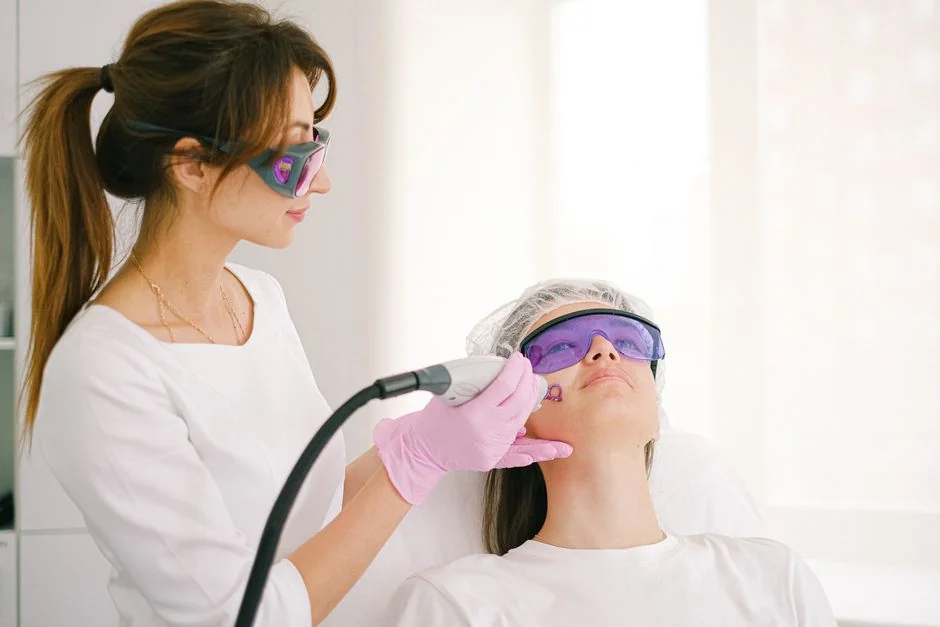
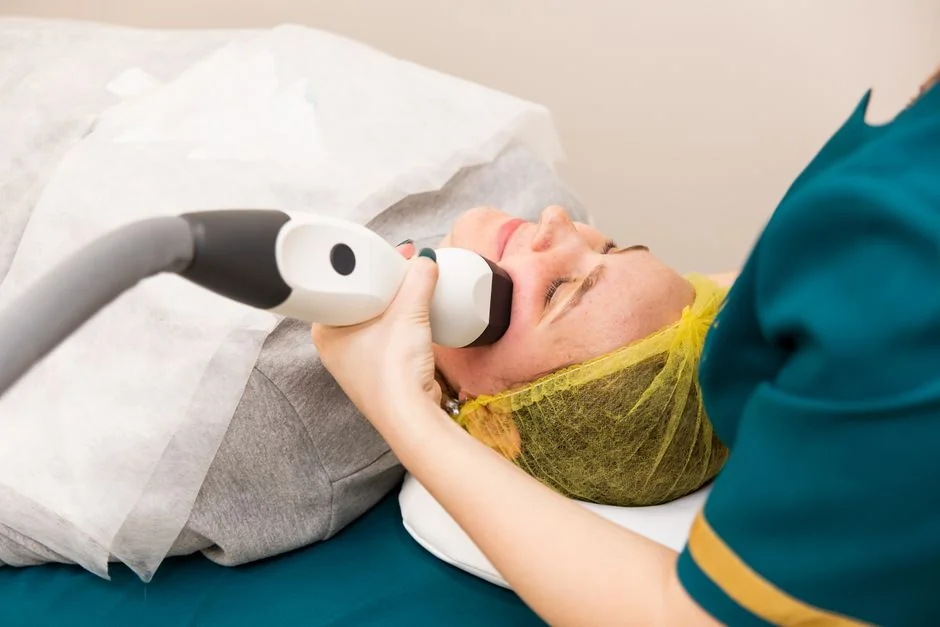
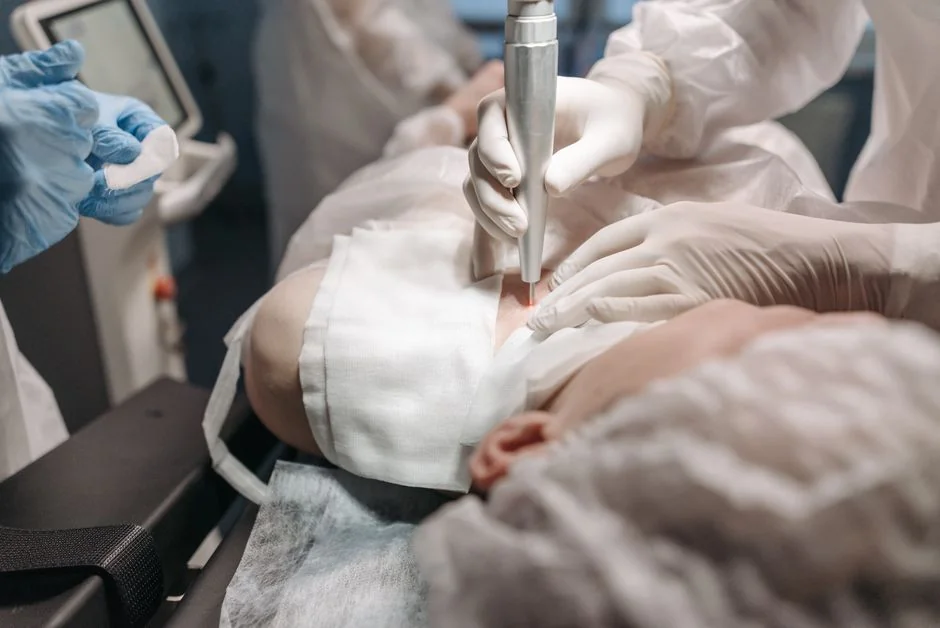
For patients whose melasma or pigmentation does not respond adequately to topical therapy alone, or who wish to accelerate results, laser and light-based devices offer an effective next step. At BIOTOPE CLINIC in Shirokanedai, two devices are particularly relevant to pigmentation: PicoWay Laser: A picosecond laser that delivers ultra-short pulses of energy to break up pigment deposits in the skin. Unlike older nanosecond lasers, picosecond technology generates less heat, which reduces the risk of post-inflammatory hyperpigmentation — a significant concern for darker skin tones. Clinical reports indicate that picosecond laser toning can produce a measurable reduction in melasma severity scores (MASI scores) after a course of treatments, with multiple studies demonstrating 40–60% improvement in carefully selected patients. This treatment is available at BIOTOPE CLINIC — feel free to discuss whether it is appropriate for your skin type during a consultation with Dr. Karibe. Laser Toning (Low-fluence Q-switched Nd:YAG): A gentler, non-ablative laser modality delivered in repeated low-energy passes. It has a well-established safety record in Asian skin and is commonly used as a maintenance treatment for melasma in Japanese dermatology practice. Photofacial (IPL — Intense Pulsed Light): The Stella M22 IPL system at BIOTOPE CLINIC targets both pigmentation and redness. It is generally better suited to solar lentigines and sun damage than to true melasma, where laser toning is usually preferred.Dr. Karibe’s Note
Many of our international patients are surprised to find that the laser settings appropriate for melasma are quite different from those used for tattoo removal or acne scars — even when the same device is used.
At BIOTOPE CLINIC, we calibrate energy levels conservatively for melasma, particularly in patients with Fitzpatrick types III–IV, because aggressive settings can paradoxically worsen pigmentation. A thorough skin assessment before any laser session is not optional — it is essential.
What People Often Get Wrong About Melasma Treatment
Misconception 1: “One laser session will clear my melasma.” Melasma is a chronic, relapsing condition — not a fixed lesion that can be removed in a single session. Most patients require a course of treatments (typically 4–8 sessions for laser toning), followed by ongoing maintenance and consistent daily sun protection. Patients who discontinue SPF use after treatment frequently see recurrence within months. Misconception 2: “Stronger or more aggressive laser treatment will produce faster results.” With melasma specifically, the opposite is often true. High-energy laser settings can cause thermal injury that triggers post-inflammatory hyperpigmentation, leaving the skin darker than before. Experienced physicians treating melasma in Asian skin types consistently favour lower fluences, more frequent sessions, and a combined topical-plus-device approach over aggressive single-modality treatment.Melasma Treatment Costs in Tokyo
| Treatment | Price Range (JPY, tax incl.) | Notes |
|---|---|---|
| Pico laser (PicoWay) | ¥11,000 – ¥98,000 | Per session; area and settings determine price |
| Laser toning | ¥15,000 – ¥135,000 | Full-face toning sessions; package pricing available |
| Photofacial Stella M22 (IPL) | ¥28,000 – ¥126,000 | Better suited to sun damage and lentigines |
| CO2 fractional laser | ¥11,000 – ¥66,000 | Primarily for texture; may be combined for PIH |
| Initial consultation | ¥3,300 | Required before treatment planning |
| Dr. Karibe surgical consultation | ¥2,200 | For combined surgical and cosmetic assessment |
Have a question about this treatment? Message us on LINE or WhatsApp — our English-speaking team usually replies the same day.
What to Expect: Before, During, and After Treatment
Before Treatment
A thorough skin assessment is the essential first step. At BIOTOPE CLINIC in Shirokanedai, Dr. Karibe evaluates skin type, melasma depth (epidermal, dermal, or mixed), and any contraindications before recommending a treatment plan. Patients are typically advised to avoid sun exposure and discontinue photosensitising agents (including certain topical retinoids) for a specified period before laser sessions.During Treatment
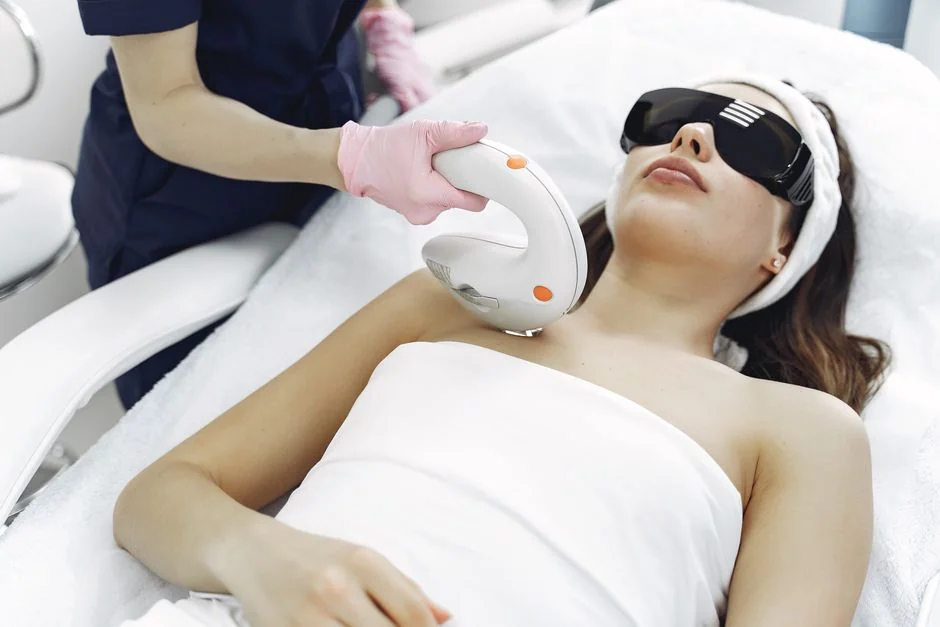
Laser toning and pico laser sessions are relatively brief — typically 20 to 40 minutes for a full-face treatment. A topical anaesthetic cream is usually applied beforehand to minimise discomfort. Most patients describe the sensation as a series of warm snapping feelings across the skin surface.After Treatment
Redness and mild swelling are common in the hours immediately following a session and generally resolve within 24–48 hours. Strict sun avoidance and daily SPF 50+ sunscreen are non-negotiable during the treatment course. In Dr. Karibe’s clinical experience at BIOTOPE CLINIC, patients who maintain consistent sun protection between sessions see significantly more durable results than those who do not.Who Is a Suitable Candidate for Laser Pigmentation Treatment?
- Have a confirmed diagnosis (rather than self-diagnosed pigmentation)
- Are committed to daily SPF use and post-treatment protocols
- Have realistic expectations — improvement, not guaranteed complete clearance
- Are not currently taking photosensitising medications without physician review
Where to Get Melasma Treatment in Tokyo — English-Speaking Consultations
Within our clinic group, English-speaking consultations are handled at BIOTOPE CLINIC in Shirokanedai (Minato-ku, Tokyo) by Dr. Jun Karibe. Our sister clinic, Kojimachi Dermatology & Plastic Surgery Clinic in Ichigaya, is the group’s main office and handles Japanese-language insurance dermatology. Bookings and enquiries in English: LINE or WhatsApp. BIOTOPE CLINIC is a cosmetic and plastic surgery clinic where Dr. Karibe consults personally. For English-speaking patients — whether expatriates living in Tokyo, medical tourists, or short-term visitors — this is the clinic in our group where a full consultation and treatment plan can be conducted entirely in English.Frequently Asked Questions
- Q. Can melasma be permanently cured by laser treatment?
- Melasma is considered a chronic condition rather than a curable one. Laser treatment can produce significant, long-lasting improvement, but recurrence is possible — particularly with sun exposure or hormonal changes. Ongoing maintenance treatments and consistent daily sun protection are central to managing the condition over the long term.
- Q. How many sessions of laser toning will I need?
- The number of sessions varies depending on the severity of the melasma, the depth of pigmentation, and the individual’s response to treatment. A typical starting course is 4 to 8 sessions, spaced approximately two to four weeks apart, followed by maintenance sessions as needed. Dr. Karibe will advise on a personalised schedule during the initial consultation.
- Q. Is laser treatment safe for Asian or darker skin tones?
- Yes, when performed with appropriate device selection and conservative settings, laser toning and picosecond laser treatments have a well-established safety profile in Asian skin tones (Fitzpatrick types III–IV). The key is ensuring that the treating physician has specific experience with these skin types, as incorrect parameters increase the risk of post-inflammatory hyperpigmentation.
- Q. Can I have a consultation and treatment on the same visit if I am only in Tokyo for a short time?
- In some cases, yes — depending on the treatment required and the findings of the initial assessment. For laser treatments, a skin evaluation is always conducted first to confirm suitability. It is advisable to contact BIOTOPE CLINIC in advance via LINE or WhatsApp to discuss your timeline and allow the team to prepare appropriately.
- Q. Does Japanese health insurance cover melasma treatment?
- No. Melasma and cosmetic pigmentation treatments are classified as aesthetic medicine in Japan and are not covered by national health insurance. All pricing is therefore on a self-pay (jishin) basis. The group’s sister clinic, Kojimachi Dermatology & Plastic Surgery Clinic in Ichigaya, handles insurance-covered dermatology, but these consultations are conducted in Japanese.
Have a question about this treatment? Message us on LINE or WhatsApp — our English-speaking team usually replies the same day.
Summary
Melasma and pigmentation disorders are among the most common cosmetic dermatology concerns for people living in or visiting Tokyo — and they are also among the most nuanced to treat correctly. An accurate diagnosis, appropriate treatment selection, and a disciplined maintenance routine including daily sun protection are the pillars of effective management. At BIOTOPE CLINIC in Shirokanedai, Dr. Karibe sees a significant number of international patients seeking evidence-informed pigmentation treatment delivered in English. The clinic’s device menu — including the PicoWay picosecond laser, laser toning, and Stella M22 IPL — alongside medical-grade skincare protocols, allows for a layered approach tailored to each patient’s skin type, pigmentation depth, and lifestyle. If you have questions about melasma or pigmentation treatment, English-speaking consultations are handled at BIOTOPE CLINIC in Shirokanedai (Minato-ku, Tokyo) by Dr. Karibe. Our sister clinic Kojimachi Dermatology & Plastic Surgery Clinic in Ichigaya (Chiyoda-ku) handles Japanese-language insurance dermatology. English enquiries: LINE or WhatsApp.Topical Tranexamic Acid — a Complement to In-Clinic Treatment
For melasma, dullness, and post-inflammatory pigmentation, at-home care with a topical tranexamic acid serum can complement in-clinic treatments. Tranexamic acid is reported to inhibit melanin-triggering signaling (the plasmin pathway) and is used clinically for pigmentation care.
As an accessible daily-care option, we introduce Dr.J+ TA Serum, a topical tranexamic acid serum developed by Dr. Jun Karibe, MD, Director of BIOTOPE Clinic (Shirokanedai, Tokyo).
Born from the Aesthetic Dermatology Practice
Dr.J+ TA Serum (2% Tranexamic Acid Topical Serum)
More than a brightening serum. Designed to address pigmentation and inflammation together — a total concept from an aesthetic dermatology perspective.
High-Concentration Formula — 2% Tranexamic Acid
Formulated with concerns like the following at the core:
- Melasma
- Dark spots
- Dullness
- Uneven skin tone
Dipotassium Glycyrrhizate — High Concentration
Formulated with sensitivity and inflammation in mind, supporting a healthy skin environment.
- Rough skin
- Redness
- Sensitive / reactive skin
- Chronic inflammatory concerns
Curated Cosmetic Ingredients
- Placenta Extract
- Sodium Hyaluronate
- Sage Leaf Extract
- Roman Chamomile Extract
- Mandarin Orange Peel Extract
- Allantoin
Beyond active correction — a philosophy of nurturing while calming inflammation. Radiance, firmness, glow, hydration, and smoothness — all in one serum.
※ Cosmetic product. Individual results may vary.
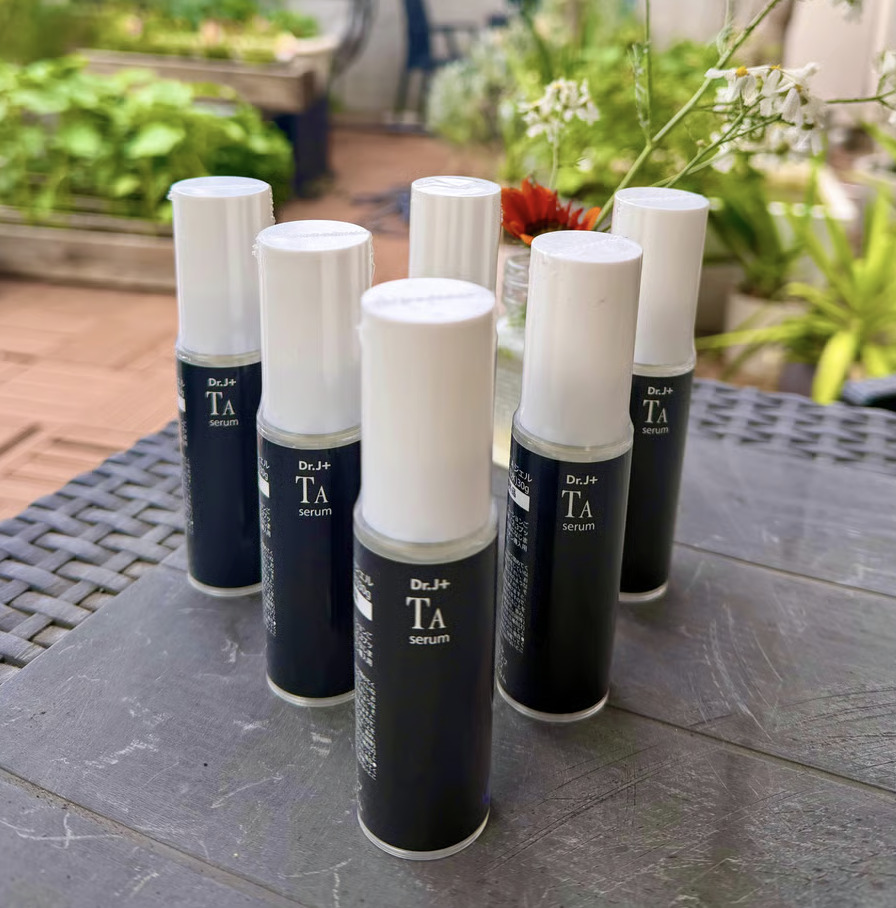
Developed by Dr. Jun Karibe, MD — Director, BIOTOPE Clinic
Dr.J+ TA Serum (Tranexamic Acid Topical Serum)
For those concerned with melasma, dullness, and post-inflammatory pigmentation.
A high-concentration topical serum easily incorporated into your morning and evening skincare.
※ Cosmetic product. Individual results may vary.
24/7 Consultation & Booking
Book a Consultation or Treatment
Our English-speaking team responds via LINE or WhatsApp — usually the same day.
References
- Kauvar ANB. The evolution of melasma therapy: targeting melanocytes, melanosomes, and post-inflammatory hyperpigmentation. Seminars in Cutaneous Medicine and Surgery. 2012.
- Trivedi MK, Yang FC, Cho BK. A review of laser and light therapy in melasma. International Journal of Women’s Dermatology. 2017.
- Ogbechie-Godec OA, Elbuluk N. Melasma: an up-to-date comprehensive review. Dermatology and Therapy. 2017.
- Passeron T, Picardo M. Melasma, a photoaging disorder. Pigment Cell and Melanoma Research. 2018.
- Chalermchai T, Rummaneethorn P. Effects of a fractional picosecond 1,064 nm laser for the treatment of dermal and mixed type melasma. Journal of Cosmetic and Laser Therapy. 2018.
Related Articles
You may also find these articles useful.- Melasma Treatment Tokyo: Causes, Options & Real Solutions
- Dark Spot Removal Tokyo: Laser Treatment Options Guide
SUPERVISED BY
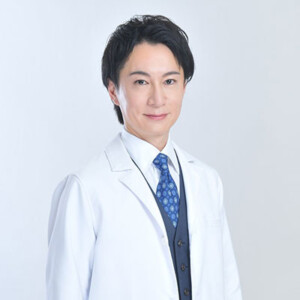
Dr. Jun Karibe
MD
Director
Education & Career
Certifications
Awards
MEDICAL REVIEW