Volnewmer Cost in Tokyo 2026: Sessions, Pricing and Value Guide
Volnewmer in Tokyo: A Complete Guide for English-Speaking Patients
Looking for Volnewmer Treatment in Tokyo?
If you’re researching Volnewmer treatment in Tokyo, you’re probably looking for an effective way to tighten the skin without surgery, needles, or significant downtime.
Perhaps you’ve already heard about HIFU, Thermage, Morpheus8, or XERF and are wondering how Volnewmer compares. Or maybe you’ve noticed early signs of ageing—such as a softening jawline, mild jowls, or reduced skin firmness—and want a treatment that stimulates your own collagen naturally.
Volnewmer has become one of the newest radiofrequency skin-tightening technologies available in Japan. It is designed to improve skin firmness, facial contour, and elasticity through controlled heating of the deeper layers of the skin, all while leaving the skin surface intact.
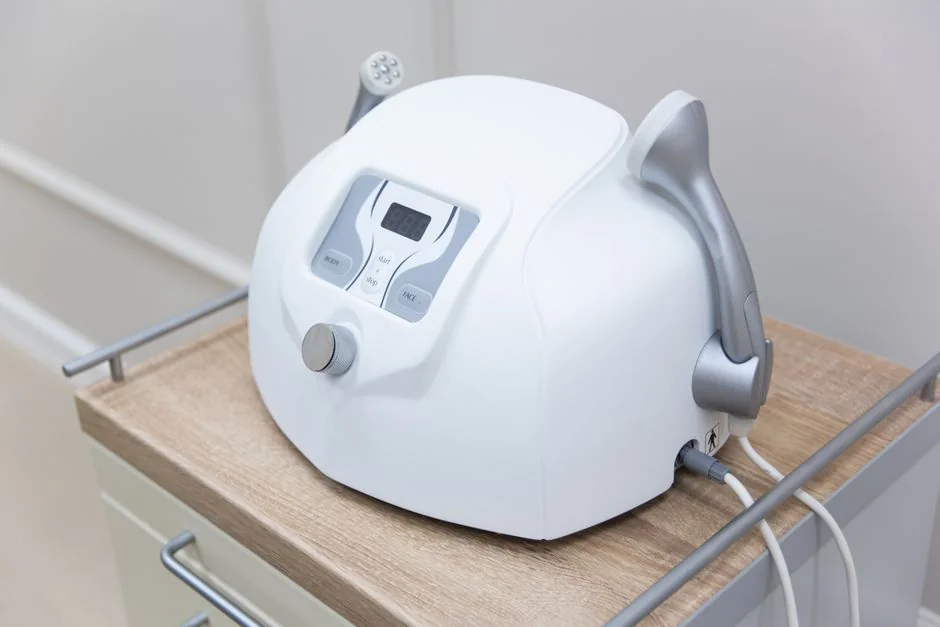
Unlike RF microneedling devices, Volnewmer does not use needles. Instead, it delivers monopolar radiofrequency energy through a specially designed treatment tip combined with advanced cooling technology to maximise comfort and safety.
At BIOTOPE CLINIC or Kojimachi Dermatology & Plastic Surgery Clinic inTokyo, Volnewmer is offered alongside HIFU, RF microneedling, thread lifts, injectables, and surgical facial rejuvenation. During an English-language consultation, we help each patient determine which treatment best matches their anatomy, skin quality, and long-term goals.
What You’ll Learn
This guide explains:
- What Volnewmer is
- How radiofrequency tightens skin
- Why Volnewmer differs from RF microneedling
- How it compares with Thermage, HIFU, XERF, and Morpheus8
- What results are realistic
- How many sessions are usually recommended
- Treatment costs in Tokyo
- Recovery and downtime
- Who is—and is not—a good candidate
What Is Volnewmer?
Volnewmer is a non-invasive monopolar radiofrequency (RF) skin-tightening system developed to stimulate collagen production without surgery or needles.
Rather than injuring the skin surface, the device delivers controlled radiofrequency energy into the dermis and superficial subcutaneous tissue.
The treatment produces controlled thermal stimulation that encourages the body’s natural healing response.
Over time this leads to:
- collagen remodelling
- elastin production
- improved skin elasticity
- gradual skin tightening
- improved facial firmness
Because the epidermis remains intact, patients generally experience minimal recovery time.
How Does Volnewmer Work?
Radiofrequency uses alternating electrical current.
As the electrical current passes through tissue, naturally occurring resistance converts electrical energy into heat.
This controlled heating creates two important biological responses.
Immediate Effect
Existing collagen fibres contract.
Some patients notice a subtle feeling of skin firmness immediately after treatment.
This early improvement is temporary but often encouraging.
Long-Term Effect
The more important response develops gradually.
Heating activates fibroblasts—the cells responsible for producing collagen and elastin.
Over the following months, these cells create:
- new collagen
- new elastin
- stronger connective tissue
- improved dermal structure
This biological process, called neocollagenesis, continues long after the treatment session has finished.
Why Doesn’t Volnewmer Use Needles?
Many patients assume every radiofrequency device uses needles.
This is not true.
Volnewmer belongs to a different category from RF microneedling systems.
Rather than puncturing the skin, the device delivers RF energy entirely through the skin surface.
Advantages include:
- no needle punctures
- no bleeding
- lower infection risk
- minimal downtime
- greater comfort
- rapid return to daily activities
This makes Volnewmer particularly attractive for patients seeking effective skin tightening with minimal interruption to work or travel.
What Skin Concerns Can Volnewmer Treat?
Volnewmer is commonly used to improve:
Facial Skin Laxity
Early collagen loss causes:
- reduced firmness
- softer facial contours
- mild sagging
Volnewmer may improve these changes through gradual collagen remodelling.
Jawline Definition
One of the most requested treatment areas is the jawline.
Treatment may improve:
- early jowls
- reduced mandibular definition
- mild lower-face laxity
Neck Tightening
Volnewmer may also improve:
- mild neck laxity
- crepey neck skin
- horizontal neck lines
- early signs of ageing beneath the chin
Fine Wrinkles
Because collagen supports skin quality, many patients notice gradual softening of:
- fine facial lines
- superficial wrinkles
- mild skin crepiness
Skin Texture
Improved collagen organisation may contribute to smoother skin texture and better overall skin quality.
Why Radiofrequency?
Unlike lasers, radiofrequency does not depend on pigment.
Laser energy is absorbed by chromophores such as melanin or haemoglobin.
Radiofrequency generates heat through electrical resistance instead.
This means treatment is generally appropriate across a broad range of skin tones when correctly performed.
For this reason, Volnewmer is often considered suitable for:
- East Asian skin
- South Asian skin
- Middle Eastern skin
- darker Fitzpatrick skin types
without the pigment-related risks associated with some laser treatments.
How Is Volnewmer Different from RF Microneedling?
This is one of the most common misunderstandings.
Volnewmer is not RF microneedling.
Devices such as:
- Morpheus8
- POTENZA
- Secret RF
deliver radiofrequency through insulated needles inserted into the skin.
Volnewmer delivers radiofrequency through the skin surface.
The two technologies therefore have different indications.
RF microneedling excels in:
- acne scars
- enlarged pores
- texture
- scar remodelling
Volnewmer focuses primarily on:
- collagen stimulation
- skin tightening
- facial firmness
- jawline improvement
Many patients benefit from combining the two treatments at different stages.
Clinical Evidence
Clinical studies investigating monopolar radiofrequency consistently demonstrate improvements in:
- skin elasticity
- collagen density
- facial contour
- patient satisfaction
Although individual outcomes vary, published literature suggests meaningful improvement in appropriately selected patients with mild to moderate facial ageing.
The greatest improvement generally develops over several months rather than immediately after treatment.
Results depend on:
- age
- skin quality
- collagen reserves
- smoking
- sun exposure
- genetics
- treatment protocol
When Will I See Results?
Immediately
Some patients notice:
- mild tightening
- smoother skin
- improved hydration
Weeks 2–4
Collagen production begins increasing.
Skin gradually feels firmer.
Months 2–3
Visible tightening becomes more noticeable.
Jawline definition often improves during this stage.
Months 3–6
Peak collagen remodelling occurs.
Most patients appreciate their greatest improvement during this period.
How Many Sessions Will I Need?
The ideal treatment plan depends on your concerns.
General recommendations include:
|
Concern |
Typical Sessions |
|---|---|
|
Mild facial laxity |
2–3 |
|
Jawline tightening |
3 |
|
Neck rejuvenation |
3 |
|
Preventive anti-ageing |
1–2 |
|
Maintenance |
Every 12–18 months |
One treatment may provide subtle improvement.
A structured course generally produces more consistent and longer-lasting results.
Have a question about this treatment?
Message us on LINE or WhatsApp — our English-speaking team usually replies the same day.
How Volnewmer Differs from Similar Devices
Volnewmer is often compared to other RF platforms such as Morpheus8 and POTENZA, both of which are also available in Tokyo. Each device has a distinct needle configuration, energy delivery protocol and depth range. The table below summarises the key differences to help you understand where Volnewmer fits within the broader category.
| Feature | Volnewmer | Morpheus8 | POTENZA |
|---|---|---|---|
| Energy type | RF (radiofrequency) | RF (radiofrequency) | RF (monopolar/bipolar) |
| Needle type | none | Insulated microneedles | Insulated microneedles |
| Treatment depth | Up to 3.5 mm | Up to 8 mm (Morpheus8 Body) | Up to 4 mm |
| Primary indications | Skin laxity, texture, pores, acne scars | Skin laxity, subdermal remodelling, body contouring | Skin tightening, acne scars, stretch marks |
| Suitable skin tones | All Fitzpatrick types | All Fitzpatrick types | All Fitzpatrick types |
| Downtime (face) | 3–5 days (redness, mild swelling) | 3–7 days | 2–5 days |
| Price range at clinic (per session) | ¥66,000–¥165,000 | ¥35,000–¥220,000 (Morpheus8 / Dermapen range) | ¥35,000–¥49,80 |
How Volnewmer Works: The Science Explained
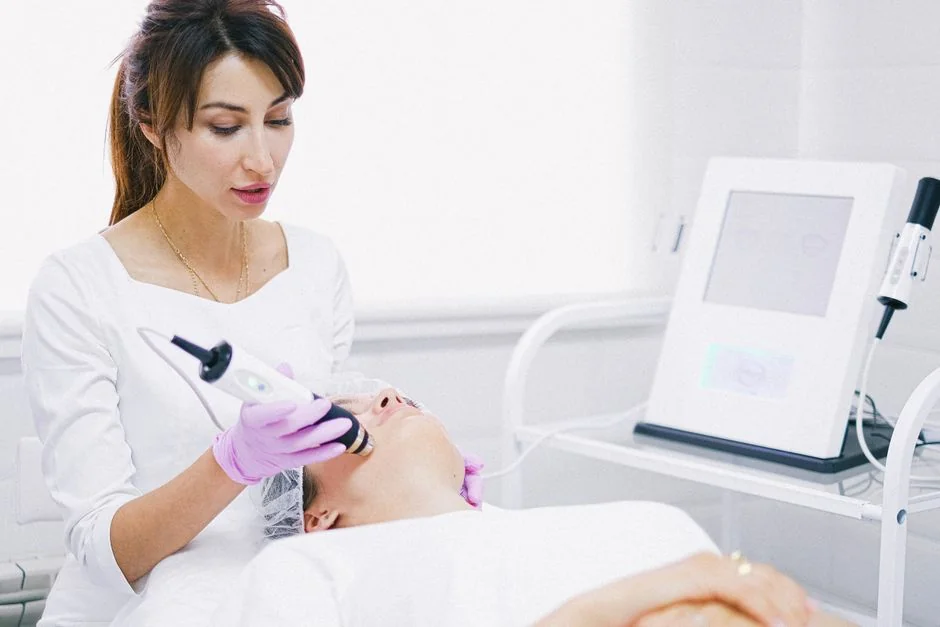
Dr. Karibe’s Note
Many of our international patients at BIOTOPE CLINIC or Kojimachi Dermatology & Plastic Surgery Clinic are surprised to learn that the most visible results from RF microneedling appear not in the days immediately after treatment, but two to four months later.
Managing this expectation from the outset is essential — patients who understand the timeline are far more satisfied with their outcomes than those who expect immediate transformation.
I also routinely remind patients that maintaining results requires sensible sun protection and a consistent skin-care routine; RF stimulates new collagen, but it does not prevent future loss caused by UV exposure or lifestyle factors.
Volnewmer Cost in Tokyo 2026: Sessions and Pricing
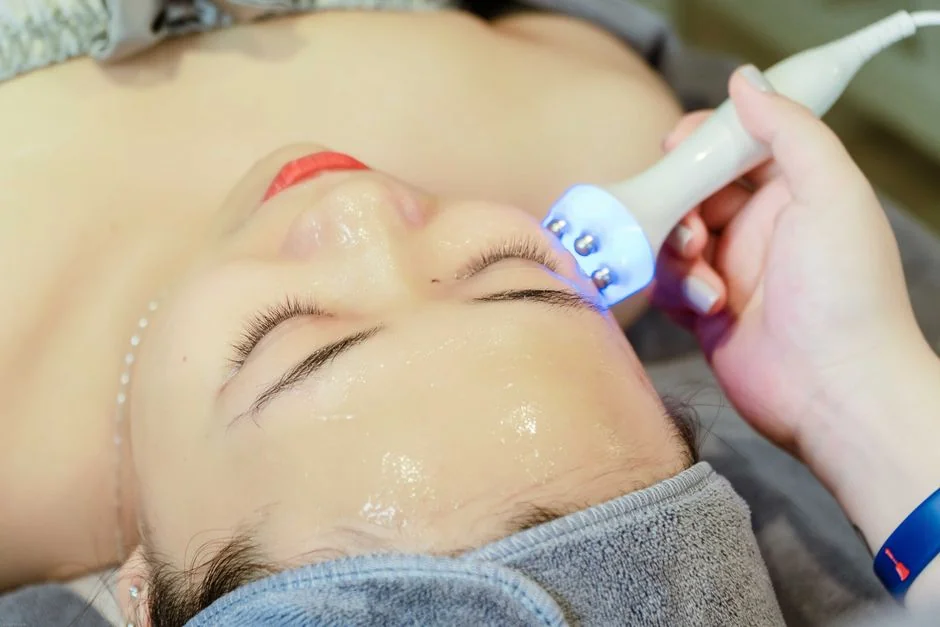
Cost is one of the most common reasons patients seek out a detailed guide before booking. Transparency about pricing helps you plan your budget realistically and compare the value of a multi-session programme against a single high-cost treatment.
Volnewmer Pricing at BIOTOEPE CLINIC or Kojimachi Dermatology & Plastic Surgery Clinic
At BIOTOEPE CLINIC or Kojimachi Dermatology & Plastic Surgery Clinic in Tokyo, Volnewmer is priced between ¥66,000 and ¥165,000 per session. The variation in price reflects treatment area size, the number of needle passes, and the energy settings required for your specific skin concern. A full-face treatment typically sits toward the higher end of the range, while a focused treatment targeting a single area (such as the cheeks only, or a defined scar zone) may fall at a lower price point.
How Many Sessions Will You Need?
The number of sessions recommended depends on the indication being treated. The following overview is intended as a general guide; a personalised treatment plan requires an in-person consultation with the treating physician.
- Skin texture and enlarged pores: typically 2–3 sessions, spaced 4–6 weeks apart
- Mild to moderate skin laxity: typically 2–4 sessions, spaced 4–6 weeks apart
- Atrophic acne scars (mild to moderate): typically 3–4 sessions, spaced 4–6 weeks apart
- Maintenance (after completing an initial course): 1 session every 12–18 months is commonly suggested
Estimated Total Programme Cost
Based on the clinic’s published pricing, a typical three-session Volnewmer programme for full-face skin laxity or acne scar improvement would cost in the range of ¥198,000 to ¥495,000. An initial consultation with Dr. Karibe is priced at ¥2,200 for a surgical consultation, and the standard initial consultation fee is ¥3,300. These figures are correct as of the time of writing and may be subject to change.
It is also worth noting that Tokyo cosmetic clinic pricing varies considerably. The figures above reflect the menu at BIOTOPE CLINIC or Kojimachi Dermatology & Plastic Surgery Clinic; other providers may charge more or less depending on their equipment, physician qualifications and overhead. When evaluating cost, consider the qualifications of the treating physician — Dr. Karibe is board-certified by the Japan Society of Plastic and Reconstructive Surgery, which represents a meaningful credential in the context of safety and technique.
For an accurate quote, we recommend booking a consultation.
Have a question about this treatment?
Message us on LINE or WhatsApp — our English-speaking team usually replies the same day.
What to Expect: Before, During and After Volnewmer
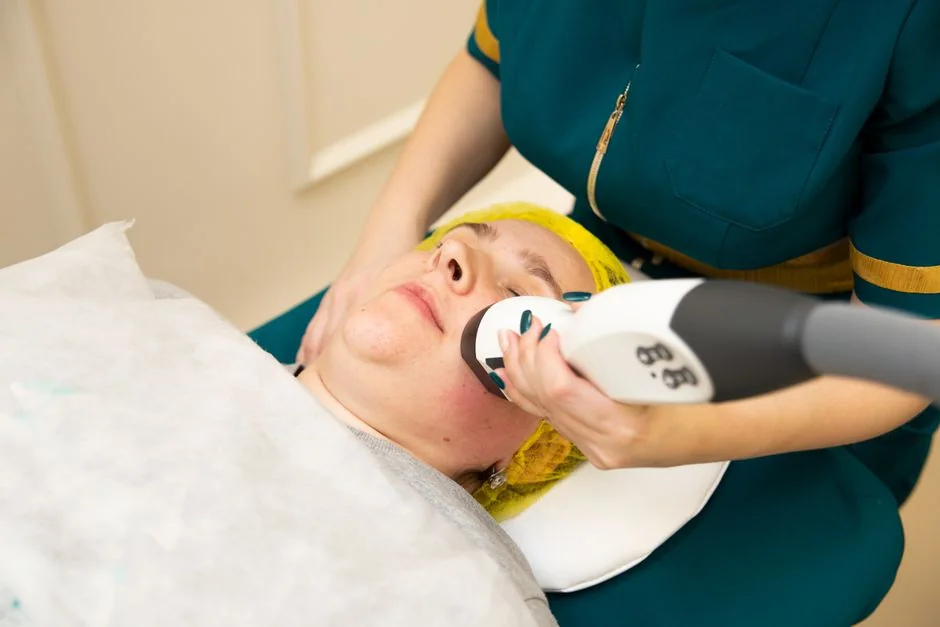
Volnewmer vs Thermage: What’s the Difference?
One of the most common questions from patients considering non-surgical skin tightening is:
“Is Volnewmer better than Thermage?”
The short answer is that neither treatment is universally better. Both are monopolar radiofrequency technologies designed to stimulate collagen production without surgery, but they differ in engineering, energy delivery, patient comfort, and treatment philosophy.
Thermage has been available for more than two decades and has one of the largest bodies of published clinical evidence supporting its effectiveness. Volnewmer is a newer-generation RF platform developed to provide more uniform heating, improved comfort, and efficient collagen stimulation while maintaining the safety profile expected of modern RF devices.
The most appropriate choice depends on:
- Your age
- Degree of skin laxity
- Skin thickness
- Treatment goals
- Previous aesthetic procedures
- Physician experience
Volnewmer vs Thermage
|
Feature |
Volnewmer |
Thermage FLX |
|---|---|---|
|
Technology |
Monopolar RF |
Monopolar RF |
|
Needles |
None |
None |
|
Downtime |
Minimal |
Minimal |
|
Cooling |
Continuous contact cooling |
Cooling pulse system |
|
Typical Comfort |
Generally comfortable |
Moderate discomfort in some patients |
|
Main Indication |
Mild–moderate laxity |
Mild–moderate laxity |
|
Maintenance |
Usually yearly |
Usually yearly |
Both treatments:
- stimulate collagen
- improve skin firmness
- tighten mild facial laxity
- require minimal downtime
Neither treatment removes excess skin or replaces facelift surgery.
Volnewmer vs HIFU
Although Volnewmer and HIFU are often compared, they use completely different forms of energy.
Volnewmer uses radiofrequency.
HIFU uses focused ultrasound.
Comparison
|
Feature |
Volnewmer |
HIFU |
|---|---|---|
|
Energy |
Radiofrequency |
Focused Ultrasound |
|
Main Target |
Dermis & superficial subcutaneous tissue |
SMAS layer |
|
Needles |
No |
No |
|
Downtime |
Minimal |
Minimal |
|
Texture Improvement |
Moderate |
Limited |
|
Skin Tightening |
Mild–moderate |
Mild–moderate |
|
Pain |
Warm sensation |
Brief sharp sensations |
Many patients actually benefit from combining HIFU and RF because each targets different anatomical layers.
Volnewmer vs XERF
Both Volnewmer and XERF belong to the newest generation of RF skin-tightening devices.
However, they differ in their engineering.
Volnewmer primarily uses monopolar radiofrequency, whereas XERF incorporates dual-frequency RF technologydesigned to distribute thermal energy across multiple tissue depths.
Comparison
|
Feature |
Volnewmer |
XERF |
|---|---|---|
|
RF Technology |
Monopolar RF |
Dual-frequency RF |
|
Needles |
No |
No |
|
Downtime |
Minimal |
Minimal |
|
Main Goal |
Collagen stimulation |
Multi-depth collagen stimulation |
|
Skin Tightening |
Mild–moderate |
Mild–moderate |
Current clinical evidence does not clearly demonstrate that one device consistently produces superior outcomes.
Appropriate patient selection remains considerably more important than the specific platform.
Volnewmer vs Morpheus8
These treatments belong to different categories.
Volnewmer is completely needle-free.
Morpheus8 combines microneedling with radiofrequency.
Comparison
|
Feature |
Volnewmer |
Morpheus8 |
|---|---|---|
|
Needles |
No |
Yes |
|
Downtime |
Minimal |
3–7 days |
|
Acne Scars |
Limited |
Excellent |
|
Enlarged Pores |
Mild improvement |
Excellent |
|
Texture |
Moderate improvement |
Excellent |
|
Skin Tightening |
Moderate |
Moderate–strong |
Patients whose main concern is:
- acne scars
- enlarged pores
- skin texture
often benefit more from RF microneedling.
Patients seeking comfortable collagen stimulation with little downtime may prefer Volnewmer.
Can Volnewmer Replace a Facelift?
No.
This is one of the most important concepts patients should understand before undergoing any non-surgical skin-tightening procedure.
A facelift physically:
- repositions descended facial tissues
- removes excess skin
- tightens deeper supporting structures
- restores jawline definition
Volnewmer cannot perform these surgical changes.
Instead, it stimulates your own collagen production, leading to gradual improvement in skin firmness.
Patients with:
- advanced jowls
- significant neck laxity
- severe tissue descent
- heavy excess skin
are generally better served by facelift surgery.
Cost of Volnewmer in Tokyo
Treatment costs vary according to:
- treatment area
- face versus face and neck
- treatment intensity
- number of treatment shots
- package pricing
- physician expertise
At BIOTOPE CLINIC or Kojimachi Dermatology & Plastic Surgery Clinic, Volnewmer treatment currently ranges from:
¥66,000–¥165,000 per session
depending on the treatment plan.
Other related treatments available include:
|
Treatment |
Price |
|---|---|
|
Volnewmer |
¥66,000–¥165,000 |
|
HIFU |
¥25,000–¥110,000 |
|
POTENZA RF |
¥35,000–¥49,800 |
|
Thread Lift (Tesslift) |
¥48,000 per thread |
|
Initial Consultation |
¥3,300 |
|
Dr. Karibe Consultation |
¥2,200 |
For an accurate quotation, consultation is recommended.
What to Expect Before Treatment
During consultation your physician will assess:
- facial anatomy
- skin quality
- degree of laxity
- previous cosmetic procedures
- medications
- allergies
- medical history
- treatment goals
Patients are generally advised to:
- avoid excessive sun exposure
- discontinue irritating skincare products for several days if instructed
- arrive with clean skin
- inform the clinic about implanted medical devices
Clinical photographs are often taken before treatment.
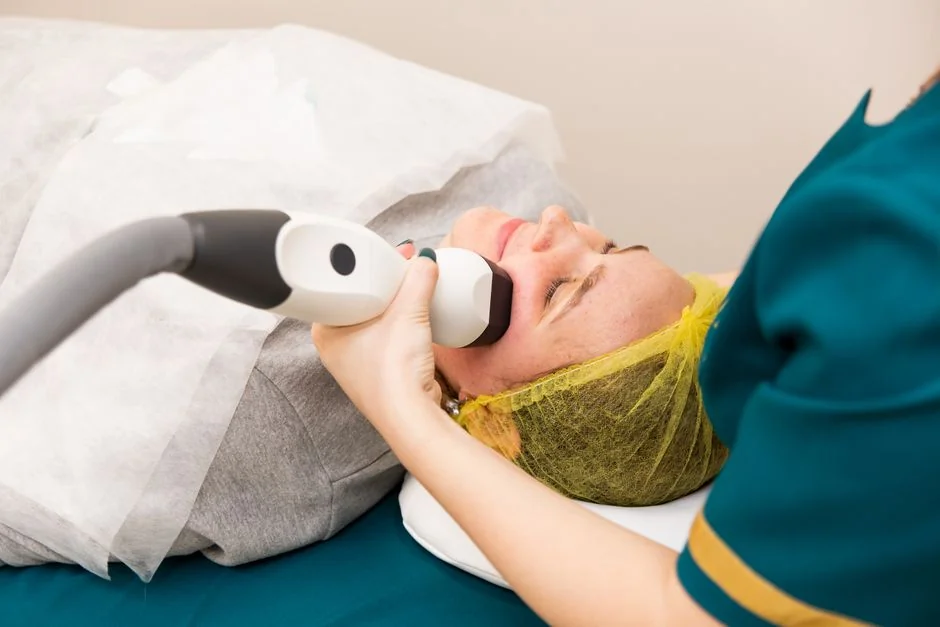
During Treatment
A conductive gel is applied.
The handpiece is moved methodically across the skin.
Most patients describe the treatment as:
- warm
- comfortable
- mildly tingling
Treatment usually takes:
30–60 minutes
depending on the area treated.
Unlike RF microneedling, topical anaesthetic is generally unnecessary.
Recovery
Immediately after treatment patients commonly experience:
- mild redness
- warmth
- slight swelling
These effects usually resolve within:
24–48 hours
There are:
- no needle marks
- no bleeding
- no crusting
- no peeling
Most patients return to normal activities immediately.
Patients should avoid:
- saunas
- vigorous exercise
- prolonged heat exposure
- excessive sunlight
for approximately 24–48 hours.
Daily SPF is strongly recommended.
Who Is a Good Candidate?
Volnewmer is generally well suited for patients who:
- are approximately 35–60 years old
- have mild to moderate facial laxity
- notice early jowls
- have mild neck ageing
- prefer a non-invasive treatment
- cannot accommodate downtime
- want preventative anti-ageing treatment
- have realistic expectations
Who Should Consider an Alternative?
Patients with:
- severe facial sagging
- advanced jowls
- heavy neck skin
- marked tissue descent
- significant excess skin
are more likely to benefit from:
- facelift surgery
- neck lift
- combined surgical rejuvenation
Some patients may also achieve better outcomes through combination treatment involving HIFU, fillers, thread lifting, or RF microneedling.
Common Misconceptions About Volnewmer
Misconception 1: “Volnewmer Works Immediately”
Although some patients notice mild tightening shortly after treatment, the principal benefit comes from gradual collagen remodelling.
Peak improvement usually occurs over:
3–6 months
Misconception 2: “Volnewmer Is the Same as RF Microneedling”
This is incorrect.
RF microneedling uses insulated needles.
Volnewmer is entirely needle-free.
Each treatment has different indications.
Misconception 3: “One Session Will Stop Skin Ageing”
No treatment permanently stops ageing.
Natural collagen loss continues throughout life.
Maintenance treatments are usually recommended.
Misconception 4: “More Energy Produces Better Results”
Higher energy settings are not automatically better.
Successful treatment depends on:
- correct patient selection
- appropriate energy settings
- physician experience
Dr. Karibe’s Note
Many patients ask whether Volnewmer, Thermage, HIFU, XERF or Morpheus8 is the “best” treatment.
The answer is that there is no universally superior device.
Every face ages differently.
Some patients primarily lose collagen.
Others develop deeper tissue descent.
Others experience volume loss.
The most important decision is not choosing the newest technology but selecting the treatment that best matches your anatomy and expectations.
At BIOTOPE CLINIC or Kojimachi Dermatology & Plastic Surgery Clinic, we frequently combine different technologies to address multiple tissue layers rather than relying on a single device.
Dr. Jun Karibe
Board-Certified Plastic Surgeon
Kojimachi Dermatology & Plastic Surgery Clinic
Frequently Asked Questions
Is Volnewmer painful?
Most patients describe the treatment as comfortably warm rather than painful.
Because the treatment is completely non-invasive, topical anaesthetic is usually unnecessary.
How many sessions are recommended?
Most treatment plans involve:
- 2–3 sessions for mild laxity
- 3–4 sessions for more noticeable tightening
- maintenance once every 12–18 months
Is Volnewmer better than Thermage?
Neither treatment is universally superior.
Selection depends on:
- skin quality
- facial anatomy
- physician assessment
- treatment goals
Can Volnewmer replace facelift surgery?
No.
Volnewmer stimulates collagen.
A facelift repositions deeper tissues and removes excess skin.
These treatments address different degrees of ageing.
Is Volnewmer safe for Asian skin?
Yes.
Because radiofrequency does not target melanin, Volnewmer is generally suitable for all Fitzpatrick skin types when performed appropriately.
Can Volnewmer be combined with HIFU?
Yes.
Many patients benefit from combining RF and ultrasound because each targets different tissue layers.
The optimal treatment sequence should be determined during consultation.
Are English consultations available?
Yes.
BIOTOPE CLINIC or Kojimachi Dermatology & Plastic Surgery Clinic in Tokyo provides English-language consultations for international patients.
Volnewmer is a non-invasive monopolar radiofrequency skin-tightening treatment designed to improve facial firmness, jawline definition, and neck laxity through gradual collagen stimulation.
Unlike RF microneedling, it delivers energy through the skin surface without needles, providing effective skin tightening with minimal downtime.
For patients with mild to moderate facial ageing, Volnewmer offers an excellent balance between comfort, safety, and natural-looking improvement. While it cannot replace facelift surgery for advanced skin laxity, it serves as an effective option for patients seeking non-surgical facial rejuvenation or maintenance.
At Kojimachi Dermatology & Plastic Surgery Clinic inTokyo, English-speaking consultations are available to help determine whether Volnewmer, HIFU, XERF, Thermage, Morpheus8, thread lifting, or surgical treatment is the most appropriate approach for your anatomy and long-term goals.
Your Treatment
A thorough consultation is the essential first step. The physician will review your skin type, medical history, current medications and any previous aesthetic treatments you have undergone. Patients taking anticoagulants (blood-thinning medications), isotretinoin (a retinoid acne medication) or certain supplements may be asked to pause these before treatment. Sun-damaged or recently sunburned skin should be allowed to recover fully before a session is scheduled.
In the two weeks prior to treatment, patients are generally advised to avoid excessive sun exposure, self-tanning products and aggressive exfoliating treatments such as chemical peels or ablative laser sessions. A topical numbing cream (topical anaesthetic) is applied to the treatment area approximately 30–45 minutes before the procedure begins, which significantly reduces discomfort during needle insertion.
During the Procedure
A typical full-face Volnewmer session lasts approximately 30–60 minutes from needle insertion to completion, depending on the number of passes and areas treated. Most patients describe the sensation as a warm pressure or a mild pricking feeling — the topical anaesthetic substantially reduces discomfort, though some areas (such as the bony prominences near the forehead or jaw) may feel more sensitive than others.
The device is moved systematically across the treatment area in a stamping pattern. Your physician controls the needle depth and energy level on a zone-by-zone basis, allowing for a customised approach across different facial regions — for example, using shallower settings near the eyes and more aggressive settings over thicker-skinned areas such as the cheeks or chin.
After Treatment: Recovery and Downtime
Immediately after a Volnewmer session, the skin will appear red and feel warm, similar in appearance to moderate sunburn. Mild swelling is common, particularly around the eyes and cheeks. For most patients, this initial reaction subsides within 24–48 hours. Small pinpoint marks from the needles may be visible for two to three days.
Most patients are comfortable returning to work or social commitments within three to five days, provided they are willing to appear slightly flushed during that period. Make-up can generally be applied after 24–48 hours, once the micro-channels have closed. Rigorous exercise, saunas and prolonged sun exposure should be avoided for at least one week following treatment. Diligent sunscreen use (SPF 30 or higher) is strongly encouraged throughout the recovery period and beyond.
Common Misconceptions About Volnewmer
Misconception 1: “Volnewmer gives immediate, dramatic results.” This is one of the most common misunderstandings encountered in consultations. While some patients notice a subtle improvement in skin firmness within the first week due to initial collagen contraction, the primary results from RF microneedling develop gradually over two to four months. Expecting dramatic, week-one results leads to disappointment; expecting gradual, progressive improvement over a three-to-six-month horizon is the more realistic and evidence-aligned mindset.
Misconception 2: “RF microneedling is essentially the same as standard microneedling, just more expensive.” Standard microneedling creates micro-injuries to stimulate healing, but it does not deliver thermal energy into the deep dermis. The addition of radiofrequency energy allows RF microneedling to address deeper structural laxity that needling alone cannot reach. The two treatments have overlapping but distinct indications; for superficial texture concerns, standard microneedling or a CO2 fractional laser may be equally effective and more cost-efficient, whereas for dermal laxity or deeper scar remodelling, RF microneedling offers a physiological advantage that is supported by published clinical data.
Who Is a Good Candidate for Volnewmer?
In our clinical experience at Kojimachi Dermatology & Plastic Surgery Clinic, the patients who tend to see the most meaningful improvement from Volnewmer are those with mild to moderate skin laxity, enlarged pores, uneven skin texture, or atrophic (depressed) acne scars. The treatment is generally suitable across all Fitzpatrick skin types, which is relevant for the diverse patient population we see in Tokyo — including patients of East Asian, South Asian, Middle Eastern and mixed heritage.
Good candidates are typically in their late 20s to 60s, are in good general health, do not smoke heavily, and have realistic expectations about the timeline and degree of improvement. Patients who wish to address significant skin sagging or volume loss may find that a combination approach — for example, Volnewmer combined with HIFU (high-intensity focused ultrasound) for deeper lifting or hyaluronic acid filler for volume restoration — provides more comprehensive results than either treatment alone. HIFU is available at our Ichigaya clinic — feel free to ask about combining modalities during your consultation.
Who Should Consider an Alternative
Volnewmer is not appropriate for patients with active skin infections, open wounds, or inflammatory acne in the treatment area. Patients with implanted electronic devices (such as pacemakers or cochlear implants) should not undergo RF-based treatments. Pregnancy is a contraindication. Patients taking isotretinoin should typically wait six to twelve months after completing the medication before undergoing any needling-based treatment, as the drug affects wound healing in ways that could alter recovery. Anyone with a history of hypertrophic scarring (raised, thickened scars) or keloid formation should discuss this carefully with their physician before proceeding.
For patients whose primary concern is pigmentation rather than laxity or texture, a PicoWay laser or laser toning treatment may be a more targeted solution. These are both available at the clinic and can be discussed alongside Volnewmer if your concerns overlap.
Summary
Volnewmer is a well-established RF microneedling treatment that uses insulated needle technology to deliver radiofrequency energy precisely into the deep dermis, stimulating collagen and elastin remodelling without excessive surface trauma. Clinical evidence supports its use for skin laxity, enlarged pores, skin texture irregularities and atrophic acne scars, with results developing progressively over two to six months after each session.
In Tokyo in 2026, Volnewmer is priced at ¥66,000 to ¥165,000 per session at Kojimachi Dermatology & Plastic Surgery Clinic. Most patients require two to four sessions for meaningful improvement, making a typical programme cost between approximately ¥198,000 and ¥495,000 depending on the indication and treatment area. The treatment is suitable for all skin types and carries a manageable recovery period of three to five days for most patients.
At our clinic in Ichigaya, Tokyo, we frequently see patients who arrive having done considerable research online but who still have unanswered questions about whether Volnewmer is the right choice for their specific skin concern, skin type or lifestyle. An in-person consultation allows the physician to assess the skin directly, discuss realistic expectations in detail, and where appropriate, suggest a combination approach that addresses multiple concerns efficiently.
If you have questions about Volnewmer cost, sessions or treatment planning in Tokyo, our team at BIOTOPE CLINIC /Kojimachi Dermatology & Plastic Surgery Clinic in Tokyo would be happy to help. We offer consultations in English.
24/7 Consultation & Booking
Book a Consultation or Treatment
Our English-speaking team responds via LINE or WhatsApp — usually the same day.
References
- Alexiades M, Berube D. Randomized, blinded, 3-arm clinical trial assessing optimal temperature and duration for treatment with minimally invasive fractional radiofrequency. Dermatologic Surgery. 2015.
- Hantash BM, Ubeid AA, Chang H, Kafi R, Renton B. Bipolar fractional radiofrequency treatment induces neoelastogenesis and neocollagenesis. Lasers in Surgery and Medicine. 2009.
- Taub AF, Tucker RD, Palange A. Facial tightening with an advanced 4-MHz monopolar radiofrequency device. Journal of Drugs in Dermatology. 2012.
- Gold MH, Biron JA. Treatment of acne scars by fractional bipolar radiofrequency energy. Journal of Cosmetic and Laser Therapy. 2012.
- Chandrashekar BS, Sriram R, Mysore R, Bhaskar S, Shetty A. Evaluation of microneedling fractional radiofrequency device for treatment of acne scars. Journal of Cosmetic and Laser Therapy. 2014.
SUPERVISED BY
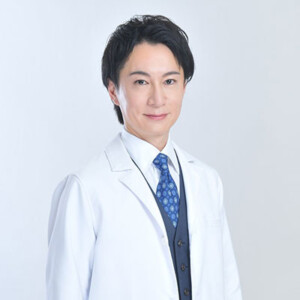
Dr. Jun Karibe
MD
Director
Education & Career
Certifications
Awards
MEDICAL REVIEW