Botox for Crow’s Feet in Tokyo: What to Expect, How Much It Costs, and Whether It Is Right for You
Fine lines that fan out from the outer corners of the eyes — commonly called crow’s feet — are one of the first signs of facial ageing that many people notice, and one of the most common concerns raised at cosmetic clinics across Tokyo.
Whether you are an expatriate curious about treatment options in Japan, or a visitor exploring medical tourism, you may be wondering whether Botox injections are a safe and effective solution and what the experience at a Tokyo clinic actually involves.
This article explains how Botox works for crow’s feet, what realistic results look like, how much the treatment costs in Tokyo, and who makes an ideal — or less suitable — candidate.
What you’ll learn in this article:
- How Botox injections reduce the appearance of crow’s feet
- What results are realistic and how long they typically last
- Current Botox pricing at a Tokyo clinic, in Japanese yen
- What the treatment experience looks like before, during, and after
- Who is a good candidate and who should avoid this treatment
Have a question about this treatment?
Message us on LINE or WhatsApp — our English-speaking team usually replies the same day.
What Are Crow’s Feet and Why Do They Form?
Crow’s feet are the fine lines and wrinkles that radiate outward from the outer corner of each eye. They are classified as dynamic wrinkles — meaning they form primarily as a result of repeated muscle movement rather than sun damage or volume loss alone.
Every time a person smiles, squints, or laughs, the orbicularis oculi muscle — the ring-shaped muscle surrounding the eye — contracts. Over time, the skin in this delicate, thin-skinned area loses collagen and elasticity, and the repeated folding begins to leave a permanent crease even when the face is at rest. Sun exposure, smoking, and dehydration can all accelerate this process.
Dynamic wrinkles respond particularly well to neuromodulator injections such as Botox, which target the muscle activity at the source rather than simply filling the overlying skin.
How Botox Works for Crow’s Feet
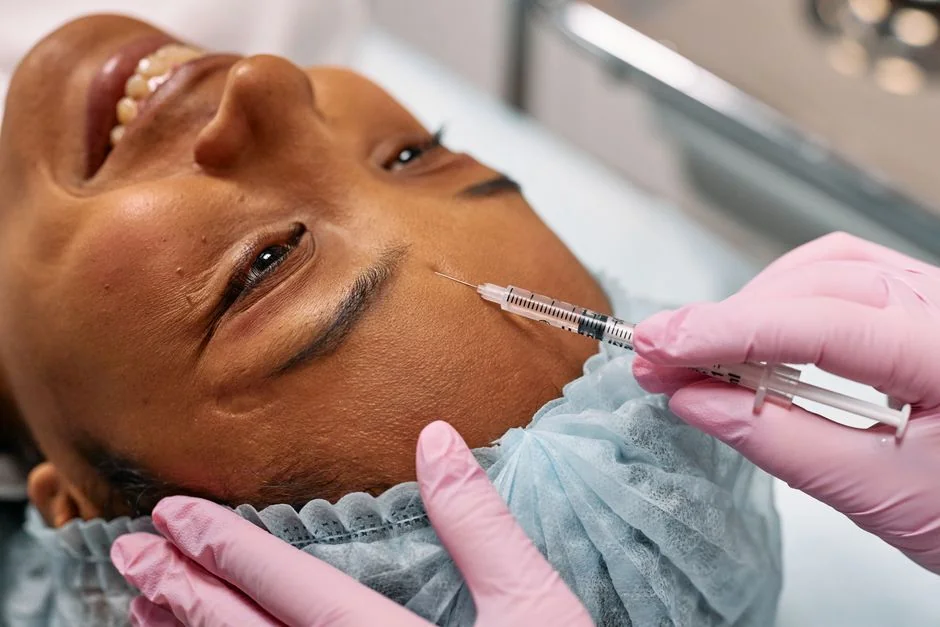
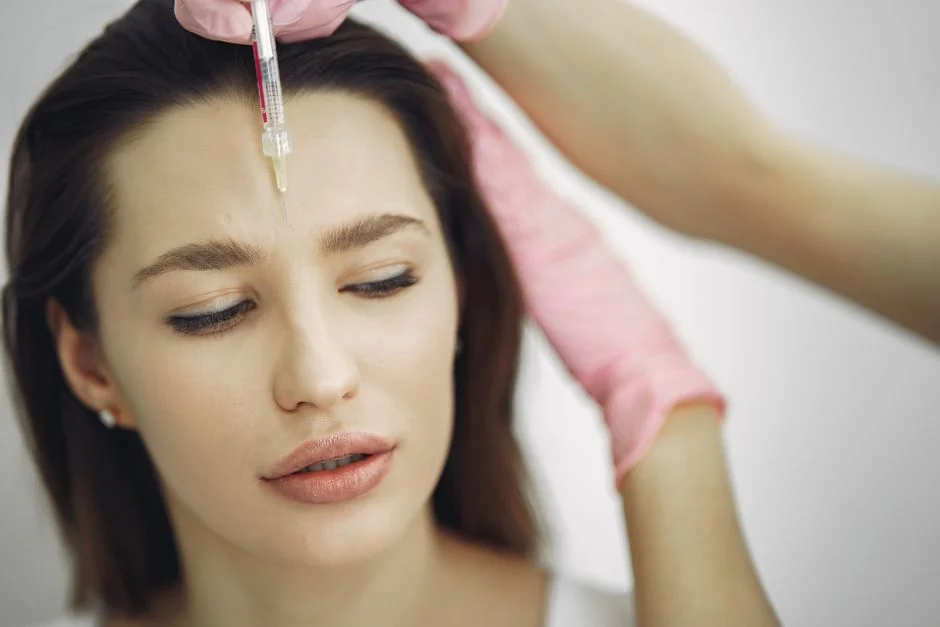
Botox is a brand name for botulinum toxin type A, a purified protein that temporarily blocks the nerve signals that cause a muscle to contract. When injected in small, precise doses into the orbicularis oculi muscle around the outer eye area, the muscle relaxes, and the overlying skin is no longer pulled into its habitual folds.
The treatment does not remove existing skin or add volume — it simply reduces the frequency and intensity of the muscle movement that deepens the lines. This is an important distinction from dermal fillers, which work by restoring lost volume beneath the skin’s surface.
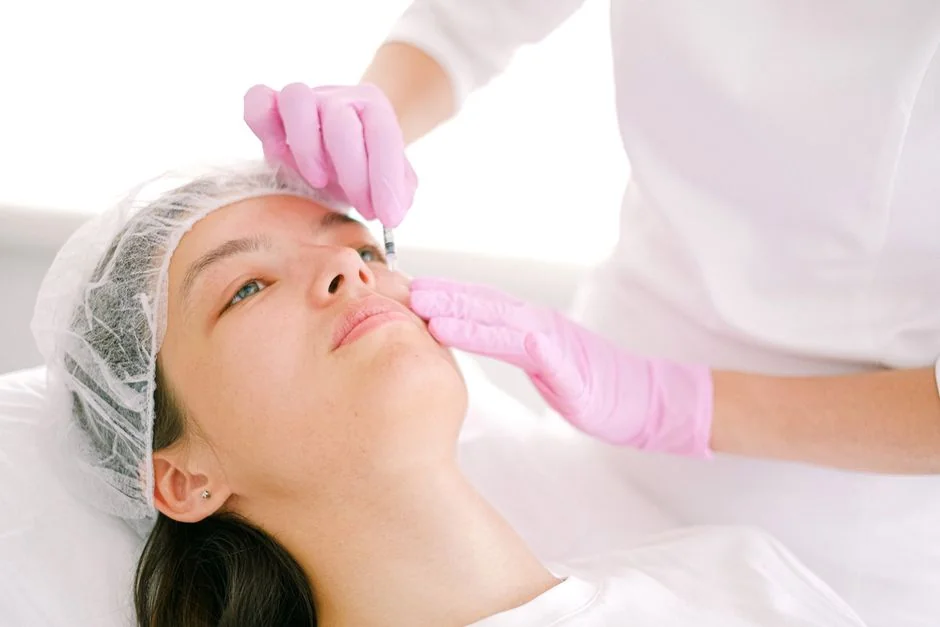
The injection itself takes only a few minutes. A qualified injector uses a very fine needle to deposit small amounts of the toxin at three to five precise points lateral to each eye. Results are not immediate; the neuromuscular blockade develops gradually over three to seven days, with full effect typically visible at around two weeks.
Dr. Karibe’s Note
Many of our international patients are surprised to find that crow’s feet treatment with Botox in Japan is a quick in-clinic procedure — typically completed in under ten minutes, with no need for general anaesthesia or recovery time. A common question I receive is whether the injection will affect the natural look of a smile. When the dosage and injection points are calibrated correctly, the orbicularis muscle retains enough function to allow normal, natural-looking facial expressions.
The goal is softening the lines, not freezing the face.
Expected Results: What Is Realistic?

Clinical reports indicate that botulinum toxin type A is highly effective for dynamic crow’s feet. A pivotal Phase III clinical trial published in Dermatologic Surgery found that approximately 60–70% of patients treated with Allergan’s onabotulinumtoxinA (Botox) for lateral canthal lines (crow’s feet) achieved at least a one-grade improvement on a validated wrinkle severity scale at the 30-day assessment, compared with fewer than 10% in the placebo group.
Studies also suggest that effects typically last between three and four months before the muscle gradually regains function and retreatment is needed. With consistent treatments over time, some patients report that intervals between sessions can become slightly longer, possibly because the muscle weakens from prolonged periods of reduced use.
It is important to note that deeply set, static wrinkles — lines that are visible even when the face is completely relaxed — may not resolve fully with Botox alone. In such cases, a combination approach using hyaluronic acid filler or a skin-resurfacing treatment such as CO2 fractional laser may be discussed with a physician to address both muscle activity and skin texture simultaneously. CO2 fractional laser treatment is available at Kojimachi Dermatology & Plastic Surgery Clinic — feel free to ask about it during a consultation.
Botox for Crow’s Feet: Cost in Tokyo
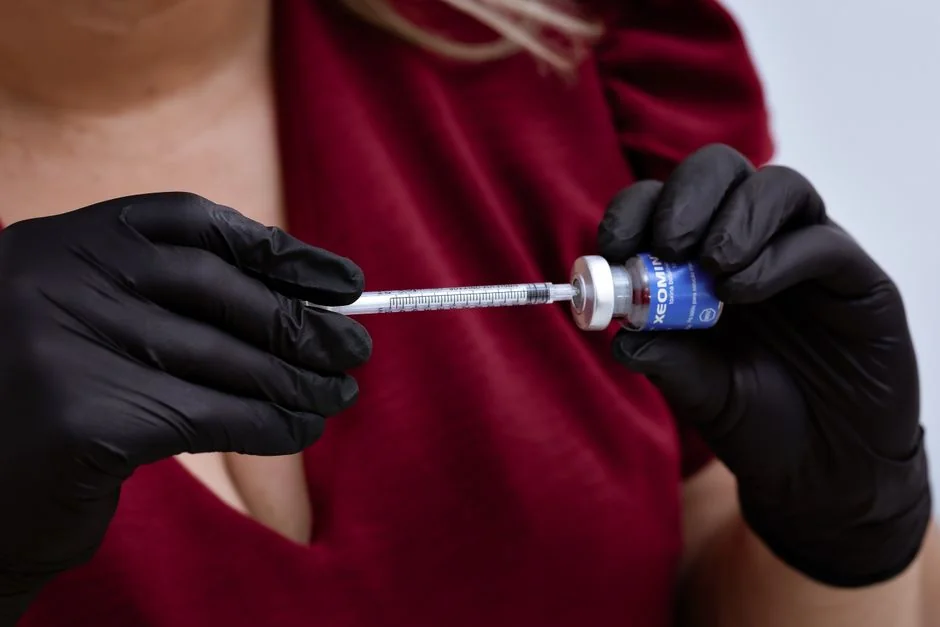
Pricing for Botox in Tokyo varies depending on the brand of toxin used, the number of units required, and the clinic’s fee structure. At BIOTOPE CLINIC or Kojimachi Dermatology & Plastic Surgery Clinic, the following price ranges apply:
| Product | Price Range | Notes |
|---|---|---|
| Botox Allergan (onabotulinumtoxinA) | ¥22,000 – ¥148,000 | US FDA-approved brand; widely regarded as the reference standard |
| Botox Korean Brand | ¥9,900 – ¥45,000 | CE-marked Korean botulinum toxin; more accessible price point |
| Micro-Botox | ¥22,000 – ¥33,000 | Superficial intradermal technique; targets skin texture and pore size |
Crow’s feet treatment typically requires a relatively modest number of units, so the cost for this specific area will generally fall toward the lower end of the ranges above. The actual fee depends on how many units are needed, which is assessed during consultation.
An initial consultation at the clinic is priced at ¥3,300 (or ¥2,200 for a surgical consultation with Dr. Karibe). These consultation fees are separate from the treatment cost.
For an accurate quote, we recommend booking a consultation.
Have a question about this treatment?
Message us on LINE or WhatsApp — our English-speaking team usually replies the same day.
What to Expect: Before, During, and After

Before the Treatment
At the initial consultation, the physician assesses the severity and pattern of the crow’s feet, reviews your medical history, and discusses the appropriate product and dosage. Patients are generally advised to avoid alcohol for 24 hours before the appointment and to inform the clinic of any blood-thinning medications or supplements such as aspirin, ibuprofen, or high-dose fish oil, as these may increase the risk of bruising.
During the Injection
The skin around the eye is cleansed and, if requested, a topical numbing cream may be applied. The physician marks the precise injection sites lateral to the orbital rim (the bony edge of the eye socket), then introduces a very fine needle at each point, depositing a small quantity of toxin. The procedure typically takes five to fifteen minutes per session. Most patients describe the sensation as a brief, mild sting.
After the Treatment
There is effectively no formal downtime. Minor redness or small raised areas at the injection sites typically resolve within 20 to 30 minutes. Patients are advised to remain upright for four hours, avoid rubbing the treated area for 24 hours, and refrain from vigorous exercise on the day of treatment. Makeup can usually be applied from the following day.
Bruising is the most common side effect, occurring in a minority of patients, and resolves within several days. Eyelid drooping (ptosis) is a rare complication that can occur if toxin migrates beyond the intended muscle; selecting an experienced, board-certified injector and following post-treatment instructions significantly reduces this risk.
Common Misconceptions About Botox for Crow’s Feet
Misconception 1: Botox Will Make You Look Expressionless
This concern is understandable but is largely a product of over-treatment rather than an inherent effect of the medication. When appropriate doses are used and injection points are correctly placed, the orbicularis oculi muscle retains sufficient function for natural smiling and blinking.
The aim is a rested, refreshed appearance — not a frozen one. In our clinical experience at BIOTOPE CLINIC or Kojimachi Dermatology & Plastic Surgery Clinic, calibrating dosage to each patient’s anatomy and aesthetic preference is central to a natural-looking outcome.
Misconception 2: Starting Botox Young Will Make Wrinkles Worse Later
There is no credible clinical evidence to support the idea that early or preventive use of botulinum toxin accelerates skin ageing or causes more severe wrinkles once stopped. Studies suggest that preventive treatment in the late twenties or early thirties — before deep static lines develop — may actually slow the progression of wrinkle formation by reducing habitual muscle movement during the critical period when the skin’s collagen density is declining.
Who Is a Good Candidate?
Botox for crow’s feet is generally well suited to adults who have noticeable dynamic lines around the outer eyes and are in good general health. Ideal candidates understand that results are temporary and approach the treatment with realistic expectations. The treatment is suitable for a broad range of skin types and tones.
At our clinic in Tokyo, we frequently see patients who have fine-to-moderate crow’s feet that are visible during expression and are beginning to persist at rest. This group tends to see particularly satisfying results from botulinum toxin alone.
Who Should Avoid This Treatment
Botox injections are not appropriate for everyone. Contraindications include:
- Pregnancy or breastfeeding
- Known allergy to botulinum toxin or any ingredient in the formulation
- Neuromuscular disorders such as myasthenia gravis or Lambert-Eaton syndrome
- Active skin infection or inflammation at the intended injection site
- Current use of aminoglycoside antibiotics (which can potentiate the toxin’s effect)
Patients with very deep, static crow’s feet may benefit from an additional or alternative treatment. In such cases, the physician may discuss complementary options such as HIFU (High-Intensity Focused Ultrasound) for skin tightening and lifting, or hyaluronic acid filler for volume-related hollowing around the eye area. HIFU is available at our clinic — feel free to ask about it during a consultation.
Frequently Asked Questions
- Q. How many units of Botox are typically needed for crow’s feet?
- The number of units varies by individual, depending on the strength of the orbicularis oculi muscle and the degree of wrinkling present. Standard treatment for both sides typically ranges from 12 to 24 units in total, though your physician will determine the appropriate dose during consultation. The final unit count directly affects the overall price.
- Q. Will my crow’s feet look worse when the Botox wears off?
- No — when the effect gradually wears off after three to four months, the muscle simply returns to its prior level of activity, and lines return to roughly their pre-treatment state. There is no rebound effect or accelerated worsening caused by the treatment itself. Many patients choose to maintain the improvement with repeat sessions.
- Q. Is Botox available in English at clinics in Tokyo?
- English-language consultations are available at Kojimachi Dermatology & Plastic Surgery Clinic in Ichigaya. The team regularly sees expatriate and international patients and is accustomed to discussing treatment options, costs, and aftercare in English.
- Q. How soon before a social event can I have this treatment?
- Because minor bruising or redness can occasionally occur, it is generally advisable to schedule the treatment at least two weeks before an important event. This also allows the full effect of the toxin to develop, so results can be properly assessed.
- Q. Can I combine Botox with other treatments in the same visit?
- Combining Botox with certain other treatments — such as laser or energy-based devices — in the same session may or may not be appropriate depending on the specific combination and individual circumstances. Your physician will advise on the safest and most effective sequencing during your consultation.
Have a question about this treatment?
Message us on LINE or WhatsApp — our English-speaking team usually replies the same day.
Summary
Crow’s feet are dynamic wrinkles caused by repeated contraction of the orbicularis oculi muscle, and botulinum toxin type A (Botox) remains one of the most well-evidenced, non-surgical options available to reduce their appearance. Results typically develop over one to two weeks and last approximately three to four months, with the treatment requiring minimal downtime and carrying a well-characterised safety profile when performed by a qualified physician.
In Tokyo, Botox for crow’s feet is available in Allergan and Korean-brand formulations, with pricing starting from approximately ¥9,900, depending on the product and units required. An accurate cost estimate can only be provided following an in-person consultation, which accounts for individual anatomy and the number of units needed.
For deeper static lines or significant skin laxity around the eye area, complementary treatments such as CO2 fractional laser or HIFU may be discussed as part of a broader aesthetic plan.
If you have questions about Botox for crow’s feet in Tokyo, our team at Kojimachi Dermatology & Plastic Surgery Clinic in Ichigaya, Tokyo would be happy to help. We offer consultations in English.
24/7 Consultation & Booking
Book a Consultation or Treatment
Our English-speaking team responds via LINE or WhatsApp — usually the same day.
References
- Carruthers J, Fagien S, Matarasso SL; Botox Consensus Group. Consensus recommendations on the use of botulinum toxin type A in facial aesthetics. Plastic and Reconstructive Surgery. 2004.
- Lowe NJ, Ascher B, Heckmann M, et al. Double-blind, randomized, placebo-controlled, dose-response study of the safety and efficacy of botulinum toxin type A in subjects with crow’s feet. Dermatologic Surgery. 2005.
- Carruthers A, Carruthers J, Said S. Dose-ranging study of botulinum toxin type A in the treatment of glabellar rhytids in females. Dermatologic Surgery. 2005.
- Hexsel D, Soirefmann M, Porto MD, et al. Photographic documentation and response assessment in studies evaluating botulinum toxin: lateral canthal lines. Journal of Drugs in Dermatology. 2013.
- Imhof M, Kühne U. Long-term outcomes and patient satisfaction with botulinum toxin treatment of facial wrinkles: a prospective multicenter study. Journal of Cosmetic and Laser Therapy. 2011.
SUPERVISED BY

Dr. Jun Karibe
MD
Director
Education & Career
Certifications
Awards
MEDICAL REVIEW