Best Skincare Routine in Tokyo: How to Protect Your Skin from Humidity, Pollution, and UV Damage
Looking for the Best Skincare Routine in Tokyo?
If you are searching for the best skincare routine in Tokyo, you are not alone. Many expatriates, international students, business travellers, and visitors notice that their skin changes after moving to Japan.
You may experience more oiliness, clogged pores, breakouts, pigmentation, dryness, or sensitivity—even if your skincare routine worked perfectly in your home country.
This happens because Tokyo creates a unique combination of environmental stressors.
The city has:
- Hot and humid summers
- Dry winters
- Strong ultraviolet exposure
- Urban air pollution
- Frequent indoor air conditioning
- Seasonal temperature changes
As a result, your skin needs a routine that protects, repairs, and adapts throughout the year.
At Kojimachi Dermatology & Plastic Surgery Clinic in Ichigaya, Tokyo, we regularly see international patients whose skin has changed after living in Japan. In many cases, the solution is not a complicated routine. Instead, the best results often come from a simple, consistent, dermatologist-approved approach.
In this guide, you will learn how to build a skincare routine for Tokyo weather, which ingredients work best, what mistakes to avoid, and when professional treatment may help.
Why Tokyo Weather Is Challenging for Skin
Tokyo has four distinct seasons, and each season affects the skin differently. Therefore, using the same products all year may not work well.
Summer: Humidity, Sweat, and Oil
Tokyo summers are hot and humid. Humidity often exceeds 70–80%, especially in July and August.
Many people assume humidity helps the skin stay hydrated. However, humidity can also increase sweat, sebum, clogged pores, and acne.
In summer, many patients notice:
- Oily skin
- Enlarged pores
- Breakouts
- Sticky skin
- Makeup breakdown
- Heat-related redness
In addition, moving between outdoor heat and strong indoor air conditioning can weaken the skin barrier.
Winter: Dryness and Barrier Damage
Tokyo winters are much drier than many visitors expect. Cold outdoor air and indoor heating can remove moisture from the skin.
As a result, winter often causes:
- Dryness
- Flaking
- Tightness
- Itching
- Sensitive skin
- Eczema flare-ups
Therefore, your winter routine should focus more on barrier repair and hydration.
UV Exposure Throughout the Year
UV damage is not limited to summer. In Tokyo, ultraviolet exposure becomes significant from spring and remains strong through early autumn.
UV rays contribute to:
- Pigmentation
- Fine lines
- Collagen loss
- Skin laxity
- Sunspots
- Premature ageing
For this reason, daily sunscreen is essential in every season.
Pollution and Skin Ageing in Tokyo
Tokyo’s air quality is better than some major global cities, but urban pollution still affects the skin.
Daily exposure may include:
- PM2.5
- Vehicle emissions
- Nitrogen dioxide
- Ozone
- Fine dust particles
These pollutants generate oxidative stress in the skin. Consequently, they may contribute to pigmentation, inflammation, collagen breakdown, and premature ageing.
Therefore, a Tokyo skincare routine should include both pollution removal and antioxidant protection.
Understanding the Skin Barrier
Before choosing products, it is important to understand the skin barrier.
The skin barrier is the outer protective layer of the skin. It helps retain moisture and keeps irritants, allergens, and pollutants out.
A healthy barrier helps prevent:
- Dryness
- Redness
- Burning
- Sensitivity
- Breakouts
- Eczema flare-ups
However, Tokyo’s climate can weaken this barrier. Over-cleansing, strong exfoliation, UV exposure, pollution, and air conditioning can all make the skin more reactive.
Therefore, the foundation of good skincare in Tokyo is not aggressive treatment. It is barrier protection.
Morning Skincare Routine for Tokyo
Step 1: Gentle Cleansing
In the morning, your skin usually does not need aggressive cleansing.
A gentle low-pH cleanser is enough for most people. It removes overnight sweat, oil, and skincare residue without stripping the skin.
Choose:
- Low-pH gel cleansers
- Sulfate-free cleansers
- Non-stripping formulas
- Fragrance-free products if your skin is sensitive
Avoid harsh scrubs and strong foaming cleansers, especially if your skin feels tight after washing.
Step 2: Antioxidant Serum
Antioxidants are especially important in Tokyo because they help protect against pollution and UV-related oxidative stress.
Recommended ingredients include:
Vitamin C
Vitamin C helps brighten the skin, support collagen, and reduce oxidative damage.
It is especially useful for patients concerned about pigmentation, dullness, or early ageing.
Niacinamide
Niacinamide is one of the most versatile skincare ingredients.
It helps:
- Strengthen the skin barrier
- Reduce redness
- Improve oil control
- Calm inflammation
- Support even skin tone
Because it is usually well tolerated, it is suitable for many skin types.
Ferulic Acid and Vitamin E
These ingredients often work well with vitamin C and may improve antioxidant stability.
Apply antioxidant serum after cleansing and before moisturizer.
Step 3: Lightweight Moisturizer
Even in humid summer, your skin still needs moisturizer.
Moisturizer does not simply “add water.” It supports the skin barrier and reduces transepidermal water loss.
For Tokyo summers, choose lightweight textures such as:
- Gel creams
- Lotions
- Oil-free moisturizers
- Non-comedogenic formulas
Good ingredients include:
- Ceramides
- Hyaluronic acid
- Panthenol
- Centella asiatica
- Allantoin
In winter, switch to a richer cream if your skin becomes dry.
Step 4: SPF50+ PA++++ Sunscreen
Sunscreen is the most important step in a Tokyo skincare routine.
Use a broad-spectrum sunscreen every morning, even when it is cloudy.
For Tokyo, dermatologists often recommend:
SPF50+ PA++++
SPF protects mainly against UVB, while PA indicates UVA protection. UVA contributes strongly to pigmentation and skin ageing.
Japanese sunscreens are often excellent for humid weather because many are lightweight, elegant, and comfortable under makeup.
Evening Skincare Routine for Tokyo
Step 1: Double Cleansing
Evening cleansing is especially important in Tokyo because your skin collects sunscreen, sebum, sweat, makeup, and pollution throughout the day.
Double cleansing can help remove these layers without harsh scrubbing.
First Cleanse: Oil-Based Cleanser
An oil cleanser removes:
- Sunscreen
- Makeup
- Sebum
- Oil-soluble pollutants
Second Cleanse: Water-Based Cleanser
A gentle cleanser then removes:
- Sweat
- Dirt
- Remaining residue
Together, these steps clean the skin more thoroughly while protecting the barrier.
However, avoid over-cleansing. The goal is clean skin, not stripped skin.
Step 2: Repair and Treatment
At night, focus on repair.
Depending on your skin condition, you may use:
- Niacinamide
- Retinoids
- Azelaic acid
- Ceramide serums
- Hydrating products
If you use retinoids, apply them at night and always use sunscreen the next morning.
If your skin becomes irritated, reduce frequency and focus on barrier repair.
Step 3: Moisturizer
At night, moisturizer helps the skin recover from daily environmental stress.
In summer, a light gel cream may be enough.
In winter, a richer ceramide-based moisturizer may work better.
Patients with sensitive skin should avoid strong fragrance, alcohol-heavy products, and aggressive exfoliants.
Best Ingredients for Tokyo Weather
Ceramides
Ceramides are essential lipids in the skin barrier. They help reduce dryness, irritation, and water loss.
They are especially useful during winter or when the skin feels sensitive.
Hyaluronic Acid
Hyaluronic acid attracts water into the skin.
It is useful for dehydration, tightness, and dullness. Lightweight formulas work well in humid weather.
Niacinamide
Niacinamide supports barrier function, reduces redness, improves oil control, and helps even skin tone.
It is one of the best all-round ingredients for Tokyo weather.
Vitamin C
Vitamin C helps protect against pollution-related oxidative stress. It also supports collagen and helps reduce pigmentation.
Centella Asiatica
Centella asiatica, also called cica, helps calm irritation and support healing.
It is useful for sensitive, reactive, or barrier-damaged skin.
Salicylic Acid
Salicylic acid can help oily and acne-prone skin because it penetrates into pores.
However, use it carefully. Overuse can dry or irritate the skin.
Seasonal Skincare Routine in Tokyo
Spring
Spring brings stronger UV exposure and pollen.
Focus on:
- Daily sunscreen
- Antioxidants
- Gentle cleansing
- Barrier support
If you have allergies or sensitive skin, avoid adding too many new products at once.
Summer
Summer is the most difficult season for oily and acne-prone skin.
Focus on:
- Lightweight moisturizer
- SPF50+ PA++++ sunscreen
- Double cleansing at night
- Oil control with niacinamide or salicylic acid
- Avoiding heavy occlusive creams
Autumn
Autumn is a transition period.
Your skin may suddenly feel dry after months of humidity.
Start increasing:
- Ceramides
- Hydrating serums
- Barrier creams
This prepares your skin for winter.
Winter
Winter requires stronger barrier protection.
Focus on:
- Richer moisturizers
- Ceramides
- Hyaluronic acid
- Gentle cleansing
- Reduced exfoliation
If you use retinoids or acids, you may need to reduce frequency during dry periods.
Common Skincare Mistakes in Tokyo
Mistake 1: Skipping Moisturizer in Summer
Humidity does not replace moisturizer.
Without barrier support, the skin may become irritated and produce more oil.
Mistake 2: Over-Cleansing
Washing too often can damage the barrier.
As a result, acne, redness, and sensitivity may worsen.
Mistake 3: Underestimating UV Exposure
Cloudy days still allow UVA exposure.
Therefore, sunscreen should be used daily.
Mistake 4: Using the Same Routine All Year
Tokyo’s climate changes dramatically between summer and winter.
Your skincare should change with it.
Mistake 5: Buying More Products Instead of Simplifying
When the skin becomes irritated, adding more products often makes things worse.
A simple routine is usually better.
Professional Treatments for Tokyo-Related Skin Concerns
A good home routine is important. However, some concerns may require professional treatment.
At Kojimachi Dermatology & Plastic Surgery Clinic, we often treat international patients with concerns related to Tokyo’s climate and lifestyle.
Pigmentation and Sunspots
For pigmentation caused by UV exposure, professional options may include:
- PicoWay picosecond laser
- Laser toning
- IPL photofacial
- Medical brightening programs
Approximate PicoWay cost:
¥11,000–¥98,000
Enlarged Pores and Texture
Humidity and oil production can make pores appear larger.
Treatment options include:
- CO₂ fractional laser
- POTENZA RF microneedling
- Dermapen
- Salicylic acid peels
Approximate CO₂ fractional laser cost:
¥11,000–¥66,000
Acne and Breakouts
For acne-prone skin, treatment may include:
- Prescription topical medication
- Benzoyl peroxide
- Adapalene
- Antibiotics when appropriate
- Chemical peels
- RF microneedling for acne scars
Dullness and Pollution-Related Skin Damage
For dullness and uneven tone, options may include:
- Laser toning
- Dermapen
- Antioxidant skincare
- IV drip therapy in selected cases
Nutrition and Skin Health
Skincare is not only topical.
Nutrition also supports healthy skin.
Useful nutrients include:
Vitamin C
Supports collagen synthesis and antioxidant defense.
Omega-3 Fatty Acids
May help reduce inflammation and support the skin barrier.
Sources include salmon, sardines, and mackerel.
Polyphenols
Green tea, berries, and cacao contain polyphenols that support antioxidant defenses.
Protein
Adequate protein is essential for collagen production and wound healing.
Dr. Karibe’s Note
Many international patients are surprised that their usual skincare routine stops working after moving to Tokyo. This does not mean their products are poor. It usually means their environment has changed.
Tokyo’s summer humidity, winter dryness, UV exposure, air conditioning, and pollution all affect the skin in different ways. In my experience, the healthiest skin comes from consistency, seasonal adjustment, and barrier protection—not from using the most products.
If your skin continues to break out, burn, itch, or become red despite a thoughtful routine, it may be time to consider a dermatology consultation. Sometimes the problem is not simply “dry skin” or “oily skin.” It may be rosacea, eczema, seborrhoeic dermatitis, acne, or another condition that needs medical treatment.
Frequently Asked Questions
Do I need to change my skincare routine after moving to Tokyo?
In many cases, yes. Tokyo’s humidity, UV exposure, pollution, and seasonal changes are different from many other climates. Most people benefit from adjusting their routine.
What is the most important skincare product in Tokyo?
Sunscreen. Daily SPF50+ PA++++ sunscreen is the most effective way to prevent pigmentation, collagen loss, and premature skin ageing.
Is Japanese skincare better for Tokyo weather?
Not always, but Japanese skincare products are often designed for local humidity and UV exposure. Many sunscreens are especially comfortable for daily use in Tokyo.
Can Tokyo pollution damage my skin?
Yes. Pollution can increase oxidative stress, inflammation, pigmentation, and skin ageing. Antioxidants and evening cleansing help reduce this impact.
Should I double cleanse every night?
If you wear sunscreen or makeup, double cleansing is usually helpful. However, use gentle products and avoid harsh scrubbing.
Can humidity cause acne?
Humidity can increase sweat, oiliness, and clogged pores. Therefore, acne may worsen during Tokyo summers.
When should I see a dermatologist in Tokyo?
You should consider seeing a dermatologist if you have persistent acne, redness, eczema, pigmentation, itching, or sensitivity that does not improve with basic skincare.
Summary
Tokyo’s climate can be challenging for the skin. High humidity, strong UV exposure, urban pollution, air conditioning, and seasonal changes all affect skin health.
The best skincare routine in Tokyo is simple, consistent, and adaptable.
A strong routine should include:
- Gentle cleansing
- Evening double cleansing
- Antioxidant protection
- Lightweight moisturizer in summer
- Barrier repair in winter
- Daily SPF50+ PA++++ sunscreen
- Seasonal adjustments
When home skincare is not enough, professional treatments such as PicoWay laser, CO₂ fractional laser, POTENZA RF microneedling, Dermapen, chemical peels, and prescription dermatology may help.
At BIOTOPE CLINIC or Kojimachi Dermatology & Plastic Surgery Clinic in Ichigaya, Tokyo, we provide English-speaking consultations for international patients. If you need help building a skincare routine for Tokyo weather, our team would be happy to guide you.
Recommended Internal Links
- Acne Treatment Tokyo
- Rosacea Treatment Tokyo
- Dark Spot Removal Tokyo
- Pico Laser Tokyo
- CO₂ Fractional Laser Tokyo
- HIFU Tokyo
- Skin Tightening Tokyo
- Non-Surgical Facelift Tokyo
- English-Speaking Dermatologist Tokyo
- Plastic Surgeon Tokyo
- Anti-Aging Treatment Tokyo
- Hyperpigmentation Treatment Tokyo
If you have questions about this topic, our team at Kojimachi Dermatology & Plastic Surgery Clinic would be happy to help. The fastest way to reach us is on WhatsApp.
Contact us on WhatsApp
Location: Ichigaya, Chiyoda-ku, Tokyo / Director: Dr. Jun Karibe, MD (Board-certified Plastic Surgeon)
References
- Negishi K, Akita H, Matsunaga Y. Prospective study of removing solar lentigines in Asians using a novel dual-wavelength and dual-pulse width picosecond laser. Lasers in Surgery and Medicine. 2018.
- Chapas AM, Brightman L, Sukal S, et al. Successful treatment of acneiform scarring with CO2 ablative fractional resurfacing. Lasers in Surgery and Medicine. 2008.
- Vachiramon V, Sahawatwong S, Sirithanabadeekul P. Treatment of melasma in men with low-fluence Q-switched Nd:YAG laser versus combined laser and glycolic acid peeling. Journal of the American Academy of Dermatology. 2015.
- Wat H, Wu DC, Chan HH. Picosecond laser treatment for benign pigmented lesions on the face and neck: a retrospective study. Lasers in Surgery and Medicine. 2020.
- Tanghetti EA. The role of inflammation in the pathology of acne. Journal of Clinical and Aesthetic Dermatology. 2013.
Related Articles
You may also find these articles useful.
- English Speaking Dermatologist Tokyo: Complete Guide
- English Speaking Plastic Surgeon Tokyo: Complete Guide
- Skin Clinic Tokyo for Foreigners: How to Find One
- Skin Tightening Treatment Tokyo: Options and Cost
- Acne Scar Laser Treatment Tokyo: Cost & Results
SUPERVISED BY
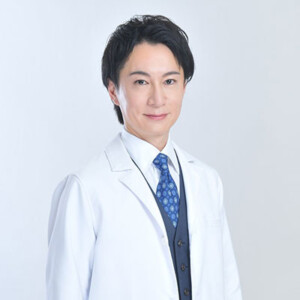
Dr. Jun Karibe
MD
Director
Education & Career
Certifications
Awards
MEDICAL REVIEW