By Dr. Jun Karibe, MD — BIOTOPE Clinic Shirokanedai, Tokyo · Reviewed August 2026
A patient walks into our BIOTOPE clinic in Shirokanedai with a printout from her company kenshin(Health check). Her TSH is 2.8, comfortably inside the Japanese reference range of roughly 0.5 to 5.0 mIU/L. She has been told her thyroid is normal. She is in her late 30s, exhausted, gaining weight she cannot explain, losing hair from the front of her scalp, cold in a way she never used to be, and increasingly foggy through the afternoon. Two Japanese doctors have shrugged. One has suggested antidepressants.
We add anti-TPO and anti-thyroglobulin antibodies to the panel. Anti-TPO returns at 340 IU/mL. She has Hashimoto’s thyroiditis, and she has almost certainly had it for years.
This story repeats itself in our clinic often enough that it is worth writing about carefully. Hashimoto’s thyroiditis, also called chronic autoimmune thyroiditis or chronic lymphocytic thyroiditis, is the most common cause of hypothyroidism in iodine-sufficient regions and one of the most common autoimmune conditions of adult women worldwide. It is systematically underdiagnosed in Japan for a specific and correctable reason: routine screening looks at TSH alone, and TSH stays normal for years while the immune system quietly attacks the thyroid gland. By the time TSH finally rises, meaningful gland damage has usually occurred and the patient has been symptomatic for a long time.
This article is written for the expat woman living in Tokyo who suspects that something is wrong with her thyroid and wants to understand what nutritional and functional-medicine strategies exist alongside conventional endocrinology. It is also written for the patient already diagnosed with Hashimoto’s who has been placed on levothyroxine and told there is nothing else to do. There is more that can be done, some of it well supported by evidence and some of it more provisional, and this article aims to be honest about which is which.
What Hashimoto’s thyroiditis actually is

Hashimoto’s thyroiditis was first described in 1912 by Hakaru Hashimoto, a Japanese surgeon working in Kyushu, in a paper written in German. The disease he described is an autoimmune process in which the body’s own immune system produces antibodies against thyroid tissue. Two antibodies are diagnostic: anti-thyroid peroxidase (anti-TPO) and anti-thyroglobulin (anti-Tg). Anti-TPO is present in the majority of Hashimoto’s patients; anti-Tg is present in a smaller subset. Together they are the serological signature of the disease.
The immune attack proceeds slowly, typically over years or decades. Early on, the thyroid gland compensates. Circulating thyroid hormone levels — free T4 and free T3 — stay within the reference range, and TSH stays normal or only mildly elevated. This early phase is often called euthyroid Hashimoto’s or subclinical autoimmune thyroiditis. The patient can be genuinely symptomatic — fatigue, weight gain, cold intolerance, dry skin, hair thinning, brain fog, low mood — while every conventional test looks normal. This is the phase that a TSH-only screening strategy fails to detect.
Over time, immune-mediated destruction outpaces the gland’s capacity to compensate. Free T4 falls, TSH rises, and the patient meets the criteria for overt hypothyroidism. At this point Japanese endocrinology takes over, levothyroxine is prescribed, and TSH is titrated back into range. The gland damage is not reversed. The autoimmune process continues. Levothyroxine treats the hormone deficit; it does not treat the underlying autoimmunity.
Hashimoto’s affects women roughly seven to ten times more often than men and most commonly presents between the ages of 30 and 50. Prevalence estimates in Japan and other iodine-sufficient countries suggest that positive thyroid antibodies are present in around 10 to 15 percent of adult women, though only a subset of these progress to overt hypothyroidism during their lifetime.[1] The prevalence is high enough that any expat woman in her 30s or 40s with unexplained fatigue, weight change or hair loss should have thyroid antibodies checked, not just TSH.
Why Japanese screening misses so many cases

A standard Japanese annual kenshin measures TSH in some but not all packages. Where TSH is included, the reference range is generally 0.5 to 5.0 mIU/L. Anything inside that range is reported as normal, and no further testing is triggered. Anti-TPO and anti-Tg antibodies are not part of the standard kenshin panel. They are ordered only if TSH is already abnormal, or if a physician specifically requests them.
This creates a systematic gap. A patient can have anti-TPO of several hundred IU/mL, active autoimmune destruction of the thyroid gland, and disabling symptoms, while her TSH sits at 3.2. She will be told, correctly by the test protocol and incorrectly by the biology, that her thyroid is fine. She may then be sent home, referred to psychiatry for suspected depression, or offered a general fatigue workup that finds nothing.
The problem is compounded by three additional factors specific to Japanese medical culture. First, endocrinology consultations are short and the diagnostic threshold to escalate is high; the default position is to wait until numbers cross a threshold rather than to investigate a suggestive clinical picture. Second, the internationally recognised functional TSH target of below 2.5 mIU/L for symptom control — a target discussed in the American Thyroid Association guidance and in most functional-medicine literature[2] — is not widely applied in Japanese primary care, where the upper reference limit of 5.0 is often treated as the operational target. Third, patients whose symptoms persist on levothyroxine at a “normal” TSH are often told, in effect, that their symptoms cannot be caused by the thyroid because the number is now in range. This is not always true.
What we do in our clinic is straightforward. Any patient presenting with symptoms that could reflect thyroid dysfunction — persistent fatigue, weight change, hair loss, cold intolerance, brain fog, low mood — has TSH, free T4, free T3, anti-TPO and anti-Tg tested together. We take the antibody result seriously even when TSH looks fine. We interpret TSH against the tighter functional range that most international thyroid literature now supports, not against the wide Japanese reference range. And we treat the whole patient, not the number.
The extended thyroid panel we run
A meaningful thyroid workup for suspected autoimmune disease should include the following markers, all of which are available through our partnered SRL laboratory:
- TSH. The pituitary signal that drives thyroid output. Functional target below 2.5 mIU/L in symptomatic patients.
- Free T4. The main circulating thyroid hormone. Functional target in the upper half of the reference range.
- Free T3. The active form. Often low in Hashimoto’s even when free T4 is normal.
- Reverse T3. An inactive metabolite that rises in illness, chronic stress and severe caloric restriction. Elevated reverse T3 with normal free T4 can produce hypothyroid-like symptoms despite a normal TSH.
- Anti-TPO antibodies. The primary diagnostic antibody for Hashimoto’s. Present in most patients.
- Anti-thyroglobulin antibodies. The secondary antibody. Positive in a smaller subset and useful when anti-TPO is negative but suspicion remains.
- Thyroid ultrasound. Not always required but useful in patients with a palpable goitre, nodules, or dramatically elevated antibodies. Hashimoto’s produces a characteristic hypoechoic, heterogeneous appearance on ultrasound.
We also test the nutritional cofactors that thyroid biochemistry depends on: iron and ferritin, selenium, zinc, 25-hydroxyvitamin D, vitamin B12, and where indicated iodine status. Each of these plays a specific role in thyroid hormone production, conversion or immune regulation, and correcting deficiencies in these areas is often part of what makes a Hashimoto’s patient feel better even when the levothyroxine dose has not changed.
The iodine paradox in Japan

Iodine is essential for thyroid hormone synthesis. Both thyroxine (T4) and triiodothyronine (T3) contain iodine atoms in their structure. Iodine deficiency is a global cause of hypothyroidism and goitre, and iodisation programmes in many countries have largely eliminated deficiency-related thyroid disease. In Japan, iodine is different.
The traditional Japanese diet is unusually high in iodine because of the routine consumption of seaweed. Kombu, in particular, is one of the most iodine-dense foods on earth; a single small piece of kombu used for dashi stock can deliver several hundred to several thousand micrograms of iodine, well above the 150 microgram daily recommended intake. Nori, wakame and hijiki are also significant iodine sources, though at lower concentrations than kombu. As a result the Japanese population averages an iodine intake several times higher than Western populations, sometimes 5 to 10 times higher, and in some subgroups higher still.[3]
For a healthy thyroid this excess is well tolerated. For a Hashimoto’s thyroid it is not always so. The relationship between iodine intake and autoimmune thyroid disease is complex and, in the honest reading of the literature, not fully resolved. What is clearer is that in patients with existing Hashimoto’s, sudden high iodine loads — a large serving of kombu-based dashi, a supplement containing several hundred micrograms of iodine, or seaweed-heavy meals eaten daily — can precipitate a temporary flare of autoimmune activity and worsening of symptoms. Studies from China and Japan have documented an association between iodine intake at the upper end of population intake and increased prevalence of Hashimoto’s and rising anti-TPO titres in susceptible individuals.[4]
What this means for a Hashimoto’s patient living in Japan is practical rather than alarmist. We do not ask our patients to avoid seaweed. Seaweed is a nutritious staple food with many benefits beyond iodine, and complete avoidance is neither practical nor necessary. What we suggest is:
- Awareness that kombu-based dashi contains substantial iodine, and that a diet built around kombu dashi (miso soup daily, kombu simmered dishes, kombu tea) can push intake into the flare-triggering range for a susceptible thyroid.
- Moderation on hijiki, which is high in iodine and separately raises arsenic concerns in some formulations.
- Avoiding iodine supplements unless there is a documented deficiency. Most multivitamins marketed for Japanese consumers contain modest iodine amounts; multivitamins marketed to expats or imported from the United States often contain 150 to 300 micrograms per dose, which is inappropriate for a Hashimoto’s patient.
- Retesting antibodies and symptom scores 8 to 12 weeks after any deliberate dietary change to see whether the modification produced a real biochemical effect.
Iodine restriction beyond this is not indicated for most patients. Extreme low-iodine diets can also worsen hypothyroidism by depriving the gland of its essential substrate, and we do not recommend them as a routine intervention.
Selenium: the best-supported nutritional intervention

Of all the nutritional strategies studied in Hashimoto’s, selenium has the most consistent evidence base. Selenium is a cofactor for the enzymes that convert T4 to T3 (the deiodinases) and for glutathione peroxidase, which protects thyroid tissue from oxidative damage caused by hydrogen peroxide produced during hormone synthesis. Selenium-dependent enzymes are particularly concentrated in the thyroid gland, and selenium deficiency has been shown to worsen autoimmune thyroid disease in animal and human studies.
The clinical trial literature on selenium supplementation in Hashimoto’s has been building since the early 2000s. Multiple randomised controlled trials have shown that supplementation with 200 micrograms of selenium daily, typically in the form of selenomethionine, reduces anti-TPO antibody titres by 20 to 40 percent over 6 to 12 months of treatment in patients with Hashimoto’s.[5] A 2023 meta-analysis published in Nutrients pooled the available randomised trials and concluded that selenium supplementation produces a meaningful reduction in anti-TPO antibodies compared to placebo, with the strongest effect at 200 micrograms daily and diminishing returns above that dose.[6]
The honest limitations of this evidence deserve stating. The effect on antibody titres is real but modest. The effect on hard clinical outcomes — progression to overt hypothyroidism, need for levothyroxine, or symptom scores — is less consistently demonstrated. Some trials have shown symptomatic improvement, others have shown antibody reduction without matching symptom change. Selenium supplementation is not a cure for Hashimoto’s, and patients who expect one will be disappointed. What it does appear to do is dampen the autoimmune process, which may slow progression and which many patients report as accompanied by improved energy and mood.
In our clinic we typically prescribe selenium at 200 micrograms daily in the selenomethionine form, with retesting at three and six months. Selenium is worth mentioning that it has a relatively narrow therapeutic window. Chronic intake above about 400 micrograms daily can produce selenium toxicity, with hair and nail changes, gastrointestinal upset and peripheral neuropathy. Patients should not stack selenium from multiple sources — a multivitamin containing 100 micrograms plus a separate 200 microgram supplement plus regular consumption of Brazil nuts (each of which can contain 60 to 100 micrograms) can push intake into the risk range. We ask patients to check total intake carefully.
Dr. Karibe’s Choice
Selenium 200 mcg (selenomethionine form)
Selenomethionine at the trial-supported dose for anti-TPO antibody reduction in Hashimoto’s thyroiditis.
We recommend selenium in the selenomethionine form because it is the form used in most positive trials and has better bioavailability than sodium selenite. Typical duration is 6 to 12 months with retesting of anti-TPO at three and six months. Total daily intake from all sources including diet should not exceed 400 micrograms. Brazil nuts alone can deliver 60 to 100 micrograms per nut and should be counted.
Prescribed on an individual basis after consultation. Product options are discussed at your appointment.
Vitamin D in autoimmune thyroid disease
Vitamin D is an immune modulator as well as a bone-health nutrient. Vitamin D receptors are present on immune cells including regulatory T cells, which help maintain immune tolerance and prevent autoimmune attack on self-tissue. Vitamin D deficiency has been linked epidemiologically to a range of autoimmune conditions, including Hashimoto’s thyroiditis, and low 25-hydroxyvitamin D levels are more prevalent in Hashimoto’s patients than in matched controls in most studies.[7]
The interventional evidence is more mixed. Several trials have shown modest reductions in anti-TPO antibody titres with vitamin D supplementation in deficient patients, though the effect size is generally smaller than that seen with selenium. What is clearer is that vitamin D deficiency itself produces fatigue, muscle weakness and low mood — symptoms that overlap heavily with Hashimoto’s symptoms — and that correcting deficiency reliably improves these symptoms independent of any effect on the autoimmunity.
The Tokyo context is important here. A 2023 population study reported that 98 percent of Tokyo adults tested below the sufficiency threshold for 25-hydroxyvitamin D.[8] For a Hashimoto’s patient in Tokyo, vitamin D deficiency is essentially the default rather than the exception. We test 25(OH)D in every Hashimoto’s workup and treat aggressively where indicated, typically with cholecalciferol at 5,000 IU daily for 12 weeks followed by retesting. The functional target is 40 to 60 ng/mL, meaningfully higher than the 20 ng/mL “sufficiency” threshold used by some Japanese laboratories.
Zinc, iron and the underappreciated cofactors
Thyroid hormone production and conversion depends on a wider set of nutrients than selenium and iodine alone. Zinc is required for the conversion of T4 to T3 and for the synthesis of thyrotropin-releasing hormone in the hypothalamus. Zinc deficiency can produce a low-T3 pattern that mimics hypothyroidism, and zinc supplementation has been shown to improve thyroid hormone levels in deficient patients.[9] We routinely measure serum zinc in Hashimoto’s patients and correct where indicated, typically with 15 to 30 mg elemental zinc daily. Zinc should be balanced with copper when supplemented for more than a few months, because chronic high-dose zinc can produce copper deficiency.
Iron is another critical cofactor. Iron deficiency, common in menstruating women and often present alongside Hashimoto’s, reduces thyroid peroxidase activity and impairs thyroid hormone synthesis. Ferritin below 50 ng/mL is worth correcting in a Hashimoto’s patient regardless of haemoglobin status. Correction is generally with iron bisglycinate at 25 to 50 mg elemental daily, taken with vitamin C for absorption and away from calcium, tea and coffee. Retest at three months.
Vitamin B12 deficiency is more common in autoimmune thyroid patients than in the general population, partly because of shared autoimmune tendencies including autoimmune gastritis, which impairs B12 absorption. We test B12, and in patients with a functional B12 below 500 pg/mL we supplement with methylcobalamin sublingually or, in patients with documented malabsorption, with intramuscular injection.
Gluten and Hashimoto’s: what the evidence actually shows
The question of whether a gluten-free diet helps Hashimoto’s thyroiditis comes up in almost every consultation with a newly diagnosed patient. The internet is full of confident claims in both directions, and the evidence sits somewhere in between.
The mechanistic argument for a possible link is that patients with Hashimoto’s have a higher prevalence of coeliac disease than the general population — several times higher in most studies — and that even in non-coeliac patients, gliadin proteins in gluten may share structural similarity with thyroid tissue and could theoretically drive cross-reactive immune activity. Some small trials have suggested modest reductions in anti-TPO antibodies with a strict gluten-free diet in Hashimoto’s patients without documented coeliac disease. A 2019 randomised study in Experimental and Clinical Endocrinology and Diabetes reported reduced antibody titres in a gluten-free group compared to control over six months, though the study was small and the effect modest.[10]
The honest position is that the evidence for gluten-free diets in non-coeliac Hashimoto’s remains thin. Larger, longer trials have not consistently replicated the finding. What is clear is that any Hashimoto’s patient should be screened for coeliac disease with tissue transglutaminase antibodies (anti-tTG IgA) because the prevalence is meaningfully elevated and coeliac disease itself produces malabsorption that worsens thyroid nutrient status. If coeliac disease is diagnosed, a strict gluten-free diet is medically required regardless of the thyroid question.
For non-coeliac patients we take the following pragmatic position. If a patient wishes to try a strict gluten-free diet for a defined trial period — typically 8 to 12 weeks — we support the experiment, with baseline and post-trial measurement of antibody titres and symptom scores. Some patients report meaningful symptom improvement, particularly in gastrointestinal, energy and skin symptoms, and choose to continue. Others notice no change and return to a normal diet. We do not tell patients that gluten is uniformly harmful for Hashimoto’s, because the evidence does not support that claim, but we also do not dismiss the substantial number of patients who report benefit from a well-conducted trial.
What we caution against is casual partial avoidance. A “mostly gluten-free” diet is not a fair test of the hypothesis and often produces worse nutrition than a fully mixed diet, because it excludes some staples without replacing their nutrient contribution. If a trial is worth doing, it is worth doing properly for the trial period.
Gut health, the microbiome and the thyroid-gut axis
Emerging research over the past decade has strengthened the case for a bidirectional relationship between the gut microbiome and thyroid function. The gut houses about 20 percent of the body’s T4-to-T3 conversion capacity through microbial deiodinase activity. Gut inflammation and increased intestinal permeability have been implicated in the initiation and maintenance of multiple autoimmune diseases, including Hashimoto’s. A 2024 review in Frontiers in Endocrinology summarised the mechanistic links between gut dysbiosis and autoimmune thyroid disease and catalogued the small trials that have examined whether microbiome-directed interventions can influence thyroid autoimmunity.[11]
The clinical evidence for specific probiotic or prebiotic interventions in Hashimoto’s is preliminary. A small number of trials have suggested that specific probiotic strains may modestly reduce anti-TPO antibodies or improve symptoms, but the studies are small, the strains variable, and replication has not been consistent. We do not currently recommend specific probiotic products for Hashimoto’s on the strength of the disease-modifying evidence. What we do address is documented gut dysfunction — SIBO, chronic constipation, food sensitivities producing gastrointestinal symptoms, or a history of chronic antibiotic use — on general nutritional-health grounds, on the understanding that a healthier gut is likely to be a better platform for whatever thyroid strategy the patient is pursuing.
Practical dietary measures for gut health that we routinely recommend include adequate fibre from vegetables and legumes as tolerated, fermented foods where the patient enjoys them, sufficient protein at each meal to maintain the intestinal lining, and moderation of alcohol and ultra-processed foods. None of this is Hashimoto’s-specific but all of it supports the general biochemical substrate on which thyroid recovery depends.
Levothyroxine: timing, absorption and the interactions that matter
Levothyroxine (Synthroid in the United States, Chirozin or Thyradin S in Japan) is the standard pharmacological treatment for hypothyroidism, including Hashimoto’s-related hypothyroidism. It is a synthetic form of T4 and is safe and effective when properly absorbed. The absorption is the point most patients and, in our experience, some prescribers underappreciate.
Levothyroxine absorption is finicky. It is absorbed in the small intestine, and absorption is significantly reduced by food, particularly by proteins and by anything containing calcium or iron. It is also reduced by proton-pump inhibitors, which are widely prescribed in Japan, and by coffee taken within an hour of the dose. The result is that a patient can be on a technically adequate dose and still be under-medicated because absorption is impaired. The following practices meaningfully improve absorption:
- Take levothyroxine on a completely empty stomach. First thing in the morning, at least 30 to 60 minutes before food or coffee, with water only. A minimum of 30 minutes is the standard advice, though 60 minutes produces more reliable absorption.
- Alternative: bedtime dosing. A well-conducted trial published in Archives of Internal Medicine showed that bedtime dosing at least 3 to 4 hours after the last meal produces equivalent or better absorption than morning dosing, and many patients find it easier to comply with reliably.[12] This is our preferred protocol for patients whose mornings are hectic.
- Separate from calcium, iron and magnesium supplements by at least 4 hours. This includes calcium in fortified milks and antacids.
- Separate from proton-pump inhibitors and antacids by at least 4 hours. Chronic PPI use in particular can reduce absorption by 20 to 30 percent.
- Separate from soy protein and high-fibre meals by at least 4 hours. Both can bind levothyroxine in the gut.
- Do not switch brands or formulations without retesting. Different manufacturers use different excipients, and bioequivalence is not perfect. A brand switch warrants a TSH check 6 to 8 weeks later.
We frequently see patients whose TSH is inexplicably running high on what looks like an adequate dose. Nine times out of ten the answer is an absorption issue: they take it with breakfast, with coffee, or too close to their iron supplement. Fixing the timing without changing the dose often normalises the TSH.
The other question that comes up in almost every consultation is whether T3 supplementation, in addition to T4, produces better symptom control than T4 alone. This is a longstanding debate in endocrinology. The current position, based on the largest trials and consensus guidelines, is that most patients do well on T4 alone, but a subset — probably around 10 to 15 percent — feel meaningfully better on combined T4/T3 therapy, particularly patients with genetic variants in the deiodinase enzymes that reduce T4-to-T3 conversion.[13] Combined therapy is not first-line but is a reasonable second-line option for patients whose symptoms persist despite normalised TSH on levothyroxine monotherapy. It requires prescriber expertise and closer monitoring, and in Japan is generally handled through an endocrinologist rather than primary care.
When to escalate to endocrinology
Nutritional and functional-medicine approaches to Hashimoto’s sit alongside, not instead of, conventional endocrine care. Our clinic works with your endocrinologist and your primary care physician. The following situations require escalation to a thyroid specialist rather than management through a nutritional workup alone:
- Newly detected overt hypothyroidism — TSH persistently above 10 mIU/L, or TSH above the reference range with symptoms and low free T4. Levothyroxine initiation and titration should be handled by a physician credentialed to prescribe and adjust it.
- A palpable goitre, thyroid nodule, or asymmetry in the gland on ultrasound. These warrant endocrine or head-and-neck surgical assessment to exclude thyroid nodule pathology and, where indicated, thyroid cancer.
- Rapidly rising TSH over serial measurements, or dramatic antibody titre elevation with symptomatic decline.
- Symptoms suggesting other autoimmune involvement — polyautoimmunity is common in Hashimoto’s, and features suggesting adrenal insufficiency, coeliac disease, type 1 diabetes, pernicious anaemia or vitiligo warrant appropriate specialist workup.
- Pregnancy or planning pregnancy. Thyroid targets during pregnancy are tighter than in the non-pregnant state (TSH ideally below 2.5 mIU/L in the first trimester), and management should be coordinated between an obstetrician and an endocrinologist.
- Symptoms that persist despite normalised TSH on levothyroxine, and that have not responded to nutritional correction of documented deficiencies. These patients benefit from endocrine reassessment for possible T4/T3 combination therapy.
What our clinic offers is complementary: the nutritional biochemistry that endocrinology typically does not investigate, the interpretation of thyroid antibodies in patients whose TSH looks normal, and the correction of the cofactor deficiencies that determine whether the thyroid gland and its downstream hormone conversion actually work well.
What a Hashimoto’s workup looks like at BIOTOPE CLINIC
A patient with suspected or diagnosed Hashimoto’s enters the same orthomolecular nutrition therapy programme described in our pillar article. The programme is a single ¥22,000 package that unfolds over about two weeks.
Two to three days before the appointment you complete a structured intake questionnaire in English covering medical history, medications including any current levothyroxine dose and brand, current supplements, dietary pattern (including seaweed and iodine-rich food intake), menstrual history, family history of thyroid or autoimmune disease, and specific symptoms.
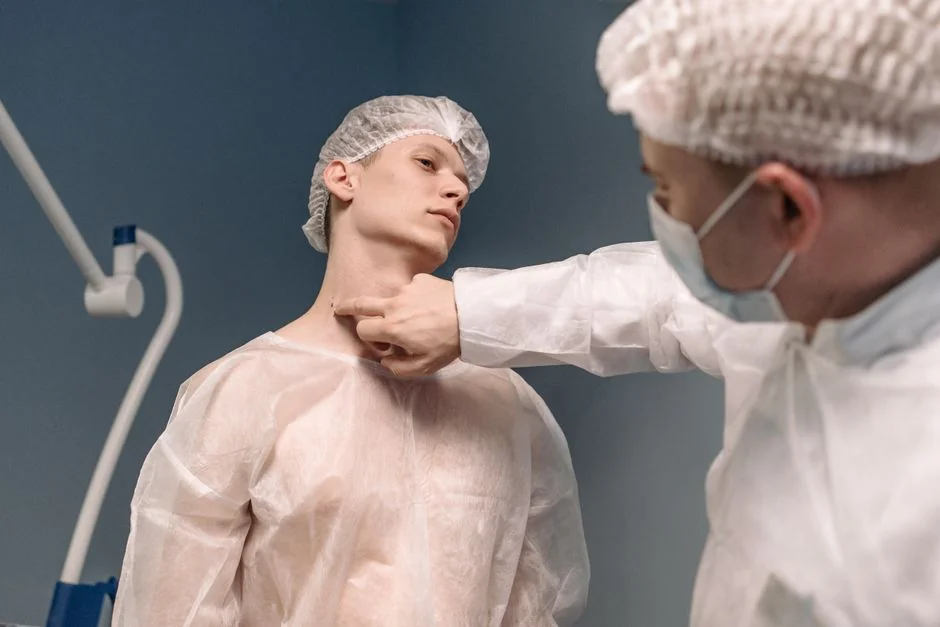
The first in-clinic appointment runs 45 to 60 minutes. We take a detailed history, examine the neck and thyroid, and draw blood. The panel for a Hashimoto’s presentation includes the extended thyroid markers described above plus the nutritional cofactors — selenium, zinc, iron and ferritin, 25(OH)D, B12, and where indicated iodine status — as well as the general nutritional biochemistry (around 60 markers in total). Fasting for at least 10 hours before the draw is required for accurate glucose and lipid results, so morning appointments are preferred. If you are already on levothyroxine, take your usual dose that morning; timing of the dose relative to the blood draw affects free T4 interpretation, and we will note it in your record.
Samples go to our partnered SRL laboratory. Turnaround is 7 to 10 business days. During this window we ask you not to start any new supplements so that the baseline biochemistry we measure is a true baseline.
I personally review every panel. Findings are plotted against both the Japanese reference range and the tighter functional range we use in clinic. A written report in English is prepared, structured in three parts: what the panel shows, the dietary protocol built around it, and the specific supplement recommendations with dose, form, timing and rationale. We meet again for a 30 to 45 minute results consultation to walk through every finding and answer questions. This second appointment is included in the ¥22,000 fee.
Where the panel or clinical picture warrants specialist input — for instance a large goitre, a suspicious nodule, TSH clearly outside range in a patient not yet on levothyroxine, or complex pregnancy planning — we refer you to an appropriate English-speaking endocrinologist in Tokyo and continue to support the nutritional side of the care alongside them.
Frequently asked questions
My TSH is normal. Do I still need thyroid antibodies checked?
If you have symptoms that could reflect thyroid dysfunction — persistent fatigue, weight gain or difficulty losing weight, hair loss particularly from the front of the scalp, cold intolerance, dry skin, brain fog, low mood, menstrual irregularity — the answer is yes. TSH-only testing misses the euthyroid autoimmune phase of Hashimoto’s, which can last for years and produces symptoms while every conventional number stays inside the reference range. Anti-TPO and anti-thyroglobulin antibodies are the tests that identify this phase.
Will taking selenium cure my Hashimoto’s?
No. Selenium supplementation at 200 micrograms daily is the best-studied nutritional intervention in Hashimoto’s and consistently reduces anti-TPO antibody titres by 20 to 40 percent over 6 to 12 months in randomised trials. The effect is real but modest, and the impact on progression to overt hypothyroidism or on hard clinical outcomes is less consistently demonstrated. Selenium is a supportive intervention that dampens the autoimmune process. It is not a cure and it does not eliminate the need for levothyroxine in patients who need it.
Should I go gluten-free?
Every Hashimoto’s patient should be screened for coeliac disease, because the prevalence is elevated in this population and coeliac disease requires strict gluten avoidance regardless of the thyroid question. For non-coeliac patients, the evidence for gluten-free diets in Hashimoto’s is thin. Some patients report meaningful benefit from a strict 8- to 12-week trial with antibody and symptom measurement before and after. Others notice no change. If you want to try, run the trial properly with proper avoidance rather than “mostly gluten-free”, and measure the result.
Is it dangerous to keep eating seaweed if I have Hashimoto’s?
Not dangerous, but worth being aware of the iodine load. Kombu-based dashi in particular delivers substantial iodine, and a diet built around daily kombu, hijiki and seaweed-heavy meals can push intake into the range that has been associated with autoimmune flare in susceptible patients. Moderate seaweed intake is fine; a diet that treats kombu as the daily backbone of stock plus hijiki and nori at most meals is worth reviewing. We do not recommend complete avoidance.
Can I stop levothyroxine if I feel better?
No. Once you have overt hypothyroidism requiring levothyroxine, the underlying gland damage does not reverse, and stopping the medication will produce a return of hypothyroidism, usually within weeks to months. Dose adjustments should always be made in partnership with a prescribing physician on the basis of TSH and free T4 measurements, not on the basis of how you feel on any given day.
My levothyroxine dose is stable but I still feel unwell. What might be wrong?
Several possibilities. First, absorption may be impaired by dosing timing, coffee, food, iron or calcium supplements taken too close to the dose, or by proton-pump inhibitors. Second, the TSH may be in range but at a level (say 3.5 mIU/L) that is not optimal for symptom control. Third, T4-to-T3 conversion may be poor, producing a low free T3 despite a normal TSH and free T4. Fourth, nutritional cofactor deficiencies — selenium, zinc, iron, vitamin D, B12 — may be limiting recovery. All of these are addressable, but the workup needs to be systematic rather than guesswork.
Will Japanese health insurance cover this?
Levothyroxine and standard thyroid function tests are covered under kokumin kenko hoken or shakai hoken when prescribed for an established diagnosis. The extended nutritional workup described here — the antibody-focused early detection panel, the nutritional cofactor markers, the functional-range interpretation and the written dietary and supplement protocol — is classified as jihi shinryo (private-fee care) and is not covered. The ¥22,000 fee is paid at the clinic. Cash, major credit cards and PayPay are accepted.
What if I am planning pregnancy?
Hashimoto’s during pregnancy requires close endocrinology co-management. TSH targets are tighter in pregnancy (ideally below 2.5 mIU/L in the first trimester), levothyroxine dose typically needs to increase by 20 to 30 percent early in pregnancy, and untreated or under-treated hypothyroidism carries meaningful risks for the pregnancy. If you are planning pregnancy, we can run the nutritional workup and coordinate with your obstetrician, but the primary responsibility for thyroid management during pregnancy sits with an endocrinologist familiar with pregnancy care.
Orthomolecular Nutrition Therapy at BIOTOPE Tokyo
¥22,000 (approximately US$150) — a complete personalised programme built around your blood biochemistry.
- Comprehensive blood panel measuring 60+ nutritional and metabolic markers, including extended thyroid panel with anti-TPO and anti-thyroglobulin antibodies
- Interpretation by Dr. Jun Karibe, MD using functional-medicine reference ranges
- Written dietary protocol tailored to your lifestyle in Japan, including iodine and seaweed guidance
- Personalised supplement plan with physician-selected products
- English-language consultation and written report
BIOTOPE Clinic Shirokanedai · 5 minute walk from Shirokanedai Station
References
- Ragusa F, Fallahi P, Elia G, et al. Hashimoto’s thyroiditis: epidemiology, pathogenesis, clinic and therapy. Best Pract Res Clin Endocrinol Metab 2019;33:101367. Link
- Jonklaas J, Bianco AC, Bauer AJ, et al. Guidelines for the Treatment of Hypothyroidism: prepared by the American Thyroid Association Task Force on Thyroid Hormone Replacement. Thyroid 2014;24:1670-1751. Link
- Zava TT, Zava DT. Assessment of Japanese iodine intake based on seaweed consumption in Japan: a literature-based analysis. Thyroid Res 2011;4:14. Link
- Teng W, Shan Z, Teng X, et al. Effect of iodine intake on thyroid diseases in China. N Engl J Med 2006;354:2783-2793. Link
- Gartner R, Gasnier BC, Dietrich JW, et al. Selenium supplementation in patients with autoimmune thyroiditis decreases thyroid peroxidase antibodies concentrations. J Clin Endocrinol Metab 2002;87:1687-1691. Link
- Huwiler VV, Maissen-Abgottspon S, Stanga Z, et al. Selenium supplementation in patients with Hashimoto thyroiditis: a systematic review and meta-analysis of randomised clinical trials. Nutrients 2023. Link
- Kim D. The role of vitamin D in thyroid diseases. Int J Mol Sci 2017;18:1949. Link
- Nishimura A et al. Study of blood tests in Tokyo finds 98% as having vitamin D deficiencies. Japan Today 2023. Link
- Severo JS, Morais JBS, de Freitas TEC, et al. The role of zinc in thyroid hormones metabolism. Int J Vitam Nutr Res 2019;89:80-88. Link
- Krysiak R, Szkrobka W, Okopien B. The effect of gluten-free diet on thyroid autoimmunity in drug-naive women with Hashimoto’s thyroiditis: a pilot study. Exp Clin Endocrinol Diabetes 2019;127:417-422. Link
- Knezevic J, Starchl C, Tmava Berisha A, Amrein K. Thyroid-gut-axis: how does the microbiota influence thyroid function? Nutrients 2020;12:1769; updated review in Front Endocrinol 2024. Link
- Bolk N, Visser TJ, Nijman J, et al. Effects of evening vs morning levothyroxine intake: a randomised double-blind crossover trial. Arch Intern Med 2010;170:1996-2003. Link
- Wiersinga WM, Duntas L, Fadeyev V, Nygaard B, Vanderpump MP. 2012 ETA guidelines: the use of L-T4 + L-T3 in the treatment of hypothyroidism. Updated commentary 2023. Eur Thyroid J. Link
This article is provided for educational purposes and does not constitute individual medical advice. If you are concerned about thyroid symptoms or have been diagnosed with Hashimoto’s thyroiditis, please consult a licensed physician familiar with your medical history. Levothyroxine dose changes should never be made without prescriber input.
Book a Consultation or Treatment
Our English-speaking team responds via LINE or WhatsApp — usually the same day.
Related Articles
- Orthomolecular Nutrition Therapy in Tokyo
- Chronic Fatigue in Tokyo Expats
- Hair Loss in Women in Japan
- Iron Deficiency in Women Living in Japan
SUPERVISED BY
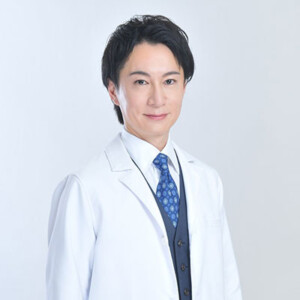
Dr. Jun Karibe
MD
Director
Education & Career
Certifications
Awards
MEDICAL REVIEW