HIFU in Tokyo: Non-Surgical Skin Tightening Explained for English Speakers
If you have noticed that your skin is beginning to lose its firmness—perhaps around the jawline, cheeks, or brow—you are not alone. Many people in their 30s, 40s, and beyond find themselves searching for ways to restore a more lifted and youthful appearance without undergoing surgery.
High-Intensity Focused Ultrasound (HIFU) has become one of the most popular non-surgical skin tightening treatments worldwide, and it continues to attract significant interest among international patients visiting Tokyo.
Whether you are living in Japan, visiting Tokyo, or exploring cosmetic treatments while traveling, this guide explains everything you need to know about HIFU, including how it works, who may benefit from treatment, and what results you can realistically expect.
In this article, you’ll learn:
• What HIFU is and how it tightens skin without surgery
• The science behind collagen stimulation
• What areas can be treated
• The difference between HIFU and other skin-tightening procedures
• Who is a suitable candidate for treatment
What Is HIFU?
HIFU stands for High-Intensity Focused Ultrasound.
It is a non-invasive aesthetic treatment that uses focused ultrasound energy to stimulate collagen production deep beneath the skin’s surface.
Unlike surgical procedures, HIFU requires:
• No incisions
• No stitches
• No general anesthesia
• Minimal downtime
Because of its ability to tighten and lift the skin gradually, HIFU is often described as a non-surgical skin tightening treatment.
The treatment works by delivering ultrasound energy to precise depths beneath the skin, creating controlled thermal stimulation that triggers the body’s natural healing response.
Over time, this process encourages the production of new collagen and elastin, helping the skin appear firmer, tighter, and more youthful.
What Areas Can HIFU Treat?
HIFU is most commonly used on the face and neck.
Popular treatment areas include:
• Forehead and brow area
• Cheeks
• Jawline
• Jowls
• Under the chin
• Neck
• Décolletage (upper chest)
These areas are often affected by gradual collagen loss and skin laxity associated with aging.
For patients experiencing mild to moderate skin sagging, HIFU may help improve facial contours and restore a more defined appearance.
How Does HIFU Work?
To understand HIFU, it helps to understand what happens beneath the skin as we age.
Collagen is the structural protein responsible for skin firmness and elasticity.
Beginning in our twenties, collagen production gradually decreases. As collagen levels decline, the skin becomes less firm and facial tissues may begin to sag.
HIFU addresses this issue by delivering focused ultrasound energy to multiple depths beneath the skin.
The treatment commonly targets:
• 1.5 mm depth
• 3.0 mm depth
• 4.5 mm depth
The deepest layer reaches the SMAS (Superficial Musculoaponeurotic System), which is the same structural layer addressed during a surgical facelift.
At these depths, HIFU creates precise thermal coagulation points.
The body responds by activating its natural wound-healing process, stimulating the production of new collagen and elastin fibers.
As this new collagen matures over time, patients may notice:
• Firmer skin
• Improved jawline definition
• Reduced skin laxity
• A subtle lifting effect
Because collagen remodeling takes time, HIFU results develop gradually rather than immediately.
Why Results Are Not Immediate
One of the most common misconceptions about HIFU is that patients will see dramatic lifting immediately after treatment.
In reality, HIFU works by stimulating your body’s natural collagen-building process.
Although some patients notice a mild tightening effect shortly after treatment, the most significant improvements typically occur over the following months.
Most patients begin noticing visible improvement between:
• 4–8 weeks after treatment
with continued improvement over:
• 2–6 months
This gradual progression is one reason many patients appreciate HIFU. The results tend to appear natural rather than sudden or artificial.
HIFU vs Radiofrequency (RF) Skin Tightening
Both HIFU and radiofrequency (RF) treatments aim to stimulate collagen production, but they work differently.
HIFU uses focused ultrasound energy to reach deeper structural layers beneath the skin.
Radiofrequency treatments use heat generated by electrical energy and generally focus on more superficial skin layers.
In general:
HIFU
• Focuses on lifting and tightening
• Targets deeper tissue layers
• Can improve facial contours
RF-Based Treatments
• Focus on skin texture and tightening
• Improve pore appearance and skin quality
• Often complement HIFU treatments
Popular RF-based treatments include:
• Volnewmer
• Morpheus8
• Potenza
At BIOTOPE CLINIC, treatment recommendations are customized according to each patient’s anatomy, skin condition, and aesthetic goals.
Who Is a Good Candidate for HIFU?
HIFU is often an excellent option for patients who:
• Are experiencing mild to moderate skin laxity
• Notice early signs of facial aging
• Want to avoid surgery
• Prefer minimal downtime
• Seek natural-looking improvement
Many patients in their late 30s through 60s find HIFU particularly beneficial.
It can be especially effective for individuals who notice:
• Softening of the jawline
• Mild jowl formation
• Early cheek sagging
• Loss of facial definition
However, HIFU is not always the best solution for every patient.
Those with severe skin laxity or significant excess skin may achieve better results through surgical procedures.
A consultation with an experienced physician is essential to determine the most appropriate treatment approach.
Expected Results: What HIFU Can and Cannot Do
HIFU is designed to produce gradual, natural-looking improvements in skin firmness and facial contour.
Most patients notice:
• Improved jawline definition
• Firmer cheeks
• Reduced skin laxity
• A more refreshed appearance
Because collagen production takes time, results develop progressively over several months.
Patients often report that friends and family notice they look refreshed or well-rested without being able to identify exactly what has changed.
This subtle and natural improvement is one of the reasons HIFU remains popular among patients seeking non-surgical facial rejuvenation.
However, it is important to understand what HIFU cannot do.
HIFU is not a replacement for a surgical facelift.
Patients with significant skin sagging, heavy jowls, or advanced signs of aging may require alternative treatments to achieve their desired outcome.
A consultation with an experienced physician can help determine whether HIFU is the most appropriate option.
How Long Do HIFU Results Last?
Results from a single HIFU treatment typically last between 12 and 18 months.
However, the aging process continues naturally, meaning collagen loss does not stop after treatment.
Factors that may influence longevity include:
• Age
• Skin quality
• Lifestyle habits
• Sun exposure
• Smoking status
• Overall health
Many patients choose to undergo maintenance treatments approximately once per year to help preserve their results.
HIFU Cost in Tokyo
The cost of HIFU treatment varies depending on:
• Treatment area
• Number of shots delivered
• Degree of skin laxity
• Individual treatment plan
At BIOTOPE CLINIC Shirokanedai, Tokyo, treatment plans are customized according to each patient’s facial anatomy, skin condition, and aesthetic goals.
Because every patient has unique concerns, an in-person consultation is the most effective way to determine the appropriate treatment plan and provide an accurate quotation.
For patients considering HIFU, the consultation process is an important first step in creating a personalized treatment strategy.
Dr. Jun Karibe, MD
Many of our international patients are surprised to learn that HIFU results are not immediate.
Because the treatment stimulates your body’s own collagen production, there is an important delay between the procedure and the visible outcome.
I often encourage patients to take photographs before treatment and again at three and six months. While the changes may appear subtle from week to week, the cumulative improvement can be quite remarkable.
For some patients, combining HIFU with treatments such as Botox, hyaluronic acid fillers, Volnewmer, or Morpheus8 may provide a more comprehensive and balanced facial rejuvenation result.
The most important step is selecting the right treatment based on your anatomy and concerns rather than focusing on a single device or procedure.
— Dr. Jun Karibe, MD
What to Expect Before Your Appointment
Before undergoing HIFU treatment, patients should attend a consultation with a qualified medical professional.
During the consultation, we evaluate:
• Skin quality
• Degree of skin laxity
• Facial anatomy
• Medical history
• Treatment goals
This assessment helps determine whether HIFU is the most suitable treatment option.
Patients are generally advised to arrive with clean skin and avoid aggressive skincare products, such as retinoids and strong exfoliating agents, for several days before treatment.
What Happens During Treatment?
A typical HIFU session begins with cleansing the treatment area.
A conductive ultrasound gel is then applied to the skin.
The practitioner systematically delivers ultrasound energy to the targeted areas using a specialized handpiece.
Patients commonly describe the sensation as:
• Warmth
• Tingling
• Mild prickling
• Brief pulses of heat
The intensity varies depending on the treatment area and individual sensitivity.
A full-face treatment generally takes between 30 and 90 minutes, depending on the treatment plan.
Because no incisions or injections are involved, patients are able to return home immediately after the procedure.
What to Expect After Treatment
One of the major advantages of HIFU is the minimal downtime.
Immediately after treatment, some patients may experience:
• Mild redness
• Temporary swelling
• Slight tenderness
• Tingling sensations
These effects are generally mild and typically resolve within a few hours to several days.
Most patients are able to:
• Return to work
• Attend social events
• Continue normal daily activities
on the same day or the following day.
In our clinical experience at BIOTOPE CLINIC, patients who follow post-treatment recommendations—including sun protection, proper hydration, and a consistent skincare routine—often achieve the highest satisfaction with their long-term results.
A personalized medical-grade skincare program may further support the collagen-building response stimulated by HIFU.
Potential Side Effects
HIFU is generally considered a safe procedure when performed by qualified medical professionals.
Temporary side effects may include:
• Redness
• Swelling
• Tenderness
• Temporary numbness
• Mild bruising
More serious complications are uncommon but should always be discussed during consultation.
Choosing an experienced physician who understands facial anatomy is an important factor in maximizing safety and treatment outcomes.
Who Should Approach HIFU With Caution?
Although HIFU is a safe and effective treatment for many patients, it may not be suitable for everyone.
HIFU should generally be postponed or avoided in patients who have:
• Active skin infections
• Open wounds in the treatment area
• Severe inflammatory skin conditions
• Certain implanted medical devices
• Pregnancy
Patients with severe skin laxity or significant excess skin may not achieve their desired results with HIFU alone.
At BIOTOPE CLINIC, we frequently meet patients who initially request HIFU but later discover that a combination approach or a different treatment may better address their concerns.
Depending on your anatomy and treatment goals, procedures such as Volnewmer, Morpheus8, thread lift, or surgical facial rejuvenation may be more appropriate.
A thorough consultation is essential to determine the most suitable treatment plan.
Common Misconceptions About HIFU
Misconception 1:
“HIFU Provides Immediate Results”
One of the most common misunderstandings about HIFU is the belief that patients will leave the clinic with dramatic lifting immediately after treatment.
In reality, HIFU works by stimulating collagen production.
While some temporary tightening may be visible initially, the most significant improvements typically develop gradually over the following months.
Most patients see optimal results between three and six months after treatment.
Misconception 2:
“HIFU Is the Same as a Facelift”
HIFU is sometimes referred to as a “non-surgical facelift,” but it is important to understand that it cannot replicate the results of a surgical facelift.
While HIFU can improve mild to moderate skin laxity, surgical procedures remain the most effective option for advanced aging changes and significant skin sagging.
Misconception 3:
“One Treatment Works for Everyone”
There is no single treatment that is ideal for every patient.
Facial aging occurs through multiple processes, including:
• Skin laxity
• Volume loss
• Muscle movement
• Changes in skin texture
For this reason, combination treatments often provide the most comprehensive results.
Frequently Asked Questions
Is HIFU painful?
Most patients describe HIFU as mildly uncomfortable rather than painful.
Common sensations include:
• Warmth
• Tingling
• Brief stinging sensations
Discomfort levels vary depending on individual sensitivity and treatment area.
How many HIFU treatments will I need?
Many patients achieve satisfactory results with a single treatment session.
However, some individuals may benefit from additional treatments depending on their age, skin condition, and treatment goals.
Annual maintenance sessions are commonly recommended.
Can HIFU be combined with other treatments?
Yes.
HIFU is frequently combined with:
• Botox
• Hyaluronic acid fillers
• Volnewmer
• Morpheus8
• Thread lift procedures
Combining treatments can address multiple aspects of facial aging simultaneously and often produces more balanced results.
When can I return to work?
Most patients return to work and normal activities immediately after treatment or the following day.
Significant downtime is uncommon.
Is HIFU suitable for international patients visiting Tokyo?
Yes.
Because HIFU requires minimal downtime, it has become a popular treatment among international patients visiting Tokyo who wish to improve skin firmness and facial contours without disrupting their travel plans.
Other Popular Non-Surgical Skin Tightening Treatments
Depending on your skin condition and treatment goals, other non-surgical skin tightening treatments may also be recommended.
Volnewmer
Volnewmer is a radiofrequency-based treatment designed to improve skin laxity while enhancing skin quality and texture.
It is often recommended for patients seeking gradual tightening with minimal downtime.
Morpheus8
Morpheus8 combines radiofrequency energy with microneedling technology.
In addition to skin tightening, it can improve:
• Skin texture
• Enlarged pores
• Acne scars
• Fine lines
Thread Lift
Thread lift procedures use dissolvable medical threads to provide an immediate lifting effect.
For some patients with moderate skin laxity, thread lifts may offer greater lifting than HIFU alone.
During your consultation, our team will help determine whether HIFU, Volnewmer, Morpheus8, thread lift, or a combination approach is most appropriate for your goals.
Summary
HIFU is a well-established non-surgical treatment designed to improve skin firmness and mild to moderate skin laxity through collagen stimulation.
By delivering focused ultrasound energy to deep structural layers beneath the skin, HIFU encourages natural collagen remodeling that gradually produces a firmer, more lifted appearance.
Results typically develop over two to six months and may last approximately 12 to 18 months.
At BIOTOPE CLINIC Shirokanedai, Tokyo, we provide personalized treatment plans designed around each patient’s anatomy, concerns, and aesthetic goals.
If you are considering HIFU in Tokyo, we welcome you to schedule an English consultation with our team.
References
Alam M, White LE, Martin N, et al.
Ultrasound tightening of facial and neck skin: A rater-blinded prospective cohort study.
Journal of the American Academy of Dermatology.
Suh DH, Shin MK, Lee SJ, et al.
Intense focused ultrasound tightening in Asian skin.
Dermatologic Surgery.
Fabi SG.
Microfocused ultrasound with visualization for skin tightening and lifting.
Plastic and Reconstructive Surgery Global Open.
This article is intended for informational purposes only and does not constitute medical advice. Individual treatment recommendations should always be determined through consultation with a qualified physician.
Medically Reviewed By
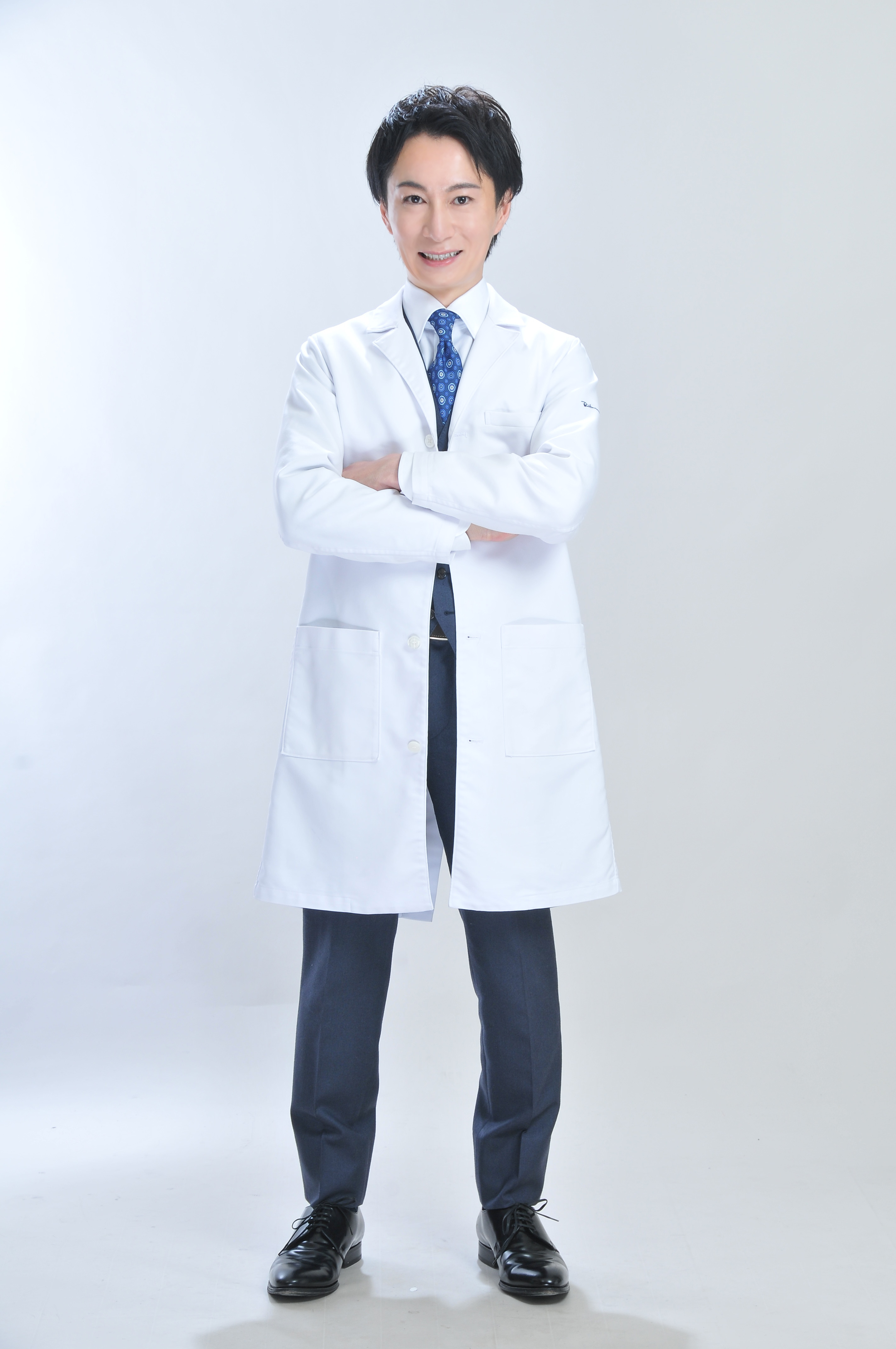
Dr. Jun Karibe, MD
Board-Certified Plastic Surgeon and Director of BIOTOPE CLINIC.
After graduating from Juntendo University School of Medicine, Dr. Karibe joined the Department of Plastic and Reconstructive Surgery at The University of Tokyo Hospital.
He later gained extensive experience in both cosmetic and reconstructive surgery through positions at Saitama Medical Center Department of Plastic and Cosmetic Surgery and Yamanashi University Department of Plastic Surgery.
Dr. Karibe specializes in cosmetic surgery, aesthetic dermatology, anti-aging medicine, nutritional therapy, regenerative medicine, and minimally invasive facial rejuvenation.
English consultations are available for international patients seeking personalized and natural-looking aesthetic treatments in Tokyo.
Follow Dr. Karibe on Instagram for educational content and treatment insights.
24/7 Consultation & Booking
Book a Consultation or Treatment
Our English-speaking team responds via LINE or WhatsApp — usually the same day.