Finding a Skin Clinic in Tokyo as a Foreigner: A Practical Guide for Expats and Visitors
Navigating the Japanese healthcare system can feel daunting, especially when you are new to the country, are visiting for a short time, or simply do not speak Japanese. Whether you need treatment for a persistent skin condition, are considering a cosmetic procedure, or are simply looking for a reliable dermatologist who can communicate with you clearly, finding a skin clinic in Tokyo that caters to English-speaking patients requires a little preparation. This article walks you through everything you should know — from understanding how Japanese dermatology clinics work, to what questions to ask, to what costs to expect — so that your experience is as smooth and informed as possible.
- What types of skin clinics exist in Tokyo and how Japanese dermatology differs from what you may be used to at home
- What to look for when choosing a clinic as a foreigner, including language support and board certification
- Which skin conditions and cosmetic treatments are commonly available — and which may require specialist referrals
- How much you can expect to pay at a private skin or aesthetic clinic in Tokyo
- Practical steps for booking, preparing, and making the most of your appointment
How Japanese Skin Clinics Are Structured
In Japan, the term “skin clinic” (皮膚科クリニック, hifuka kurinikku) generally refers to a dermatology outpatient clinic — a privately run practice staffed by board-certified dermatologists or, in some cases, plastic surgeons with a dermatology focus. These are separate from large hospital dermatology departments, which tend to handle more complex or hospitalised cases.
There is an important distinction between insurance-covered dermatology and cosmetic/aesthetic dermatology. Conditions such as eczema, urticaria (hives), fungal infections, and viral skin conditions like herpes or warts are typically covered under Japan’s national health insurance (健康保険, kenko hoken). Cosmetic treatments — laser, HIFU, fillers, and similar procedures — are almost always self-pay (自由診療, jiyu shinsryo) and are priced accordingly.
Some clinics focus exclusively on one side or the other; others offer both under the same roof. If you require treatment for a medical skin condition and are interested in cosmetic treatments, a clinic that handles both can save you significant time and simplify your care.
Board Certification: Why It Matters
In Japan, any licensed medical doctor (M.D.) may technically perform cosmetic procedures, regardless of their speciality training. This means the quality of cosmetic care can vary considerably between clinics. When searching for a skin or aesthetic clinic in Tokyo, look for a physician who holds board certification from the Japan Society of Plastic and Reconstructive Surgery (日本形成外科学会) or the Japanese Dermatological Association (日本皮膚科学会). These credentials indicate that the doctor has completed a formal postgraduate training programme in their field.
What to Look for in a Skin Clinic as a Foreigner
English-Language Communication
This is, understandably, the top priority for most overseas patients. A clinic that offers consultations in English — or that has dedicated English-speaking staff — makes it far easier to describe your symptoms accurately, understand your diagnosis, and give proper informed consent for any procedure. Do not rely solely on translation apps for medical consultations; nuance matters, particularly when discussing allergies, medications, or potential side effects.
Before booking, check the clinic’s website for an English-language page, or send a brief enquiry email in English to gauge their responsiveness. Many reputable clinics in central Tokyo — particularly those in areas with high expat populations such as Azabu, Hiroo, Kojimachi, and Shibuya — do offer English-language support.
Transparency About Pricing
Cosmetic treatments in Japan are unregulated in terms of pricing, so costs can differ significantly between clinics even for identical procedures. A trustworthy clinic will provide a clear written price list and will not pressure you into packages or upsells during your consultation. In Japan, it is standard practice for clinics to display their price list (料金表) either on their website or at the reception desk — if this information is difficult to find, treat that as a caution signal.
Cleanliness, Equipment, and Safety Protocols
Japan’s medical hygiene standards are generally very high, but it is still worth noting whether the clinic uses single-use needles, sterile packaging for injectables, and proper skin preparation protocols before any laser or injection treatment. Do not hesitate to ask about the brand and origin of injectables — premium Botox brands such as Allergan (BOTOX®) and leading hyaluronic acid fillers from established manufacturers offer well-documented safety and efficacy profiles.
Common Skin Treatments Available at Tokyo Clinics
Medical Dermatology (Insurance-Covered)
For conditions such as atopic dermatitis, contact dermatitis, urticaria, acne, fungal infections, and viral skin conditions, treatment at a Japanese dermatology clinic under national health insurance is typically very affordable — often just a few hundred to a couple of thousand yen per visit after the insurance contribution. Common treatments include topical steroids, antihistamines, antifungals, antibiotics, antivirals, immunosuppressants, and narrowband UVB phototherapy for conditions like psoriasis or vitiligo.
Foreigners living in Japan who are enrolled in national health insurance are entitled to the same insurance-covered care as Japanese nationals. Short-term tourists or visitors without Japanese insurance will generally pay the full (uninsured) rate, which, for straightforward conditions, is still relatively modest by international standards.
Cosmetic Dermatology and Aesthetic Treatments
Tokyo’s aesthetic clinic market is extensive and highly competitive, offering a wide range of energy-based devices and injectable treatments. The table below summarises some of the most frequently requested cosmetic skin treatments and their approximate price ranges at a private clinic in Tokyo.
| Treatment | Primary Concern Addressed | Approx. Price Range (Tokyo) | Typical Downtime |
|---|---|---|---|
| HIFU (skin lifting & tightening) | Facial sagging, jowls, skin laxity | ¥25,000–¥110,000 | Minimal (0–2 days) |
| Botox injection (Allergan) | Dynamic wrinkles, jaw slimming, hyperhidrosis | ¥22,000–¥148,000 | None–1 day |
| Hyaluronic acid filler | Volume loss, lip augmentation, tear troughs | ¥66,000–¥88,000 per syringe | 1–3 days (swelling) |
| PicoWay / Pico laser | Pigmentation, melasma, spot removal | ¥11,000–¥98,000 | 2–5 days |
| CO2 fractional laser | Acne scars, enlarged pores, skin texture | ¥11,000–¥66,000 | 5–10 days |
| RF microneedling (POTENZA) | Skin tightening, acne scars, pore size | ¥35,000–¥49,800 | 2–5 days |
| Dermapen (microneedling) | Skin texture, fine lines, pigmentation | ¥9,800–¥220,000 | 2–4 days |
Prices shown are approximate ranges for the Tokyo market. Final pricing depends on the area treated, dose used, and the specific device or product. Always confirm costs at your consultation.
Dr. Karibe’s Note
Many of our international patients are surprised to find that Japanese aesthetic clinics use the same internationally recognised devices and injectables — Allergan Botox, leading pico lasers, HIFU platforms — that they would encounter at top clinics in New York, London, or Sydney. What sometimes differs is the treatment philosophy: Japanese aesthetic medicine tends to favour a more conservative, natural-looking result, with incremental adjustments over time rather than dramatic single-session changes. If you have had treatments abroad and want to continue them in Tokyo, do bring any records or photographs from your previous provider — they are enormously helpful for planning your care here.
What People Often Get Wrong About Skin Clinics in Tokyo
Misconception 1: “You Must Speak Japanese to Be Seen”
This is perhaps the most common deterrent for expats, and it is not accurate across the board. While many small neighbourhood dermatology clinics operate exclusively in Japanese, a growing number of clinics in central Tokyo — particularly those in international business districts — actively serve English-speaking patients and have staff or doctors who communicate comfortably in English. Doing a brief online search for “skin clinic Tokyo English” or checking expat community forums (such as the Tokyo chapter of InterNations or local Facebook groups) will quickly surface well-regarded options.
Misconception 2: “Cosmetic Treatments in Japan Are Cheaper Than Back Home”
This depends heavily on where “back home” is. Compared to the United States or Australia, cosmetic treatment prices at reputable Tokyo clinics are broadly comparable — sometimes slightly lower for injectables, sometimes similar or higher for surgical procedures. Prices at budget clinic chains may appear lower, but it is important to consider the experience level of the treating physician and the quality of the products used. A consultation fee in Tokyo is typically very modest — at Kojimachi Dermatology & Plastic Surgery Clinic, for instance, the initial consultation fee is ¥3,300 — making it easy to get a personalised cost estimate before committing to any treatment.
Understanding Costs: What to Budget
Cosmetic and aesthetic treatments in Japan are all self-pay, and prices vary by clinic, location, product brand, and the complexity of treatment. Below are some realistic reference points based on the Tokyo private clinic market.
- Initial consultation: typically ¥3,000–¥5,500 at most reputable clinics
- Botox (premium Allergan brand): approximately ¥22,000–¥148,000 depending on the number of areas and dose used
- Hyaluronic acid filler: approximately ¥66,000–¥88,000 per syringe
- HIFU facial lifting: approximately ¥25,000–¥110,000 per session
- Pico laser (pigmentation, spots): approximately ¥11,000–¥98,000 per session
- CO2 fractional laser: approximately ¥11,000–¥66,000 per session
Surgical procedures involve additional costs: pre-operative blood work (approximately ¥11,000) and anaesthesia fees (¥2,200–¥77,000 depending on the procedure) are charged separately from the surgical fee itself. For an accurate, personalised quote, a face-to-face consultation is the most reliable route. For an accurate quote, we recommend booking a consultation.
Practical Steps: How to Book and Prepare
Step 1: Research and Shortlist
Use a combination of Google searches (try “English dermatologist Tokyo” or “skin clinic Ichigaya foreigners”), expat community forums, and clinic websites to identify two or three clinics that appear to match your needs. Check that the treating physician’s credentials are clearly displayed and that the clinic has a visible price list for cosmetic treatments.
Step 2: Contact the Clinic in Advance
Send a brief email or use the clinic’s online booking form. Mention that you are an English-speaking patient and describe your main concern in a sentence or two. This gives the clinic time to prepare and confirms, before you travel, that English-language support is available on the day of your appointment.
Step 3: Prepare for Your Consultation
Bring a list of any current medications, supplements, or known allergies. If you have had previous skin treatments — whether medical (e.g. prescriptions for eczema) or cosmetic (e.g. laser or filler) — note the approximate dates, products used, and your results. Photographs can be especially useful if you are seeking treatment for acne scars, pigmentation, or a progressive skin condition. If you have travel insurance with medical cover, check whether cosmetic consultations or treatments are included.
Step 4: Ask the Right Questions
During your consultation, do not hesitate to ask about the treating doctor’s qualifications, the specific brand and origin of any injectable product being proposed, the expected number of sessions, possible side effects, and what to do in the event of a complication. A reputable clinic will welcome these questions and answer them clearly.
In our clinical experience at Kojimachi Dermatology & Plastic Surgery Clinic, international patients who arrive having done some background research — even just reading a few articles in English about the treatment they are considering — tend to have more productive consultations and feel more confident in their decisions. Preparation really does make a difference.
Clinical research supports the value of patient education before aesthetic procedures. A review published in Dermatologic Surgery found that patients who received detailed pre-treatment counselling reported significantly higher satisfaction scores and lower rates of unrealistic expectation-related dissatisfaction, underscoring that informed consent and education are integral to good outcomes in cosmetic dermatology.
What Treatments Are Available at Kojimachi Dermatology & Plastic Surgery Clinic
Located a short walk from Ichigaya, Kojimachi, Hanzomon, and Nagatacho stations, Kojimachi Dermatology & Plastic Surgery Clinic offers both insurance-covered medical dermatology and a broad menu of cosmetic treatments under the direction of Dr. Jun Karibe, a board-certified plastic surgeon certified by the Japan Society of Plastic and Reconstructive Surgery.
On the medical side, the clinic provides treatment for common dermatological conditions including eczema, urticaria, fungal skin infections, acne, and viral skin conditions, with therapies including topical steroids, antihistamines, antivirals, antifungals, and narrowband UVB phototherapy for inflammatory skin conditions. On the cosmetic side, the clinic offers HIFU, Botox, hyaluronic acid filler, pico laser treatments for pigmentation, CO2 fractional laser for acne scars and enlarged pores, and RF microneedling with the POTENZA platform, among others. Surgical procedures including mole removal, double eyelid surgery, and transconjunctival blepharoplasty (under-eye fat removal and revision) are also performed by Dr. Karibe.
A 2021 systematic review published in Aesthetic Surgery Journal noted that combination treatment approaches — pairing energy-based devices with injectables, for example — were associated with greater patient-reported improvement in facial ageing concerns than single-modality treatment alone, with favourable safety profiles when performed by trained practitioners. This supports the value of consulting with a physician who can assess the full picture of your skin concerns and recommend a coordinated plan rather than isolated treatments.
At our clinic in Ichigaya, Tokyo, we frequently see patients who have arrived in Japan unsure of whether their skin concern falls under “medical” or “cosmetic” dermatology — and the honest answer is that many conditions sit somewhere in between. Acne, for instance, may be treated with prescription medications under insurance, but residual scarring is a cosmetic concern addressed with laser or RF microneedling. A consultation with a physician who handles both gives you a complete picture. This is a service available at our Ichigaya clinic — feel free to ask about it during your consultation.
Frequently Asked Questions
- Q. Do I need to speak Japanese to visit a skin clinic in Tokyo?
- Not necessarily. A number of clinics in central Tokyo, including Kojimachi Dermatology & Plastic Surgery Clinic, offer consultations in English and have English-language materials available. It is advisable to confirm English support when booking, as availability varies by clinic. Sending a brief email enquiry in English before your visit is the most reliable way to check.
- Q. Can I use Japanese national health insurance for cosmetic skin treatments?
- No. National health insurance in Japan covers medically necessary dermatological care — such as treatment for eczema, acne, fungal infections, and similar conditions — but cosmetic procedures (laser treatments, fillers, Botox, HIFU, and so on) are entirely self-pay. If you are enrolled in Japanese national health insurance, you are still responsible for the full cost of any cosmetic treatment.
- Q. Is it safe to have cosmetic procedures done in Tokyo as a short-term visitor or tourist?
- Many treatments are well-suited to visitors: injectable treatments such as Botox and most laser sessions have minimal downtime and no absolute bar to travel within a few days. However, surgical procedures and more aggressive resurfacing treatments require a recovery period and follow-up care, so these are generally more appropriate for residents or medical tourists with sufficient time in Tokyo. Always discuss your travel plans and timeline with the treating physician at your consultation so a safe and appropriate plan can be made.
Summary
Finding a reliable skin clinic in Tokyo as a foreigner is very much achievable with the right preparation. The key steps are to identify a clinic with English-speaking staff or a physician who communicates in English, to verify the treating doctor’s board credentials, to obtain clear pricing information before committing to any procedure, and to arrive at your consultation with a brief summary of your skin history and goals.
Tokyo offers a high standard of both medical dermatology and cosmetic skin care, with access to internationally recognised devices, injectable brands, and surgical techniques. Whether you are managing a chronic skin condition while living in Japan, seeking a cosmetic treatment during an extended stay, or exploring medical tourism options, the city’s clinic landscape is well-equipped to meet your needs — provided you know what to look for.
If you have any questions about finding a skin clinic in Tokyo as a foreigner, or would like to learn more about the treatments available, our team at Kojimachi Dermatology & Plastic Surgery Clinic in Ichigaya, Tokyo would be happy to help. We offer consultations in English.
References
- Dayan SH, et al. Combination treatment in aesthetic medicine: a review of patient satisfaction and outcomes with injectables and energy-based devices. Aesthetic Surgery Journal. PubMed Search
- Alam M, et al. Patient satisfaction and informed consent in cosmetic dermatology procedures. Dermatologic Surgery. PubMed Search
- Humphrey S, et al. Neurotoxins: current concepts in cosmetic use on the face and neck — upper face. Plastic and Reconstructive Surgery. PubMed
- Fabbrocini G, et al. Acne scars: pathogenesis, classification and treatment options. Dermatology Research and Practice. PubMed
- Wat H, et al. Application of intense pulsed light in the treatment of dermatologic disease: a systematic review. Dermatologic Surgery. PubMed
24/7 Consultation & Booking
Book a Consultation or Treatment
Our English-speaking team responds via LINE or WhatsApp — usually the same day.
SUPERVISED BY
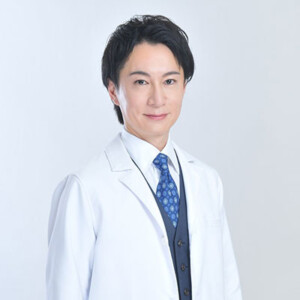
Dr. Jun Karibe
MD
Director
Education & Career
Certifications
Awards
This article is for general informational purposes only and does not constitute medical advice or a diagnosis. Please consult a qualified physician for any health concerns.
MEDICAL REVIEW