By Dr. Jun Karibe, MD — BIOTOPE Clinic Shirokanedai, Tokyo · Reviewed August 2026
Somewhere between the first week of your Tokyo life and the day you leave, you will eat a konbini meal. Then another. Then a run of five in a row because a project blew up, the last train was skipped, and there is a 7-Eleven glowing thirty seconds from your door at 11:47 pm. Every expat I see in clinic has a konbini phase. Most of them are quietly worried it is wrecking their health. Some of them are eating better at the konbini than they ever did at home. The difference between the two groups is not willpower. It is which shelves they walk to.
This is a physician’s honest guide to eating well at 7-Eleven, Lawson and Family Mart. It is written for people who have neither the time nor the emotional appetite to cook every night, who work long days at Otemachi or Shibuya, who are training for a marathon and cannot afford to run empty, and who are quietly aware that their bloods are not going to look great if this continues.
It will not tell you to stop eating konbini food. It will tell you how to walk in, spend seven minutes, and walk out with a meal that actually supports the nutritional targets we build for patients in our nutrition programme.
Why the konbini question actually matters
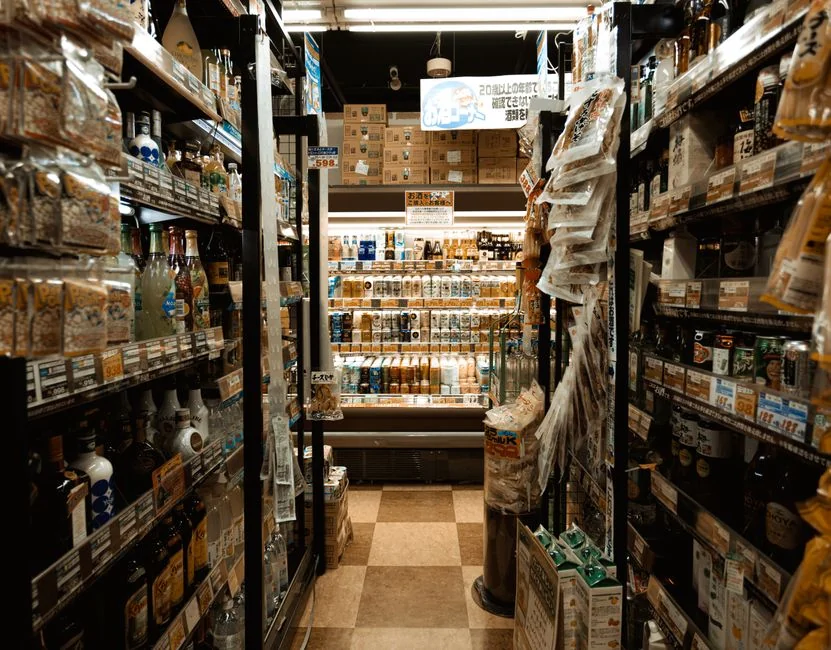
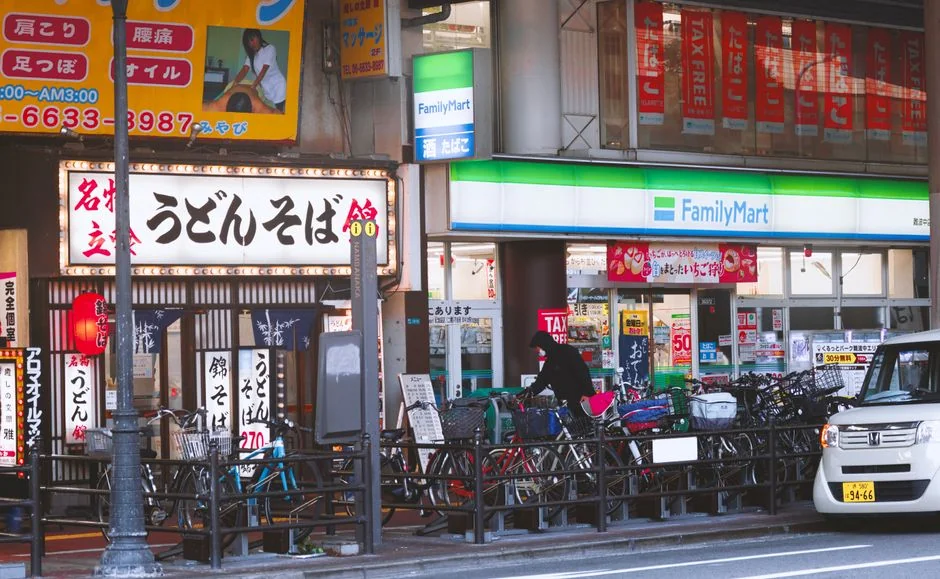
Convenience stores are the largest single food channel in urban Japan. There are roughly 56,000 across the country and around 7,000 in the Greater Tokyo area alone. For a knowledge worker living inside the Yamanote line, the konbini is often the closest food source at every meal window. The question is not whether you will eat there. The question is what happens when you do.
The clinical concern is ultra-processed food (UPF). A large 2024 umbrella review in the BMJ synthesised 45 pooled meta-analyses covering nearly 10 million participants and found convincing associations between higher ultra-processed food intake and cardiovascular mortality, common mental disorders, and type 2 diabetes, with additional highly suggestive associations for adverse cardiometabolic and respiratory outcomes.[1]
Konbini shelves are a mixed bag on the UPF spectrum — some items are essentially whole foods (a plain boiled egg, a piece of grilled fish, a bag of edamame), while others are among the most processed products in the food system (sweet breads, cream-filled pastries, flavoured milk drinks).
The good news is that you can walk through the same store and end up with either a highly processed sugar-and-refined-carbohydrate lunch or a genuinely respectable protein-and-vegetable meal. The rest of this article is a map for the second walk.
The three konbini chains, ranked for nutritional depth
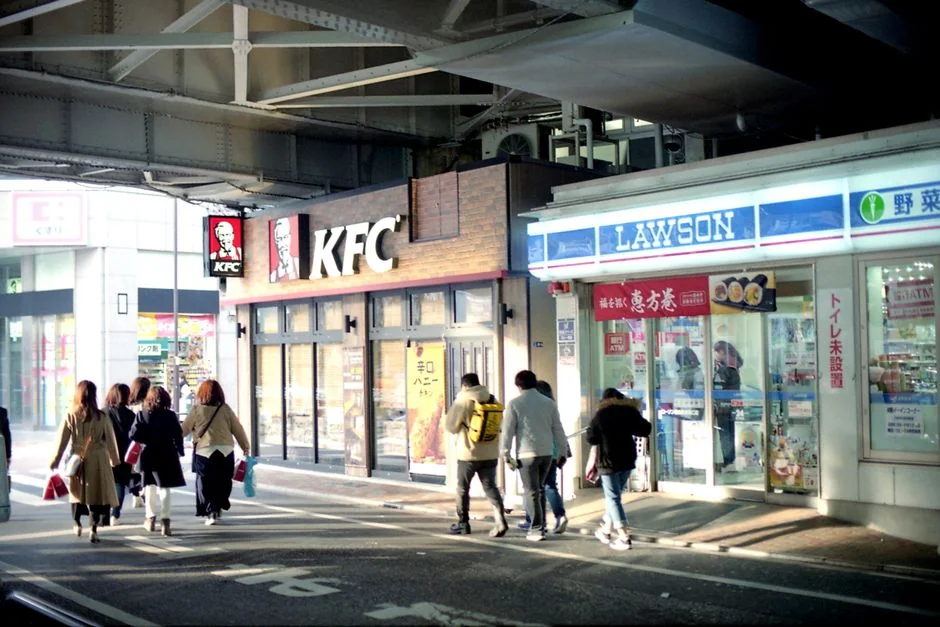
Each chain has its own quirks. In our patient conversations these are the practical distinctions worth knowing.
7-Eleven
Widest reach, most consistent stocking, strongest own-brand fresh food line (Seven Premium). Their salada chicken (sarada chikin) is the reference product other chains copy. Onigiri quality is high. The chilled sabajiru (mackerel and miso soup) and kimchi products are reliable protein-and-fibre grabs. Their salads have improved significantly over the past two years and now include options with actual protein density rather than lettuce and dressing.
Lawson (Natural Lawson especially)
The chain that has invested most visibly in health-oriented positioning. Their bran bread (buran no pan) is a genuine low-carbohydrate option. Their “Natural Lawson” branded stores in central Tokyo carry a wider range of protein-forward and lower-sugar items, including tofu bars, high-protein yoghurts and unsweetened nut mixes. Standard Lawson stores stock a good portion of these products too. Their chilled soup range is one of the best in the sector.
Family Mart
Strong on grilled fish (yakizakana), edamame packs and their “Famichiki” fried chicken, which is popular but is a fried processed product and does not belong in a nutritional protocol. Their onigiri and salad selection is competent. Their protein-oriented items have improved but the healthiest range is narrower than 7-Eleven or Lawson.
Bottom line
All three chains have enough good options to build a full day of nutritionally respectable meals. If you happen to have a choice, Natural Lawson slightly edges the others on health-forward stocking, and 7-Eleven has the deepest and most consistent everyday range.
Protein at the konbini: the actual good choices
Protein is the nutrient most consistently under-hit by expats living on konbini food. The reflex reach is a sandwich, a rice ball, a pasta salad — all carbohydrate-forward. The building blocks for a proper meal are one shelf over.
| Item | Protein per pack | Notes |
|---|---|---|
| Salada chicken (plain) | 24 to 27 g | Reference product. Avoid flavoured versions with added sugar. |
| Sabajiru (mackerel miso soup) | 14 to 18 g | Excellent omega-3 source. Sodium is high. |
| Boiled egg (ajitama or plain) | 6 to 7 g each | Cheap, portable, includes choline and B12. |
| Grilled salmon (yakizake) | 18 to 22 g | Vitamin D, omega-3, protein. Best konbini fish choice. |
| Grilled mackerel (yakisaba) | 20 to 24 g | Higher omega-3 than salmon. Salt-cured versions are very high in sodium. |
| Tofu bar (Asahi Natto Riki or equivalent) | 10 to 15 g | Portable plant protein. Read labels for added sugar in flavoured versions. |
| Natto pack | 7 to 8 g | Fermented soy, vitamin K2, fibre. Excellent daily addition. |
| Edamame (frozen or chilled) | 9 to 12 g per 100 g | Snack-friendly, adds fibre and magnesium. |
| Greek-style yoghurt (unsweetened) | 10 to 15 g | Choose plain. Fruit-flavoured versions carry 15 to 25 g added sugar. |
| Protein drink (Zavas or brand equivalent) | 15 to 20 g | Milk-based. Useful post-training. Check sugar content on flavoured lines. |
| Salada chicken bar (stick format) | 10 to 11 g | Convenient snack size. Cheaper per gram of protein than the drink. |
A rough target for most adults is 25 to 40 g of protein per main meal, and 15 to 25 g at a snack window. On a typical konbini stop, a salada chicken plus one boiled egg puts you at 30 to 34 g of protein for under ¥400 — that combination alone solves most of what goes wrong with a hasty lunch.
What not to reach for as your “protein”
The tuna-mayo onigiri contains roughly 5 g of protein. The egg sandwich, roughly 8 to 10 g. The pasta salad, 5 to 8 g. These items are not bad, but they are not protein sources — they are carbohydrate items with a little protein attached. If you build a lunch around them, you will be under-protein by half.
The hidden sugar and sodium traps

This is where konbini nutrition goes sideways for most patients. The following are the biggest offenders I discuss in nutritional consultations.
The “healthy” salad
The salad itself is fine — lettuce, cabbage, corn, ham, egg. The problem is the sachet of Caesar or Japanese-style sesame dressing, which typically carries 8 to 14 g of fat, 3 to 6 g of sugar and 400 to 600 mg of sodium in a small packet. Use half. Or swap for a squeeze of lemon and a splash of olive oil from a small bottle if you keep one at your desk.
The sandwich
Konbini sandwiches use soft, sweetened white bread. Every commercial slice of Japanese shokupan carries added sugar and often milk solids. A ham-and-egg sandwich looks like protein-and-fat until you notice the bread has more sugar than a small biscuit. If you must have a sandwich, choose the ones marked with a whole-grain seal (zenryu funshoku) or Lawson’s bran bread line.
Sweet coffee drinks
The chilled coffee case is dominated by lightly sweetened milk-coffee drinks (café latte, café au lait) that carry 6 to 15 g of sugar per 240 mL bottle. If you are drinking two of these a day, that is a plausible 20 to 30 g of sugar you did not notice. Choose black coffee or unsweetened cold brew. If you want something creamier, add a splash of unsweetened milk from a small carton.
Yakisoba and yakiudon bento
Salty, oily, high in refined carbohydrate, low in protein and vegetables. Occasional is fine. As a default it is closer to a snack than a meal.
Onigiri lineup
Onigiri is not inherently unhealthy — a plain umeboshi or salmon-and-rice onigiri is a reasonable carbohydrate item. The problem is the sodium load in some varieties (mentaiko, sujiko, tarako) and the seaweed-and-butter or mayo-cream fillings that push a rice ball into snack-food territory.
The “café” desserts
The premium konbini pudding, roll cake and coffee jelly product lines are excellent desserts. They are also, without exception, high-sugar and highly processed. Treat them as an occasional pleasure, not a background carbohydrate you take with every lunch.
Instant miso soup packets
Miso soup itself is a good habit. The powder-and-freeze-dried instant packets are often over 1,000 mg of sodium in a single serve. If you are having two a day, that is a meaningful sodium load — and current cardiovascular guidance from the WHO reinforced in 2023 recommends staying under 2,000 mg of sodium per day for adults.[2]
Nutrient audits: iron, omega-3, fibre, calcium
Beyond calories and macros, the specific micronutrients most likely to fall short on a konbini diet are the ones we most often see depleted on the panels we run at our clinic. Here is how to shore them up.
Iron
Iron from konbini food is limited. The best options are grilled fish (particularly maguro or katsuo sashimi packs), egg yolks, natto and edamame. Vegetables like spinach and komatsuna appear in some chilled side dishes and salads.
Vitamin C from an unsweetened orange or a small mikan improves non-heme iron absorption if taken with the meal. Women of reproductive age in particular struggle to meet iron demand from konbini food alone — this is one of the most common findings on our nutrition panels.
Omega-3
Konbini is genuinely good at this. Sabajiru, yakizake, yakisaba, tuna sashimi packs and salmon-onigiri are all workable omega-3 sources. Two to three servings of oily fish per week from the konbini roster is a realistic and effective way to keep EPA and DHA intake up. This matters — a 2024 large prospective cohort study reported meaningful reductions in cardiovascular mortality with higher marine omega-3 intake, consistent with the last decade of literature.[3]
Fibre
The Japanese adult fibre target sits around 21 g per day for women and 25 g for men. Most konbini diets fall well short. Actionable additions:
| Konbini item | Fibre per serving | Notes |
|---|---|---|
| Natto pack | 3 g | Plus vitamin K2 and fermented food benefit. |
| Lawson bran bread (per roll) | 4 to 6 g | Best low-carbohydrate bread option in the sector. |
| Edamame pack (100 g) | 5 g | Portable, freezer-stable, minimal preparation. |
| Hijiki or kinpira gobo side dish | 3 to 4 g | Small chilled deli containers, often overlooked. |
| Cut vegetables (yasai stick) pack | 3 to 5 g | Carrot, cucumber, celery with miso dip. |
| Barley rice onigiri (mugi mesh) | 2 to 3 g | More fibre than white rice onigiri. |
| Chilled seaweed salad (wakame or mekabu) | 2 to 3 g | Also contributes iodine. |
| Fruit (apple, banana, kiwi cup) | 2 to 4 g | Fresh produce section, often expensive but real. |
Calcium
Small fish (jako, chirimen), tofu, natto and low-sugar yoghurts contribute. Konbini milk is fortified with calcium in some SKUs but not consistently. Sesame-dressed vegetable dishes contribute small amounts. A patient hitting three of these items a day will approximate the target.
Practical meal templates
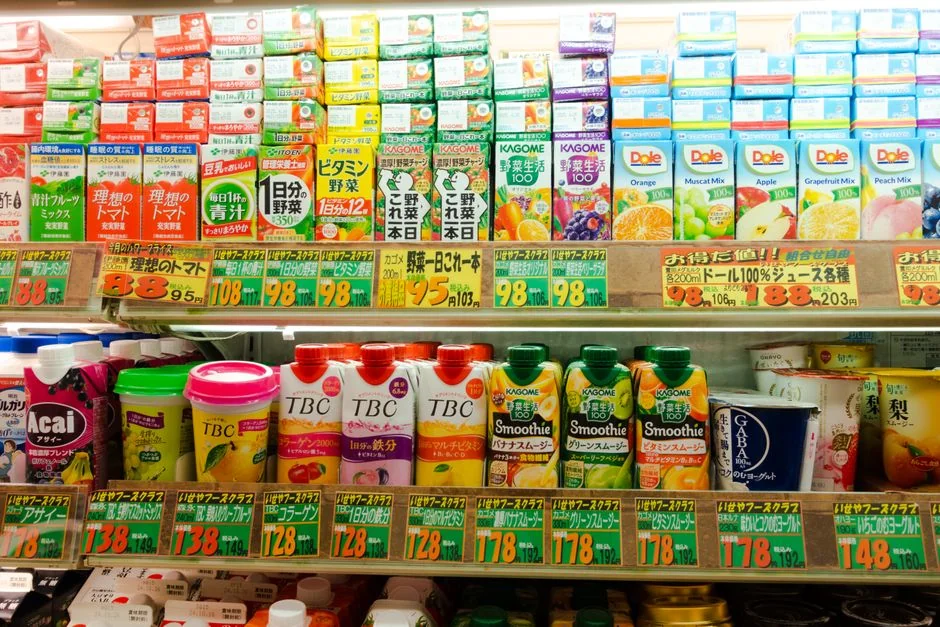
These are the templates I hand patients who ask me directly — “if I have to eat at the konbini, what do I actually buy?” Each meal is designed to hit around 25 to 40 g protein, adequate fibre and micronutrient density, and to avoid the biggest sugar and sodium traps.
Breakfast (approximately ¥600 to ¥800)
- Plain Greek-style yoghurt (unsweetened)
- Small handful of raw almonds or mixed nuts
- Boiled egg
- Banana or small pack of blueberries
- Black coffee or green tea
Nutritional read: 25 to 30 g protein, high fibre, healthy fats, no added sugar. Steady energy through the morning without a mid-morning crash.
Alternative breakfast (Japanese-forward)
- Barley-mix onigiri with grilled salmon
- Natto pack
- Miso soup (freshly prepared type, not high-sodium instant)
- Green tea
Nutritional read: 20 to 25 g protein, omega-3, fermented food, adequate fibre. A traditional profile without the sodium and sugar spikes of the sandwich or sweet bread route.
Lunch (approximately ¥800 to ¥1,000)
- Salada chicken (plain)
- Green salad — use half the dressing sachet
- Boiled egg or small tofu bar
- Small edamame pack
- Water or unsweetened tea
Nutritional read: 35 to 45 g protein, high vegetable content, controlled sodium and sugar, no refined carbohydrate slump in the afternoon.
Alternative lunch (fish-forward)
- Grilled salmon or mackerel bento (choose the version without a fried side)
- Small barley-rice onigiri (skip the second one)
- Chilled hijiki or seaweed side
- Miso soup (proper, not instant)
Nutritional read: Around 30 g protein, strong omega-3, vitamin D, iodine, fibre from the seaweed. This meal genuinely supports the same nutritional targets we build for consultation patients.
Dinner (approximately ¥1,000 to ¥1,300)
- Grilled fish (salmon, mackerel or aji) — the yakizakana section
- Chilled tofu or agedashi tofu
- Natto with a splash of soy sauce
- Cut vegetable pack with miso or salted sesame dip
- Small serve of miso soup
Nutritional read: 35 to 45 g protein, robust omega-3 and vitamin D, high plant density, low refined carbohydrate. A dinner in this range supports overnight muscle recovery and avoids the late-evening blood sugar spikes that disturb sleep architecture.
Post-training snack window
- Salada chicken bar or protein drink
- Small onigiri with plain rice
- Water plus a pinch of salt if training was long
Nutritional read: 20 to 25 g protein plus enough carbohydrate to replenish glycogen. Useful for athletes running through the last-train hours and eating dinner late.
Meal timing at the konbini: an under-discussed variable
Nutritional research over the past three years has increasingly emphasised meal timing as an independent variable, separate from what you eat. A 2024 systematic review of chrono-nutrition in adults reported that consistent circadian meal patterns — earlier last meal, longer overnight fast — are associated with improvements in body composition and cardiometabolic markers even when total intake is held constant.[4] A 2023 clinical trial published in Nature Communications demonstrated that shifting caloric intake toward earlier in the day improved insulin sensitivity in overweight adults without changing food composition.[5]
The practical konbini corollary is that the same salada chicken and rice ball is a better meal at 12:30 pm than at 11:15 pm. If you are eating late because of work or training, prioritise the higher-protein and lower-carbohydrate options at the konbini and shift the more carbohydrate-dense choices earlier in the day.
Alcohol at the konbini
Konbini beer and chuhai are convenient, cheap, and often accompanied by salty snack items. Two practical clinical notes.
First, chuhai and highball products vary enormously in sugar content. A “dry” or “kaoru” line will carry near-zero sugar; a “sweet lemon” or “grapefruit” variant can carry 15 to 25 g of sugar in a 350 mL can. Read the label. If you are having two or three cans on a weekday evening, this is a meaningful daily sugar load.
Second, alcohol interferes with sleep architecture even at moderate intakes. Recent 2024 sleep-medicine literature continues to document reduced REM sleep and increased overnight awakenings with pre-sleep alcohol, and the effect scales with dose.[6] For patients on our sleep-support protocols we generally recommend keeping alcohol away from the two-hour window before bed.
When the konbini diet is not the problem
An important clinical note. Some of our patients cut all konbini food out of their lives for a month, expecting energy and mood to lift, and it does not. The reason is that the konbini food was not the primary driver of their symptoms. Iron deficiency, sub-clinical hypothyroidism, unresolved postpartum depletion, low vitamin D, and hormonal shifts around perimenopause all present as “food is not working for me any more” and will not resolve by changing supermarket loyalty. In our practice, a comprehensive nutritional panel usually finds the actual driver quickly.
If your bloods keep coming back “normal” from a company kenshin and yet you are still exhausted despite doing everything right at the konbini and beyond, the panel is not looking at the right markers. That is the specific gap the orthomolecular nutrition consultation is designed to fill.
The five konbini habits worth keeping
To summarise the practical guidance in a form you can actually use tomorrow:
- Start every konbini stop at the protein shelf. Salada chicken, grilled fish, boiled eggs, tofu, natto. Whatever else you buy, one of these is going in the basket first.
- Add one vegetable-forward item. Edamame, cut vegetable pack, hijiki side, seaweed salad. This is where the fibre and micronutrients come from.
- Read the drink label. The most common quiet source of added sugar in an expat diet is the daily café latte, sweetened tea or flavoured milk drink. Black coffee, unsweetened tea and mineral water are always available.
- Use half the dressing sachet. Cuts sodium, sugar and industrial oil intake without any change to the food itself. If you use olive oil at your desk, dress with lemon.
- Save the sweet items for a defined occasion. The premium konbini pudding is a reasonable occasional treat, not a default carbohydrate at every lunch.
Frequently asked questions
Is Japanese konbini food healthier than American convenience-store food?
On average, yes — the range of fresh, protein-forward and vegetable-forward products at a Japanese konbini is broader than at a comparable American convenience store, and the ultra-processed snack sector is proportionally smaller. That said, the shelves also carry plenty of highly processed items. The chain is not the deciding factor. The specific items you choose are.
Can I actually meet my protein target on a konbini-only diet?
Yes, but only if you consciously build meals around the protein shelf rather than defaulting to sandwiches and rice balls. Two salada chicken portions plus two to three boiled eggs plus one serving of grilled fish across a day will put most adults over 100 g of protein for well under ¥2,000. That is a workable base to build on.
Are the sugar-free chuhai products safe?
They are lower in sugar than the sweetened alternatives, which is a real benefit. The underlying alcohol dose remains the primary consideration for sleep, liver and cardiovascular health. Sugar-free chuhai is a better choice than sweet chuhai, but is not a health drink.
What about additive load in konbini food?
Japanese food-safety regulation is stringent, and permitted additives are extensively tested. The real health concerns with konbini food are not exotic additives — they are the everyday triad of high sodium, added sugar and low protein-and-fibre density in some product categories. If you eat well from the fresh and protein-forward shelves and avoid the sweet bread and instant noodle aisles as a default, the additive question is not the leading concern.
I train seriously — is konbini food enough?
For a recreational athlete, yes, with attention to protein and total energy intake. For a competitive endurance athlete putting in 15+ hours a week, konbini food can carry the routine load but micronutrient support (iron, magnesium, vitamin D) usually needs to be verified on a panel rather than assumed. Athletes crash on this diet not because the food is bad but because their nutrient demands outrun the population reference range that most Japanese products are formulated toward.
Do I need to worry about receipt-paper BPA if I eat konbini food daily?
The BPA on thermal receipt paper is a genuine but small exposure route. If you are handling multiple receipts daily, folding the receipt printed-side-in and washing hands before eating is a reasonable habit. The dominant health exposures from a daily konbini diet are dietary composition, not thermal-paper contact.
How does konbini food compare with home cooking?
Home cooking gives you full control over oil, salt, sugar and portion size, and can be genuinely better than the best konbini meal — or considerably worse, depending on the cook. A well-chosen konbini meal beats a home-cooked meal of instant noodles and processed cheese every time. The comparison is not “konbini vs home” but “which meal, from either source, actually supports your goals?”
When to bring your konbini diet to a physician
You do not need medical input to eat better at the konbini. Follow the template. What you may need medical input for is the situation where you have been eating well — konbini or otherwise — and the results are not reflected in how you feel. Persistent fatigue, hair thinning, poor exercise recovery, disrupted sleep and low mood in the absence of an obvious explanation are all reasons to test the underlying biochemistry rather than continue to guess at food quality.
In our BIOTOPE CLINIC in Shirokanedai we run comprehensive nutritional panels precisely for this scenario. Around 60 percent of the patients we see in the nutrition programme have already tried tightening their diet and are surprised to find that the real limitation is a measurable ferritin, magnesium, vitamin D or B12 deficiency that no dietary adjustment on the konbini shelf was ever going to fix.
When Your Bloods Are Off Despite Trying
¥22,000 Orthomolecular Nutrition Consultation — a comprehensive panel, functional-medicine interpretation, and a written protocol you can actually follow.
- 60+ marker nutritional and metabolic panel
- Interpreted by Dr. Jun Karibe, MD against functional ranges, not just Japanese “normal”
- Written dietary and supplement protocol calibrated to your real Tokyo life — konbini included
- English consultation and written report throughout
BIOTOPE Clinic Shirokanedai · 5 minute walk from Shirokanedai Station
References
- Lane MM, Gamage E, Du S, et al. Ultra-processed food exposure and adverse health outcomes: umbrella review of epidemiological meta-analyses. BMJ 2024;384:e077310. Link
- World Health Organization. WHO global report on sodium intake reduction. Geneva, 2023. Link
- Jayedi A, Soltani S, Emadi A, et al. Long-chain omega-3 polyunsaturated fatty acids and risk of all-cause mortality and cardiovascular events: an updated systematic review and dose-response meta-analysis of prospective cohort studies. Adv Nutr 2024. Link
- Charlot A, Hutt F, Sabatier E, Zoll J. Beneficial effects of early time-restricted feeding on metabolic diseases: importance of aligning food habits with the circadian clock. Nutrients 2024. Link
- Ruddick-Collins LC, Morgan PJ, Fyfe CL, et al. Timing of daily calorie loading affects appetite and hunger responses without changes in energy metabolism in healthy subjects with obesity. Cell Metab 2022;34:1472-1485. Link
- He S, Hasler BP, Chakravorty S. Alcohol and sleep-related problems. Curr Opin Psychol 2019; updated evidence review 2024. Link
- Ministry of Health, Labour and Welfare (Japan). Dietary Reference Intakes for Japanese, 2025 edition. Link
Educational content. Not individual medical advice. If you have a specific medical condition — including diabetes, kidney disease, hypertension or pregnancy — the sodium, sugar and protein guidance in this article should be tailored to your individual case by a physician who knows your history.
Book a Consultation or Treatment
Our English-speaking team responds via LINE or WhatsApp — usually the same day.
Related Articles
- Orthomolecular Nutrition Therapy in Tokyo
- Iron Deficiency in Women Living in Japan
- Omega-3 for Expats in Japan
- Chronic Fatigue in Tokyo Expats
SUPERVISED BY
Dr. Jun Karibe
MD
Director
Education & Career
Certifications
Awards
MEDICAL REVIEW