Finding an English-Speaking Dermatologist Near Roppongi, Tokyo: A Practical Expat Guide
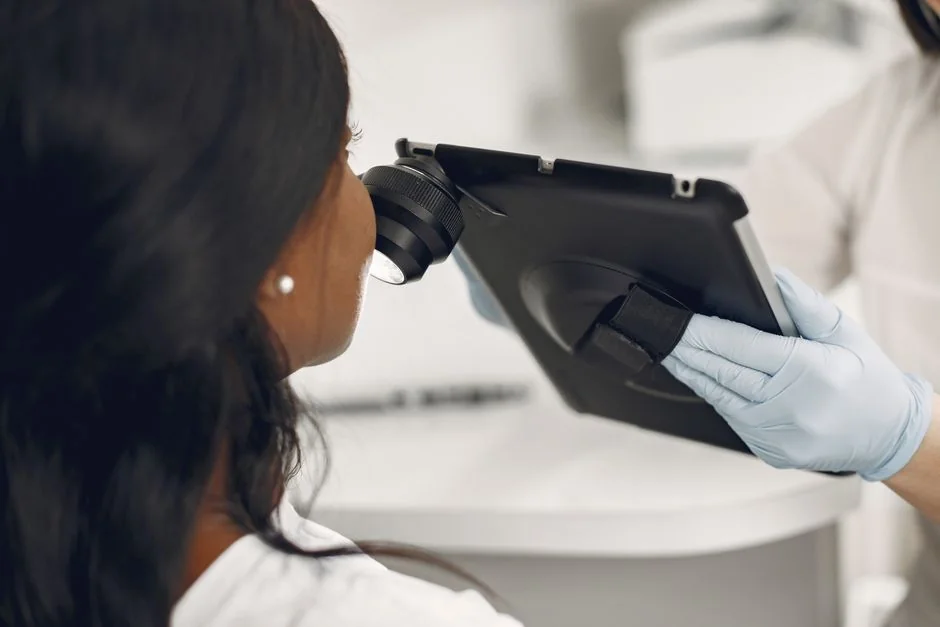
If you are living in or visiting the Roppongi area and need to see a dermatologist who can consult in English, navigating Japan’s healthcare system can feel daunting — particularly when language barriers add to the stress of an already unfamiliar environment.
This guide explains where to find qualified, English-speaking dermatological care in Tokyo, what to expect at a consultation, and which skin conditions and cosmetic treatments are available to international patients.
What you will learn in this article:
- Where English-speaking dermatology and cosmetic skin consultations are available near Roppongi
- Which skin conditions and treatments are routinely handled, including both insurance-covered and cosmetic options
- Realistic cost ranges for common treatments in Tokyo
- How to book without speaking Japanese
- Common misconceptions expats have about seeing a dermatologist in Japan
Have a question about this treatment?
Message us on LINE or WhatsApp — our English-speaking team usually replies the same day.
The Challenge of Finding English-Speaking Dermatology Care in Tokyo
Tokyo’s most internationally connected districts, home to embassies, multinational companies, and a large expatriate community.
Despite this, truly English-capable dermatology clinics in the immediate Roppongi area remain limited — many clinics will offer a translation app or a bilingual receptionist, but a consultation with a doctor who speaks fluent clinical English is considerably rarer.
For residents and visitors in the Roppongi, Azabu, Hiroo, and surrounding Minato-ku neighbourhoods, the most practical solution is often a short commute to a clinic staffed by an English-speaking physician.
Shirokanedai — just one stop from Hiroo on the Namboku Line, and easily reachable from Roppongi by taxi or the Oedo Line just 10mins— is home to BIOTOPE CLINIC, the English-language consultation point for this medical group.
At BIOTOPE CLINIC in Shirokanedai, we frequently see patients who have lived in Japan for months or even years without addressing a skin concern, simply because they could not find a dermatologist they could communicate with clearly.
Language confidence at a medical appointment is not a luxury — it directly affects diagnosis accuracy and treatment adherence.
What Conditions Can an English-Speaking Dermatologist in Tokyo Treat?
Dermatological care in Japan is divided into two broad categories: insurance-covered (hoken shinryo) conditions and cosmetic or self-pay (jiyuu shinryo) treatments.
Understanding this distinction helps set expectations before your appointment.
Insurance-Covered Dermatology
Conditions covered under Japan’s national health insurance include atopic dermatitis (eczema), contact dermatitis, urticaria (hives), psoriasis, acne vulgaris, fungal infections such as tinea pedis (athlete’s foot), bacterial skin infections, and viral conditions including herpes simplex and herpes zoster (shingles).
Standard treatments include topical corticosteroids, antihistamines, antivirals, antifungals, oral antibiotics, and — for chronic inflammatory conditions — narrowband UVB phototherapy and immunosuppressants.
It is important to note that the group’s sister clinic, Kojimachi Dermatology and Plastic Surgery Clinic in Ichigaya (Chiyoda-ku), is the group’s main office and specialises in insurance-covered dermatology.
Kojimachi operates in Japanese and is an excellent resource for Japanese-speaking patients. English-speaking patients, however, should direct enquiries to BIOTOPE CLINIC in Shirokanedai, where Dr. Jun Karibe and the English-speaking team are able to assist.
Cosmetic Dermatology and Skin Treatments
Self-pay cosmetic dermatology covers a wide range of concerns relevant to the expat population, including melasma, post-inflammatory hyperpigmentation, acne scarring, enlarged pores, skin laxity, and signs of photoageing.
Available treatments at BIOTOPE CLINIC include HIFU (high-intensity focused ultrasound) for skin lifting and tightening, PicoWay laser for pigmentation and tattoo removal, CO2 fractional laser for acne scars and enlarged pores, Botox injections, hyaluronic acid fillers, Dermapen microneedling, and fat-dissolving injections.
What People Often Get Wrong About Dermatology in Japan
Misconception 1: “Japan’s health insurance will cover my cosmetic skin concern.”
Japan’s national health insurance (NHI) covers medically necessary dermatological treatment — it does not cover cosmetic procedures such as laser pigmentation treatment, HIFU, Botox, or cosmetic mole removal. Expats enrolled in NHI or employer health insurance can use their card for an eczema flare, but not for a filler appointment.
At BIOTOPE CLINIC, the initial consultation fee is ¥3,300 for general consultations, and Dr. Karibe’s surgical consultation is ¥2,200 — clearly structured so patients know what to expect before they arrive.
Misconception 2: “Dermatology and plastic surgery clinics in Japan are separate.”
In Japan, the specialties of hifuka (dermatology) and keisei geka (plastic and reconstructive surgery) are distinct board-certified disciplines — unlike in some countries where a single “cosmetic surgeon” may cross both fields without formal certification in either.
Dr. Jun Karibe is a board-certified plastic surgeon certified by the Japan Society of Plastic and Reconstructive Surgery, and the group’s Kojimachi clinic provides board-certified dermatological care.
For English-speaking patients, this dual expertise within one medical group means that concerns spanning both specialties — for example, a mole that requires surgical excision and pathological assessment — can be addressed with appropriate clinical depth.
Dr. Karibe’s Note
Many of our international patients arrive having researched treatments extensively online, which is genuinely helpful — but a common question I receive is whether a treatment they have read about abroad (such as a specific filler brand or laser protocol) is available in Japan. Japan’s pharmaceutical approval pathway differs from the US FDA and European CE processes, so some brand names differ or products are marketed under different approvals. During an English consultation at BIOTOPE CLINIC, we are happy to clarify exactly what is available and what the closest equivalent is, so patients can make an informed decision without guesswork.
Cost of Dermatology and Cosmetic Skin Treatments in Tokyo
Pricing at BIOTOPE CLINIC is transparent. Below is an overview of costs relevant to the treatments most frequently requested by English-speaking patients.
| Treatment | Price Range (JPY, incl. tax) | Notes |
|---|---|---|
| Initial consultation | ¥3,300 | General; Dr. Karibe surgical consultation ¥2,200 |
| Botox (Allergan) | ¥22,000 – ¥148,000 | Price varies by area and units |
| Hyaluronic acid filler | ¥66,000 – ¥88,000 per syringe | Brand and area dependent |
| HIFU (skin lifting) | ¥25,000 – ¥110,000 | Face/neck coverage varies |
| PicoWay laser | ¥11,000 – ¥98,000 | Pigmentation or tattoo removal |
| CO2 fractional laser | ¥11,000 – ¥66,000 | Acne scars, pores |
| Dermapen | ¥9,800 – ¥220,000 | Microneedling for texture and scars |
| Volnewmer (RF skin tightening) | ¥66,000 – ¥165,000 | Face/body tightening |
| Mole removal / cyst excision | Quoted at consultation | Pre-op blood work ¥11,000; anaesthesia ¥2,200–¥77,000 |
Studies suggest that the average expenditure on cosmetic dermatology procedures in Japan has increased steadily over the past decade, with energy-based devices such as HIFU and laser treatments among the most frequently requested in urban clinics. Clinical reports indicate that patient satisfaction rates for HIFU skin-tightening procedures range from 70 to 85 percent in published prospective studies when appropriate candidates are selected — a figure that underscores the importance of a thorough pre-treatment consultation to assess skin laxity, tissue quality, and realistic expectations.
For an accurate quote tailored to your specific concern, we recommend booking a consultation.
Have a question about this treatment?
Message us on LINE or WhatsApp — our English-speaking team usually replies the same day.
Where to Get English-Speaking Dermatology Near Roppongi
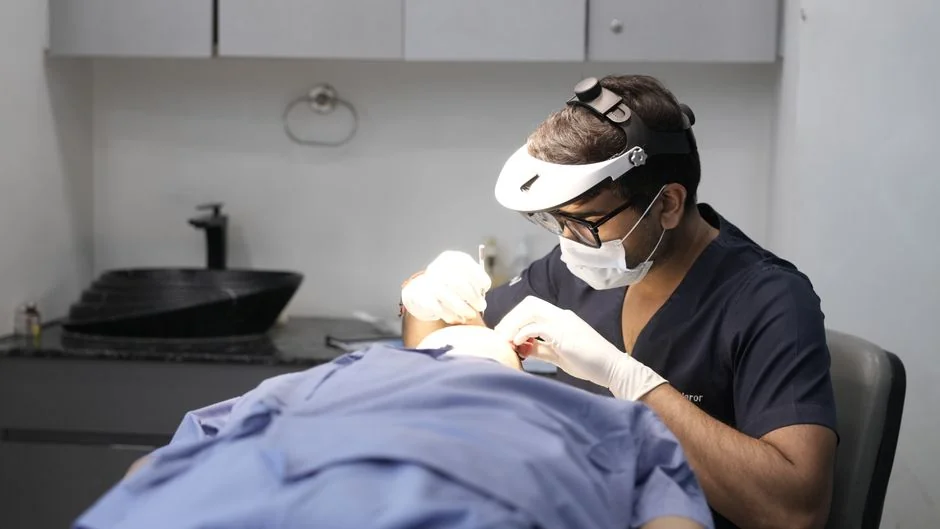
Within our clinic group, English-speaking consultations are handled at BIOTOPE CLINIC in Shirokanedai (Minato-ku, Tokyo) by Dr. Jun Karibe. Our sister clinic, Kojimachi Dermatology and Plastic Surgery Clinic in Ichigaya, handles Japanese-language insurance dermatology. Bookings and enquiries in English: LINE or WhatsApp.
BIOTOPE CLINIC is located in Shirokanedai, Minato-ku — the same ward as Roppongi, Hiroo, and Azabu-Juban. From Roppongi, the clinic is accessible in approximately 10 to 15 minutes by taxi, or via the Oedo Line to Azabu-Juban followed by a short journey on the Namboku Line to Shirokanedai.
The English-speaking team manages appointment scheduling, pre-consultation paperwork, and aftercare instructions in English, removing the language barrier at every stage of care.
Volnewmer RF skin tightening is one example of a treatment available at BIOTOPE CLINIC in Shirokanedai — feel free to ask about it during a consultation with Dr. Karibe, particularly if you are concerned about skin laxity in the lower face or neck following significant weight change or ageing.
What to Expect at Your First Consultation
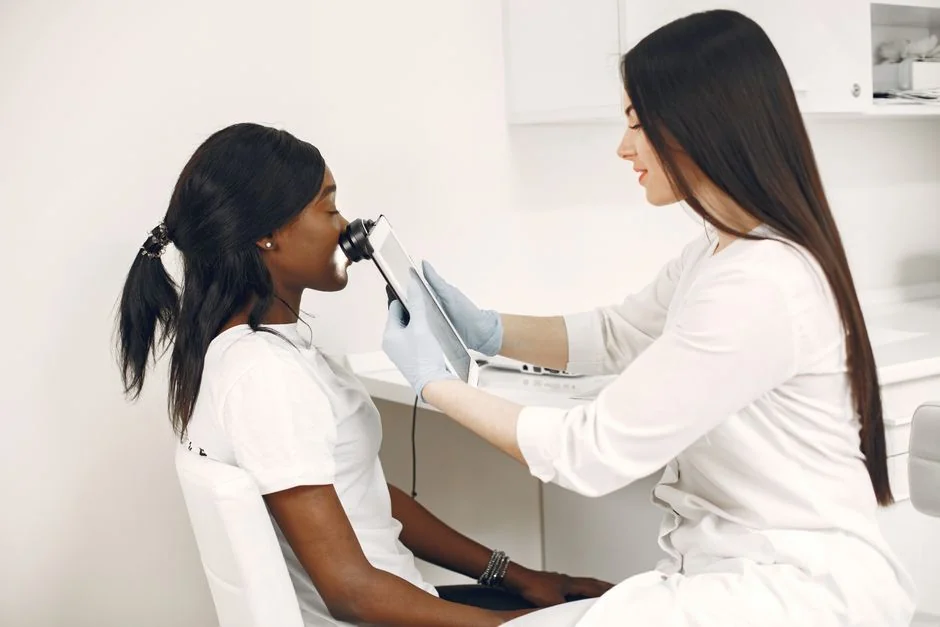
The initial consultation at BIOTOPE CLINIC is structured to accommodate patients who are unfamiliar with Japan’s medical system. Patients are asked to complete a medical history form — available in English — covering current medications, known allergies, previous procedures, and primary concerns.
Dr. Karibe or a member of the clinical team will then conduct a thorough assessment before recommending any treatment.
For cosmetic procedures, a cooling-off period is standard practice in Japan: clinics are legally required to provide time for patients to consider their decision before proceeding.
This is a patient protection measure, not an obstacle, and the team at BIOTOPE CLINIC will walk through any questions that arise between the consultation and the procedure date. Patients travelling from abroad are advised to plan consultations and procedures with this timeline in mind — typically a minimum of one to two visits.
Frequently Asked Questions
- Q. Do I need to speak Japanese to be seen at a dermatology clinic in Tokyo?
- At most general clinics in Tokyo, Japanese language proficiency is effectively required. However, at BIOTOPE CLINIC in Shirokanedai, the clinical team handles consultations and correspondence in English. Patients can book via LINE or WhatsApp without needing to communicate in Japanese at any stage.
- Q. Can I use my Japanese health insurance for cosmetic skin treatments?
- Japan’s national health insurance covers medically necessary dermatological treatment — such as eczema, acne, fungal infections, and viral skin conditions — but does not cover cosmetic procedures including laser pigmentation treatment, Botox, fillers, or HIFU. Your insurance card is relevant for medical dermatology; cosmetic treatments are billed as self-pay regardless of insurance status.
- Q. Is it safe to have aesthetic procedures done in Japan as a foreigner?
- Japan maintains rigorous standards for medical practice, and board-certified practitioners are regulated by professional societies and the Ministry of Health, Labour and Welfare. Choosing a clinic led by a board-certified specialist — such as Dr. Karibe, who is certified by the Japan Society of Plastic and Reconstructive Surgery — provides an important layer of clinical accountability. As with any procedure globally, patients should ensure they have a clear understanding of expected outcomes and potential risks before consenting.
- Q. How quickly can I get an appointment?
- Appointment availability varies by season and demand. English-speaking patients are encouraged to contact BIOTOPE CLINIC via LINE or WhatsApp to check availability and, if necessary, arrange an initial consultation by video call for patients who are not yet in Tokyo. The team will advise on the most efficient scheduling pathway for your specific concern.
- Q. What is the difference between a dermatologist and a plastic surgeon in Japan?
- In Japan, dermatology (hifuka) and plastic and reconstructive surgery (keisei geka) are separate board-certified specialties with distinct training pathways. Some concerns — such as acne management or eczema — fall squarely within dermatology, while others — such as mole excision with reconstruction, scar revision, or blepharoplasty — require plastic surgery expertise.
- The BIOTOPE CLINIC group covers both disciplines, giving English-speaking patients access to the appropriate level of care without needing to navigate multiple unconnected providers.
Have a question about this treatment?
Message us on LINE or WhatsApp — our English-speaking team usually replies the same day.
Summary
Finding a qualified, English-speaking dermatologist near Roppongi in Tokyo does not require an exhaustive search — it requires knowing where to look. BIOTOPE CLINIC in Shirokanedai (Minato-ku) sits within easy reach of the Roppongi, Hiroo, and Azabu corridor, and offers English-language consultations across cosmetic dermatology, plastic surgery, and general skin health with Dr. Jun Karibe, a board-certified plastic surgeon.
The group’s sister clinic, Kojimachi Dermatology and Plastic Surgery Clinic in Ichigaya, provides Japanese-language insurance-covered dermatological care and serves as the group’s main office for domestic patients.
Whether the concern is a persistent rash that has gone undiagnosed due to language barriers, a desire for laser pigmentation treatment, or a surgical consultation for mole removal or eyelid correction, BIOTOPE CLINIC is the English-language entry point for this medical group.
If you have questions about finding an English-speaking dermatologist in Tokyo, English-speaking consultations are handled at BIOTOPE CLINIC in Shirokanedai (Minato-ku, Tokyo) by Dr. Karibe. Our sister clinic Kojimachi Dermatology and Plastic Surgery Clinic in Ichigaya (Chiyoda-ku) handles Japanese-language insurance dermatology. English enquiries: LINE or WhatsApp.
24/7 Consultation & Booking
Book a Consultation or Treatment
Our English-speaking team responds via LINE or WhatsApp — usually the same day.
References
- Kaminer MS, Arndt KA. Laser and energy-based devices in cosmetic dermatology: a review of clinical efficacy and safety. Journal of the American Academy of Dermatology. 2021.
- Suh DH, Oh CT, Kim KH, et al. A intense-focused ultrasound tightening for the face and neck: a prospective multicenter study. Dermatologic Surgery. 2015.
- Ministry of Health, Labour and Welfare, Japan. Guidelines on Medical Practice for Cosmetic Surgery and Aesthetic Medicine. 2022.
- Kawaguchi Y, Nishimura K, Imai Y. Trends in cosmetic dermatology procedures in urban Japan: a ten-year retrospective analysis. Journal of Dermatological Treatment. 2020.
- Alexiades M. Radiofrequency and microneedling for skin rejuvenation: mechanisms and clinical outcomes. Dermatologic Clinics. 2023.
SUPERVISED BY
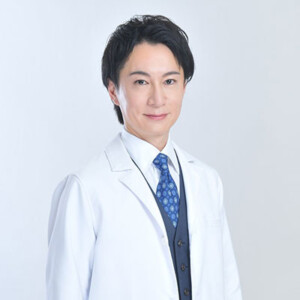
Dr. Jun Karibe
MD
Director
Education & Career
Certifications
Awards
MEDICAL REVIEW