English-Speaking Dermatologist Tokyo: A Complete Guide for Foreigners
Looking for an English-Speaking Dermatologist in Tokyo?
If you are looking for an English-speaking dermatologist in Tokyo, you are certainly not alone. Every year, thousands of expatriates, international students, business travellers, and medical tourists search for reliable skin care in Japan but worry about the language barrier.
Fortunately, Tokyo is home to an increasing number of dermatology and plastic surgery clinics that provide consultations entirely in English. As a result, international patients can receive accurate diagnoses, discuss treatment options confidently, and fully understand their aftercare instructions.
Whether you need treatment for eczema, acne, rosacea, skin allergies, pigmentation, or you are considering cosmetic procedures such as Botox, laser treatment, or mole removal, choosing an English-speaking dermatologist makes the experience considerably easier and safer.
At Kojimachi Dermatology & Plastic Surgery Clinic, we regularly care for patients from around the world. Our team explains every diagnosis and treatment plan in clear English, allowing patients to make informed medical decisions without unnecessary stress.
In this guide, you will learn:
- How dermatology works in Japan
- The difference between medical and cosmetic dermatology
- Which conditions English-speaking dermatologists commonly treat
- What to expect during your first consultation
- Typical treatment costs in Tokyo
- How to choose a reputable clinic
- Whether Japanese National Health Insurance applies
- Why many international patients choose Tokyo for dermatological care
Why Finding an English-Speaking Dermatologist Matters
Good communication is one of the most important parts of medical care.
When your doctor clearly understands your symptoms, medical history, allergies, medications, and treatment goals, you are far more likely to receive an accurate diagnosis and appropriate treatment.
On the other hand, language barriers can create unnecessary confusion.
Patients may struggle to describe:
- When symptoms first appeared
- Previous medications
- Drug allergies
- Cosmetic treatment history
- Changes in symptoms over time
Even small misunderstandings may affect diagnosis and treatment planning.
Therefore, many international patients prefer consulting a physician who can communicate fluently in English.
At Kojimachi Dermatology & Plastic Surgery Clinic, we believe that clear communication is just as important as medical expertise.
Why International Patients Choose Tokyo
Tokyo has become one of Asia’s leading destinations for medical and cosmetic dermatology.
Several factors contribute to its growing international reputation.
Advanced Medical Technology
Japanese dermatology clinics invest heavily in modern laser systems, energy-based devices, and minimally invasive cosmetic procedures.
Patients often have access to technologies including:
- PicoWay
- Stella M22 IPL
- CO₂ Fractional Laser
- HIFU
- RF Microneedling
- Botox
- Hyaluronic Acid Fillers
These technologies are comparable to those available in Seoul, Singapore, London, Sydney, and New York.
Highly Trained Specialists
Japan has rigorous board certification systems.
Dermatologists complete specialist training through the Japanese Dermatological Association (JDA).
Plastic surgeons receive certification through the Japan Society of Plastic and Reconstructive Surgery (JSPRS).
These qualifications require years of clinical training, formal examinations, and continuing education.
Consequently, patients can expect high professional standards.
Excellent Safety Standards
Japan maintains strict regulations regarding:
- Medical devices
- Injectable products
- Infection control
- Clinical safety
Furthermore, reputable clinics follow evidence-based international treatment guidelines.
Competitive Pricing
Compared with many Western countries, cosmetic dermatology in Tokyo often provides excellent value.
Although treatment quality remains exceptionally high, prices are frequently lower than those in:
- United States
- Canada
- Australia
- United Kingdom
As a result, many patients combine their holiday with cosmetic treatment.
Understanding Japanese Dermatology
Many international patients are surprised to discover that Japanese dermatology differs slightly from what they experienced in their home country.
Fortunately, the system is relatively straightforward once you understand how it works.
Dermatology clinics generally provide two different types of services.
Medical Dermatology
Medical dermatology focuses on diagnosing and treating skin disease.
These services include:
- Acne
- Rosacea
- Atopic dermatitis
- Contact dermatitis
- Psoriasis
- Seborrhoeic dermatitis
- Fungal infections
- Viral skin disease
- Skin allergies
- Urticaria
- Shingles
- Skin infections
- Mole assessment
- Skin cancer screening
For residents enrolled in Japanese National Health Insurance (NHI), many consultations and prescription medications are partially covered.
Tourists may also receive treatment but pay private fees.
Cosmetic Dermatology
Cosmetic dermatology focuses on improving appearance rather than treating disease.
Popular treatments include:
- Botox
- Dermal fillers
- Laser rejuvenation
- HIFU
- RF Microneedling
- Thread Lift
- Chemical Peels
- Mole Removal
- Tattoo Removal
- Skin Tightening
- Pigmentation Treatment
Unlike medical dermatology, these treatments are not covered by Japanese health insurance.
However, many international patients still find Japanese pricing highly competitive.
Which Skin Conditions Do English-Speaking Dermatologists Treat?
At our clinic, we care for patients with a wide variety of medical and cosmetic concerns.
The most common medical conditions include:
- Acne
- Rosacea
- Eczema
- Contact dermatitis
- Psoriasis
- Seborrhoeic dermatitis
- Urticaria
- Skin infections
- Nail fungus
- Athlete’s foot
- Shingles
- Hair loss
- Mole assessment
- Benign skin tumours
Meanwhile, cosmetic consultations commonly involve:
- Wrinkles
- Sagging skin
- Pigmentation
- Melasma
- Sunspots
- Acne scars
- Enlarged pores
- Under-eye bags
- Dark circles
- Volume loss
- Lip enhancement
- Facial contouring
- Tattoo removal
Because both medical and cosmetic services are available under one roof, patients receive comprehensive care without visiting multiple clinics.
Why Choose One Clinic for Both Medical and Cosmetic Care?
Many skin conditions overlap.
For example, patients seeking laser treatment for pigmentation may also have rosacea.
Similarly, someone considering Botox may have eczema affecting the forehead.
When one physician manages both medical and cosmetic concerns, treatment becomes safer and more efficient.
Instead of focusing on a single procedure, the doctor evaluates your overall skin health before recommending any cosmetic treatment.
This integrated approach often produces better long-term results while reducing unnecessary risks.
Dr. Karibe’s Perspective
Many international patients tell me they postponed seeing a dermatologist simply because they worried about communication.
Fortunately, once they discover that consultations are available entirely in English, they often feel much more comfortable asking questions and discussing their concerns openly.
I believe that the consultation is one of the most important parts of treatment. Rather than recommending procedures immediately, I spend time understanding each patient’s medical history, lifestyle, previous treatments, and expectations. Only then do I recommend a treatment plan tailored to the individual.
Whether someone visits us for eczema, rosacea, laser treatment, or cosmetic surgery, my goal is always the same: provide honest medical advice, realistic expectations, and safe, evidence-based care in an environment where patients feel fully understood.
Popular Dermatology Treatments Available in Tokyo
One of the biggest advantages of visiting an English-speaking dermatologist in Tokyo is access to a wide range of evidence-based medical and cosmetic treatments.
Rather than offering a single solution, experienced dermatologists tailor each treatment plan to your skin condition, medical history, and long-term goals. As a result, patients often achieve better and more natural-looking outcomes.
Botox
Botox remains one of the most popular non-surgical cosmetic procedures worldwide.
It temporarily relaxes selected facial muscles, reducing wrinkles while preserving natural facial expressions when performed correctly.
Common treatment areas include:
- Forehead lines
- Frown lines
- Crow’s feet
- Bunny lines
- Chin dimpling
- Masseter muscles
- Excessive sweating (hyperhidrosis)
Results usually begin to appear within three to five days. Furthermore, the full effect typically develops after two weeks and lasts approximately three to four months.
At Kojimachi Dermatology & Plastic Surgery Clinic, premium Allergan Botox® treatments range from ¥22,000 to ¥148,000, depending on the treatment area and dosage.
Hyaluronic Acid Fillers
Facial ageing involves much more than wrinkles. In fact, gradual volume loss often contributes more significantly to an aged appearance.
Hyaluronic acid fillers restore volume while maintaining natural facial proportions.
They are commonly used to improve:
- Cheeks
- Nasolabial folds
- Lips
- Chin
- Jawline
- Temples
- Tear troughs
Unlike permanent fillers, hyaluronic acid gradually dissolves over time. Moreover, physicians can safely dissolve the filler using hyaluronidase if adjustment becomes necessary.
Most results last between 9 and 18 months, depending on the product used and the treatment area.
Laser Treatments
Modern laser technology has transformed dermatology over the past decade.
Instead of relying solely on medication, physicians now combine laser treatments with medical therapy to achieve faster and longer-lasting improvements.
Stella M22 IPL
IPL (Intense Pulsed Light) effectively treats:
- Facial redness
- Rosacea
- Sun damage
- Pigmentation
- Broken capillaries
- Uneven skin tone
Because IPL targets blood vessels and pigmentation simultaneously, it is one of the most versatile treatments available.
Most patients require three to five sessions for optimal improvement.
PicoWay Laser
PicoWay uses ultra-short laser pulses that break down pigment while stimulating collagen production.
Consequently, it works well for:
- Melasma
- Sunspots
- Freckles
- Tattoo removal
- Acne marks
- Overall skin rejuvenation
Compared with older laser systems, PicoWay generally produces less thermal damage and shorter recovery times.
CO₂ Fractional Laser
Fractional CO₂ laser remains the gold standard for treating:
- Acne scars
- Enlarged pores
- Fine wrinkles
- Skin texture
- Surgical scars
The laser creates microscopic treatment columns that stimulate new collagen while preserving surrounding healthy tissue.
Although recovery typically takes five to seven days, the improvement continues for several months as collagen remodels.
HIFU Skin Tightening
High-Intensity Focused Ultrasound (HIFU) offers a non-surgical solution for mild to moderate skin laxity.
Unlike lasers, HIFU delivers focused ultrasound energy into the SMAS layer, the same structural layer addressed during facelift surgery.
As collagen production increases, the skin gradually becomes firmer over the following two to six months.
Patients often choose HIFU to improve:
- Jawline definition
- Mild jowls
- Neck laxity
- Cheek sagging
- Overall facial firmness
Most patients require only one treatment each year.
Mole Removal and Minor Skin Surgery
Many international patients visit our clinic for mole removal before returning home.
First, your dermatologist evaluates the lesion to determine whether it appears benign or requires additional assessment.
Treatment options include:
- Surgical excision
- CO₂ laser removal
- Shave excision
- Histopathological examination when indicated
Whenever possible, we aim to minimize scarring while maintaining complete removal.
Under-Eye Surgery
One of the most requested surgical procedures among international patients is transconjunctival lower blepharoplasty.
This procedure removes or repositions protruding orbital fat through the inside of the eyelid.
Because surgeons make no external skin incision, patients avoid visible scars.
Ideal candidates usually have:
- Under-eye bags
- Fat prolapse
- Tired appearance
- Good skin elasticity
Recovery generally takes one to two weeks, although swelling continues to improve for several months.
Scientific Evidence Behind Modern Dermatology
Evidence-based medicine forms the foundation of modern dermatological care.
Rather than relying on trends or social media, experienced physicians evaluate published clinical research before recommending treatment.
For example:
- Multiple systematic reviews support IPL for rosacea and vascular redness.
- Clinical studies demonstrate significant improvement in skin laxity following HIFU.
- Randomized controlled trials confirm the effectiveness of Botox for dynamic wrinkles.
- Long-term studies consistently support hyaluronic acid fillers when administered by trained physicians.
- Fractional CO₂ laser remains one of the best-supported treatments for acne scars.
Consequently, treatment recommendations at reputable clinics are based on scientific evidence rather than marketing claims.
Why Patients Choose Kojimachi Dermatology & Plastic Surgery Clinic
Many English-speaking patients tell us they selected our clinic because they wanted more than translation—they wanted clear medical communication.
Our clinic offers:
- English-speaking consultations
- Board-certified plastic surgery expertise
- Medical dermatology
- Cosmetic dermatology
- Advanced laser technology
- Personalized treatment plans
- Transparent pricing
- Comprehensive aftercare
Most importantly, we believe every patient deserves honest advice, realistic expectations, and treatments supported by clinical evidence.
Frequently Asked Questions
Can tourists visit a dermatologist in Tokyo?
Yes.
Tourists can receive both medical and cosmetic dermatology treatments.
Although visitors do not qualify for Japanese National Health Insurance, they can still access private medical care.
Do I need to speak Japanese?
No.
At Kojimachi Dermatology & Plastic Surgery Clinic, consultations, informed consent, and aftercare instructions are all available in English.
How much does a consultation cost?
Initial dermatology consultations begin at ¥3,300.
Cosmetic consultations vary depending on the procedure and specialist.
Can I combine treatments during one visit?
In many cases, yes.
For example, patients often combine:
- Botox
- Fillers
- IPL
- Pico laser
- Mole removal
However, your physician will recommend the safest combination based on your skin condition and recovery time.
How far in advance should I book?
We recommend booking at least one to two weeks before your preferred appointment, particularly during peak travel seasons.
This also provides flexibility if follow-up visits become necessary.
Final Thoughts
Finding an English-speaking dermatologist in Tokyo should not be stressful.
Today, international patients have access to experienced physicians, advanced technology, and comprehensive dermatological care without the language barrier.
Whether you need treatment for acne, eczema, rosacea, pigmentation, or are considering cosmetic procedures such as Botox, laser therapy, HIFU, or mole removal, choosing a clinic that combines medical expertise with clear English communication will make your experience safer and far more comfortable.
At BIOTOPE CLINIC/ Dermatology & Plastic Surgery Clinic, we welcome patients from around the world and provide personalized, evidence-based care tailored to your individual needs.
If you are looking for an English-speaking dermatologist in Tokyo, our team would be delighted to help you achieve healthier skin with confidence.
- Rosacea Treatment Tokyo
- Acne Treatment Tokyo
- Melasma Treatment Tokyo
- Botox Tokyo
- HIFU Tokyo
- Non-Surgical Facelift Tokyo
- Under-Eye Bag Surgery Tokyo
- Mole Removal Tokyo
- Pico Laser Tokyo
- English-Speaking Cosmetic Clinic Tokyo
これにより、「English-speaking dermatologist」「Tokyo dermatology」「cosmetic dermatology Tokyo」など複数の検索意図を包括的にカバーでき、Googleから専門性の高いサイトとして評価されやすくなります。
References
- Oni G, et al. A prospective, blinded, randomized, controlled clinical trial of a focused ultrasound device for lifting and tightening the face and neck. Aesthetic Surgery Journal. PubMed search
- Taub AF, et al. Ablative fractional resurfacing for acne scars: a systematic review. Journal of Clinical and Aesthetic Dermatology. PubMed search
- Carruthers JD, Carruthers A. Botulinum toxin type A: history and current cosmetic use in the upper face. Seminars in Cutaneous Medicine and Surgery. PubMed
- Karimi K, Rockwell H. The benefits of microneedling for skin rejuvenation: a literature review. Facial Plastic Surgery Clinics of North America. PubMed search
- Shamban AT. Noninvasive subdermal remodeling and tightening. Dermatologic Surgery. PubMed search
24/7 Consultation & Booking
Book a Consultation or Treatment
Our English-speaking team responds via LINE or WhatsApp — usually the same day.
SUPERVISED BY
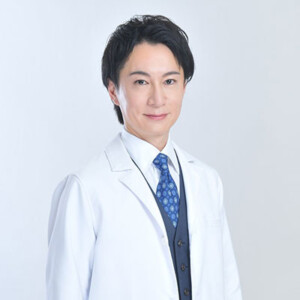
Dr. Jun Karibe
MD
Director
Education & Career
Certifications
Awards
This article is for general informational purposes only and does not constitute medical advice or a diagnosis. Please consult a qualified physician for any health concerns.
MEDICAL REVIEW