Artmake vs Microblading vs Tattoo: What’s the Difference? A Tokyo Guide
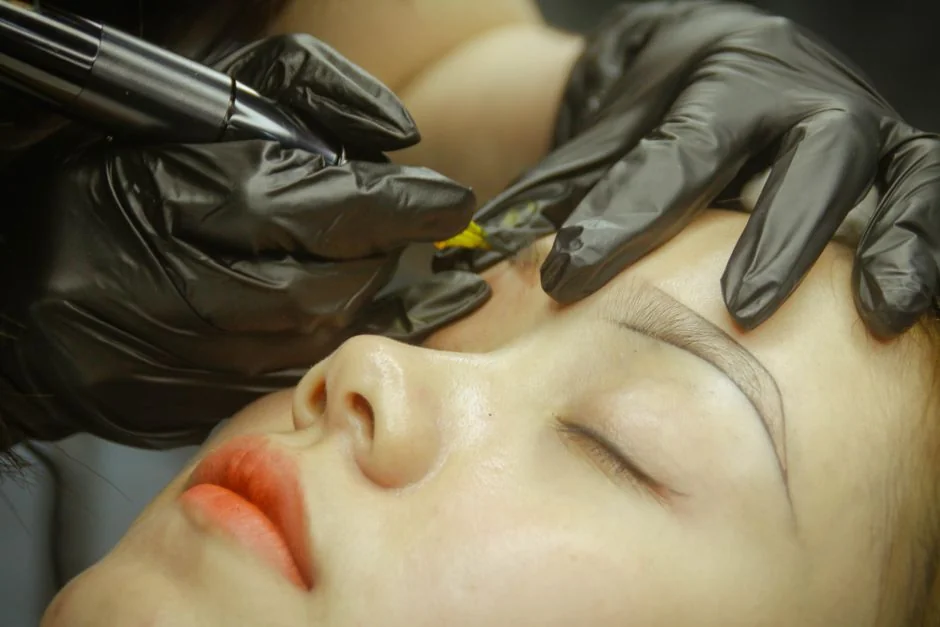
If you are researching semi-permanent makeup in Tokyo, the sheer variety of terms — artmake, microblading, cosmetic tattoo — can make it genuinely difficult to know what you are actually booking. These techniques may look similar in before-and-after photos, yet they differ significantly in depth of pigment deposit, longevity, and suitability for different skin types.
This guide explains each method in plain language, compares realistic costs in the Tokyo market, and outlines what healing and aftercare typically involve — so that you can make a confident, informed decision.
What you’ll learn in this article:
- The key differences between artmake, microblading, and conventional tattoo
- How each technique works and which areas of the face each is suited to
- Typical session costs in the Tokyo market
- Healing timelines, aftercare, and realistic longevity expectations
- How to access English-language consultations in Tokyo through our clinic group
Have a question about this treatment?
Message us on LINE or WhatsApp — our English-speaking team usually replies the same day.
What Is Artmake?
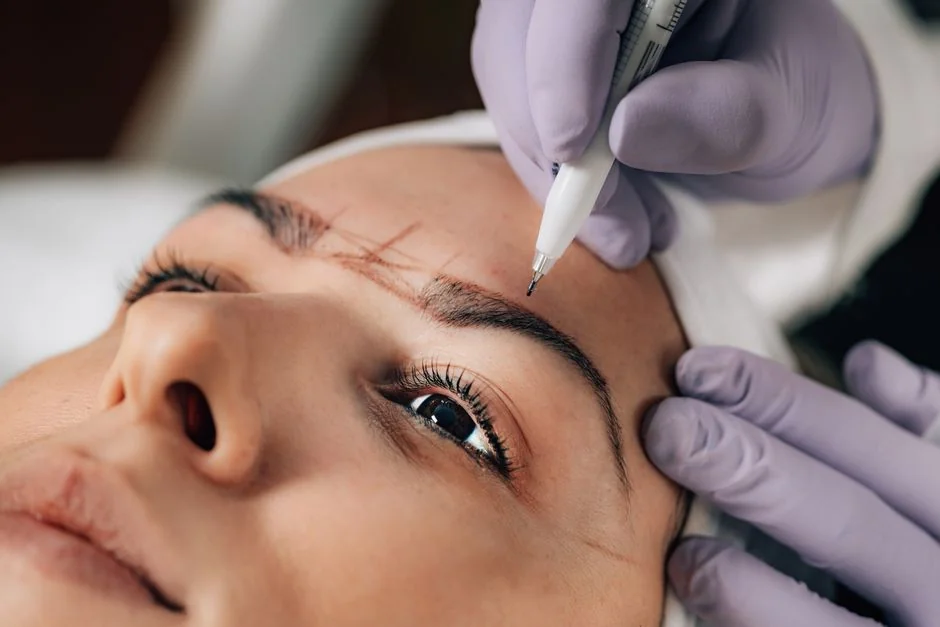
Artmake (アートメイク) is the Japanese term for semi-permanent makeup applied by depositing pigment into the uppermost layer of the dermis — the deeper part of the skin beneath the epidermis. It is used most commonly on the eyebrows, eyeliner lines, lips, hairline, and, in a medical reconstruction context, the areola.
Because the pigment sits in the dermis rather than deep subcutaneous tissue (as with a conventional tattoo), the body gradually metabolises it over time. Results typically last one to three years depending on the area treated, skin type, sun exposure, and individual metabolism — after which a touch-up session is usually recommended to maintain colour.
In Japan, artmake performed by a medical professional is regulated under the Medical Practitioners Act. Reputable clinics conduct the procedure under the supervision of a licensed physician, which provides an additional layer of safety oversight compared with non-medical beauty salons.
What Artmake Is Not
Artmake is not a permanent solution. The phrase “semi-permanent” is widely used in the industry, and while this accurately reflects the gradual fading that occurs, it can cause confusion for patients expecting the results to last indefinitely. Pigment retention varies between individuals, and some colours — particularly light pigments on darker skin tones — may fade more quickly.
Artmake is also not the same as a conventional decorative tattoo, despite involving needles and pigment. The distinction matters clinically, and it is addressed in detail in the comparison section below.
Artmake vs Microblading vs Tattoo: Key Differences Explained
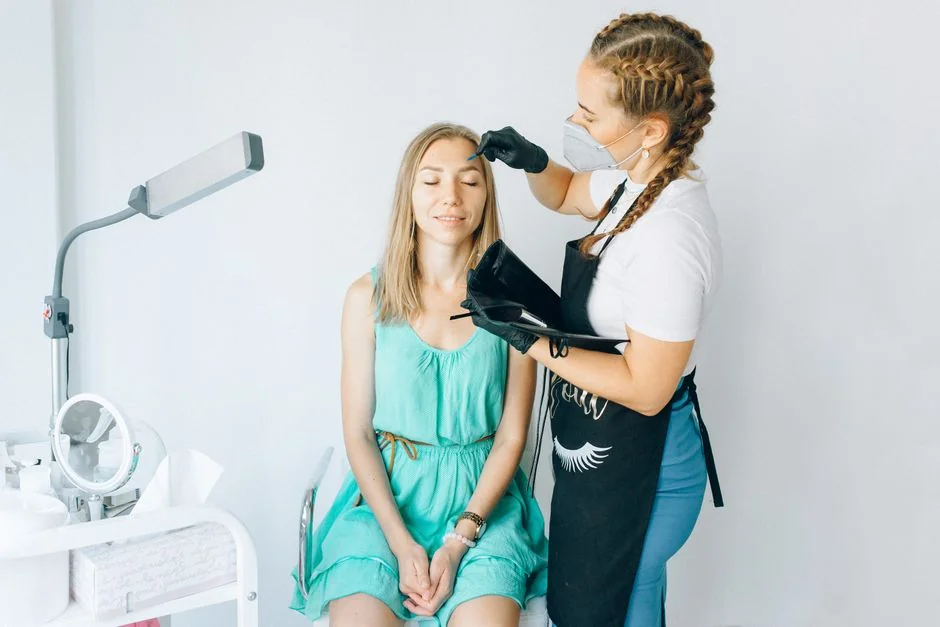
The three techniques are frequently confused because they all introduce pigment beneath the skin surface. The differences lie in the depth of pigment deposit, the tools used, the longevity of results, and the safety and regulatory context.
| Feature | Artmake (Japan) | Microblading | Conventional Tattoo |
|---|---|---|---|
| Pigment depth | Upper dermis (shallow) | Upper dermis (shallow) | Deep dermis / subcutaneous |
| Tool used | Electric device or manual needle | Manual blade / needle cluster | Electric tattoo machine |
| Longevity | 1–3 years (area-dependent) | 1–2 years (shorter on oily skin) | Many decades (effectively permanent) |
| Typical areas | Brows, lips, eyeliner, hairline, areola | Primarily eyebrows | Body / decorative (not typically facial cosmetic) |
| Fading over time | Gradual; touch-up sessions recommended | Gradual; may blur on oily skin | Slow fading; does not disappear |
| Medical supervision | Required in Japan (physician-led clinics) | Varies by country / provider | Not typically medically supervised |
| Removal difficulty | Possible with laser or saline; several sessions | Possible with laser; fewer sessions vs tattoo | Difficult; many laser sessions required |
A Closer Look at Microblading
Microblading uses a hand-held tool fitted with a row of fine needles to create small, hair-stroke incisions in the skin, into which pigment is deposited manually. The result can appear very natural on the eyebrows, mimicking individual hair strands.
However, microblading tends to fade more quickly on oily or combination skin types because sebum production can cause the pigment to disperse.
In Japan, many artmake practitioners use a technique that combines machine-based shading with manual hair-stroke work, sometimes referred to as “combination brows.” This approach can offer greater longevity and more consistent results across different skin types than pure microblading alone.
Why a Conventional Tattoo Is Not the Same
A conventional tattoo places pigment significantly deeper — into the lower dermis and sometimes subcutaneous fat — using a high-speed electric machine. This depth means the pigment is retained for many decades and is extremely difficult to remove completely. Cosmetic tattooing of the face was historically performed by non-medical practitioners, sometimes resulting in pigment colour shifts (for example, black turning greenish or reddish over time) that required later correction.
Artmake pigments are formulated differently and deposited more shallowly, which is precisely why the results are semi-permanent rather than lifelong. This is generally considered an advantage for cosmetic facial work, where tastes and facial structure change over time.
Common Misconceptions About Artmake
Misconception 1: “Artmake lasts forever — I will never need to touch it up.”
This is one of the most frequent misunderstandings encountered in clinical practice. Because artmake sits in the upper dermis, the body’s natural skin cell turnover and UV exposure gradually break down and disperse the pigment. Most patients find that colour begins to soften noticeably after 12–18 months, and that a touch-up session is advisable every one to two years to maintain the desired intensity. The timeline varies considerably by area (lip artmake tends to fade faster than eyebrow artmake) and by individual skin biology.
Misconception 2: “Artmake is completely painless because it is not as deep as a tattoo.”
While artmake is generally considered less painful than a conventional tattoo — partly because of the shallower depth and partly because topical anaesthetic cream is applied beforehand in medical clinic settings — it is not entirely without sensation. Most patients describe a mild scratching or pressure feeling. Comfort levels vary depending on the area (the lip line and eyelid area tend to be more sensitive), individual pain tolerance, and the practitioner’s technique. It is more accurate to describe the procedure as manageable, rather than painless.
Dr. Karibe’s Note
“A common question from our international patients at BIOTOPE CLINIC is whether the pigments used in Japan differ from those they have seen used abroad. Japan’s medical artmake clinics typically use pigments that have been selected with skin safety and gradual, even fading in mind.
What surprises many overseas visitors is that the initial colour immediately after the procedure looks considerably darker than the healed result — this is normal and expected. I always advise patients to assess their results after the skin has fully settled, which takes around four weeks, before deciding whether any adjustment is needed.”
Cost of Artmake in Tokyo
Pricing in the Tokyo artmake market varies depending on the clinic’s medical credentials, the practitioner’s experience, the area being treated, and whether the quoted fee includes a follow-up session. The figures below reflect the general market range and are provided for orientation purposes only.
- Eyebrow artmake: In the Tokyo market, sessions are typically priced in the range of ¥60,000–¥150,000 per session. Two sessions are commonly recommended.
- Full lip artmake: In the Tokyo market, sessions are typically priced in the range of ¥80,000–¥180,000 per session.
- Eyeliner artmake (upper): In the Tokyo market, sessions are typically priced in the range of ¥40,000–¥90,000 per session; upper and lower combined, ¥50,000–¥110,000.
- Hairline artmake: In the Tokyo market, sessions are typically priced in the range of ¥100,000–¥250,000 per session.
- Areola artmake (medical reconstruction): In the Tokyo market, sessions are typically priced in the range of ¥60,000–¥180,000 per session, often for patients following mastectomy.
- Artmake removal (laser or saline method): In the Tokyo market, sessions are typically priced in the range of ¥30,000–¥80,000 per session; multiple sessions are usually required for adequate clearance.
Clinics operating under physician supervision tend to sit in the mid-to-upper portion of these ranges, reflecting the costs of medical staffing, anaesthetic application, and higher-grade consumables. Packages that include a touch-up session within a set period are common and may represent better overall value than paying per session separately.
For an accurate quote, we recommend booking a consultation with BIOTOPE CLINIC via LINE or WhatsApp.
Have a question about this treatment?
Message us on LINE or WhatsApp — our English-speaking team usually replies the same day.
Healing, Downtime, and Aftercare
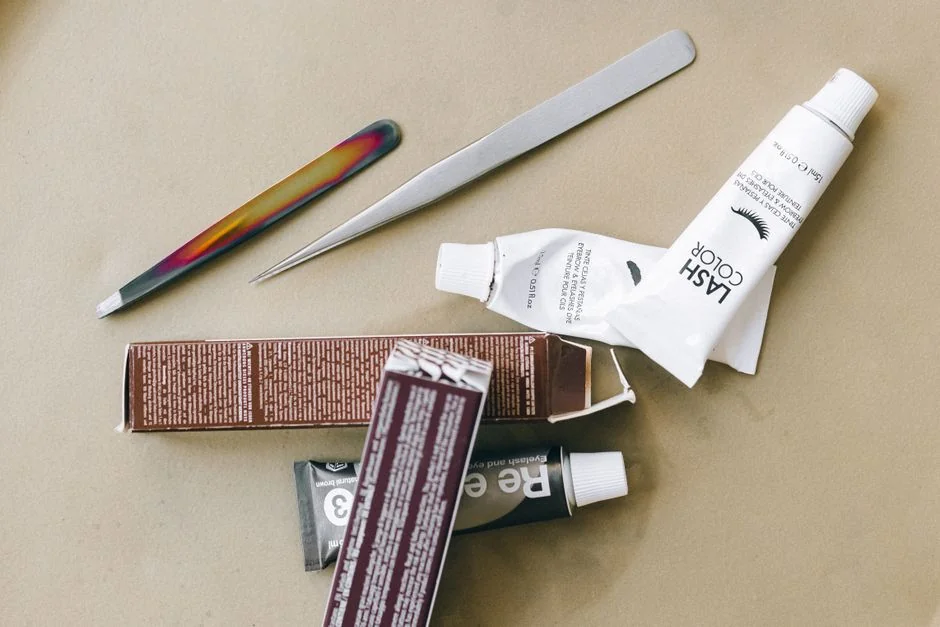
The healing process after artmake follows a predictable pattern, though individual timelines vary. Understanding what to expect helps patients avoid unnecessary concern and supports the best possible result.
Typical Healing Timeline
- Days 1–3: The treated area appears darker and slightly swollen. This is a normal inflammatory response. Some patients experience mild tenderness.
- Days 4–7: The surface begins to form a fine crust or flaking layer. It is important not to pick or peel this away, as doing so can pull pigment from the skin prematurely and result in patchy colour.
- Days 7–14: The crust sheds naturally and the colour appears to lighten dramatically — sometimes patients worry the pigment has faded entirely. This is the “ghost phase” and is expected.
- Weeks 3–4: True healed colour begins to emerge as the skin settles. This is the appropriate point at which to evaluate results.
Aftercare Guidance
Aftercare instructions differ slightly between areas, but general principles apply across all artmake treatments. Patients are typically advised to keep the treated area dry for the first few days, avoid direct sun exposure without physical protection, refrain from swimming, saunas, and steam rooms for at least two weeks, and avoid applying cosmetics directly over the treated area until fully healed.
Sunscreen should be applied consistently over healed artmake during outdoor activity, as UV radiation is a primary driver of pigment fading. Patients using retinol-based skincare or prescription retinoids should inform their practitioner, as these products accelerate cell turnover and can shorten the lifespan of the pigment.
Who Is a Suitable Candidate for Artmake?
Artmake is suitable for a wide range of patients, but a thorough consultation is essential to identify individual contraindications and to plan the approach that best suits each patient’s skin type and aesthetic goals.
Those Who May Benefit Most
- Individuals with sparse or uneven eyebrows (including those caused by alopecia, over-plucking, or medical treatment such as chemotherapy)
- Patients who wish to reduce daily makeup application time
- Those with lip discolouration or uneven lip borders seeking cosmetic correction
- Patients who have undergone mastectomy and wish for areola reconstruction through pigmentation
- Individuals with early hairline recession seeking a non-surgical cosmetic improvement
Situations Where Artmake May Not Be Advisable
- Active skin conditions in the area to be treated (eczema, psoriasis, active acne)
- Keloid-forming skin (a history of raised, overgrown scars after injury)
- Pregnancy or breastfeeding
- Certain blood-thinning medications (these should be discussed with the supervising physician at consultation)
- Allergy to local anaesthetic agents or known pigment sensitivities
A physician-led consultation allows for an individualised risk assessment. Patients who are uncertain about any of the above categories are encouraged to raise their concerns openly during the consultation process.
Where to Get Artmake in Tokyo: BIOTOPE CLINIC
Within our clinic group, artmake is performed at BIOTOPE CLINIC in Shirokanedai (Minato-ku, Tokyo), directed by Dr. Jun Karibe, a board-certified plastic surgeon. Our English-speaking team covers both clinics and handles all English enquiries — so patients may contact us through either the Kojimachi Dermatology and Plastic Surgery Clinic (Ichigaya, Chiyoda-ku) or BIOTOPE directly, and the same team will assist.
It is important to note that the Kojimachi Clinic location in Ichigaya does not perform artmake. Patients interested specifically in artmake treatment will be directed to BIOTOPE CLINIC in Shirokanedai, where the procedure is conducted in a medically supervised environment with appropriate aftercare support.
Consultations at BIOTOPE CKINIC are available for the full range of artmake areas: eyebrows, lips, eyeliner, hairline, and areola reconstruction. English-language communication is available throughout the enquiry, consultation, and aftercare process.
Frequently Asked Questions
- Q. Is artmake in Japan the same as microblading?
- They are related but not identical. Both deposit pigment into the upper dermis, but artmake in Japan is a broader category that may use machine devices, manual tools, or a combination of both techniques. Microblading specifically refers to a manual hand-tool method producing hair-stroke lines, most commonly used on the eyebrows. Japanese artmake practitioners often offer combination techniques that can be more adaptable to different skin types than pure microblading.
- Q. How long does artmake last, and how often will I need touch-ups?
- Results typically last between one and three years depending on the area treated, individual skin type, sun exposure, and skincare routine. Lip artmake generally fades faster than eyebrow artmake. Most practitioners recommend a touch-up session every one to two years to refresh the colour. A follow-up session is also commonly scheduled four to six weeks after the initial treatment to address any areas where pigment has settled unevenly.
- Q. Is artmake safe for people with darker or more olive skin tones?
- Artmake can be performed on a range of skin tones, but pigment selection and technique require careful adjustment for deeper skin types to ensure natural-looking, even results. At a physician-led clinic, the supervising doctor and practitioner will assess your skin tone and texture during the consultation to recommend the most appropriate approach. This is an important conversation to have before committing to treatment.
- Q. What happens if I am not happy with my artmake result?
- Minor adjustments — such as adding density or refining the shape — can often be made at a touch-up session once the skin has fully healed (approximately four weeks after the initial treatment). If a significant change is desired, artmake removal using laser or saline methods is possible, though this requires multiple sessions and is most effective when the pigment has not been placed too deeply. This underscores the importance of choosing a medically supervised provider with the experience to plan appropriate pigment placement from the outset.
- Q. Can I book a consultation in English at your clinic group?
- Yes. The English-speaking intake team covers both Kojimachi Dermatology and Plastic Surgery Clinic (Ichigaya) and BIOTOPE CLINIC (Shirokanedai). Enquiries about artmake can be submitted via LINE or WhatsApp, and the team will confirm appointment availability, answer preliminary questions, and assist with the consultation booking process in English.
Have a question about this treatment?
Message us on LINE or WhatsApp — our English-speaking team usually replies the same day.
Summary
Artmake, microblading, and conventional tattoo each deposit pigment beneath the skin surface, but they differ significantly in depth, longevity, tool, and clinical context. Artmake — as practised in Japan’s medically supervised clinics — sits in the upper dermis, is semi-permanent (typically one to three years), and is subject to physician oversight that adds an important layer of safety for patients.
Microblading is a subset of manual artmake technique best suited to eyebrow hair-stroke work, though it may fade faster on oily skin types. A conventional tattoo is far deeper and effectively permanent, making it inappropriate for routine cosmetic facial use where patient preferences may shift over time.
For English-speaking patients in Tokyo, BIOTOPE CLINIC in Shirokanedai — part of the same group as Kojimachi Dermatology and Plastic Surgery Clinic — offers physician-directed artmake with English-language consultation support. Enquiries are welcomed via LINE or WhatsApp.
24/7 Consultation & Booking
Book a Consultation or Treatment
Our English-speaking team responds via LINE or WhatsApp — usually the same day.
References
- Kluger N, Koljonen V. Tattoos, inks, and cancer. The Lancet Oncology. 2012;13(4):e161–e168.
- Serup J, Bäumler W (eds). Tattooed Skin and Health. Current Problems in Dermatology. Karger; 2015;47.
- Forte R, Cennamo G, Del Prete S, Cesarano I, Napolitano N. Complications of eye contour tattooing. Graefe’s Archive for Clinical and Experimental Ophthalmology. 2008;246(4):639–641.
- van der Bent SAM, Spiekstra SW, Rustemeyer T. Pigments and ingredients used in permanent make-up and their health risks: a systematic review. Journal of the European Academy of Dermatology and Venereology. 2021;35(1):52–66.
- Ministry of Health, Labour and Welfare (Japan). Guidance on Medical Acts Related to Tattooing and Permanent Makeup. 2018.
Related Articles
You may also find these articles useful.
- Eyeliner Artmake Tokyo: Safety, Technique & Results
- Eyebrow Artmake Tokyo: Cost, Procedure & Clinic Guide
- Hairline Artmake Tokyo: Forehead Reduction Guide
- Artmake for Foreigners in Tokyo: English-Speaking Clinic
SUPERVISED BY
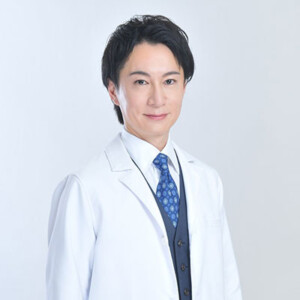
Dr. Jun Karibe
MD
Director
Education & Career
Certifications
Awards
MEDICAL REVIEW