Artmake for Foreigners in Tokyo: A Complete English-Language Guide
Finding a clinic in Tokyo that offers artmake — and can communicate with you clearly in English — is a genuine challenge, particularly when you are unfamiliar with Japan’s medical aesthetic landscape.
This guide explains exactly what artmake is, how it differs from traditional tattooing, what it realistically costs in Tokyo, and how to access a clinic where English enquiries are fully supported.
What you’ll learn in this article:
- What artmake is and how it differs from conventional tattooing and microblading
- How a typical artmake procedure is performed, step by step
- Realistic price ranges for artmake treatments in the Tokyo market
- Healing expectations, aftercare guidance, and common risks
- Which clinic in our group offers artmake and how to book in English
Have a question about this treatment?
Message us on LINE or WhatsApp — our English-speaking team usually replies the same day.
What Is Artmake?
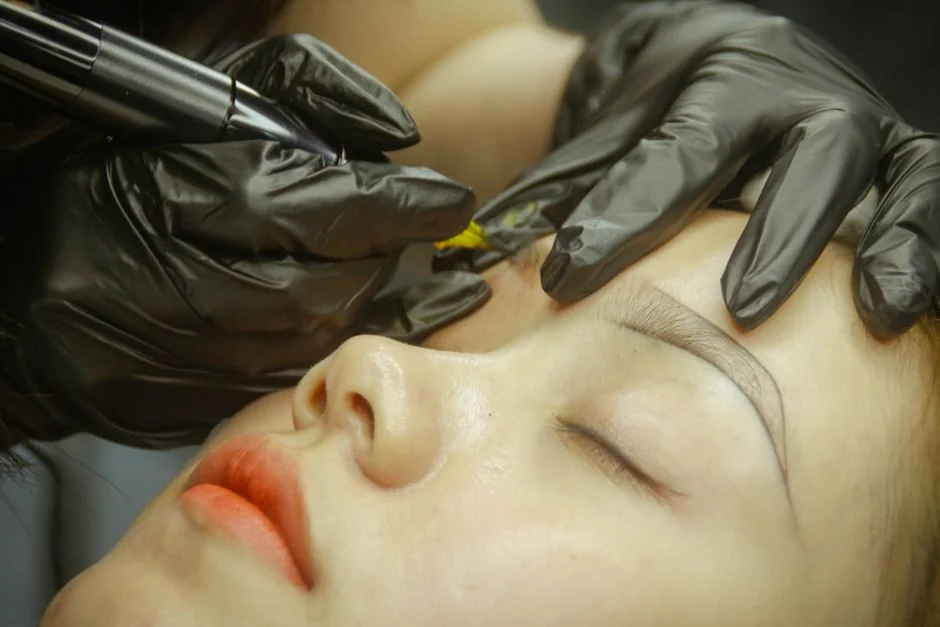
Artmake (アートメイク) is a cosmetic procedure in which pigment is implanted into the upper layers of the skin to create the appearance of defined eyebrows, eyeliner, fuller lips, a more even hairline, or reconstructed areola. The term is used widely in Japan and South Korea as the standard clinical name for the procedure that English speakers may know as “permanent makeup” or “semi-permanent makeup.”
In Japan, artmake is legally classified as a medical act (iryo koui) and may only be performed by, or under the direct supervision of, a licensed physician. This is an important distinction from some other countries, where similar procedures are performed by beauty technicians without medical oversight. Patients seeking artmake in Japan can therefore expect a higher standard of hygiene control and clinical accountability.
Artmake vs Tattoo vs Microblading: Key Differences
Many people arrive at an initial consultation uncertain about how these three techniques compare. The table below summarises the most clinically relevant distinctions.
| Feature | Artmake (Japan) | Conventional Tattoo | Microblading |
|---|---|---|---|
| Pigment depth | Epidermis to upper dermis | Deep dermis | Superficial dermis (manual blade) |
| Longevity | Approximately 1–3 years (fades naturally) | Decades; highly permanent | Approximately 1–2 years |
| Legal status in Japan | Medical procedure — physician oversight required | Unregulated for cosmetic purposes | Grey area; often performed in beauty salons |
| Removal feasibility | Possible with laser or saline method; multiple sessions required | Difficult; requires many laser sessions | Moderate; fades faster but still requires treatment |
| Colour change over time | Fades gradually; may shift tone slightly | May turn blue-green over years | Can turn orange or red-brown |
| Typical provider in Japan | Medical clinic under physician supervision | Tattoo studio | Beauty salon or aesthetician |
Common Misconceptions
Misconception 1: “Artmake is the same as getting a tattoo.” In practice, artmake uses different pigment formulations and a shallower implantation depth than decorative tattooing. Because the pigment sits higher in the skin, it breaks down gradually over months to years, resulting in natural fading rather than permanent alteration. This makes correction or removal considerably more straightforward than it would be for a conventional tattoo.
Misconception 2: “Artmake lasts forever.” Longevity varies considerably depending on skin type, sun exposure, skincare routine, and the specific area treated. Most practitioners observe that patients require a top-up session every one to three years to maintain optimal results. The procedure should not be presented — or understood — as a permanent solution requiring no future maintenance.
How Artmake Works
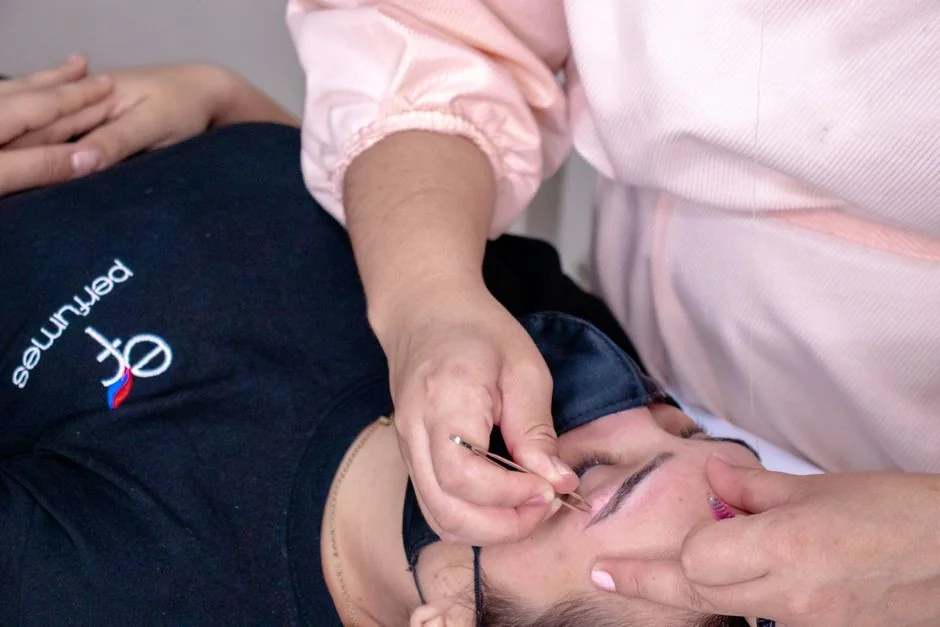
A specialised hand-held device fitted with fine needles deposits pigment into the skin at a controlled and consistent depth. Different needle configurations produce different effects: a hair-stroke configuration creates individually drawn lines that mimic eyebrow hairs, while a shading configuration produces softer, more diffuse colour — sometimes called “powder brow” or “ombre brow” in popular terminology.
Before the procedure begins, a topical anaesthetic cream is applied to the treatment area and allowed to take effect for approximately 20–30 minutes. Discomfort during the procedure varies from person to person; most patients report a mild scratching or pressure sensation rather than sharp pain, though individual experience should not be predicted in absolute terms.
The total procedure time, including anaesthetic application and the artmake itself, typically ranges from 90 minutes to two hours depending on the area.
Number of Sessions
Most artmake practitioners recommend two initial sessions, spaced approximately four to eight weeks apart. The first session establishes the base pigment; the second session — commonly called a “colour boost” or “touch-up” — refines the shape and fills in any areas where pigment was retained unevenly during healing. Skipping the second session often results in a less consistent final appearance.
Dr. Karibe’s Note
“A question I hear frequently from our international patients at BIOTOPE is whether they can complete both artmake sessions within a single short visit to Tokyo.
In practice, the two sessions need to be separated by at least four weeks to allow the skin to heal fully and the pigment to settle. For patients travelling from abroad, we recommend planning accordingly — either extending their stay or scheduling the second session on a return visit.
What surprises many overseas patients is that the colour immediately after the procedure appears considerably darker and more intense than the final result: this is completely normal and resolves as the outer layer of skin heals over the following one to two weeks.”
Cost in Tokyo
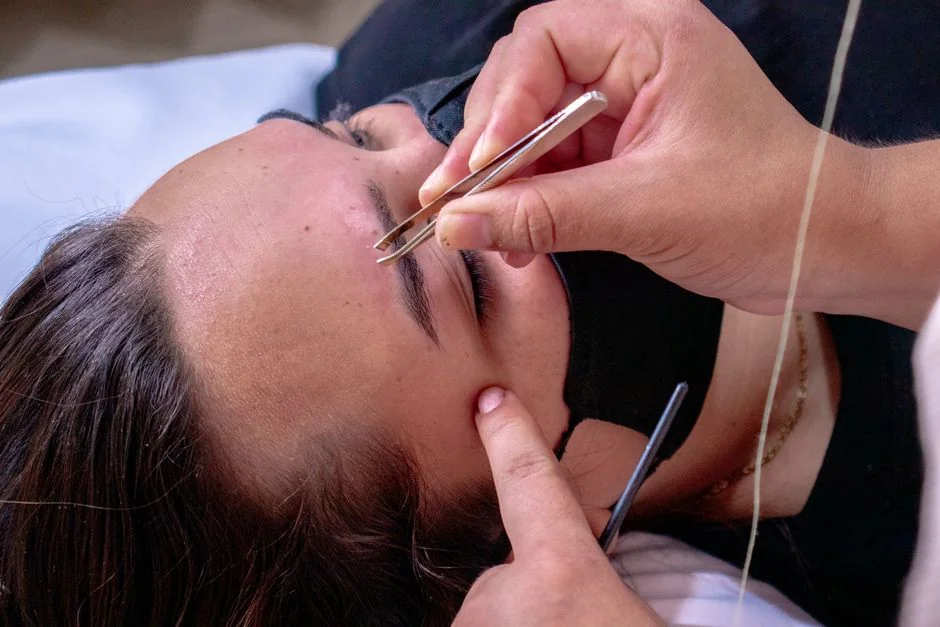
Artmake pricing in Japan reflects the medical setting, the skill and experience of the practitioner, and the complexity of the treatment area. The figures below represent the general Tokyo market range and are intended as a planning reference only; they are not specific to any single clinic.
- Eyebrow artmake: In the Tokyo market, sessions are typically priced in the range of ¥60,000–¥150,000 per session (two sessions are usually recommended).
- Lip artmake (full lip): In the Tokyo market, sessions are typically priced in the range of ¥80,000–¥180,000 per session.
- Eyeliner artmake (upper only): In the Tokyo market, sessions are typically priced in the range of ¥40,000–¥90,000 per session; upper and lower combined typically ¥50,000–¥110,000.
- Hairline artmake: In the Tokyo market, sessions are typically priced in the range of ¥100,000–¥250,000 per session.
- Areola artmake (medical reconstruction): In the Tokyo market, sessions are typically priced in the range of ¥60,000–¥180,000 per session, most commonly performed following mastectomy.
- Artmake removal (laser or saline method): In the Tokyo market, sessions are typically priced in the range of ¥30,000–¥80,000 per session; multiple sessions are usually required.
Note that national health insurance in Japan does not cover artmake in most circumstances. Areola reconstruction following cancer surgery may be an exception in specific cases, but this should be confirmed directly with the treating clinic and your insurer. For an accurate quote, we recommend booking a consultation with BIOTOPE CLINIC via LINE or WhatsApp.
Have a question about this treatment?
Message us on LINE or WhatsApp — our English-speaking team usually replies the same day.
Healing and Aftercare
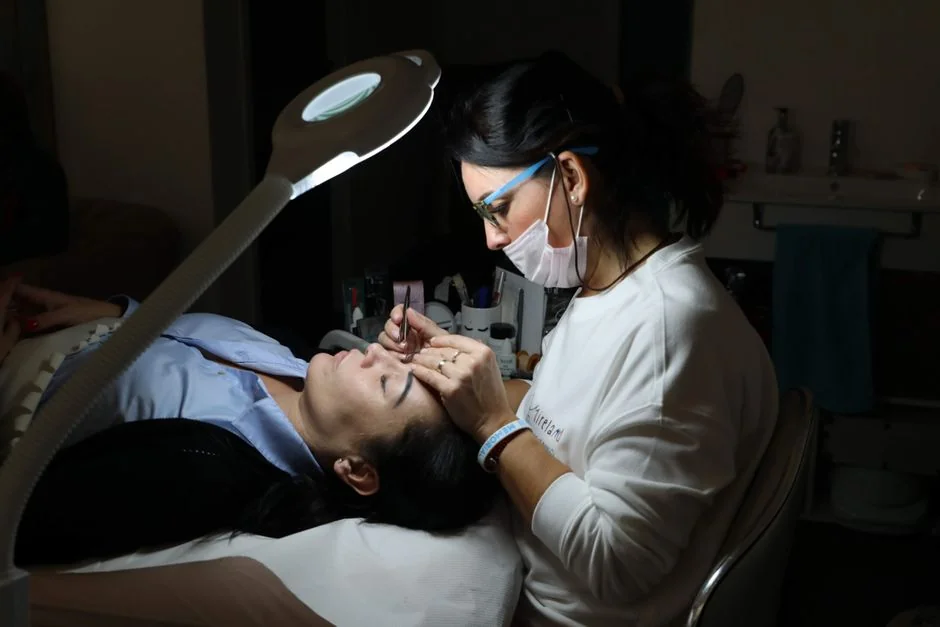
Understanding the healing timeline helps patients set realistic expectations and protect their results. The skin responds to artmake in a broadly predictable sequence, though individual variation is normal.
Typical Healing Timeline
- Days 1–3: The treated area appears darker and slightly swollen. Some patients notice mild tenderness. This is expected.
- Days 3–7: The skin begins to flake or peel as the outer layer (epidermis) renews itself. The pigment beneath may temporarily appear patchy or lighter. Picking or scratching the flaking skin must be avoided, as this can displace pigment and impair the final result.
- Days 7–14: Most surface healing is complete. The colour continues to soften and settle.
- Weeks 4–8: The pigment reaches its stable post-healing shade, and the second session can be scheduled if desired.
Key Aftercare Instructions
- Keep the treated area dry for the first 24–48 hours and follow the clinic’s specific washing guidance.
- Apply any prescribed healing ointment as directed — typically a thin layer to prevent dryness.
- Avoid direct sun exposure on the treated area; use SPF protection once healing permits.
- Refrain from swimming, saunas, and steam rooms until healing is confirmed at the follow-up appointment.
- Do not apply cosmetics, exfoliants, or retinoid-containing products directly to the treated area during the healing phase.
Risks and Potential Side Effects
Artmake performed in a medically supervised clinic carries a lower risk profile than procedures performed in unregulated beauty settings, but it is not without risk. Recognised complications include allergic reaction to pigment components, infection, uneven pigment retention, colour shift over time, and — in rare cases — granuloma formation (a small nodule of inflamed tissue).
Patients with a history of keloid scarring, active skin conditions in the treatment area, or certain autoimmune conditions should discuss their medical history carefully with the physician before proceeding.
Who Is a Good Candidate?
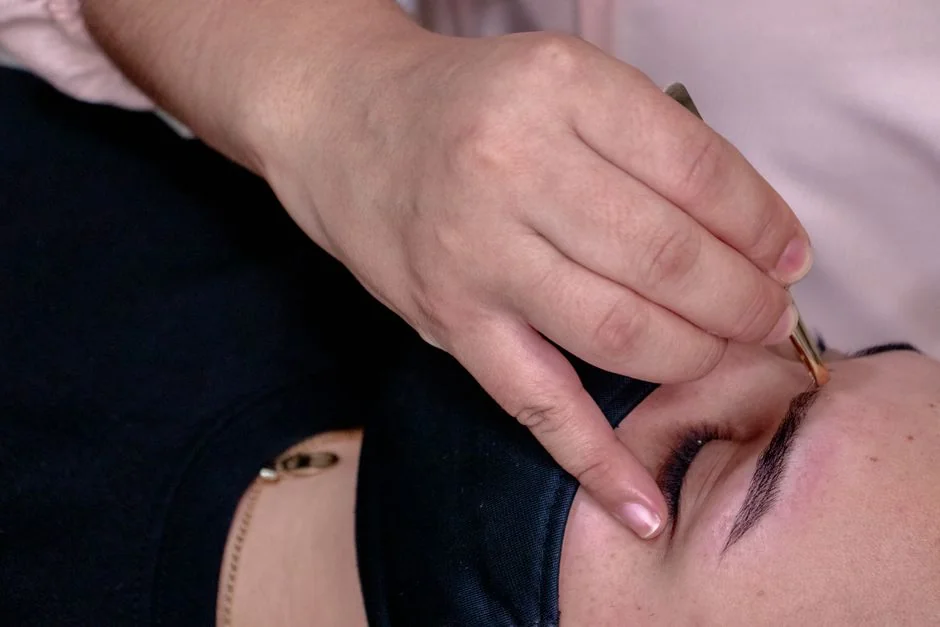
Artmake is suitable for a wide range of adults seeking to enhance facial features or restore appearance following medical treatment. Common reasons for pursuing artmake include sparse or over-plucked eyebrows, asymmetrical brows, hair loss conditions such as alopecia, post-chemotherapy brow and lash thinning, visible surgical scarring, and post-mastectomy areola reconstruction.
A medical consultation is essential to assess individual suitability. Artmake is generally not recommended during pregnancy or breastfeeding, in individuals who are currently taking blood-thinning medications without physician clearance, or in those with active infection, eczema, or psoriasis in the target area. Patients who have undergone recent laser resurfacing in the same area should also allow an adequate recovery interval before proceeding.
Where to Get Artmake in Tokyo: Our Sister Clinic, BIOTOPE
Within our clinic group, artmake is performed at BIOTOPE CLINIC in Shirokanedai (Minato-ku, Tokyo), directed by Dr. Jun Karibe, a board-certified plastic surgeon. Our English-speaking team covers both clinics and handles all English enquiries, so patients can communicate comfortably from initial contact through to aftercare follow-up.
The Kojimachi Dermatology and Plastic Surgery Clinic, located in Ichigaya (Chiyoda-ku), is the primary dermatology and plastic surgery clinic in the group but does not offer artmake services. Patients who contact Kojimachi Clinic regarding artmake are guided seamlessly to BIOTOPE CLINIC through the shared English-speaking intake team.
BIOTOPE CLINIC is accessible from Shirokanedai Station on the Toei Mita Line and Tokyo Metro Nanboku Line, making it conveniently reachable from central Tokyo and from major hotel districts. Consultations and procedure appointments can be arranged in English via LINE or WhatsApp.
Frequently Asked Questions
- Q. Is artmake painful?
- Topical anaesthetic cream is applied before the procedure, which significantly reduces discomfort for most patients. Sensation during treatment is commonly described as mild pressure or a light scratching feeling; however, pain tolerance varies between individuals, and the experience cannot be characterised as universally painless. Patients are encouraged to share any concerns about discomfort with the practitioner during the pre-treatment consultation.
- Q. Can I have artmake done if I am only in Tokyo for a short time?
- It is possible to undergo the first artmake session during a short visit, though completing the recommended two-session course requires a second appointment at least four weeks later. Patients travelling from abroad often schedule the first session on one trip and return for the touch-up session several weeks later. This should be planned in advance when booking.
- Q. How long does artmake last, and will it need to be removed eventually?
- Most patients find that artmake fades gradually over one to three years, depending on skin type, lifestyle, and sun exposure. Because the pigment sits in the upper layers of the skin rather than the deep dermis, natural fading means that many patients simply allow the colour to diminish between maintenance sessions rather than pursuing formal removal. If removal is desired, laser or saline-based methods are available, though multiple sessions are typically required.
- Q. Is artmake safe for darker or olive skin tones?
- Artmake can be performed on a wide range of skin tones; however, pigment colour selection is more technically demanding for deeper complexions, and there is a slightly elevated risk of post-inflammatory hyperpigmentation (darkening of the skin) in individuals with Fitzpatrick skin types IV–VI. A physician-supervised clinic with experience treating diverse skin tones is particularly important for patients with darker or more reactive skin. This is a point worth discussing specifically during the initial consultation.
- Q. Does Japan’s national health insurance cover artmake?
- In the vast majority of cases, artmake is considered a cosmetic procedure and is not covered by Japan’s national health insurance (Kokumin Kenko Hoken). Patients seeking areola reconstruction following mastectomy should enquire directly with the clinic and their insurer, as coverage criteria may differ. International visitors relying on travel insurance should also check their policy terms before booking.
Have a question about this treatment?
Message us on LINE or WhatsApp — our English-speaking team usually replies the same day.
Summary
Artmake is a medically supervised cosmetic procedure that implants pigment into the upper layers of the skin to define eyebrows, eyeliner, lips, the hairline, or areola. In Japan, it must be performed by or under the direct supervision of a licensed physician — a regulatory standard that provides meaningful reassurance of clinical safety.
Results are semi-permanent rather than lifelong, typically lasting one to three years before natural fading, and most practitioners recommend two initial sessions for optimal outcome. Pricing in the Tokyo market varies by treatment area and practitioner, and a direct consultation is the most reliable way to obtain an accurate quote.
For English-speaking patients in Tokyo — whether resident expatriates, medical tourists, or short-term visitors — the Kojimachi Clinic group offers access to artmake services at BIOTOPE CLINIC in Shirokanedai, with full English-language support from the initial enquiry through to aftercare. Consultations can be arranged via LINE or WhatsApp.
24/7 Consultation & Booking
Book a Consultation or Treatment
Our English-speaking team responds via LINE or WhatsApp — usually the same day.
References
- Alexiades-Armenakas M, Dover JS, Arndt KA. Permanent cosmetics: a review of the literature and clinical considerations. Dermatologic Surgery. 2006.
- Kluger N, Koljonen V. Tattoos, inks, and cancer. The Lancet Oncology. 2012.
- Japan Ministry of Health, Labour and Welfare. Guidance on the classification of cosmetic tattooing as a medical act. Ministerial Notice. 2001.
- de Cuyper C. Permanent makeup: indications and complications. Clinics in Dermatology. 2008.
- Sepehri M, Sejersen T, Qvortrup K, Lerche CM, Serup J. Pigment localisation and pigment breakdown in human skin after exposure to lasers — a histological study. Acta Dermato-Venereologica. 2017.
Related Articles
You may also find these articles useful.
- Artmake Pain, Safety & Side Effects for English Speakers
- Eyebrow Artmake Tokyo: Cost, Procedure & Clinic Guide
- Eyeliner Artmake Tokyo: Safety, Technique & Results
SUPERVISED BY
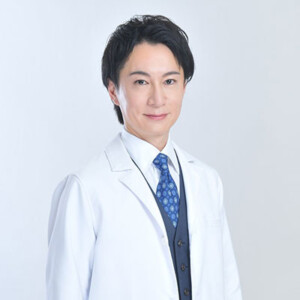
Dr. Jun Karibe
MD
Director
Education & Career
Certifications
Awards
MEDICAL REVIEW