By Dr. Jun Karibe, MD — BIOTOPE Clinic Shirokanedai, Tokyo · Reviewed August 2026
When a couple in Tokyo starts thinking about pregnancy, the conversation with their doctor is almost always aimed at one person: the woman.
She is told to start folic acid, to check her rubella titre, to reduce alcohol, perhaps to lose or gain a few kilograms.
Her partner, meanwhile, is generally told nothing. If conception does not happen quickly and the couple ends up at a fertility clinic, the man is finally asked to produce a semen sample and, if the parameters look acceptable, the workup returns to the woman.
This pattern is out of step with the underlying biology. Half of the genetic material comes from the male partner. In the range of studies that separate causes of infertility, male-factor issues account for roughly 40 to 50 percent of cases, either as a stand-alone cause or in combination with female factors.[1] Sperm quality is measurably sensitive to nutrition, oxidative stress, alcohol, sleep, weight and environmental exposure. Yet the standard preconception advice in Japan continues to treat the male partner as a bystander.
This guide is written for couples in Tokyo — Japanese and expat — who want to approach the next three to twelve months in a way that reflects the actual biology.
It is not a substitute for fertility clinic care. If you have been trying for twelve months without success (six months if the female partner is over 35), you should be evaluated by a reproductive endocrinologist. What nutrition therapy adds is the layer beneath that clinical care: getting both partners into the best possible biochemical state before, during and, if needed, alongside assisted reproductive treatment.
Why the three-month preconception window matters

The most important number in fertility nutrition is not a nutrient dose. It is a timeline.
Sperm take about 74 days to mature. Spermatogenesis — the process of turning a spermatogonial stem cell into a mature spermatozoon — runs on a schedule of roughly 74 days from start to finish, with additional weeks of transit through the epididymis before ejaculation.[2] This means the sperm that will attempt fertilisation next month were already being built two to three months ago. Any change the male partner makes today — better sleep, stopping smoking, correcting a zinc deficiency, reducing alcohol — will not show up in his semen parameters for approximately three months.
Oocytes take about 90 days to complete their final maturation. Female eggs are laid down before birth and remain in an arrested state for decades. In the final three months before ovulation, however, each cohort of eggs undergoes a demanding metabolic maturation. The mitochondrial function, DNA integrity and epigenetic status of the ovulated egg are shaped by the biochemistry of the surrounding follicular fluid during this window.[3] Nutritional status and oxidative stress during those three months influence egg quality in ways that cannot be reversed after ovulation.
The practical implication is straightforward. If you are planning to try for a pregnancy, both partners should be optimising for at least three months — ideally four to six — before the first cycle you actually want to conceive on. Nutritional preparation is not something you start in the same month as the pregnancy attempt. It is a project you start earlier.
This principle applies with equal force to couples using assisted reproductive technology. Egg retrieval and sperm collection reflect the biochemistry of the preceding three months. IVF outcomes are demonstrably influenced by both partners’ preconception nutritional status, and a growing body of clinical trial data supports structured preconception nutritional interventions before starting a stimulation cycle.[4]
Nutritional priorities for the male partner
Male preconception nutrition is dominated by two concerns: raw materials for spermatogenesis and protection against oxidative damage. Sperm are among the most metabolically active cells in the body and are unusually vulnerable to reactive oxygen species because they carry limited antioxidant defences of their own. The nutrients below have consistent supporting evidence in modern reviews of sperm quality and fertility outcomes.[5]
Zinc
Zinc concentrates in the prostate and seminal fluid at some of the highest levels found anywhere in the body. It is required for normal spermatogenesis, testicular steroidogenesis, sperm motility and DNA integrity. Deficiency is associated with reduced testosterone, lower sperm counts and impaired motility. Randomised trials of zinc supplementation in infertile men have shown improvements in semen parameters, particularly where baseline zinc status was low.
Zinc status in Tokyo-resident men is frequently suboptimal in our practice. Contributing factors include a diet lower in red meat and oysters (the two densest dietary sources), high grain and phytate intake reducing absorption, and chronic alcohol intake accelerating urinary loss. The functional target range we work to is a serum zinc in the mid-to-upper half of the reference range.
Selenium
Selenium is a cofactor for glutathione peroxidase, the key antioxidant enzyme protecting the sperm mid-piece from oxidative damage during the energy-intensive process of motility. Selenium deficiency is associated with reduced sperm motility and morphology. Japanese soil is variable but generally not selenium-rich, and dietary intake in Japan is typically lower than in North America (where wheat is grown on selenium-adequate soil). A serving of Brazil nuts a few times weekly is the simplest dietary intervention; supplementation at 100 to 200 mcg daily is used where blood levels are low.
Coenzyme Q10
CoQ10 is essential for mitochondrial energy production and doubles as a lipid-soluble antioxidant in cell membranes, including the sperm membrane. A 2013 Cochrane review and several subsequent randomised trials have found that CoQ10 supplementation in men with subfertility improves sperm concentration, motility and morphology, with typical doses of 200 to 400 mg per day of ubiquinone or ubiquinol for at least three months.[6] Because endogenous CoQ10 synthesis declines with age, this nutrient is particularly relevant for male partners over 35.
L-carnitine and acetyl-L-carnitine
Carnitine transports fatty acids into the sperm mitochondria for energy production. Concentrations of carnitine in the epididymis are among the highest of any tissue, reflecting its role in sperm maturation and motility. Randomised trials have used doses of 2 to 3 grams per day of L-carnitine or a combination of L-carnitine and acetyl-L-carnitine, generally for three to six months, with measured improvements in sperm motility.
Omega-3 fatty acids
Sperm membranes contain a high proportion of long-chain polyunsaturated fatty acids, especially DHA. Adequate omega-3 status supports sperm membrane fluidity and function, and higher dietary omega-3 intake is associated with better semen parameters in observational studies. Supplementation trials in subfertile men have shown improvements in sperm count and motility. In our clinic we aim for an omega-3 index (RBC EPA plus DHA as a percentage of total fatty acids) above 8 percent, using 1 to 2 grams of combined EPA and DHA daily when needed.
Vitamin D
Vitamin D receptors are present in the male reproductive tract, and observational data link sufficient vitamin D status with better sperm motility and morphology. Given how uniformly deficient Tokyo residents are — around 98 percent of adults in a 2023 survey — this is a nutrient we test on every male partner and correct actively when deficient. Our fuller treatment of vitamin D in Tokyo residents, including target ranges and dosing, is in the vitamin D article.
Folate
Folate is not just a female preconception nutrient. In the male, folate supports normal spermatogenesis and reduces DNA damage in sperm. Combined folate and zinc supplementation has been studied specifically in male fertility, with modest but measurable improvements in sperm parameters. A daily methylated folate at 400 to 800 mcg, alongside zinc, is a reasonable baseline for the male partner during the preconception window.
Vitamin C, vitamin E and other antioxidants
The 2019 and 2022 Cochrane reviews of antioxidants for male subfertility concluded that antioxidant supplementation likely improves live birth and clinical pregnancy rates in couples undergoing assisted reproduction, though the certainty of evidence remains moderate.[7] The individual antioxidant with the strongest signal varies between trials, which is one reason we work from a blood panel rather than defaulting to a fixed antioxidant formula.
Nutritional priorities for the female partner

Female preconception nutrition has been studied for far longer, and the priorities are correspondingly better established. The list below is not exhaustive — it reflects the nutrients that most often come back low or borderline on the panels of women preparing for pregnancy in our clinic.
Folate (methylated folate for many)
Folate supplementation before conception and through the first trimester reduces the risk of neural tube defects by roughly 70 percent, one of the most robust findings in preventive medicine. The standard recommendation is 400 mcg of folic acid daily starting at least one month before conception, or higher (up to 4 mg) for women with a previous affected pregnancy, diabetes or on certain anti-epileptic medications.
In practice we often prescribe methylated folate (5-methyltetrahydrofolate) rather than folic acid. A subset of women carry MTHFR gene variants that reduce their ability to convert folic acid to the active methylfolate form. Whether this matters clinically for the general population is debated, but for a woman actively trying to conceive with a personal or family history of neural tube defect, recurrent pregnancy loss or elevated homocysteine, we default to the methylated form.
Iron
Iron deficiency in reproductive-age women is common everywhere and particularly common in Japan, where dietary iron intake is often lower and menstrual iron losses are the same as anywhere else. Entering pregnancy with a low ferritin — even without frank anaemia — is associated with increased risk of maternal fatigue, postpartum depletion, restless legs and possibly poorer birth outcomes. The functional target we aim for before conception is a ferritin above 70 ng/mL, well above the Japanese laboratory “normal” cut-off. Our fuller treatment of iron deficiency in women is in the iron deficiency article.
Iodine
Iodine is required for maternal and foetal thyroid hormone production. Adequate iodine status supports normal foetal brain development, particularly in the first trimester when the foetus is entirely dependent on maternal thyroid hormone. Japan is generally an iodine-sufficient country because of high seaweed intake, but individual variation is wide — a woman who does not eat seaweed regularly may be deficient, and one who consumes very large amounts of kombu can be over the safe upper intake. We test urinary or serum iodine when the dietary picture is unclear.
Vitamin D
Vitamin D sufficiency in early pregnancy is associated with better outcomes across a range of endpoints, including reduced risk of gestational diabetes, preterm birth and small-for-gestational-age infants. A 2019 Japanese study documented very high rates of vitamin D deficiency in pregnant women in Tokyo. Correcting deficiency before conception is easier than mid-pregnancy, and we routinely add cholecalciferol at 1,000 to 5,000 IU daily depending on baseline level.
Omega-3 fatty acids (particularly DHA)
DHA is the dominant long-chain omega-3 fatty acid in the developing foetal brain and retina. Adequate maternal DHA status before and during pregnancy supports foetal neurodevelopment. The commonly cited target is 200 to 300 mg of DHA per day from pregnancy onwards, either from fatty fish (with attention to mercury — see below) or from a low-mercury fish oil or algal DHA supplement.
Choline
Choline is critical for foetal brain development, closely linked with folate metabolism, and often under-supplied in Western and Japanese diets alike. Egg yolks are the densest common food source; a woman eating two eggs a day comes close to the recommended intake, whereas a woman avoiding eggs falls well short. A prenatal supplement providing 200 to 300 mg of choline, added to dietary sources, is a reasonable target for the female partner.
B12
Vitamin B12 works alongside folate in one-carbon metabolism, and deficiency during the periconception period is independently associated with increased neural tube defect risk. B12 deficiency is common in vegetarians and vegans and can be missed in patients on long-term acid-suppressing medication. Where B12 status is borderline, we supplement with methylcobalamin at 500 to 1,000 mcg daily. Our fuller treatment of B12 in vegetarian and vegan patients is in the B12 article.
Prenatal multivitamin
For most women, a well-chosen prenatal multivitamin covers most of the above at reasonable doses. The best prenatal choices contain methylated folate, methylcobalamin, adequate iodine (150 to 220 mcg), some choline, and modest iron. We often recommend adding a separate DHA supplement and, based on blood work, additional vitamin D and iron.
Shared factors: what both partners should address together

Some of the largest fertility-relevant interventions are shared. Both partners are exposed to the same household environment, eat many of the same meals and follow similar sleep and alcohol patterns. Addressing these together is more effective than each partner working alone.
Sleep
Sleep deprivation and shift work are associated with reduced sperm quality in men and menstrual cycle irregularity in women. Melatonin — the hormone released during sleep — is a potent antioxidant in follicular fluid and appears to have a direct protective effect on egg quality. Chronic short sleep (under six hours) is a real fertility risk factor that neither partner should ignore during the preconception window. The practical target is seven to nine hours of consistent sleep, in a dark and cool room, for both partners.
Alcohol
The male partner: alcohol reduces testosterone, impairs spermatogenesis and increases oxidative damage to sperm. Heavy drinking is associated with reduced sperm concentration and motility. Even moderate drinking, sustained over months, may reduce fertility. We recommend the male partner reduce to no more than 1 to 2 standard drinks a few times per week during the preconception window, and abstain entirely for the last month before an assisted reproduction cycle.
The female partner: alcohol use during pregnancy has no established safe threshold. Before pregnancy, occasional light drinking is not clearly harmful to fertility but heavier drinking is. Because women often do not know they are pregnant for the first several weeks, the pragmatic recommendation is to move to no alcohol as soon as active trying begins.
Smoking and vaping
Smoking is one of the largest modifiable fertility risks for both partners. Male smoking is associated with reduced sperm count, motility and morphology and with increased sperm DNA fragmentation. Female smoking is associated with reduced ovarian reserve, poorer IVF outcomes and increased miscarriage risk. Vaping is not a safe alternative — nicotine itself has adverse effects on fertility, and long-term data on the other constituents of vape liquid are limited. Both partners should stop.
Weight
Both underweight and overweight are associated with reduced fertility. In women, BMI below 18.5 or above 30 correlates with menstrual irregularity, ovulatory dysfunction and reduced IVF success. In men, obesity is associated with lower testosterone, higher oestrogen and reduced sperm parameters. The interventions here are neither dramatic nor rapid. Modest weight loss — 5 to 10 percent of body weight in overweight patients — is often enough to restore ovulation in women with PCOS and to improve semen parameters in men. Aggressive dieting during the preconception window is counterproductive because it drives micronutrient deficiency and stress on the reproductive axis.
Mercury and fish selection
Fish is a source of high-quality protein, vitamin D and long-chain omega-3 fatty acids, and both partners benefit from eating it regularly during preconception. Fish is also the dominant dietary source of methylmercury, which crosses the placenta and accumulates in the foetal brain. The practical rules for Japan-resident couples:
- Prefer smaller, shorter-lived fish that are low in mercury: sardines (iwashi), mackerel (saba), salmon (sake), horse mackerel (aji), Pacific saury (sanma). These can be eaten several times per week.
- Limit larger predatory fish: tuna (particularly bluefin — hon-maguro), swordfish (mekajiki), shark (fuka). The Japanese Ministry of Health issues specific guidance for pregnant and prospective mothers on tuna intake.
- Female partners actively trying: follow pregnancy-level guidance, limiting maguro to roughly 80 g per week and rotating with lower-mercury options.
Oxidative stress and antioxidant load
Oxidative stress is the mechanism through which many of the lifestyle risks above impair fertility. Excess reactive oxygen species damage sperm DNA in men and impair egg quality and mitochondrial function in women. A diet rich in colourful vegetables and fruits, olive oil, nuts and fatty fish (a broadly Mediterranean pattern) is the dietary strategy with the best fertility evidence for both partners. Supplementation with individual antioxidants without a rationale — the “kitchen sink” approach — is not clearly beneficial and can, in the case of some antioxidants, become pro-oxidant at high doses. Blood-work-driven supplementation is more reliable.
Caffeine
Very high caffeine intake (above about 500 mg per day) has been associated with fertility and pregnancy loss risks in some studies. Moderate intake — up to about 200 mg per day, which is around one standard coffee — is generally considered safe both preconception and during pregnancy. For heavy coffee drinkers, a gradual step-down over the preconception months is a sensible target.
Environmental exposures worth considering in Tokyo

Environmental exposures rarely make it into a preconception counselling session but they are increasingly documented as fertility-relevant. None of the interventions below is likely to be transformative on its own, but combined they meaningfully reduce the toxicant load both partners bring to conception.
Endocrine-disrupting chemicals
Bisphenol A (BPA), certain phthalates and per- and polyfluoroalkyl substances (PFAS) are compounds that interfere with hormone signalling and have been linked, in observational and animal studies, with reduced fertility in both sexes.[8] Practical measures with the most supportive evidence:
- Reduce use of plastic food storage; avoid microwaving food in plastic; prefer glass and stainless steel containers.
- Reduce reliance on canned foods (many can linings still contain BPA or replacement bisphenols).
- Choose personal-care products that disclose ingredients and avoid phthalates in fragrance.
- Wash new clothing before wearing, particularly performance fabrics with water- or stain-repellent finishes (a common PFAS source).
Air quality
Tokyo air quality is generally moderate to good by global standards but not always. Long-term exposure to fine particulate matter (PM2.5) has been associated with reduced fertility in both partners in international cohort studies. A HEPA air purifier in the bedroom, closing windows on high-pollution days, and reducing outdoor high-intensity exercise near heavy traffic during the preconception window are inexpensive and reasonable measures.
Heat exposure in men
Spermatogenesis is temperature-sensitive. The testes sit outside the body cavity for a reason. Recurrent hot baths (long onsen sessions, extended saunas), laptop use directly on the lap, and tight-fitting underwear may all raise scrotal temperature enough to affect sperm parameters. For a male partner in the middle of a three-month preconception window, moderating these exposures is a low-cost intervention.
Occupational and hobby exposures
Solvent, pesticide, heavy metal and radiation exposures — occupational or in intense hobbies — deserve individual review. A patient who works in a paint or printing environment, uses lead-glazed pottery, restores vintage furniture with old finishes, or works with industrial solvents should have a specific conversation with a physician about exposure and possible biomarker testing.
How this integrates with fertility clinic care

This programme is designed to complement, not replace, care at a fertility clinic. If you have been trying for twelve months without success (six months for female partners over 35), or if either partner has a known condition affecting fertility, the primary care pathway is a reproductive endocrinologist. Tokyo has excellent fertility clinics, including several with strong English-language services.
What preconception nutrition adds sits alongside that pathway. In our practice we frequently see couples in two situations:
Before starting a fertility clinic workup. Couples who have been trying for six to nine months and want to make sure they are giving themselves the best possible starting position before formal fertility investigation begins. The three-month nutritional intervention often produces a pregnancy in that window; if it does not, both partners arrive at the fertility clinic with a fuller data set to bring to the specialist.
During assisted reproduction. Couples in an IVF or ICSI programme who want to optimise sperm and egg quality before the next stimulation cycle. Reproductive endocrinologists we work with in Tokyo are increasingly comfortable with structured antioxidant, CoQ10, folate, iron, vitamin D and omega-3 protocols during the three months preceding a cycle, and the emerging literature supports this integration.[4]
We do not treat conditions such as tubal factor infertility, severe male-factor infertility, endometriosis-related infertility or ovulation induction. Those are the domain of the fertility specialist. Our role is to make sure that when you meet the specialist, both partners’ underlying biochemistry is not adding a solvable problem on top of the fertility question already on the table.
What a fertility-focused consultation at BIOTOPE covers
When a couple books our orthomolecular nutrition programme with a fertility focus, the workup is deliberately structured for both partners. Each partner has a separate consultation and a separate blood panel.
For the female partner, the panel includes the standard 60-plus marker workup with particular attention to ferritin, iron studies, 25-hydroxyvitamin D, RBC folate, vitamin B12, homocysteine, iodine, TSH with thyroid antibodies, HbA1c and fasting insulin, plus cycle-timed reproductive hormones where indicated (day 3 FSH, LH, oestradiol, AMH; mid-luteal progesterone).
For the male partner, the panel focuses on nutrients most relevant to sperm quality: zinc, selenium, RBC omega-3 index, 25-hydroxyvitamin D, homocysteine, RBC folate, vitamin B12, total and free testosterone, SHBG, HbA1c and hs-CRP. Where a semen analysis has been done at a fertility clinic, we review those results alongside the blood work. We do not perform semen analysis in-clinic.
Reports are written in English and structured as a joint plan: the dietary elements that both partners follow together, the supplementation each partner takes individually, and the shared lifestyle changes for the three-month window. Follow-up panels at three months confirm that biochemistry has moved in the intended direction before, or during, the pregnancy attempt.
Common questions from couples
Should we do this before or during a fertility clinic workup?
Either is reasonable. Couples who have been trying for less than a year often prefer to do the nutritional workup first and see whether the three-month intervention itself resolves the situation. Couples already in a fertility clinic often add the nutritional workup between cycles or in preparation for a specific cycle. We are comfortable working in either sequence.
Does the male partner really need his own consultation?
Yes. Male-factor issues are involved in roughly half of infertility cases and male nutritional status directly affects sperm quality and DNA integrity. Treating the couple as a unit — with both partners tested and both partners on protocol — is the model with the strongest biological rationale.
How long before conception should we start?
Ideally three months minimum, given the 74-day sperm cycle and 90-day final oocyte maturation window. Four to six months provides more room for correction of deficiencies that take longer to resolve — iron in particular can take three to six months to reach the functional target.
What if we have already been trying for months?
The three-month window resets from whenever you begin the intervention. You do not need to wait to start trying again. Many couples continue trying while implementing the protocol; the improvements in both partners’ biochemistry begin to influence sperm and egg quality on the standard 74- and 90-day timelines.
What if we are already pregnant?
The programme is designed for preconception rather than active pregnancy. A pregnant patient is better served by our prenatal nutrition guidance and by a coordinated hand-off to her obstetrician. See the prenatal nutrition article for that pathway.
Is this available to same-sex couples and single parents using donor gametes?
Yes. The biology applies to the person providing the gametes. For a same-sex female couple where one partner will carry the pregnancy, both partners often benefit from optimisation — the egg source and the gestational parent may or may not be the same person. For couples using donor gametes, the recipient’s preconception nutritional status still influences implantation and early pregnancy outcomes.
Do you work with clinics offering IVF in Tokyo?
We coordinate with reproductive endocrinologists on request, sharing panels and protocols where the patient wishes. We do not have exclusive referral arrangements. Patients typically bring us information from their fertility clinic and we work from that.
Will Japanese health insurance cover this?
No. Orthomolecular nutrition consultation is jihi shinryo (private-fee care) and not covered by kokumin kenko hoken or shakai hoken. The ¥22,000 consultation fee is per partner. Fertility treatment itself is a separate consideration; Japan expanded insurance coverage of certain fertility treatments in 2022, and eligibility depends on the specific treatment, the female partner’s age and the number of cycles.
The bottom line
Fertility is not a female project. Half of the biology is male, half of the modifiable inputs are shared, and the three-month window before conception is when both partners can most directly influence the biological quality of the egg and sperm that will meet at fertilisation. Standard Japanese preconception care generally does not address the male partner and does not check the nutrients most relevant to fertility on either side. This is the gap that a structured nutritional consultation is designed to close.
If you are planning a pregnancy in the next six to twelve months, or if you are already in a fertility clinic pathway and want to optimise the three months before your next cycle, the practical starting point is a full blood panel for both partners. That data guides an individualised protocol rather than a generic supplement list.
Preconception Nutrition Consultation at BIOTOPE Tokyo
¥22,000 per partner — a complete personalised programme built around each partner’s blood biochemistry, delivered as a joint fertility plan.
- Comprehensive blood panel for each partner, tailored to fertility-relevant nutrients
- Interpretation by Dr. Jun Karibe, MD using functional-medicine reference ranges
- Written joint dietary protocol plus individual supplementation plans for both partners
- Lifestyle guidance for the three-month preconception window
- English-language consultation and written report
- Coordination with your fertility clinic on request
BIOTOPE Clinic Shirokanedai · 5 minute walk from Shirokanedai Station
References
- Agarwal A, Baskaran S, Parekh N, et al. Male infertility. Lancet 2021;397:319-333. Link
- Neto FTL, Bach PV, Najari BB, Li PS, Goldstein M. Spermatogenesis in humans and its affecting factors. Semin Cell Dev Biol 2016;59:10-26. Link
- Richani D, Dunning KR, Thompson JG, Gilchrist RB. Metabolic co-dependence of the oocyte and cumulus cells: essential role in determining oocyte developmental competence. Hum Reprod Update 2021;27:27-47. Link
- Gaskins AJ, Chavarro JE. Diet and fertility: a review. Am J Obstet Gynecol 2018;218:379-389. Link
- Salas-Huetos A, Bulló M, Salas-Salvadó J. Dietary patterns, foods and nutrients in male fertility parameters and fecundability: a systematic review of observational studies. Hum Reprod Update 2017;23:371-389. Link
- Salas-Huetos A, Rosique-Esteban N, Becerra-Tomás N, et al. The effect of nutrients and dietary supplements on sperm quality parameters: a systematic review and meta-analysis of randomized clinical trials. Adv Nutr 2018;9:833-848. Link
- de Ligny W, Smits RM, Mackenzie-Proctor R, et al. Antioxidants for male subfertility. Cochrane Database Syst Rev 2022;5:CD007411. Link
- Sifakis S, Androutsopoulos VP, Tsatsakis AM, Spandidos DA. Human exposure to endocrine disrupting chemicals: effects on the male and female reproductive systems. Environ Toxicol Pharmacol 2017;51:56-70. Link
- Kurihayashi AY et al. High frequency of vitamin D deficiency in current pregnant Japanese women associated with UV avoidance and hypo-vitamin D diet. PLOS One 2019. Link
- Ministry of Health, Labour and Welfare (Japan). Advice on fish consumption for pregnant women. Link
This article is provided for educational purposes and does not constitute individual medical advice. Couples with a known fertility diagnosis or who have been trying to conceive without success should consult a reproductive endocrinologist. If you are already pregnant, discuss any supplementation with your obstetrician.
Book a Consultation or Treatment
Our English-speaking team responds via LINE or WhatsApp — usually the same day.
Related Articles
- Prenatal Nutrition in Tokyo (Expat Guide)
- Vitamin D Deficiency in Tokyo: The 98% Problem
- Iron Deficiency in Women Living in Japan
- Vitamin B12 for Vegans in Japan
SUPERVISED BY
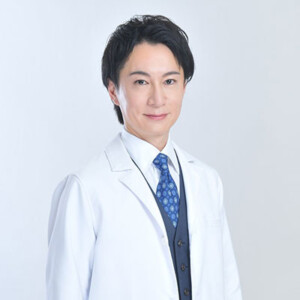
Dr. Jun Karibe
MD
Director
Education & Career
Certifications
Awards
MEDICAL REVIEW