XERF Tokyo: Complete 2026 Guide to Dual-Frequency RF Tightening
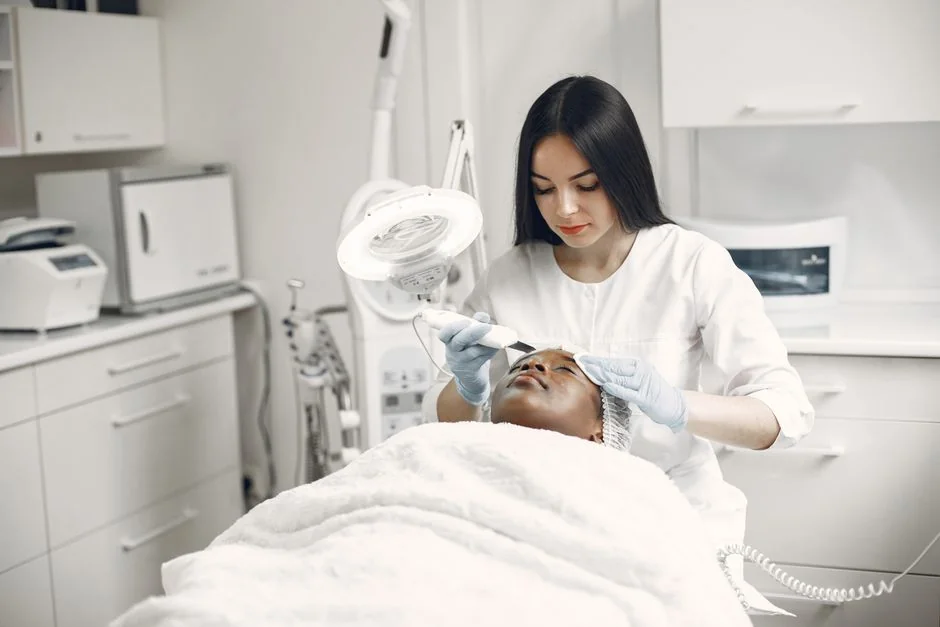
If you are exploring non-surgical skin tightening options in Tokyo and have come across the name “Xerf,” you are not alone. Many expatriates and medical visitors to Japan are curious about this dual-frequency radiofrequency (RF) technology — what it actually does, whether it lives up to the claims, and how to access it safely in an English-friendly clinical environment.
This guide explains everything you need to know about Xerf dual-frequency RF tightening in plain English: the underlying science, realistic results, typical session planning, cost in Tokyo, and who is — and is not — a good candidate.
What you’ll learn in this article:
- What dual-frequency RF technology is and how Xerf works at a physiological level
- What results to realistically expect and how many sessions are typically needed
- How Xerf compares to related treatments such as HIFU and RF microneedling
- Typical cost in Tokyo and what influences the price
- Who makes a good candidate and who should choose an alternative approach
Have a question about this treatment?
Message us on LINE or WhatsApp — our English-speaking team usually replies the same day.
As facial ageing begins, many people notice subtle changes before they ever consider surgery. The jawline becomes less defined, the skin around the neck feels looser, and the lower face gradually loses firmness. While these changes are a natural part of ageing, many patients are looking for treatments that improve skin quality without injections, needles, or surgery.
One of the newest technologies attracting attention is XERF, a dual-frequency radiofrequency (RF) skin-tightening system designed to stimulate collagen production at multiple tissue depths while remaining completely non-invasive.
Whether you are an expatriate living in Tokyo, an international visitor interested in medical aesthetics, or simply researching the latest skin-tightening technologies, understanding what XERF can—and cannot—achieve is essential before deciding on treatment.
At BIOTOPE CLINIC or Kojimachi Dermatology & Plastic Surgery Clinic in Tokyo, English-speaking consultations are available to help international patients compare modern skin-tightening options, including HIFU, radiofrequency treatments, RF microneedling, thread lifts, and surgical procedures.
What You’ll Learn
In this guide you’ll discover:
- What XERF is and how dual-frequency RF technology works
- How radiofrequency stimulates collagen production
- The difference between XERF, Thermage, HIFU, Morpheus8 and Volnewmer
- Expected results and realistic timelines
- Treatment costs in Tokyo
- Downtime and recovery
- Who is—and is not—a good candidate
- Frequently asked questions from international patients
What Is XERF?
XERF is a non-invasive dual-frequency radiofrequency skin-tightening platform developed to improve mild to moderate facial laxity without surgery or needles.
Unlike many traditional radiofrequency devices that emit a single RF frequency, XERF simultaneously delivers two different frequencies during treatment.
This allows energy to be distributed across multiple tissue depths during a single treatment pass.
Rather than relying on lasers or ultrasound, XERF uses electromagnetic radiofrequency energy to generate controlled heating within the skin.
This heating stimulates the body’s natural wound-healing response, leading to:
- Collagen contraction
- New collagen production
- Elastin remodelling
- Improved skin elasticity
- Progressive skin tightening
Because there are no needles or incisions, XERF is considered a completely non-invasive treatment with minimal downtime.
How Does Radiofrequency Tighten Skin?
Collagen is the structural protein responsible for skin firmness.
As we age:
- collagen production slows,
- elastin becomes fragmented,
- connective tissue weakens,
- skin gradually loses elasticity.
Radiofrequency treatment works by generating controlled thermal energy inside the dermis.
Rather than heating the skin surface excessively, RF aims to warm deeper tissues to temperatures that trigger collagen remodelling while protecting the epidermis through integrated cooling systems.
The biological response occurs in two stages.
Immediate Response
Existing collagen fibres contract slightly when heated.
This explains why some patients notice mild tightening immediately after treatment.
Long-Term Response
Over the following weeks, fibroblasts become activated.
These cells gradually produce:
- new collagen
- new elastin
- stronger extracellular matrix
This process—known as neocollagenesis—continues for several months after treatment.
Because collagen formation is slow, the most meaningful improvements appear gradually rather than immediately.
Why Does XERF Use Two Frequencies?
One of XERF’s distinguishing characteristics is its dual-frequency technology.
Instead of delivering a single radiofrequency wavelength, the device emits two frequencies simultaneously.
Different frequencies behave differently within biological tissue.
Some preferentially heat relatively superficial tissue, while others penetrate more deeply.
The theoretical goal is to create more uniform heating throughout several tissue planes rather than concentrating energy at only one depth.
Potential advantages include:
- more consistent dermal heating
- treatment across multiple tissue depths
- improved collagen stimulation
- greater treatment efficiency
- potentially improved patient comfort
Although these engineering concepts are scientifically plausible, it is important to recognise that long-term comparative clinical evidence remains more limited than for older RF systems such as Thermage.
Device design alone does not determine treatment success.
Physician experience, treatment planning, patient selection, and realistic expectations remain considerably more important.
How XERF Works: The Science Explained Simply
When the handpiece contacts the skin, alternating electrical current passes through tissue.
Water molecules and ions naturally present within the skin begin oscillating.
This microscopic movement generates heat through electrical resistance.
Unlike lasers, which target pigment or water using specific wavelengths of light, radiofrequency does not depend on chromophores.
Instead, heating occurs because tissue resists electrical current.
For this reason, RF treatments are generally suitable across a broad range of skin tones.
The treatment aims to heat the dermis sufficiently to stimulate collagen while maintaining a safe epidermal temperature through continuous cooling.
Patients usually experience warmth rather than burning.
What Skin Concerns Can XERF Treat?
XERF is most commonly used for patients with early to moderate signs of ageing.
Face
Treatment may improve:
- mild skin laxity
- early jowls
- reduced jawline definition
- fine wrinkles
- mild facial sagging
Neck
Many patients choose XERF for:
- loose neck skin
- early “turkey neck”
- horizontal neck lines
- mild crepey texture
Jawline
As collagen weakens, the mandibular border becomes less defined.
XERF may improve:
- jawline sharpness
- early jowling
- lower-face contour
Décolletage
The upper chest often develops:
- fine wrinkles
- crepey skin
- sun damage
Dual-frequency RF may improve overall skin quality in this region.
What Results Can XERF Realistically Achieve?
One of the most common misconceptions surrounding non-surgical skin tightening is that devices can produce facelift-level correction.
Current scientific evidence does not support this.
Patients should expect:
- improved skin firmness
- better jawline definition
- mild neck tightening
- smoother skin texture
- reduced fine wrinkles
- modest lifting
Patients should not expect:
- removal of excess skin
- dramatic lifting
- correction of advanced jowls
- repositioning of descended facial tissues
- permanent results
XERF occupies the space between skincare and surgery.
For appropriate candidates, this middle ground can be extremely valuable.
Clinical Evidence
Clinical studies investigating non-invasive radiofrequency devices consistently demonstrate improvements in:
- skin elasticity
- collagen density
- facial contour
- patient satisfaction
Published reviews report clinically meaningful improvement in approximately 60–80% of appropriately selected patients after a series of RF treatments.
Results generally peak between:
3–6 months
after the treatment course.
As collagen continues to mature, improvement often remains progressive rather than immediate.
When Will Results Appear?
Immediately
Patients may notice:
- mild tightening
- improved skin hydration
- temporary swelling
Weeks 2–4
Early collagen remodelling begins.
The skin often feels firmer.
Months 2–3
Visible tightening becomes more noticeable.
Jawline definition gradually improves.
Months 3–6
Peak collagen remodelling occurs.
Most patients observe their greatest improvement during this period.
Maintenance
Because ageing continues naturally, maintenance treatment is usually recommended approximately once or twice yearly.
Xerf is a non-invasive radiofrequency skin-tightening device that delivers energy at two distinct frequencies simultaneously — typically combining a lower frequency (often in the kilohertz range) with a higher frequency (in the megahertz range) within the same treatment session. The word “dual-frequency” refers precisely to this two-channel energy delivery, which distinguishes the platform from conventional single-frequency RF devices.
Radiofrequency energy, in the context of medical aesthetics, works by converting electromagnetic energy into heat within the dermis (the deeper layer of skin) and subcutaneous tissue (the fat and connective tissue below the skin surface). This controlled thermal effect stimulates the production of collagen and elastin — the structural proteins responsible for skin firmness and elasticity — and causes immediate contraction of existing collagen fibres, producing a visible tightening effect.
Why Two Frequencies Rather Than One?
Different radiofrequency frequencies penetrate to different tissue depths. Lower frequencies tend to penetrate more superficially, targeting the dermis and the junction between the dermis and epidermis (the outermost skin layer). Higher frequencies can reach deeper targets, including the superficial musculoaponeurotic system (SMAS) — the fibromuscular layer beneath the fat that plastic surgeons address in surgical facelifts.
By combining both in a single pass, Xerf aims to address multiple tissue planes in one treatment — targeting superficial laxity and textural concerns at the same time as deeper structural sagging. Whether this translates to meaningfully superior outcomes compared to sequential single-frequency treatments is still an active area of clinical discussion, and individual results vary based on patient anatomy, skin condition, and the skill of the treating clinician.
How Xerf Differs from Other RF Platforms
It is worth distinguishing Xerf from two related technologies that readers may already know: HIFU (high-intensity focused ultrasound) and RF microneedling (such as Morpheus8). HIFU uses focused sound waves — not electromagnetic energy — to create discrete thermal injury points at specific depths, typically targeting the SMAS layer.
RF microneedling combines physical micro-channels created by fine needles with RF energy delivered directly into the dermis, producing a different pattern of collagen stimulation.
Xerf, as a surface-contact RF device, does not create needlestick channels and does not use ultrasound. Its mechanism is purely electromagnetic thermal delivery through the skin surface, making it a broadly non-invasive option with a distinct risk and recovery profile.
How Xerf Works: The Science in Plain Language
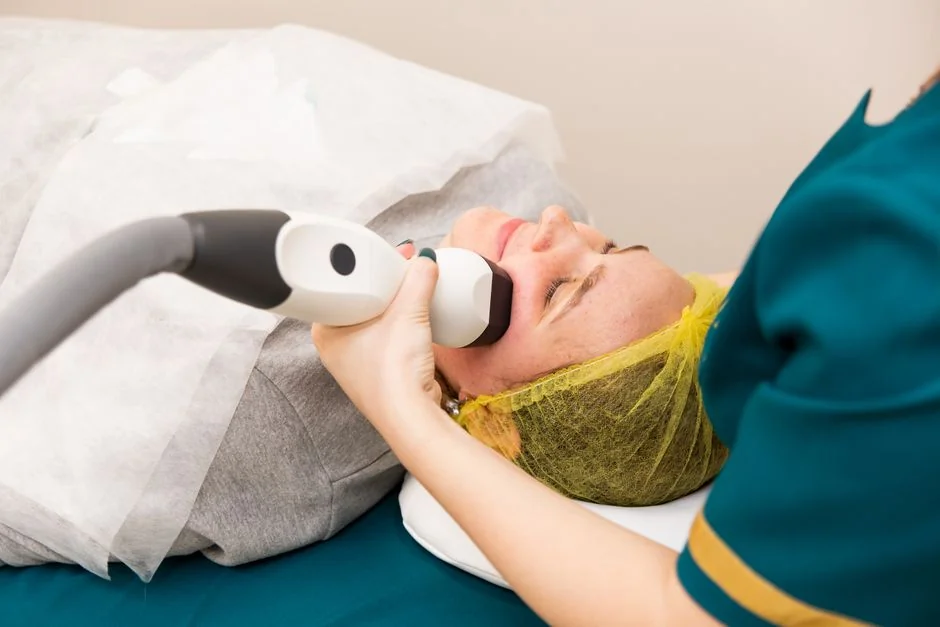
When the Xerf handpiece is applied to the skin, it delivers alternating electric current at two frequencies through the tissue. Charged particles within the tissue — primarily water molecules and ions — oscillate in response to this alternating current, generating friction and heat.
This process is called dielectric heating and ohmic heating, and it is the same basic physics used in therapeutic ultrasound and other RF medical devices, simply applied via electromagnetic rather than acoustic energy.
The target temperature range for collagen remodelling in dermal RF treatments is generally cited as 60–70°C within the dermis, while keeping the epidermal (surface) temperature below the threshold for thermal injury, typically managed by simultaneous contact cooling built into the handpiece.
At these temperatures, existing collagen fibres undergo a structural change called denaturation, causing them to contract. In the weeks and months that follow, the body’s wound-healing cascade produces new collagen and elastin to replace and reinforce the treated tissue.
The Role of Impedance Matching
One technical claim associated with dual-frequency RF platforms is that the combination of frequencies allows for more stable impedance matching across varying tissue types. Impedance, in this context, refers to the resistance of biological tissue to the passage of electromagnetic energy. Because different tissues — fat, dermis, muscle, fibrous septa — have different electrical impedance values, a single frequency may be absorbed very efficiently by one tissue type and pass through another with limited heating effect.
The dual-frequency approach is intended to broaden the range of tissue types that can be heated effectively in a single pass. Manufacturers report this as improving treatment uniformity, though independent peer-reviewed evidence specifically on Xerf’s impedance characteristics remains limited, and prospective patients should weigh manufacturer data alongside published clinical literature on RF tightening in general.
Expected Results: What Dual-Frequency RF Can Realistically Achieve
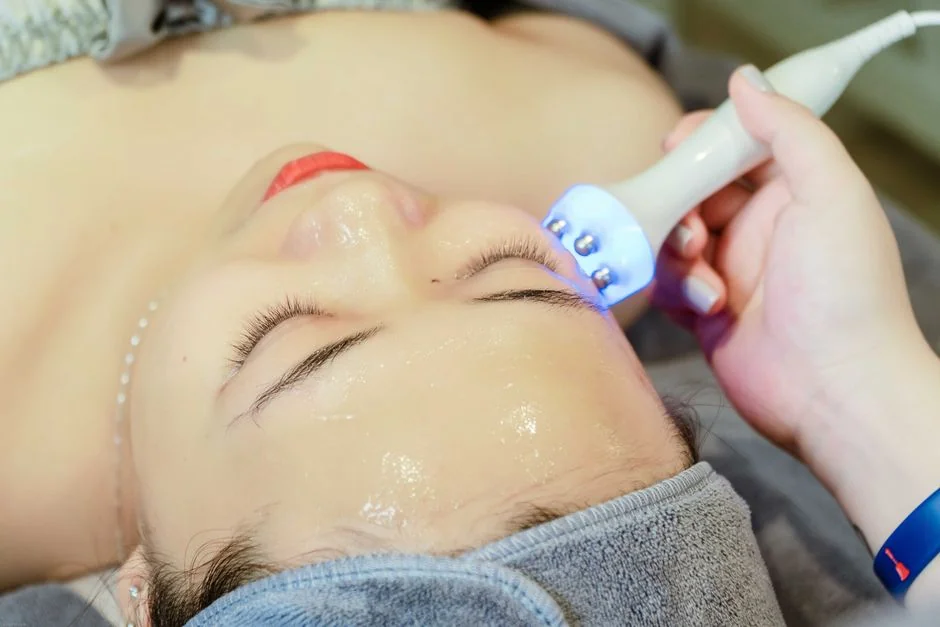
Studies suggest that non-invasive RF tightening treatments can produce measurable improvements in facial laxity, skin texture, and jawline definition in appropriate candidates.
A 2021 review published in the Journal of Cosmetic and Laser Therapy reported that monopolar and multipolar RF devices achieved clinically meaningful skin-tightening outcomes in 60–80% of treated subjects across multiple studies, with peak results typically observed at three to six months after the final session.
Clinical reports on newer multi-frequency platforms indicate similar response patterns, with sustained improvements in collagen density measurable on ultrasound at six-month follow-up.
Realistic expectations for Xerf dual-frequency RF treatment include modest-to-moderate tightening of facial skin laxity, improvement in the appearance of jowling and jawline definition, a reduction in pore visibility and surface texture irregularities, and mild improvement in the appearance of skin crepiness on the neck and décolletage.
These outcomes are generally more subtle than surgical alternatives and are unlikely to replicate the degree of correction achievable with a surgical facelift or neck lift.
Timeline and Session Planning
Most RF tightening protocols recommend an initial course of two to four sessions spaced four to six weeks apart. Visible changes typically begin around four to eight weeks after the first session, as neocollagenesis (new collagen formation) takes time. The most significant improvement is usually seen at three to six months after completing the course, reflecting the gradual maturation of new collagen fibres.
Maintenance sessions, typically one to two per year, are generally recommended to preserve results, as the natural ageing process continues following treatment. Patients who maintain a consistent photoprotection routine and overall skin health regime tend to retain their results longer.
Dr. Karibe’s Note
Many of our international patients are surprised to find that the results from dual-frequency RF and related energy-based treatments are progressive rather than immediate — the skin continues to improve for months after each session as new collagen matures.
A common question I receive is whether a single session is sufficient. For most patients seeking meaningful tightening, a planned course and a realistic timeline are more important than the choice of any single device. At our Ichigaya clinic, we discuss each patient’s anatomical concerns, skin quality, and expectations carefully before recommending a treatment sequence.
XERF vs Thermage: What’s the Difference?
One of the most common questions from patients considering radiofrequency skin tightening is:
“Is XERF better than Thermage?”
The answer depends on your anatomy, treatment goals, and the experience of the treating physician rather than the device alone.
Thermage FLX has been used worldwide for many years and is supported by a substantial body of clinical evidence demonstrating improvements in mild to moderate skin laxity.
XERF represents a newer generation of RF technology that incorporates dual-frequency energy delivery. The goal is to distribute thermal energy across multiple tissue depths more efficiently while maintaining patient comfort.
XERF vs Thermage Comparison
|
Feature |
XERF |
Thermage FLX |
|---|---|---|
|
Technology |
Dual-frequency RF |
Monopolar RF |
|
Energy Delivery |
Two simultaneous RF frequencies |
Single-frequency monopolar RF |
|
Cooling System |
Integrated contact cooling |
Integrated cooling pulses |
|
Downtime |
Minimal |
Minimal |
|
Skin Tightening |
Mild to moderate |
Mild to moderate |
|
Skin Texture |
Moderate improvement |
Mild improvement |
|
Comfort |
Generally well tolerated |
Moderate discomfort in some patients |
|
Sessions |
Usually 2–4 |
Often 1, sometimes repeated |
Both devices stimulate collagen production.
Neither removes excess skin.
Neither replaces facelift surgery.
The choice should be individualized after clinical assessment rather than based solely on marketing claims.
XERF vs HIFU
Although both treatments aim to tighten skin, they work in fundamentally different ways.
HIFU uses focused ultrasound, while XERF uses electromagnetic radiofrequency.
Comparison
|
Feature |
XERF |
HIFU |
|---|---|---|
|
Energy |
Radiofrequency |
Focused Ultrasound |
|
Main Target |
Dermis and superficial subcutaneous tissue |
Deep fascial layer (SMAS) |
|
Needles |
No |
No |
|
Downtime |
Minimal |
Minimal |
|
Pain |
Warm sensation |
Brief sharp sensations |
|
Skin Tightening |
Mild to moderate |
Mild to moderate |
|
Texture Improvement |
Better |
Limited |
|
Maintenance |
Usually yearly |
Usually yearly |
HIFU generally targets deeper tissues, while XERF provides broader heating across multiple tissue layers.
For some patients, these treatments may complement rather than replace one another.
XERF vs Morpheus8
Morpheus8 combines radiofrequency with microneedling.
Unlike XERF, it delivers RF energy directly into the dermis through insulated needles.
Comparison
|
Feature |
XERF |
Morpheus8 |
|---|---|---|
|
Needles |
No |
Yes |
|
Downtime |
Minimal |
3–7 days |
|
Skin Texture |
Moderate |
Excellent |
|
Acne Scars |
Limited |
Excellent |
|
Pore Improvement |
Mild |
Excellent |
|
Skin Tightening |
Moderate |
Moderate to strong |
Patients primarily concerned with acne scars or enlarged pores often benefit more from RF microneedling.
Patients seeking non-invasive skin tightening with minimal downtime may prefer XERF.
XERF vs Volnewmer
Volnewmer is another advanced radiofrequency platform designed for non-invasive skin tightening.
Both treatments stimulate collagen without needles.
They share many similarities:
- no incisions
- no needles
- minimal downtime
- collagen stimulation
- gradual improvement
Selection often depends on:
- facial anatomy
- skin thickness
- physician preference
- treatment goals
Rather than asking which device is “best,” patients should ask which treatment is most appropriate for their individual skin.
Can XERF Replace Facelift Surgery?
No.
This is perhaps the most important point to understand before considering any energy-based treatment.
A surgical facelift physically:
- repositions descended tissues
- removes excess skin
- tightens deeper structural layers
- improves advanced facial ageing
XERF cannot perform any of these surgical manoeuvres.
Instead, it improves skin quality through collagen stimulation.
For patients with:
- significant jowls
- heavy neck skin
- advanced facial descent
- severe skin redundancy
a facelift remains the treatment capable of producing the greatest structural improvement.
Cost of XERF Skin Tightening in Tokyo
Pricing varies depending on:
- treatment area
- face versus face and neck
- number of passes
- treatment package
- physician expertise
As a general guide, non-invasive RF skin-tightening treatments in Tokyo commonly range from:
¥30,000–¥150,000 per session
depending on the technology used.
Related treatments available at Kojimachi Dermatology & Plastic Surgery Clinic include:
|
Treatment |
Price |
|---|---|
|
HIFU |
¥25,000–¥110,000 |
|
Volnewmer |
¥66,000–¥165,000 |
|
POTENZA RF Microneedling |
¥35,000–¥49,800 |
|
Tesslift Thread Lift |
¥48,000 per thread |
|
Initial Consultation |
¥3,300 |
|
Consultation with Dr. Karibe |
¥2,200 |
The most appropriate treatment and total cost can only be determined after clinical assessment.
What to Expect Before Treatment
Before treatment your physician will assess:
- skin quality
- degree of laxity
- facial anatomy
- medical history
- previous cosmetic treatments
- medications
- allergies
- pregnancy status
Patients are generally advised to:
- avoid retinoids for several days beforehand
- avoid excessive sun exposure
- arrive with clean skin
- inform the clinic of implanted medical devices or metal implants
During Treatment
A conductive gel is applied to the treatment area.
The handpiece is moved systematically across the skin.
Patients usually describe the sensation as:
- warmth
- tingling
- mild heat
Treatment typically lasts:
30–60 minutes
depending on the treatment area.
Topical anaesthetic is generally unnecessary but may be used for sensitive patients.
Recovery
Immediately after treatment patients commonly experience:
- mild redness
- warmth
- slight swelling
These effects generally resolve within:
24–48 hours
There are:
- no needles
- no open wounds
- no peeling
- little interruption to daily activities
Patients are usually advised to avoid:
- hot baths
- saunas
- vigorous exercise
- excessive sun exposure
for approximately 24–48 hours.
Daily sunscreen remains essential.
Who Is a Good Candidate?
XERF is generally well suited for patients who:
- are 35–60 years old
- have mild to moderate skin laxity
- wish to avoid surgery
- want minimal downtime
- have realistic expectations
- are committed to maintenance treatments
It is particularly helpful for:
- early jowls
- jawline softening
- mild neck laxity
- fine wrinkles
- preventative anti-ageing
Who May Need Surgery Instead?
Patients with:
- advanced facial sagging
- significant jowls
- heavy neck skin
- severe tissue descent
- substantial excess skin
often achieve more meaningful improvement through:
- facelift surgery
- neck lift
- combined facial rejuvenation procedures
Common Misconceptions
Misconception 1: More Frequencies Always Mean Better Results
Dual-frequency technology is an engineering advancement.
However, treatment success depends much more on:
- appropriate patient selection
- accurate diagnosis
- physician experience
- correct energy settings
- realistic expectations
Technology alone does not guarantee better results.
Misconception 2: RF Tightening Works Equally Well at Every Age
Patients with:
- early skin laxity
- good collagen reserves
- mild ageing
typically respond better than patients with advanced structural ageing.
Older patients with significant tissue descent often require surgery for meaningful correction.
Misconception 3: RF Treatments Produce Immediate Results
Although some early tightening is visible, collagen remodelling takes time.
Most patients continue improving for:
3–6 months
after treatment.
Dr. Karibe’s Note
One of the most common questions I receive is whether XERF is better than Thermage, HIFU, Morpheus8, or Volnewmer.
There is no single device that is best for every patient.
Successful treatment depends on identifying why the face is ageing.
Some patients primarily lose collagen.
Others develop excess fat.Others experience tissue descent.
Each requires a different approach.
The best results come not from choosing the newest technology, but from matching the right treatment to the right anatomy.
Dr. Jun Karibe
Board-Certified Plastic Surgeon
BIOTOPE CLINIC/Kojimachi Dermatology & Plastic Surgery Clinic
Frequently Asked Questions
Is XERF painful?
Most patients describe the treatment as warm rather than painful.
Cooling technology helps improve comfort.
How many sessions are recommended?
Most treatment plans involve:
- 2–4 initial sessions
- annual maintenance
Is XERF better than Thermage?
Neither is universally superior.
Treatment choice depends on skin quality, anatomy and clinical assessment.
Can XERF replace a facelift?
No.
XERF improves collagen and mild skin laxity.
Facelift surgery repositions deeper tissues and removes excess skin.
Is XERF safe for Asian skin?
Yes.
Because radiofrequency does not target pigment, it is generally suitable for all Fitzpatrick skin types when performed appropriately.
Can I combine XERF with Botox or fillers?
Yes.
Combination treatment is common, although timing should be individualized.
Are English consultations available?
Yes.
BIOTOPE CLINIC or Kojimachi Dermatology & Plastic Surgery Clinic in Tokyo provides English-language consultations for international patients.
Common Misconceptions About Dual-Frequency RF Tightening
Misconception 1: “More Frequencies Always Means Better Results”
A widespread assumption in aesthetic marketing is that more complex technology automatically produces superior outcomes. In practice, the effectiveness of any RF treatment depends far more on appropriate patient selection, correct energy settings, treatment depth, and the clinical judgement of the practitioner than on the number of frequencies delivered. Dual-frequency delivery is a meaningful technical advancement in specific tissue-depth targeting, but it is not a universal upgrade over all single-frequency systems, some of which have a substantially larger body of published clinical evidence behind them.
Patients should be sceptical of any clinic suggesting that a particular device will produce results equivalent to a surgical procedure. RF tightening addresses mild-to-moderate laxity in motivated, realistic patients — it is a complement to, not a replacement for, surgical correction in patients with advanced skin sagging.
Misconception 2: “RF Tightening Works the Same for All Skin Types and Ages”
The degree of response to RF tightening varies considerably with age, skin quality, degree of existing laxity, and subcutaneous fat volume. Younger patients in their 30s and early 40s with early laxity and good skin quality tend to respond most visibly, as they have an active collagen-producing capacity and relatively modest structural change to correct. Patients in their 60s or older with significant tissue descent may see limited improvement from surface RF alone and may achieve better outcomes with combination approaches or surgical consultation.
Body mass index and fat distribution also influence results. Patients with a thin fat layer beneath the skin may experience more perceptible discomfort during treatment and may be at slightly higher risk of superficial thermal effects if energy is not calibrated carefully.
Xerf vs. Related Treatments: How Does It Compare?
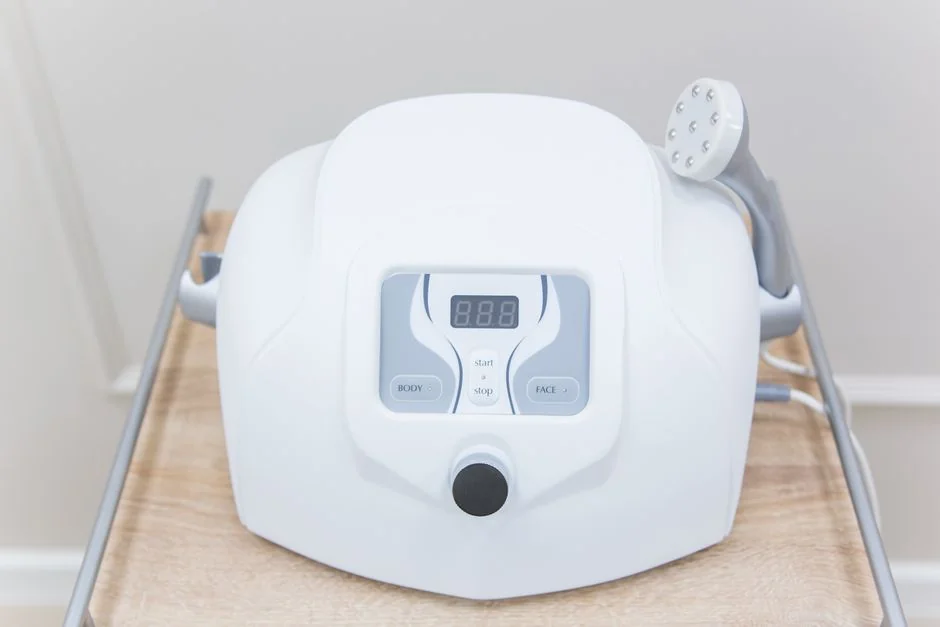
Understanding where dual-frequency RF fits in the broader landscape of energy-based skin tightening helps prospective patients make an informed decision. The table below compares Xerf-type dual-frequency RF with two other commonly available modalities: HIFU and RF microneedling.
| Feature | Dual-Frequency RF (Xerf-type) | HIFU | RF Microneedling (e.g. Morpheus8) |
|---|---|---|---|
| Energy type | Electromagnetic (radiofrequency) | Acoustic (focused ultrasound) | Electromagnetic + mechanical (needles) |
| Primary depth of action | Dermis and superficial subcutaneous tissue (multi-depth) | SMAS layer (4–4.5 mm and deeper) | Dermis (1.5–4 mm depending on needle depth) |
| Invasiveness | Non-invasive (surface contact) | Non-invasive (surface contact) | Minimally invasive (micro-needlestick) |
| Downtime | Minimal (mild redness 24–48 hours) | Minimal (mild swelling/redness 1–3 days) | Moderate (redness, pinpoint marks, 3–7 days) |
| Pain level | Mild to moderate (warm/tingling) | Moderate (sharp focal sensations) | Moderate (topical anaesthetic usually applied) |
| Best suited for | Mild-to-moderate laxity, skin texture, multiple tissue planes | Moderate laxity, SMAS-level lifting | Textural concerns, acne scars, moderate laxity |
| Visible results timeline | 3–6 months (progressive) | 3–6 months (progressive) | 4–8 weeks, further improvement to 3 months |
| Fitzpatrick skin type suitability | All types (RF is not chromophore-dependent) | All types | All types (care required at higher Fitzpatrick types) |
At Kojimachi Dermatology & Plastic Surgery Clinic, both HIFU and Morpheus8 RF microneedling are available, and the clinical team frequently combines modalities for patients whose concerns span multiple tissue planes. HIFU at the clinic is priced from ¥25,000 to ¥110,000, and Morpheus8-type RF microneedling is offered as part of the clinic’s Embrace RF programme — both are available for discussion during a consultation at our Ichigaya clinic.
Cost of Dual-Frequency RF Tightening in Tokyo (2026)
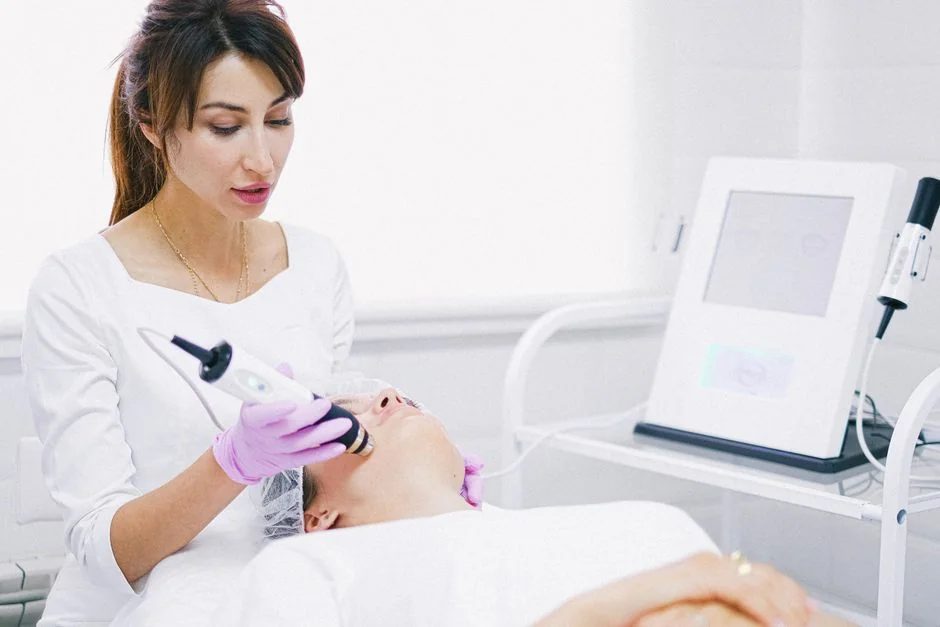
The cost of RF tightening treatments in Tokyo varies depending on the device used, the treatment area, the number of passes delivered, and the clinical expertise of the practitioner. For dual-frequency RF treatments at clinics in Tokyo, patients can typically expect to pay in a range comparable to other energy-based tightening modalities.
As a reference point, monopolar and multipolar RF tightening sessions at Tokyo cosmetic clinics generally range from approximately ¥30,000 to ¥150,000 per session for facial treatments, with combination or full-face and neck protocols at the higher end of this range. Multi-session package pricing often reduces the per-session cost. Related energy-based treatments available at Kojimachi Dermatology & Plastic Surgery Clinic include HIFU from ¥25,000 to ¥110,000 and the Volnewmer programme (a needle-free RF treatment) from ¥66,000 to ¥165,000, which offers a comparable reference range for patients budgeting for non-invasive RF tightening in Tokyo.
Factors that influence the final cost include the size of the treatment area (face only versus face and neck), the number of treatment lines or passes, the use of a topical anaesthetic, and whether the session is part of a multi-session course with package pricing. An initial consultation at the clinic is priced at ¥3,300.
For an accurate quote, we recommend booking a consultation.
Have a question about this treatment?
Message us on LINE or WhatsApp — our English-speaking team usually replies the same day.
What to Expect: Before, During, and After Treatment
Before Your Session
A thorough consultation is essential before beginning any RF tightening programme.
During this appointment, the practitioner will review your medical history, assess your skin quality and degree of laxity, discuss your aesthetic goals, and advise on whether dual-frequency RF is the most appropriate modality for your concerns or whether an alternative or combination approach may produce better outcomes.
Patients are generally advised to avoid retinoid-based skincare products for five to seven days before treatment, to arrive with clean skin free of makeup and sunscreen on the day, and to inform the clinic of any metal implants in the treatment area, active skin infections, or recent use of blood-thinning medications or supplements.
During the Session
A coupling gel is applied to the skin surface to facilitate smooth handpiece movement and optimise energy transfer. The handpiece is moved across the treatment area in systematic passes, with the device delivering energy continuously or in pulsed mode depending on the protocol. Patients typically describe the sensation as a warm tingling or mild heat, occasionally intensifying to a sharper warmth over bony areas. Most sessions last between 30 and 60 minutes for a full face and neck treatment.
Topical anaesthetic cream is not routinely required for surface-contact RF treatments, though it may be offered for patients with lower pain tolerance or when higher energy settings are used.
After Treatment and Recovery
Immediately after treatment, mild redness and warmth of the skin are typical and generally resolve within a few hours to 24–48 hours. Some patients notice mild puffiness, particularly around the cheeks and jawline, which settles within one to two days. There is no open wound, no peeling, and no extended social downtime associated with surface-contact RF treatment.
Post-treatment care recommendations typically include gentle skincare for 48 hours, broad-spectrum SPF50 sunscreen applied daily (essential in Tokyo’s UV environment), avoidance of saunas, hot baths, and strenuous exercise for 24–48 hours, and refraining from retinoid or exfoliating products for five to seven days post-treatment. In our clinical experience at BIOTOPE CLINIC or Kojimachi Dermatology & Plastic Surgery Clinic, patients who are consistent with sun protection and moisturisation during the weeks following each RF session report better maintenance of their results over time.
Who Is a Good Candidate for Dual-Frequency RF Tightening?
Dual-frequency RF tightening is well suited to adults who are experiencing the early to moderate effects of facial ageing — specifically mild-to-moderate skin laxity affecting the lower face, jowls, and neck — and who wish to address these concerns without surgery or injectable treatments. It is particularly relevant for patients who:
- Are in their late 30s to mid-50s with good baseline skin quality and mild-to-moderate tissue descent
- Are seeking a non-invasive, low-downtime tightening option compatible with a professional or social schedule
- Wish to maintain or augment results from previous injectable or surgical treatments
- Have skin laxity on the neck or décolletage that may be less amenable to needle-based treatments
- Are not suitable surgical candidates due to medical history, preference, or timing
Who Should Choose an Alternative
Patients with significant or advanced facial sagging — where the skin and underlying SMAS have descended substantially — are unlikely to achieve satisfactory results with RF tightening alone and should discuss surgical options such as a thread lift, facelift, or neck lift during a plastic surgery consultation. At our Ichigaya clinic, thread lift procedures (Tesslift) and a full range of facial surgical options are available for patients who may be better served by a structural approach.
RF treatments are generally contraindicated in patients with pacemakers or implanted electrical devices in or near the treatment area, active inflammatory skin conditions (such as rosacea flares or active acne), open wounds or recent ablative laser treatments to the area, or during pregnancy. Patients with a history of keloid scarring should discuss this with their practitioner before proceeding.
Frequently Asked Questions
- Q. Is dual-frequency RF tightening painful?
- Most patients describe the treatment as warm to mildly uncomfortable rather than painful, with occasional sharper heat sensations over bony prominences such as the cheekbone or jawline. Topical anaesthetic is not routinely required but can be arranged for patients with lower pain tolerance. The sensation generally diminishes as the treatment progresses and the skin acclimatises to the energy.
- Q. How many sessions will I need before I see results?
- Most RF tightening protocols recommend an initial course of two to four sessions, spaced four to six weeks apart. Visible improvement typically begins around four to eight weeks after the first session and continues to develop for up to six months as new collagen matures. A single session may provide modest improvement but is generally insufficient for meaningful, lasting change in patients with established laxity.
- Q. Can I have RF tightening if I have previously had dermal fillers or Botox?
- In most cases, yes. Surface-contact RF treatments are generally considered compatible with existing hyaluronic acid fillers and neuromodulator (Botox) treatments, provided the injections have been performed by a trained clinician and there are no active complications. It is important to inform your treating doctor of all recent injectable treatments, as energy-based treatments may theoretically accelerate the degradation of some filler materials. Your clinician will advise on appropriate timing.
- Q. Is dual-frequency RF safe for darker skin tones?
- RF energy is not chromophore-dependent — that is, it does not target pigment and is therefore not subject to the same risk of post-inflammatory hyperpigmentation (dark patches) that can occur with certain laser treatments in darker skin types. Dual-frequency RF is generally considered safe across all Fitzpatrick skin types, making it a relevant option for many patients of East Asian, South Asian, and Middle Eastern skin tones commonly seen in Tokyo clinics. Individual assessment remains important.
- Q. How does dual-frequency RF compare to a surgical facelift?
- Non-invasive RF tightening and surgical facelift address fundamentally different degrees of tissue change. RF treatments produce collagen stimulation and modest tightening — appropriate for mild-to-moderate laxity — while a surgical facelift repositions and removes redundant skin and underlying tissue, producing results of a different magnitude and duration. RF treatments carry minimal downtime and no surgical risk, but cannot replicate the structural correction of surgery in patients with advanced ageing changes. A consultation at our clinic can help clarify which approach is appropriate for your specific anatomy and goals.
- Q. Can I combine dual-frequency RF with other treatments at the same visit?
- Combination treatment on the same day is possible in some cases — for example, Botox or hyaluronic acid filler may be performed at a separate session before or after RF treatment, and some clinicians combine RF with other energy-based modalities in a staged protocol. Same-day combination of RF with ablative laser treatments or aggressive chemical peels is generally avoided due to the cumulative thermal and mechanical stress on the skin. Your treating clinician will advise on the safest and most effective sequencing for your individual plan.
Have a question about this treatment?
Message us on LINE or WhatsApp — our English-speaking team usually replies the same day.
Summary
XERF is a modern dual-frequency radiofrequency skin-tightening treatment designed to improve mild to moderate facial and neck laxity without surgery.
By delivering controlled RF energy at two frequencies simultaneously, XERF stimulates collagen production across multiple tissue depths while maintaining minimal downtime and broad suitability across skin types.
Patients may notice gradual improvements in:
- jawline definition
- skin firmness
- neck contour
- fine wrinkles
- overall skin quality
over three to six months.
While XERF cannot replace facelift surgery for advanced ageing, it offers an excellent non-invasive option for appropriately selected patients seeking natural, progressive rejuvenation.
If you are considering XERF skin tightening in Tokyo, our English-speaking team at BIOTOPE CLINIC or Kojimachi Dermatology & Plastic Surgery Clinic can help you compare XERF with HIFU, Volnewmer, Thermage, Morpheus8, thread lifting, and surgical options to develop the treatment plan best suited to your anatomy and goals.
24/7 Consultation & Booking
Book a Consultation or Treatment
Our English-speaking team responds via LINE or WhatsApp — usually the same day.
References
- Zelickson B, Kist D, Bernstein E, et al. Histological and ultrastructural evaluation of the effects of a radiofrequency-based nonablative dermal remodeling device. Archives of Dermatology. 2004.
- Alexiades-Armenakas M, Dover JS, Arndt KA. Unipolar radiofrequency treatment to improve the appearance of cellulite and skin laxity: a pilot study. Dermatologic Surgery. 2008.
- Hantash BM, Renton B, Berkowitz RL, et al. Pilot clinical study of a novel minimally invasive bipolar microneedle radiofrequency device. Lasers in Surgery and Medicine. 2009.
- Suh DH, Choi JH, Lee SJ, et al. Comparative histometric analysis of the effects of high-intensity focused ultrasound and radiofrequency on skin tightening. Journal of Cosmetic and Laser Therapy. 2015.
- Sadick NS, Makino Y. Selective electro-thermolysis in aesthetic medicine: a review. Lasers in Surgery and Medicine. 2021.
Related Articles
You may also find these articles useful.
- Morpheus8 RF Microneedling Tokyo: Cost & Results
- Morpheus8 RF Microneedling Tokyo: Review and Cost Guide
- HIFU in Tokyo: Non-Surgical Skin Tightening Explained
- Popular Non-Surgical Skin Tightening Treatments in Tokyo for International Patients
SUPERVISED BY

Dr. Jun Karibe
MD
Director
Education & Career
Certifications
Awards
MEDICAL REVIEW