Dermapen Treatment in Tokyo: What to Expect Before, During, and After
If you are considering Dermapen treatment in Tokyo — whether you are an expatriate, a medical tourist, or simply visiting the city — it is natural to have questions about what the procedure involves, how much it costs, and what kind of results are realistic. This guide walks you through everything you need to know, based on clinical practice at BIOTOPE CLINIC or Kojimachi Dermatology & Plastic Surgery Clinic in Ichigaya, Tokyo.
What you’ll learn in this article:
- What Dermapen microneedling is and how it works at a biological level
- What results to realistically expect, and when you will see them
- How much Dermapen costs in Tokyo, with official clinic pricing
- What to expect before, during, and after your session
- Who is — and who is not — a good candidate for this treatment
Have a question about this treatment?
Message us on LINE or WhatsApp — our English-speaking team usually replies the same day.
What Is Dermapen?
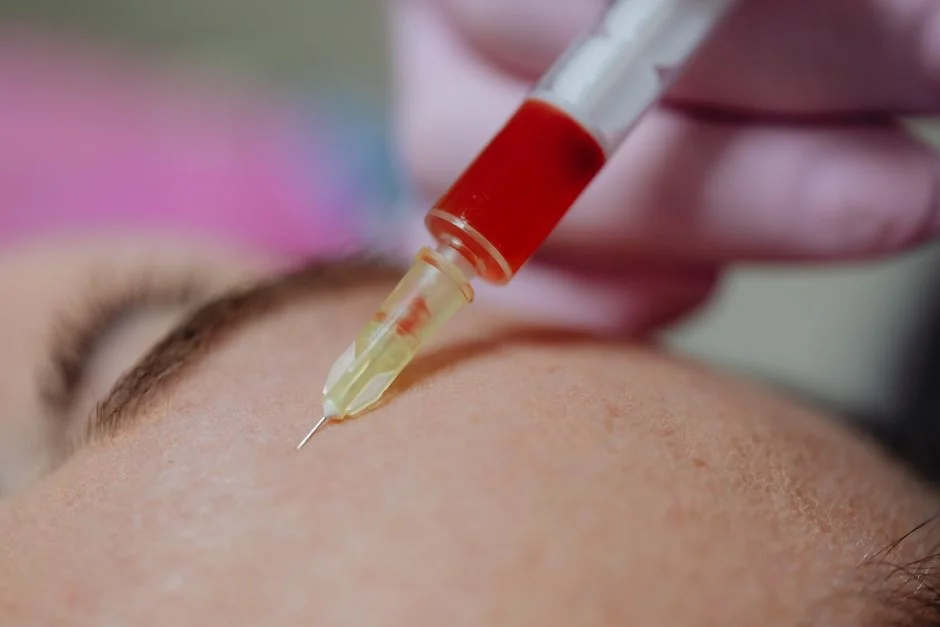
Dermapen is a brand name for a class of device known as a microneedling pen — a handheld instrument fitted with a disposable sterile tip containing multiple fine needles. The device oscillates at high speed to create thousands of microscopic punctures (microchannels) in the skin’s surface.
Unlike older roller-based microneedling tools, the pen-style mechanism allows the practitioner to adjust needle depth precisely and to treat contoured areas such as the nose and around the eyes with greater control.
Dermapen is used to address a wide range of skin concerns, including acne scars, fine lines, enlarged pores, uneven skin texture, and mild skin laxity. It is also frequently combined with topical serums — including growth factors or hyaluronic acid — which are applied immediately after needling so that the freshly created channels allow deeper absorption.
How Dermapen Works: The Science
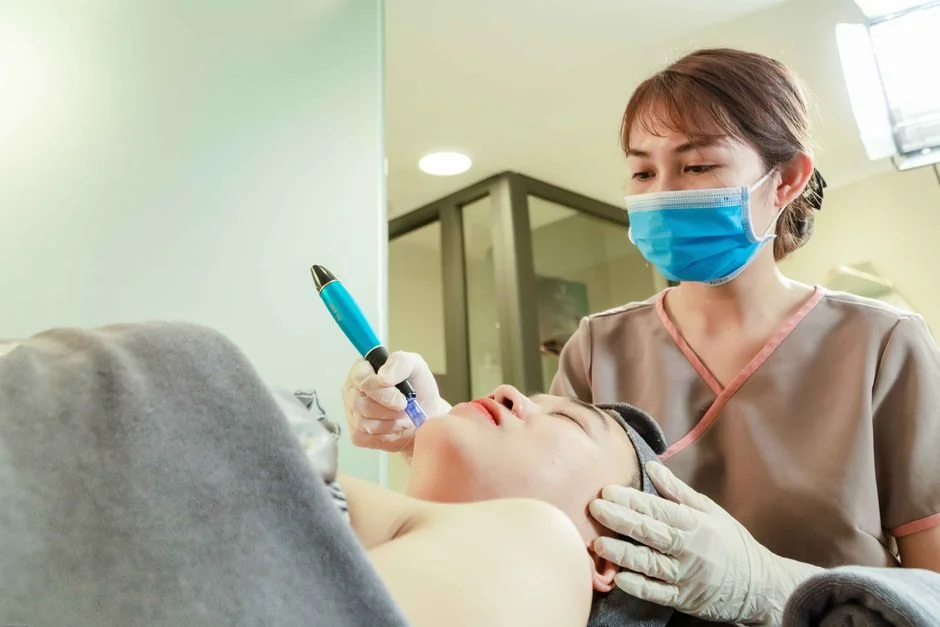
The underlying mechanism is controlled wound healing. When the needles penetrate the dermis (the deeper layer of the skin beneath the visible surface), the body responds as it would to any minor injury: it triggers an inflammatory cascade that stimulates the production of collagen and elastin — the structural proteins responsible for skin firmness and elasticity.
This process unfolds in three overlapping phases: inflammation, proliferation, and remodelling. The remodelling phase, during which new collagen fibres are laid down and organised, can continue for three to six months after a single session. This is why visible improvements are often gradual rather than immediate.
Needle depth and what it means for you
Needle depth is adjusted depending on the treatment area and concern. Superficial settings (0.25–0.5 mm) are used for product absorption and mild texture refinement. Deeper settings (1.5–2.5 mm) are used for acne scar remodelling on the cheeks or jawline. A trained practitioner varies the depth across different zones of the face during a single session, which is one reason professional treatment differs significantly from at-home derma rollers.
Dr. Karibe’s Note
Many of our international patients arrive having tried at-home microneedling rollers and are surprised by the difference a clinical Dermapen session makes.
The key distinctions are sterile, single-use needle tips — which significantly reduce infection risk — and the ability to precisely control both depth and speed across different facial zones. A derma roller used at home at a fixed depth simply cannot replicate this.
I always recommend that patients planning a series of treatments discuss their full skincare routine during the consultation, as certain active ingredients such as retinoids should be paused beforehand.
Expected Results: What the Evidence Suggests
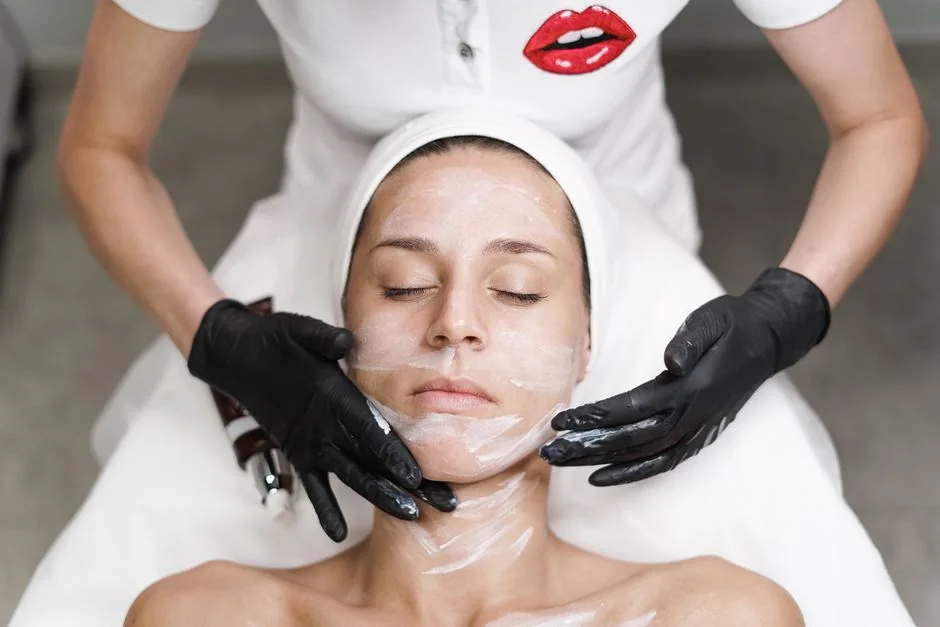
Clinical studies suggest that a course of microneedling treatments can produce meaningful improvements in acne scarring and skin texture. One frequently cited randomised controlled trial published in the Journal of Cutaneous and Aesthetic Surgery reported that approximately 80% of participants with atrophic acne scars (the sunken, pitted type) showed a clinically significant response after three to four sessions of microneedling. Clinical reports also indicate that collagen induction from microneedling can persist for up to 12 months following a completed course of treatment, though individual outcomes vary considerably.
For fine lines and general skin quality, improvement is typically subtler and builds progressively across sessions. Most practitioners recommend a course of three to six sessions spaced four weeks apart, followed by maintenance treatments every three to six months.
Realistic expectations
It is important to approach Dermapen with realistic expectations. Deep, ice-pick acne scars or significant skin laxity may require combination approaches. At our BIOTOPE CLINIC inTokyo, we frequently see patients who benefit from pairing Dermapen with other modalities — for example, CO2 fractional laser for deeper scar remodelling, or Morpheus8 (radiofrequency microneedling) for skin tightening with additional thermal energy. These are treatments available at our Ichigaya clinic — feel free to ask about them during a consultation.
Dermapen Cost in Tokyo
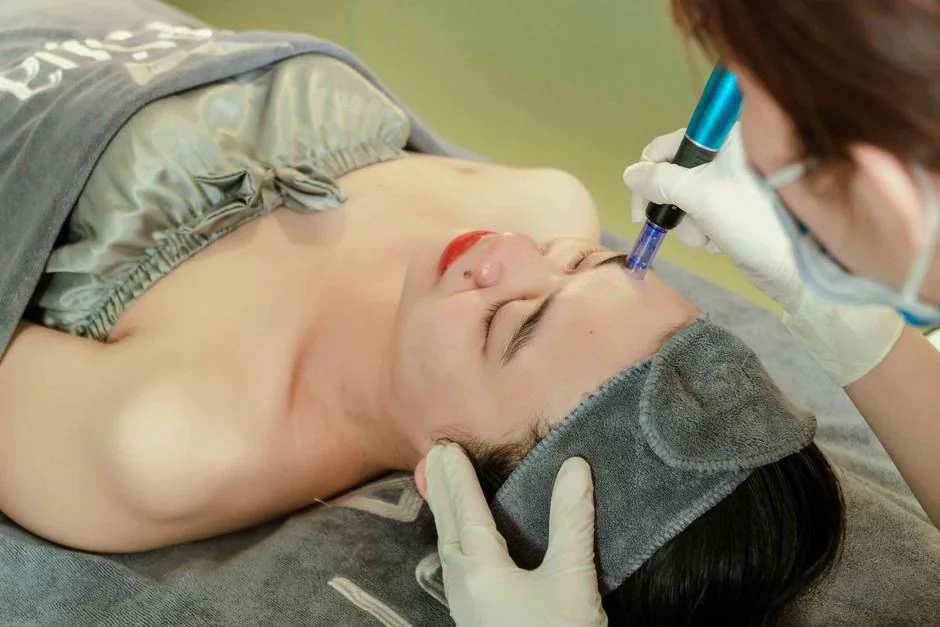
The cost of Dermapen treatment varies depending on the treatment area, the number of passes, whether a booster serum is included, and the overall session design. At Kojimachi Dermatology & Plastic Surgery Clinic, Dermapen is priced between ¥9,800 and ¥220,000, reflecting the range from a single localised session to a comprehensive multi-area or package treatment plan.
To give broader context, the table below compares Dermapen with related skin-resurfacing treatments available at the clinic:
| Treatment | Mechanism | Primary Concerns | Price Range (at our clinic) | Typical Downtime |
|---|---|---|---|---|
| Dermapen | Mechanical microneedling (collagen induction) | Acne scars, fine lines, texture, pores | ¥9,800 – ¥220,000 | 1–3 days (redness) |
| CO2 Fractional Laser | Ablative laser resurfacing | Deeper acne scars, enlarged pores | ¥11,000 – ¥66,000 | 5–10 days |
| Morpheus8 (RF Microneedling) | Microneedles + radiofrequency energy | Skin tightening, texture, mild fat remodelling | Contact clinic | 3–5 days |
| HIFU | High-intensity focused ultrasound | Skin lifting and tightening | ¥25,000 – ¥110,000 | Minimal to none |
An initial consultation at the clinic is priced at ¥3,300. For an accurate quote tailored to your specific skin concerns and the number of sessions recommended, we advise booking a consultation.
Have a question about this treatment?
Message us on LINE or WhatsApp — our English-speaking team usually replies the same day.
What to Expect: Before, During, and After Your Session
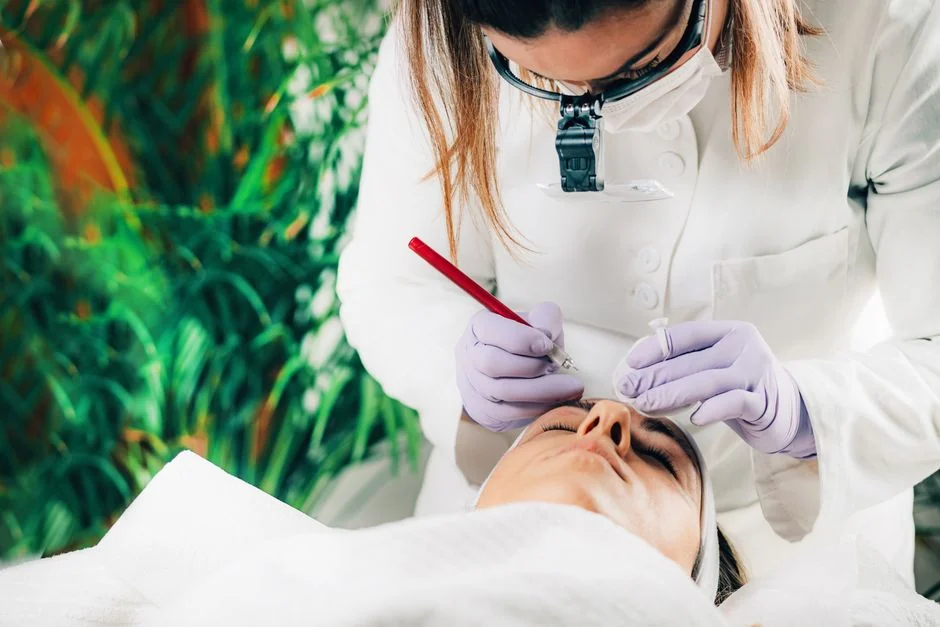
Before your treatment
At the consultation stage, a practitioner will assess your skin type, concerns, and medical history. Patients are generally advised to discontinue retinoid-based products (vitamin A derivatives) at least five to seven days before treatment, as these can increase skin sensitivity. Sun exposure should be minimised in the days leading up to the session, and a broad-spectrum sunscreen should be in regular use.
On the day of treatment, a topical numbing cream (local anaesthetic) is applied to the face approximately 30 to 45 minutes before the procedure begins. This significantly reduces discomfort during needling.
During the procedure
The practitioner works systematically across the treatment area, adjusting needle depth by zone. A full-face Dermapen session typically takes 30 to 60 minutes, including preparation time. Most patients describe the sensation as a mild prickling or vibration. Areas with thinner skin — such as the forehead or around the nose — may feel more sensitive than the cheeks.
After your session: recovery and downtime
Immediately after the procedure, the skin will appear red — similar in appearance to a mild sunburn — and may feel warm or tight. This typically resolves within 24 to 48 hours, though in some patients, particularly those treated at deeper needle settings, mild redness can persist for up to 72 hours.
Patients should avoid direct sun exposure, makeup, and active skincare ingredients (retinoids, AHAs, BHAs) for at least 48 hours post-treatment. Gentle moisturiser and mineral sunscreen are recommended from day one. Strenuous exercise and saunas should be avoided for 24 to 48 hours to minimise the risk of inflammation.
Common Misconceptions About Dermapen
Misconception 1: “Dermapen gives instant results.” Because collagen remodelling takes weeks to months, the most significant improvements are typically visible four to eight weeks after a session, not the following day. Patients who expect immediate transformation are often disappointed when the initial redness resolves and the skin simply looks calm. Results build progressively over a course of treatments.
Misconception 2: “At-home derma rollers are essentially the same thing.” Consumer-grade derma rollers use fixed needle depths, cannot be speed-adjusted, and — critically — their needle tips are often reused, raising infection and contamination risks. Clinical Dermapen devices use a single-use sterile cartridge for each patient and allow depth variation across treatment zones. The two are not equivalent in safety profile or precision.
Who Is a Good Candidate?
Dermapen is generally suitable for adults of most skin types who wish to address:
- Atrophic acne scars (rolling, boxcar, or shallow ice-pick scars)
- Fine lines and mild skin laxity
- Enlarged or congested pores
- Uneven skin texture or dullness
- Stretch marks (in some cases)
In our clinical experience at Kojimachi Dermatology & Plastic Surgery Clinic, Dermapen tends to work particularly well for patients who want gradual, natural-looking improvement with minimal downtime compared to ablative laser procedures.
Who should avoid Dermapen
Dermapen is not recommended for individuals who:
- Have active acne breakouts or skin infections in the treatment area
- Have a history of keloid scarring or hypertrophic scars
- Are pregnant or breastfeeding
- Have a bleeding disorder or are taking blood-thinning medications
- Have received isotretinoin (Roaccutane / Accutane) within the past six months
- Have active rosacea or eczema flares in the treatment area
A thorough consultation with the clinic’s physician will determine whether Dermapen is appropriate for your skin condition and medical history.
Frequently Asked Questions
- Q. How many Dermapen sessions will I need?
- Most practitioners recommend a course of three to six sessions spaced approximately four weeks apart for optimal results. The exact number depends on the severity of the concern being treated — mild texture issues may respond in three sessions, while moderate acne scarring may require five or six. A maintenance session every three to six months is often advised thereafter.
- Q. Is Dermapen safe for darker skin tones?
- Dermapen is generally considered suitable for a broader range of skin tones than ablative laser treatments, because it does not generate heat that can trigger post-inflammatory hyperpigmentation (darkening of the skin after treatment). However, practitioners should still assess skin type carefully, particularly for individuals with Fitzpatrick skin types IV to VI. A consultation is strongly recommended before proceeding.
- Q. Can I combine Dermapen with other treatments?
- Yes, combination approaches are common and can enhance outcomes. Dermapen is frequently paired with topical serums applied immediately post-needling, and in a broader treatment plan it may complement laser treatments, radiofrequency devices, or injectable boosters. Your practitioner will advise on appropriate sequencing and spacing between treatments.
- Q. Is the consultation available in English?
- Yes. Kojimachi Dermatology & Plastic Surgery Clinic offers consultations in English, making it accessible to expatriates and international visitors in Tokyo. The clinic is conveniently located in Ichigaya, Chiyoda-ku, within walking distance of Kojimachi, Hanzomon, and Nagatacho stations.
- Q. How long do Dermapen results last?
- Clinical reports indicate that new collagen generated through microneedling can persist for up to 12 months following a completed course of treatment, though this varies by individual. Factors such as sun exposure, lifestyle habits, and natural ageing will influence how long results are maintained. Periodic maintenance sessions help sustain the improvement.
Have a question about this treatment?
Message us on LINE or WhatsApp — our English-speaking team usually replies the same day.
Summary
Dermapen microneedling is a well-established, minimally invasive treatment that uses controlled micro-injuries to stimulate the skin’s natural collagen production. It is suitable for addressing acne scars, fine lines, enlarged pores, and uneven texture — with relatively modest downtime compared to ablative alternatives. Results are gradual and build over several weeks and multiple sessions; patients who approach the treatment with realistic expectations are generally those who benefit most.
In Tokyo, Dermapen at BIOTOPE CLINIC or Kojimachi Dermatology & Plastic Surgery Clinic is priced between ¥9,800 and ¥220,000, with the appropriate session design determined during an initial consultation. The clinic is directed by Dr. Jun Karibe, a board-certified plastic surgeon, and consultations are available in English.
If you have questions about Dermapen treatment in Tokyo, our team at BIOTOPE CLINIC or Kojimachi Dermatology & Plastic Surgery Clinic in Tokyo would be happy to help. We offer consultations in English.
24/7 Consultation & Booking
Book a Consultation or Treatment
Our English-speaking team responds via LINE or WhatsApp — usually the same day.
References
- Alam M, Han S, Pongprutthipan M, et al. Efficacy of a needling device for the treatment of acne scars: a randomized clinical trial. JAMA Dermatology. 2014.
- Dogra S, Yadav S, Sarangal R. Microneedling for acne scars in Asian skin type: an effective low cost treatment modality. Journal of Cosmetic Dermatology. 2014.
- Fabbrocini G, Fardella N, Monfrecola A, Proietti I, Innocenzi D. Acne scarring treatment using skin needling. Clinical and Experimental Dermatology. 2009.
- Alster TS, Graham PM. Microneedling: a review and practical guide. Dermatologic Surgery. 2018.
- Majid I. Microneedling therapy in atrophic facial scars: an objective assessment. Journal of Cutaneous and Aesthetic Surgery. 2009.
Related Articles
You may also find these articles useful.
- Dermapen Treatment Tokyo: What to Expect
- Popular Non-Surgical Skin Tightening Treatments in Tokyo for International Patients
SUPERVISED BY

Dr. Jun Karibe
MD
Director
Education & Career
Certifications
Awards
MEDICAL REVIEW