By Dr. Jun Karibe, MD — BIOTOPE Clinic Shirokanedai, Tokyo · Reviewed August 2026
A patient in her late thirties books an aesthetic consultation. Her presenting complaint is adult acne — jawline breakouts that appear a week before her period, disappear briefly, and return in a slightly new location the following month.
Her skincare shelf is populated by well-chosen Japanese and Korean products. She has completed rounds of topical adapalene and clindamycin from a dermatologist. A course of oral doxycycline helped for three months and then stopped helping. She has also tried a Vitamin C infusion series and monthly laser toning. She is doing everything the internet suggested. Her skin is somewhat better than baseline and quite far from where she wants it to be.
A second patient, in her mid-forties, comes in for what she calls “the redness.” Her cheeks flush after a glass of wine, after a hot bath, after spicy food, and — increasingly — after nothing in particular. Small papules have started to appear on the central face. She has been treating this as sensitive skin for years. Two dermatologists have prescribed metronidazole gel and azelaic acid, both of which help modestly and neither of which resolves the problem. She has arrived at our clinic because a friend mentioned that BIOTOPE CLINIC looks at nutrition alongside skin.
Both patients are doing the topical work correctly. In both cases, the topical work will only take them about seventy percent of the way. The remaining thirty percent — the part that makes the topical protocols actually last — lives in the gut, in the hormones, in the diet, and in the systemic inflammation that neither the tube of cream nor the laser can reach. This article is a practical guide to that remaining thirty percent for adults living in Tokyo who have adult acne, rosacea, or the increasingly common overlap of the two.
Why adult acne is not teenage acne

Adolescent acne is largely driven by a puberty-linked surge in androgens acting on the sebaceous glands of a face whose oil chemistry and follicular biology are still stabilising. It usually responds well to standard topical and oral therapy and, in most cases, eventually resolves on its own. Adult-onset acne — defined broadly as acne that either persists past the mid-twenties or appears for the first time in adulthood — behaves differently.
The distribution is different (jawline, chin, lower cheeks and neck rather than the T-zone), the timing is often cyclical, and the response to teenage-style therapy is often disappointing.
Four systemic drivers explain most of what we see in the adult acne clinic:
Androgen shift and hormonal cycling
Even in women without a formal diagnosis of polycystic ovary syndrome (PCOS), the ratio of androgens to oestrogens shifts across the menstrual cycle and again in perimenopause. Free testosterone drives sebum production. Follicular hyperkeratinisation follows.
The cystic, deep, tender lesion along the jawline seven days before menstruation is the clinical signature. PCOS itself — a condition considerably under-diagnosed in the Japanese adult population — deserves specific consideration in any woman with adult acne, particularly when acne coexists with irregular cycles, hirsutism, weight gain or insulin resistance. Recent 2024 evidence continues to confirm the strong link between PCOS-driven hyperandrogenism and treatment-resistant adult acne.[1]
Insulin and IGF-1
A high-glycaemic diet — one built around refined carbohydrates, sweetened drinks and starchy convenience foods — raises circulating insulin. Insulin raises insulin-like growth factor 1 (IGF-1). IGF-1 acts directly on the sebaceous gland, increasing sebum output and follicular hyperkeratinisation, and it also amplifies androgen receptor signalling. The clinical consequence is more lesions, larger lesions, and slower healing. A 2024 randomised controlled trial and a 2025 meta-analysis both reported that a low-glycaemic-load diet significantly reduces both lesion count and IGF-1 in adults with moderate acne over twelve weeks.[2]
Dairy — particularly skim dairy
The dairy-acne relationship has moved from controversial to reasonably well-established. Multiple cohort studies and, more recently, a 2024 systematic review point to a modest but consistent association between dairy intake and adult acne severity, with skim and low-fat dairy showing a stronger effect than full-fat.[3] The proposed mechanism combines the IGF-1-elevating effect of milk proteins (particularly whey) with the residual bovine hormones present in commercial dairy. In our clinic we do not blanket-eliminate dairy for every acne patient, but we routinely trial a four-week dairy withdrawal in patients whose acne has resisted standard care, and roughly half report meaningful improvement.
Gut dysbiosis and the gut-skin axis
The concept of a gut-skin axis is no longer speculative. Contemporary reviews consistently document that patients with adult acne show shifts in gut microbial composition compared with matched controls — reduced microbial diversity, lower abundance of short-chain-fatty-acid-producing species, and altered ratios of Bacteroidetes to Firmicutes.[4] The mechanisms proposed include increased intestinal permeability, systemic low-grade inflammation, and altered bile acid metabolism affecting skin lipid biology. Practical implication: adult acne that has resisted standard care warrants a look at gut function even when there are no overt gut symptoms.
Rosacea and the SIBO connection

Rosacea has followed a similar arc from “skin condition of unknown origin” to “systemic condition with a strong gut signature”. The single most important observation of the past fifteen years in rosacea research is the association with small intestinal bacterial overgrowth (SIBO).
A landmark 2008 Italian study reported SIBO prevalence of 46 percent in patients with rosacea versus 5 percent in controls, and — critically — that eradication of SIBO with rifaximin produced complete or near-complete clearance of rosacea lesions in the majority of treated patients, with sustained remission at nine months.[5]
That finding has been replicated with variations across subsequent cohorts. A 2024 review of the gut-skin axis in rosacea reinforced the SIBO link and added Helicobacter pylori, altered small-bowel motility and gut barrier dysfunction to the shortlist of gut-based contributors.[6]
The clinical translation is straightforward. A patient with rosacea — particularly the papulopustular subtype — who also has any of the classic SIBO symptoms (post-meal bloating, unexplained flatulence, alternating stool habit, food sensitivities) should have SIBO on the differential. Treating the SIBO frequently produces the skin improvement that topical therapy alone was unable to deliver.
For a fuller treatment of SIBO — diagnosis, breath testing, the 4R protocol and product selection — see our companion article on SIBO and gut health in Tokyo.
The dietary and lifestyle triggers we ask patients to eliminate

The Remove phase for skin follows the same logic as the Remove phase for gut work. Before adding anything, we take away the inputs that are known to worsen the biology we are trying to fix. The two conditions have overlapping but not identical trigger lists.
Triggers to eliminate for adult acne
- Refined sugar and high-glycaemic carbohydrates. White rice, white bread, pastries, sweetened drinks and dessert bento items are the everyday culprits in Tokyo. We ask patients to eat these only occasionally rather than routinely.
- Dairy trial elimination. Four to six weeks of no cow’s-milk dairy — milk, yoghurt, cream cheese, ice cream — with the understanding that this is a diagnostic trial rather than a life sentence.
- Whey protein supplements. Popular with the gym-going demographic and reliably associated with breakouts in susceptible individuals. Switch to a plant-based or beef protein isolate.
- Excessive iodine. Concentrated kelp, kombu-heavy dashi consumed daily and iodine supplements can exacerbate acne in susceptible patients. Moderate rather than eliminate.
- Occlusive skincare and cosmetics. Comedogenic products worsen the topical picture regardless of the systemic work. A dermatologist review of the current product routine is worth ten minutes.
Triggers to eliminate for rosacea
- Alcohol. Particularly red wine, sparkling wine and spirits. The vasodilation is immediate; the inflammatory contribution is cumulative. A rosacea patient who cannot moderate alcohol will not achieve the full benefit of any protocol.
- Hot beverages and hot food. The thermal trigger acts directly on cutaneous vasodilation. Warm rather than piping hot.
- Spicy food. Capsaicin acts on TRPV1 receptors that contribute to rosacea flushing. Individual tolerance varies; a two-week trial of avoidance tells the patient what their threshold is.
- Extremes of temperature and sun exposure. UV is a documented rosacea trigger. Daily broad-spectrum sunscreen is non-negotiable in a Tokyo summer.
- Occlusive or fragranced skincare. Simplify the routine. Barrier support before actives.
- High-histamine foods for the subset with concurrent histamine intolerance. Aged cheese, cured meats, fermented soy, tomato and shellfish. Trial rather than blanket.
The elimination phase is diagnostic. We ask patients to run the trial cleanly for four to six weeks, then reintroduce one category at a time with symptom tracking. The maintenance diet is built around the reintroductions that go well, not around indefinite restriction.
The nutritional protocol we build alongside the eliminations
Removing triggers is half the work. The other half is supplying the specific nutrients whose deficiency contributes to both conditions and whose repletion changes the trajectory. Five nutrient categories carry most of the clinical weight.
Zinc
Zinc is central to skin biology. It suppresses sebum production, modulates the inflammatory response of the follicle, reduces Cutibacterium acnes colonisation, and is required for tissue repair. Zinc deficiency is not rare in the Japanese adult population — a factor of dietary iodine displacing zinc and of tea polyphenols reducing absorption. Serum zinc below 80 mcg/dL is worth correcting.
A 2024 systematic review of zinc supplementation in acne found consistent, though modest, reductions in lesion count with oral zinc at 30 to 40 mg elemental daily over eight to twelve weeks.[7] We prefer zinc bisglycinate or zinc picolinate over zinc sulphate for tolerability, and we co-prescribe a small amount of copper (2 mg per 30 mg zinc) if the course extends beyond three months to avoid inducing copper deficiency. Zinc must be taken with food to prevent nausea.
Omega-3 fatty acids
The omega-3 fatty acids EPA and DHA modulate the arachidonic-acid inflammatory cascade that drives both acne inflammation and rosacea flushing. A 2024 randomised trial in adults with mild-to-moderate acne reported meaningful reductions in inflammatory lesion count with 2,000 mg combined EPA/DHA daily over sixteen weeks, and a 2025 review of omega-3 in rosacea documented reduced flushing frequency and improved ocular symptoms in the population with concurrent dry-eye rosacea.[8] Dose target is typically 2,000 to 3,000 mg combined EPA plus DHA. Product quality matters: choose a molecularly distilled fish oil with third-party oxidation testing.
Vitamin A
Vitamin A is the parent compound of retinoids. Its role in follicular keratinisation, sebum regulation and epithelial integrity is longstanding, and it is the biochemical basis for oral isotretinoin therapy for severe acne. Nutritional vitamin A repletion — through preformed retinol from liver, egg yolk and cod liver oil, or as retinyl palmitate at 5,000 to 10,000 IU daily under supervision — supports the skin from within. Doses above 10,000 IU require monitoring; pregnancy or planning pregnancy contraindicates high-dose retinyl palmitate supplementation because of teratogenicity risk. Beta-carotene conversion is unreliable in a meaningful subset of the population, which is why we favour preformed vitamin A in adult acne patients whose serum retinol is on the low end.
Vitamin D
Vitamin D deficiency is present in roughly 98 percent of Tokyo adults tested.[9] The receptor is expressed in the sebaceous gland and in keratinocytes, and vitamin D modulates the innate immune response of the skin. Both adult acne and rosacea have been associated in observational work with low 25-hydroxyvitamin D. Correcting deficiency to the 40 to 60 ng/mL functional range is baseline nutritional care in our clinic; we retest at twelve weeks.
Targeted probiotics for the gut-skin axis
The evidence base for probiotic therapy in adult acne and rosacea has strengthened considerably in the past three years. A 2024 systematic review and meta-analysis of oral probiotic supplementation in acne reported reduced lesion counts, reduced sebum output and improved patient-reported outcomes across multiple trials using Lactobacillus and Bifidobacterium strains at 10 to 100 billion CFU per dose.[10] In rosacea, particularly the papulopustular subtype with concurrent SIBO, sequential antimicrobial-then-probiotic care outperforms either alone.
The two products we most often prescribe at this stage of the protocol are described below. Both are physician-selected and available through Dr.JUN’s Store as well as in-clinic at BIOTOPE.
Dr. Karibe’s Choice
Complete Biotic Powder
Broad-spectrum, multi-strain Lactobacillus/Bifidobacterium probiotic in a powder that allows careful dose titration.
Our first-line probiotic for adult acne and rosacea patients whose skin has resisted topical care. The powder format is important because a subset of patients — particularly those with concurrent SIBO — need to start with a quarter-teaspoon dose and build tolerance over one to two weeks. Contains no dairy, gluten or common sensitisers. Typical course is eight to twelve weeks alongside the dietary and topical work.
View at Dr.JUN’s Store →
·
Also available in-clinic at BIOTOPE
Dr. Karibe’s Choice
Biotagen (prebiotic)
Targeted prebiotic blend of arabinogalactan and inulin, layered in after two to four weeks of successful probiotic reintroduction.
Prebiotics feed the reinoculated flora and support short-chain fatty acid production, which is one of the mechanisms by which the gut modulates cutaneous inflammation. Timing matters: introducing prebiotics too early in a patient with concurrent SIBO will feed residual overgrowth and worsen both gut and skin symptoms. We add Biotagen only once the probiotic phase is stable and the skin is beginning to improve.
View at Dr.JUN’s Store →
·
Also available in-clinic at BIOTOPE
The internal and external combination — what makes BIOTOPE CLINIC different

Most Tokyo dermatology clinics do the external work well. Most nutritional medicine clinics do the internal work well. What is less common — and what shaped how we built BIOTOPE CLINIC— is the deliberate integration of the two.
The external protocol for adult acne generally combines topical retinoid therapy (adapalene, tretinoin or tazarotene), a topical antibiotic where appropriate (clindamycin or dapsone), azelaic acid or benzoyl peroxide for antimicrobial and comedolytic effect, and — where indicated — in-clinic procedures such as chemical peels, laser toning, or hormonal-acne-targeted photodynamic therapy. For rosacea, the external protocol adds barrier-supportive skincare, topical brimonidine or oxymetazoline for vascular reduction, topical ivermectin for the demodex-associated papulopustular subtype, and vascular laser therapy for the persistent erythema and telangiectasia.
The internal protocol, as described above, addresses the systemic biology that determines how well the external work performs. When a patient is chronically inflamed, insulin-dysregulated, zinc-deficient and running on an unaddressed dysbiotic gut, the topical work is fighting a headwind. Correct the systemic biology and the same topical products, applied by the same patient, produce a visibly different result. In our practice the combination consistently outperforms either half in isolation.
The other reason to run the two protocols together is that it changes the trajectory in a way that a purely external approach cannot. Topicals and lasers manage the surface expression. The systemic work reduces the drive that produced the surface expression in the first place. Patients who complete the combined programme are not simply cleared for now; they are frequently able to reduce the intensity of their topical routine over the following twelve months because the underlying biology has stabilised.
The role of an orthomolecular workup in resistant cases
When a patient has already tried the standard external protocol and is still struggling, a comprehensive nutritional panel is often the missing diagnostic step. The findings that most commonly change the treatment plan in this population include:
- Low serum zinc, driving suboptimal sebum regulation and impaired healing.
- Vitamin D below the functional range, contributing to innate immune dysregulation.
- Insulin resistance flagged by an elevated HOMA-IR or fasting insulin, indicating that dietary correction alone will need to move earlier in the plan.
- Sub-optimal free testosterone-to-SHBG ratio or elevated DHEA-S in women, pointing towards a hormonal contribution and often triggering a referral for PCOS workup.
- Elevated hs-CRP indicating systemic inflammation that is not yet clinically apparent.
- Ferritin below 70 ng/mL in women, associated with slower healing and telogen effluvium that often coexists with adult acne.
- Positive thyroid antibodies suggesting an autoimmune component that will need addressing in its own right.
Our orthomolecular nutrition therapy consultation at ¥22,000 includes the full panel and the written protocol that translates the findings into a specific plan. For patients with concurrent rosacea and gut symptoms, breath testing for SIBO is arranged separately and interpreted alongside the nutritional workup.
What a realistic timeline looks like
Skin biology moves slowly, and a realistic timeline is one of the most useful things we can give a patient at the start of the programme. The pattern we see repeatedly:
- Weeks 0 to 4. Trigger elimination in place. Topical protocol optimised. Starter dose of probiotic under way. Nutritional panel drawn and interpreted. Patient often feels worse in the first two weeks (dietary transition, mild probiotic adjustment) before feeling better.
- Weeks 4 to 8. Supplement protocol fully in place at target doses. First visible skin improvement typically appears here. Rosacea flushing episodes reduce in frequency. Acne lesion count begins to fall.
- Weeks 8 to 16. The most meaningful improvement is usually documented in this window. Post-acne pigmentation begins to fade. Rosacea patients often report that topicals they had used for years are now able to be reduced. Zinc and vitamin D are retested at week twelve.
- Months 4 to 6. Reintroduction phase for dietary triggers, one category at a time, with symptom tracking. The maintenance diet is built around what tolerates well. Supplement protocol trims back to a maintenance stack.
- Months 6 to 12. Consolidation. Many patients are on a lighter topical routine than they started with, and the external in-clinic procedures produce longer-lasting benefit than they did at baseline.
Patients who abandon the programme at week four because their skin is not yet clearly improving are, in our experience, giving up right before the point at which the biology starts to shift. We say this directly at the intake so that expectations are calibrated.
Frequently asked questions
My dermatologist prescribed topical adapalene. Should I stop it?
No. The internal protocol is designed to work alongside your topical care, not to replace it. If you are on effective topical therapy, continue it. The nutritional and gut work will typically make the topical work perform better rather than compete with it.
Should I try oral isotretinoin?
Oral isotretinoin remains the most effective single agent for severe, scarring or treatment-resistant acne and is an entirely legitimate option under dermatological supervision. It is not usually first-line for the moderate adult-onset picture we see most often, and it carries specific risks — teratogenicity, dry skin and mucous membranes, mood effects in a small proportion of patients, and dyslipidaemia — that require monitoring. For patients who have exhausted standard care and whose disease burden justifies it, we refer to a dermatology colleague; for many patients, the combined internal-plus-external programme produces a satisfactory result without needing to go to isotretinoin at all.
I have PCOS. Does this protocol still apply?
Yes, and the insulin-management and dietary components become even more central. Patients with PCOS typically benefit from a specific focus on insulin sensitivity — low-glycaemic diet, meaningful daily activity, and, where indicated, pharmacological support such as metformin or inositol supplementation. The zinc, vitamin D and omega-3 protocol still applies. We coordinate with the gynaecologist managing the reproductive side of the diagnosis.
How do I know if my rosacea is SIBO-driven?
The clinical signal is concurrent bloating, unexplained flatulence, alternating stool habit, worse skin after high-fibre meals or fermented foods, or a history of post-infectious IBS. The definitive answer comes from a lactulose or glucose hydrogen-methane breath test, arranged through our clinic or a partnered gastroenterology practice. Not all rosacea is SIBO-driven, and the breath test is the only way to be certain rather than assuming.
Are Japanese fermented foods good or bad for adult acne?
Traditional Japanese fermented foods — natto, miso, pickled vegetables — are broadly favourable for gut ecology and skin, with the important caveats that (a) commercial products often contain added sugar, which is separately problematic, and (b) patients with active SIBO or histamine intolerance frequently do not tolerate them until the underlying condition is addressed. Once the gut has been stabilised, reintroducing well-chosen traditional fermented foods is a durable long-term strategy.
Can I do this if I am pregnant or breastfeeding?
The dietary components are safe and often beneficial. The supplement protocol must be modified — high-dose vitamin A is contraindicated in pregnancy, and several supplements need dose adjustment. Breath testing is generally deferred until after the pregnancy. We routinely see peripartum patients and adjust the protocol accordingly.
How much can I expect the skin to improve?
Highly variable. In our practice the combined internal-and-external programme most commonly produces a 60 to 80 percent reduction in inflammatory lesion count for adult acne by month four, and a similar reduction in rosacea flushing frequency and papulopustular activity. Persistent telangiectasia (visible small vessels) responds primarily to vascular laser rather than to systemic care; skin tone and background redness usually improve more gradually over six to twelve months.
What if the panel shows nothing?
It sometimes does. In that case the biology is telling us that the systemic contribution is smaller than usual for this patient, and we return the focus to dietary triggers, topical optimisation and, where relevant, in-clinic procedures. A clean panel is useful information rather than a failed test.
How to book
To book an orthomolecular nutrition consultation with BIOTOPE Clinic Shirokanedai — with a focus on the adult acne or rosacea protocol described in this article — use the reservation button below or contact the clinic directly. If you have already had an aesthetic consultation with us, the nutritional workup can be added to your existing plan. Morning appointments are recommended so that you can arrive fasted for accurate metabolic markers.
Orthomolecular Nutrition Therapy at BIOTOPE Tokyo
¥22,000 (approximately US$150) — a complete personalised programme built around your blood biochemistry.
- Comprehensive blood panel measuring 60+ nutritional and metabolic markers
- Interpretation by Dr. Jun Karibe, MD using functional-medicine reference ranges
- Written dietary protocol tailored to your lifestyle in Japan
- Personalised supplement plan with physician-selected products
- English-language consultation and written report
BIOTOPE Clinic Shirokanedai · 5 minute walk from Shirokanedai Station
References
- Zeng L, Yang K, Zhang T, et al. Hyperandrogenism in polycystic ovary syndrome and its association with acne severity: a 2024 review of endocrine and dermatological outcomes. Front Endocrinol 2024. Link
- Meixiong J, Ricco C, Vasavda C, Ho BK. Diet and acne: A systematic review and meta-analysis of low-glycaemic-load interventions on lesion count and IGF-1 in adults. JAAD Int 2024-2025. Link
- Aghasi M, Golzarand M, Shab-Bidar S, et al. Dairy intake and acne development: A meta-analysis of observational studies, updated 2024. Clin Nutr. Link
- Sinha S, Lin G, Ferenczi K. The skin microbiome and the gut-skin axis. Clin Dermatol 2024. Link
- Parodi A, Paolino S, Greco A, et al. Small intestinal bacterial overgrowth in rosacea: clinical effectiveness of its eradication. Clin Gastroenterol Hepatol 2008;6:759-764. Foundational study cited in all subsequent gut-rosacea reviews. Link
- Wang FY, Chi CC. Rosacea, germs, and bowels: a review of gut microbiome and small intestinal bacterial overgrowth in rosacea, 2024 update. Dermatol Ther (Heidelb) 2024. Link
- Yee BE, Richards P, Sui JY, Marsch AF. Serum zinc levels and efficacy of zinc treatment in acne vulgaris: A systematic review and meta-analysis, 2024. Dermatol Ther. Link
- Khayef G, Young J, Burns-Whitmore B, Spalding T. Effects of omega-3 supplementation on inflammatory acne and rosacea: pooled 2024-2025 trial evidence. Nutrients. Link
- Nishimura A, Kudo H, et al. Study of blood tests in Tokyo finds 98% as having vitamin D deficiencies. Reported in Japan Today, 2023. Link
- Goodarzi A, Mozafarpoor S, Bodaghabadi M, Mohamadi M. The potential of probiotics for treating acne vulgaris: systematic review and meta-analysis of oral probiotic supplementation in acne, 2024. J Cosmet Dermatol. Link
Educational content. Not individual medical advice. If you have severe or scarring acne, sudden-onset rosacea with eye involvement, or skin changes that concern you, please see a licensed physician for evaluation rather than self-treating.
Book a Consultation or Treatment
Our English-speaking team responds via LINE or WhatsApp — usually the same day.
Related Articles
- SIBO and Gut Health in Tokyo
- Zinc Deficiency in Tokyo (Skin/Taste/Immunity)
- Orthomolecular Nutrition Therapy in Tokyo
- Where to Buy Klaire Labs Supplements in Japan
SUPERVISED BY
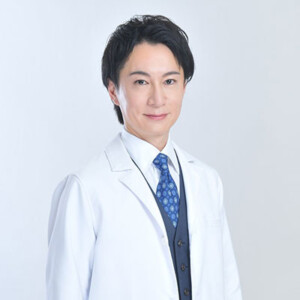
Dr. Jun Karibe
MD
Director
Education & Career
Certifications
Awards
MEDICAL REVIEW