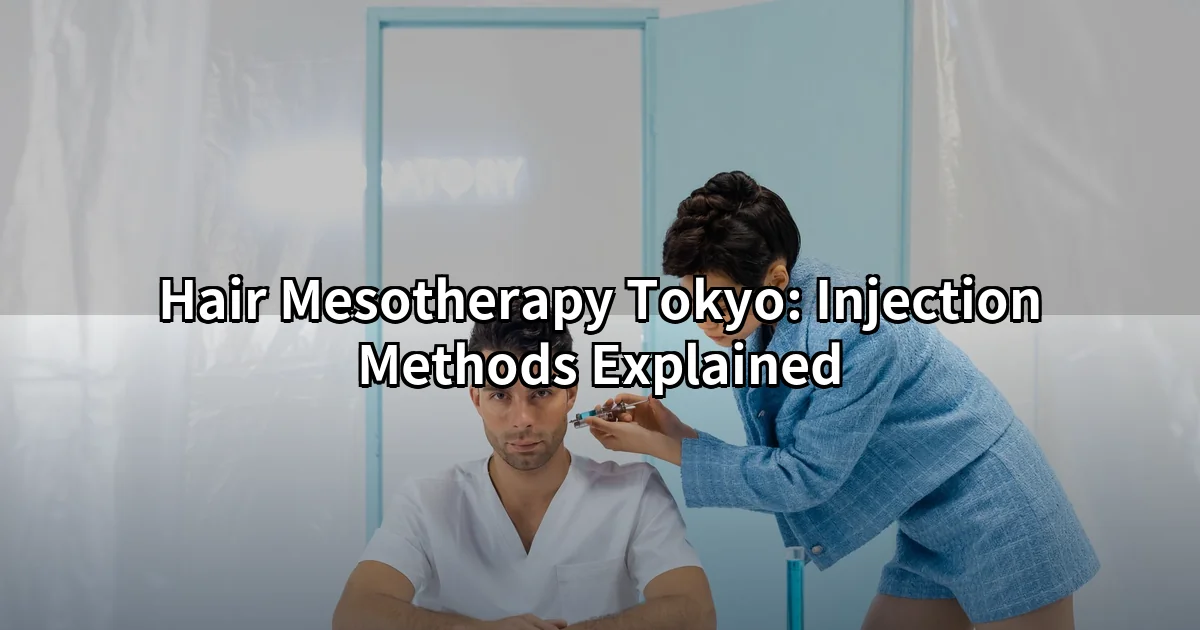
Hair Mesotherapy in Tokyo: Manual Injection vs Hydro-Injector for AGA — A Complete Guide
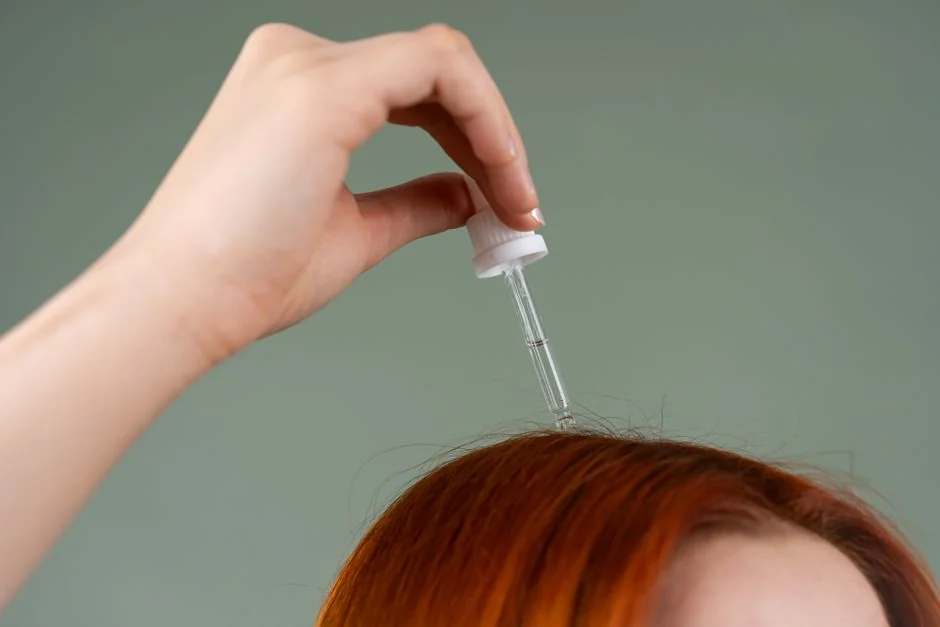
Noticing a widening part, thinning crown, or a receding hairline can be unsettling — especially when you are living abroad and uncertain where to turn for reliable treatment in English.
Hair mesotherapy is one of the most widely discussed non-surgical options for androgenetic alopecia (AGA), and a common question among international patients is whether the technique of delivery — manual needle injection or a pressure-based hydro-injector device — makes a meaningful clinical difference.
This article explains both methods clearly, compares their practical advantages, and outlines what to expect in a Tokyo clinic setting.
- What hair mesotherapy is and how it targets AGA at the scalp level
- How manual injection and hydro-injector (needle-free or multi-needle) delivery differ
- Which technique may suit which patient profile
- Realistic cost ranges for hair mesotherapy in Tokyo
- How to access an English-speaking consultation in Tokyo
Have a question about this treatment?
Message us on LINE or WhatsApp — our English-speaking team usually replies the same day.
What Is Hair Mesotherapy for AGA?
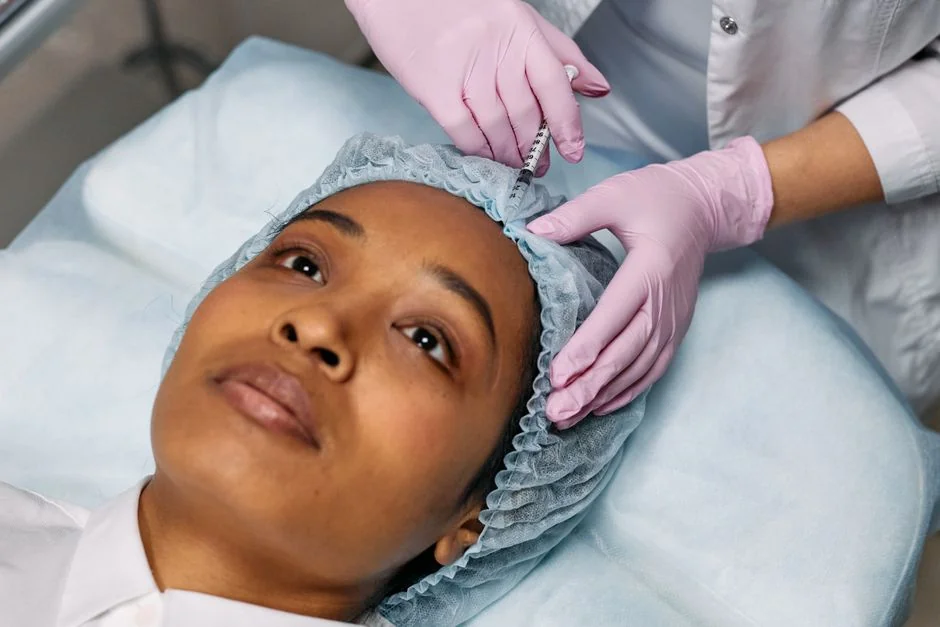
Mesotherapy is a technique in which small quantities of active compounds are introduced directly into the mesoderm — the middle layer of tissue — at or just beneath the scalp skin.
For androgenetic alopecia, the target zone is the perifollicular dermis: the tissue immediately surrounding each hair follicle. Delivering growth-supporting agents close to the follicle, rather than relying on systemic absorption, is the core rationale of the approach.
The compounds used vary by clinic and protocol, but commonly include minoxidil solution, dutasteride or finasteride (DHT-blocking medications), biotin, peptide complexes, hyaluronic acid, and vitamins such as B-complex and zinc.
Some clinics use proprietary cocktails; others customise the formulation to the individual patient’s hair loss pattern and density assessment.
Mesotherapy is not a standalone cure for AGA. It is typically used as part of a multi-modal strategy — sometimes alongside oral medications, low-level laser therapy, or nutritional support — to slow shedding, improve scalp microcirculation, and create a more hospitable environment for dormant follicles.
Manual Injection vs Hydro-Injector: How Each Method Works
Manual Injection
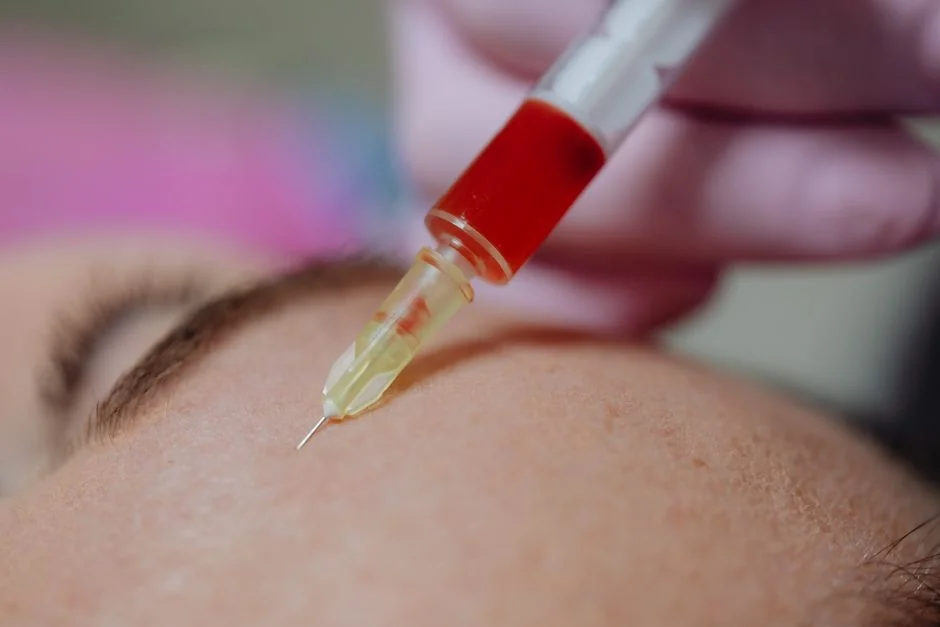
In the manual technique, a trained physician uses a fine-gauge needle (commonly 30–32G, roughly 0.25–0.30 mm in diameter) to deposit small boluses of solution at multiple points across the scalp. Each injection is placed at a precise depth — typically 1–4 mm, depending on the layer being targeted — and spacing between injection points is usually 1–2 cm in a grid or fanning pattern.
The key advantage of manual injection is physician control. The doctor can adjust depth, volume per point, and angle in real time based on scalp thickness, sensitivity, and the specific area being treated. This level of precision is particularly relevant in patients with focal thinning patterns, scarring alopecia co-existing with AGA, or significant scalp sensitivity.
Hydro-Injector (Pressure-Based Multi-Needle Device)
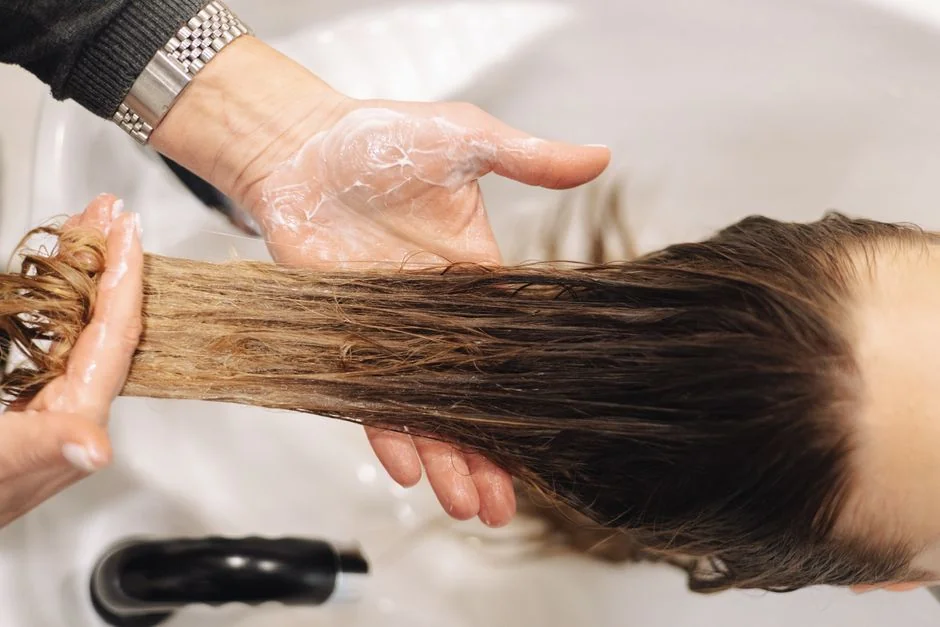
A hydro-injector — sometimes called a meso-gun, multi-needle injector, or automated mesotherapy device — uses a motorised mechanism to deliver a set volume of solution at a programmed depth and pressure across multiple micro-needles simultaneously. The device stamps or glides across the scalp, distributing the solution more rapidly than manual injection would allow.
The primary advantage is speed and uniformity. For patients requiring treatment across a large surface area (diffuse thinning over the entire crown, for example), a hydro-injector can reduce treatment time substantially while maintaining consistent depth. Some devices also incorporate negative pressure (suction) to lift the skin slightly before injection, which can improve penetration and reduce patient discomfort.
Side-by-Side Comparison
| Factor | Manual Injection | Hydro-Injector |
|---|---|---|
| Depth precision | Highest — physician-adjusted per point | Consistent preset depth; less adaptable mid-session |
| Speed | Slower (suited to focal or limited areas) | Faster (suited to large surface areas) |
| Uniformity of distribution | Dependent on physician technique | High — mechanically regulated spacing |
| Patient comfort | Variable; topical anaesthetic usually applied | Generally comparable; suction models slightly more comfortable in some reports |
| Suitability for focal thinning | Excellent | Adequate but less targeted |
| Suitability for diffuse thinning | Adequate but time-consuming | Excellent |
| Clinical evidence base | Broader published literature | Growing; fewer large RCTs specifically for scalp |
| Physician involvement during treatment | Direct, continuous | Device-assisted; physician guides and monitors |
What the Evidence Says About Hair Mesotherapy
Clinical research on mesotherapy for AGA has expanded over the past decade, though the field still lacks large-scale randomised controlled trials (RCTs) at the level seen for oral finasteride or topical minoxidil. That said, published findings are encouraging.
A 2021 systematic review in the Journal of Cosmetic Dermatology examined multiple mesotherapy studies and reported that studies suggest improvements in hair density, hair shaft diameter, and reduction in daily shedding in the majority of participants treated across 4–8 sessions — particularly when the active formulation included minoxidil or growth factor peptides.
A separate prospective study examining dutasteride-based mesotherapy found that clinical reports indicate statistically significant increases in terminal hair count at 24 weeks compared to baseline, with a favourable tolerability profile. These figures reinforce the value of compound choice alongside delivery technique: the active ingredient matters as much as the method used to deliver it.
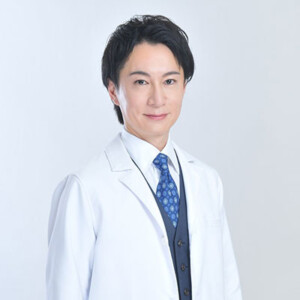
Dr. Karibe’s Note
Many of our international patients arrive having read about hydro-injectors online and assume that the device itself is what drives results.
In practice, the compound formulation, the depth of delivery, and the consistency of the treatment schedule contribute far more to outcome than the choice of device alone.
At BIOTOPE CLINIC, we assess each patient individually — scalp condition, hair loss pattern, and whether they are also using oral medications — before recommending a protocol. A patient with dense focal recession may benefit more from a precise manual approach, while someone with diffuse thinning across a large area may respond well to an automated device. The answer is rarely one-size-fits-all.
Cost of Hair Mesotherapy in Tokyo
Hair mesotherapy pricing in Tokyo varies considerably depending on the clinic, the compound formulation used, the treatment area, and whether a device or manual technique is employed.
As a general guide based on current Tokyo private clinic pricing, patients can expect per-session costs in the range of approximately ¥20,000–¥60,000, with premium formulations (including growth factors or customised peptide cocktails) at the higher end of that range.
Most protocols recommend an initial course of 4–8 sessions spaced 2–4 weeks apart, followed by maintenance sessions every 1–3 months depending on response. Factoring this in, a full initial course may represent a total investment of ¥80,000–¥480,000 over three to six months. Some clinics offer course packages at a reduced per-session rate.
It is also worth noting that hair mesotherapy in Japan is generally not covered by public health insurance (shakai hoken or kokumin kenko hoken), as AGA treatment falls under cosmetic/elective medicine. An initial consultation fee applies separately. For an accurate quote, we recommend booking a consultation.
Have a question about this treatment?
Message us on LINE or WhatsApp — our English-speaking team usually replies the same day.
What to Expect: Before, During, and After Treatment
Before Your Session
A thorough scalp and hair assessment is conducted at the consultation stage. This typically includes evaluation of the hair loss pattern (Norwood scale for men, Ludwig scale for women), assessment of scalp health, and a review of current medications — particularly any existing use of oral finasteride, dutasteride, or minoxidil. Patients are usually advised to wash their hair on the morning of treatment and to avoid alcohol for 24 hours beforehand.
During the Procedure
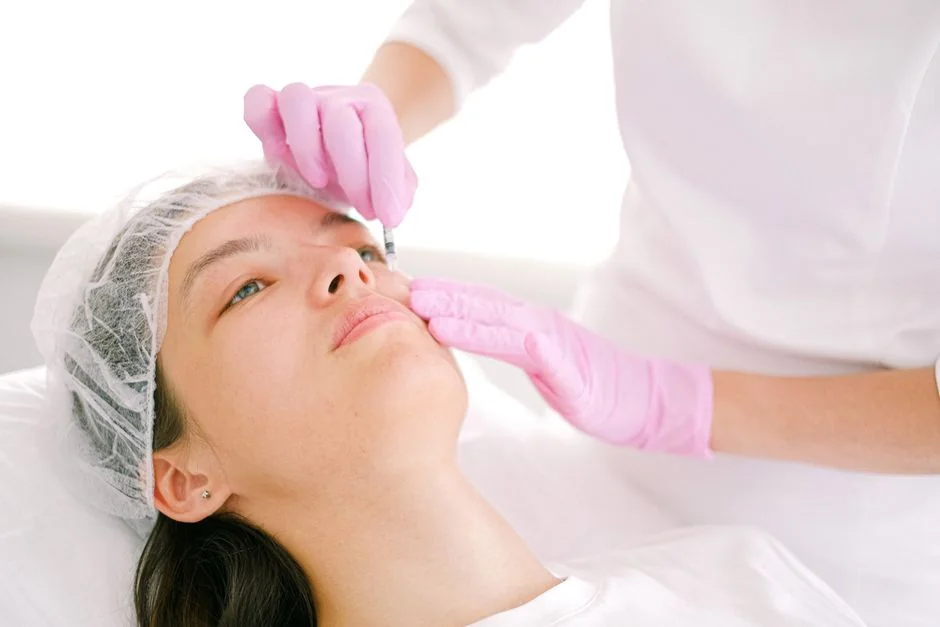
Topical anaesthetic cream is applied to the scalp 20–40 minutes before the procedure to minimise discomfort. The treatment itself typically takes 20–45 minutes depending on the area being covered and the method used. Patients may feel mild pressure, warmth, or a light stinging sensation during injection; most describe the experience as tolerable. The scalp may appear slightly red immediately after the session.
After Treatment and Downtime
Downtime is minimal. Most patients return to work or daily activities the same day. The scalp may remain mildly sensitive, pink, or show small injection marks for 12–24 hours. Patients are generally advised to avoid vigorous scalp washing, swimming, saunas, and strenuous exercise for 24–48 hours post-treatment. Sun protection of the scalp is recommended in the days following each session.
Visible results from mesotherapy are gradual. Most patients do not notice significant change until after the third or fourth session. Reduced shedding often appears first, followed by improved hair texture, and — in responsive cases — increased density over three to six months.
Common Misconceptions About Hair Mesotherapy
Misconception 1: A hydro-injector is more effective than manual injection because it is a machine.
The delivery device does not inherently produce superior outcomes. What matters most is the active compound delivered, the depth and consistency of administration, and the patient’s individual biology. Clinical reports do not show consistent superiority of either technique across all patient types; the method should be matched to the patient’s specific hair loss pattern and scalp characteristics.
Misconception 2: Mesotherapy alone is sufficient to treat AGA.
Androgenetic alopecia is a chronic, progressive condition driven largely by DHT sensitivity at the follicle level. Mesotherapy addresses the local scalp environment and can support follicle health, but it does not alter the underlying hormonal pathway in the way that oral finasteride or dutasteride does. For moderate to advanced AGA, mesotherapy is most effective when used as a complement to established pharmacological treatments, not as a complete replacement.
Who Is a Good Candidate?
Hair mesotherapy is generally suitable for adults experiencing early to moderate AGA who are seeking a non-surgical, minimally invasive adjunct to their hair loss management. It may also be appropriate for patients who cannot tolerate oral DHT inhibitors due to systemic side effects, or those who prefer to avoid daily topical minoxidil for practical reasons.
Patients with active scalp infection, open wounds, or a history of severe keloid scarring should defer treatment until those conditions are resolved. Pregnant or breastfeeding individuals should avoid the procedure due to the formulations used. A medical consultation is essential to confirm candidacy, particularly for patients with autoimmune hair conditions (such as alopecia areata) that may be misidentified as AGA.
In Dr. Karibe’s clinical experience at BIOTOPE CLINIC, international patients frequently present having already tried minoxidil for several months with partial results, and are looking for an additional option to support regrowth. In these cases, a combined approach — mesotherapy alongside continued topical treatment, and a discussion of oral DHT blockers where appropriate — tends to yield the most satisfactory outcomes.
Note: Patients interested in a comprehensive preventive and nutritional approach to hair health may also wish to enquire about orthomolecular (nutritional) therapy and IV drip therapy (vitamin C, B-complex, and other micronutrients) available at BIOTOPE CLINIC — both of which can complement a mesotherapy programme. This is a treatment available at BIOTOPE CLINIC in Shirokanedai — feel free to ask about it during a consultation with Dr. Karibe.
Where to Get Hair Mesotherapy in Tokyo (English Consultation)
Within our clinic group, English-speaking consultations are handled at BIOTOPE CLINIC in Shirokanedai (Minato-ku, Tokyo) by Dr. Jun Karibe. Our sister clinic, Kojimachi Dermatology and Plastic Surgery Clinic in Ichigaya (Chiyoda-ku), handles Japanese-language insurance-covered dermatology as the group’s main office. Bookings and enquiries in English: LINE or WhatsApp.
BIOTOPE CLINIC and Kojimachi Dermatology and Plastic Surgery Clinic operate as sister clinics within the same medical group, sharing the same clinical philosophy and led by Dr. Karibe, who is board-certified by the Japan Society of Plastic and Reconstructive Surgery. English-speaking expatriates, medical tourists, and international visitors are welcomed at BIOTOPE CLINIC for the full range of hair, skin, and surgical consultations discussed on this site.
Frequently Asked Questions
- Q. How many sessions of hair mesotherapy will I need?
- Most protocols recommend an initial course of 4–8 sessions spaced approximately 2–4 weeks apart, followed by monthly or quarterly maintenance. The exact number depends on the degree of hair loss, the formulation used, and individual treatment response — your physician will review this at your consultation.
- Q. Is hair mesotherapy painful?
- Topical anaesthetic cream is applied before each session, which significantly reduces discomfort. Most patients describe the sensation as mild pressure or a light stinging that subsides quickly. The scalp may be tender for a few hours after treatment, but most people resume normal activities the same day.
- Q. Can women with hair thinning also benefit from hair mesotherapy?
- Yes. Although AGA is more commonly discussed in men, women can also experience androgenetic hair thinning (female-pattern hair loss). Hair mesotherapy is used in women as well, though the formulation may differ — dutasteride, for example, is generally avoided in women of childbearing age. A clinical assessment is essential to confirm the diagnosis and appropriate protocol.
- Q. Does insurance cover hair mesotherapy in Japan?
- No. AGA treatment, including mesotherapy, is classified as cosmetic/elective medicine in Japan and is not covered by public health insurance. Costs are paid privately. Our sister clinic, Kojimachi Dermatology and Plastic Surgery Clinic, handles insurance-covered dermatology in Japanese, but hair mesotherapy consultations for English-speaking patients are directed to BIOTOPE CLINIC.
- Q. Can I combine hair mesotherapy with other treatments?
- Yes, and combination approaches are common. Mesotherapy is frequently used alongside oral finasteride or dutasteride, topical minoxidil, and nutritional supplementation. Some patients also explore low-level laser therapy or nutritional IV drips as complementary support. Dr. Karibe will assess your full picture and suggest a protocol appropriate to your needs and goals.
Have a question about this treatment?
Message us on LINE or WhatsApp — our English-speaking team usually replies the same day.
Summary
Hair mesotherapy is a minimally invasive approach to supporting scalp health and follicle function in patients with androgenetic alopecia. Both manual injection and hydro-injector delivery can be effective — the more important variables are the active compound used, the consistency of the treatment schedule, and whether mesotherapy is part of a broader, appropriately matched AGA management plan.
Manual injection offers the greatest precision and adaptability, making it well-suited to focal hair loss patterns or patients requiring nuanced depth control. Hydro-injector devices offer speed and uniformity, making them practical for large-area diffuse thinning. Neither is universally superior; the right choice depends on the individual patient.
Studies suggest that regular mesotherapy — particularly when formulations include minoxidil, dutasteride, or growth factor peptides — can meaningfully reduce shedding and improve hair density over a three-to-six-month period, though results are gradual and individual response varies. Mesotherapy works best as a complement to, rather than a replacement for, established pharmacological AGA treatments.
If you have questions about hair mesotherapy in Tokyo, English-speaking consultations are handled at BIOTOPE CLINIC in Shirokanedai (Minato-ku, Tokyo) by Dr. Karibe. Our sister clinic, Kojimachi Dermatology and Plastic Surgery Clinic in Ichigaya (Chiyoda-ku), handles Japanese-language insurance dermatology. English enquiries: LINE or WhatsApp.
24/7 Consultation & Booking
Book a Consultation or Treatment
Our English-speaking team responds via LINE or WhatsApp — usually the same day.
References
- Aukerman EL, Bhatt VR, Nathoo SA. Mesotherapy in the treatment of androgenetic alopecia: a systematic review. Journal of Cosmetic Dermatology. 2021.
- Moftah NH, Abd El-Kader HA, Ibrahim SM, Mansour LM. Mesotherapy using dutasteride-containing preparation in treatment of female pattern hair loss: photographic, morphometric and ultrastructural study. Journal of the European Academy of Dermatology and Venereology. 2013.
- Traquina A. Mesotherapy with Minoxidil in the Treatment of Androgenetic Alopecia. Journal of Mesotherapy. 2006.
- Sobhy N, El-Sheikh AM, Shalaby S, Fathy A. Evaluation of platelet-rich plasma versus mesotherapy in the treatment of androgenetic alopecia: a comparative clinical study. Dermatology and Therapy. 2020.
- Mysore V. Finasteride and sexual side effects. Indian Dermatology Online Journal. 2012.
Related Articles
You may also find these articles useful.
- English-Speaking Dermatologist Tokyo: Hair Loss & AGA
- Hair Loss Treatment Tokyo: AGA Options for Expats
- Collagen Booster Treatment Tokyo: Complete Guide
SUPERVISED BY
Dr. Jun Karibe
MD
Director
Education & Career
Certifications
Awards
MEDICAL REVIEW