NMN Drip Therapy in Tokyo: A Practical Guide to Anti-Ageing IV Treatment
If you have noticed that recovery from a long week takes longer than it used to, or you have read about NAD+ and wondered whether an intravenous drip is worth the cost, you are asking a reasonable question. NMN drip therapy is now widely advertised across Tokyo, but the marketing often runs well ahead of the published evidence.
This guide explains what NMN drip therapy actually is, what human studies have and have not shown, what it costs at our clinic group, and who it may or may not suit.
What you’ll learn in this article:
- What NMN is, and how it differs from NAD+ and from nicotinamide riboside (NR)
- What clinical studies suggest about intravenous versus oral NMN — including the size and limits of that evidence
- The regulatory status of NMN in Japan, and why NMN drips are self-pay rather than insurance-covered
- Current NMN drip pricing at our clinic group, session length and realistic treatment frequency
- Who tends to be a suitable candidate, and who should postpone or avoid the treatment
Have a question about this treatment?
Message us on LINE or WhatsApp — our English-speaking team usually replies the same day.
What Is NMN Drip Therapy?
NMN stands for beta-nicotinamide mononucleotide, a small molecule that the body converts into nicotinamide adenine dinucleotide, usually written as NAD+. NAD+ is a coenzyme involved in energy production inside cells and in several DNA-repair and cell-signalling pathways.
NAD+ levels are widely reported to decline with age, which is the rationale behind supplying a precursor such as NMN. An NMN drip delivers that precursor directly into a vein in a saline solution, rather than through the digestive tract.
NMN, NAD+ and NR are not interchangeable
Clinics sometimes use these three terms loosely, but they are different molecules with different published data. NMN and NR are both NAD+ precursors; NAD+ itself can also be infused directly. Evidence gathered for one of them does not automatically apply to the others.
Regulatory status in Japan — an important distinction
In a notification dated 31 March 2020 on food–drug classification (shokuyaku kubun), Japan’s Ministry of Health, Labour and Welfare placed nicotinamide mononucleotide on the list of ingredients that are not judged to be pharmaceuticals unless a medicinal efficacy claim is made.
In plain language: in Japan, NMN is handled as a food ingredient, not as an approved medicine for treating any disease. NMN drip therapy is therefore provided as self-pay (jiyu-shinryo) care and is not covered by Japanese national health insurance. It should not be presented, or understood, as an approved treatment for a medical condition.
How NMN Drip Therapy Works, and What Results to Expect
The intended mechanism is straightforward: raise circulating NMN, which cells can use to replenish NAD+. The honest question is how much of that translates into outcomes a patient can feel.
What the published research suggests
Direct human data on intravenous NMN is limited to small studies. In a study published in Cureus in 2022, ten healthy adults aged 20 to 70 received 300 mg of NMN dissolved in 100 mL of saline, infused at 5 mL per minute over roughly 20 minutes. Blood NAD+ rose significantly between 0.5 and 3 hours after the infusion, blood triglyceride levels fell significantly between 0.5 and 5 hours, and no abnormalities were seen in electrocardiograms, vital signs, blood counts or organ-function markers.
That is a genuine signal, but it is ten people followed for five hours with no placebo group. It does not establish long-term benefit.
The larger and better-controlled trials have used oral NMN. A randomised, multicentre, double-blind, placebo-controlled trial published in GeroScience in 2023 tested 300 mg, 600 mg and 900 mg daily in healthy middle-aged adults over 60 days.
Blood NAD+ rose dose-dependently in all three groups, and the authors reported that clinical performance measures peaked around 600 mg daily, with dosing up to 900 mg well tolerated.
Separately, a randomised, double-blind, placebo-controlled study of 31 healthy adults published in Scientific Reports in 2022 gave 1,250 mg of oral NMN daily for four weeks and found no serious adverse events, with laboratory values remaining within normal ranges.
What patients realistically report
Reported effects centre on subjective energy, sleep quality and daytime alertness, and these are precisely the outcomes most vulnerable to expectation effects. Visible skin or body-composition changes are not established endpoints for NMN infusion, and no responsible clinic can promise them.
At BIOTOPE CLINIC in Shirokanedai, we frequently see patients who arrive expecting a drip to substitute for sleep, alcohol reduction or exercise. NMN is best positioned as an addition to those foundations, not a replacement for them.
What People Often Get Wrong About NMN Drips
Misconception 1: “Intravenous must be far more effective than tablets”
Bypassing digestion does raise blood levels faster — but faster is not the same as better. As of now, no published trial has directly compared intravenous with oral NMN for clinical outcomes, so any claim that the drip is superior is an extrapolation rather than a finding.
Meanwhile, the oral route is where the multi-week, placebo-controlled evidence sits. A sensible reading is that drips and supplements are complementary options, and that the choice is often about convenience, tolerance and budget rather than proven potency.
Misconception 2: “NMN drip and NAD+ drip are basically the same thing”
They are not, and the tolerability data differ. In a 2019 pilot study in Frontiers in Aging Neuroscience, eleven participants received 750 mg of NAD+ intravenously over six hours; plasma NAD+ did not change for the first two hours and rose sharply only by the end of the infusion, with no adverse events at that slow rate.
By contrast, a retrospective real-world analysis published in Frontiers in Aging in 2026 found that all six patients receiving 500 mg NAD+ infusions reported moderate to severe symptoms during administration — including abdominal cramping, nausea, raised heart rate and chest pressure — which stopped as soon as the infusion finished. Those NAD+ infusions averaged 97 minutes, against 37 minutes for NR. Clinical reports of this kind are a reminder that infusion rate matters, and that data from NAD+ infusions should not be quietly relabelled as NMN data.
| Factor | NMN IV drip | Oral NMN supplement |
|---|---|---|
| Route | Directly into a vein in saline | Capsules taken daily |
| Typical dose used clinically | 100–300 mg per session | 300 mg daily (2 capsules of 150 mg) |
| Time required | Approximately 15–30 minutes per visit | Seconds, but every day |
| Human trial evidence | Limited; one published 10-person study of a single 300 mg infusion | Stronger; randomised placebo-controlled trials up to 60 days and 1,250 mg daily |
| Reported discomfort | Pain along the vein is the side effect listed on our menu | Occasional mild digestive upset |
| Suits people who | Prefer periodic clinic visits and dislike daily routines | Want continuous intake at lower cost per day |
Cost of NMN Drip Therapy in Tokyo
Because NMN is not an insurance-covered pharmaceutical in Japan, the full cost is paid by the patient. Price is driven mainly by the NMN dose per bag and by whether you buy single sessions or a course.
The following figures are taken from our clinic group’s official published price list.
| Plan | 100 mg | 200 mg | 300 mg |
|---|---|---|---|
| First-time trial | 23,000 yen | 34,000 yen | 46,000 yen |
| Single session | — | 48,000 yen | 64,000 yen |
| Course of 5 | — | 228,000 yen | 304,000 yen |
| Course of 10 | — | 432,000 yen | 576,000 yen |
An oral option is also available: our NMN 9000+ supplement contains 150 mg per capsule, with two capsules daily giving 300 mg per day, and is listed at 162,000 yen for 60 capsules.
Tax treatment is not specified on the published table, and prices are subject to revision. Please see the clinic’s official price page or contact us for a current quote. For an accurate quote, please book a consultation.
Have a question about this treatment?
Message us on LINE or WhatsApp — our English-speaking team usually replies the same day.
What to Expect, and Who Is a Good Candidate

Before, during and after
Treatment begins with a consultation covering your medical history, medications and expectations. Eat normally beforehand and stay well hydrated, which makes cannulation easier.
The infusion itself takes approximately 15 to 30 minutes, and you sit or recline throughout. The side effect listed on our treatment menu is pain along the vein during infusion; tell the nurse if you feel it, as slowing the drip usually helps.
There is no downtime. You can return to work, exercise or dinner plans immediately afterwards. Our published guidance is that repeating treatment once every one to four weeks helps maintain any effect, which is why course pricing exists.
Who tends to be suitable
- Generally healthy adults interested in preventive and anti-ageing care who understand that the evidence is early
- People who travel frequently or work irregular hours and prefer periodic clinic sessions to daily capsules
- Patients already taking oral NMN who want to discuss whether a drip adds anything for them
Who should postpone or avoid it
- Anyone who is pregnant or breastfeeding — published trials enrolled healthy non-pregnant adults, so safety in pregnancy has not been established
- People with active illness, significant liver or kidney disease, or unstable cardiac conditions, until their treating physician has been consulted
- Anyone expecting a treatment for a diagnosed medical condition; NMN is not approved for that purpose in Japan
- Anyone for whom the cost would be a strain, given that long-term benefit is not yet demonstrated
Where to Get NMN Drip Therapy in Tokyo
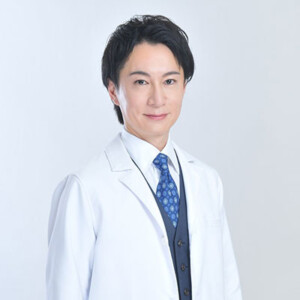
Within our clinic group, English-speaking consultations are handled at BIOTOPE CLINIC in Shirokanedai (Minato-ku, Tokyo) by Dr. Jun Karibe. Our sister clinic Kojimachi Dermatology & Plastic Surgery Clinic in Ichigaya handles Japanese-language insurance dermatology. Bookings and enquiries in English: LINE or WhatsApp.
NMN drips are usually discussed alongside other preventive options such as orthomolecular (nutritional) therapy, gut microbiome analysis, and vitamin C or glutathione IV drips. These are treatments available at BIOTOPE CLINIC in Shirokanedai — feel free to ask about them during a consultation with Dr. Karibe.
Frequently Asked Questions
- Q. How quickly will I feel anything after an NMN drip?
- Blood NAD+ was reported to rise within 30 minutes of a 300 mg infusion in a small 2022 study, but subjective effects vary considerably between individuals. Some patients notice nothing after a first session, which is why a trial dose exists.
- Q. Is NMN drip therapy covered by Japanese health insurance?
- No. NMN is classified as a food ingredient rather than an approved pharmaceutical in Japan, so all NMN drip therapy is self-pay. Bring a payment method that works for private medical fees.
- Q. Should I choose the drip or the oral supplement?
- The stronger multi-week clinical evidence is for oral NMN, while the drip offers a larger single dose without a daily routine. Many patients discuss a combination, and a consultation is the right place to weigh cost against convenience.
- Q. Can I get an NMN drip as a visitor to Tokyo?
- Yes — the treatment requires no downtime and takes roughly 15 to 30 minutes, so it fits easily into a travel schedule. English-language enquiries are handled at BIOTOPE CLINIC.
Have a question about this treatment?
Message us on LINE or WhatsApp — our English-speaking team usually replies the same day.
Summary
NMN drip therapy delivers an NAD+ precursor intravenously over about 15 to 30 minutes, with no downtime and pain along the vein as the main listed side effect. Studies suggest it raises blood NAD+ within hours, but the intravenous evidence base remains small and short-term.
In Japan, NMN is regulated as a food ingredient rather than an approved medicine, so treatment is self-pay and should be approached as preventive care with realistic expectations rather than as a proven medical therapy.
If you have questions about NMN drip therapy, English-speaking consultations are handled at BIOTOPE CLINIC in Shirokanedai (Minato-ku, Tokyo) by Dr. Karibe. Our sister clinic Kojimachi Dermatology & Plastic Surgery Clinic in Ichigaya (Chiyoda-ku) handles Japanese-language insurance dermatology. English enquiries: LINE or WhatsApp.
24/7 Consultation & Booking
Book a Consultation or Treatment
Our English-speaking team responds via LINE or WhatsApp — usually the same day.
References
- Kimura S, Ichikawa M, Sugawara S, et al. Nicotinamide mononucleotide is safely metabolized and significantly reduces blood triglyceride levels in healthy individuals. Cureus. 2022;14(9):e28812.
- Yi L, et al. The efficacy and safety of beta-nicotinamide mononucleotide (NMN) supplementation in healthy middle-aged adults: a randomized, multicenter, double-blind, placebo-controlled, parallel-group, dose-dependent clinical trial. GeroScience. 2023;45(1):29-43.
- Fukamizu Y, Uchida Y, Shigekawa A, Sato T, Kosaka H, Sakurai T. Safety evaluation of beta-nicotinamide mononucleotide oral administration in healthy adult men and women. Scientific Reports. 2022;12:14442.
- Grant R, Berg J, Mestayer R, et al. A pilot study investigating changes in the human plasma and urine NAD+ metabolome during a 6 hour intravenous infusion of NAD+. Frontiers in Aging Neuroscience. 2019;11:257.
- Reyna K, Heinzen G, Patel N, et al. Intravenous infusion of nicotinamide adenine dinucleotide (NAD+) versus nicotinamide riboside (NR): a retrospective tolerability pilot study in a real-world setting. Frontiers in Aging. 2026;7:1652582.
Related Articles
You may also find these articles useful.
- NMN vs NAD+ in Japan: Which Should You Actually Take?
- Where to Get NAD+ IV in Tokyo (2026 English-Speaking Clinic Guide)
- IV Vitamin Drip Tokyo: Wellness Treatment for Expats
- IV Vitamin Drip Tokyo: Wellness Treatment for Expats
- Anti-Aging Treatments Tokyo: Complete Guide for Expats
SUPERVISED BY
Dr. Jun Karibe
MD
Director
Education & Career
Certifications
Awards
MEDICAL REVIEW