Collagen Booster Treatment in Tokyo: A Complete Guide for English Speakers
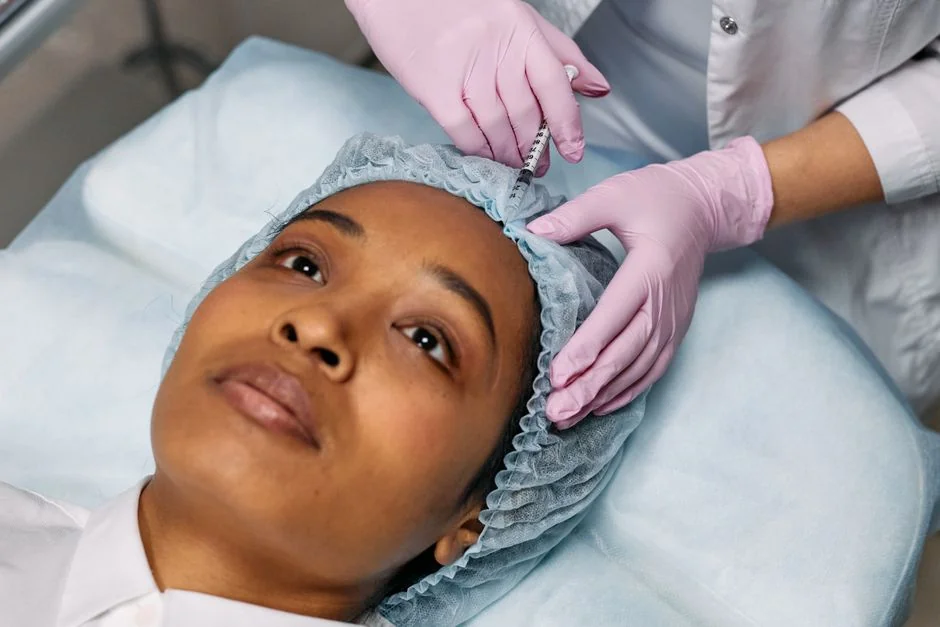
If you have noticed that your skin looks thinner, flatter or duller than it did a few years ago — even though you do not have deep wrinkles yet — you are describing something very common, and something that ordinary skincare cannot fully reverse. Collagen booster treatments are injectable or device-based procedures designed to prompt your own skin to rebuild its structural proteins rather than simply filling a line.
This guide explains how these treatments actually work, what the published evidence does and does not show, what they cost in Tokyo, and how to judge whether one is appropriate for you.
What you’ll learn in this article:
- What a “collagen booster” is, and how it differs from a conventional filler
- The main product categories used in Tokyo and how their mechanisms differ
- Realistic results, timelines and published clinical figures
- Current prices at our clinic group, plus downtime and side-effect expectations
- An important regulatory point about unapproved products that many articles omit
Have a question about this treatment?
Message us on LINE or WhatsApp — our English-speaking team usually replies the same day.
What Is a Collagen Booster Treatment?
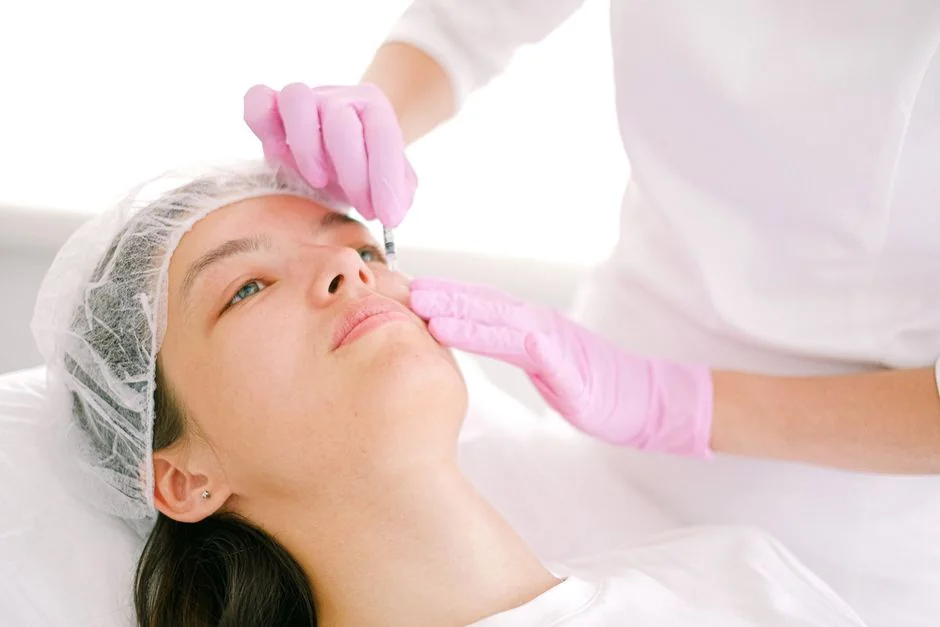
A collagen booster — also called a biostimulator or skin booster — is a substance injected into or just beneath the skin that triggers a controlled repair response. Instead of occupying space the way a hyaluronic acid filler does, it encourages fibroblasts (the cells that manufacture collagen and elastin) to become more active.
The practical difference matters. A filler changes your face on the day of treatment. A collagen booster changes your skin gradually over the following weeks and months, and the improvement you see is made of your own tissue.
Energy-based devices such as radiofrequency microneedling and HIFU work toward a similar goal through heat rather than a chemical stimulus. Both approaches are available at BIOTOPE CLINIC in Shirokanedai, and they are often discussed together during a consultation.
How Collagen Boosters Work — and How the Main Types Differ
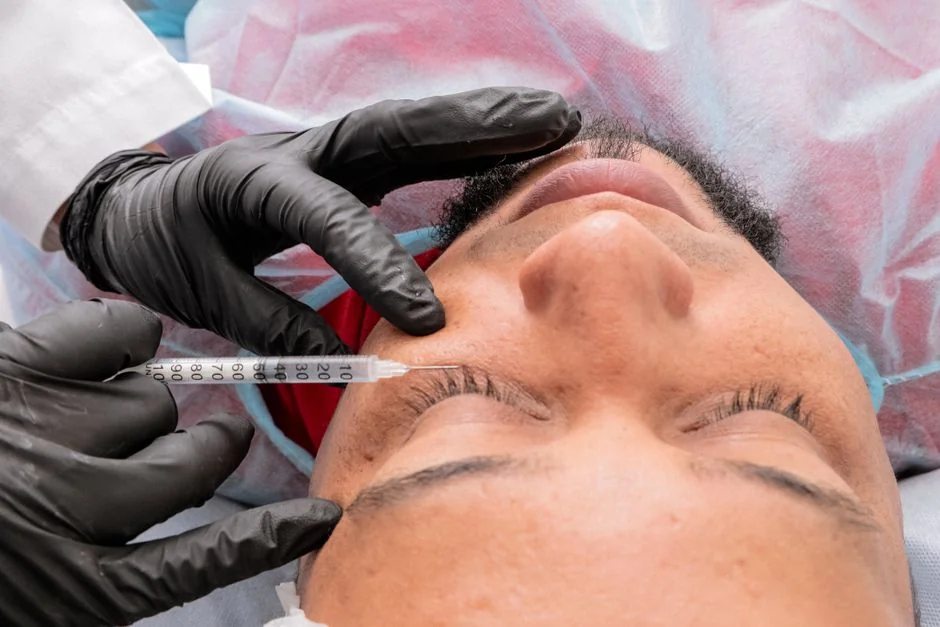
All biostimulators exploit the same basic biology: a mild, deliberate injury or foreign-body signal prompts fibroblasts to lay down new collagen. What differs is the stimulating agent, the depth of injection and how long the effect persists.
Laboratory work illustrates how different the responses can be. In a cell-culture and 3D skin-model study of hybrid hyaluronic acid complexes, researchers reported roughly seven-fold higher type I collagen gene expression and twelve-fold higher elastin expression in treated fibroblasts at 24 hours compared with conventional hyaluronic acid preparations. A narrative review of calcium hydroxylapatite in Aesthetic Surgery Journal summarised studies reporting elastin staining increases of approximately 73 per cent, with collagen and elastin elevation still measurable at 8 to 12 months.
These are laboratory and histology findings, not promises about how your face will look. Studies suggest a genuine tissue-level effect; individual visible results vary considerably.
| Type | Active principle | Primary effect | Typical course | Notes |
|---|---|---|---|---|
| Polynucleotide (PN / PDRN) | Purified DNA fragments, usually salmon-derived | Skin quality, hydration, elasticity, fine crepey texture | 3 sessions, 2–3 weeks apart | Gentle; little to no volumising effect |
| Poly-L-lactic acid (PLLA) | Synthetic biodegradable polymer | Gradual firmness and structural support | 2–3 sessions, several weeks apart | Slowest onset; longest reported persistence |
| Calcium hydroxylapatite (hyperdiluted) | Mineral microspheres in gel carrier | Skin tightening and firmness over larger areas | 2–3 sessions | Diluted specifically to reduce volumising action |
| Hybrid hyaluronic acid complexes | High- and low-weight HA combined | Hydration plus bio-remodelling | 2 sessions, about 4 weeks apart | Very short downtime |
| Energy-based (RF microneedling, HIFU) | Controlled heat in the dermis or deeper | Tightening and lifting | 1–3 sessions | No injected product; device-based |
Expected Results and How Long They Last
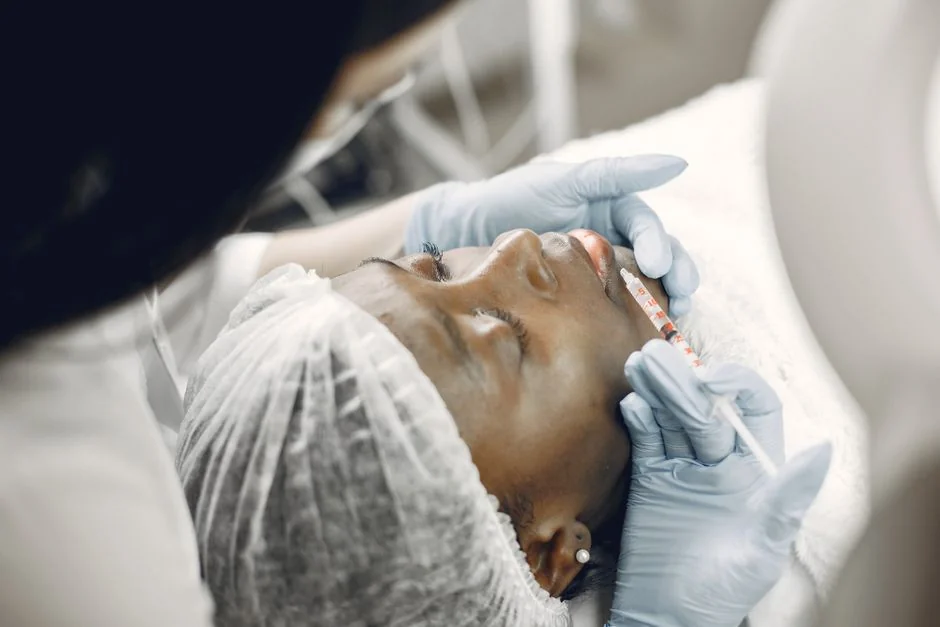
Nothing dramatic happens on the day. Most patients notice hydration and a slight change in light reflection within one to two weeks, with firmness developing over roughly two to three months as new collagen matures.
Published data give a sense of the range. An observational post-market study of high-purification injectable polynucleotides in 66 patients (mean age 49.5 years), treated over three sessions and assessed three months after the final injection, reported clinician-rated improvement in 100 per cent of facial cases, with 53.5 per cent graded as marked or excellent. For poly-L-lactic acid, the manufacturer’s pivotal trial supporting the April 2023 FDA clearance for cheek wrinkles reported improvement in 96 per cent of patients at three months and 94 per cent at two years.
Two caveats are worth keeping in mind. These figures come from selected study populations under standardised protocols, and clinical reports indicate that results are maintenance-dependent — collagen continues to decline with age, so most patients repeat treatment every 9 to 18 months.
Cost of Collagen Booster Treatment in Tokyo
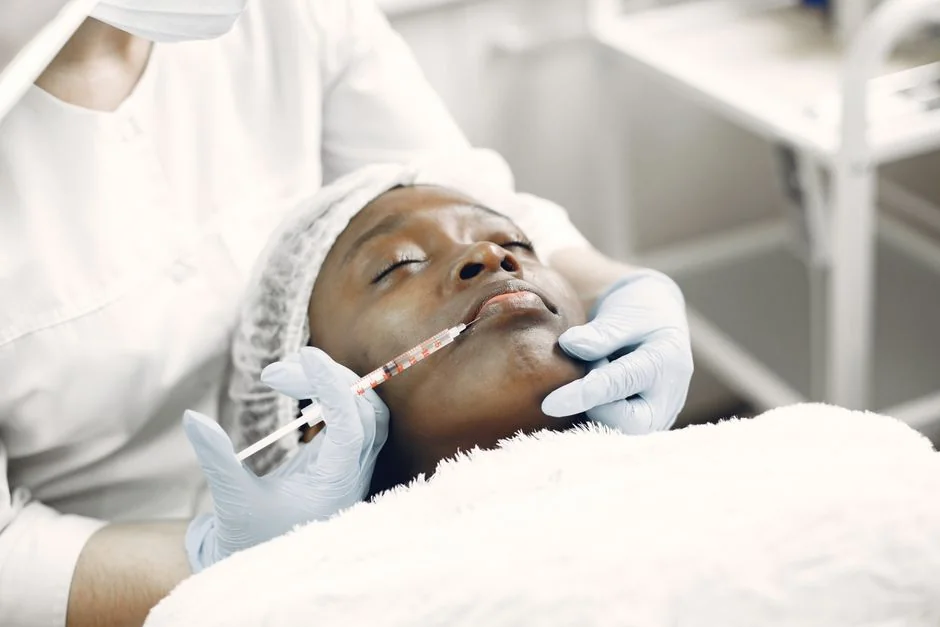
Collagen booster treatments are self-pay (自由診療) in Japan and are not covered by national health insurance. Pricing across Tokyo varies with the product, the volume injected and the number of sessions in a course.
Current published prices in our clinic group for the Pluryal range — polynucleotide-based injectables combined with non-crosslinked hyaluronic acid and mannitol — are as follows (tax included):
- Pluryal Silk (fine lines, under-eye area), 2 cc: 77,000 yen per session, or 140,000 yen for a course of three
- Pluryal Densify (face, eye area, lips; dullness and fine lines), 2 cc: 98,800 yen per session, or 198,000 yen for a course of three
- Pluryal BioSculpture (laxity, wrinkles, dullness), 1 cc: 66,000 yen per session
For comparison, device-based collagen stimulation in the same group is currently listed at 151,800–177,100 yen for Morpheus8 depending on shot count, and 110,000 yen for full-face and jawline HIFU. Prices are subject to change — please see the clinic’s official price page or contact us for a current quote.
For an accurate quote, please book a consultation.
Have a question about this treatment?
Message us on LINE or WhatsApp — our English-speaking team usually replies the same day.
What to Expect, and Who Is a Good Candidate
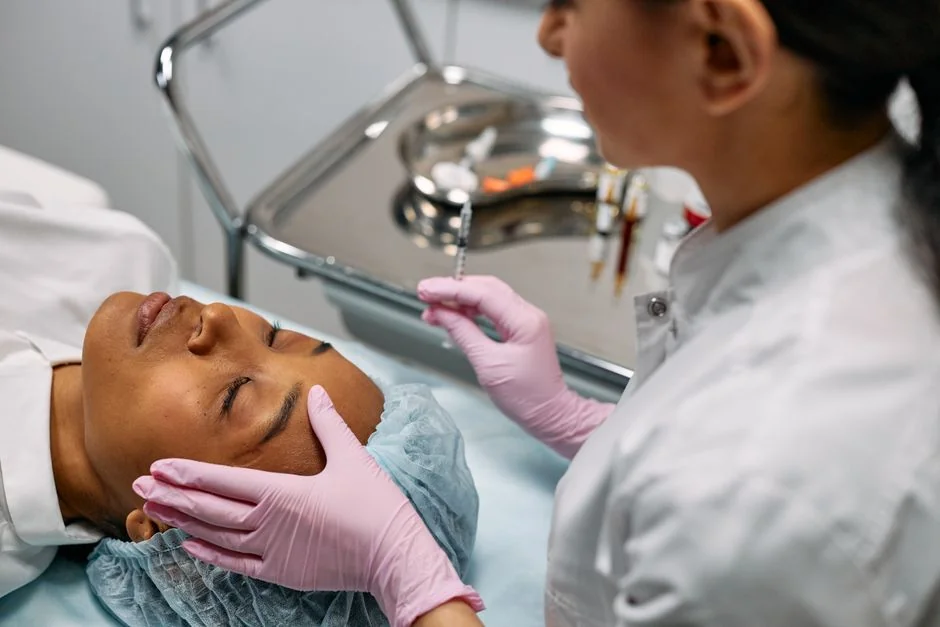
The appointment itself
A topical anaesthetic cream is applied for around 30 minutes, and the injection itself typically takes about 20 minutes. Most protocols involve three sessions spaced two to three weeks apart.
Downtime and side effects
Expect small injection bumps, redness and mild swelling that generally settle within hours to a few days. Bruising is the most common nuisance effect and can persist for roughly 1 to 10 days, which is worth planning around if you have an event. Less common effects include prolonged swelling and temporary firm areas at injection points; with any injectable, infection, nodule formation and vascular complications are recognised risks, which is why the procedure belongs in medical hands.
Good candidates
These treatments suit people in their thirties to sixties with early laxity, thinning skin, crepey texture under the eyes or on the neck, or a generally tired appearance — particularly those who do not want the obvious change a filler can create. At BIOTOPE CLINIC in Shirokanedai, we frequently see international patients who have tried increasingly expensive skincare and want to know what a medical option can add.
Who should avoid or postpone it
Collagen boosters are not appropriate during pregnancy or breastfeeding, over an active skin infection or inflamed acne in the treatment area, or in people with a known allergy to the product or its components. Anyone with an autoimmune or connective-tissue condition, a bleeding disorder or on anticoagulants, or with a history of keloid scarring or granuloma formation should discuss this in detail before proceeding. Salmon-derived polynucleotide products warrant particular caution in people with fish allergy.
What People Often Get Wrong About Collagen Boosters
“FDA-approved” does not mean approved in Japan
Marketing frequently cites United States FDA clearance — for example, poly-L-lactic acid was cleared in the US in 2004 for HIV-associated facial lipoatrophy, in 2009 for nasolabial folds, and in April 2023 for cheek wrinkles. None of that constitutes Japanese approval. Many collagen-boosting injectables used in Japan are imported by physicians and are not approved by Japanese regulators, and Japan’s Ministry of Health, Labour and Welfare medical advertising guidelines specifically require clinics to disclose unapproved status, the import route, and whether a domestically approved equivalent exists.
There is a practical consequence. Japan’s national drug adverse-reaction relief system (医薬品副作用被害救済制度) applies to properly used approved pharmaceuticals; the PMDA notes explicitly that some drugs used in cosmetic medicine fall outside it. Ask which product is being used and what its status is — a clinic should answer without hesitation.
“It’s a filler, so I’ll see it immediately”
Biostimulators are not volumisers, and judging the outcome at two weeks is the most common source of disappointment. The relevant assessment point is roughly three months after the final session, once new collagen has organised.
Where to Get Collagen Booster Treatment in Tokyo
Within our clinic group, English-speaking consultations are handled at BIOTOPE CLINIC in Shirokanedai (Minato-ku, Tokyo) by Dr. Jun Karibe, a plastic surgeon certified by the Japan Society of Plastic and Reconstructive Surgery. Our sister clinic Kojimachi Dermatology & Plastic Surgery Clinic in Ichigaya handles Japanese-language insurance dermatology. Bookings and enquiries in English: LINE or WhatsApp.
BIOTOPE CLINIC is one minute from Shirokanedai Station, Exit 1. Polynucleotide injectables, Morpheus8 radiofrequency microneedling and HIFU are all available there — feel free to ask about any of them during a consultation with Dr. Karibe.
Frequently Asked Questions
- Q. How many sessions will I need?
- Most polynucleotide protocols use three sessions at two- to three-week intervals, which is the schedule used in the published studies. Maintenance is usually discussed around 9 to 18 months later, depending on the product and your response.
- Q. Can I combine a collagen booster with Botox or filler?
- Yes, and combinations are common, since the treatments address different problems — muscle movement, lost volume and skin quality. Sequencing and spacing should be planned by your doctor rather than booked ad hoc.
- Q. Is it painful?
- Topical anaesthetic cream is applied beforehand, and most patients describe the sensation as multiple small pinpricks rather than genuine pain. The under-eye and lip areas tend to be the most sensitive.
- Q. Is this covered by Japanese health insurance?
- No. Aesthetic collagen booster treatments are entirely self-pay, and unapproved products used in cosmetic medicine may also fall outside Japan’s national adverse-reaction relief scheme. Ask for this to be explained in writing at consultation.
Have a question about this treatment?
Message us on LINE or WhatsApp — our English-speaking team usually replies the same day.
Summary
Collagen booster treatments stimulate your own fibroblasts rather than filling a line, which makes them well suited to thinning, crepey or dull skin where a filler would look wrong. Evidence from laboratory and observational studies supports a real tissue-level effect, but results build over months and require maintenance.
Choose based on your specific concern rather than on brand names, expect a course rather than a single visit, and insist on a clear explanation of the product’s regulatory status and risks before you proceed.
If you have questions about collagen booster treatment in Tokyo, English-speaking consultations are handled at BIOTOPE CLINIC in Shirokanedai (Minato-ku, Tokyo) by Dr. Karibe. Our sister clinic Kojimachi Dermatology & Plastic Surgery Clinic in Ichigaya (Chiyoda-ku) handles Japanese-language insurance dermatology. English enquiries: LINE or WhatsApp.
24/7 Consultation & Booking
Book a Consultation or Treatment
Our English-speaking team responds via LINE or WhatsApp — usually the same day.
References
- Lanza E, Perna A, Bizzarri S, et al. A Real-Life Assessment of Injectable Polynucleotides High Purification Technology in Aesthetic Medicine for Skin Rejuvenation. Journal of Cosmetic Dermatology. 2026;25(1):e70532.
- Aguilera SB, McCarthy A, Khalifian S, et al. The Role of Calcium Hydroxylapatite (Radiesse) as a Regenerative Aesthetic Treatment: A Narrative Review. Aesthetic Surgery Journal. 2023;43(10):1063–1090.
- Stellavato A, Corsuto L, D’Agostino A, et al. Hyaluronan Hybrid Cooperative Complexes as a Novel Frontier for Cellular Bioprocesses Re-Activation. PLOS ONE. 2016;11(10):e0163510.
- Galderma. Galderma Receives FDA Approval for Sculptra for Cheek Wrinkles (press release). 26 April 2023.
- Pharmaceuticals and Medical Devices Agency (PMDA). Relief System for Sufferers from Adverse Drug Reactions (医薬品副作用被害救済制度). Accessed August 2026.
- Ministry of Health, Labour and Welfare, Japan. Guidelines on Advertising Relating to Medical Practice, Hospitals and Clinics (医療広告ガイドライン) and related Q&A. Accessed August 2026.
Related Articles
You may also find these articles useful.
- Collagen Booster Treatment Tokyo: Complete Guide
- Collagen Booster Treatment Tokyo: How It Works
- Collagen Booster Treatment Tokyo: Cost & Results
- Morpheus8 RF Microneedling Tokyo: Review and Cost
- Skin Tightening Treatment Tokyo: Options and Cost
SUPERVISED BY
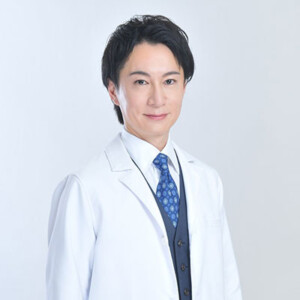
Dr. Jun Karibe
MD
Director
Education & Career
Certifications
Awards
MEDICAL REVIEW