How to Find an English-Speaking Beauty Clinic in Tokyo: A Complete Guide for Foreigners
Choosing a beauty clinic in Tokyo can feel overwhelming, especially if you do not speak Japanese. Cosmetic dermatology and plastic surgery involve medical terms, treatment risks, aftercare rules, and cost differences that can be difficult to understand in another language. Therefore, finding a clinic that offers clear English consultations should be your first priority.
This guide explains how to choose an English-speaking beauty clinic in Tokyo with confidence. It covers the Tokyo cosmetic medicine landscape, how to check clinic quality, which treatments international patients often choose, what prices to expect, and how to prepare for your first consultation.
In this guide, you will learn:
- What treatments English-speaking beauty clinics in Tokyo offer
- How to check a clinic’s medical quality, credentials, and safety standards
- Realistic price ranges for popular cosmetic treatments in Tokyo
- What happens before, during, and after your first consultation
- Common misunderstandings foreigners often have about Japanese beauty clinics
The Tokyo Beauty Clinic Landscape: What Foreigners Need to Know
Tokyo has hundreds of beauty clinics. Some are large cosmetic chains, while others are smaller doctor-led clinics run by board-certified specialists. Because the choices are so wide, international patients may find it hard to know where to begin.
First, it helps to understand how cosmetic medicine works in Japan. Japanese clinics generally divide treatments into two groups. The first group includes medical skin conditions, such as eczema, infections, wounds, or medically necessary procedures. National health insurance may cover some of these treatments. The second group includes elective cosmetic procedures, such as laser treatments, injectables, skin tightening, and aesthetic surgery. Patients usually pay for these treatments themselves.
Because cosmetic treatments fall outside national insurance, each clinic sets its own prices. As a result, costs can vary widely depending on the doctor, device, product, treatment area, and clinic location.
In addition, you should understand the difference between a dermatology clinic and a cosmetic surgery clinic. A dermatology clinic, or 皮ふ科, treats medical and cosmetic skin concerns. A cosmetic surgery clinic, or 美容外科, focuses mainly on aesthetic procedures. Some clinics, such as Kojimachi Dermatology & Plastic Surgery Clinic, combine dermatology and plastic surgery in one clinic. This structure allows patients to receive broad care, from general skin health to cosmetic surgery.
Why English-Language Support Matters in a Medical Setting
English support in a beauty clinic is not just a convenience. It is a safety issue.
Before any medical treatment, patients need to understand the benefits, risks, alternatives, aftercare, and possible complications. Doctors call this process informed consent. However, when patients rely only on translation apps or incomplete explanations, misunderstandings can happen easily.
For example, a patient may misunderstand Botox dosage, laser downtime, filler risks, or post-treatment care. In addition, the patient may fail to mention an allergy, medication, pregnancy, previous surgery, or medical condition. These details matter.
For this reason, any treatment that involves injectables, laser energy, radiofrequency, ultrasound, or surgery requires clear communication. The doctor and patient should speak directly and comfortably. Written aftercare instructions in English also help reduce anxiety after the visit.
At our clinic in Ichigaya, Tokyo, we often see international patients who previously visited clinics where they could not fully communicate. Some felt unsure about the treatment plan. Others did not understand downtime or follow-up care. Therefore, we believe English support should continue from booking to consultation, treatment, and aftercare.
What Treatments Do English-Speaking Patients Typically Seek?
International patients in Tokyo usually look for treatments in several major categories. Understanding these categories can help you prepare better questions for your consultation.
Skin Rejuvenation and Anti-Ageing
Many international patients ask about non-surgical anti-ageing treatments. These treatments can improve sagging, wrinkles, pigmentation, dullness, and skin texture without major downtime.
HIFU, or High-Intensity Focused Ultrasound, is one of the most popular non-surgical skin-tightening treatments. It delivers focused ultrasound energy into deeper layers of the skin, including the SMAS layer. As a result, the treatment stimulates collagen production and gradually tightens the face and neck.
HIFU does not create an instant surgical facelift effect. However, many patients notice gradual lifting over two to three months. It can be a good option for people who want visible improvement without surgery. HIFU is available at Kojimachi Dermatology & Plastic Surgery Clinic, and patients can ask about it during consultation.
Botox is another common treatment. It remains one of the most widely performed cosmetic procedures worldwide. Botox works by relaxing specific facial muscles. Therefore, it can soften expression lines around the forehead, eyes, mouth, and jaw. Results usually last three to six months. After that, patients need repeat treatment to maintain the effect.
Hyaluronic acid fillers offer a different type of improvement. Instead of relaxing muscles, fillers restore lost volume, define facial contours, and soften deeper folds. Doctors commonly use fillers for the cheeks, temples, tear troughs, nasolabial folds, lips, and chin. Depending on the product and treatment area, results may last from six to eighteen months.
Laser and Light-Based Treatments
Tokyo clinics offer many types of laser and light-based treatments. These treatments can target pigmentation, redness, acne scars, pores, uneven texture, and tattoo pigment.
Pico laser, such as PicoWay, uses ultra-short pulses of energy. These pulses break pigment into tiny particles while limiting heat damage to nearby tissue. Therefore, doctors often use pico laser for dark spots, melasma management, freckles, post-inflammatory pigmentation, and tattoo removal.
CO2 fractional laser works differently. It creates tiny controlled injuries in the skin. As a result, the skin starts a healing process that can improve acne scars, enlarged pores, fine lines, and texture. However, this treatment usually causes redness, peeling, and several days of downtime.
Both pico laser and CO2 fractional laser may require multiple sessions. In addition, results depend on skin type, pigmentation pattern, scar depth, lifestyle, and aftercare. For this reason, a proper diagnosis before laser treatment is very important.
Surgical Procedures
Some international patients visit Tokyo for surgical cosmetic procedures. Japan has many skilled plastic surgeons, and several doctors hold board certification in plastic and reconstructive surgery.
Common procedures include double eyelid surgery, blepharoplasty, transconjunctival blepharoplasty, mole removal, scar revision, and facial contour procedures.
Double eyelid surgery can create or refine an upper eyelid crease. Doctors may use a suture method or an incision method, depending on the patient’s anatomy and goals.
Transconjunctival blepharoplasty removes under-eye fat through an incision inside the lower eyelid. Because the incision stays inside the eyelid, it does not leave a visible external scar. This procedure can improve under-eye bags, but it requires careful diagnosis. In some cases, patients may need fat repositioning, skin tightening, filler, laser, or a combination approach.
When choosing a surgeon in Japan, board certification matters. Certification by the Japan Society of Plastic and Reconstructive Surgery, or 日本形成外科学会, is an important credential. It shows that the doctor has completed formal training in plastic and reconstructive surgery.
How to Evaluate Clinic Quality and Safety
Not every beauty clinic in Tokyo follows the same standards. Therefore, you should check several points before booking treatment.
1. Physician Credentials
First, confirm that a licensed medical doctor performs or supervises your treatment. For surgery, look for a board-certified plastic surgeon. This is especially important for eyelid surgery, facial surgery, scar revision, and procedures near the eyes.
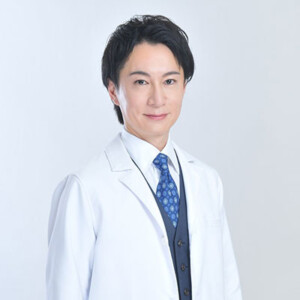
Dr. Jun Karibe of Kojimachi Dermatology & Plastic Surgery Clinic holds certification from the Japan Society of Plastic and Reconstructive Surgery.
2. Transparent Pricing
A trustworthy clinic explains prices clearly. It should provide a written quote before treatment. In addition, the clinic should explain whether anesthesia, blood tests, medication, follow-up visits, or tax are included.
Be careful if a clinic avoids price questions, pushes same-day decisions, or offers a large discount only if you decide immediately. Cosmetic medicine requires thoughtful decision-making, not pressure.
3. Medical-Grade Equipment
Laser, radiofrequency, ultrasound, and energy-based treatments depend heavily on device quality. Therefore, ask which device the clinic uses. You can also ask whether the equipment has FDA clearance, CE marking, or approval for use in Japan.
Good clinics answer these questions directly. They also explain why they chose a specific device for your skin type and goals.
4. English Communication
Before you book, confirm whether the consultation will take place in English. Also ask whether the clinic provides English aftercare instructions. This matters because most complications or concerns happen after the patient leaves the clinic.
In addition, check whether the clinic can handle follow-up messages in English. Even simple questions about swelling, bruising, redness, pain, or makeup use can become stressful if communication is unclear.
5. Consultation Structure
A quality clinic gives you time to ask questions. The doctor should review your medical history, examine the treatment area, explain options, discuss risks, and give a realistic plan.
In many cases, you should not feel forced to receive treatment on the same day. Some minor procedures may be possible after consultation. However, the clinic should only proceed if you understand the plan and agree clearly.
Realistic Cost Ranges for Popular Treatments in Tokyo
Cosmetic treatment prices in Tokyo vary by clinic, doctor, treatment area, product brand, dosage, and device. The table below shows approximate price ranges at Kojimachi Dermatology & Plastic Surgery Clinic. These figures can also serve as a general benchmark for a physician-led clinic in central Tokyo.
|
Treatment |
Approximate Price Range (JPY) |
Notes |
|---|---|---|
|
Initial consultation |
¥3,300 |
Surgical consultation with Dr. Karibe: ¥2,200 |
|
Botox — Allergan premium brand |
¥22,000 – ¥148,000 |
Price varies by area and number of units |
|
Hyaluronic acid filler |
¥66,000 – ¥88,000 per syringe |
Multiple syringes may be recommended |
|
HIFU face lifting |
¥25,000 – ¥110,000 |
Depends on shots and treatment area |
|
Pico laser for pigmentation |
¥11,000 – ¥98,000 |
Multiple sessions are often needed |
|
CO2 fractional laser |
¥11,000 – ¥66,000 |
Several days of downtime may occur |
|
Dermapen skin resurfacing |
¥9,800 – ¥220,000 |
Varies by area and add-on serums |
|
Double eyelid surgery, suture method, 2-point |
¥66,000 – ¥110,000 |
Additional anesthesia and blood test fees may apply |
|
Transconjunctival blepharoplasty, under-eye |
¥280,000 – ¥428,000 |
Pre-operative blood work: ¥11,000 |
All prices are approximate. The final cost depends on your treatment area, product choice, skin condition, anatomy, and medical assessment. Therefore, we recommend booking a consultation for an accurate quote.
Dr. Karibe’s Note
International patients often ask whether they can combine several treatments in one visit. In many cases, they can.
For example, some patients may receive Botox and pico laser on the same day. This can help short-stay visitors make the most of their time in Tokyo. However, some combinations require more caution. For instance, fractional laser and injectables may not be ideal on the same day, depending on your skin condition, swelling risk, and treatment goals.
Therefore, I always recommend starting with a careful consultation. We can then create a treatment sequence that is safe, realistic, and effective. This matters even more if you only have a short stay in Tokyo.
What to Expect Before, During, and After Your Consultation
Before Your Appointment
Before your clinic visit, prepare a short medical summary. Include allergies, current medications, pregnancy status, previous cosmetic treatments, past surgeries, skin reactions, and any history of keloids or pigmentation problems.
If you plan to receive injectables, avoid aspirin, ibuprofen, and other blood-thinning medications for about one week before treatment, unless your doctor prescribed them. However, never stop prescribed medication without asking your prescribing physician first.
For laser treatments, sun protection matters. Strong sun exposure before treatment can increase the risk of burns, pigmentation, and poor results. Therefore, use sunscreen and avoid tanning before your appointment.
It also helps to bring photos of your desired result. However, use them as a communication tool, not as a fixed promise. A good doctor will explain what is realistic for your face, skin, and anatomy.
During the Consultation
A proper consultation should feel clear and calm. The doctor should review your medical history, examine the area, and listen to your goals. Then, the doctor should explain the treatment options, expected results, risks, downtime, alternatives, and cost.
In addition, the doctor should explain what the treatment cannot do. This is important. Cosmetic medicine works best when the patient and doctor share realistic expectations.
Do not hesitate to ask questions. Experienced doctors welcome questions because they help prevent misunderstandings. You should also feel free to take time before deciding. A good clinic will not pressure you into treatment.
After Treatment
Aftercare depends on the treatment.
Laser treatments often cause redness, mild swelling, dryness, peeling, or skin sensitivity. You should avoid strong sun exposure for at least two weeks. In addition, you should use sunscreen and follow the clinic’s skincare instructions carefully.
Botox and filler usually require less downtime. However, most clinics advise patients to avoid heavy exercise, alcohol, saunas, and strong massage for at least 24 hours. Bruising and swelling can occur, especially after filler.
Surgery requires more structured aftercare. You may need medication, wound care, swelling management, activity limits, and follow-up appointments. Therefore, short-stay visitors should plan their schedule carefully.
Before leaving the clinic, make sure you receive written aftercare instructions in English. Also confirm how to contact the clinic if you have concerns after treatment.
Common Misconceptions About Beauty Clinics in Japan
Misconception 1: “Japanese clinics only treat Japanese facial features.”
This is a common misunderstanding.
Some procedures, such as double eyelid surgery, have a strong connection with East Asian facial aesthetics. However, the principles of skin rejuvenation, anti-ageing medicine, laser treatment, body contouring, and scar treatment apply to many patients.
A skilled doctor does not treat ethnicity as a simple category. Instead, the doctor examines facial structure, skin thickness, skin phototype, aging pattern, pigmentation tendency, scar risk, and personal goals.
For laser treatment, doctors should choose settings based on skin phototype, such as the Fitzpatrick scale, not simply ethnicity. Therefore, a clinic with experience in different skin types can treat international patients more safely.
Misconception 2: “Tokyo clinics are always much more expensive than other Asian destinations.”
Many people assume Tokyo costs far more than Thailand, South Korea, or other medical tourism destinations. Sometimes this is true. However, the difference is not always as large as people expect.
When comparing prices, patients should also compare doctor qualifications, device quality, product authenticity, hygiene standards, emergency response, and follow-up care. A cheaper treatment may become more expensive if it causes complications or requires correction.
This is especially true for injectables. Poor filler placement, unapproved products, or unsafe techniques can lead to infection, vascular problems, nodules, asymmetry, or long-term dissatisfaction. Therefore, choosing certified, physician-supervised care is often the safer and more cost-effective option.
Frequently Asked Questions
Q. Do I need to speak Japanese to book a consultation at a Tokyo beauty clinic?
At Kojimachi Dermatology & Plastic Surgery Clinic, patients can receive consultations in English. Our team can also assist with the booking process in English.
However, English support varies widely among clinics in Tokyo. Therefore, you should always confirm language availability before booking. It also helps to prepare a short written summary of your treatment interests, medical history, and concerns.
Q. Is it safe to receive cosmetic treatments during a short trip to Tokyo?
Many non-surgical treatments can fit into a short trip. For example, Botox, selected laser treatments, skin boosters, and light skin procedures may require little downtime.
However, some treatments need multiple sessions. Others require healing time, follow-up visits, or careful aftercare. For example, CO2 fractional laser, surgery, and some pigmentation treatments may not suit very short stays.
Therefore, tell the clinic your travel schedule before treatment. The doctor can then recommend options that match your available time and recovery needs.
Q. How do I know whether a clinic’s devices and products are authentic?
A reputable clinic will tell you which brands, products, and devices it uses. For Botox, many patients look for internationally recognized products, such as Allergan’s formulation, now under AbbVie. For fillers, ask about the product name, manufacturer, and expected duration.
For lasers and energy devices, ask for the device model. You can also ask whether the device has FDA clearance, CE marking, or approval for use in Japan.
A trustworthy clinic will not avoid these questions. Instead, it will explain the reason for choosing a specific product or device for your treatment.
Summary
Finding an English-speaking beauty clinic in Tokyo is possible, but it requires careful preparation. You should choose a clinic that offers clear English communication, physician-led care, transparent pricing, and a proper consultation process.
Before booking treatment, check the doctor’s credentials. Also confirm the clinic’s English support, device quality, product authenticity, treatment risks, downtime, and follow-up system. In addition, make sure you understand the total cost before you agree to any procedure.
The consultation matters as much as the treatment itself. A good consultation helps you understand what the procedure can and cannot do. It also helps the doctor design a safer and more realistic treatment plan.
At Kojimachi Dermatology & Plastic Surgery Clinic in Ichigaya, Tokyo, we regularly support international patients who want clear explanations and safe cosmetic care in English. Patients who arrive well informed, with clear goals and realistic expectations, often feel more confident and satisfied with their experience.
Whether you want a simple non-invasive skin treatment during a short stay or a more advanced surgical procedure, the best first step is always the same: choose a clinic where you can speak openly, understand your options, and receive medical care in a language you fully understand.
If you have questions about choosing a beauty clinic in Tokyo for English-speaking patients, our team at Kojimachi Dermatology & Plastic Surgery Clinic in Ichigaya, Tokyo would be happy to help. We offer consultations in English.
Frequently Asked Questions
- Q. Do I need to speak Japanese to book a consultation at a Tokyo beauty clinic?
- At Kojimachi Dermatology & Plastic Surgery Clinic, consultations are available in English, and the team can assist with the booking process in English. It is always advisable to confirm English-language availability with any clinic you contact, as this varies considerably across providers in Tokyo. Having a brief written summary of your treatment interests and medical history can also help facilitate a smooth consultation, regardless of language.
- Q. Is it safe to receive cosmetic treatments while visiting Tokyo on a short trip?
- Many non-surgical treatments — including Botox, certain laser procedures, and skin boosters — can be completed in a single session with minimal downtime, making them compatible with a short visit. However, treatments that require multiple sessions for optimal results, or procedures with significant recovery time, are better suited to patients with longer stays or plans to return. The clinic team can advise on which treatments are realistic within your timeframe.
- Q. How do I know whether a clinic’s devices and products are authentic?
- Reputable clinics will be transparent about the specific brands and device models they use. For injectables such as Botox, look for clinics using products authorised for use in Japan — Allergan’s formulation (now under AbbVie) is widely recognised as the international gold standard. For laser and energy devices, asking whether the equipment holds FDA clearance or CE marking is a reasonable way to assess device quality. Do not hesitate to ask these questions during your consultation.
Summary
Finding a beauty clinic in Tokyo that offers genuine English-language support, physician-led care, and transparent pricing is entirely achievable — but it requires some preparation and discernment. The most important steps are verifying practitioner credentials, confirming English communication at every stage of care, understanding realistic costs and outcomes for the specific treatments you are considering, and ensuring you receive thorough written information before and after any procedure.
A 2020 systematic review in the Journal of Clinical and Aesthetic Dermatology underscored that patient satisfaction in cosmetic medicine is strongly correlated with the quality of pre-treatment consultation and realistic expectation-setting — not solely with treatment outcomes. This reinforces why the consultation process deserves as much attention as the treatment itself.
In our clinical experience at Kojimachi Dermatology & Plastic Surgery Clinic, international patients who arrive well-informed, with clear goals and a realistic understanding of what treatments can achieve, consistently report more positive experiences. Whether you are considering a non-invasive skin treatment during a short stay in Tokyo or planning a more involved surgical procedure, the right starting point is always an honest, thorough consultation in a language you fully understand.
If you have any questions about finding and choosing a beauty clinic in Tokyo for English-speaking patients, our team at Kojimachi Dermatology & Plastic Surgery Clinic in Ichigaya, Tokyo would be happy to help. We offer consultations in English.
References
- Carruthers J, et al. Consensus Recommendations for Combined Aesthetic Interventions Using Botulinum Toxin, Fillers, and Energy-Based Devices. Dermatologic Surgery. PubMed Search
- Alexis AF, et al. Laser Treatment of Darker Skin Types and the Role of Fitzpatrick Skin Phototype in Parameter Selection. Dermatologic Surgery. PubMed Search
- Dayan SH, et al. Patient Satisfaction and Expectation-Setting in Aesthetic Medicine: A Systematic Review. Journal of Clinical and Aesthetic Dermatology. PubMed Search
- Sito G, et al. High-Intensity Focused Ultrasound in Aesthetic Medicine: Clinical Outcomes and Patient Selection. Aesthetic Surgery Journal. PubMed Search
- Vedamurthy M, et al. Complications of Dermal Fillers and Management Strategies: A Comprehensive Review. Journal of Cutaneous and Aesthetic Surgery. PubMed Search
24/7 Consultation & Booking
Book a Consultation or Treatment
Our English-speaking team responds via LINE or WhatsApp — usually the same day.
SUPERVISED BY
Dr. Jun Karibe
MD
Director
Education & Career
Certifications
Awards
This article is for general informational purposes only and does not constitute medical advice or a diagnosis. Please consult a qualified physician for any health concerns.
MEDICAL REVIEW