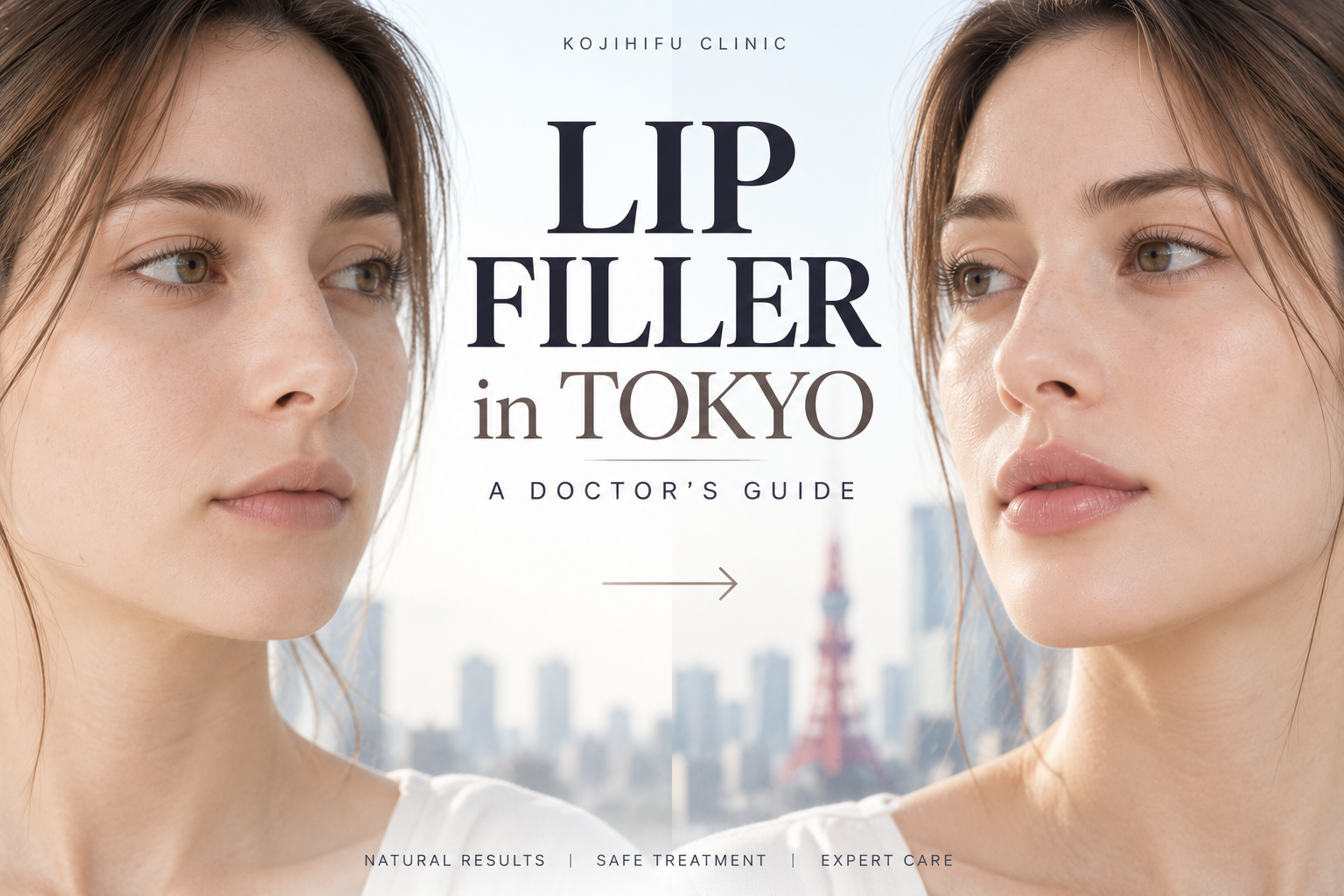
Lip Filler in Tokyo: A Complete Cost and Treatment Guide for English Speakers
Whether you are an expat living in Tokyo, a medical tourist planning a visit, or simply curious about cosmetic options available in Japan, the prospect of getting lip filler in a foreign country can feel daunting. Language barriers, unfamiliar brands, and uncertainty about pricing are all understandable concerns. This guide is designed to give you a clear, honest overview of hyaluronic acid lip filler treatment in Tokyo — including how it works, what realistic results look like, what it costs, and how to decide whether it is right for you.
- What lip filler is and how hyaluronic acid works in the lips
- What results you can realistically expect and how long they last
- What lip filler costs in Tokyo, with specific price figures
- What to expect before, during, and after the procedure
- Who is an ideal candidate and who should avoid the treatment
What Is Lip Filler?
Lip filler is a non-surgical cosmetic treatment that uses injectable gel — most commonly made from hyaluronic acid (HA) — to add volume, definition, and shape to the lips. Hyaluronic acid is a naturally occurring sugar molecule found throughout the body, particularly in connective tissue and skin. Because the body already produces it, HA-based fillers are generally well tolerated and carry a lower risk of adverse reactions compared with some older filler materials.
The gel is carefully injected into specific areas of the lips and surrounding tissues to achieve a variety of goals: adding fullness to thin lips, defining the lip border (known as the vermillion border), smoothing vertical lip lines, or correcting asymmetry. The treatment is entirely reversible — HA filler can be dissolved with an enzyme called hyaluronidase if the patient is unhappy with the result or experiences a complication.
Hyaluronic Acid vs. Other Filler Types
While various filler materials exist — including calcium hydroxylapatite and poly-L-lactic acid — hyaluronic acid remains the preferred choice for lip augmentation because of its soft, natural texture and its reversibility. At Kojimachi Dermatology & Plastic Surgery Clinic, lip treatments use hyaluronic acid products precisely because patient safety and the ability to adjust or reverse results are considered a priority. This is a treatment available at our Ichigaya clinic — feel free to ask about it during a consultation.
How Lip Filler Works: The Procedure Explained
The treatment begins with a thorough consultation to understand the patient’s aesthetic goals, medical history, and suitability. A topical anaesthetic cream is typically applied to the lips for around 20–30 minutes beforehand to minimise discomfort. Many HA filler products also contain a small amount of lidocaine (a local anaesthetic) within the gel itself, which further reduces sensation during injection.
The injector uses a fine needle or, in some cases, a blunt-tipped cannula to deposit small quantities of filler at precise depths within the lip tissue. The entire injection process generally takes 15–30 minutes. After the filler is placed, the practitioner gently massages the area to ensure even distribution and a smooth, natural contour.
Which Areas Can Be Treated?
Lip filler is not a single, uniform injection. A skilled practitioner can target several distinct zones depending on the desired outcome. The body of the upper and lower lip can be volumised; the Cupid’s bow (the double-curve at the centre of the upper lip) can be sharpened; the lip border can be outlined for greater definition; and the philtrum columns (the two ridges running from the nose to the upper lip) can be subtly enhanced. Combining several of these techniques in one session is common.
Expected Results: Volume, Shape, and Longevity
Results are visible almost immediately, though some swelling in the first 24–72 hours may make the lips appear larger than the final outcome. Once the initial swelling subsides — typically within one to two weeks — the true result becomes apparent. Patients commonly notice improved symmetry, a more defined lip border, and a modest to moderate increase in volume, depending on the amount of filler used.
In terms of longevity, hyaluronic acid lip filler generally lasts between six and twelve months, although individual variation is significant. Factors such as the patient’s metabolism, the specific product used, and the volume injected all influence how quickly the filler breaks down. Clinical reports indicate that higher-viscosity HA products tend to persist slightly longer in lip tissue, though this must be balanced against the risk of an unnaturally firm feel.
A 2020 review published in Dermatologic Surgery noted that patient satisfaction rates for HA lip augmentation are consistently high, with studies reporting satisfaction scores above 80% at six months post-treatment. Nevertheless, individual results vary, and outcomes depend significantly on the injector’s technique and the patient’s underlying lip anatomy.
Dr. Karibe’s Note
Many of our international patients are surprised to find that Japanese aesthetic practice tends to favour a subtle, natural-looking result — particularly for the lips. A common question I receive is whether a single syringe will be enough, and the honest answer is that it depends entirely on the individual’s starting anatomy and desired outcome. I always recommend beginning conservatively: it is straightforward to add more filler at a follow-up appointment, but achieving a natural look from the outset avoids unnecessary overcorrection. I encourage patients to bring reference photos to the consultation so we can discuss expectations clearly.
Real Patient Lip Filler Results — Before & After
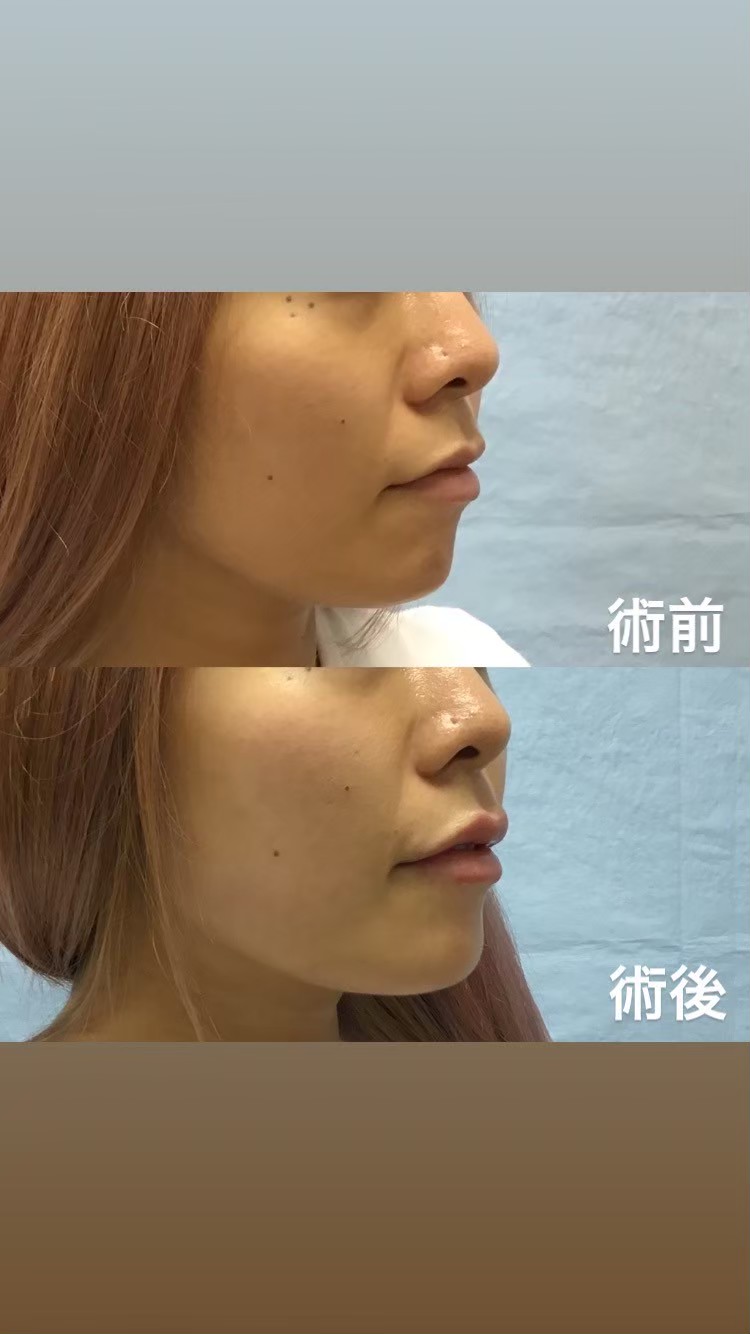
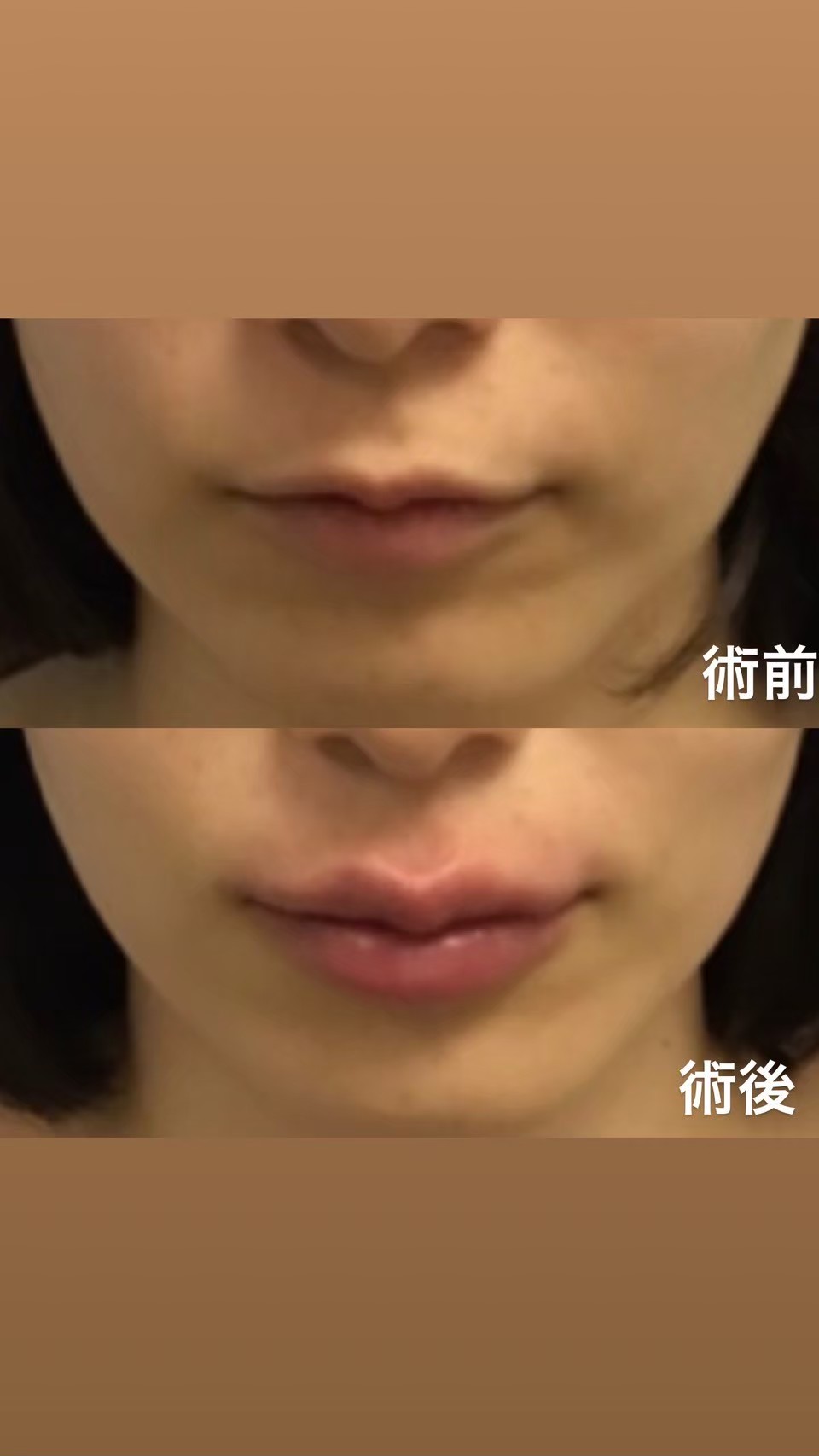
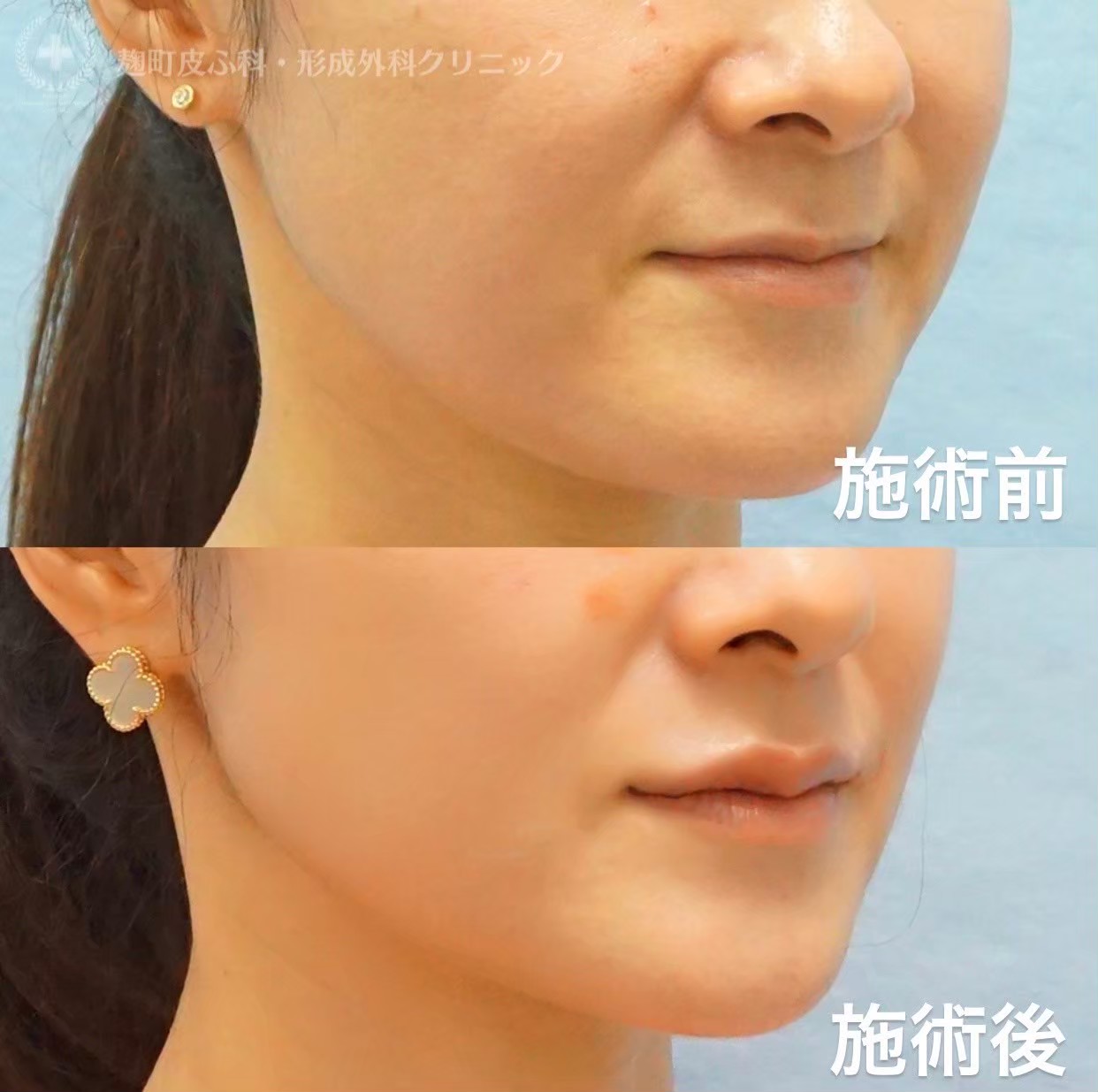
The following are actual hyaluronic acid lip filler results from patients at Kojimachi Dermatology & Plastic Surgery Clinic and its sister clinic BIOTOPE CLINIC (Shirokanedai, Minato-ku, Tokyo), both directed by Dr. Jun Karibe, board-certified plastic surgeon. Photos are shared with patient permission. Individual results vary depending on lip anatomy, product choice, injection volume, and technique. Photos are taken after swelling has settled (typically day 7–14). Tap each case to view the full treatment disclosure required by the Japanese Medical Advertising Guidelines.
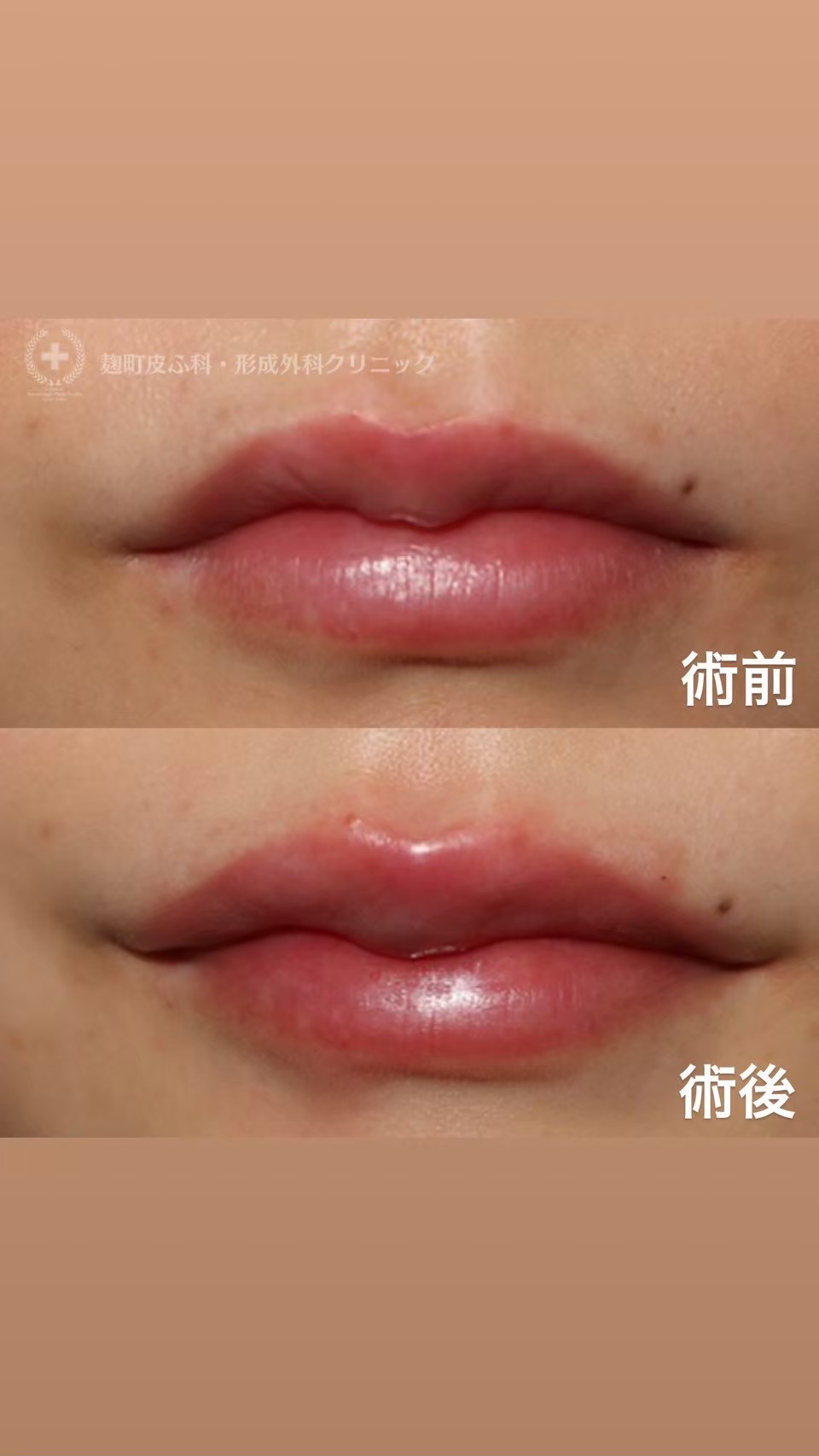
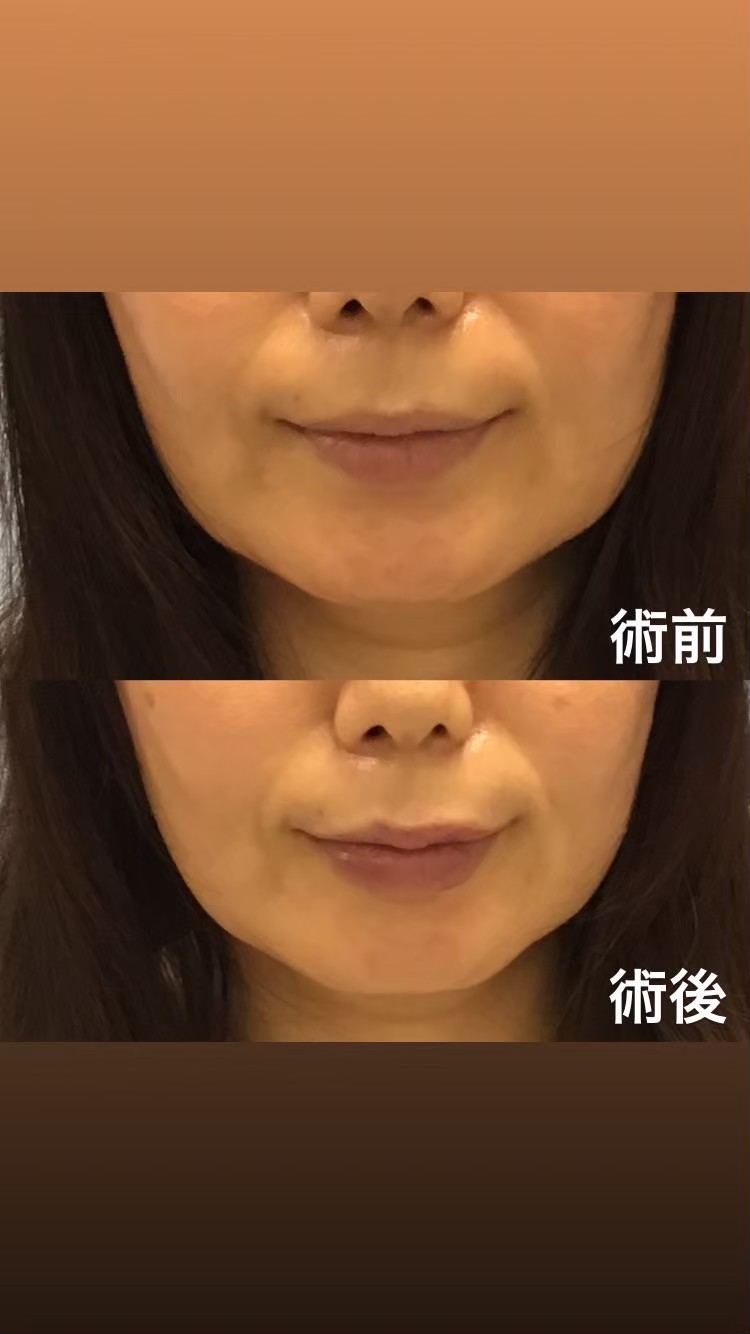
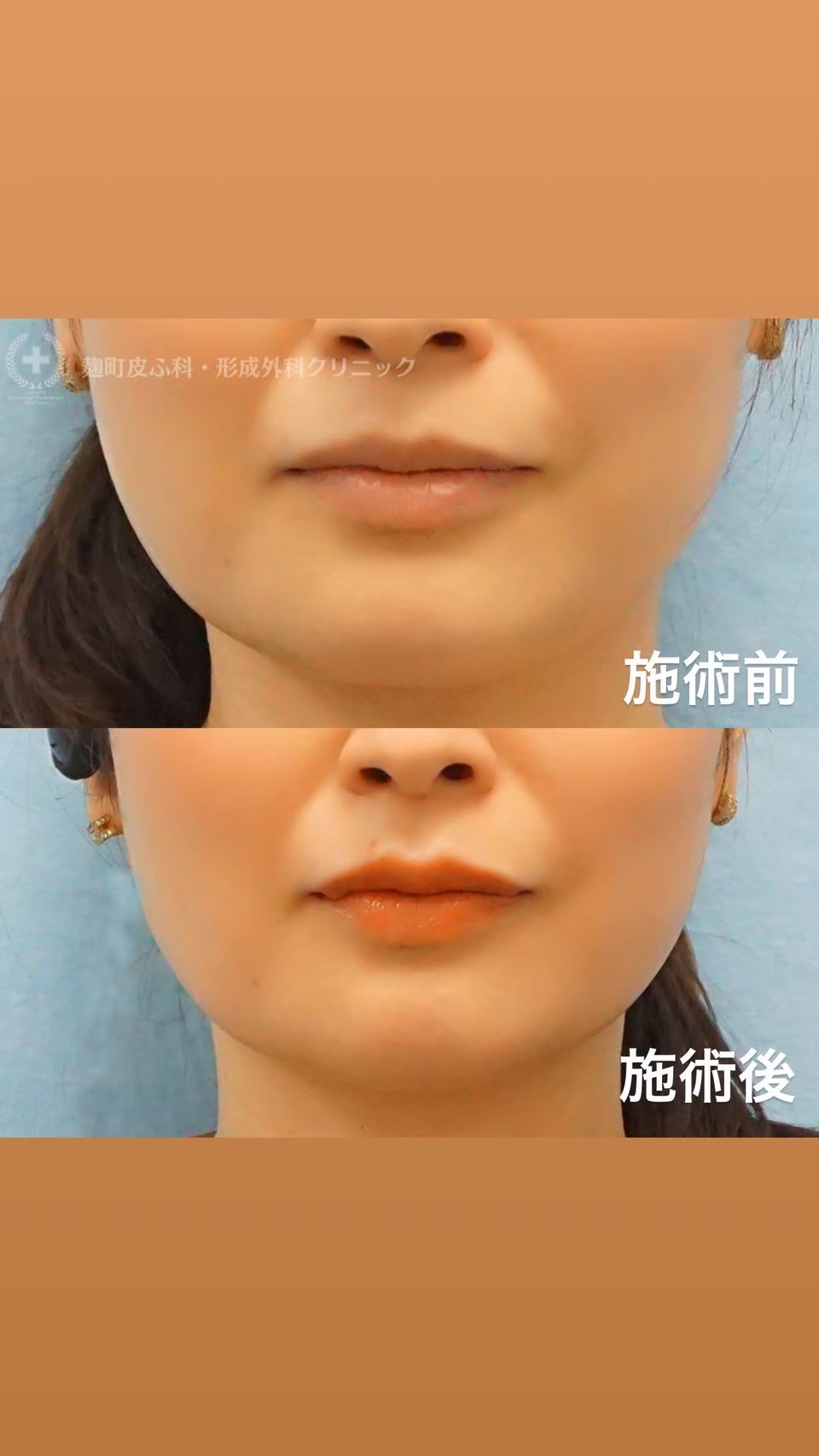
Case 1 — Treatment disclosure
Individual results vary. The information below is provided per the Japanese Medical Advertising Guidelines.
- Treatment name
- Hyaluronic acid (HA) lip filler injection — cross-linked HA products (e.g. Juvederm, Restylane) with lidocaine.
- How it works
- Cross-linked HA is injected into the lip body and/or vermilion border to add volume, redefine contour, and improve symmetry. HA binds water, so the tissue looks fuller within minutes; final settled result is judged at day 7–14.
- Session length
- 15–30 minutes per session (plus 20–30 minutes for topical numbing when requested).
- How long results last
- Approximately 6–12 months depending on product, injection volume, individual metabolism, and lifestyle. Touch-up sessions are commonly scheduled at 6–9 months.
- Downtime
- Swelling: peaks in the first 24–48 hours (lips may look up to about twice the intended volume), settles by day 7–14.
Bruising: seen in roughly 20–40% of patients, most often around the vermilion border, generally resolves within 5–10 days.
Other: tenderness, temporary lumpiness, and asymmetry during the settling phase are common and usually resolve on their own. - Post-treatment care
- Washing face / gentle makeup: permitted the same day (avoid pressure on the lips).
Bathing / hair washing / showering: permitted the same day; avoid hot baths, saunas, and intense exercise for 24–48 hours.
Avoid dental procedures for approximately 2 weeks after treatment.
Long-haul flights: we recommend waiting at least 3–7 days after lip filler. - Main side effects & risks
- Common: swelling, redness, tenderness, bruising, palpable lumps that soften over 1–2 weeks. Uncommon: prolonged asymmetry, delayed nodules, herpes simplex reactivation in patients with a prior history of cold sores. Rare but serious: vascular occlusion, which requires prompt reversal with hyaluronidase; this is one reason HA lip filler should be performed only in a licensed medical clinic that stocks hyaluronidase on site.
- Precautions & contraindications
- Pregnancy or breastfeeding; active infection at the injection site (including active herpes simplex); keloid tendency; known hypersensitivity to HA or lidocaine; autoimmune or connective tissue disease under active flare; recent or planned dental work within 2 weeks; anticoagulant therapy (requires physician review).
- Fees (Kojimachi Clinic / BIOTOPE CLINIC, tax included)
-
Hyaluronic acid filler (per syringe): ¥66,000–¥88,000. Most lip augmentation treatments use one syringe; some patients elect a second syringe for greater volume.
Initial consultation: ¥3,300 (required before the first treatment).
Hyaluronidase (dissolving agent, if needed): ¥11,000–¥22,000.
The exact plan and fee for each patient are confirmed at consultation. - Insurance
- Not covered by Japanese public health insurance. Lip filler is an elective self-pay treatment. Prices may change — please confirm at consultation.
Case 2 — Treatment disclosure
Individual results vary. The information below is provided per the Japanese Medical Advertising Guidelines.
- Treatment name
- Hyaluronic acid (HA) lip filler injection — cross-linked HA products (e.g. Juvederm, Restylane) with lidocaine.
- How it works
- Cross-linked HA is injected into the lip body and/or vermilion border to add volume, redefine contour, and improve symmetry. HA binds water, so the tissue looks fuller within minutes; final settled result is judged at day 7–14.
- Session length
- 15–30 minutes per session (plus 20–30 minutes for topical numbing when requested).
- How long results last
- Approximately 6–12 months depending on product, injection volume, individual metabolism, and lifestyle. Touch-up sessions are commonly scheduled at 6–9 months.
- Downtime
- Swelling: peaks in the first 24–48 hours (lips may look up to about twice the intended volume), settles by day 7–14.
Bruising: seen in roughly 20–40% of patients, most often around the vermilion border, generally resolves within 5–10 days.
Other: tenderness, temporary lumpiness, and asymmetry during the settling phase are common and usually resolve on their own. - Post-treatment care
- Washing face / gentle makeup: permitted the same day (avoid pressure on the lips).
Bathing / hair washing / showering: permitted the same day; avoid hot baths, saunas, and intense exercise for 24–48 hours.
Avoid dental procedures for approximately 2 weeks after treatment.
Long-haul flights: we recommend waiting at least 3–7 days after lip filler. - Main side effects & risks
- Common: swelling, redness, tenderness, bruising, palpable lumps that soften over 1–2 weeks. Uncommon: prolonged asymmetry, delayed nodules, herpes simplex reactivation in patients with a prior history of cold sores. Rare but serious: vascular occlusion, which requires prompt reversal with hyaluronidase; this is one reason HA lip filler should be performed only in a licensed medical clinic that stocks hyaluronidase on site.
- Precautions & contraindications
- Pregnancy or breastfeeding; active infection at the injection site (including active herpes simplex); keloid tendency; known hypersensitivity to HA or lidocaine; autoimmune or connective tissue disease under active flare; recent or planned dental work within 2 weeks; anticoagulant therapy (requires physician review).
- Fees (Kojimachi Clinic / BIOTOPE CLINIC, tax included)
-
Hyaluronic acid filler (per syringe): ¥66,000–¥88,000. Most lip augmentation treatments use one syringe; some patients elect a second syringe for greater volume.
Initial consultation: ¥3,300 (required before the first treatment).
Hyaluronidase (dissolving agent, if needed): ¥11,000–¥22,000.
The exact plan and fee for each patient are confirmed at consultation. - Insurance
- Not covered by Japanese public health insurance. Lip filler is an elective self-pay treatment. Prices may change — please confirm at consultation.
Case 3 — Treatment disclosure
Individual results vary. The information below is provided per the Japanese Medical Advertising Guidelines.
- Treatment name
- Hyaluronic acid (HA) lip filler injection — cross-linked HA products (e.g. Juvederm, Restylane) with lidocaine.
- How it works
- Cross-linked HA is injected into the lip body and/or vermilion border to add volume, redefine contour, and improve symmetry. HA binds water, so the tissue looks fuller within minutes; final settled result is judged at day 7–14.
- Session length
- 15–30 minutes per session (plus 20–30 minutes for topical numbing when requested).
- How long results last
- Approximately 6–12 months depending on product, injection volume, individual metabolism, and lifestyle. Touch-up sessions are commonly scheduled at 6–9 months.
- Downtime
- Swelling: peaks in the first 24–48 hours (lips may look up to about twice the intended volume), settles by day 7–14.
Bruising: seen in roughly 20–40% of patients, most often around the vermilion border, generally resolves within 5–10 days.
Other: tenderness, temporary lumpiness, and asymmetry during the settling phase are common and usually resolve on their own. - Post-treatment care
- Washing face / gentle makeup: permitted the same day (avoid pressure on the lips).
Bathing / hair washing / showering: permitted the same day; avoid hot baths, saunas, and intense exercise for 24–48 hours.
Avoid dental procedures for approximately 2 weeks after treatment.
Long-haul flights: we recommend waiting at least 3–7 days after lip filler. - Main side effects & risks
- Common: swelling, redness, tenderness, bruising, palpable lumps that soften over 1–2 weeks. Uncommon: prolonged asymmetry, delayed nodules, herpes simplex reactivation in patients with a prior history of cold sores. Rare but serious: vascular occlusion, which requires prompt reversal with hyaluronidase; this is one reason HA lip filler should be performed only in a licensed medical clinic that stocks hyaluronidase on site.
- Precautions & contraindications
- Pregnancy or breastfeeding; active infection at the injection site (including active herpes simplex); keloid tendency; known hypersensitivity to HA or lidocaine; autoimmune or connective tissue disease under active flare; recent or planned dental work within 2 weeks; anticoagulant therapy (requires physician review).
- Fees (Kojimachi Clinic / BIOTOPE CLINIC, tax included)
-
Hyaluronic acid filler (per syringe): ¥66,000–¥88,000. Most lip augmentation treatments use one syringe; some patients elect a second syringe for greater volume.
Initial consultation: ¥3,300 (required before the first treatment).
Hyaluronidase (dissolving agent, if needed): ¥11,000–¥22,000.
The exact plan and fee for each patient are confirmed at consultation. - Insurance
- Not covered by Japanese public health insurance. Lip filler is an elective self-pay treatment. Prices may change — please confirm at consultation.
Case 4 — Treatment disclosure
Individual results vary. The information below is provided per the Japanese Medical Advertising Guidelines.
- Treatment name
- Hyaluronic acid (HA) lip filler injection — cross-linked HA products (e.g. Juvederm, Restylane) with lidocaine.
- How it works
- Cross-linked HA is injected into the lip body and/or vermilion border to add volume, redefine contour, and improve symmetry. HA binds water, so the tissue looks fuller within minutes; final settled result is judged at day 7–14.
- Session length
- 15–30 minutes per session (plus 20–30 minutes for topical numbing when requested).
- How long results last
- Approximately 6–12 months depending on product, injection volume, individual metabolism, and lifestyle. Touch-up sessions are commonly scheduled at 6–9 months.
- Downtime
- Swelling: peaks in the first 24–48 hours (lips may look up to about twice the intended volume), settles by day 7–14.
Bruising: seen in roughly 20–40% of patients, most often around the vermilion border, generally resolves within 5–10 days.
Other: tenderness, temporary lumpiness, and asymmetry during the settling phase are common and usually resolve on their own. - Post-treatment care
- Washing face / gentle makeup: permitted the same day (avoid pressure on the lips).
Bathing / hair washing / showering: permitted the same day; avoid hot baths, saunas, and intense exercise for 24–48 hours.
Avoid dental procedures for approximately 2 weeks after treatment.
Long-haul flights: we recommend waiting at least 3–7 days after lip filler. - Main side effects & risks
- Common: swelling, redness, tenderness, bruising, palpable lumps that soften over 1–2 weeks. Uncommon: prolonged asymmetry, delayed nodules, herpes simplex reactivation in patients with a prior history of cold sores. Rare but serious: vascular occlusion, which requires prompt reversal with hyaluronidase; this is one reason HA lip filler should be performed only in a licensed medical clinic that stocks hyaluronidase on site.
- Precautions & contraindications
- Pregnancy or breastfeeding; active infection at the injection site (including active herpes simplex); keloid tendency; known hypersensitivity to HA or lidocaine; autoimmune or connective tissue disease under active flare; recent or planned dental work within 2 weeks; anticoagulant therapy (requires physician review).
- Fees (Kojimachi Clinic / BIOTOPE CLINIC, tax included)
-
Hyaluronic acid filler (per syringe): ¥66,000–¥88,000. Most lip augmentation treatments use one syringe; some patients elect a second syringe for greater volume.
Initial consultation: ¥3,300 (required before the first treatment).
Hyaluronidase (dissolving agent, if needed): ¥11,000–¥22,000.
The exact plan and fee for each patient are confirmed at consultation. - Insurance
- Not covered by Japanese public health insurance. Lip filler is an elective self-pay treatment. Prices may change — please confirm at consultation.
Case 5 — Treatment disclosure
Individual results vary. The information below is provided per the Japanese Medical Advertising Guidelines.
- Treatment name
- Hyaluronic acid (HA) lip filler injection — cross-linked HA products (e.g. Juvederm, Restylane) with lidocaine.
- How it works
- Cross-linked HA is injected into the lip body and/or vermilion border to add volume, redefine contour, and improve symmetry. HA binds water, so the tissue looks fuller within minutes; final settled result is judged at day 7–14.
- Session length
- 15–30 minutes per session (plus 20–30 minutes for topical numbing when requested).
- How long results last
- Approximately 6–12 months depending on product, injection volume, individual metabolism, and lifestyle. Touch-up sessions are commonly scheduled at 6–9 months.
- Downtime
- Swelling: peaks in the first 24–48 hours (lips may look up to about twice the intended volume), settles by day 7–14.
Bruising: seen in roughly 20–40% of patients, most often around the vermilion border, generally resolves within 5–10 days.
Other: tenderness, temporary lumpiness, and asymmetry during the settling phase are common and usually resolve on their own. - Post-treatment care
- Washing face / gentle makeup: permitted the same day (avoid pressure on the lips).
Bathing / hair washing / showering: permitted the same day; avoid hot baths, saunas, and intense exercise for 24–48 hours.
Avoid dental procedures for approximately 2 weeks after treatment.
Long-haul flights: we recommend waiting at least 3–7 days after lip filler. - Main side effects & risks
- Common: swelling, redness, tenderness, bruising, palpable lumps that soften over 1–2 weeks. Uncommon: prolonged asymmetry, delayed nodules, herpes simplex reactivation in patients with a prior history of cold sores. Rare but serious: vascular occlusion, which requires prompt reversal with hyaluronidase; this is one reason HA lip filler should be performed only in a licensed medical clinic that stocks hyaluronidase on site.
- Precautions & contraindications
- Pregnancy or breastfeeding; active infection at the injection site (including active herpes simplex); keloid tendency; known hypersensitivity to HA or lidocaine; autoimmune or connective tissue disease under active flare; recent or planned dental work within 2 weeks; anticoagulant therapy (requires physician review).
- Fees (Kojimachi Clinic / BIOTOPE CLINIC, tax included)
-
Hyaluronic acid filler (per syringe): ¥66,000–¥88,000. Most lip augmentation treatments use one syringe; some patients elect a second syringe for greater volume.
Initial consultation: ¥3,300 (required before the first treatment).
Hyaluronidase (dissolving agent, if needed): ¥11,000–¥22,000.
The exact plan and fee for each patient are confirmed at consultation. - Insurance
- Not covered by Japanese public health insurance. Lip filler is an elective self-pay treatment. Prices may change — please confirm at consultation.
Case 6 — Treatment disclosure
Individual results vary. The information below is provided per the Japanese Medical Advertising Guidelines.
- Treatment name
- Hyaluronic acid (HA) lip filler injection — cross-linked HA products (e.g. Juvederm, Restylane) with lidocaine.
- How it works
- Cross-linked HA is injected into the lip body and/or vermilion border to add volume, redefine contour, and improve symmetry. HA binds water, so the tissue looks fuller within minutes; final settled result is judged at day 7–14.
- Session length
- 15–30 minutes per session (plus 20–30 minutes for topical numbing when requested).
- How long results last
- Approximately 6–12 months depending on product, injection volume, individual metabolism, and lifestyle. Touch-up sessions are commonly scheduled at 6–9 months.
- Downtime
- Swelling: peaks in the first 24–48 hours (lips may look up to about twice the intended volume), settles by day 7–14.
Bruising: seen in roughly 20–40% of patients, most often around the vermilion border, generally resolves within 5–10 days.
Other: tenderness, temporary lumpiness, and asymmetry during the settling phase are common and usually resolve on their own. - Post-treatment care
- Washing face / gentle makeup: permitted the same day (avoid pressure on the lips).
Bathing / hair washing / showering: permitted the same day; avoid hot baths, saunas, and intense exercise for 24–48 hours.
Avoid dental procedures for approximately 2 weeks after treatment.
Long-haul flights: we recommend waiting at least 3–7 days after lip filler. - Main side effects & risks
- Common: swelling, redness, tenderness, bruising, palpable lumps that soften over 1–2 weeks. Uncommon: prolonged asymmetry, delayed nodules, herpes simplex reactivation in patients with a prior history of cold sores. Rare but serious: vascular occlusion, which requires prompt reversal with hyaluronidase; this is one reason HA lip filler should be performed only in a licensed medical clinic that stocks hyaluronidase on site.
- Precautions & contraindications
- Pregnancy or breastfeeding; active infection at the injection site (including active herpes simplex); keloid tendency; known hypersensitivity to HA or lidocaine; autoimmune or connective tissue disease under active flare; recent or planned dental work within 2 weeks; anticoagulant therapy (requires physician review).
- Fees (Kojimachi Clinic / BIOTOPE CLINIC, tax included)
-
Hyaluronic acid filler (per syringe): ¥66,000–¥88,000. Most lip augmentation treatments use one syringe; some patients elect a second syringe for greater volume.
Initial consultation: ¥3,300 (required before the first treatment).
Hyaluronidase (dissolving agent, if needed): ¥11,000–¥22,000.
The exact plan and fee for each patient are confirmed at consultation. - Insurance
- Not covered by Japanese public health insurance. Lip filler is an elective self-pay treatment. Prices may change — please confirm at consultation.
Common Misconceptions About Lip Filler
Misconception 1: Lip Filler Always Looks Overdone or Artificial
The "overfilled" appearance that many people associate with lip filler is almost always the result of excessive volume, poor product selection, or inadequate technique — not an inevitable consequence of the treatment itself. When performed conservatively by an experienced practitioner, HA lip filler is designed to enhance what is already there rather than create an obviously augmented look. In our clinical experience at Kojimachi Dermatology & Plastic Surgery Clinic, the majority of patients requesting lip treatment actually want a result their friends would not immediately identify as filler.
Misconception 2: Lip Filler Is Permanent and Cannot Be Corrected
Unlike certain surgical procedures or non-HA fillers, hyaluronic acid lip filler is fully reversible. The enzyme hyaluronidase can dissolve HA filler rapidly — typically within 24–48 hours — in the event of a complication, an unsatisfactory aesthetic result, or a patient's change of mind. At our Ichigaya clinic, hyaluronidase (filler dissolving) is available and priced at ¥11,000–¥22,000 should it be needed.
Lip Filler Cost in Tokyo
Pricing for lip filler in Tokyo varies depending on the brand and volume of product used, the area treated, and the experience of the practitioner. At Kojimachi Dermatology & Plastic Surgery Clinic, hyaluronic acid filler is priced at ¥66,000–¥88,000 per syringe. Most lip augmentation treatments require one syringe for a conservative result, though some patients choose to use a portion of a syringe for targeted definition work or elect for a second syringe to achieve greater volume.
Below is a general overview of typical associated costs to help you plan your visit:
| Item | Approximate Cost (JPY) | Notes |
|---|---|---|
| Initial consultation | ¥3,300 | Required before first treatment |
| Hyaluronic acid filler (per syringe) | ¥66,000–¥88,000 | Most lip treatments use one syringe |
| Hyaluronidase (filler dissolving, if needed) | ¥11,000–¥22,000 | Optional; used to reverse or adjust results |
| JUVELOOK bio-stimulator (alternative/complementary) | ¥11,000–¥267,300 | Poly-D-lactic acid; improves skin quality around lips |
| Botox (lip flip / perioral lines) | ¥9,900–¥148,000 | Allergan or Korean brand; depends on area and dose |
For an accurate quote tailored to your anatomy and goals, we recommend booking a consultation.
What to Expect: Before, During, and After Treatment
Before the Appointment
Patients are generally advised to avoid blood-thinning medications and supplements — such as aspirin, ibuprofen, fish oil, and high-dose vitamin E — for approximately one week before treatment, as these can increase the risk of bruising. Alcohol should be avoided for at least 24 hours beforehand. If you have a history of oral cold sores (herpes simplex virus), inform your practitioner in advance, as lip injections can occasionally trigger an outbreak; antiviral medication may be prescribed prophylactically.
During the Procedure
The appointment typically takes 45–60 minutes in total, including consultation review, topical anaesthetic application, the injection itself, and a post-treatment assessment. Most patients describe the sensation as mild pressure or a brief sting rather than significant pain. Some swelling and redness around the injection sites is normal immediately afterwards.
After the Procedure and Recovery
Downtime is minimal. Most patients return to work or daily activities the same day, though visible swelling and potential bruising may last for three to seven days. Strenuous exercise, saunas, alcohol, and prolonged sun exposure are best avoided for the first 24–48 hours. The lips may feel slightly firm or tender for a few days before the filler settles into a softer, more natural texture.
At our clinic in Ichigaya, Tokyo, we frequently see patients who are visiting Japan for a short period and are relieved to learn that the recovery from lip filler is generally brief enough to fit into a busy travel schedule. Nevertheless, it is worth timing the appointment to allow a few days of settling before any major social commitments.
Who Is a Good Candidate for Lip Filler?
Lip filler is suitable for adults who are in good general health and have realistic expectations about what the treatment can achieve. Ideal candidates include those who wish to restore volume lost due to ageing, improve lip symmetry, enhance the lip border definition, or achieve a modest increase in overall fullness. The treatment is equally applicable to patients who have never had filler before and to those looking to maintain results from a previous treatment.
Patients who are pregnant or breastfeeding should postpone the procedure. Those with active cold sores, skin infections in the treatment area, or certain autoimmune conditions affecting the lips should discuss their situation carefully with the treating physician before proceeding. A thorough medical consultation is an essential part of the process.
Considering Complementary Treatments
For patients whose primary concern is fine lines above the upper lip (smoker's lines or perioral lines) rather than volume loss, Botox injection into the area — sometimes called a "lip flip" — may be a complementary or alternative option. A small number of units of botulinum toxin can relax the muscle just above the upper lip, causing it to roll slightly outward and appear fuller without adding bulk. This is also a treatment available at our Ichigaya clinic.
Frequently Asked Questions
- Q. Is lip filler painful?
- Most patients find the procedure tolerable rather than significantly painful. A topical anaesthetic cream is applied before treatment, and many modern HA filler products also contain lidocaine within the formula. Individual pain tolerance varies, but discomfort is generally brief and manageable.
- Q. Can I get lip filler as a tourist visiting Tokyo?
- Yes, provided you allow sufficient time for a pre-treatment consultation, the procedure itself, and an initial recovery period. We recommend planning for at least a few days between your appointment and any major commitments, as swelling can be noticeable in the first 48–72 hours. Our team at Kojimachi Dermatology & Plastic Surgery Clinic offers consultations in English to accommodate international visitors.
- Q. How is lip filler in Japan different from what I might have received in my home country?
- The core products and techniques used in Japan are largely consistent with international standards — well-known brands such as Juvéderm and Restylane are available, as well as high-quality Korean and domestic alternatives. One difference international patients sometimes notice is that Japanese aesthetic practitioners often favour a more conservative approach to volume, prioritising a natural outcome. The regulatory environment for filler products in Japan is stringent, and treatments are performed by licensed medical professionals.
Summary
Lip filler using hyaluronic acid is one of the most popular non-surgical cosmetic treatments available in Tokyo, offering a low-downtime option for patients wishing to enhance lip volume, shape, or definition. The treatment is reversible, well-researched, and — when performed by a qualified practitioner — generally associated with high patient satisfaction. Costs at Kojimachi Dermatology & Plastic Surgery Clinic start at ¥66,000–¥88,000 per syringe of hyaluronic acid filler, with an initial consultation fee of ¥3,300.
Key points to remember: results typically last six to twelve months; swelling after the procedure is normal and resolves within a few days; and the treatment can always be adjusted or fully reversed with hyaluronidase if needed. Choosing a board-certified, experienced practitioner and having an honest conversation about your goals at the consultation are the most important steps towards a safe and satisfying outcome.
If you have any questions about lip filler in Tokyo, our team at Kojimachi Dermatology & Plastic Surgery Clinic in Ichigaya, Tokyo would be happy to help. We offer consultations in English.
24/7 Consultation & Booking
Book a Consultation or Treatment
Our English-speaking team responds via LINE or WhatsApp — usually the same day.
SUPERVISED BY

Dr. Jun Karibe
MD
Director
Education & Career
Certifications
Awards
This article is for general informational purposes only and does not constitute medical advice or a diagnosis. Please consult a qualified physician for any health concerns.
References: Japanese Dermatological Association / Japan Society of Plastic and Reconstructive Surgery (JSAPS)
MEDICAL REVIEW