Eczema Treatment in Tokyo: A Complete Guide for English-Speaking Foreigners
Dealing with eczema while living abroad — or visiting Tokyo as a tourist or medical traveller — can feel genuinely stressful. You may be unsure how Japanese dermatology works, whether clinics offer consultations in English, or which treatment options are available for your skin type and severity.
This guide is designed to answer all of those questions clearly and honestly, so you can make an informed decision about seeking eczema care in Tokyo.
What you’ll learn in this article:
- What eczema is and why it affects people differently
- Which treatment options are available in Tokyo, including both insurance-covered and cosmetic approaches
- What to expect before, during, and after treatment
- Who is a good candidate for different therapies, and who should approach with caution
- Practical guidance on accessing English-language dermatology care in Tokyo
What Is Eczema and Why Does It Flare Up?
Eczema — most commonly referring to atopic dermatitis — is a chronic inflammatory skin condition characterised by intense itching, redness, dryness, and in moderate-to-severe cases, oozing or crusting of the skin. It is not contagious, though it can significantly affect quality of life and sleep.
According to the British Journal of Dermatology, atopic dermatitis affects approximately 2–10% of adults worldwide, with higher rates seen in urban environments and high-income countries.
The underlying cause involves a combination of genetic factors (particularly mutations affecting the skin barrier protein filaggrin), immune system dysregulation, and environmental triggers. Common flare triggers include stress, sweat, certain soaps or detergents, food allergies, dust mites, pet dander, and sudden changes in humidity — all of which are relevant for people adjusting to Tokyo’s distinct climate and lifestyle.
It is worth noting that eczema is an umbrella term that also covers contact dermatitis (a reaction triggered by specific substances), dyshidrotic eczema (affecting hands and feet), and nummular eczema (coin-shaped patches). A dermatologist will diagnose the specific type before recommending treatment.
How Eczema Treatment Works: The Core Principles
Effective eczema management is rarely a single treatment — it is a layered approach that addresses the skin barrier, inflammation, and triggers simultaneously. The goal is to reduce flare frequency, control acute symptoms, and restore as much skin function as possible between flares.
Skin Barrier Repair and Daily Moisturisation
Restoring the skin barrier is the foundation of all eczema treatment. Medical-grade emollients applied consistently — ideally twice daily — help reduce transepidermal water loss (the escape of moisture through compromised skin). This alone can significantly reduce flare frequency in mild-to-moderate cases. Patients are usually advised to apply moisturiser within three minutes of bathing, while the skin is still slightly damp.
Topical Medications
For most patients, topical corticosteroids (topical steroids) remain the first-line treatment during flares. These are available in varying potencies — from mild (e.g., hydrocortisone 1%) to very potent (e.g., clobetasol propionate) — and the appropriate strength depends on the affected body area and severity. Used correctly under medical supervision, topical steroids are safe and effective.
At our Biotope clinic / Dermatology & Plastic Surgery Clinic, topical steroids for eczema are covered under Japanese national health insurance when diagnosed and prescribed appropriately.
For patients who cannot tolerate steroids or require long-term facial treatment, topical calcineurin inhibitors (such as tacrolimus or pimecrolimus) are an important non-steroidal alternative.
These work by dampening the local immune response without causing the skin thinning associated with prolonged steroid use. These are also available as insurance-covered options in Japan.
Systemic and Advanced Therapies
In moderate-to-severe cases where topical treatment is insufficient, systemic options may be considered. Oral antihistamines help manage the itch-scratch cycle, particularly at night. Oral immunosuppressants (such as cyclosporin or methotrexate) are used in persistent, severe cases under careful monitoring. Japan’s public health insurance system covers these therapies when prescribed by a qualified dermatologist for documented atopic dermatitis.
Narrowband UVB phototherapy is another valuable option for patients with widespread eczema that does not respond adequately to topical treatments. It involves exposing the skin to a specific wavelength of ultraviolet B light in controlled clinical sessions, which modulates the immune response in the skin. Clinical studies suggest that narrowband UVB can produce meaningful improvement in 50–75% of patients with moderate-to-severe atopic dermatitis.
This treatment is available at BIOTOPE CLINIC/ Dermatology & Plastic Surgery Clinic and may be covered by national health insurance for eligible patients — feel free to ask about it during a consultation.
Dr. Karibe’s Note
Many of our international patients arrive having self-managed with over-the-counter hydrocortisone creams for months, sometimes years, without a formal diagnosis. A common question I receive is: ‘Is my skin condition actually eczema, or could it be something else?’ The honest answer is that several conditions — including rosacea, psoriasis, seborrhoeic dermatitis, and contact dermatitis — can closely resemble atopic eczema in appearance. A proper clinical examination, and sometimes a patch test, is essential before committing to any treatment plan. I always encourage new patients to bring any previous records or photographs of their skin during past flares, as this helps us understand the pattern and severity over time.
Treatment Options at a Glance: Comparing Approaches
The right treatment depends on severity, skin type, the areas affected, and whether you are seeking insurance-covered care or adjunctive cosmetic support. The table below summarises the main options available for eczema patients in Tokyo.
| Treatment | Best For | Insurance Coverage (Japan) | Typical Sessions |
|---|---|---|---|
| Topical corticosteroids | Mild to moderate flares | Yes | As directed; short-term |
| Topical calcineurin inhibitors | Face, long-term maintenance | Yes (with diagnosis) | Ongoing maintenance |
| Oral antihistamines | Itch control, sleep disruption | Yes | Daily during flares |
| Oral immunosuppressants | Severe, refractory eczema | Yes (monitored use) | Ongoing with monitoring |
| Narrowband UVB phototherapy | Widespread moderate-to-severe | Yes (typically) | 2–3× per week, 6–12 weeks |
| IV drip therapy (Vitamin C, Glutathione) | Adjunctive antioxidant support | No (cosmetic) | Weekly to monthly |
| Dermapen / skin resurfacing | Post-inflammatory texture, scarring | No (cosmetic) | 3–6 sessions typically |
What to Expect: Before, During, and After Eczema Treatment
Before Treatment
At your first consultation, the dermatologist will take a detailed history — including when flares began, known triggers, medications you are currently using, any history of asthma or hay fever (which are associated with atopic eczema), and any previous treatments tried. Photographs of your skin during flares are helpful if your skin is currently calm. You may also be asked about your occupation, living environment, and diet, as these can all influence the condition.
In some cases, patch testing may be recommended to rule out contact dermatitis as a contributing factor. Blood tests to assess IgE levels (an immune marker elevated in atopic conditions) are occasionally ordered for moderate-to-severe presentations.
During Treatment
For most patients, the initial treatment phase involves a combination of a prescribed emollient regimen and a short course of appropriately-potency topical steroids applied to actively inflamed areas. You will receive clear instructions on how and where to apply each product. If phototherapy is initiated, sessions typically last only a few minutes each and are performed in a specialised light booth at the clinic.
After Treatment and Long-Term Management
Eczema is a chronic condition, which means the goal is long-term management rather than a permanent cure. Most patients can achieve significant periods of remission with consistent skin care and prompt treatment of early flares. A 2019 review published in JAMA Dermatology found that structured education programmes combined with personalised topical therapy significantly improved both objective disease severity scores and quality-of-life measures in atopic dermatitis patients.
In our clinical experience at Kojimachi Dermatology & Plastic Surgery Clinic, patients who attend regular follow-up appointments — particularly during seasonal transitions, when Tokyo’s humidity levels shift dramatically — tend to experience fewer severe flares than those who only seek treatment reactively. Proactive skin barrier maintenance is one of the most important lessons a new eczema patient can take away.
Eczema Treatment Costs in Tokyo
Cost depends significantly on whether treatment is covered by Japan’s national health insurance (NHI) system or falls under private/cosmetic care. Foreigners residing in Japan who are enrolled in NHI or workplace health insurance (shakai hoken) are entitled to insurance-covered treatment on the same terms as Japanese nationals. Short-term visitors and medical tourists will typically pay privately.
Insurance-Covered Options
For patients with valid Japanese health insurance, standard eczema treatments — including topical steroids, antihistamines, topical calcineurin inhibitors, oral immunosuppressants, and narrowband UVB phototherapy — are covered at a 30% patient co-pay (or 10–20% for children and seniors). A typical outpatient dermatology visit under insurance costs approximately ¥1,000–¥3,000 out of pocket, including consultation and prescription.
Private / Out-of-Pocket Costs
Patients without Japanese health insurance, or those seeking adjunctive cosmetic and wellness treatments, will pay the full private rate. At BIOTOPE CLINIC Dermatology & Plastic Surgery Clinic, the initial consultation fee is ¥3,300. Adjunctive supportive treatments that some eczema patients enquire about include IV drip therapy (such as high-dose vitamin C or glutathione, used as antioxidant support), and skin resurfacing treatments for post-inflammatory texture. For an accurate quote, we recommend booking a consultation.
Who Is a Good Candidate for Eczema Treatment?
Essentially, anyone experiencing symptoms consistent with eczema — persistent itching, dry inflamed patches, recurrent redness — is a good candidate for a dermatological assessment.
Eczema affects all age groups, all skin tones, and both sexes, though it often first presents in childhood and may persist into adulthood or develop de novo in adults under significant stress or environmental change.
Expatriates and international visitors are particularly worth highlighting here: adjusting to Tokyo’s climate (hot, humid summers and cold, dry winters), new food environments, and unfamiliar personal care products can all trigger or worsen eczema in people who may not have experienced significant flares in their home country. At our clinic in Ichigaya, Tokyo, we frequently see patients who developed eczema symptoms for the first time after relocating to Japan, often attributing it to seasonal changes or occupational stress.
People who may need additional care or modified approaches include pregnant women (for whom certain systemic medications must be avoided), immunocompromised individuals, and patients with a history of herpes simplex virus infection (as eczema patients are at risk for a serious complication called eczema herpeticum when poorly controlled).
Common Misconceptions About Eczema
Misconception 1: “Topical Steroids Are Always Dangerous”
Steroid phobia — a documented reluctance to use prescribed topical steroids due to fear of side effects — is one of the most significant barriers to effective eczema treatment globally. Clinical studies indicate that the overwhelming majority of adverse effects (skin thinning, stretch marks, systemic absorption) occur only with prolonged, inappropriate use of high-potency steroids on thin-skinned or occluded areas. When used as prescribed — the right potency, applied to the right area, for the right duration — topical steroids are safe and highly effective. Avoiding treatment out of unfounded fear often leads to undertreated eczema, which carries its own risks, including skin infection and significantly impaired quality of life.
Misconception 2: “Eczema Is Caused by Poor Hygiene”
This is a persistent and unfortunately stigmatising myth. Atopic dermatitis is a genetic and immune-mediated condition — it is not caused by being unclean and cannot be “caught” from others. In fact, over-washing or using harsh cleansers can actively worsen eczema by further disrupting the skin barrier. Patients are generally advised to use gentle, fragrance-free cleansers and lukewarm (not hot) water, and to pat skin dry rather than rubbing it.
Frequently Asked Questions
- Q. Can I receive eczema treatment in Tokyo if I do not speak Japanese?
- Yes. Our BIOTOPE CLINIC/ Dermatology & Plastic Surgery Clinic offers consultations in English, and Dr. Karibe and the team are experienced in treating international patients.
- Bringing a summary of your medical history and any current medications in writing is always helpful, regardless of language.
- Q. Will my travel insurance or overseas health insurance cover eczema treatment in Japan?
- Many travel and international health insurance policies cover medically necessary dermatology consultations and treatments. We recommend checking your policy in advance and asking your insurer about direct billing or reimbursement procedures. The clinic can provide receipts and documentation to support insurance claims.
- Q. How many visits will I need before my eczema improves?
- This depends on the type and severity of your eczema. Many patients notice meaningful improvement in active inflammation within two to four weeks of starting a correctly prescribed topical treatment. However, eczema is a chronic condition, and long-term management — including regular skin care and follow-up — is generally necessary to minimise recurrent flares. Your dermatologist will discuss a realistic timeline at your consultation.
Summary
Eczema is a common, manageable chronic skin condition — and Tokyo offers a full spectrum of evidence-based treatment options, from insurance-covered topical and systemic therapies to advanced phototherapy. For English-speaking foreigners, finding a clinic with dermatological expertise and English-language support is the key first step.
At BIOTOPE CLINIC/ Kojimachi Dermatology & Plastic Surgery Clinic in Ichigaya, Tokyo, patients receive a thorough clinical assessment, personalised treatment planning, and clear communication throughout — whether they are long-term residents enrolled in Japan’s health insurance system or short-term visitors seeking private care. Treatments including topical steroids, antihistamines, immunosuppressants, and narrowband UVB phototherapy are available for appropriate cases, and the team is well-versed in helping international patients navigate the Japanese healthcare system.
If you have any questions about eczema treatment in Tokyo, our team at BIOTOPE CLINIC / Kojimachi Dermatology & Plastic Surgery Clinic in Ichigaya, Tokyo would be happy to help. We offer consultations in English.
References
- Weidinger S, Novak N. Atopic dermatitis. Lancet. 2016;387(10023):1109–1122. PubMed
- Sidbury R, et al. Guidelines of care for the management of atopic dermatitis: section 3. Management and treatment with phototherapy and systemic agents. J Am Acad Dermatol. 2014;71(2):327–349. PubMed
- Drucker AM, et al. Systemic immunomodulatory treatments for atopic dermatitis: update of a systematic review and meta-analysis. JAMA Dermatol. 2020;156(4):361–381. PubMed
- Mora-Relucio R, et al. Topical corticosteroid phobia in patients with atopic dermatitis: a systematic review. J Eur Acad Dermatol Venereol. 2022. PubMed Search
- Langan SM, Irvine AD, Weidinger S. Atopic dermatitis. Lancet. 2020;396(10247):345–360. PubMed
24/7 Consultation & Booking
Book a Consultation or Treatment
Our English-speaking team responds via LINE or WhatsApp — usually the same day.
SUPERVISED BY
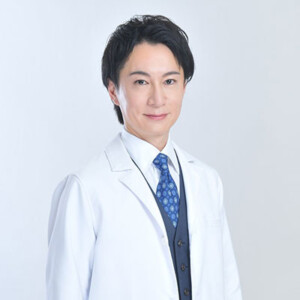
Dr. Jun Karibe
MD
Director
Education & Career
Certifications
Awards
This article is for general informational purposes only and does not constitute medical advice or a diagnosis. Please consult a qualified physician for any health concerns.
MEDICAL REVIEW