Finding an English-Speaking Plastic Surgeon in Tokyo: What International Patients Need to Know
Looking for an English-Speaking Plastic Surgeon in Tokyo?
If you are searching for an English-speaking plastic surgeon in Tokyo, you may already understand how difficult it can be to navigate medical care in a foreign country.
This is especially true for cosmetic or reconstructive procedures.
When surgery is involved, clear communication is not optional. It is essential.
International patients often worry about:
- Surgeon qualifications
- Language barriers
- Informed consent
- Procedure risks
- Cost transparency
- Aftercare communication
- Natural-looking results
- Recovery while staying in Japan
These concerns are completely reasonable.
Whether you are an expatriate, medical tourist, business traveller, or visitor planning treatment in Japan, choosing the right clinic and surgeon is one of the most important decisions you can make.
At Kojimachi Dermatology & Plastic Surgery Clinic in Ichigaya, Tokyo, international patients can receive consultation in English for plastic surgery, cosmetic surgery, dermatology, and non-surgical aesthetic treatments.
This guide explains what to look for, what procedures are commonly requested, how much plastic surgery costs in Tokyo, and how to prepare for your consultation.
Why English Communication Matters in Plastic Surgery
Clear medical communication is essential for safe surgical care.
This is not only about convenience.
It affects:
- Medical history review
- Allergy confirmation
- Medication safety
- Informed consent
- Realistic expectations
- Surgical planning
- Post-operative instructions
- Complication management
If a patient cannot fully understand what will happen before, during, and after surgery, the quality of care may be compromised.
For international patients, being able to ask questions freely in English can make the entire experience safer and less stressful.
Informed Consent Must Be Clear
Before any procedure, patients should understand:
- What the procedure can achieve
- What it cannot achieve
- Possible risks
- Expected downtime
- Alternative treatments
- Total cost
- Aftercare instructions
- When to seek medical help
This is especially important in aesthetic medicine because results are subjective.
A “natural result” may mean different things to different people.
Therefore, patient and surgeon must share the same visual and medical understanding before treatment begins.
What Does a Board-Certified Plastic Surgeon Do?
A plastic surgeon is a medical doctor trained in both reconstructive and cosmetic procedures.
In Japan, board certification in plastic and reconstructive surgery is associated with the Japan Society of Plastic and Reconstructive Surgery.
This certification reflects formal training, clinical experience, and professional standards.
A board-certified plastic surgeon can assess both:
- Function
- Appearance
This is important because even cosmetic procedures require anatomical knowledge, surgical judgment, and careful risk management.
Plastic Surgery vs Cosmetic Surgery in Japan
International patients often notice two Japanese terms:
形成外科
Plastic and reconstructive surgery
This field includes procedures such as:
- Scar revision
- Eyelid function correction
- Skin tumour removal
- Wound repair
- Reconstructive surgery
美容外科
Cosmetic surgery
This field focuses on aesthetic improvement, including:
- Double eyelid surgery
- Rhinoplasty
- Lip lift
- Facial contouring
- Anti-ageing procedures
These fields overlap, but they are not identical.
A surgeon trained in plastic and reconstructive surgery is trained to consider both anatomy and function, not only appearance.
Therefore, international patients should always confirm the surgeon’s qualifications before booking a procedure.
Why Board Certification Matters
Board certification is not just a title.
It helps patients identify surgeons who have completed recognized specialist training.
When choosing a plastic surgeon in Tokyo, consider asking:
- Are you board-certified in plastic surgery?
- What society granted the certification?
- How many similar procedures have you performed?
- Do you perform this procedure personally?
- What complications should I understand?
- What aftercare is available in English?
A reputable surgeon should answer these questions clearly.
Dr. Karibe’s Note
Many international patients are surprised to learn that the consultation itself is often the most important step.
The procedure may take less time than the discussion before it.
During consultation, we review the patient’s health history, expectations, facial anatomy, and treatment goals. Sometimes surgery is the best option. In other cases, a non-surgical treatment may be safer, more appropriate, or more natural.
I always encourage patients to write down their questions before the appointment. There are no trivial questions when it comes to your health, face, or body.
— Dr. Jun Karibe
Board-Certified Plastic Surgeon
Kojimachi Dermatology & Plastic Surgery Clinic, Tokyo
Common Procedures Requested by International Patients in Tokyo
International patients in Tokyo often request procedures that combine natural-looking results with careful surgical precision.
At Kojimachi Dermatology & Plastic Surgery Clinic, common enquiries include both surgical and non-surgical treatments.
Surgical Procedures
Double Eyelid Surgery in Tokyo
Double eyelid surgery is one of the most commonly requested cosmetic procedures in Japan.
The suture method creates an upper eyelid crease without a full incision.
It may be suitable for patients who want:
- A more defined eyelid crease
- Brighter-looking eyes
- Improved eyelid symmetry
- A minimally invasive approach
The final design should be customized to facial anatomy and ethnic background.
For international patients, communication is especially important because eyelid preferences vary widely across cultures.
Transconjunctival Blepharoplasty
Transconjunctival blepharoplasty treats under-eye bags through the inner surface of the lower eyelid.
Because the incision is inside the eyelid, there is no visible external scar.
This procedure may help patients with:
- Under-eye bags
- Lower eyelid fat protrusion
- Tired-looking eyes
- Puffy lower eyelids
It is not the same as skin tightening.
Patients with significant skin laxity may need another approach.
Ptosis Correction
Ptosis correction treats drooping of the upper eyelid.
This may be cosmetic or functional.
Some patients experience:
- Heavy eyelids
- Reduced visual field
- Forehead strain
- Tired-looking eyes
- Difficulty opening the eyes fully
In some medically indicated cases, ptosis correction may be eligible for insurance coverage in Japan.
A consultation is required to determine suitability.
Mole Removal and Cyst Excision
Mole removal and cyst excision are common requests from international patients.
These procedures are usually performed under local anaesthesia.
They may be appropriate for:
- Raised moles
- Irritated moles
- Epidermal cysts
- Skin lesions
- Cosmetic concerns
- Diagnostic removal when medically indicated
Pathology testing may be recommended depending on the lesion.
Scar Revision
Scar revision aims to improve the appearance or function of scars.
It may help scars caused by:
- Surgery
- Injury
- Acne
- Burns
- Trauma
- Previous procedures
Treatment may involve surgery, laser, injections, or combination therapy.
The best method depends on scar type.
Rhinoplasty
Rhinoplasty is nose reshaping surgery.
Depending on anatomy and goals, treatment may involve:
- Nose tip refinement
- Cartilage grafting
- Bridge adjustment
- Nostril balance
- Functional considerations
Rhinoplasty requires careful planning because even small changes can significantly affect facial balance.
Lip Lift
A lip lift shortens the distance between the nose and upper lip.
It may create:
- A more youthful upper lip
- More visible upper teeth when smiling
- Better lip proportions
- Improved facial balance
Scarring and design placement should be discussed carefully during consultation.
Buccal Fat Removal and Facial Liposuction
Some patients seek a slimmer lower face.
Depending on anatomy, options may include:
- Buccal fat removal
- Cheek liposuction
- Jawline liposuction
- Chin-area contouring
However, these procedures are not suitable for everyone.
Over-removal of facial fat can sometimes make the face look older over time.
A conservative approach is often best.
Non-Surgical and Minimally Invasive Treatments
Not every aesthetic concern requires surgery.
Many international patients benefit from non-surgical treatments with shorter downtime.
Botox in Tokyo
Botox can be used for:
- Forehead lines
- Frown lines
- Crow’s feet
- Masseter reduction
- Jawline slimming
- Neck bands
- Excessive sweating
Botox is quick and usually requires minimal downtime.
Hyaluronic Acid Fillers
Fillers can restore volume and improve contour.
Common areas include:
- Tear troughs
- Cheeks
- Chin
- Jawline
- Lips
- Nasolabial folds
Good filler treatment should look natural, not overfilled.
HIFU Skin Tightening
HIFU uses focused ultrasound energy to stimulate deeper tissue tightening.
It may help with:
- Jawline laxity
- Mild jowls
- Neck tightening
- Facial lifting
HIFU is non-invasive and usually requires minimal downtime.
Morpheus8 and RF Microneedling
RF microneedling treatments such as Morpheus8 can improve:
- Acne scars
- Enlarged pores
- Skin texture
- Mild laxity
- Collagen remodeling
These treatments are often chosen by patients seeking skin quality improvement without surgery.
Laser Treatments
Laser treatments are popular among international patients in Tokyo.
Options may include:
- PicoWay laser for pigmentation
- CO₂ fractional laser for acne scars and pores
- Laser toning
- Tattoo removal
- Skin resurfacing
Laser choice depends on skin type, pigmentation risk, and treatment goals.
Cost of Plastic Surgery in Tokyo
The cost of plastic surgery in Tokyo varies depending on:
- Surgeon qualification
- Procedure complexity
- Anaesthesia
- Blood tests
- Follow-up requirements
- Technology used
- Whether treatment is surgical or non-surgical
At Kojimachi Dermatology & Plastic Surgery Clinic, pricing is transparent and discussed during consultation.
Plastic Surgery and Cosmetic Treatment Prices
|
Procedure / Treatment |
Price Range |
|---|---|
|
Initial Consultation |
¥3,300 |
|
Surgical Consultation with Dr. Karibe |
¥2,200 |
|
Double Eyelid Surgery, Suture 2-Point |
¥66,000–¥110,000 |
|
Double Eyelid Surgery, Suture 4-Point |
¥104,500–¥187,000 |
|
Double Eyelid Surgery, Suture 6-Point |
¥181,500–¥341,000 |
|
Transconjunctival Blepharoplasty |
¥280,000–¥428,000 |
|
Rhinoplasty with Cartilage Graft |
¥572,000 |
|
Nose Tip Surgery |
¥308,000 |
|
Lip Lift |
¥418,000 |
|
Liposuction, Cheek/Jawline per Area |
¥280,000 |
|
Botox Allergan |
¥22,000–¥148,000 |
|
Hyaluronic Acid Filler |
¥66,000–¥88,000 per syringe |
|
HIFU Skin Lifting |
¥25,000–¥110,000 |
|
CO₂ Fractional Laser |
¥11,000–¥66,000 |
Additional Surgical Costs
For surgical procedures, additional fees may apply.
These may include:
|
Item |
Cost |
|---|---|
|
Pre-operative Blood Work |
¥11,000 |
|
Anaesthesia |
¥2,200–¥77,000 |
These costs are separate from the base procedure fee.
For an accurate quote, consultation is required.
Why Consultation Is Necessary for Pricing
Plastic surgery pricing cannot be finalized safely without examination.
During consultation, the surgeon evaluates:
- Anatomy
- Skin quality
- Medical history
- Treatment goals
- Degree of correction needed
- Anaesthesia requirements
- Expected downtime
- Whether surgery is truly appropriate
This allows the clinic to provide a realistic treatment plan and cost estimate.
For an Accurate Quote
For an accurate quote, we recommend booking a consultation with BIOTOPE CLINIC ,Dermatology & Plastic Surgery Clinic , Tokyo.
During consultation, English-speaking patients can discuss:
- Procedure options
- Expected results
- Risks
- Recovery
- Aftercare
- Total cost
- Alternative non-surgical treatments
Clear communication before treatment is essential for safe and satisfying outcomes.
Have a question about this treatment?
Message us on LINE or WhatsApp — our English-speaking team usually replies the same day.
24/7 Consultation & Booking
Book a Consultation or Treatment
Our English-speaking team responds via LINE or WhatsApp — usually the same day.
What to Expect Before, During, and After Your Procedure
Before Your Procedure
A thorough consultation is the foundation of safe plastic surgery.
Before any procedure, your surgeon will review:
- Medical history
- Current medications
- Allergies
- Previous surgery
- Smoking status
- Skin condition
- Healing history
- Aesthetic goals
- Expected recovery time
For international patients, this step is especially important because medical records, medication names, and prior treatment history may differ between countries.
At Kojimachi Dermatology & Plastic Surgery Clinic in Ichigaya, Tokyo, consultations can be conducted in English. This allows patients to ask questions clearly and understand the procedure before making any decision.
Pre-Operative Planning
For surgical procedures, pre-operative preparation may include:
- Standardized clinical photographs
- Blood tests
- Anaesthesia planning
- Medication review
- Surgical design
- Recovery schedule discussion
- Written aftercare instructions
Pre-operative blood work is required for many surgical procedures.
At our clinic, pre-operative blood work is:
¥11,000
Anaesthesia fees may vary depending on the procedure:
¥2,200–¥77,000
These costs are separate from the base procedure fee.
What to Avoid Before Surgery
Your surgeon may advise you to avoid certain medications or supplements before surgery.
These may include:
- Aspirin
- Ibuprofen
- Fish oil
- Vitamin E
- Blood-thinning supplements
- Certain herbal products
However, if these medications were prescribed for a medical condition, do not stop them without consulting your prescribing physician.
Smoking is also extremely important.
Smoking significantly impairs wound healing and increases the risk of complications. For elective surgery, patients are usually advised to stop smoking well in advance.
During the Procedure
The procedure experience depends on the type of treatment.
Minor Procedures
Minor procedures such as mole removal, cyst excision, scar revision, and some eyelid procedures are often performed under local anaesthesia.
These procedures may take approximately:
30 minutes to 2 hours
depending on complexity.
Patients usually return home the same day.
More Complex Procedures
More complex procedures may require sedation or deeper anaesthesia.
These may include:
- Transconjunctival blepharoplasty
- Rhinoplasty
- Lip lift
- Facial liposuction
- Larger scar revision
- Combined procedures
The clinic will explain the anaesthesia plan before surgery.
Patients should understand the expected operation time, recovery period, and follow-up schedule before proceeding.
After the Procedure and Recovery
Recovery varies significantly depending on the procedure.
There is no single recovery timeline that applies to every patient.
However, general expectations can help international patients plan appropriately.
Typical Recovery Timeline by Procedure
|
Procedure |
Typical Recovery |
|---|---|
|
Mole Removal |
Return to normal activities in a few days; suture removal around 1 week |
|
Cyst Excision |
Mild swelling or tenderness; suture removal around 1 week |
|
Double Eyelid Surgery, Suture Method |
Bruising and swelling for several days to 2 weeks |
|
Transconjunctival Blepharoplasty |
Swelling and bruising for 1–2 weeks |
|
Lip Lift |
Visible swelling and incision care for 1–2 weeks or longer |
|
Rhinoplasty |
Swelling for several weeks; final results take months |
|
Facial Liposuction |
Swelling and compression garment use may be required for several weeks |
|
Scar Revision |
Healing depends on scar size, location, and technique |
Most patients should avoid strenuous activity during early healing.
The exact restrictions depend on the procedure.
Aftercare Instructions in English
Aftercare is a major part of surgical success.
At Kojimachi Dermatology & Plastic Surgery Clinic, post-operative instructions can be provided in English.
These may include guidance on:
- Wound care
- Showering
- Makeup timing
- Exercise restrictions
- Medication use
- Sun protection
- Suture removal
- Swelling management
- Warning signs of complications
- Follow-up appointments
Following aftercare instructions carefully improves healing and reduces the risk of complications.
How Long Should International Patients Stay in Tokyo?
Travel planning is important.
The recommended stay depends on the procedure.
Minor Procedures
For small procedures such as mole removal or cyst excision, a shorter stay may be possible.
However, patients should allow time for:
- Initial consultation
- Procedure
- Early healing
- Suture removal if needed
- Follow-up check
Eyelid Surgery
For eyelid procedures, patients should ideally plan enough time for bruising and swelling to improve.
Many patients are socially presentable within:
10–14 days
although individual healing varies.
More Complex Surgery
For procedures such as rhinoplasty, lip lift, or facial liposuction, patients should consider staying in Tokyo for at least:
2–3 weeks
This allows time for:
- Pre-operative assessment
- Surgery
- Early recovery
- Follow-up visits
- Management of unexpected concerns
Flying too soon after surgery may increase discomfort or complicate recovery.
Your surgeon will advise based on your procedure and health status.
Who Is a Good Candidate for Plastic Surgery?
A good candidate for elective plastic surgery is usually someone who:
- Is in good overall health
- Has realistic expectations
- Understands the risks and limitations
- Is not smoking, or can stop before surgery
- Has stable medical conditions
- Is seeking surgery for personal reasons
- Can follow aftercare instructions
- Has enough recovery time
Motivation matters.
The best candidates choose surgery for themselves, not because of pressure from others.
Who Should Exercise Caution?
Some patients require additional assessment before surgery.
These include patients with:
- Bleeding disorders
- Autoimmune disease
- Poor wound healing history
- Keloid tendency
- Immunosuppressive medication use
- Anticoagulant therapy
- Active skin infection
- Uncontrolled diabetes
- Pregnancy
- Significant psychological distress
Patients with body dysmorphic disorder or severe emotional distress may not be appropriate candidates for elective cosmetic surgery.
In such cases, mental health support may be more appropriate before considering surgery.
Risks and Safety Considerations
All medical procedures involve some risk.
Surgical risks may include:
- Bleeding
- Infection
- Swelling
- Bruising
- Scarring
- Asymmetry
- Delayed healing
- Unsatisfactory result
- Need for revision surgery
- Anaesthesia-related risks
Non-surgical treatments also carry risks.
For example, fillers may rarely cause vascular occlusion, and lasers may cause post-inflammatory hyperpigmentation.
This is why choosing a qualified physician matters.
Common Misconceptions About Plastic Surgery in Tokyo
Misconception 1: All Cosmetic Procedures Are Performed by Board-Certified Plastic Surgeons
This is not true.
In Japan, any licensed physician may legally perform cosmetic procedures.
However, not all physicians have formal plastic surgery training.
The terms cosmetic surgery and plastic and reconstructive surgery are related but not identical.
International patients should verify whether their surgeon is board-certified in plastic and reconstructive surgery.
Misconception 2: Non-Surgical Treatments Have No Risks
Non-surgical does not mean risk-free.
Botox, fillers, lasers, HIFU, and RF microneedling can all cause complications if performed improperly.
Potential risks include:
- Bruising
- Swelling
- Burns
- Pigmentation
- Infection
- Asymmetry
- Vascular complications from fillers
Therefore, even non-surgical treatments should be performed by experienced medical professionals.
Misconception 3: Surgery in Japan Always Looks “Subtle”
Many patients associate Japanese cosmetic surgery with natural results.
While many Japanese clinics value subtle aesthetic changes, the final result depends on:
- Surgeon skill
- Patient anatomy
- Treatment design
- Communication
- Cultural expectations
- Healing response
Clear discussion is essential.
“Natural” means different things to different patients.
Misconception 4: You Can Fly Home Immediately After Surgery
This is not always safe.
Some procedures require follow-up visits, suture removal, or early complication monitoring.
Patients travelling to Japan for surgery should plan enough time for recovery before flying.
How to Choose an English-Speaking Plastic Surgeon in Tokyo
When choosing a plastic surgeon in Tokyo, international patients should consider more than price.
Important criteria include:
- Board certification
- Surgical experience
- English communication
- Clear informed consent
- Transparent pricing
- Realistic recommendations
- Proper aftercare
- Emergency support
- Clinic hygiene standards
- Before-and-after explanation
- Willingness to discuss alternatives
A good surgeon should not pressure you into treatment.
Instead, they should explain whether surgery is truly appropriate.
Questions to Ask During Consultation
Before deciding on any procedure, consider asking:
- Are you board-certified in plastic surgery?
- How often do you perform this procedure?
- What results are realistic for my anatomy?
- What are the main risks?
- What is the downtime?
- Will I need follow-up visits?
- What happens if I have a complication?
- Is the quoted price inclusive of anaesthesia and blood tests?
- Are there non-surgical alternatives?
- How long should I stay in Tokyo after surgery?
These questions help ensure a safe and informed decision.
Frequently Asked Questions
Do I need to speak Japanese to have surgery in Tokyo?
No.
At Kojimachi Dermatology & Plastic Surgery Clinic, consultations can be provided in English.
English aftercare instructions are also available for international patients.
Is plastic surgery in Tokyo covered by Japanese national health insurance?
Elective cosmetic surgery is not covered by Japanese health insurance.
However, some procedures with medical or functional indications may be covered.
Examples may include:
- Ptosis correction affecting vision
- Cyst excision
- Certain medically indicated skin procedures
Insurance eligibility is assessed case by case.
How far in advance should I plan my trip?
For minor procedures, a shorter trip may be possible.
For more complex surgery, planning several weeks ahead is recommended.
Patients should allow time for consultation, surgery, early recovery, and follow-up.
For rhinoplasty, blepharoplasty, lip lift, or liposuction, a stay of at least 2–3 weeks may be advisable.
Can I combine multiple procedures in one visit?
Sometimes, yes.
However, this depends on:
- Procedure type
- Anaesthesia requirements
- Patient health
- Recovery burden
- Surgeon assessment
Combining procedures may be convenient for medical tourists, but safety comes first.
How do I know whether the quoted price includes all fees?
Ask for an itemized quote.
The quote should clarify:
- Procedure fee
- Anaesthesia fee
- Blood test fee
- Medication fee
- Follow-up fee
- Suture removal fee, if applicable
At Kojimachi Dermatology & Plastic Surgery Clinic, pricing is discussed transparently during consultation.
Can I have a consultation first and decide later?
Yes.
A consultation does not require you to proceed with surgery.
In fact, patients should take time to consider their options carefully.
A reputable clinic will not pressure you into immediate treatment.
Are non-surgical treatments available for visitors?
Yes.
Many international patients choose treatments such as:
- Botox
- Fillers
- HIFU
- RF microneedling
- Laser treatment
- Chemical peels
These usually involve shorter downtime than surgery.
However, they still require proper medical assessment.
Dr. Karibe’s Final Advice
For international patients, the most important factor is not simply finding someone who speaks English.
It is finding a surgeon who can communicate honestly in English.
A good consultation should include not only what surgery can improve, but also what it cannot improve.
Sometimes the best recommendation is surgery. Sometimes it is a non-surgical treatment. Sometimes the safest recommendation is not to proceed.
The goal of plastic surgery is not to chase trends. It is to choose the right treatment for the patient’s anatomy, health, goals, and life schedule.
— Dr. Jun Karibe
Board-Certified Plastic Surgeon
BIOTOPE CLINIC / Kojimachi Dermatology & Plastic Surgery Clinic, Tokyo
Summary
Finding an English-speaking plastic surgeon in Tokyo is possible when you know what to look for.
International patients should prioritize:
- Board certification
- Clear English communication
- Transparent pricing
- Realistic expectations
- Proper aftercare
- Medical safety
- Honest discussion of alternatives
Tokyo offers a wide range of surgical and non-surgical aesthetic treatments, including eyelid surgery, blepharoplasty, rhinoplasty, mole removal, cyst excision, scar revision, Botox, fillers, HIFU, RF microneedling, and laser treatments.
At BIOTOPE CLINIC /Kojimachi Dermatology & Plastic Surgery Clinic in Ichigaya, Tokyo, English-speaking patients can receive consultation for plastic surgery, cosmetic surgery, dermatology, and non-surgical aesthetic treatments.
If you are considering plastic surgery in Tokyo, the best first step is a thorough consultation. This allows the surgeon to assess your anatomy, understand your goals, explain risks, estimate recovery time, and provide a transparent quote.
Recommended Links
- Plastic Surgeon Tokyo
- Cosmetic Surgery Tokyo
- Double Eyelid Surgery Tokyo
- Blepharoplasty Tokyo
- Rhinoplasty Tokyo
- Mole Removal Tokyo
- Scar Revision Tokyo
- Botox Tokyo
- Dermal Fillers Tokyo
- HIFU Tokyo
- Skin Tightening Tokyo
- Morpheus8 Tokyo
- English-Speaking Dermatologist Tokyo
- Medical Tourism Japan
References
- Betancourt JR, Green AR, Carrillo JE, Ananeh-Firempong O. Defining cultural competence: a practical framework for addressing racial/ethnic disparities in health and health care. Public Health Reports. 2003;118(4):293–302.
- Mustoe TA, Cooter RD, Gold MH, et al. International clinical recommendations on scar management. Plastic and Reconstructive Surgery. 2002;110(2):560–571.
- Rohrich RJ, Ghavami A, Lemmon JA, Brown SA. The individualized component face lift: developing a systematic approach to facial rejuvenation. Plastic and Reconstructive Surgery. 2009;123(3):1050–1063.
- Hanasono MM, Kridel RW, Pastorek NJ, Glasgold MJ, Koch RJ. Correction of the soft tissue nasal tip deformity. Archives of Facial Plastic Surgery. 2002;4(1):26–31.
- Carruthers J, Carruthers A. Botulinum toxin type A: history and current cosmetic use in the upper face. Seminars in Cutaneous Medicine and Surgery. 2001;20(2):71–84.
Related Articles
You may also find these articles useful.
- English Speaking Plastic Surgeon Tokyo: Complete Guide
- English Speaking Dermatologist Tokyo: Complete Guide
- Looking for an English-Speaking Dermatology and Aesthetic Clinic in Tokyo?
- English-Speaking Plastic Surgeon in Tokyo|Natural-Looking Cosmetic Surgery at BIOTOPE CLINIC
- Beauty Clinic Tokyo English Consultation Guide for Foreigners
SUPERVISED BY
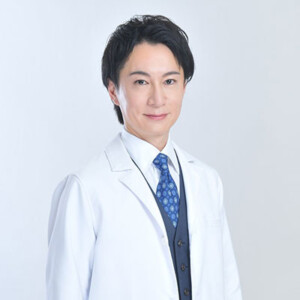
Dr. Jun Karibe
MD
Director
Education & Career
Certifications
Awards
MEDICAL REVIEW