Sensitive Skin Care in Tokyo: What to Expect When You See a Dermatologist in Japan
Living in a new country — or travelling to one — while managing sensitive skin can be genuinely stressful. Unfamiliar climates, different water quality, new food, and difficulty reading Japanese product labels can all trigger flare-ups that feel difficult to manage on your own.
This article explains what sensitive skin is from a clinical perspective, how Japanese dermatologists approach diagnosis and treatment, and what English-speaking patients can expect when visiting a dermatologist in Tokyo.
What you’ll learn in this article:
- What “sensitive skin” means medically and why it is often misunderstood
- How a dermatologist in Japan evaluates and treats sensitive skin
- Which treatments — from prescription options to cosmetic procedures — may help
- Realistic costs for dermatology consultations and skin treatments in Tokyo
- Who makes a good candidate for treatment, and any situations where caution is advised
Have a question about this treatment?
Message us on LINE or WhatsApp — our English-speaking team usually replies the same day.
What Is Sensitive Skin — and Is It a Medical Diagnosis?
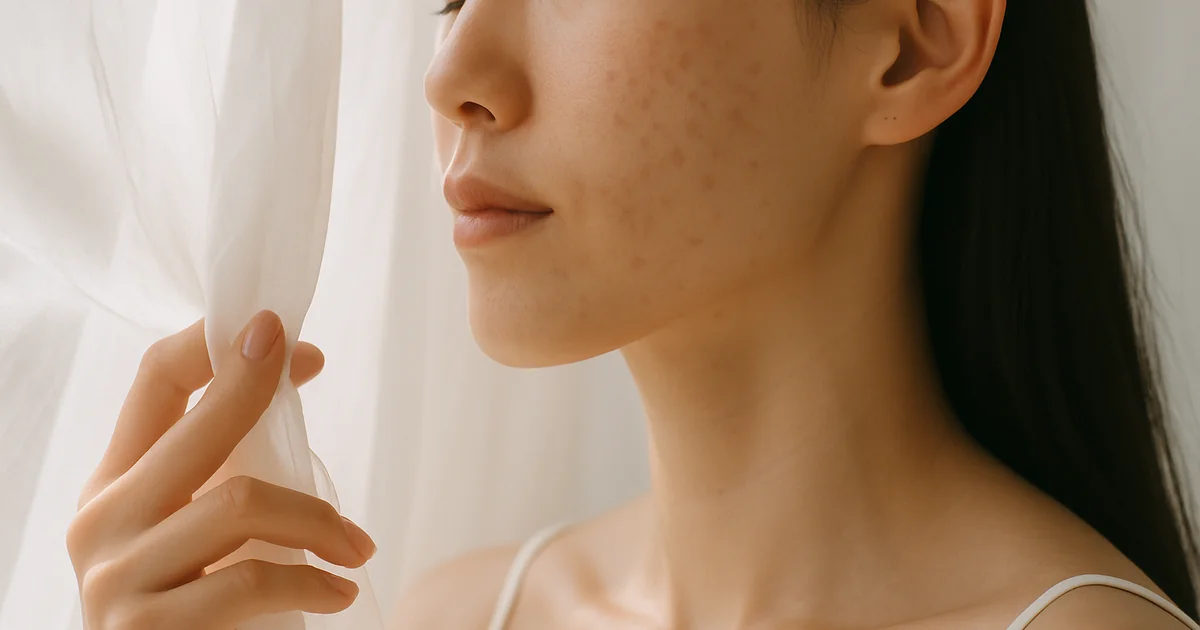
The term “sensitive skin” is widely used in beauty marketing, but its clinical definition is more precise. Dermatologists describe sensitive skin as a condition in which the skin reacts disproportionately to stimuli that would not normally cause discomfort — such as mild cleansers, temperature changes, or light fragrance. Symptoms commonly include stinging, burning, tightness, redness, and occasional dryness or scaling.
Importantly, sensitive skin is not always a standalone diagnosis. It is frequently a symptom pattern associated with an underlying condition such as rosacea, atopic dermatitis (eczema), contact dermatitis, or seborrhoeic dermatitis.
Studies suggest that approximately 50 to 60 percent of women and 30 to 40 percent of men worldwide self-report sensitive skin, though a clinical assessment is needed to distinguish true sensitivity from an undiagnosed inflammatory skin disorder.
In Japan, the four-season climate, low-humidity winters, and highly mineralised tap water in some urban areas can all aggravate pre-existing skin sensitivity.
At our BIOTPECLINIC in Minato-ku, Tokyo, we frequently see patients who have relocated from more humid climates and find that their skin behaves quite differently here, requiring an adjusted skincare routine and sometimes medical support.
Common Misconceptions About Sensitive Skin
Misconception 1: Sensitive skin means you need to avoid all active ingredients.
This is an oversimplification. Many patients with sensitive skin tolerate well-formulated retinoids, niacinamide, or low-concentration chemical exfoliants when introduced gradually. A blanket avoidance of actives can actually perpetuate the cycle of barrier dysfunction. A dermatologist can guide you on what is appropriate for your specific skin condition.
Misconception 2: “Natural” or “organic” products are always safer for sensitive skin.
Clinical evidence does not support this assumption. Many natural botanicals — including essential oils, lanolin, and certain plant extracts — are common allergens. Fragrance, whether synthetic or botanical, is among the leading causes of contact dermatitis in sensitised individuals. Patch testing, not ingredient marketing, is the reliable way to identify your personal triggers.
How a Japanese Dermatologist Evaluates Sensitive Skin
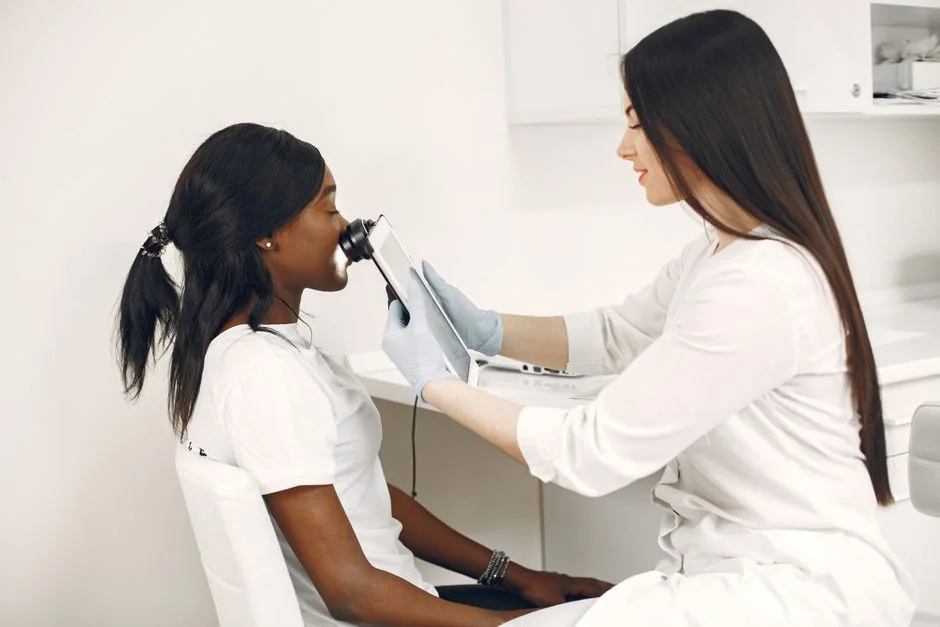
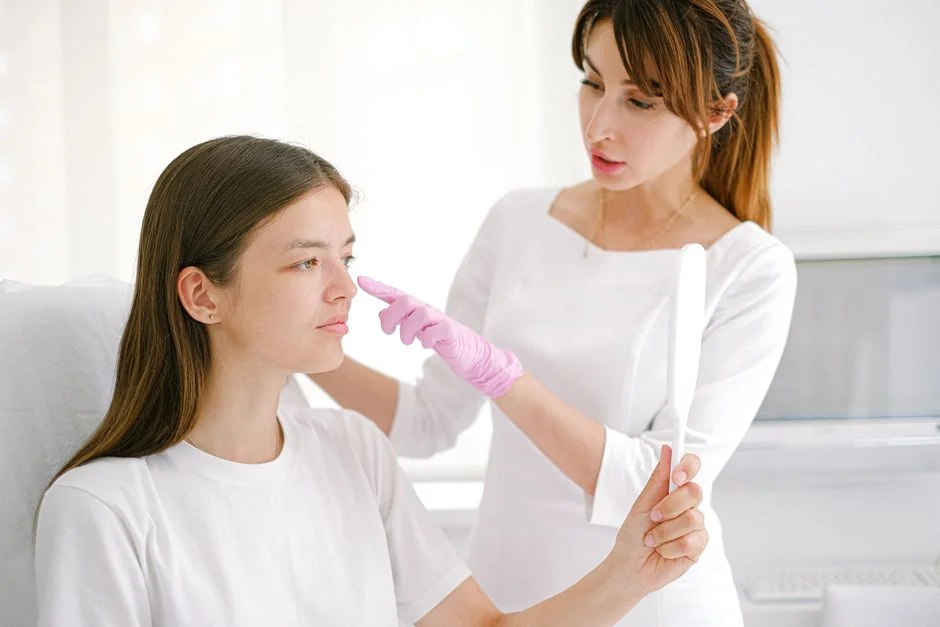
A dermatology consultation in Japan follows a structured clinical process. At the initial visit, the physician will take a detailed history — including onset, duration, aggravating factors, current skincare products, and any known allergies — and perform a visual examination of the skin.
Depending on findings, additional investigations such as patch testing, allergy blood tests, or skin barrier function assessment may be recommended.
Board-certified dermatologists and plastic surgeons in Japan are trained to differentiate between cosmetic sensitivity and inflammatory skin disease. This distinction matters because the two require different management strategies. Inflammatory conditions such as atopic dermatitis, for example, may be treated under Japan’s national health insurance system (NHI), which covers prescription topical steroids, oral antihistamines, and immunosuppressant therapies such as tacrolimus ointment.
Insurance-Covered Versus Self-Pay Treatments
Japan’s national health insurance covers a broad range of evidence-based dermatology treatments, including topical corticosteroids, antihistamines, antifungal medications, antibiotics, and in some cases narrowband UVB phototherapy for conditions such as chronic eczema or psoriasis. These treatments are available at significantly reduced cost compared with private-pay clinics.
Cosmetic dermatology procedures — including laser treatments, RF microneedling, and medical-grade chemical peels — are not covered by insurance and are billed as self-pay services. A reputable clinic will be transparent about which services fall under which category.
Dr. Karibe’s Note
Many of our international patients are surprised to find that even complex skin conditions such as eczema or rosacea can be managed effectively under Japan’s national health insurance system, at a fraction of what they might pay at home. A common question I receive is whether sensitive skin requires expensive cosmetic treatments — in many cases, the first and most important step is an accurate diagnosis and a simple, evidence-based skincare routine, rather than a procedure. We always prioritise the correct clinical pathway before recommending any aesthetic intervention.
Treatment Options for Sensitive Skin in Tokyo
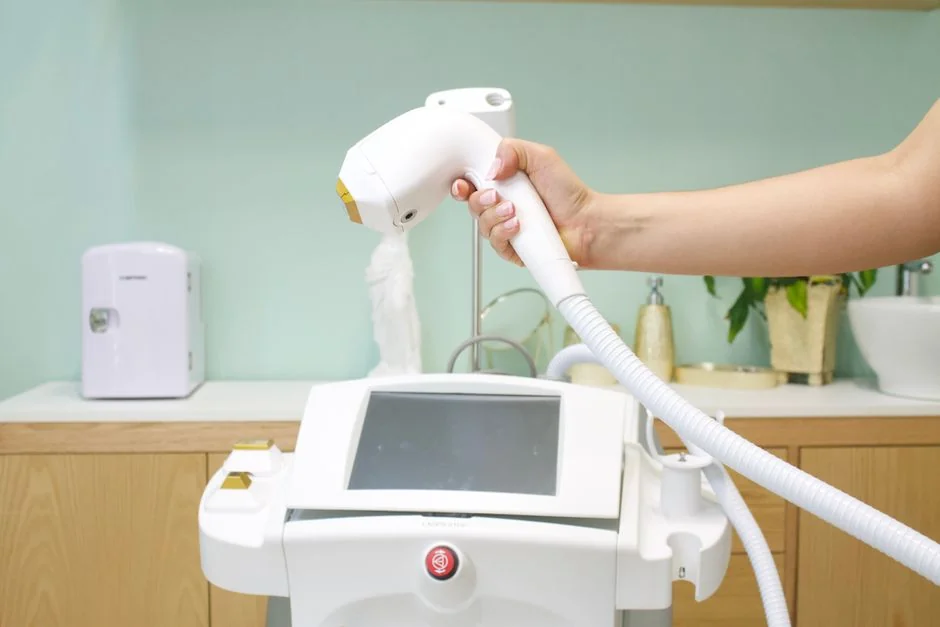
Treatment depends entirely on the underlying cause identified during consultation. Below is an overview of the clinical options that may be relevant for patients with sensitive or reactive skin.
Medical / Insurance-Covered Options
For patients diagnosed with atopic dermatitis, allergic contact dermatitis, or rosacea, first-line management typically involves barrier repair moisturisers, low-to-mid potency topical corticosteroids, and antihistamines for itch control. Clinical reports indicate that consistent barrier-repair therapy using ceramide-containing emollients can reduce transepidermal water loss (TEWL) significantly within four to six weeks of regular use — an important marker of skin barrier function improvement.
In cases of chronic inflammatory skin disease that does not respond to topical therapy, immunosuppressant medications or biological agents may be considered, subject to specialist evaluation.
Cosmetic Dermatology Options for Reactive Skin
For patients whose skin sensitivity is related to barrier dysfunction, enlarged pores, post-inflammatory redness, or acne-related scarring, certain cosmetic procedures may be appropriate — but only once active inflammation has been adequately controlled.
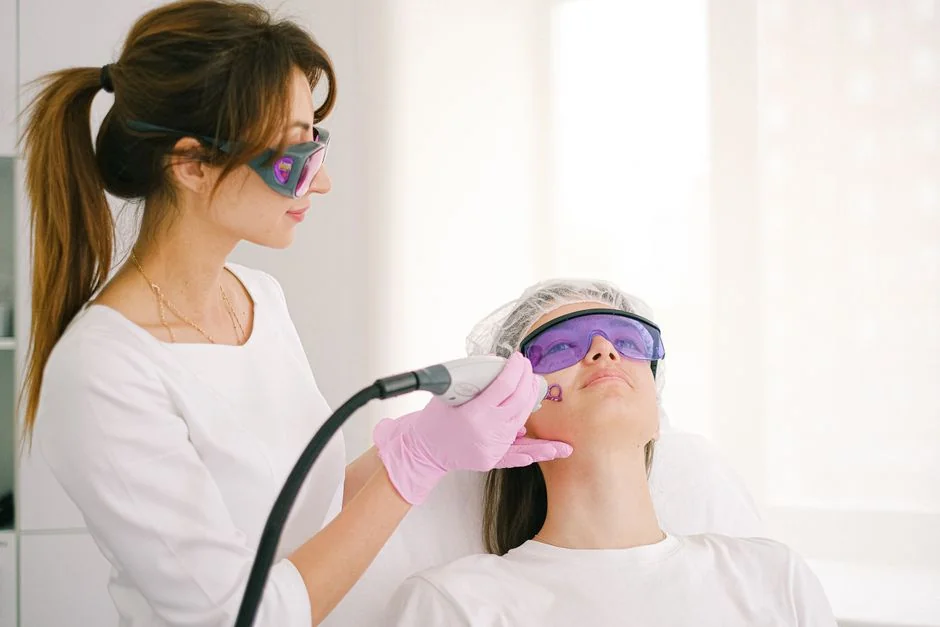
Treatments such as Dermapen (a medical microneedling device that stimulates collagen production and can improve skin texture and barrier resilience over a course of sessions) may be considered for suitable candidates. The CO2 fractional laser is another option for more established skin concerns such as scarring or pore enlargement — though it requires careful patient selection in those with sensitive or reactive skin, and is generally not recommended during active flare-ups. Both of these are treatments available at our Ichigaya clinic — feel free to ask about them during a consultation.
For patients managing skin tone irregularities such as post-inflammatory erythema or redness, a physician assessment will determine whether laser therapy, topical treatment, or a combination approach is most suitable.
Cost of Dermatology and Skin Treatments in Tokyo
Costs vary considerably depending on whether the treatment falls under national health insurance or is billed as a cosmetic self-pay service.
| Service | Coverage | Approximate Cost (JPY) |
|---|---|---|
| Initial consultation | Self-pay | ¥3,300 |
| Dr. Karibe surgical consultation | Self-pay | ¥2,200 |
| Prescription topical steroids / antihistamines | NHI (insurance) | Variable (insured rate) |
| Narrowband UVB phototherapy | NHI (insurance) | Variable (insured rate) |
| Dermapen (microneedling) | Self-pay | ¥9,800 – ¥220,000 |
| CO2 fractional laser | Self-pay | ¥11,000 – ¥66,000 |
| Salicylic acid chemical peel | Self-pay | ¥11,000 – ¥308,000 |
| Pico laser (pigmentation / redness) | Self-pay | ¥11,000 – ¥98,000 |
The wide price ranges for cosmetic procedures reflect differences in treatment area size, number of sessions, and individual clinical needs. For an accurate quote, we recommend booking a consultation.
Have a question about this treatment?
Message us on LINE or WhatsApp — our English-speaking team usually replies the same day.
What to Expect: Before, During, and After Your Appointment
Before Your Visit
Prepare a list of all skincare products currently in use — including cleansers, moisturisers, sunscreens, and any prescription or over-the-counter topical medications. Bring any documentation of previous diagnoses or allergy test results if available. If you have had a reaction to a specific product or ingredient, try to bring that product or a photograph of its ingredient list.
Avoid applying heavy makeup or new products to the affected area on the day of your appointment, so the physician can assess the skin in its natural state.
During the Consultation
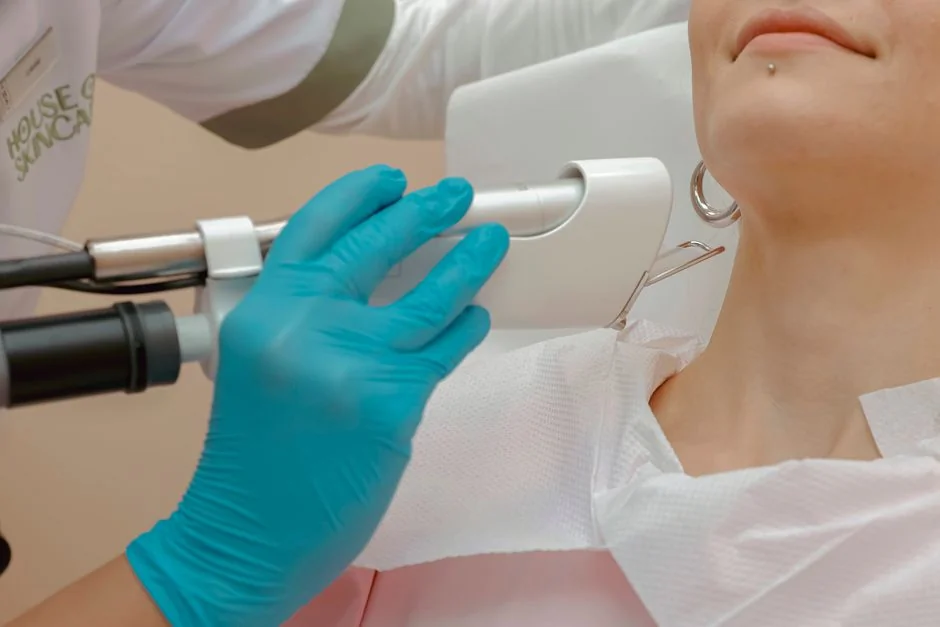
The physician will conduct a visual examination and ask detailed questions about your skin history, lifestyle, diet, and any relevant systemic conditions. At BIOTOPE CLINIC or Kojimachi Dermatology & Plastic Surgery Clinic, consultations for English-speaking patients can be conducted in English, which helps ensure that history-taking is accurate and that all treatment options are clearly understood.
After Treatment
Recovery and aftercare vary by treatment type. Prescription topical medications typically have no downtime. Cosmetic procedures such as Dermapen or CO2 fractional laser may involve several days of redness, mild swelling, or skin sensitivity post-treatment — the physician will provide specific aftercare instructions. Sun protection is universally recommended following any skin treatment.
Who Is a Good Candidate — and Who Should Exercise Caution?
Likely Good Candidates
- Individuals experiencing persistent skin redness, stinging, or irritation that does not respond to over-the-counter products
- Patients who suspect they have an underlying condition such as rosacea, eczema, or contact dermatitis and want a formal diagnosis
- Expatriates or travellers whose skin has changed since arriving in Japan and who need an adapted skincare plan
- Patients seeking cosmetic improvement (texture, pores, post-inflammatory marks) once active skin disease is well controlled
Situations Where Caution Is Advised
- Active inflammatory flare-ups: most cosmetic device treatments should be deferred until inflammation is resolved
- Patients currently taking systemic immunosuppressants should inform their physician before any laser or device procedure
- Pregnant or breastfeeding patients: some prescription topicals and cosmetic procedures are not recommended; always disclose pregnancy status
- Patients with a history of keloid scarring should discuss this with their physician before any needling or laser procedure
Frequently Asked Questions
- Q. Can I see a dermatologist in Tokyo if I do not speak Japanese?
- Yes. At Kojimachi Dermatology & Plastic Surgery Clinic, consultations can be conducted in English, and our team is experienced in supporting international patients through the full process — from consultation to prescription collection and aftercare instructions. It is advisable to confirm English language availability when booking at any clinic.
- Q. Will my home country’s health insurance cover a dermatology visit in Japan?
- Most foreign private health insurance policies do not cover cosmetic dermatology procedures in Japan. However, some international health insurance plans may partially reimburse medically necessary dermatology visits, particularly if a diagnosis such as atopic dermatitis or rosacea is documented. We recommend checking your policy directly and requesting an itemised receipt from the clinic for reimbursement purposes.
- Q. How many sessions are typically needed for cosmetic skin treatments?
- This depends on the specific treatment and the severity of the skin concern being addressed. Many device-based treatments such as Dermapen or laser procedures are most effective when performed as a course of sessions — commonly three to six, spaced several weeks apart. Your physician will recommend an individualised plan based on your skin assessment. Results are gradual and not guaranteed to be identical across all patients.
- Q. Is sensitive skin the same as an allergy?
- Not necessarily. Allergic contact dermatitis involves an immune-mediated response to a specific allergen, which can be identified through patch testing. Sensitive skin, by contrast, may reflect a compromised skin barrier that reacts to a wide range of stimuli without a true allergic mechanism. Distinguishing between the two requires clinical assessment, as the management approaches differ.
- Q. What skincare routine changes are typically recommended for sensitive skin in Japan?
- Clinically, the core principles are barrier repair and trigger avoidance: using a gentle, fragrance-free cleanser, a ceramide-rich moisturiser, and a broad-spectrum SPF 30 or higher sunscreen daily. In Japan’s dry winters, adding a hydrating toner or serum may help maintain moisture levels. A dermatologist can review your current routine and identify specific products or ingredients that may be contributing to sensitivity.
Have a question about this treatment?
Message us on LINE or WhatsApp — our English-speaking team usually replies the same day.
Summary
Sensitive skin is a common but clinically variable condition that benefits from an accurate diagnosis before any treatment — cosmetic or medical — is initiated. For English-speaking patients in Tokyo, accessing specialist dermatology care is straightforward, and Japan’s national health insurance system covers a broad range of evidence-based treatments for diagnosed inflammatory skin conditions. Where cosmetic procedures are appropriate, a full range of options is available, from medical microneedling to laser therapy, with costs that vary according to treatment type and individual clinical needs.
In our clinical experience at BIOTOPE CLINIC or Kojimachi Dermatology & Plastic Surgery Clinic, patients who achieve the best outcomes are those who begin with a thorough consultation, receive an accurate diagnosis, and follow a structured treatment plan — rather than self-treating with unverified products or undergoing procedures without addressing the underlying skin condition first.
If you have questions about sensitive skin care in Tokyo, our team at Kojimachi Dermatology & Plastic Surgery Clinic in Ichigaya, Tokyo would be happy to help. We offer consultations in English.
24/7 Consultation & Booking
Book a Consultation or Treatment
Our English-speaking team responds via LINE or WhatsApp — usually the same day.
References
- Misery L, Ständer S, Szepietowski JC, et al. Definition of sensitive skin: an expert position paper from the special interest group on sensitive skin of the International Forum for the Study of Itch. Acta Dermato-Venereologica. 2017.
- Farage MA, Miller KW, Maibach HI. Degenerative changes in aging skin. In: Textbook of Aging Skin. Springer. 2010. (Referenced in context of barrier function and sensitive skin epidemiology.)
- Elias PM, Feingold KR. Skin barrier function. Dermatologic Therapy. 2004.
- Proksch E, Brandner JM, Jensen JM. The skin: an indispensable barrier. Experimental Dermatology. 2008.
- Nosbaum A, Vocanson M, Rozieres A, Hennino A, Nicolas JF. Allergic and irritant contact dermatitis. European Journal of Dermatology. 2009.
Related Articles
You may also find these articles useful.
- Sensitive Skin Care Tokyo: Seeing a Dermatologist in Japan
- English Speaking Dermatologist Tokyo: Complete Guide
- Eczema Treatment Tokyo: Options for Foreigners Explained
- Rosacea Treatment Tokyo Clinic Guide: Costs & Options
- Acne Treatment at a Tokyo Dermatologist: What to Expect
SUPERVISED BY
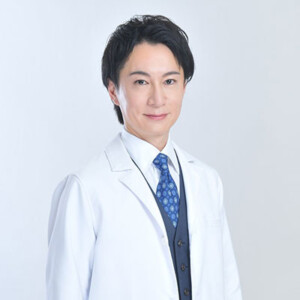
Dr. Jun Karibe
MD
Director
Education & Career
Certifications
Awards
MEDICAL REVIEW