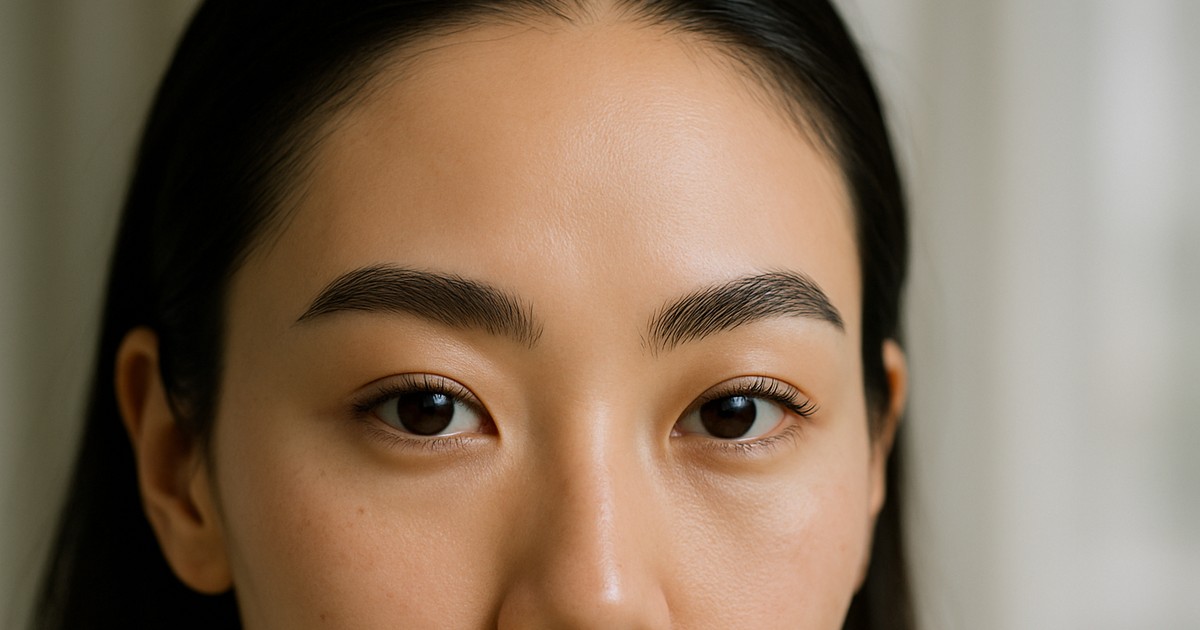
Hairline Artmake in Tokyo: A Complete Guide to Forehead Reduction and Density Correction
For many people, the shape and position of the hairline plays a surprisingly significant role in how balanced and proportionate the face appears. Whether your concern is a naturally high forehead, uneven temples, sparse areas after hormonal hair loss, or post-surgical scarring along the hairline, hairline artmake offers a non-surgical way to redefine and refine the area. This guide explains exactly how the technique works, what realistic results look like, what it costs in Tokyo, and how to decide whether you are a suitable candidate.
- What hairline artmake is and how it differs from a conventional tattoo
- How a trained practitioner creates the illusion of a lower, fuller, or more symmetrical hairline
- Realistic expectations for longevity, healing, and downtime
- The typical cost range for hairline artmake in Tokyo
- How to access English-language consultations at BIOTOPE CLINIC in Shirokanedai
What Is Artmake?
Artmake (アートメイク) is the Japanese term for cosmetic semi-permanent makeup applied by inserting pigment into the uppermost layers of the skin — specifically the epidermis and the very superficial dermis — using a fine needle device. Because the pigment is placed at a shallower depth than a conventional decorative tattoo, it does not become truly permanent; the body gradually metabolises and fades the colour over time. This controlled impermanence is considered a feature rather than a drawback, as it allows the appearance to be adjusted as trends change or as the face naturally ages.
In Japan, artmake is classified as a medical procedure and may legally be performed only by licensed medical professionals, such as doctors or nurses. This regulatory framework distinguishes the Japanese market from many other countries, where similar treatments are often carried out in non-medical beauty salons. The medical setting means that proper infection-control protocols, prescription topical anaesthetics, and clinical aftercare standards are applied throughout.
Common areas treated with artmake include the eyebrows, eyeliner line, lips, scalp (hairline and part-line), and — in specialist reconstructive contexts — the areola following breast surgery. This article focuses specifically on hairline artmake, which addresses the frontal scalp area where the hair meets the forehead.
How Hairline Artmake Works
The Technique in Detail
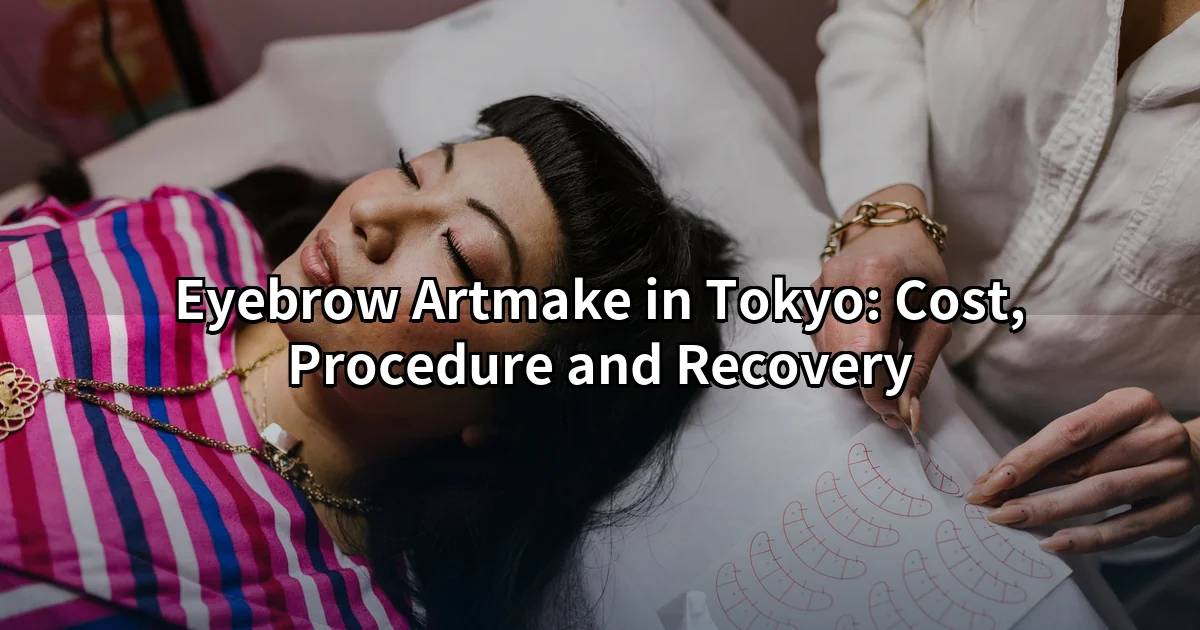
Hairline artmake uses a fine-needle device — either a manual tool or a digital machine — to deposit small amounts of pigment in a pattern that mimics the appearance of individual hair follicles or very fine hair strands at the scalp margin. The practitioner works stroke by stroke, calibrating the angle, pressure, and spacing of each mark to replicate the natural growth direction and density of existing hair in that area. When viewed at normal conversational distance, the resulting impression is of a denser, more defined, or lower-placed hairline.
There are two principal approaches. The first, sometimes called the hair-stroke technique, involves drawing very fine, hair-like lines that blend seamlessly into existing hair, and is suited to patients who wish to fill sparse or patchy areas at the temple or frontal hairline. The second is a shading or powdering technique, which creates a soft, diffuse gradient of pigment to simulate the look of light scalp shadowing behind and between hairs. Many practitioners combine both methods, using strokes at the outer edge of the design for a natural boundary and a subtle shade fill slightly further back to give the impression of volume.
Colour Matching and Design Planning
Before any needlework begins, the practitioner conducts a detailed design consultation. For hairline cases, this involves analysing the patient’s face shape, existing hairline irregularities, natural hair colour, and skin undertone. Pigment is custom-blended to match the patient’s hair colour as closely as possible; importantly, the practitioner must also account for the fact that pigment appears slightly darker immediately after application and will lighten during healing. A temporary outline is typically drawn on the skin with a cosmetic pencil and reviewed from multiple angles before proceeding.
The Session Experience
A topical anaesthetic cream is applied to the area for approximately 20–40 minutes before the procedure begins, which considerably reduces discomfort for most patients. The needling itself varies in sensation from person to person — most describe it as a mild scratching or vibrating pressure rather than sharp pain, though individual sensitivity differs. A single hairline artmake session typically takes 90–150 minutes depending on the size of the area being treated. Patients leave with a slightly reddened or tender scalp margin that generally settles within a few days.
Expected Results and Longevity
Immediately after the procedure, the pigment will appear noticeably darker and more defined than the intended final result. Over the following 7–14 days, the treated area forms a very fine surface layer (sometimes described as microflaking) that sheds naturally, revealing the true settled colour underneath — typically 20–40% lighter than the initial appearance. During this phase it is important not to scratch or pick at the area, as doing so can remove pigment unevenly and disrupt the final result.
A second session, usually scheduled 4–8 weeks after the first, is strongly recommended. The follow-up appointment allows the practitioner to assess how the skin has retained the pigment, identify any areas where colour has faded unevenly, and refine the hairline shape with greater precision. Because not all skin types retain artmake pigment equally well — drier skin tends to hold colour longer than oilier skin — the second session is where the result is truly completed rather than merely touched up.
Once fully healed, hairline artmake typically remains visible for approximately 1.5 to 4 years, depending on skin type, sun exposure, skincare product use, and lifestyle factors. Fading is gradual and even rather than sudden. Most patients choose to undergo a maintenance top-up session before the colour fades entirely, preserving continuity of the design. It is important to understand that no artmake practitioner can guarantee a specific duration of results for an individual patient, as retention is influenced by biological and environmental variables outside the practitioner’s control.
Dr. Karibe’s Note
A common question from our international patients at BIOTOPE CLINIC is whether the hairline design will look obviously artificial in natural light or when the hair is pulled back. What many overseas visitors find reassuring about artmake in a medically supervised setting is the emphasis on individual design planning — the practitioner works from the patient’s actual hair growth pattern and face geometry, not a template.
The goal is for the result to be indistinguishable from natural hair density, not to create a uniform or heavily drawn line. Patients are always shown the planned outline before any pigment is applied, and adjustments are made until they are completely comfortable.
Cost of Hairline Artmake in Tokyo
Hairline artmake involves a larger treatment area and greater technical complexity than other artmake zones such as the eyebrows, which is reflected in its pricing. In the Tokyo market, hairline artmake sessions are typically priced in the range of ¥100,000–¥250,000 per session. As two sessions are generally recommended to complete the result, patients should budget for the full two-session course when comparing options.
Price variation within this range reflects differences in the size of the area being treated (a full frontal hairline correction covering the temples requires more time than a small temple fill), the clinic’s overhead structure, and the qualifications and experience of the practitioner. At medically licensed clinics in Tokyo, the price typically includes the topical anaesthetic, pigment, and a defined aftercare plan.
The table below provides a comparative overview of artmake area pricing across the Tokyo market for context:
| Treatment Area | Typical Tokyo Market Range (per session) | Sessions Usually Recommended |
|---|---|---|
| Hairline (forehead / temples) | ¥100,000–¥250,000 | 2 |
| Eyebrows | ¥60,000–¥150,000 | 2 |
| Lips (full lip) | ¥80,000–¥180,000 | 2 |
| Eyeliner (upper) | ¥40,000–¥90,000 | 2 |
| Eyeliner (upper + lower) | ¥50,000–¥110,000 | 2 |
| Areola (reconstructive) | ¥60,000–¥180,000 | 1–2 |
| Artmake removal (laser or saline) | ¥30,000–¥80,000 | Multiple |
For an accurate quote, we recommend booking a consultation with BIOTOPE CLINIC via LINE or WhatsApp.
Have a question about this treatment?
Message us on LINE or WhatsApp — our English-speaking team usually replies the same day.
Healing and Aftercare
The First Two Weeks
The area along the treated hairline will appear slightly red and feel tender to the touch for the first 24–72 hours after the session. Very minor swelling along the frontal scalp margin is normal and typically resolves within a day or two. From around day 3 onwards, the surface of the treated skin begins to flake very finely — this is the natural shedding of the superficial skin layer that was treated, and it is important to allow this process to occur without interference. Scratching, rubbing, or picking at the area risks pulling out pigment and leaving uneven patches.
Products and Activities to Avoid
During the healing phase (approximately 10–14 days), patients are generally advised to keep the hairline area dry and to avoid direct water pressure — meaning that washing the hair should be done carefully, angling the spray away from the frontal hairline and patting the area gently rather than rubbing with a towel. Sunscreen should not be applied to the treated zone until full surface healing is complete, as some formulations may interact with fresh pigment. Saunas, steam rooms, swimming pools, and heavy exercise that produces significant sweating are also typically avoided for the first two weeks, as moisture and heat accelerate pigment fading in the early healing stage.
Long-Term Maintenance
Once fully healed, consistent daily use of SPF on the forehead and hairline is one of the most effective ways to slow pigment fading, as ultraviolet radiation degrades artmake pigment over time. Retinoic acid-based skincare products (retinoids) used on the forehead may accelerate fading and are generally best kept away from the treated zone or discontinued if longevity is a priority. Practitioners typically recommend a review consultation around the 4–8 week mark and a maintenance top-up session when significant fading becomes visible, usually after 1.5–2 years.
Who Is a Good Candidate for Hairline Artmake?
Hairline artmake can address a range of concerns. Suitable candidates typically include individuals with a naturally high or wide forehead who would like to create the optical impression of a lower hairline without surgery, those experiencing temple recession or diffuse hair thinning along the frontal hairline (for example, as a result of hormonal changes, traction alopecia, or post-partum shedding), and patients who have visible scarring along the hairline from prior surgical procedures such as a brow lift or forehead lift. In all these situations, artmake can meaningfully improve the visual balance of the face.
Candidates should be in general good health and have no active skin conditions — such as psoriasis, eczema, or folliculitis — in the treatment area at the time of the procedure. Pregnant and breastfeeding individuals are generally advised to postpone artmake. Patients taking anticoagulant medications (blood thinners) or isotretinoin (a vitamin A derivative used to treat acne) should inform their practitioner at the consultation stage, as these substances can affect skin healing and pigment retention. Individuals with a history of keloid scarring should also discuss this openly at consultation, as there is a theoretical risk of abnormal scar tissue formation at the needle entry points.
It is worth noting that hairline artmake creates an illusion of hair density rather than stimulating new hair growth. For patients with moderate to advanced hair loss, artmake can complement other treatments such as medical hair-loss therapy or surgical hair transplantation but is unlikely to be sufficient as a standalone intervention for significant alopecia.
Where to Get Hairline Artmake in Tokyo: Our Sister Clinic BIOTOPE
Within our clinic group, artmake is performed at BIOTOPE CLINIC in Shirokanedai (Minato-ku, Tokyo), directed by Dr. Jun Karibe (board-certified plastic surgeon). Our English-speaking team covers both clinics — Kojimachi Dermatology & Plastic Surgery Clinic in Ichigaya (Chiyoda-ku) and BIOTOPE CLINIC in Shirokanedai — and handles all English enquiries.
International patients and expatriates are welcome to reach out in English via LINE or WhatsApp to ask questions, request information about availability, or book a consultation without navigating a Japanese-language telephone system.
Shirokanedai is conveniently located on the Nanboku and Mita subway lines and is accessible from central Tokyo in approximately 15–25 minutes from major interchange stations. Patients travelling from Ichigaya, Shinjuku, Roppongi, or Hiroo will find the clinic straightforward to reach. The consultation at BIOTOPE includes a detailed assessment of the hairline area, colour analysis, design planning, and a clear explanation of what the procedure will and will not achieve for the individual patient’s anatomy and goals.
Common Misconceptions About Hairline Artmake
Misconception 1: “Artmake is the same as a regular tattoo and will look the same forever.”
This is one of the most frequent misunderstandings. While both artmake and decorative tattoos use needles to deposit pigment into the skin, there are meaningful differences in needle depth, pigment composition, and intended longevity. A conventional tattoo places pigment deep into the dermis, where the body’s immune cells cannot readily remove it, resulting in colour that persists for decades. Artmake deposits pigment at a much shallower level — primarily within the epidermis and superficial dermis — where it is gradually broken down and metabolised by the body over a period of years. The pigments used in artmake are also formulated to fade more cleanly and evenly than traditional tattoo inks. The result is a treatment that softens and lightens naturally over time rather than turning greenish or bluish as some older tattoo inks do.
Misconception 2: “The procedure will be painless because a numbing cream is applied.”
Topical anaesthetic creams significantly reduce discomfort for the large majority of patients, but they do not eliminate all sensation. The scalp along the hairline is generally considered a moderately sensitive area, and most patients describe feeling some degree of vibration, pressure, or mild stinging sensation during the procedure — particularly at the temples, which tend to be more sensitive than the frontal midline. Managing expectations honestly before the session helps patients prepare mentally and approach the experience with greater comfort. The sensation is typically tolerable, and practitioners pause periodically to allow patients to rest if needed.
Frequently Asked Questions
- Q. Can hairline artmake be used to create a significantly lower forehead — for example, by 1–2 centimetres?
- Hairline artmake works by adding the visual impression of fine hair strands or follicle shadows at the margins of the existing hairline, so it is most effective for subtle to moderate repositioning of the perceived hairline boundary. Creating the optical effect of a 1–2 cm lower hairline is feasible in many cases, particularly when the design is tapered naturally at the temples. However, the realistic outcome depends on individual hair density, skin tone contrast, and the existing hairline’s shape; these variables are assessed during the consultation rather than confirmed in advance.
- Q. Will the hairline artmake be visible when my hair is tied back or wet?
- This is one of the most important questions to discuss at the design consultation. A well-executed hairline artmake using a fine hair-stroke technique should be difficult to distinguish from natural hair follicles at normal viewing distances, even when the hair is pulled back. That said, in very close-range inspection under strong lighting, the pigment marks may be visible as distinct strokes rather than actual hair. The practitioner’s skill in feathering the density and spacing of strokes towards the outer boundary of the design is key to achieving a natural appearance in all hair positions.
- Q. Is there any downtime — do I need to take time off work?
- Most patients are able to return to desk-based or indoor work the day after the procedure, as the redness and swelling along the hairline are generally mild and can be partially concealed with the hair. Patients should avoid exercise, saunas, and sun exposure for approximately two weeks. If your work involves significant heat, humidity, or outdoor exposure, discussing the timing of the procedure with your practitioner in advance is advisable.
- Q. I had a previous hairline artmake procedure at another clinic that has faded unevenly. Can it be corrected or removed?
- Both correction and removal are possible, though each situation requires individual assessment. If the existing pigment has faded to a light, even tone, it may be possible to work over it and redesign the hairline in a single corrective session. If the remaining pigment is uneven, concentrated, or has changed colour significantly, partial or full removal using laser or saline techniques may be recommended before re-treatment. BIOTOPE CLINIC is able to assess existing artmake at the consultation and advise on the most appropriate approach. Removal sessions are typically priced in the Tokyo market range of ¥30,000–¥80,000 per session, with multiple sessions usually required.
- Q. Does BIOTOPE CLINIC offer consultations in English?
- Yes. The Kojimachi clinic group maintains an English-speaking intake team that handles enquiries and consultations for both Kojimachi Dermatology & Plastic Surgery Clinic and BIOTOPE CLINIC. Patients can contact the team directly via LINE or WhatsApp to ask questions or schedule a consultation at BIOTOPE in Shirokanedai without requiring Japanese language ability.
Summary
Hairline artmake is a medically supervised, semi-permanent cosmetic procedure that can meaningfully improve the appearance of a high, uneven, or sparse hairline without surgery. The technique uses fine pigment deposits to simulate the look of individual hair strands or follicle density at the scalp margin, creating a softer forehead or a fuller-looking hairline that is naturally integrated with existing hair. Results are realistic and gradual in fading, lasting approximately 1.5–4 years before a maintenance top-up is needed. Like all cosmetic procedures, outcomes vary between individuals, and a detailed consultation is essential before proceeding.
In the Tokyo market, hairline artmake is typically priced in the range of ¥100,000–¥250,000 per session, with two sessions generally recommended to complete the result. Because artmake is legally classified as a medical procedure in Japan, choosing a clinic staffed by licensed medical professionals — rather than a non-medical beauty salon — is an important safeguard for both safety and quality.
For English-speaking patients in Tokyo, the Kojimachi clinic group’s sister clinic, BIOTOPE CLINIC in Shirokanedai (Minato-ku), directed by Dr. Jun Karibe, offers hairline artmake with English-language support throughout. We invite you to reach out to our shared English-speaking team via LINE or WhatsApp to learn more or to book your consultation.
24/7 Consultation & Booking
Book a Consultation or Treatment
Our English-speaking team responds via LINE or WhatsApp — usually the same day.
References
- Kluger N, Koljonen V. Tattoos, inks, and cancer. Lancet Oncology. 2012;13(4):e161–e168.
- Serup J, Hutton Carlsen K, Sepehri M. Tattoo complaints and complications: diagnosis and clinical spectrum. Current Problems in Dermatology. 2017;52:48–60.
- Japan Ministry of Health, Labour and Welfare. Notification on the scope of practice for tattooing and cosmetic tattooing by non-medical personnel. 2020. (Administrative guidance document — text citation only.)
- Goldenberg A, Jacob SE. Topical anaesthetics in dermatology: mechanisms and clinical applications. Dermatitis. 2015;26(5):214–219.
- Nouri K, Jimenez GP, Harrison-Balestra C, Elgart GW. 585-nm pulsed dye laser in the treatment of surgical scars starting on the suture removal day. Dermatologic Surgery. 2003;29(1):65–73.
SUPERVISED BY
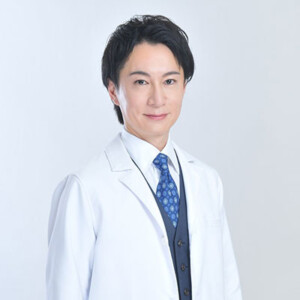
Dr. Jun Karibe
MD
Director
Education & Career
Certifications
Awards