Forehead Botox in Tokyo: What to Expect, How It Works, and What It Costs
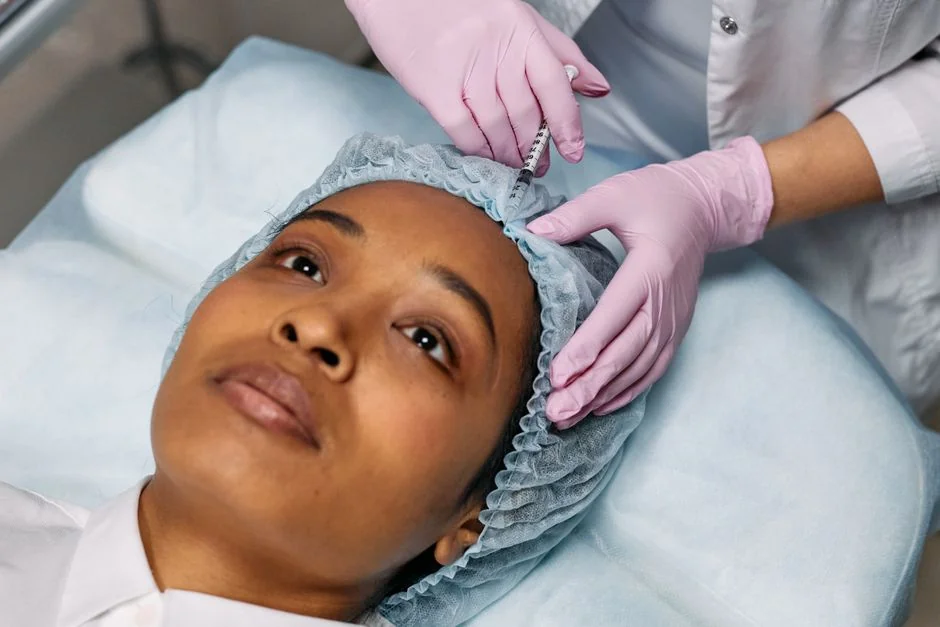
Horizontal forehead lines are one of the most common concerns among people seeking cosmetic consultations in Tokyo — and one of the most reliably addressed with a single, well-placed treatment.
If you have been researching forehead Botox and want clear, accurate information before booking a consultation in Japan, this guide covers everything you need to know.
What you’ll learn in this article:
- How forehead Botox works and which muscles are targeted
- What realistic results look like — and how long they last
- Current forehead Botox costs in Tokyo, with clinic-specific pricing
- What the procedure involves before, during, and after treatment
- Who is a suitable candidate and who should consider alternatives
Have a question about this treatment?
Message us on LINE or WhatsApp — our English-speaking team usually replies the same day.
What Is Forehead Botox?
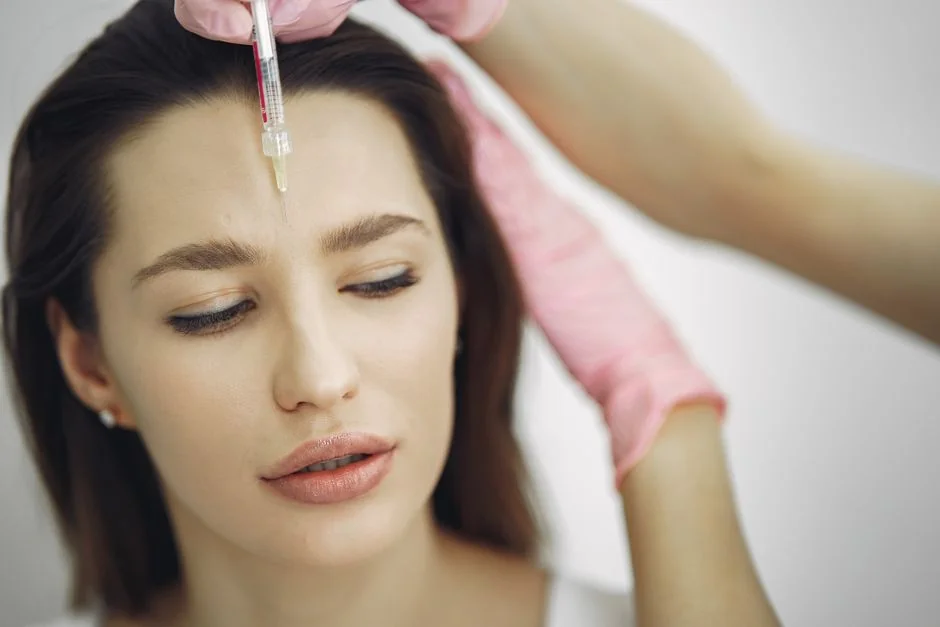
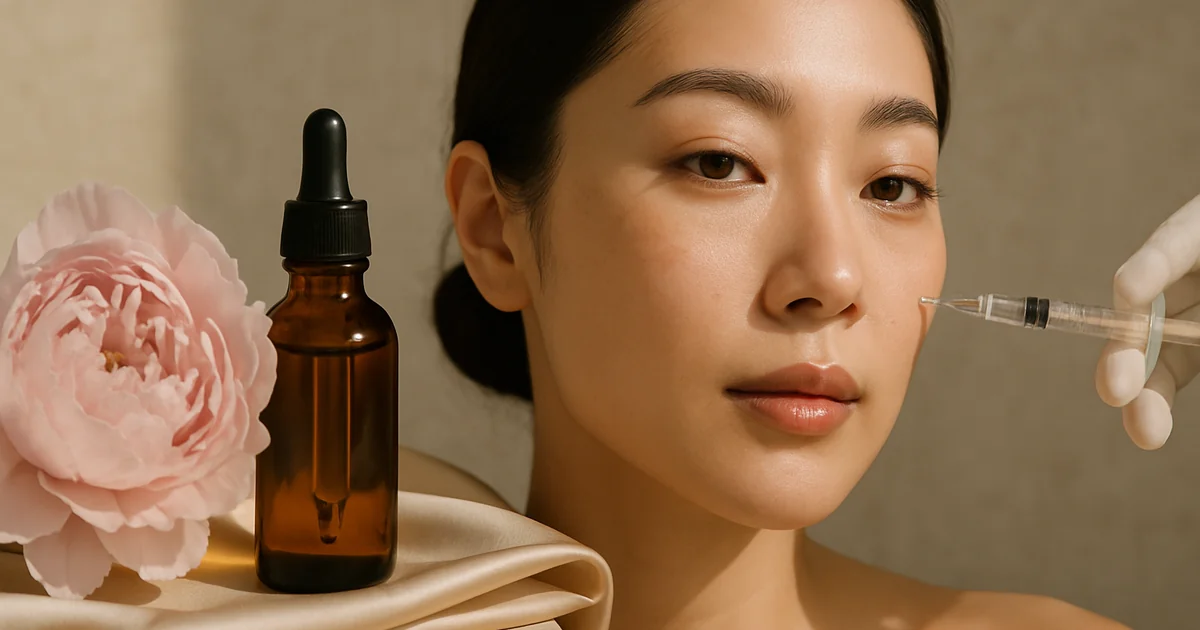
Botox (botulinum toxin type A) is a purified protein that temporarily relaxes targeted muscles by blocking the nerve signals that cause them to contract.
When injected into the frontalis muscle — the broad, flat muscle running across the forehead — it reduces the repeated upward pulling motion responsible for horizontal forehead lines.
Forehead lines form in two stages. Dynamic lines appear only when the muscle contracts (raising the eyebrows, for example). Over time, repeated movement causes permanent creasing even at rest, known as static lines.
Botox is most effective at preventing and softening dynamic lines; deeply set static lines may benefit from a combination approach, such as adding hyaluronic acid filler alongside Botox.
Which muscles are involved?
The frontalis is the primary target for forehead treatment.
However, it does not work in isolation. It sits in a functional balance with the brow depressor muscles — the corrugator supercilii and procerus, which pull the brow downward. Injecting the frontalis without accounting for this balance is a common cause of brow heaviness or a drooping appearance after treatment.
An experienced injector carefully calibrates dose and injection points to preserve natural brow position and facial expression.
How Forehead Botox Works: The Treatment Process
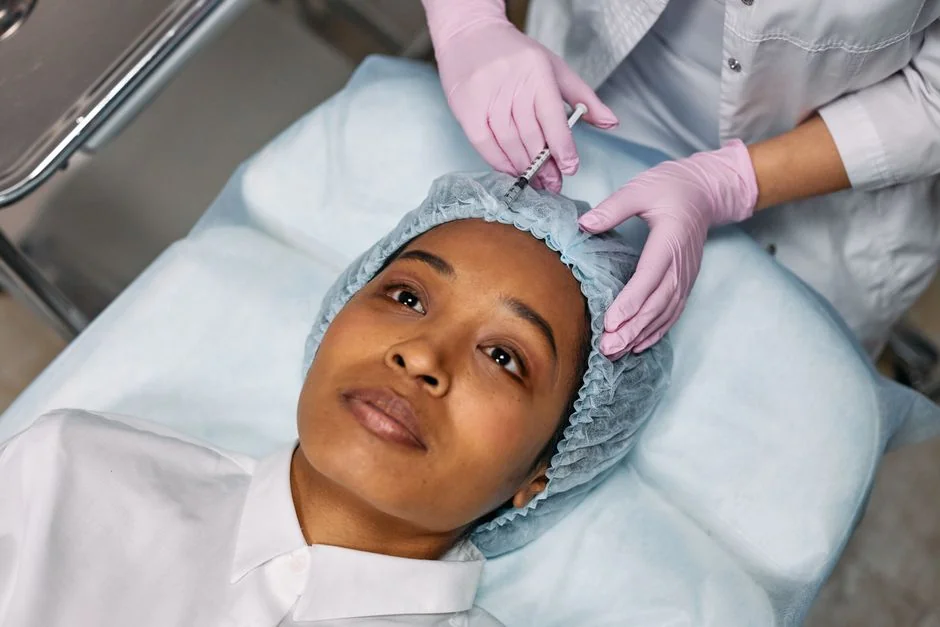
A forehead Botox session is brief — typically 15 to 30 minutes in total, including consultation review and aftercare instructions. The injector maps injection points across the forehead based on the patient’s muscle anatomy and the degree of movement observed during dynamic assessment (asking the patient to raise and furrow the brow).
A fine-gauge needle is used to deposit small amounts of toxin at several points along the frontalis. Most patients describe the sensation as a mild pinch. Topical anaesthetic cream is available for those with lower pain tolerance, though many patients find it unnecessary for this area.
Onset and duration of results
Results are not immediate. The toxin begins taking effect within three to five days, with full effect typically visible by day ten to fourteen. Clinical studies suggest that a single treatment session maintains effect for approximately three to four months in most patients, with some individuals — particularly those who have been receiving regular treatments for several years — experiencing longer intervals between sessions as the treated muscle gradually becomes less active over time.
Dr. Karibe’s Note
Many of our international patients at BIOTOPE CLINIC are surprised to find that the forehead and the glabellar area (the frown lines between the brows) are almost always assessed and treated together in the same session. Treating the frontalis alone without considering the brow depressors increases the risk of brow heaviness — a frequent cause of dissatisfaction I see in patients who have had forehead Botox elsewhere. A combined assessment of the upper face as a whole tends to produce far more natural and balanced results.
Common Misconceptions About Forehead Botox
Misconception 1: “More units means better results.” Forehead Botox is not a case where higher doses produce superior outcomes. Over-treating the frontalis suppresses the muscle too completely, causing brow heaviness and a tired or drooping appearance. The goal is measured relaxation — sufficient to soften lines while preserving natural movement and brow position. A skilled injector uses the minimum effective dose.
Misconception 2: “If I start now, I’ll become dependent and need it forever.” Botox does not create physical dependence. Forehead muscle activity gradually returns to its pre-treatment baseline once the toxin wears off. Many patients choose to continue treatments because they are satisfied with the results; the choice to stop at any point is straightforward. Clinical reports also indicate that consistent long-term use can slow the progressive deepening of lines over time — a preventive benefit rather than a dependency.
Forehead Botox Cost in Tokyo
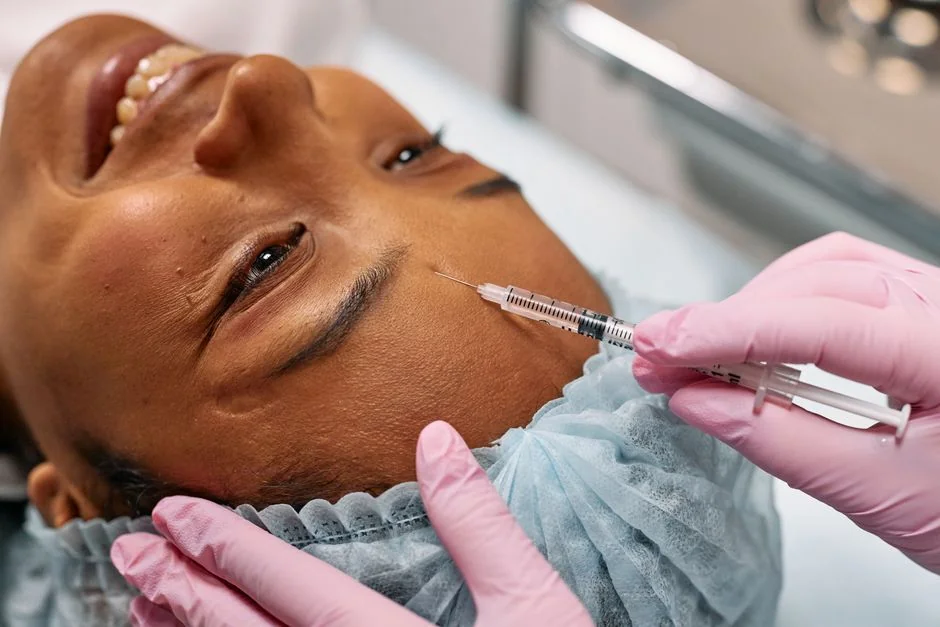
The cost of forehead Botox in Tokyo varies depending on the brand of toxin used, the number of units injected, and the clinic’s pricing model. At BIOTOPE CLINIC in Shirokanedai, forehead Botox is priced as follows:
| Product | Price Range | Notes |
|---|---|---|
| Botox (Allergan/AbbVie) | ¥22,000 – ¥148,000 | The original reference brand; widely used in Japan and internationally |
| Botox (Korean brand) | ¥9,900 – ¥45,000 | Approved alternatives; comparable mechanism, lower price point |
| Micro-Botox | ¥22,000 – ¥33,000 | Intradermal technique for skin texture and pore refinement; different application from standard muscle relaxation |
For a standard forehead treatment, most patients fall within the lower-to-mid range of these figures. The exact cost depends on the number of units required, which varies based on individual muscle mass and the strength of frontalis activity. Initial consultation is ¥5500; a surgical consultation with Dr. Karibe directly is ¥3300.
Forehead Botox is not covered by Japanese public health insurance. It is a cosmetic procedure and is billed privately in full. For an accurate quote, we recommend booking a consultation.
Have a question about this treatment?
Message us on LINE or WhatsApp — our English-speaking team usually replies the same day.
What to Expect: Before, During, and After Treatment
Before your appointment
Patients are advised to avoid blood-thinning medications and supplements — including aspirin, ibuprofen, fish oil, and vitamin E — for approximately one week before treatment, where clinically appropriate to do so, to minimise bruising risk. Alcohol should be avoided for 24 hours before the session. Inform your doctor of any prescription medications, previous Botox treatments, and any history of neuromuscular conditions.
During the procedure
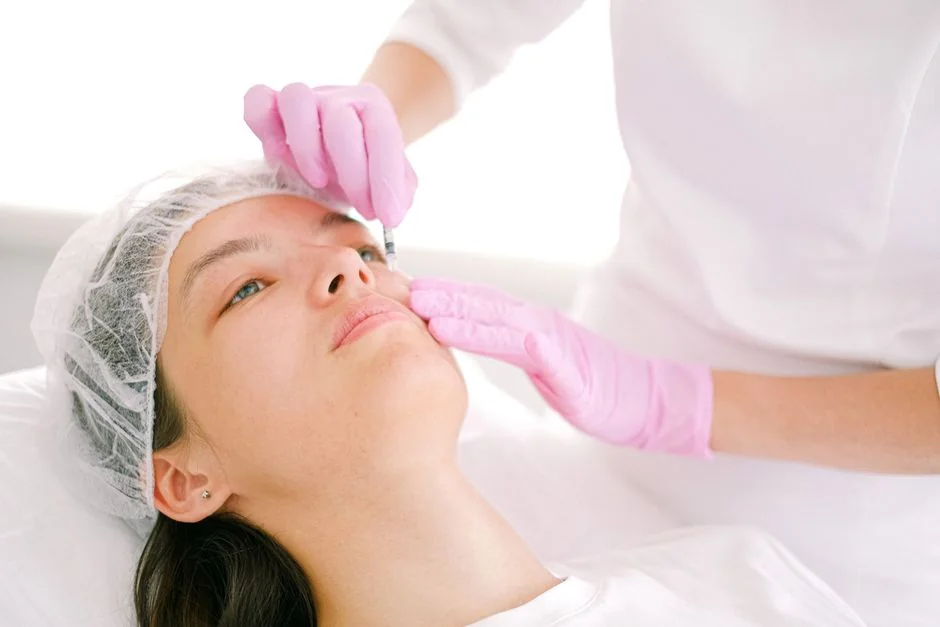
The injector will assess your forehead movement dynamically before marking injection sites. The actual injection takes only a few minutes. A small amount of redness or swelling at the needle entry points is normal immediately afterward and typically settles within 30 to 60 minutes.
After treatment and recovery
There is no structured downtime after forehead Botox. Most patients return to work and normal daily activities immediately. For the first four hours after injection, patients are advised to remain upright (avoid lying flat), avoid vigorous exercise, heat exposure, and facial massage of the treated area. These precautions reduce the small risk of toxin migration to adjacent muscle groups.
A follow-up review at day 10–14 is recommended, particularly for new patients, to assess the outcome and determine whether a minor touch-up is appropriate. In Dr. Karibe’s clinical experience at BIOTOPE CLINIC, most patients are satisfied with the initial result; minor dose adjustments in the first session allow for a more personalised baseline for future treatments.
Who Is a Good Candidate for Forehead Botox?
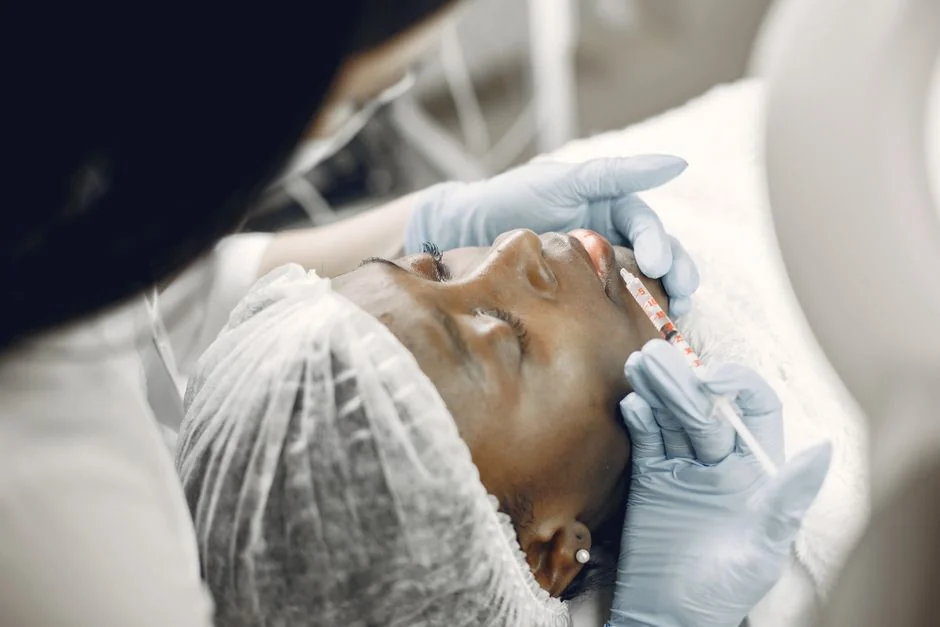
Forehead Botox is suitable for adults of any gender who have visible dynamic forehead lines that concern them, as well as those who wish to take a preventive approach before static (resting) lines become established. It is generally well tolerated across a wide age range.
Who should approach with caution or consider alternatives
- Patients with significant brow ptosis (drooping): If the brows already sit below the brow bone at rest, relaxing the frontalis further may worsen the heaviness. A brow lift or ptosis assessment may be more appropriate. BIOTOPE CLINIC offers ptosis correction surgery as part of Dr. Karibe’s surgical practice — feel free to ask about this during a consultation.
- Pregnant or breastfeeding individuals: Botox is contraindicated during pregnancy and breastfeeding.
- Those with neuromuscular conditions: Conditions such as myasthenia gravis or Lambert-Eaton syndrome are contraindications; always disclose your full medical history.
- Patients with deeply set static lines only: If forehead lines are deeply etched and visible at rest without any muscle movement, Botox alone may produce limited improvement. A combination with hyaluronic acid filler — available at BIOTOPE CLINIC — may be discussed during consultation.
Frequently Asked Questions
- Q. How many units of Botox does a forehead treatment require?
- The number of units varies considerably by individual — factors include muscle mass, the strength of frontalis activity, and whether adjacent areas such as the glabellar (frown lines) or brow area are being treated simultaneously. A thorough assessment at consultation will determine the appropriate amount. Discussing unit counts without first examining the patient is not clinically meaningful.
- Q. Will forehead Botox make me look expressionless or “frozen”?
- This outcome is associated with over-treatment rather than the procedure itself. When dosed appropriately and placed carefully, forehead Botox softens lines while preserving the ability to raise the brows and convey natural expression. The goal is a refreshed appearance, not immobility. This is one of the reasons that choosing an experienced, medically qualified injector matters significantly.
- Q. Can I combine forehead Botox with other treatments on the same day?
- In many cases, yes. Botox can be combined with hyaluronic acid filler or skin-quality treatments such as HIFU on the same visit, though the sequencing and suitability of combinations are assessed individually. Your doctor will advise whether same-day combination treatment is appropriate for your specific situation.
- Q. Is it possible to receive forehead Botox if I have had it done at another clinic?
- Yes. Patients transferring from other providers are welcome. At consultation, Dr. Karibe will assess your current muscle activity, the time elapsed since your last treatment, and your goals before recommending a plan. Bringing any records or photos from previous treatments is helpful but not mandatory.
- Q. Does forehead Botox hurt?
- Most patients describe the sensation as a brief, mild sting at each injection point. The forehead is generally well tolerated without anaesthetic. Topical numbing cream can be applied beforehand for patients who prefer it — just inform the clinic when booking so that preparation time can be accommodated.
Have a question about this treatment?
Message us on LINE or WhatsApp — our English-speaking team usually replies the same day.
Where to Get Forehead Botox in Tokyo (English-Speaking Consultation)
Within our clinic group, English-speaking consultations are handled at BIOTOPE CLINIC in Shirokanedai (Minato-ku, Tokyo) by Dr. Jun Karibe, a board-certified plastic surgeon certified by the Japan Society of Plastic and Reconstructive Surgery. Our sister clinic, Kojimachi Dermatology & Plastic Surgery Clinic in Ichigaya (Chiyoda-ku), serves as the group’s main office and handles Japanese-language insurance-covered dermatology. Bookings and enquiries in English: LINE or WhatsApp.
At BIOTOPE CLINIC in Shirokanedai, the team frequently sees English-speaking expatriates and international visitors who want forehead Botox performed by a qualified medical doctor — not a nurse or aesthetician — in a clinic where the full consultation, treatment discussion, and aftercare guidance can take place in English. Both the clinical and administrative teams at BIOTOPE are equipped to support international patients throughout the process.
Summary
Forehead Botox is a well-established, minimally invasive treatment for horizontal forehead lines caused by frontalis muscle activity. When performed by an experienced injector who accounts for the balance of the upper face — including brow depressor muscles — results are natural-looking, require no downtime, and typically last three to four months. Costs at BIOTOPE CLINIC in Shirokanedai range from approximately ¥9,900 to ¥148,000 depending on product and volume, with most standard forehead treatments falling in the mid-range of those figures.
Good candidates are adults with dynamic or early static forehead lines who are in general good health and have realistic expectations about the degree and duration of improvement. Patients with significant brow drooping or deeply set resting lines may benefit from a combined approach or an alternative treatment, which can be discussed openly at consultation.
If you have questions about forehead Botox, English-speaking consultations are handled at BIOTOPE CLINIC in Shirokanedai (Minato-ku, Tokyo) by Dr. Karibe. Our sister clinic, Kojimachi Dermatology & Plastic Surgery Clinic in Ichigaya (Chiyoda-ku), handles Japanese-language insurance dermatology. English enquiries: LINE or WhatsApp.
24/7 Consultation & Booking
Book a Consultation or Treatment
Our English-speaking team responds via LINE or WhatsApp — usually the same day.
References
- Carruthers A, Carruthers J. Botulinum toxin type A: history and current cosmetic use in the upper face. Seminars in Cutaneous Medicine and Surgery. 2001.
- Rzany B, Dill-Müller D, Grablowitz D, Heckmann M, Caird D. Repeated botulinum toxin A injections for the treatment of lines in the upper face: a retrospective study of 4,103 treatments in 945 patients. Dermatologic Surgery. 2007.
- Brin MF, Boodhoo TI, Pogoda JM, et al. Safety and tolerability of onabotulinumtoxinA in the treatment of facial lines: a meta-analysis of individual patient data from global clinical registration studies in 1678 participants. Journal of the American Academy of Dermatology. 2009.
- Gart MS, Gutowski KA. Overview of botulinum toxins for aesthetic uses. Clinics in Plastic Surgery. 2016.
- Sundaram H, Signorini M, Liew S, et al. Global aesthetics consensus: botulinum toxin type A — evidence-based review, emerging concepts, and consensus recommendations for aesthetic use. Plastic and Reconstructive Surgery. 2016.
Related Articles
You may also find these articles useful.
- Forehead Botox Tokyo: Cost, Results & What to Expect
- Volnewmer for Men Tokyo: Jawline & Forehead Tightening
- Jawline Slimming Botox Tokyo: Cost, Results & Clinic Guide
- Botox for Crow’s Feet Tokyo: Cost, Results & Safety
SUPERVISED BY
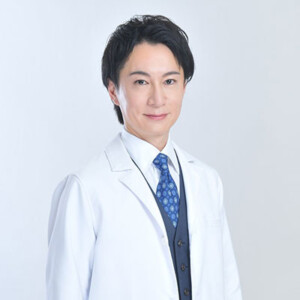
Dr. Jun Karibe
MD
Director
Education & Career
Certifications
Awards
MEDICAL REVIEW