Finding an English-Speaking Plastic Surgeon in Tokyo: What You Need to Know Before Your Consultation
Navigating medical care in a foreign country is rarely straightforward, and when cosmetic or reconstructive surgery is involved, the stakes feel even higher.
Whether you are an expatriate living in Tokyo, a medical tourist visiting Japan, or simply someone who feels more confident discussing complex surgical matters in English, finding a qualified plastic surgeon who can communicate clearly with you is a reasonable and important priority.
This article explains what to look for when choosing an English-speaking plastic surgeon in Tokyo, what credentials matter, which procedures are most commonly requested by international patients, what realistic costs look like, and how to prepare for your first consultation.
What you’ll learn in this article:
- What qualifications a board-certified plastic surgeon in Japan should hold
- Which cosmetic and reconstructive procedures are available to international patients in Tokyo
- Realistic cost ranges for common procedures at a Tokyo clinic
- What to expect before, during, and after surgery
- Answers to frequently asked questions from English-speaking patients
Have a question about this treatment?
Message us on LINE or WhatsApp — our English-speaking team usually replies the same day.
What Qualifications Should an English-Speaking Plastic Surgeon in Tokyo Have?
In Japan, the title “plastic surgeon” (形成外科医) is regulated, and board certification is granted by the Japan Society of Plastic and Reconstructive Surgery (日本形成外科学会). Surgeons must complete a minimum of six years of postgraduate training and pass both written and practical examinations before receiving certification.
This is broadly comparable to board certification processes in the United States, the United Kingdom, and other countries with rigorous surgical training standards.
When evaluating any clinic, it is worth confirming that the operating surgeon — not simply a clinic brand — holds this recognised certification. A board-certified plastic surgeon has been assessed on wound healing, reconstructive techniques, and surgical safety, not merely cosmetic procedures.
Why English-language communication matters in a surgical setting
Surgery involves informed consent, pre-operative assessment, post-operative instructions, and the management of rare but possible complications. Misunderstandings at any of these stages carry real risk.
Studies in medical communication suggest that patients who fully understand their surgeon’s explanations report significantly higher satisfaction and are better able to follow post-operative care instructions accurately — outcomes that are directly relevant to recovery.
At our Biotope Clinic in Tokyo, we frequently see patients who have previously visited clinics where staff spoke limited English and felt uncertain about what had actually been agreed before their procedure. A consultation conducted clearly, in the patient’s own language, is not a luxury — it is part of safe medical care.
Dr. Karibe’s Note
Many of our international patients are surprised to find that a surgical consultation in Japan can be as thorough and unhurried as they would expect at home.
A common question I receive is whether Japanese clinics are willing to discuss a patient’s concerns in detail before committing to anything.
The answer is yes — at a properly run clinic, no reputable surgeon should pressure you to proceed. A consultation is a two-way conversation, and our team is experienced in discussing concerns, risks, and realistic expectations with English-speaking patients from a wide range of cultural backgrounds.
Common Plastic Surgery and Cosmetic Procedures Available in Tokyo
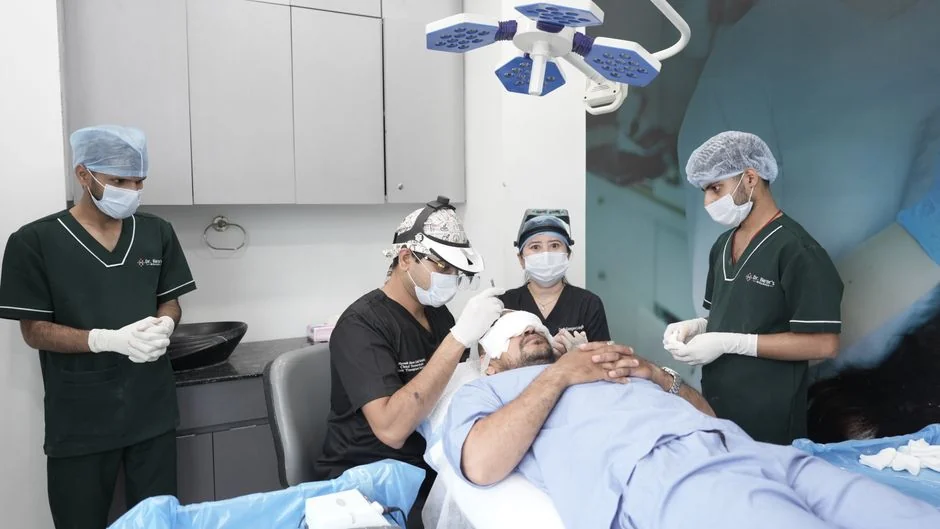
International patients typically seek procedures that fall into two broad categories: surgical procedures (requiring anaesthesia and recovery time) and non-surgical aesthetic treatments (minimal downtime, often performed in a clinic setting without general anaesthesia).
Surgical procedures
The most frequently requested surgical procedures among international patients in Tokyo include eyelid surgery, mole and cyst removal, and scar revision. Double eyelid surgery (creating a defined upper eyelid crease) and transconjunctival blepharoplasty (a technique for removing excess fat from beneath the lower eyelids through an incision on the inner surface, leaving no visible external scar) are both available at BIOTOPE CLINIC or Kojimachi Dermatology & Plastic Surgery Clinic.
Ptosis correction — surgery to address drooping of the upper eyelid caused by weakened lifting muscle — is another procedure the clinic offers for patients where the condition affects vision or appearance.
Other surgical options include mole removal, cyst excision, scar revision, and ingrown nail correction. These are straightforward procedures that can often be completed in a single visit under local anaesthesia.
Non-surgical cosmetic treatments
Non-surgical treatments have expanded significantly over the past decade and now cover a wide range of concerns.
Commonly requested options include Botox injections (botulinum toxin, used to soften expression lines and address jawline tension), hyaluronic acid filler (to restore volume in areas such as the cheeks, lips, or under-eye hollows), HIFU (High-Intensity Focused Ultrasound — a device-based treatment that delivers focused energy to deeper skin layers to stimulate collagen and improve skin liftingwithout surgery), and Morpheus8 (radiofrequency microneedling, which combines fine needles with radiofrequency energy to remodel skin texture and tighten).
The clinic also offers PicoWay laser treatments for pigmentation concerns and tattoo removal, and CO2 fractional laser for acne scars and enlarged pores.
Realistic Cost Ranges for Plastic Surgery in Tokyo
Japan is not the least expensive destination for cosmetic procedures, but costs are generally more transparent and more consistent than in some other countries in the region. Below is a summary of representative price ranges at BIOTOPE CLINIC or Kojimachi Dermatology & Plastic Surgery Clinic, to help with realistic planning.
| Procedure / Treatment | Approximate Price Range (JPY) | Notes |
|---|---|---|
| Initial consultation | ¥3,300 | Surgical consultation with Dr. Karibe ¥2,200 |
| Botox (Allergan brand) | ¥22,000 – ¥148,000 | Varies by area and number of units |
| Hyaluronic acid filler | ¥66,000 – ¥88,000 per syringe | Multiple syringes may be recommended |
| HIFU (skin lifting) | ¥25,000 – ¥110,000 | Non-surgical; no downtime |
| CO2 fractional laser | ¥11,000 – ¥66,000 | For acne scars, pores; some downtime |
| Double eyelid surgery (suture, 2-point) | ¥66,000 – ¥110,000 | Anaesthesia and blood work fees additional |
| Double eyelid surgery (suture, 6-point) | ¥181,500 – ¥341,000 | Anaesthesia and blood work fees additional |
| Transconjunctival blepharoplasty | ¥280,000 – ¥428,000 | Anaesthesia (¥2,200–¥77,000) + pre-op blood work (¥11,000) extra |
| Rhinoplasty with cartilage graft | ¥572,000 | Anaesthesia and blood work fees additional |
| Thread lift (Tesslift, per thread) | ¥48,000 per thread | Number of threads varies by individual |
| Morpheus8 / Dermapen | ¥9,800 – ¥220,000 | Varies by treatment area and protocol |
All surgical procedures require additional fees for anaesthesia (¥2,200–¥77,000 depending on type and duration) and pre-operative blood work (¥11,000). For an accurate quote, we recommend booking a consultation.
Have a question about this treatment?
Message us on LINE or WhatsApp — our English-speaking team usually replies the same day.
What to Expect: Before, During, and After a Procedure
Before your procedure
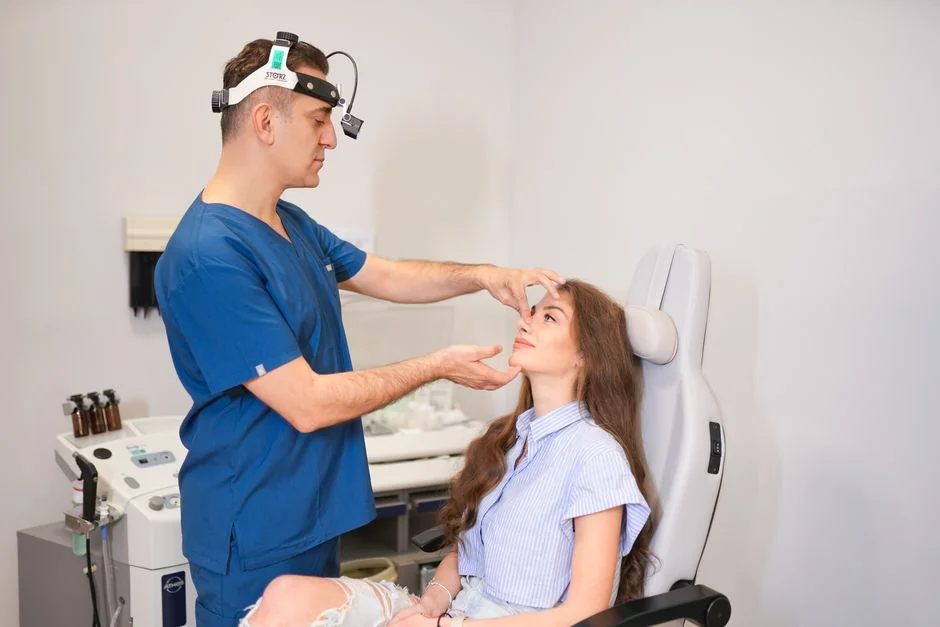
The first step is an initial consultation, during which the surgeon will review your medical history, discuss your goals, explain the available options, and outline realistic outcomes.
For surgical procedures, pre-operative blood tests are required to assess general health and clotting function. Patients taking blood-thinning medications — including aspirin, ibuprofen, and some supplements such as fish oil or vitamin E — are typically asked to pause these for a specified period before surgery.
Smokers are generally advised to stop smoking for several weeks before and after surgical procedures, as nicotine significantly impairs wound healing. Clinical reports indicate that smoking is associated with a substantially increased rate of post-operative complications in plastic surgery, including delayed healing and higher rates of infection.
During the procedure
Minor surgical procedures such as mole removal or cyst excision are performed under local anaesthesia, meaning only the treatment area is numbed. Eyelid surgery and more involved facial procedures may be performed under local anaesthesia with sedation or, in some cases, general anaesthesia, depending on complexity and patient preference.
Non-surgical treatments such as Botox, fillers, HIFU, and laser procedures are carried out in a clinic treatment room without the need for a surgical suite, and most patients return to normal activity on the same day or within a few days.
After your procedure
Post-operative care instructions will be provided in writing. For surgical procedures, a follow-up appointment is typically scheduled to assess healing and remove sutures if necessary. Patients are advised to keep the treated area clean, avoid direct sun exposure during healing, and report any unexpected symptoms promptly.
Common Misconceptions About Plastic Surgery in Japan
Misconception 1: “Japanese clinics only offer procedures suited to Asian facial features.”
This is a widespread assumption among international patients, but it is not accurate. Board-certified plastic surgeons in Japan are trained across the full range of reconstructive and cosmetic procedures and are accustomed to treating patients from diverse ethnic backgrounds. Concerns such as under-eye hollows, brow ptosis (drooping brow), rhinoplasty, scar revision, and skin texture treatment are not ethnicity-specific and are frequently performed on patients of European, South Asian, Middle Eastern, and other backgrounds in Tokyo clinics that see international patients.
Misconception 2: “Cosmetic clinics in Japan are unregulated.”
Japan has a well-established medical regulatory framework. Physicians must be licensed by the Ministry of Health, Labour and Welfare (厚生労働省), and board-certified specialists must meet the requirements of their respective professional societies. That said, as in any country, not every clinic that offers cosmetic treatments is staffed by board-certified plastic surgeons.
It is always worth verifying the specific qualifications of the surgeon who will perform your procedure — not simply the clinic’s general reputation or marketing.
Who Is a Good Candidate for Cosmetic Plastic Surgery?
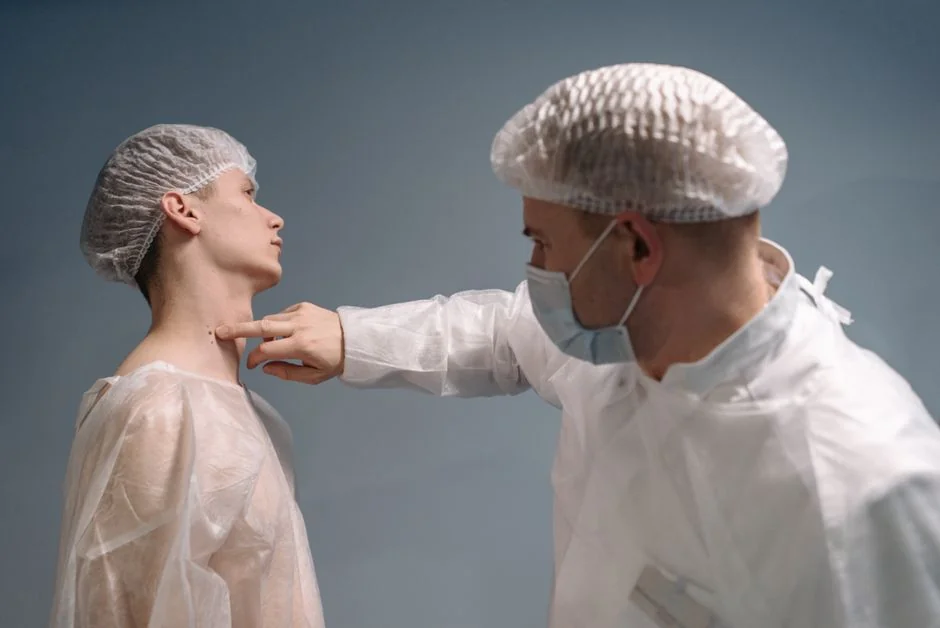
Good candidates for cosmetic procedures are generally individuals who are in reasonable general health, have realistic expectations about outcomes, and are seeking improvement rather than perfection.
Studies suggest that patient satisfaction in aesthetic surgery is strongly correlated with how well pre-operative expectations align with actual post-operative results — making an honest consultation the most important part of the process.
Patients with certain medical conditions — including autoimmune disorders, bleeding disorders, active infections, or poorly controlled diabetes — may need additional clearance from their GP or specialist before any elective procedure. Pregnancy is a contraindication for most cosmetic treatments and all elective surgery.
Patients who are primarily motivated by external pressure rather than personal desire, or who have unrealistic expectations that cannot be addressed through consultation, may be advised to defer treatment.
In our clinical experience at BIOTOPE CLINIC or Kojimachi Dermatology & Plastic Surgery Clinic, international patients who prepare well for their consultation — bringing photographs of their concerns, a list of current medications, and a clear sense of what outcome they are hoping for — tend to find the process far more productive and far less stressful.
Frequently Asked Questions
- Q. Do I need to speak Japanese to receive treatment at a cosmetic clinic in Tokyo?
- Not at all clinics. BIOTOPE CLINIC or Kojimachi Dermatology & Plastic Surgery Clinic in Tokyo offers consultations in English, and our team is experienced in supporting English-speaking patients through every stage of their treatment — from the initial enquiry to post-procedure follow-up. It is always advisable to confirm English language availability with any clinic before booking.
- Q. How do I verify that a plastic surgeon in Japan is properly qualified?
- You can ask the clinic directly whether the surgeon holds board certification from the Japan Society of Plastic and Reconstructive Surgery (日本形成外科学会). Surgeons may also hold certification from the Japanese Society of Aesthetic Plastic Surgery. Do not hesitate to ask — a reputable clinic will always be transparent about their surgeons’ credentials.
- Q. Is it possible to have a consultation and a procedure on the same visit to Tokyo?
- For minor non-surgical treatments such as Botox or laser therapy, same-day treatment following a consultation is sometimes possible, depending on clinical assessment. For surgical procedures, a separate consultation appointment is strongly recommended to allow time for pre-operative assessment, blood work, and informed decision-making. Rushing into surgery without adequate preparation is inadvisable regardless of how limited your time in Tokyo may be.
- Q. Will my results look “natural” or will it be obvious I have had work done?
- This depends heavily on the procedure chosen, the technique used, and the individual patient’s anatomy. A well-performed procedure by an experienced surgeon — whether surgical or non-surgical — typically aims for a result that appears refreshed rather than dramatically altered. Discussing this goal explicitly during your consultation, including sharing reference images if helpful, allows the surgeon to tailor their approach accordingly.
- Q. Are cosmetic procedures covered by Japanese health insurance?
- The majority of cosmetic procedures are not covered by Japanese national health insurance (NHI), as they are classified as elective aesthetic treatments. However, certain medically indicated procedures — such as ptosis correction that impairs vision, or treatment of skin conditions — may qualify for partial coverage. Your surgeon will clarify the insurance status of any recommended treatment at consultation.
Have a question about this treatment?
Message us on LINE or WhatsApp — our English-speaking team usually replies the same day.
Summary
Finding a qualified, English-speaking plastic surgeon in Tokyo is entirely achievable, provided you know what credentials to look for and what questions to ask.
Japan’s medical regulatory framework is robust, and board-certified plastic surgeons in Tokyo are trained to international standards. The most important step any prospective patient can take is to book a proper consultation — with a surgeon who holds recognised qualifications and who is prepared to communicate clearly about your goals, the realistic scope of any treatment, and the risks involved.
Whether you are considering a surgical procedure such as eyelid surgery or scar revision, or a non-surgical treatment such as HIFU, Botox, or laser therapy, the quality of the conversation you have before any treatment begins is the strongest indicator of a satisfactory outcome.
If you have questions about finding an English-speaking plastic surgeon in Tokyo, our team at BIOTOPE CLINIC or Kojimachi Dermatology & Plastic Surgery Clinic in Tokyo would be happy to help. We offer consultations in English.
24/7 Consultation & Booking
Book a Consultation or Treatment
Our English-speaking team responds via LINE or WhatsApp — usually the same day.
References
- Pusic AL, Klassen AF, Scott AM, Cano SJ. Development of a new patient-reported outcome measure for breast surgery: the BREAST-Q. Plastic and Reconstructive Surgery. 2009.
- Behn AW, Sizeland A, Mahon J, Burnand BH, Williamson JA. Informed consent and communication in plastic surgery: a systematic review. ANZ Journal of Surgery. 2014.
- Kaplan J, Rohrich R. Smoking and plastic surgery: a review of the evidence and clinical implications. Plastic and Reconstructive Surgery Global Open. 2016.
- Pusic AL, Cano SJ, Ross SA, et al. Measuring outcomes in aesthetic surgery: a comprehensive review of the literature. Plastic and Reconstructive Surgery. 2004.
- Mitsui H, Iida T, Nozawa M. Overview of the plastic surgery specialty certification system in Japan. Journal of Plastic, Reconstructive and Aesthetic Surgery. 2018.
Related Articles
You may also find these articles useful.
- English Speaking Dermatologist Tokyo: Complete Guide
- Looking for an English-Speaking Dermatology and Aesthetic Clinic in Tokyo?
- Anti-Aging Treatments Tokyo: Complete Guide for Expats
SUPERVISED BY
Dr. Jun Karibe
MD
Director
Education & Career
Certifications
Awards
MEDICAL REVIEW