Artmake Tokyo: Microblading vs Tattoo, Cost, Results & Medical Safety Guide
Looking for Artmake in Tokyo?
If you are searching for Artmake in Tokyo, you may already have seen several related terms online: artmake, microblading, semi-permanent makeup, and cosmetic tattoo.
At first, these treatments may sound similar. However, they are not exactly the same.
The differences matter.
They affect:
- How natural the result looks
- How long the pigment lasts
- How the skin heals
- How easy removal may be
- Whether the procedure is medically supervised
- How safe the treatment is
For international patients living in or visiting Japan, understanding these differences is especially important. In Japan, artmake is legally treated as a medical procedure, which means it must be performed by, or under the supervision of, a licensed physician.
This medical framework is one reason many expatriates and medical tourists choose BIOTOPE CLINIC, Artmake in Tokyo. When performed properly, artmake can create natural-looking eyebrows, eyeliner, lips, hairline definition, or areola reconstruction with high safety standards and careful design planning.
At BIOTOPE CLINIC in Tokyo, international patients can discuss artmake options in English and receive a personalized design consultation before treatment begins.
In this guide, you will learn:
- What artmake is
- How artmake differs from microblading and tattoo
- Which areas can be treated
- How long results last
- What artmake costs in Tokyo
- What healing and aftercare involve
- Who is a good candidate
- Why medical supervision matters
What Is Artmake?
Artmake is the Japanese term for semi-permanent cosmetic pigmentation.
It involves placing pigment into the skin using a fine needle, digital machine, or manual blade technique. The goal is to enhance natural features such as the eyebrows, eyeliner, lips, or hairline.
Unlike a traditional tattoo, artmake places pigment more superficially in the skin.
As a result, the colour gradually fades over time.
Most artmake results last approximately:
1–3 years
depending on the treatment area, pigment type, skin type, lifestyle, and aftercare.
Because the pigment fades gradually, patients can update the shape and colour as their face, hair colour, and aesthetic preferences change.
Why Is Artmake Popular in Tokyo?
Artmake has become increasingly popular in Tokyo among both Japanese and international patients.
There are several reasons.
It Saves Time Every Day
Many patients choose eyebrow or eyeliner artmake because they want to reduce the time spent applying makeup every morning.
This is especially helpful for people with busy schedules, frequent travel, or active lifestyles.
It Creates a Natural Look
Modern artmake no longer means harsh, dark, unnatural lines.
Today’s techniques can create:
- Soft powder brows
- Natural hair strokes
- Defined but subtle eyeliner
- Blushed lips
- Natural hairline correction
When performed well, the result should enhance your features rather than overpower them.
It Is Semi-Permanent
Because artmake fades gradually, it offers flexibility.
This is a major advantage compared with conventional tattooing, which can last for decades and may require multiple laser sessions for removal.
It Is Medically Regulated in Japan
In Japan, artmake is classified as a medical act. Therefore, proper medical supervision is legally required.
This gives many patients greater confidence regarding hygiene, anaesthesia, safety, and complication management.
Artmake vs Microblading vs Tattoo: What Is the Difference?
Many patients use these terms interchangeably.
However, they refer to different concepts.
Artmake
Artmake is the broader Japanese term for semi-permanent cosmetic pigmentation.
It may include:
- Machine shading
- Powder brows
- Hair-stroke brows
- Lip colour
- Eyeliner
- Hairline pigmentation
- Areola pigmentation
In Japan, artmake must be performed under medical supervision.
The pigment is placed in the upper dermis, so it fades gradually.
Microblading
Microblading is one specific type of artmake.
It uses a manual blade or pen-like tool to create thin, hair-like strokes in the skin.
This technique is commonly used for eyebrows.
Microblading can look very natural, especially for patients who want fine individual strokes.
However, it may not be ideal for every skin type.
For example, oily skin may cause the strokes to blur more quickly.
Conventional Tattoo
A conventional tattoo places ink deeper into the dermis.
It is designed to be permanent.
Although cosmetic tattoos may sometimes be used for makeup-like effects, traditional tattooing usually lasts much longer and is more difficult to remove.
Tattoo pigments and cosmetic artmake pigments may also behave differently over time.
Artmake vs Microblading vs Tattoo: Comparison Table
|
Feature |
Artmake |
Microblading |
Conventional Tattoo |
|---|---|---|---|
|
Main Purpose |
Semi-permanent cosmetic enhancement |
Natural eyebrow hair strokes |
Permanent body art or cosmetic tattoo |
|
Pigment Depth |
Upper dermis |
Upper dermis |
Deeper dermis |
|
Longevity |
1–3 years |
1–2 years |
Many years to decades |
|
Tool |
Digital machine or manual technique |
Manual blade/pen |
Tattoo machine |
|
Appearance |
Soft, natural, customizable |
Hair-stroke effect |
More permanent and often stronger |
|
Best For |
Brows, lips, eyeliner, hairline |
Eyebrows |
Body art or permanent pigmentation |
|
Regulation in Japan |
Medical procedure |
Medical procedure |
Tattoo studio procedure |
|
Removal |
Fades naturally; laser may help |
Fades naturally; laser may help |
Usually requires multiple laser sessions |
How Artmake Is Performed in Japan
Artmake in Japan is usually performed in a medical setting.
This is important because the procedure breaks the skin surface and introduces pigment into the skin.
Therefore, safety, hygiene, and proper technique matter.
Step 1: Consultation
The first step is a consultation.
During this visit, the practitioner reviews:
- Your treatment goals
- Skin type
- Medical history
- Allergies
- Previous artmake or tattoo history
- Desired colour
- Desired shape
- Lifestyle and maintenance expectations
For international patients, English communication is especially helpful because design preferences must be discussed clearly.
Step 2: Design Planning
Design is one of the most important parts of artmake.
Before any pigment is applied, the shape is drawn directly on the skin.
For eyebrows, the practitioner evaluates:
- Facial symmetry
- Brow bone position
- Eye shape
- Natural brow hair
- Facial proportions
- Personal style
The patient approves the shape before treatment begins.
This step should never feel rushed.
Step 3: Colour Selection
Pigment colour is selected according to:
- Hair colour
- Skin undertone
- Natural brow colour
- Desired intensity
- Lifestyle
- Long-term fading pattern
A good result should look balanced after healing, not only immediately after treatment.
Step 4: Anaesthetic Cream
Topical anaesthetic cream is usually applied before treatment to reduce discomfort.
Most patients describe the sensation as mild to moderate.
Pain tolerance varies, but the procedure is generally well tolerated.
Step 5: Pigment Application
The pigment is placed into the skin using either a digital machine, manual blade technique, or combination method.
The selected method depends on the treatment area and desired result.
Step 6: Aftercare Instructions
After treatment, the clinic provides detailed aftercare guidance.
Proper aftercare is essential because it affects pigment retention, healing, and final colour.
Common Artmake Treatment Areas
Eyebrow Artmake
Eyebrow artmake is one of the most popular treatments.
It can improve:
- Sparse eyebrows
- Uneven eyebrow shape
- Overplucked brows
- Asymmetry
- Lack of definition
Popular eyebrow styles include:
- Powder brows
- Ombre brows
- Hair-stroke brows
- Combination brows
The best technique depends on your natural eyebrow density and skin type.
Eyeliner Artmake
Eyeliner artmake adds pigment along the lash line.
It can make the eyes appear more defined without daily eyeliner application.
Common options include:
- Upper eyeliner
- Lower eyeliner
- Lash enhancement
- Soft natural eyeliner
The result can be subtle or more defined depending on patient preference.
Lip Artmake
Lip artmake can improve colour, symmetry, and definition.
It is often used for:
- Pale lips
- Uneven lip colour
- Blurred lip borders
- Natural lip enhancement
Modern lip artmake should create a soft tint rather than a heavy lipstick-like appearance unless the patient specifically wants stronger colour.
Hairline Artmake
Hairline artmake places pigment along the hairline to create the appearance of greater density.
It may help patients concerned about:
- High forehead
- Sparse hairline
- Uneven hairline
- Thinning around the temples
This technique requires careful colour matching and natural spacing.
Areola Artmake
Areola artmake may be used after breast surgery or reconstruction.
It can help restore natural colour and shape after mastectomy, trauma, or surgical changes.
In this setting, artmake has both aesthetic and reconstructive value.
Machine Artmake vs Microblading
Both techniques can create beautiful results.
However, they are not equally suitable for every patient.
Machine Artmake
Machine artmake uses a digital device with fine needles.
It is especially useful for:
- Powder brows
- Ombre brows
- Lip colour
- Eyeliner
- Soft shading
- More even pigment placement
Because the machine deposits pigment in a controlled way, results may heal more evenly in many patients.
Microblading
Microblading creates fine cuts that resemble natural eyebrow hairs.
It is best suited for patients who want a realistic hair-stroke brow.
However, microblading may fade faster or blur more easily in patients with:
- Oily skin
- Thick skin
- Large pores
- Frequent sun exposure
- Heavy exfoliant use
Therefore, consultation is important before choosing a technique.
Combination Brows
Many patients benefit from a combination approach.
For example:
- Hair strokes at the front of the brow
- Soft shading through the middle and tail
This creates a more dimensional and natural result.
How Long Does Artmake Last?
Most artmake lasts approximately:
1–3 years
However, longevity varies.
Factors that influence fading include:
- Skin type
- Treatment area
- Pigment colour
- Sun exposure
- Skincare habits
- Metabolism
- Immune response
Factors That Make Artmake Fade Faster
Artmake may fade more quickly if you:
- Have oily skin
- Use retinoids near the area
- Use AHA or BHA exfoliants
- Receive frequent laser treatments
- Spend significant time in the sun
- Do not follow aftercare instructions
Why Touch-Ups Are Usually Recommended
Most patients need a touch-up session after the first treatment.
This is usually performed around:
4–8 weeks
after the initial session.
The touch-up improves:
- Colour retention
- Symmetry
- Density
- Final shape
After the initial course, maintenance is often recommended every one to two years.
What to Expect After Artmake
Immediately after treatment, the colour usually looks darker and stronger than expected.
This is normal.
Over the next several days, the skin begins to heal.
Some mild scabbing or flaking may occur.
As the superficial skin renews, pigment softens and becomes more natural.
Most patients see the settled colour after:
4–6 weeks
Therefore, you should not judge the final result immediately after treatment.
Artmake Healing Timeline
Day 1
The colour appears dark and sharp.
Mild redness or swelling may occur.
Days 2–5
The pigment may look even darker.
Small flakes or scabs may form.
Days 5–10
Flaking begins.
The colour may appear patchy or lighter.
This is part of normal healing.
Weeks 4–6
The final healed colour becomes clearer.
This is when touch-up planning is usually discussed.
Artmake Cost in Tokyo
The cost of Artmake in Tokyo varies depending on the clinic, treatment area, practitioner experience, and whether medical supervision is included.
Typical Tokyo market prices include:
|
Treatment Area |
Typical Price Range |
|---|---|
|
Eyebrow Artmake |
¥60,000–¥150,000 per session |
|
Lip Artmake |
¥80,000–¥180,000 per session |
|
Upper Eyeliner |
¥40,000–¥90,000 per session |
|
Upper + Lower Eyeliner |
¥50,000–¥110,000 per session |
|
Hairline Artmake |
¥100,000–¥250,000 per session |
|
Areola Artmake |
¥60,000–¥180,000 per session |
|
Artmake Removal |
¥30,000–¥80,000 per session |
Most patients should plan for two sessions rather than one.
Therefore, the total cost should be calculated based on the full treatment course.
Why Medical Supervision Matters
In Japan, artmake is legally classified as a medical procedure.
This matters because artmake involves:
- Needle penetration
- Pigment implantation
- Skin injury
- Infection risk
- Possible allergic reactions
- Need for proper anaesthesia and aftercare
Medical supervision improves safety and allows complications to be managed appropriately.
For international patients, this is one of the strongest reasons to choose artmake in Tokyo at a medical clinic rather than a non-medical beauty salon abroad.
Who Is a Good Candidate for Artmake?
Artmake may be suitable for patients who want:
- Better eyebrow shape
- More defined eyes
- Natural lip colour
- Improved hairline density
- Reduced daily makeup time
- Semi-permanent results
- A natural but polished appearance
Good candidates should also have realistic expectations.
Artmake enhances features.
It does not replace facial structure, brow lifting surgery, or dermatologic treatment for skin disease.
Who Should Avoid or Delay Artmake?
Artmake may not be appropriate if you:
- Are pregnant
- Are breastfeeding
- Have active infection near the area
- Have uncontrolled diabetes
- Have a history of keloid scarring
- Are taking certain blood thinners
- Have recently received laser treatment in the area
- Have severe eczema or dermatitis at the treatment site
A consultation helps determine whether treatment is safe.
Artmake Aftercare
Proper aftercare improves healing and pigment retention.
After treatment, patients should generally avoid:
- Picking scabs
- Heavy sweating
- Saunas
- Swimming
- Direct sun exposure
- Makeup on the treated area
- Exfoliating acids
- Retinoids near the area
Your clinic will provide specific instructions based on the treatment area.
Following them carefully helps achieve better results.
Common Misconceptions About Artmake
Misconception 1: Artmake Is the Same as a Tattoo
Artmake and tattooing both involve pigment, but they differ in depth, purpose, technique, and longevity.
Artmake is designed to fade gradually.
A tattoo is designed to last much longer.
Misconception 2: Microblading Is Always More Natural
Microblading can look very natural in suitable patients.
However, machine shading or combination brows may look more natural for others, especially those with oily skin or sparse brows.
Misconception 3: Artmake Is Permanent
Artmake is semi-permanent.
It fades over one to three years.
Touch-ups are needed for maintenance.
Misconception 4: You Can Choose Any Colour You Want
Colour should be selected carefully based on your skin undertone, hair colour, and healing pattern.
A colour that looks good immediately after treatment may heal differently.
Frequently Asked Questions
Is artmake safe in Japan?
Yes, when performed in a properly supervised medical setting.
In Japan, artmake is legally treated as a medical procedure.
How long does eyebrow artmake last?
Most eyebrow artmake lasts one to three years.
Oily skin, sun exposure, and exfoliating skincare may shorten longevity.
Is microblading better than machine artmake?
Not always.
Microblading is excellent for hair-stroke effects, but machine artmake may last more evenly and suit more skin types.
Does artmake hurt?
Most patients describe discomfort as mild to moderate.
Topical anaesthetic cream is usually applied before treatment.
Can foreigners get artmake in Tokyo?
Yes.
Many international patients receive artmake in Tokyo.
English-speaking consultation is especially important for design and colour planning.
Can artmake be removed?
Yes, but removal may require laser or saline techniques.
Multiple sessions are often needed.
Therefore, careful design selection before treatment is essential.
Dr. Karibe’s Note
Many international patients ask whether artmake will look natural on non-Asian facial features. The answer is yes, as long as design and pigment selection are individualized.
In my experience, the most important step is not the needlework itself. It is the consultation and design process. We must consider facial balance, skin tone, hair colour, brow movement, and the patient’s preferred style before treatment begins.
A natural result comes from restraint and precision. The goal is not to create makeup that overpowers the face. The goal is to enhance the patient’s features so they look polished, confident, and natural every day.
Summary
Artmake in Tokyo is a popular semi-permanent cosmetic pigmentation treatment for eyebrows, eyeliner, lips, hairline, and areola reconstruction.
Although artmake, microblading, and tattooing all involve pigment, they are not the same.
Artmake places pigment more superficially than conventional tattooing and is designed to fade gradually over one to three years. Microblading is a manual hair-stroke technique commonly used for eyebrows. Tattooing places pigment deeper and is generally considered permanent.
In Japan, artmake is classified as a medical procedure, which means physician supervision is legally required. This makes Tokyo an attractive destination for patients who value safety, hygiene, and professional oversight.
If you are considering Artmake in Tokyo, the best first step is a consultation to discuss your goals, skin type, preferred design, and expected maintenance schedule.
At BIOTOPE CLINIC, international patients can receive English-speaking consultation and personalized artmake design planning.
Recommended Internal Links
- English-Speaking Dermatologist Tokyo
- English-Speaking Cosmetic Clinic Tokyo
- Dark Spot Removal Tokyo
- Laser Treatment Tokyo
- Skin Tightening Tokyo
- Botox Tokyo
- Lip Filler Tokyo
- Hairline Treatment Tokyo
- Scar Revision Surgery Tokyo
- Medical Tourism Japan
Have a question about this treatment?
Message us on LINE or WhatsApp — our English-speaking team usually replies the same day.
Healing and Aftercare
What to Expect During the Healing Period
The healing trajectory for artmake follows a broadly predictable pattern, though individual experiences vary. In the first one to three days, the treated area may appear swollen, slightly red, and darker in colour than intended — this is a normal inflammatory response. By days three to five, the surface of the skin typically begins to flake or peel lightly as the outermost cell layers shed. It is important not to pick at or rub any peeling skin, as this can remove pigment prematurely and cause uneven results.
Between days seven and fourteen, the treated area may appear to have faded significantly or look patchy — this is sometimes referred to as the “ghost stage” and does not represent the final outcome. The pigment that has been retained in the upper dermis gradually becomes more visible again as the skin surface settles, reaching its true healed appearance at approximately the four to six week mark.
Key Aftercare Instructions
Clinics will provide specific written aftercare instructions, which should be followed precisely. General principles include keeping the area clean and dry for the first several days, avoiding swimming pools, saunas, and steam rooms during the healing period, refraining from applying makeup directly to the treated area until fully healed, and applying any prescribed healing balm as directed. Sun protection over the treated area — once healed — is strongly advised to slow pigment fading.
Who Is a Good Candidate for Artmake?
Artmake is suitable for a broad range of individuals, but a thorough consultation and skin assessment are essential before any treatment proceeds. Good candidates generally include people who wish to define, reshape, or enhance the appearance of their brows, lips, or eyeliner with a result that does not require daily makeup application; those experiencing hair loss or thinning in the brow or scalp hairline areas due to alopecia, chemotherapy, or age; and individuals who have undergone breast reconstruction surgery and are seeking areola repigmentation.
Artmake may not be appropriate for everyone. Individuals who are pregnant or breastfeeding are generally advised to postpone treatment. Those with active skin conditions such as eczema, psoriasis, or rosacea in the intended treatment area may not be suitable candidates, as inflamed or compromised skin can affect pigment retention and increase the risk of complications. People with a known history of keloid scarring should discuss this carefully with the supervising physician before proceeding.
Certain medications — including blood thinners, isotretinoin (a medication used for acne), and some immunosuppressants — may affect suitability or require a treatment-free period before artmake. A comprehensive medical history is always taken at consultation to assess individual suitability safely.
Where to Get Artmake in Tokyo: Our Sister Clinic BIOTOPE
Within our clinic group, artmake is performed at BIOTOPE CLINIC in Shirokanedai (Minato-ku, Tokyo), directed by Dr. Jun Karibe, a board-certified plastic surgeon. Our English-speaking team covers both clinics and handles all English enquiries. Patients who contact Kojimachi Dermatology & Plastic Surgery Clinic (Ichigaya, Chiyoda-ku) with questions about artmake will be warmly directed to BIOTOPE CLINIC, where the full range of artmake treatments is available under medical supervision.
BIOTOPE CLINIC’s location in Shirokanedai is easily accessible by Tokyo Metro Namboku Line or Mita Line (Shirokanedai Station). Both clinics benefit from the same physician leadership and clinical philosophy: prioritising patient safety, honest communication about expected results, and a fully consultative approach to treatment design. English-language consultations can be arranged in advance through the shared intake team.
Artmake is a medical procedure in Japan, and the involvement of a board-certified physician is not merely a regulatory requirement — it provides meaningful reassurance that pre-treatment skin assessment, contraindication screening, appropriate anaesthesia, and post-procedure follow-up are all carried out to a clinical standard.
Common Misconceptions About Artmake
Misconception 1: “Artmake and a tattoo are essentially the same thing.”
This is perhaps the most widespread misunderstanding. While both procedures involve depositing pigment into the skin with a needle, the depth of pigment placement is fundamentally different. Conventional tattoo ink is driven deep into the dermis, where it is intended to remain indefinitely. Artmake pigment is placed in the upper dermis, at a significantly shallower level, which is why it fades over one to three years rather than remaining for decades. The pigment formulations also differ: artmake typically uses iron oxide-based or inorganic pigments specifically designed to break down and fade gradually, whereas tattoo inks contain a wider variety of organic compounds that are designed for permanence. In Japan, the regulatory distinction is also clear: artmake is a medical act; conventional tattooing is not.
Misconception 2: “Artmake is painless because topical anaesthetic is applied.”
Topical anaesthetic cream (typically containing lidocaine) is applied to the skin prior to artmake, and this substantially reduces discomfort for the majority of patients. However, describing the procedure as entirely without sensation would be misleading. Most patients describe a mild scratching or pressure sensation during the procedure. Discomfort levels vary depending on the area treated — the eyeliner area, for example, can feel more sensitive than the eyebrows — and on individual pain tolerance. The clinical environment of a supervised medical clinic, with access to appropriate anaesthetic management, does make the experience considerably more comfortable than non-medical settings.
Frequently Asked Questions
- Q. Is artmake safe for people with sensitive skin or allergies?
- A patch test or allergy assessment can often be arranged prior to a full artmake session, and should be requested by anyone with known pigment or metal allergies. Iron oxide pigments are generally considered to have a lower allergic potential than the organic inks used in conventional tattoos, but no pigment can be considered universally risk-free. Discussing your skin history in full at your consultation allows the supervising physician to advise appropriately on your individual risk profile.
- Q. Can artmake be removed if I am unhappy with the result?
- Yes, artmake removal is possible, most commonly via laser treatment or saline removal solution. However, removal is not always straightforward: multiple sessions are typically required, complete removal cannot be guaranteed, and the process involves its own healing period. The most effective way to minimise the risk of an unwanted outcome is to choose a medically supervised clinic, invest time in the pre-treatment design consultation, and proceed only when you are confident in the proposed shape and colour.
- Q. How many sessions of artmake will I need?
- For most treatment areas, an initial course of two sessions is recommended — the first to establish the primary colour and shape, and a follow-up session (usually four to eight weeks later) to correct any areas of uneven pigment retention and refine the result. After this initial course, a maintenance top-up every one to two years is typical. The exact number of sessions required varies by individual, treatment area, and skin type, and will be discussed with you at consultation.
- Q. Does BIOTOPE CLINIC offer consultations in English?
- Yes. The Kojimachi Clinic group’s English-speaking intake team covers both Kojimachi Dermatology & Plastic Surgery Clinic (Ichigaya) and BIOTOPE CLINIC (Shirokanedai), and can arrange English-language consultations at BIOTOPE for artmake enquiries. The most efficient way to make contact is via LINE or WhatsApp, as outlined on the clinic group’s website.
- Q. Will artmake look natural on non-Asian skin tones?
- Artmake pigment selection and technique are always tailored to the individual’s natural colouring, skin undertone, hair colour, and aesthetic preferences — it is not a one-size-fits-all approach. The pre-treatment design process, during which the proposed shape and colour are drawn on the skin for the patient to approve before any needling begins, is specifically intended to ensure the result will be harmonious with each person’s features regardless of their ethnicity or background.
Summary
Artmake, microblading, and conventional tattooing are three distinct procedures that share the broad principle of introducing pigment into the skin, but differ fundamentally in technique, depth of pigment placement, longevity, and — in Japan — regulatory status. Artmake (encompassing both machine needle and blade/microblading methods) deposits pigment in the upper dermis, fades gradually over one to three years, uses iron oxide-based pigments, and is classified as a medical act under Japanese law, requiring physician oversight.
For English-speaking patients in Tokyo, choosing a medically supervised artmake clinic — where a board-certified physician directs the procedure and pre-treatment screening is conducted properly — provides an important layer of safety and accountability. Within the Kojimachi Clinic group, artmake is available at BIOTOPE CLINIC in Shirokanedai (Minato-ku), directed by Dr. Jun Karibe, with English-language support available through the shared intake team.
If you are considering artmake and would like to discuss your individual suitability, design goals, or pricing, the first step is a personal consultation. The team is available via LINE or WhatsApp and is experienced in supporting international patients through the process from initial enquiry to post-treatment follow-up.
24/7 Consultation & Booking
Book a Consultation or Treatment
Our English-speaking team responds via LINE or WhatsApp — usually the same day.
References
- Gupta AK, Bharadwaj M, Mehrotra R. Cosmetic tattooing and its complications: A brief review. Indian Dermatology Online Journal. 2018.
- Bäumler W, Eibler ET, Hohenleutner U, Sens B, Sauer J, Landthaler M. Q-switch laser and tattoo pigments: First results of the chemical and photophysical analysis of 41 compounds. Lasers in Surgery and Medicine. 2000.
- Ministry of Health, Labour and Welfare, Japan. Guidelines on the scope of medical acts relating to cosmetic procedures including tattooing and permanent makeup. 2020. (In Japanese; available via MHLW official website: https://www.mhlw.go.jp)
- Kluger N, Koljonen V. Tattoos, inks, and cancer. The Lancet Oncology. 2012.
- Ortiz AE, Alster TS. Rising concern over cosmetic tattoos. Dermatologic Surgery. 2012.
Related Articles
You may also find these articles useful.
- English Speaking Dermatologist Tokyo: Complete Guide
- Looking for an English-Speaking Dermatology and Aesthetic Clinic in Tokyo?
SUPERVISED BY
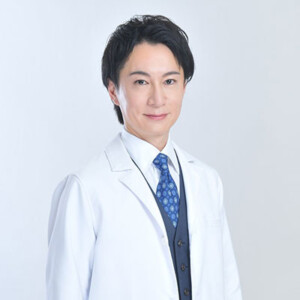
Dr. Jun Karibe
MD
Director
Education & Career
Certifications
Awards
MEDICAL REVIEW