Dark Spot Removal Tokyo: Pico Laser, Melasma, IPL and Pigmentation Treatment Guide
Looking for Dark Spot Removal in Tokyo?
If you are searching for dark spot removal in Tokyo, you may be struggling with uneven skin tone, age spots, melasma, freckles, acne marks, or post-inflammatory pigmentation.
These concerns are extremely common among both Japanese and international patients.
For expatriates, medical tourists, and visitors to Japan, pigmentation treatment can feel confusing because there are many different laser names, clinic menus, and treatment claims.
You may wonder:
- Which laser is best for dark spots?
- Is Pico laser better than IPL?
- Can melasma be removed permanently?
- How many sessions are needed?
- Is laser treatment safe for Asian or darker skin tones?
- How much does pigmentation treatment cost in Tokyo?
- Can I receive consultation in English?
This guide explains the main options for laser dark spot removal in Tokyo, including PicoWay laser, laser toning, IPL photofacial, and CO₂ fractional laser.
At BIOTOPE CLINIC Dermatology & Plastic Surgery Clinic in Minatoku, Tokyo, international patients can receive consultation in English for pigmentation, melasma, acne marks, age spots, and other skin concerns.
What Are Dark Spots?
Dark spots are areas of increased pigmentation in the skin.
The medical term is:
hyperpigmentation
Hyperpigmentation occurs when the skin produces excess melanin.
Melanin is the pigment that gives colour to the skin, hair, and eyes.
When melanin becomes concentrated in specific areas, visible dark spots can appear.
Common Types of Dark Spots
Not all dark spots are the same.
This is very important because each type responds differently to treatment.
Solar Lentigines
Solar lentigines are commonly called:
- Age spots
- Sun spots
- Liver spots
They are usually caused by long-term UV exposure.
They often appear on:
- Face
- Cheeks
- Hands
- Forearms
- Neck
These spots usually respond well to laser treatment when properly diagnosed.
Freckles
Freckles are small pigmented spots that often become darker with sun exposure.
They may respond to laser or IPL treatment, but they can recur if sun protection is not maintained.
Melasma
Melasma is a complex pigmentation condition often influenced by:
- Hormones
- UV exposure
- Heat
- Inflammation
- Genetic tendency
It commonly appears as symmetrical brown or grey-brown patches on the cheeks, forehead, upper lip, or jawline.
Melasma is more difficult to treat than ordinary sun spots.
It usually requires long-term management rather than one-time removal.
Post-Inflammatory Hyperpigmentation
Post-inflammatory hyperpigmentation, or PIH, appears after skin inflammation.
Common triggers include:
- Acne
- Eczema
- Burns
- Insect bites
- Laser irritation
- Skin injury
- Aggressive skincare
PIH may improve with laser treatment, topical care, or time, depending on depth and skin type.
Hori’s Naevus and Dermal Pigmentation
Some pigmentation sits deeper in the dermis.
These conditions may look grey, blue-brown, or slate-coloured.
They often require specialized laser treatment and multiple sessions.
Accurate diagnosis is essential.
Why Dark Spots Are Common in Tokyo
Tokyo’s climate can contribute to pigmentation.
Important factors include:
- Strong UV exposure from spring to autumn
- Summer humidity
- Heat exposure
- Air pollution
- Frequent outdoor walking
- Seasonal climate changes
UV exposure is one of the most important causes of pigmentation.
Even cloudy days can expose the skin to UVA rays, which contribute to pigmentation and skin ageing.
Therefore, any successful dark spot treatment plan must include strict sun protection.
Why Accurate Diagnosis Matters
Before any laser treatment, diagnosis is essential.
The same brown patch may represent:
- Sun spot
- Melasma
- PIH
- Freckle
- Dermal pigmentation
- Seborrheic keratosis
- A lesion requiring medical evaluation
Using the wrong laser or excessive energy can worsen pigmentation, especially in melasma or darker skin types.
A proper consultation helps determine:
- Pigment type
- Pigment depth
- Skin type
- Risk of post-inflammatory hyperpigmentation
- Best treatment option
- Number of sessions needed
- Whether laser is appropriate
How Laser Dark Spot Removal Works
Laser treatment for pigmentation uses a principle called:
selective photothermolysis
In simple terms, laser energy targets melanin pigment in the skin.
The pigment absorbs the laser energy and breaks into smaller particles.
Then, the body gradually clears these particles through natural immune processes.
Different lasers use different wavelengths and pulse durations.
This means each technology has different strengths.
PicoWay Laser for Dark Spot Removal
PicoWay laser is a picosecond laser platform.
Picosecond lasers deliver energy in ultra-short pulses.
These pulses are measured in trillionths of a second.
This allows the laser to break pigment into tiny particles while reducing unnecessary heat exposure to surrounding skin.
What PicoWay Can Treat
PicoWay may be used for:
- Age spots
- Sun spots
- Freckles
- Certain post-inflammatory pigmentation
- Tattoo removal
- Some deeper pigmentation conditions
- Overall tone improvement, depending on settings
It can also be used in lower-energy modes for brightening or toning approaches.
Why Picosecond Technology Matters
Older Q-switched lasers deliver energy in nanoseconds.
Picosecond lasers deliver shorter pulses.
This can create more of a photoacoustic effect, meaning pigment is disrupted by rapid mechanical energy rather than only heat.
Potential advantages include:
- Efficient pigment fragmentation
- Less surrounding heat damage
- Shorter downtime in selected cases
- Lower risk of thermal injury when properly used
However, results still depend on diagnosis, settings, skin type, and aftercare.
Laser Toning for Melasma
Laser toning is a gentle, low-energy laser treatment often used for melasma and diffuse pigmentation.
It usually uses low-fluence Q-switched Nd:YAG technology.
Instead of aggressively destroying pigment, laser toning gradually reduces pigmentation activity over multiple sessions.
What Laser Toning Is Best For
Laser toning may help with:
- Melasma
- Diffuse pigmentation
- Dullness
- Uneven skin tone
- Overall brightening
However, melasma requires careful treatment.
Too much energy can worsen it.
How Many Sessions Are Needed?
Laser toning usually requires a series of treatments.
Many patients need:
4–8 sessions or more
Sessions are often spaced every:
2–4 weeks
Maintenance may be needed because melasma often recurs.
Dr. Karibe’s Note
Many international patients are surprised to learn that melasma is one of the most complex pigmentation conditions to treat.
Unlike a simple sun spot, melasma is not usually cured by one laser session.
In our clinical experience at Kojimachi Dermatology & Plastic Surgery Clinic, the best outcomes for melasma usually combine laser toning with strict sunscreen, topical brightening agents, and careful avoidance of irritation.
If a clinic promises dramatic permanent melasma clearance after one session, patients should be cautious.
Melasma is a condition that requires long-term control, not aggressive one-time treatment.
— Dr. Jun Karibe Board-Certified Plastic Surgeon Kojimachi Dermatology & Plastic Surgery Clinic, Tokyo
IPL Photofacial for Pigmentation
IPL stands for:
Intense Pulsed Light
Unlike lasers, IPL uses broad-spectrum light rather than a single wavelength.
IPL photofacial can improve multiple concerns at once.
IPL May Help With:
- Mild sun damage
- Brown spots
- Redness
- Uneven tone
- Overall skin clarity
- Fine vascular redness
At our clinic, Stella M22 IPL is available for selected patients.
IPL is often useful when pigmentation is mixed with redness or sun damage.
What Happens After IPL?
Pigmented spots may temporarily darken after treatment.
They may then flake or fade over several days.
This is normal.
Downtime is usually mild, but sun protection remains essential.
CO₂ Fractional Laser
CO₂ fractional laser is not usually the first-line treatment for simple dark spots.
However, it can be useful when pigmentation is associated with:
- Acne scars
- Enlarged pores
- Rough texture
- Surface irregularity
- Skin resurfacing needs
CO₂ laser creates controlled fractional injury in the skin.
This stimulates skin renewal.
However, because it affects the surface more strongly, downtime is longer and post-inflammatory hyperpigmentation risk may be higher, especially in darker skin tones.
Laser Treatment Options: Comparison Table
|
Treatment |
Technology |
Best Suited For |
Typical Sessions |
Downtime |
|---|---|---|---|---|
|
PicoWay Laser |
Picosecond laser |
Age spots, freckles, PIH, tattoo removal |
1–5 for spots; 3–6 for full face |
Minimal to mild; spot treatment may crust 3–7 days |
|
Laser Toning |
Low-fluence Q-switched Nd:YAG |
Melasma, diffuse dullness, overall brightening |
4–8+ |
Minimal; redness usually resolves quickly |
|
IPL Photofacial / Stella M22 |
Intense Pulsed Light |
Sun damage, redness, mild pigmentation |
3–5 |
Mild; spots may darken 3–7 days |
|
CO₂ Fractional Laser |
Ablative fractional laser |
Acne scars, pores, texture; pigmentation secondary |
1–3 |
Moderate; often 5–10 days |
This table is for general guidance only.
The best treatment depends on diagnosis, skin type, pigmentation depth, and individual risk.
What Results Are Realistic?
Laser dark spot removal can significantly improve pigmentation.
However, results vary.
Better Responders
Laser treatment tends to work well for:
- Clearly defined age spots
- Freckles
- Superficial sun spots
- Some post-inflammatory marks
These lesions often lighten visibly after one or several sessions.
More Difficult Conditions
Some pigmentation is more challenging.
This includes:
- Melasma
- Deep dermal pigmentation
- Hori’s naevus
- Recurrent pigmentation
- Pigmentation in darker skin types
- PIH after repeated inflammation
These conditions often need a longer treatment plan.
Can Dark Spots Come Back?
Yes.
Dark spots can recur.
Even after successful laser treatment, new pigmentation can form if triggers continue.
Common triggers include:
- UV exposure
- Heat
- Hormonal changes
- Skin irritation
- Acne inflammation
- Inadequate sunscreen
- Aggressive skincare
Therefore, laser treatment should be combined with prevention.
Daily sunscreen is essential.
Cost of Dark Spot Removal in Tokyo
The cost of dark spot removal in Tokyo depends on treatment type, area size, number of sessions, and pigmentation diagnosis.
At Kojimachi Dermatology & Plastic Surgery Clinic, indicative price ranges include:
|
Treatment |
Price Range |
|---|---|
|
PicoWay Laser |
¥11,000–¥98,000 per session |
|
Laser Toning |
¥15,000–¥135,000 per session |
|
Photofacial / Stella M22 IPL |
¥28,000–¥126,000 per session |
|
CO₂ Fractional Laser |
¥11,000–¥66,000 per session |
|
Initial Consultation |
¥3,300 |
|
Surgical Consultation with Dr. Karibe |
¥2,200 |
Pricing depends on the area and treatment plan.
For an accurate quote, consultation is required.
Why Consultation Is Necessary
A consultation allows the physician to determine:
- What type of pigmentation you have
- Whether laser is appropriate
- Which technology is safest
- How many sessions may be needed
- Whether topical therapy is also required
- Whether melasma is present
- Whether skin cancer or another lesion must be ruled out
- What downtime to expect
- What cost range applies
This is especially important for international patients who may not know the Japanese names of treatments or diagnoses.
Have a question about this treatment? Message us on LINE or WhatsApp — our English-speaking team usually replies the same day.
Topical Tranexamic Acid — a Complement to In-Clinic Treatment
For melasma, dullness, and post-inflammatory pigmentation, at-home care with a topical tranexamic acid serum can complement in-clinic treatments. Tranexamic acid is reported to inhibit melanin-triggering signaling (the plasmin pathway) and is used clinically for pigmentation care.
As an accessible daily-care option, we introduce Dr.J+ TA Serum, a topical tranexamic acid serum developed by Dr. Jun Karibe, MD, Director of BIOTOPE Clinic (Shirokanedai, Tokyo).
Born from the Aesthetic Dermatology Practice
Dr.J+ TA Serum (2% Tranexamic Acid Topical Serum)
More than a brightening serum. Designed to address pigmentation and inflammation together — a total concept from an aesthetic dermatology perspective.
High-Concentration Formula — 2% Tranexamic Acid
Formulated with concerns like the following at the core:
- Melasma
- Dark spots
- Dullness
- Uneven skin tone
Dipotassium Glycyrrhizate — High Concentration
Formulated with sensitivity and inflammation in mind, supporting a healthy skin environment.
- Rough skin
- Redness
- Sensitive / reactive skin
- Chronic inflammatory concerns
Curated Cosmetic Ingredients
- Placenta Extract
- Sodium Hyaluronate
- Sage Leaf Extract
- Roman Chamomile Extract
- Mandarin Orange Peel Extract
- Allantoin
Beyond active correction — a philosophy of nurturing while calming inflammation. Radiance, firmness, glow, hydration, and smoothness — all in one serum.
※ Cosmetic product. Individual results may vary.
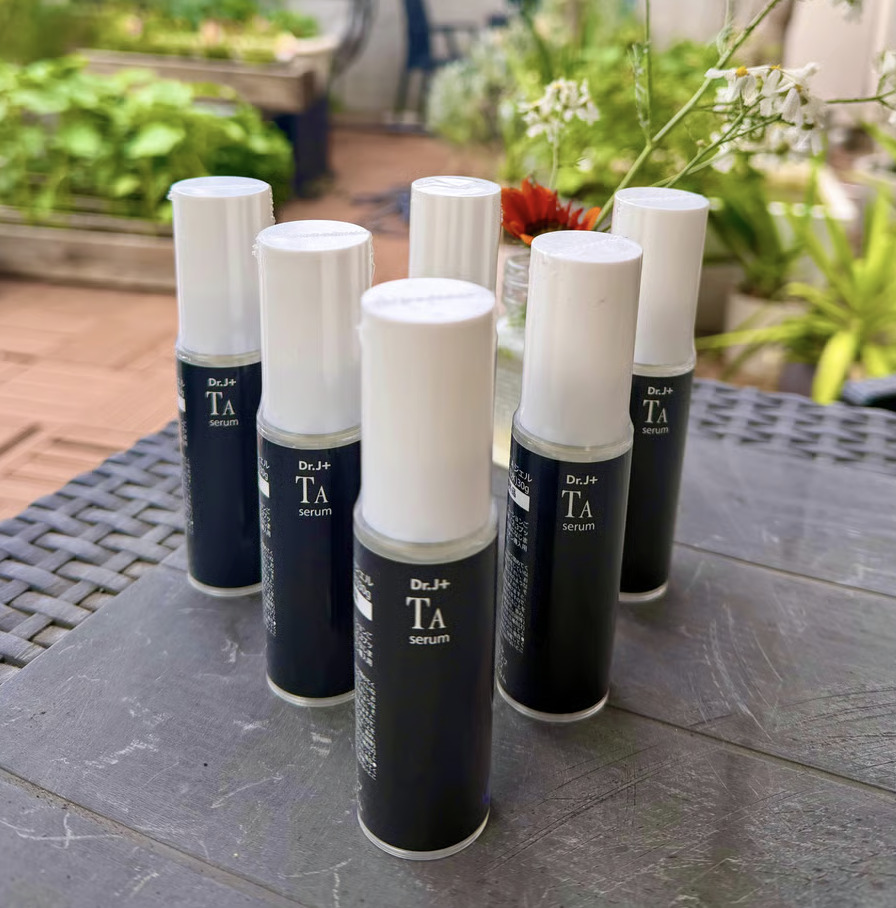
Developed by Dr. Jun Karibe, MD — Director, BIOTOPE Clinic
Dr.J+ TA Serum (Tranexamic Acid Topical Serum)
For those concerned with melasma, dullness, and post-inflammatory pigmentation.
A high-concentration topical serum easily incorporated into your morning and evening skincare.
※ Cosmetic product. Individual results may vary.
f/7 Consultation & Booking
Book a Consultation or Treatment
Our English-speaking team responds via LINE or WhatsApp — usually the same day.
Skincare Products to Pause Before Laser
Before pigmentation laser treatment, your clinician may advise stopping certain active skincare ingredients.
These may include:
- Retinoids
- Retinol
- Tretinoin
- AHA acids
- BHA acids
- Strong exfoliants
- Peeling agents
- Harsh scrubs
- Certain acne treatments
These products may increase irritation and sensitivity.
Your clinic will advise when to stop and restart them.
During the Laser Session
Laser pigmentation treatment is usually performed as an outpatient procedure.
Before treatment, the skin is cleansed.
Topical numbing cream may be applied for approximately:
30–60 minutes
depending on the treatment area and laser type.
Protective eyewear is worn throughout the session.
What Does Laser Treatment Feel Like?
Most patients describe the sensation as:
- A mild snapping feeling
- Warmth
- Tingling
- Small elastic-band-like snaps
- Brief stinging
Discomfort varies depending on:
- Laser type
- Energy settings
- Treatment area
- Pigmentation depth
- Individual pain sensitivity
Most patients tolerate treatment well.
How Long Does Treatment Take?
Treatment time depends on the area.
Small spot treatments may take only a few minutes.
Full-face treatments may take approximately:
20–40 minutes
excluding numbing time.
Laser toning and IPL photofacial treatments may also be relatively quick.
After Treatment and Recovery
Recovery depends on the treatment type and intensity.
Lower-energy treatments such as laser toning usually have minimal downtime.
Higher-energy spot treatments may cause temporary darkening or crusting.
Common Post-Treatment Reactions
After dark spot laser treatment, patients may experience:
- Redness
- Mild swelling
- Warmth
- Tenderness
- Temporary darkening of spots
- Micro-crusting
- Mild peeling
- Dryness
- Increased sensitivity
These reactions are usually temporary.
Recovery Timeline
First Few Hours
The treated area may feel warm or mildly irritated.
Redness may be visible.
This usually improves within several hours.
Days 1–3
Spot-treated areas may become darker.
This is expected after certain laser treatments.
Mild swelling or redness may continue.
Days 3–7
Pigmented spots may form a thin crust or begin to flake.
Do not pick, scratch, or rub the area.
Picking can increase the risk of scarring or uneven pigmentation.
Days 7–14
Crusting usually resolves.
The treated spots may appear lighter.
Some redness or sensitivity may remain depending on the treatment.
Weeks 4–8
Pigment clearance continues gradually.
Some patients need additional sessions to achieve optimal improvement.
Post-Laser Aftercare
Aftercare is critical for pigmentation treatment.
The most important rule is sun protection.
Sun Protection Is Non-Negotiable
After any laser treatment for pigmentation, daily sunscreen is essential.
Use:
Broad-spectrum SPF50+
and reapply when outdoors.
Also consider:
- Hats
- Sunglasses
- Shade
- Avoiding midday sun
- Physical sun protection
Without proper sun protection, pigmentation can recur or worsen.
Avoid Picking or Scrubbing
If dark spots form small crusts, allow them to fall off naturally.
Do not pick them.
Picking can cause:
- Scarring
- Infection
- Post-inflammatory hyperpigmentation
- Uneven fading
Avoid Heat and Sweating
For several days after treatment, avoid:
- Saunas
- Hot baths
- Hot yoga
- Heavy exercise
- Excessive sweating
- Steam rooms
Heat can worsen inflammation and pigmentation risk.
Use Gentle Skincare
During healing, use simple skincare.
Recommended:
- Gentle cleanser
- Moisturizer
- Sunscreen
- Products recommended by your clinic
Avoid:
- Retinoids
- Strong acids
- Scrubs
- Peels
- Harsh brightening products
- Alcohol-heavy toners
Your clinician will tell you when active skincare can be restarted.
Who Is a Good Candidate for Laser Dark Spot Treatment?
Laser dark spot removal may be suitable for patients with:
- Sun spots
- Age spots
- Freckles
- Certain post-inflammatory pigmentation
- Uneven skin tone
- Some types of dermal pigmentation
- Realistic expectations
- Good sun protection habits
Ideal candidates are patients who can follow aftercare instructions carefully.
This is especially important for international patients who may be travelling or spending time outdoors in Japan.
Skin Tone and Laser Safety
Patients with lighter to medium skin tones often have a lower risk of post-inflammatory hyperpigmentation.
However, many laser treatments can also be performed safely in Asian skin and darker skin tones when settings are chosen carefully.
For patients with Fitzpatrick skin types V–VI, extra caution is needed.
Treatment may require:
- Conservative settings
- More gradual improvement
- Longer intervals between sessions
- Strict sun protection
- Close follow-up
Darker skin tones are not automatically excluded.
However, professional assessment is essential.
Who Should Avoid or Delay Laser Treatment?
Laser pigmentation treatment may need to be delayed or avoided if you:
- Are pregnant
- Are breastfeeding
- Have active sunburn
- Have recently tanned skin
- Have active skin infection
- Have open wounds in the treatment area
- Have active eczema or dermatitis
- Are taking isotretinoin recently
- Have photosensitive skin disease
- Are taking photosensitizing medication
- Have uncontrolled medical conditions
- Have a history of severe pigmentation complications after lasers
Patients with lupus or other photosensitive conditions should discuss risks carefully with a physician.
Can Laser Treatment Make Dark Spots Worse?
Yes, in some cases.
This is called:
post-inflammatory hyperpigmentation
or PIH.
PIH occurs when treated skin becomes darker after inflammation.
Risk is higher in patients with:
- Darker skin tones
- Tanned skin
- Melasma
- Aggressive laser settings
- Poor sun protection
- History of pigmentation after injury
- Excessive heat exposure after treatment
This does not mean laser treatment should always be avoided.
It means treatment must be planned carefully.
Melasma Requires Special Care
Melasma is different from ordinary age spots.
It is often triggered by:
- Hormones
- UV exposure
- Heat
- Irritation
- Genetic tendency
Aggressive laser treatment can worsen melasma.
Therefore, melasma treatment often requires a combination approach.
This may include:
- Laser toning
- Topical brightening agents
- Oral or topical medications when appropriate
- Strict sunscreen
- Heat avoidance
- Maintenance treatment
Melasma management is long-term.
Patients should be cautious of clinics promising permanent melasma removal after one treatment.
Common Misconceptions About Laser Dark Spot Removal
Misconception 1: One Session Clears Every Dark Spot Permanently
This is false.
Some superficial sun spots may improve significantly after one session.
However, many pigmentation concerns require multiple treatments.
Melasma, PIH, and deep pigmentation usually need ongoing management.
Even after successful treatment, new pigmentation can develop if UV exposure continues.
Misconception 2: Laser Toning Is Completely Risk-Free
Laser toning uses low energy.
However, low energy does not mean no risk.
Over-treatment or excessively frequent sessions may cause problems such as:
- Irritation
- Rebound pigmentation
- Mottled hypopigmentation
- Patchy lightening
- Skin sensitivity
Treatment frequency and settings should be carefully monitored.
Misconception 3: Stronger Laser Settings Give Better Results
More aggressive treatment is not always better.
High energy may increase risks, especially in Asian or darker skin types.
Safe pigmentation treatment requires balancing:
- Effectiveness
- Skin type
- Pigment depth
- Downtime
- Risk of PIH
- Patient lifestyle
Misconception 4: Sunscreen Is Only Needed After Treatment
Sunscreen is important before, during, and after pigmentation treatment.
Good sun protection helps:
- Reduce recurrence
- Prevent worsening
- Improve treatment outcomes
- Reduce risk of PIH
For pigmentation patients, sunscreen is part of the treatment.
Frequently Asked Questions
Is laser dark spot removal painful?
Most patients describe the sensation as mild and tolerable.
It may feel like a small elastic band snapping against the skin.
Topical numbing cream can reduce discomfort.
How many sessions will I need?
This depends on the diagnosis.
General ranges include:
- Sun spots: 1–3 sessions
- Freckles: 1–3 sessions
- Full-face pigmentation: 3–6 sessions
- Melasma: 4–8 or more sessions
- Deep pigmentation: multiple sessions over time
Your clinician will recommend a personalized plan.
Can laser treatment make pigmentation worse?
Yes, it can happen.
Post-inflammatory hyperpigmentation is a known risk.
This risk is reduced through correct diagnosis, conservative settings, sun protection, and proper aftercare.
Is PicoWay better than Q-switched laser?
PicoWay uses picosecond pulses, which may reduce thermal damage in selected cases.
However, the best treatment depends on pigmentation type, skin tone, and treatment goal.
No single laser is best for every patient.
Is laser treatment safe for Asian skin?
Yes, many laser treatments can be performed safely in Asian skin when settings are chosen carefully.
However, Asian skin can be prone to post-inflammatory hyperpigmentation.
This is why medical assessment and aftercare are important.
Can melasma be removed permanently?
Melasma usually cannot be permanently removed with one treatment.
It is a chronic condition that requires long-term control.
Laser toning may help, but sunscreen and topical therapy are often necessary.
Can I have laser treatment soon after arriving in Tokyo?
If you are tanned or recently sun-exposed, treatment may need to be delayed.
Many patients are advised to avoid strong sun exposure for:
2–4 weeks
before laser.
A consultation can still be performed during this period.
Are consultations available in English?
Yes.
BIOTOPE CLINIC , Dermatology & Plastic Surgery Clinic in Minato-ku, Tokyo offers consultations in English for international patients.
The initial consultation fee is:
¥3,300
A consultation specifically with Dr. Karibe is available at:
¥2,200
Dr. Karibe’s Final Advice
Dark spot treatment is not simply about choosing the strongest laser.
The most important step is diagnosis.
A sun spot, melasma, post-inflammatory pigmentation, and dermal pigmentation may all look similar to patients, but they behave very differently under laser treatment.
In my clinical experience, the best outcomes come from matching the correct laser to the correct diagnosis and combining treatment with consistent sun protection.
For melasma in particular, I always advise patients to think in terms of control, not one-time cure.
— Dr. Jun Karibe Board-Certified Plastic Surgeon Kojimachi Dermatology & Plastic Surgery Clinic, Tokyo
Summary
Dark spot removal in Tokyo can be highly effective when the correct treatment is selected for the correct pigmentation type.
Laser options include:
- PicoWay picosecond laser
- Laser toning
- IPL photofacial
- CO₂ fractional laser
PicoWay laser may be useful for sun spots, freckles, and selected pigmentation concerns. Laser toning is often used for melasma and diffuse pigmentation. IPL photofacial can help with sun damage, redness, and mild pigmentation. CO₂ fractional laser is more appropriate when pigmentation is associated with acne scars, pores, or texture.
However, pigmentation treatment requires realistic expectations.
Some dark spots improve quickly. Others, especially melasma and deeper pigmentation, require multiple sessions and long-term maintenance.
Sun protection is essential before and after treatment.
At BIOTOPE CLINIC ,Dermatology & Plastic Surgery Clinic in Minato-ku, Tokyo, English-speaking patients can receive consultation for pigmentation, melasma, dark spots, age spots, acne marks, and laser treatment options.
If you are considering dark spot removal in Tokyo, the first step is a consultation to diagnose your pigmentation correctly and create a safe, personalized treatment plan.
Recommended Links
- Pico Laser Tokyo
- PicoWay Laser Tokyo
- Melasma Treatment Tokyo
- Laser Toning Tokyo
- IPL Photofacial Tokyo
- Acne Scar Treatment Tokyo
- CO₂ Fractional Laser Tokyo
- English-Speaking Dermatologist Tokyo
- Skin Tightening Tokyo
- Morpheus8 Tokyo
- Botox Tokyo
- Plastic Surgeon Tokyo
- Medical Tourism Japan
References
- Huang YL, Chang SL, Ma L, Lee MC, Hu S. Clinical analysis and classification of dark eye circle. International Journal of Dermatology. 2011.
- Negishi K, Akita H, Matsunaga Y. Prospective study of removing solar lentigines in Asians using a novel dual-wavelength and dual-pulse width picosecond laser. Lasers in Surgery and Medicine. 2018.
- Ogbechie-Godec OA, Elbuluk N. Melasma: an up-to-date comprehensive review. Dermatology and Therapy. 2017.
- Passeron T, Picardo M. Melasma, a photoaging disorder. Pigment Cell & Melanoma Research. 2018.
- Pinto F, Große-Büning S, Kröger K. Laser therapy for hyperpigmentation and pigmented lesions of the skin: a systematic review. Journal of the European Academy of Dermatology and Venereology. 2021.
Related Articles
You may also find these articles useful.- Laser Skin Treatment Tokyo: English-Speaking Clinic Guide
- Melasma Treatment Tokyo: Causes, Options & Real Solutions
- Acne Scar Laser Treatment Tokyo: Cost & Results
- English Speaking Dermatologist Tokyo: Complete Guide
- Skin Clinic Tokyo for Foreigners: How to Find One
SUPERVISED BY
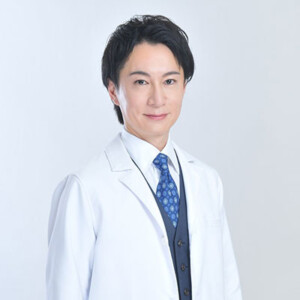
Dr. Jun Karibe
MD
Director
Education & Career
Certifications
Awards
MEDICAL REVIEW