Areola Artmake in Tokyo: Reconstruction After Breast Surgery
For many people who have undergone mastectomy, lumpectomy, or breast reconstruction surgery, the journey towards feeling whole again extends well beyond the operating theatre. The loss of the nipple-areola complex — the pigmented circle surrounding the nipple — can have a profound impact on body image and emotional wellbeing. Areola artmake (also known as areola micropigmentation or medical tattooing) offers a non-surgical option to restore a natural-looking areola, and this guide explains everything you need to know before pursuing treatment in Tokyo.
What you’ll learn in this article:
- What areola artmake is and how it differs from a conventional tattoo
- How the procedure works and what realistic results look like
- Approximate costs in the Tokyo market and what factors affect pricing
- The healing process, aftercare, and who makes a good candidate
- Where to access areola artmake through an English-speaking clinic group in Tokyo
What Is Artmake — and What Is Areola Artmake Specifically?
Artmake (アートメイク) is the Japanese clinical term for semi-permanent cosmetic pigmentation, closely related to what is internationally called micropigmentation or permanent makeup. It involves depositing pigment into the upper layers of the dermis — the deeper layer of skin — using fine needles. Because the pigment sits shallower than a conventional body tattoo, it gradually fades over time rather than remaining indefinitely.
Areola artmake is a specialised application of this technique used in a medical or reconstructive context. It creates the visual illusion of a natural nipple-areola complex on skin that has been altered by surgery. In some cases, three-dimensional shading techniques are used to simulate the appearance of a projecting nipple, even on a flat surface. The goal is aesthetic restoration: helping the patient feel more comfortable and confident in their body after significant surgical changes.
In Japan, artmake is classified as a medical procedure and must legally be performed by, or under the direct supervision of, a licensed physician. This regulatory distinction is important when choosing a provider — it ensures that practitioners meet clinical standards that salon-based “permanent makeup” technicians are not required to meet.
How Areola Artmake Works
The Initial Consultation
Before any pigmentation takes place, a thorough consultation is conducted. The practitioner examines the reconstructed breast, discusses the patient’s goals, and reviews their surgical history and current skin condition. Photographs may be taken for reference. This stage is also when colour matching occurs — selecting pigments that complement the patient’s natural skin tone and, where applicable, the contralateral (opposite-side) areola.
For patients who have undergone bilateral mastectomy (removal of both breasts), both sides are treated symmetrically. For unilateral (one-sided) cases, the artmake is designed to closely mirror the natural areola on the other side in terms of diameter, colour, and shape.
The Pigmentation Session
On the day of treatment, a topical numbing cream is applied to the area and allowed to take effect for approximately 20–40 minutes. The practitioner then uses a fine-needle device to deposit pigment in precise, controlled passes across the planned areola zone. Shading and layering techniques build up depth of colour and, if required, a three-dimensional nipple projection effect using strategic highlights and shadows.
A single session typically takes 60 to 120 minutes depending on the complexity of the case. Reconstructed breast skin may behave differently from unaltered skin — it can be less sensitive due to nerve changes from surgery, or conversely more reactive in some areas — so the practitioner adjusts technique accordingly. Most patients describe the sensation as mild pressure or scratching rather than sharp pain, though individual tolerance varies.
Number of Sessions Required
Areola artmake almost always requires a minimum of two sessions. The first session deposits the foundational pigment, and the second session — typically scheduled six to eight weeks later — assesses how the skin has retained colour and adds refinements. In some cases, a third session may be advisable, particularly if the skin had poor initial retention due to scar tissue. Ongoing touch-up sessions may be needed every one to three years as the pigment naturally fades.
Expected Results and Longevity
Immediately after treatment, the pigmented area will appear darker and more vivid than the intended final result. This is entirely normal. As the skin heals over the following two to four weeks, the surface layer exfoliates and the colour softens to the target shade. The full result is assessed only after this initial healing phase is complete.
Areola artmake results are semi-permanent. Most patients see satisfactory colour retention for approximately one to three years before a noticeable fade occurs. Several factors influence longevity: skin type and oiliness, sun exposure, immune response to pigment, the degree of scar tissue in the treated area, and the specific pigments used. Patients are advised to regard areola artmake as a treatment requiring periodic maintenance rather than a once-only procedure.
Three-dimensional nipple simulation can produce remarkably realistic results in experienced hands, though it is important to understand that the effect is visual rather than structural — the skin surface itself remains flat. Under different lighting conditions or angles, the three-dimensional appearance may vary. Discussing expectations openly during the consultation helps ensure the outcome aligns with the patient’s goals.
Cost of Areola Artmake in Tokyo
Pricing for areola artmake in the Tokyo market reflects the medical nature of the procedure, the skill and qualifications of the practitioner, and the complexity of the individual case. In the Tokyo market, sessions are typically priced in the range of ¥60,000 to ¥180,000 per session. Cases involving extensive scarring, bilateral reconstruction, or three-dimensional nipple simulation techniques may fall toward the higher end of this range.
It is worth noting that most patients require at least two sessions to achieve the desired result, so the total investment is generally higher than the per-session figure alone suggests. Some clinics offer package pricing for a defined course of treatment; others bill per session. Always clarify at the consultation whether the quoted price includes follow-up sessions or whether these are billed separately.
Health insurance in Japan does not typically cover cosmetic artmake procedures, even those performed in a reconstructive context. Some overseas health insurance plans with reconstructive coverage may offer partial reimbursement — it is advisable to check with your insurer before proceeding and to request an itemised receipt from the clinic.
Have a question about this treatment?
Message us on LINE or WhatsApp — our English-speaking team usually replies the same day.
Healing and Aftercare
The Healing Timeline
The initial healing phase lasts approximately seven to fourteen days. During this period, the treated skin will appear slightly swollen and the pigment will look darker than the final result. A fine crust or flaking may develop — this is a normal part of the healing process and should not be picked or rubbed, as doing so can remove pigment prematurely and create uneven results.
By weeks two to four, the surface crust resolves and the colour lightens noticeably, sometimes appearing to have faded almost entirely. This is often called the “ghost phase” and is temporary. The pigment that has settled into the deeper dermal layer gradually becomes visible again over the following weeks, reaching the stable final colour by approximately four to eight weeks post-procedure.
Aftercare Instructions
During the healing period, patients are generally advised to keep the treated area clean and dry, avoid submerging it in water (baths, swimming pools, hot springs), minimise sun exposure, and refrain from applying skincare products containing retinoids, acids, or active exfoliants to the area. Wearing soft, non-abrasive clothing over the chest is also recommended in the early days. Specific aftercare instructions will be provided by the treating practitioner and should be followed carefully to optimise colour retention.
Dr. Karibe’s Note
A common question from our international patients at BIOTOPE CLINIC is whether reconstructed breast skin requires a different approach to aftercare compared with other artmake sites. The answer is yes — skin that has been through oncological surgery and reconstruction can have altered sensation, modified lymphatic drainage, and varying degrees of scar tissue, all of which affect both how pigment is absorbed and how the skin heals. For this reason, we always review a patient’s full surgical history before beginning treatment and tailor the aftercare plan accordingly. Patients travelling from overseas are encouraged to plan a stay of at least six to eight weeks in Japan if they wish to complete both the initial session and the first follow-up review before returning home.
Who Is a Good Candidate for Areola Artmake?
Areola artmake may be appropriate for individuals who have undergone mastectomy with or without reconstruction, lumpectomy resulting in significant areola distortion, or breast reconstruction using implants or autologous tissue flaps. It may also benefit those who were born with hypopigmented (lightly pigmented) or asymmetrical areolae and seek a more uniform appearance, though the reconstructive application is the primary focus here.
Good candidates are in stable health, have completed active cancer treatment (and have received clearance from their oncologist where applicable), and have fully healed surgical wounds — typically meaning at least six months to one year has passed since the final reconstructive procedure. The skin should be well-settled, with no active inflammation or infection in the area.
Certain conditions may require additional assessment or may contraindicate the procedure entirely. These include active autoimmune conditions affecting skin healing, a history of keloid scarring (a type of raised, overgrown scar), uncontrolled diabetes, use of blood-thinning medications, or pregnancy and breastfeeding. A detailed medical history review at consultation will determine individual suitability.
Artmake vs Conventional Tattooing: Key Differences
| Feature | Areola Artmake (Micropigmentation) | Conventional Body Tattoo |
|---|---|---|
| Pigment depth | Upper dermis (shallower placement) | Deep dermis (deeper placement) |
| Longevity | Approximately 1–3 years before significant fade | Decades; does not fully fade naturally |
| Colour over time | Gradually lightens; periodic touch-ups needed | May shift in tone but remains largely permanent |
| Pigment type | Specially formulated inorganic/organic pigments | Tattoo ink (varying formulations) |
| Regulatory status in Japan | Medical procedure — must be performed by or under a physician | Classified separately; legal debate ongoing |
| Adjustability | Can be refined or lightened more readily over time | Removal is significantly more difficult |
| Typical use in reconstruction | Standard clinical application | Not recommended for medical reconstruction purposes |
Common Misconceptions About Areola Artmake
Misconception 1: “Artmake is just a tattoo — any tattoo studio can do it.”
This is one of the most important distinctions to understand. While artmake and tattooing both use needles to deposit pigment into skin, they differ significantly in technique, pigment depth, materials used, and — critically in Japan — legal classification. Japanese law requires artmake to be performed by a licensed physician or under direct physician supervision. A tattoo studio is not authorised to perform artmake, and a salon-based technician without medical oversight is operating in a legally ambiguous area. For reconstructive areola procedures, physician involvement is particularly important given the complexity of post-surgical skin.
Misconception 2: “Artmake is permanent — once it’s done, I never need to return.”
Artmake is intentionally semi-permanent. The pigment is placed at a shallower depth than a conventional tattoo, which means the body’s natural processes gradually break it down over months and years. Most patients with areola artmake will notice meaningful fading within one to three years and will benefit from a touch-up session to maintain the appearance. This is not a flaw in the technique — the semi-permanent nature is in fact an advantage, as it allows for colour adjustments as skin tone, preferences, or reconstructive outcomes change over time.
Where to Get Areola Artmake in Tokyo
Finding an English-speaking, medically qualified artmake provider in Tokyo can be challenging. Within our clinic group, artmake is performed at BIOTOPE CLINIC in Shirokanedai (Minato-ku), directed by Dr. Jun Karibe, a board-certified plastic surgeon. Our English-speaking team covers both clinics — Kojimachi Dermatology & Plastic Surgery Clinic in Ichigaya (Chiyoda-ku) and BIOTOPE CLINIC — and handles all English enquiries. Please note that artmake services, including areola reconstruction, are available exclusively at BIOTOPE CLINIC and not at the Ichigaya location.
BIOTOPE CLINIC’s location in Shirokanedai is accessible via the Nanboku Line and Mita Line (Shirokanedai Station). For patients travelling from central Tokyo, the journey is straightforward. International patients and medical tourists are welcome, and the English-speaking intake team can assist with appointment scheduling, explanation of procedures, and post-treatment support communication.
For an accurate quote tailored to your individual case, we recommend booking a consultation with BIOTOPE CLINIC via LINE or WhatsApp.
Frequently Asked Questions
- Q. Do I need oncologist clearance before proceeding with areola artmake?
- If you have a personal history of breast cancer, it is strongly advisable to obtain written clearance from your oncologist or breast surgeon before undergoing any procedure on the breast area. Most practitioners will request this documentation as part of the pre-treatment assessment. This ensures that there are no contraindications related to your specific treatment history or current medications.
- Q. How long should I wait after breast reconstruction before getting areola artmake?
- As a general guideline, practitioners recommend waiting at least six months to one year after the final stage of breast reconstruction before beginning areola artmake. The skin and underlying tissues need sufficient time to settle, mature, and stabilise. Proceeding too early can result in unpredictable pigment retention and may interfere with the healing of the reconstructive site. Your surgeon and artmake practitioner should ideally communicate to determine the appropriate timing for your situation.
- Q. Will the procedure hurt? I have reduced sensation in my reconstructed breast.
- Many patients who have undergone mastectomy and reconstruction have altered or reduced sensation in the breast and chest area due to nerve changes from surgery. This often means that areola artmake in this region is less uncomfortable than in other body areas with normal sensation. A topical numbing cream is applied beforehand regardless. The practitioner will monitor your comfort throughout and can adjust their approach as needed.
- Q. Can areola artmake be removed or corrected if I am unhappy with the result?
- Yes. Because artmake pigment sits in the upper dermis at a shallower depth than a conventional tattoo, it is more amenable to removal or lightening. Laser removal (using a Q-switched or picosecond laser) or saline-based removal techniques can be used to fade unwanted pigment. In the Tokyo market, removal sessions are typically priced in the range of ¥30,000 to ¥80,000 per session, with multiple sessions usually required. Correction through additional artmake sessions to adjust colour or shape is also possible in many cases.
- Q. Is areola artmake suitable for patients with implant-based reconstruction?
- Yes, areola artmake can generally be performed on skin overlying implant-based reconstruction as well as on autologous tissue (flap-based) reconstruction. The skin characteristics may differ between these two types of reconstruction, which can affect pigment retention and healing. This is one of the reasons why a detailed consultation with an experienced, medically qualified practitioner is essential before proceeding.
- Q. Can I consult in English at BIOTOPE CLINIC?
- Yes. The Kojimachi Clinic group maintains an English-speaking intake team that covers both Kojimachi Dermatology & Plastic Surgery Clinic (Ichigaya) and BIOTOPE CLINIC (Shirokanedai). Enquiries can be made via LINE or WhatsApp, and the team can assist with appointment booking, procedure explanations, and coordination of documentation from overseas medical providers.
Summary
Areola artmake offers a meaningful, non-surgical pathway to aesthetic restoration for individuals who have undergone mastectomy, lumpectomy, or breast reconstruction. Using specialised micropigmentation techniques — including three-dimensional shading to simulate nipple projection — an experienced, medically qualified practitioner can recreate the appearance of a natural nipple-areola complex with results that typically last one to three years before a touch-up is needed.
Choosing a provider in Japan means choosing a physician-led service, as artmake is legally classified as a medical procedure here. For English-speaking patients in Tokyo, the Kojimachi Clinic group offers access to areola artmake at BIOTOPE CLINIC in Shirokanedai, under the direction of Dr. Jun Karibe, with full English-language support from the shared intake team. A consultation is the essential first step — it allows for colour matching, assessment of surgical history, and a personalised treatment plan tailored to your specific anatomy and goals.
Areola artmake is not a decision to make quickly, and it is not a uniform procedure — outcomes depend on individual healing, skin characteristics, and the skill of the practitioner. Approached carefully and with realistic expectations, it can be a profoundly positive step in the physical and emotional recovery journey after breast surgery.
24/7 Consultation & Booking
Book a Consultation or Treatment
Our English-speaking team responds via LINE or WhatsApp — usually the same day.
Healing and Aftercare After Areola Artmake
The Healing Timeline
The initial healing phase after areola artmake in Tokyo usually lasts approximately:
7–14 days
During this period, the treated skin may appear slightly swollen, tender, or darker than expected.
This is normal.
Immediately after treatment, the pigment often looks more vivid than the final result. As the skin heals, the colour gradually softens and becomes more natural.
Days 1–3: Darker Colour and Mild Swelling
During the first few days, patients may notice:
- Darker pigment
- Mild redness
- Slight swelling
- Tenderness
- Sensitivity
- Tightness
- Mild warmth
Some patients who have undergone mastectomy or breast reconstruction may have reduced sensation in the treated area.
Others may feel more sensitivity in certain scarred areas.
Both patterns can occur after breast surgery.
Days 4–7: Fine Crusting and Flaking
A fine crust or light flaking may develop.
This is part of normal healing.
Do not:
- Pick
- Scratch
- Rub
- Peel
- Scrub
the treated area.
Picking can remove pigment prematurely and may cause uneven colour retention or scarring.
Days 7–14: Colour Softens
By the end of the second week, the surface crust usually resolves.
The colour may look much lighter than expected.
This can be concerning for patients, but it is often temporary.
This phase is sometimes called the ghost phase.
The pigment may appear faint because the skin is still regenerating above the pigment.
Weeks 4–8: Stable Colour Becomes Visible
Over the following weeks, pigment gradually becomes more visible again.
The final healed colour is usually assessed around:
4–8 weeks
after treatment.
At this point, the practitioner can evaluate:
- Colour retention
- Symmetry
- 3D shading effect
- Edge softness
- Areas needing additional pigment
- Whether a touch-up is required
Aftercare Instructions After Areola Artmake
Proper aftercare is essential for pigment retention and safe healing.
Because reconstructed breast skin may be more delicate than untreated skin, aftercare should be individualized.
Keep the Area Clean and Dry
During the early healing period, patients are generally advised to keep the area clean and dry.
Avoid submerging the treated area in:
- Baths
- Swimming pools
- Hot springs
- Saunas
- Steam rooms
Gentle washing may be allowed depending on clinic instructions.
Follow the guidance provided by your practitioner.
Avoid Friction
Friction can irritate the treated skin and affect pigment retention.
During early healing, wear:
- Soft clothing
- Non-abrasive fabrics
- Comfortable bras
- Loose tops when possible
Avoid tight compression unless specifically advised by your surgeon or clinic.
Avoid Heavy Sweating
For the early healing phase, avoid activities that cause heavy sweating.
This includes:
- Intense workouts
- Hot yoga
- Saunas
- Long runs
- Steam rooms
Sweat may irritate the skin and increase infection risk during healing.
Avoid Sun Exposure
UV exposure can accelerate pigment fading.
During healing, avoid direct sun exposure on the treated area.
After the skin has healed, sun protection helps maintain pigment colour for longer.
Avoid Active Skincare Products
Do not apply strong skincare products to the treated area during healing.
Avoid:
- Retinoids
- Retinol
- AHA acids
- BHA acids
- Exfoliating scrubs
- Peeling agents
- Strong brightening products
- Unapproved ointments
Use only aftercare products recommended by the clinic.
Why Reconstructed Breast Skin Needs Special Care
Areola artmake is different from eyebrow or eyeliner artmake.
The skin may have been affected by:
- Mastectomy
- Lumpectomy
- Implant reconstruction
- Flap reconstruction
- Radiation therapy
- Surgical scarring
- Nipple reconstruction
- Altered lymphatic drainage
- Reduced sensation
- Tight scar tissue
These factors can affect healing and pigment retention.
Therefore, areola artmake should be planned carefully and performed in a medically supervised setting.
Dr. Karibe’s Note
A common question from international patients at BIOTOPE CLINIC is whether reconstructed breast skin requires a different approach to aftercare compared with other artmake sites.
The answer is yes.
Skin that has been through oncological surgery and reconstruction can have altered sensation, modified lymphatic drainage, and varying degrees of scar tissue. These factors affect both how pigment is absorbed and how the skin heals.
For this reason, we always review the patient’s full surgical history before beginning treatment and tailor the aftercare plan accordingly.
Patients travelling from overseas are encouraged to plan a stay of at least 6–8 weeks in Japan if they wish to complete both the initial session and the first follow-up review before returning home.
— Dr. Jun Karibe
Board-Certified Plastic Surgeon
Director of Kojimachi Dermatology & Plastic Surgery Clinic and BIOTOPE CLINIC
Who Is a Good Candidate for Areola Artmake?
Areola artmake may be suitable for patients who have undergone breast surgery and want to restore or improve areola appearance.
Good candidates may include patients after:
- Mastectomy
- Lumpectomy
- Breast reconstruction
- Implant-based reconstruction
- Autologous flap reconstruction
- Nipple reconstruction
- Breast reduction
- Breast lift
- Breast trauma
It may also help patients with naturally light, uneven, or asymmetrical areolae.
However, the main focus of areola artmake is reconstructive restoration after breast surgery.
Ideal Candidate Criteria
Good candidates are usually patients who:
- Are in stable general health
- Have completed active cancer treatment
- Have healed surgical wounds
- Have stable scars
- Have realistic expectations
- Understand that multiple sessions may be needed
- Understand that results are semi-permanent
- Have clearance from their oncologist or breast surgeon when applicable
In many cases, patients should wait until at least:
6 months to 1 year
after the final reconstructive procedure.
This allows the skin and scars to mature before pigmentation.
When Areola Artmake Should Be Delayed
Treatment may need to be delayed if:
- Breast surgery was recent
- Scars are immature
- Active inflammation is present
- Infection is present
- Radiation-related skin irritation is active
- The patient is undergoing chemotherapy
- The patient is pregnant
- The patient is breastfeeding
- Diabetes is uncontrolled
- Wound healing is poor
- Blood-thinning medication cannot be safely managed
- The treating oncologist or surgeon has not cleared the patient
Timing should be decided carefully.
For patients with a breast cancer history, medical clearance is strongly recommended.
Artmake vs Conventional Tattooing: Key Differences
Areola artmake is sometimes called medical tattooing.
However, it differs from conventional tattooing in important ways.
|
Feature |
Areola Artmake / Micropigmentation |
Conventional Body Tattoo |
|---|---|---|
|
Main Purpose |
Medical or reconstructive restoration |
Decorative body art |
|
Pigment Depth |
Upper dermis |
Deeper dermis |
|
Longevity |
Usually 1–3 years |
Often decades |
|
Colour Change |
Gradual fading |
Long-lasting, may shift colour |
|
Pigment Type |
Cosmetic or medical pigmentation pigments |
Tattoo inks |
|
Regulation in Japan |
Medical procedure |
Separate tattoo context |
|
Adjustability |
Easier to refine over time |
Removal is more difficult |
|
Reconstruction Use |
Standard medical application |
Not ideal for reconstruction |
The semi-permanent nature of areola artmake is not a disadvantage.
It allows future colour adjustment as the skin changes over time.
Common Misconceptions About Areola Artmake
Misconception 1: “Any Tattoo Studio Can Do Areola Artmake”
This is incorrect.
Areola artmake is not the same as ordinary tattooing.
It requires understanding of:
- Breast reconstruction
- Scar tissue
- Medical history
- Pigment behaviour
- Colour matching
- 3D shading
- Post-surgical skin healing
In Japan, artmake is classified as a medical procedure and must be performed by, or under the supervision of, a licensed physician.
For reconstructive areola procedures, medical oversight is especially important.
Misconception 2: “Areola Artmake Is Permanent”
Areola artmake is intentionally semi-permanent.
Most patients notice fading after:
1–3 years
Touch-up sessions help maintain the appearance.
This is normal.
Because reconstructed skin may change over time, periodic maintenance can actually be beneficial.
Misconception 3: “The Result Will Look Three-Dimensional From Every Angle”
3D areola artmake uses pigment, shadow, and highlight to create the illusion of projection.
However, the skin surface remains flat unless surgical nipple reconstruction has been performed.
The visual 3D effect may vary depending on:
- Lighting
- Viewing angle
- Skin texture
- Scar tissue
- Pigment retention
A consultation helps set realistic expectations.
Misconception 4: “Reduced Sensation Means Aftercare Is Less Important”
Some patients have reduced sensation after breast reconstruction.
However, numb skin still needs careful aftercare.
Reduced sensation may actually make it harder to notice irritation, friction, or minor injury.
Therefore, patients should follow aftercare instructions closely even if the area does not feel painful.
Where to Get Areola Artmake in Tokyo
BIOTOPE CLINIC in Shirokanedai
Within our clinic group, areola artmake is performed at:
BIOTOPE CLINIC in Shirokanedai, Minato-ku, Tokyo
BIOTOPE CLINIC is directed by:
Dr. Jun Karibe, Board-Certified Plastic Surgeon
The clinic provides medically supervised artmake and English-language support for international patients.
Important Location Note
Please note:
Areola artmake is not performed at Kojimachi Dermatology & Plastic Surgery Clinic in Ichigaya.
Kojimachi Dermatology & Plastic Surgery Clinic focuses on dermatology and plastic surgery services.
All artmake procedures, including areola reconstruction artmake, are directed to BIOTOPE CLINIC in Shirokanedai.
However, the English-speaking intake team supports both clinics and can guide patients appropriately.
Access to BIOTOPE CLINIC
BIOTOPE CLINIC is located in:
Shirokanedai, Minato-ku, Tokyo
It is accessible via:
- Tokyo Metro Namboku Line
- Toei Mita Line
- Shirokanedai Station
The location is convenient for patients travelling from central Tokyo.
International patients and medical tourists are welcome.
For an Accurate Quote
For an accurate quote tailored to your individual case, we recommend booking a consultation with BIOTOPE CLINICvia LINE or WhatsApp.
Pricing depends on:
- One-sided or bilateral treatment
- Scar condition
- Skin quality
- Reconstruction type
- Colour matching difficulty
- 3D nipple simulation
- Number of sessions required
- Whether additional correction is needed
Frequently Asked Questions
Do I need oncologist clearance before areola artmake?
If you have a history of breast cancer, it is strongly advisable to obtain clearance from your oncologist or breast surgeon.
Some clinics may request written documentation before treatment.
This helps ensure there are no contraindications related to your treatment history, medications, or current condition.
How long should I wait after breast reconstruction?
Most practitioners recommend waiting at least:
6 months to 1 year
after the final stage of breast reconstruction.
This allows scars and tissues to mature.
Proceeding too early can lead to unpredictable pigment retention and healing.
Will areola artmake hurt?
Many patients have reduced sensation after mastectomy or reconstruction.
Therefore, areola artmake may be less uncomfortable than artmake in other areas.
However, sensation varies.
Some scarred areas may feel sensitive.
A topical numbing cream is usually applied before treatment.
Can areola artmake be corrected or removed?
Yes, but correction depends on the situation.
Options may include:
- Additional artmake sessions
- Colour correction
- Shape refinement
- Laser removal
- Saline removal
Removal usually requires multiple sessions.
In the Tokyo market, removal sessions often range from:
¥30,000–¥80,000 per session
Is areola artmake suitable after implant reconstruction?
Yes, it may be suitable after implant-based reconstruction.
It can also be performed after autologous flap reconstruction.
However, skin quality and pigment retention may differ depending on the reconstruction method.
A detailed consultation is essential.
Can I consult in English at BIOTOPE CLINIC?
Yes.
The clinic group provides English-speaking support for international patients.
The team can assist with:
- Appointment booking
- Procedure explanation
- Documentation coordination
- Aftercare guidance
- Follow-up communication
Enquiries can be made via LINE or WhatsApp.
Is areola artmake suitable for medical tourists?
Yes, but travel planning is important.
Because the second session is usually performed after 6–8 weeks, patients visiting Tokyo for a short time may not be able to complete the full treatment course in one trip.
Medical tourists should discuss their itinerary during consultation.
Summary
Areola artmake in Tokyo offers a meaningful non-surgical option for aesthetic restoration after mastectomy, lumpectomy, breast reconstruction, nipple reconstruction, or breast trauma.
Using specialized micropigmentation and 3D shading techniques, an experienced practitioner can recreate the appearance of a natural nipple-areola complex.
Results typically last 1–3 years, and most patients require at least two sessions.
Healing is generally straightforward, but reconstructed breast skin requires special care because surgery, radiation, scar tissue, altered sensation, and lymphatic changes can affect pigment retention and recovery.
In Japan, artmake is legally classified as a medical procedure. Therefore, physician supervision is required.
Within our clinic group, areola artmake is performed at BIOTOPE CLINIC in Shirokanedai, Minato-ku, Tokyo, under the direction of Dr. Jun Karibe. Artmake is not performed at Kojimachi Dermatology & Plastic Surgery Clinic in Ichigaya, but the English-speaking intake team supports both clinics and can direct enquiries appropriately.
If you are considering areola artmake in Tokyo, the first step is an English consultation to discuss your surgical history, oncologist clearance, skin condition, colour matching, cost, healing timeline, and treatment goals.
- Artmake Tokyo
- Artmake for Foreigners Tokyo
- Eyebrow Artmake Tokyo
- Eyeliner Artmake Tokyo
- Lip Artmake Tokyo
- Hairline Artmake Tokyo
- Scar Revision Tokyo
- Plastic Surgeon Tokyo
- English-Speaking Plastic Surgeon Tokyo
- English-Speaking Cosmetic Clinic Tokyo
- Breast Reconstruction Tokyo
- Medical Tourism Japan
References
- Spear SL, Arias J. Long-term experience with nipple-areola tattooing. Annals of Plastic Surgery. 1995;35(3):232–236.
- Ritz M, Silfen R, Morgan D, Southwick G. Areola reconstruction with intradermal tattooing: a systematic review. Journal of Plastic, Reconstructive & Aesthetic Surgery. 2013;66(10):1321–1327.
- Czyz CN, Cahill KV, Foster JA, et al. Permanent eyeliner and considerations for areola micropigmentation: safety and practice recommendations. Dermatologic Surgery. 2012;38(10):1620–1628.
- Japanese Society of Aesthetic Dermatology. Guidelines for the Practice of Medical Tattooing and Micropigmentation in Japan. Tokyo: JSAD; 2019. (Text only — no URL)
- National Cancer Institute (USA). Breast Reconstruction After Mastectomy. Bethesda, MD: National Institutes of Health. Available at: https://www.cancer.gov (top-level domain only)
Related Articles
You may also find these articles useful.
- Scar Revision Surgery Tokyo: Options, Results & Cost
- Beauty Clinic Tokyo English Consultation Guide for Foreigners
SUPERVISED BY
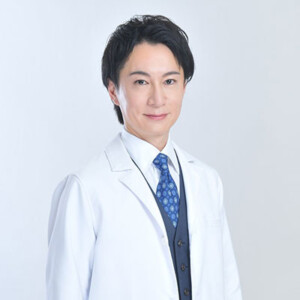
Dr. Jun Karibe
MD
Director
Education & Career
Certifications
Awards
MEDICAL REVIEW