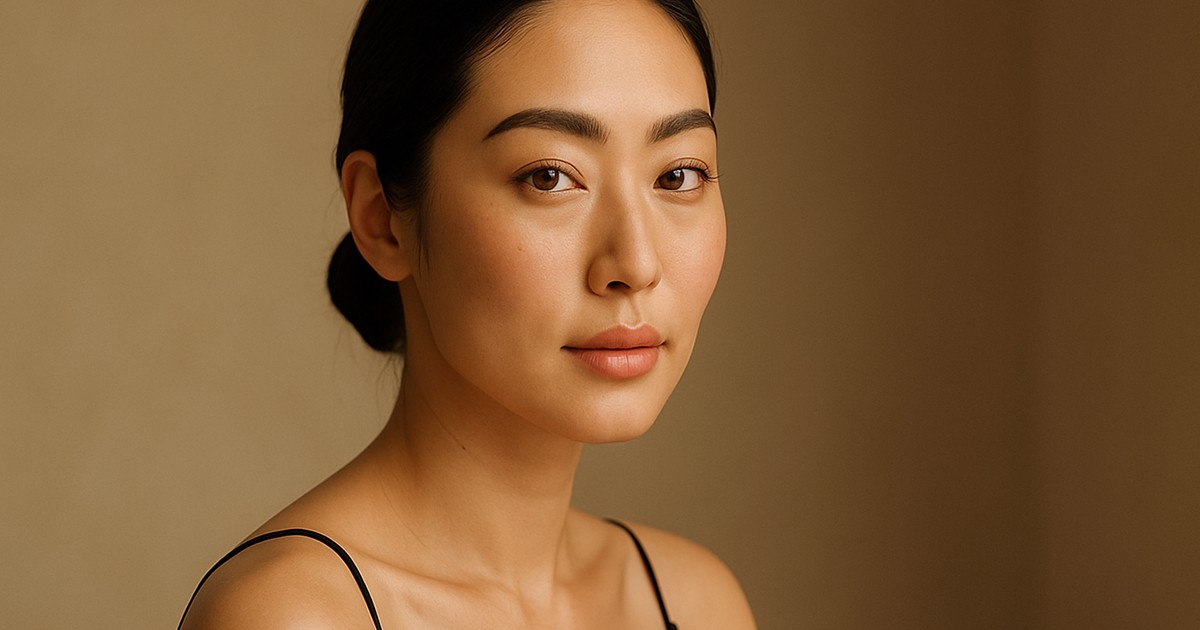
Artmake for Foreigners in Tokyo: A Complete English-Speaking Clinic Guide
Finding a clinic in Tokyo that performs artmake — and can communicate with you clearly in English — is one of the most common concerns raised by expatriates, medical tourists, and overseas visitors exploring cosmetic procedures in Japan. Language barriers, unfamiliar terminology, and uncertainty about safety standards can all make the process feel daunting. This guide explains everything you need to know about artmake in Tokyo: what it involves, how much it typically costs, what to expect during healing, and how to access English-language support through a medically supervised clinic.
What you’ll learn in this article:
- What artmake is, how it differs from a conventional tattoo, and which areas can be treated
- How a typical artmake procedure works, step by step
- Realistic cost ranges for artmake in the Tokyo market
- Healing timelines, aftercare, and common risks
- How to book an English-language consultation at BIOTOPE CLINIC, the artmake-specialised sister clinic of our group
What Is Artmake?
Artmake (アートメイク) is a cosmetic procedure in which pigment is implanted into the uppermost layers of the skin — primarily the epidermis and the superficial dermis — using a fine needle or needle cluster. The result is a semi-permanent enhancement of facial features such as eyebrows, eyeliner, lips, and the hairline. Unlike conventional makeup, artmake is not washed off at the end of the day; however, it is not intended to be lifelong, as the pigment gradually fades over months to years.
The term “artmake” is the standard Japanese industry name for what is internationally referred to as semi-permanent makeup, cosmetic tattooing, or micropigmentation. In Japan, artmake is regulated as a medical procedure (see the note on regulation below), which means it must legally be performed under the supervision of a licensed physician. This medical oversight is a significant quality-assurance factor that distinguishes reputable Japanese clinics from unregulated beauty-salon offerings.
Artmake is used both for cosmetic purposes — improving the appearance of sparse eyebrows, uneven lip colour, or faint lash lines — and for medical reconstruction, such as areola restoration following mastectomy or scalp coverage after hair loss.
Areas Commonly Treated with Artmake
- Eyebrows — filling in sparse brows, correcting asymmetry, defining shape
- Eyeliner — upper lash line, lower lash line, or both
- Lips — full-lip colour, lip liner, or lip blush effects
- Hairline — softening a receding hairline or creating scalp density
- Areola reconstruction — restoring the appearance of the nipple-areola complex after breast surgery
How Artmake Works
During an artmake session, a trained technician (working under physician supervision in compliant Japanese clinics) uses a digital device or manual tool fitted with one or more ultra-fine needles. The needles deposit specialised pigment at a controlled depth — shallower than a conventional body tattoo — within the skin. Because the pigment is placed primarily in the epidermis and uppermost dermis, the body gradually metabolises and expels it over time, which is why artmake fades and needs touch-up sessions.
Before the procedure begins, a topical numbing cream is applied to the treatment area and left for a set period to reduce sensation. The practitioner then maps the design on the skin — a step that involves careful measurement and discussion with the patient to match their facial proportions, natural colouring, and personal preferences. Pigment colour is selected to complement the patient’s skin tone and hair colour. For foreign patients, communicating colour and shape preferences in detail is particularly important, and an English-speaking intake team makes this process considerably smoother.
A single session typically lasts between 60 and 120 minutes depending on the treatment area. Most artmake protocols recommend an initial session followed by a touch-up session four to eight weeks later, once initial healing is complete, to refine colour evenness and shape. This two-session approach is the standard in Japan and is reflected in market pricing structures.
Artmake Techniques Explained
- Hair-stroke (feathering) technique — individual pigment strokes mimic the look of natural brow hairs; suitable for clients seeking a natural appearance
- Powder / ombre technique — a soft, filled-in gradient effect that resembles light makeup; often preferred for clients with oilier skin
- Combination technique — hair strokes at the front of the brow blending into a powder effect toward the tail
- 3D / 4D technique — a marketing term used for multi-layered hair-stroke patterns creating greater depth and realism
Artmake vs Microblading vs Conventional Tattoo: Key Differences
Many international patients arrive having previously encountered microblading — a manual blade technique popular in English-speaking countries — and wonder how it compares to artmake. The table below summarises the principal differences.
| Feature | Artmake (Japan) | Microblading | Conventional Tattoo |
|---|---|---|---|
| Instrument | Digital needle device or fine manual needle | Manual blade/hand tool | Rotary or coil tattoo machine |
| Pigment depth | Epidermis–superficial dermis | Epidermis–superficial dermis | Deep dermis |
| Longevity | Approx. 1–3 years (varies by area & skin type) | Approx. 1–2 years | Decades (largely permanent) |
| Regulatory status in Japan | Medical procedure (physician oversight required) | Legal grey area; often salon-based | Tattooing by non-physicians ruled subject to medical regulation (Supreme Court, 2020) |
| Fade pattern | Gradual; colour shift possible | Gradual; can turn reddish or bluish | Minimal fading; colour shift common |
| Recommended sessions | 2 (initial + touch-up) | 2 (initial + touch-up) | Usually 1 (for small designs) |
| Removal feasibility | Possible with laser or saline removal; multiple sessions required | Possible with laser; can be difficult | Difficult; multiple laser sessions required |
Expected Results and Longevity
Results immediately after the procedure appear significantly darker and more intense than the final healed outcome. This initial intensity is normal and expected; over the first one to two weeks, the treated area will flake and shed the outer layer of skin, and the colour will soften noticeably — typically lightening by 30–50% compared with its immediate post-procedure appearance. Patients should not be alarmed if the colour seems to “disappear” during this phase; some degree of colour return occurs as the skin heals.
Once fully healed — generally four to six weeks after each session — the artmake should appear natural and well-integrated with the skin. Longevity varies considerably depending on the individual’s skin type, lifestyle, sun exposure, and the specific area treated. Lip artmake tends to fade more quickly than eyebrows because of frequent movement and moisture exposure. Oilier skin types generally experience faster fading. On average, patients can expect results to remain clearly visible for one to two years before a maintenance top-up is advisable.
It is important to have realistic expectations: artmake will not replicate the precision of daily makeup application, and individual results vary. A thorough pre-procedure consultation — ideally with a practitioner who can communicate in your language — is the most effective way to align expectations with realistic outcomes.
Dr. Karibe’s Note
“A question I hear very often from international patients at BIOTOPE is: ‘Will the colour look natural on my skin tone?’ Pigment selection for patients with lighter or deeper complexions than is common in Japan requires particular care, and our technicians are experienced in adapting colour choices for a wide range of skin tones. I always encourage overseas patients to bring reference photos to their consultation — this bridges any language gap and ensures both the patient and the practitioner are working toward the same goal.”
Cost of Artmake in Tokyo: What to Expect
Artmake pricing in Japan reflects the medical nature of the procedure, the experience of the practitioner, clinic standards, and the specific area being treated. Prices vary between clinics and can also differ depending on the technique used. The following ranges represent the broader Tokyo market and should be used as a general reference only.
- Eyebrow artmake: In the Tokyo market, sessions are typically priced in the range of ¥60,000–¥150,000 per session (two sessions usually recommended)
- Full lip artmake: In the Tokyo market, sessions are typically priced in the range of ¥80,000–¥180,000 per session
- Eyeliner artmake (upper only): In the Tokyo market, sessions are typically priced in the range of ¥40,000–¥90,000 per session
- Eyeliner artmake (upper and lower): In the Tokyo market, sessions are typically priced in the range of ¥50,000–¥110,000 per session
- Hairline artmake: In the Tokyo market, sessions are typically priced in the range of ¥100,000–¥250,000 per session
- Areola reconstruction artmake: In the Tokyo market, sessions are typically priced in the range of ¥60,000–¥180,000 per session
- Artmake removal (laser or saline method): In the Tokyo market, sessions are typically priced in the range of ¥30,000–¥80,000 per session; multiple sessions are usually required
Note that artmake is generally not covered by Japan’s national health insurance (国民健康保険) for cosmetic indications, though some forms of medical reconstruction artmake (such as post-mastectomy areola restoration) may qualify for partial coverage in specific circumstances — a point worth confirming directly with the clinic and your insurer. For an accurate quote tailored to your treatment goals, we recommend booking a consultation with BIOTOPE CLINIC via LINE or WhatsApp.
Have a question about this treatment?
Message us on LINE or WhatsApp — our English-speaking team usually replies the same day.
Healing, Downtime, and Aftercare After Artmake
What to Expect During Artmake Recovery
Artmake is a minimally invasive cosmetic procedure.
Most patients can return to normal daily activities on the same day. However, the treated area still needs time to heal.
Understanding the healing process is important because the colour changes significantly during the first few weeks.
Immediately after treatment, the pigment usually appears darker, sharper, and more intense than the final result. This is normal.
As the skin heals, the colour softens and becomes more natural.
Typical Artmake Healing Timeline
Days 1–3: Darkest Colour Phase
During the first few days, the treated area usually looks the darkest.
You may notice:
- Mild redness
- Slight swelling
- Tenderness
- Stronger colour intensity
- Sharper lines
This is especially common after lip or eyeliner artmake.
Patients should not judge the final result during this stage.
Days 4–7: Flaking and Peeling
During this stage, the outer skin layer begins to flake.
This is part of normal healing.
Do not:
- Pick
- Scratch
- Peel
- Rub
the treated area.
Picking can remove pigment unevenly and may increase the risk of scarring.
Days 7–14: Colour Looks Lighter
After the first week, the colour may look much lighter.
Some patients worry that the pigment has disappeared.
This is usually temporary.
The skin is still regenerating, and pigment may be hidden beneath the healing surface.
Weeks 4–6: True Colour Becomes Visible
By four to six weeks, the skin has usually healed enough to assess the result.
At this stage, the practitioner can evaluate:
- Colour retention
- Symmetry
- Shape
- Density
- Areas needing correction
This is why the second session is usually scheduled after the initial healing period.
Key Aftercare Instructions
Proper aftercare improves pigment retention and reduces the risk of complications.
Your clinic will provide specific instructions depending on the treatment area.
However, general aftercare usually includes the following.
Keep the Area Dry Initially
For the first 24–48 hours, avoid excessive moisture.
Do not submerge the treated area in:
- Swimming pools
- Hot springs
- Bathtubs
- Saunas
- Steam rooms
Gentle cleansing may be allowed depending on clinic instructions.
Use Healing Ointment as Directed
If your clinic provides a healing ointment, apply it only as instructed.
Using too much ointment may interfere with healing.
Using too little may cause excessive dryness.
Follow the exact guidance given by your practitioner.
Avoid Direct Sun Exposure
UV exposure can accelerate pigment fading.
During the healing period, protect the area from direct sunlight.
After healing, regular sun protection helps maintain results longer.
For eyebrow, lip, and hairline artmake, sun protection is especially important.
Avoid Makeup on the Treated Area
Do not apply conventional makeup directly on the treated area until it is fully healed.
This helps reduce the risk of:
- Infection
- Irritation
- Pigment disruption
- Delayed healing
For eyeliner artmake, avoid eye makeup until your practitioner confirms it is safe.
Avoid Active Skincare Ingredients
During healing, avoid applying strong skincare ingredients near the treated area.
These include:
- Retinoids
- Retinol
- Tretinoin
- AHA acids
- BHA acids
- Peeling agents
- Exfoliating scrubs
- Strong acne treatments
These products may irritate the skin and accelerate pigment fading.
Avoid Heavy Sweating
For approximately one week, avoid activities that cause heavy sweating.
This includes:
- Intense workouts
- Hot yoga
- Saunas
- Long runs
- Steam rooms
Sweat can irritate the treated area and may affect pigment retention.
Who Is a Good Candidate for Artmake?
Artmake may be suitable for many adults who want natural-looking, low-maintenance cosmetic enhancement.
Good candidates include patients who want to improve:
- Sparse eyebrows
- Uneven eyebrows
- Pale lips
- Blurred lip borders
- Faint lash lines
- Hairline thinning
- Areola appearance after surgery
- Scars requiring camouflage
Artmake may also be helpful for patients who have difficulty applying makeup due to:
- Poor eyesight
- Unsteady hands
- Busy lifestyle
- Physical disability
- Hair loss
- Alopecia
For foreign patients living in Tokyo, artmake can also be practical because it remains visible despite humidity, sweating, and long workdays.
Who Should Avoid or Delay Artmake?
Artmake is not suitable for everyone.
A careful consultation is necessary before treatment.
You may need to avoid or delay artmake if you:
- Are pregnant
- Are breastfeeding
- Have active infection near the treatment area
- Have active eczema or dermatitis
- Have psoriasis in the treatment area
- Have active acne in the treatment area
- Have a history of keloid scarring
- Are taking certain blood-thinning medications
- Have uncontrolled diabetes
- Have certain autoimmune conditions
- Are taking immunosuppressive medication
- Have known allergies to pigments, metals, or numbing agents
- Recently used isotretinoin
- Recently received laser treatment in the same area
Patch testing may be recommended for patients with allergy concerns.
Artmake and MRI Safety
Some artmake pigments may contain iron oxide or other mineral components.
In rare cases, cosmetic pigmentation can cause a mild heating sensation or temporary irritation during MRI scanning.
Serious complications are uncommon.
However, patients should always inform MRI staff that they have artmake or cosmetic pigmentation.
If you are planning an MRI soon, discuss this with the clinic before treatment.
Artmake for Short-Stay Visitors to Tokyo
Artmake can be performed for tourists and medical travellers.
However, timing requires planning.
Most artmake protocols require two sessions:
- Initial treatment
- Touch-up after 4–8 weeks
If you are visiting Tokyo for only a short period, completing both sessions during one trip may be difficult.
In that case, possible options include:
- Completing the first session in Tokyo
- Returning later for touch-up
- Having touch-up in your home country
- Delaying treatment until you can complete both sessions
However, follow-up with a different practitioner abroad may be challenging because techniques and pigments vary.
Therefore, short-stay visitors should discuss their travel schedule before booking.
Where to Get Artmake in Tokyo
BIOTOPE CLINIC in Shirokanedai
For English-speaking patients researching artmake in Tokyo, our clinic group provides a clear pathway.
Artmake is performed at:
BIOTOPE CLINIC in Shirokanedai, Minato-ku, Tokyo
BIOTOPE CLINIC is directed by:
Dr. Jun Karibe, Board-Certified Plastic Surgeon
The clinic provides medically supervised artmake and English-language support for international patients.
Important Location Note
Please note:
Artmake is not performed at Kojimachi Dermatology & Plastic Surgery Clinic in Ichigaya.
Kojimachi Dermatology & Plastic Surgery Clinic focuses on dermatology and plastic surgery services.
All artmake enquiries are directed to BIOTOPE CLINIC in Shirokanedai.
However, the English-speaking intake team supports both clinics.
Therefore, if you contact the clinic group through Kojimachi Dermatology & Plastic Surgery Clinic or BIOTOPE CLINIC, the team can guide you to the correct location.
Access to BIOTOPE CLINIC
BIOTOPE CLINIC is located in:
Shirokanedai, Minato-ku, Tokyo
This area is easily accessible from central Tokyo.
Nearby transport access includes:
- Tokyo Metro Namboku Line
- Toei Mita Line
- Shirokanedai Station
This makes the clinic convenient for residents, expatriates, and medical travellers staying in central Tokyo.
How to Book an English Consultation
Foreign patients can contact the clinic group through:
- LINE
- Website enquiry form
When sending an enquiry, it is helpful to include:
- Desired treatment area
- Previous artmake history
- Skin tone concerns
- Preferred language
- Current location
- Travel dates
- Reference photos
- Any medical conditions
This allows the English-speaking team to provide more accurate guidance.
Common Misconceptions About Artmake
Misconception 1: Artmake Is Just a Face Tattoo
This is one of the most common misunderstandings.
Artmake and tattoos both involve pigment, but they are not the same.
Artmake pigment is placed more superficially than conventional tattoo ink.
It is designed to fade gradually over 1–3 years.
The goal is natural cosmetic enhancement, not permanent decorative tattooing.
Misconception 2: Artmake Always Looks Artificial
Modern artmake can look very natural.
The final result depends on:
- Practitioner skill
- Pigment choice
- Design planning
- Skin type
- Healing response
- Communication
For foreigners, clear English consultation is especially important because aesthetic preferences may differ across cultures.
Misconception 3: Artmake Is Completely Painless
Topical numbing cream reduces discomfort.
However, artmake is not always completely painless.
Patients may feel:
- Light scratching
- Pressure
- Mild stinging
- Vibration
- Sensitivity
Lips and eyeliner areas may be more sensitive than eyebrows.
Most patients describe the discomfort as tolerable.
Misconception 4: One Session Is Enough
Some improvement is visible after one session.
However, most patients need two sessions for optimal results.
The second session refines:
- Colour
- Shape
- Density
- Symmetry
- Uneven retention
This is standard practice.
Frequently Asked Questions
Is artmake legal and safe in Japan?
Yes.
In Japan, artmake is classified as a medical procedure.
At compliant clinics, it is performed under physician supervision.
This provides an additional safety framework compared with unregulated beauty settings.
Can I get artmake in Tokyo if I do not speak Japanese?
Yes.
English-speaking support is available through our clinic group.
The team can assist with:
- Enquiries
- Consultation booking
- Design discussion
- Aftercare explanation
- Follow-up communication
How many sessions will I need?
Most patients need two sessions.
The second session is usually performed after:
4–8 weeks
This allows the practitioner to evaluate healing and refine the result.
What happens if I am unhappy with the result?
Depending on the issue, options may include:
- Touch-up correction
- Colour adjustment
- Shape refinement
- Gradual fading
- Laser removal
- Saline removal
Removal usually requires multiple sessions.
Therefore, careful design discussion before treatment is essential.
Can artmake be performed on all skin tones?
Artmake can be performed on a wide range of skin tones.
However, pigment selection must be customized.
Patients with deeper skin tones, lighter skin tones, or non-Japanese undertones should choose a practitioner experienced with diverse patients.
At BIOTOPE CLINIC, treatment planning considers skin tone, undertone, hair colour, and desired style.
Is artmake suitable for a short trip to Tokyo?
It depends on your schedule.
Because the touch-up session is usually performed four to eight weeks later, short-stay visitors may not be able to complete the full course during one trip.
If you are visiting Japan temporarily, discuss your travel dates before booking.
Is artmake covered by Japanese health insurance?
Cosmetic artmake is generally not covered by Japanese national health insurance.
Some medical reconstruction cases may require individual confirmation with the clinic and insurer.
Can I get artmake if I have had laser treatment?
Possibly, but timing matters.
Recent laser treatment may affect skin healing and pigment retention.
Tell your practitioner about any laser, IPL, or peeling treatments you have received.
Dr. Karibe’s Final Advice
For international patients, the most important part of artmake is communication.
A beautiful result depends not only on technique, but also on understanding the patient’s preferred style, cultural background, skin tone, and daily makeup habits.
I encourage patients to bring reference photos. This helps the practitioner understand your ideal colour, shape, and level of intensity.
The safest and most satisfying artmake results come from a conservative design, careful pigment selection, and proper medical supervision.
— Dr. Jun Karibe
Board-Certified Plastic Surgeon
Director of Kojimachi Dermatology & Plastic Surgery Clinic and BIOTOPE CLINIC
Summary
Artmake for foreigners in Tokyo can be an excellent option for patients who want semi-permanent eyebrows, eyeliner, lips, hairline correction, or areola reconstruction with English-language support.
Artmake is minimally invasive, and most patients resume normal activities the same day. However, healing involves predictable colour changes, flaking, fading, and eventual pigment settling over several weeks.
Most patients require two sessions, with the second session performed four to eight weeks after the first.
In Japan, artmake is legally classified as a medical procedure. This means physician supervision is required, which provides important safety oversight.
Within our clinic group, artmake is performed at BIOTOPE CLINIC in Shirokanedai, Minato-ku, Tokyo, under the direction of Dr. Jun Karibe. Artmake is not performed at Kojimachi Dermatology & Plastic Surgery Clinic in Ichigaya, but the English-speaking intake team supports both clinics and can direct enquiries appropriately.
If you are considering artmake in Tokyo as a foreigner, we recommend starting with an English consultation to discuss your goals, treatment area, skin tone, travel schedule, safety, cost, and aftercare.
24/7 Consultation & Booking
Book a Consultation or Treatment
Our English-speaking team responds via LINE or WhatsApp — usually the same day.
References
- Vassileva S, Hristakieva E. Medical applications of tattooing. Clinics in Dermatology. 2007;25(4):367–374.
- Kluger N, Koljonen V. Tattoos, inks, and cancer. The Lancet Oncology. 2012;13(4):e161–e168.
- Antony FC, Harland CC. Red ink tattoo reactions: successful treatment with the Q-switched 532 nm Nd:YAG laser. British Journal of Dermatology. 2003;149(1):94–98.
- Japan Ministry of Health, Labour and Welfare. Regulatory guidance on tattooing as a medical act. Government of Japan. 2001 (updated interpretations issued 2020).
- Ibrahim O, Lajevardi S, Grimes P, et al. Micropigmentation for medical and cosmetic applications. Dermatologic Surgery. 2018;44(4):476–481.
Related Articles
You may also find these articles useful.
- English Speaking Dermatologist Tokyo: Complete Guide
- Looking for an English-Speaking Dermatology and Aesthetic Clinic in Tokyo?
- English-Speaking Plastic Surgeon in Tokyo|Natural-Looking Cosmetic Surgery at BIOTOPE CLINIC
- English Speaking Plastic Surgeon Tokyo: Complete Guide
SUPERVISED BY
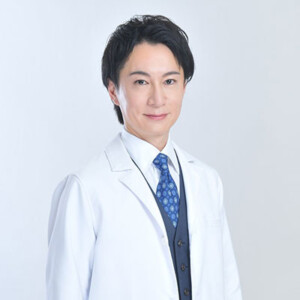
Dr. Jun Karibe
MD
Director
Education & Career
Certifications
Awards
MEDICAL REVIEW