Under-Eye Bags Surgery in Tokyo: Transconjunctival Blepharoplasty Explained
Under-Eye Bag Surgery in Tokyo: A Complete Guide to Transconjunctival Blepharoplasty
Few facial concerns make people look as tired as persistent under-eye bags. Even after a full night’s sleep or a relaxing holiday, prominent bags beneath the eyes can create the impression of fatigue, ageing, or chronic stress. For many people, expensive eye creams, massage devices, and cosmetic products provide little improvement because the underlying problem is not located within the skin itself.
Instead, the most common cause is a structural change inside the lower eyelid. As the tissues supporting the orbital fat gradually weaken—or, in some individuals, due to inherited facial anatomy—the fat naturally surrounding the eyeball begins to bulge forward. Once this occurs, topical skincare products cannot restore the anatomy.
Transconjunctival blepharoplasty has become one of the most effective surgical techniques for correcting this problem. Because the operation is performed through the inside of the lower eyelid, no visible skin incision is required, allowing patients to achieve a refreshed appearance without an external scar. Modern techniques also emphasize preservation of youthful facial volume rather than excessive fat removal, producing natural-looking results that age gracefully.
At BIOTOPE CLINIC or Kojimachi Dermatology & Plastic Surgery Clinic in Tokyo, board-certified plastic surgeon Dr. Jun Karibe performs individualized lower eyelid surgery for Japanese and international patients. Every procedure is tailored according to facial anatomy, skin quality, orbital fat distribution, and long-term aesthetic goals rather than using a one-size-fits-all approach.
Whether you are living in Japan, visiting Tokyo for medical treatment, or simply researching your options, this comprehensive guide explains the anatomy of under-eye bags, available surgical techniques, recovery, expected results, possible risks, and how to determine whether transconjunctival blepharoplasty is the right procedure for you.
Persistent under-eye bags can make even a well-rested face look tired, aged, or stressed. In most cases, the cause is not skin quality — it is a structural change in the lower eyelid, where orbital fat pushes forward as supporting tissue weakens. Because this is an anatomical problem, creams and topical treatments cannot correct it.
Transconjunctival blepharoplasty is the leading surgical technique for correcting under-eye bags without a visible skin scar. The incision is made on the inside of the lower eyelid, so the fat causing the bulge can be removed or repositioned while the outer skin remains untouched.
Quick Facts: Transconjunctival Blepharoplasty in Tokyo
|
What it treats |
Bulging under-eye bags caused by herniated orbital fat |
|
Incision |
Inside the lower eyelid (no visible external scar) |
|
Anaesthesia |
Local anaesthesia, with optional sedation |
|
Duration |
30–60 minutes |
|
Downtime |
Most patients return to desk work in 5–7 days |
|
Visible swelling |
Resolves substantially within 1–2 weeks |
|
Cost in Tokyo |
¥280,000–¥428,000 (plus blood work and anaesthesia fees) |
|
Where to book |
BIOTOPE CLINIC / Kojimachi Dermatology & Plastic Surgery Clinic, Tokyo |
|
Surgeon |
Dr. Jun Karibe, board-certified plastic surgeon |
|
English support |
Full English-language consultation available |
At BIOTOPE CLINIC and Kojimachi Dermatology & Plastic Surgery Clinic in Tokyo, board-certified plastic surgeon Dr. Jun Karibe performs individualized lower eyelid surgery for Japanese and international patients, tailored to each patient’s facial anatomy, skin quality, orbital fat distribution, and long-term aesthetic goals.
What You’ll Learn in This Guide
-
Why under-eye bags develop and why they become more noticeable with age
-
Why creams and skincare products cannot eliminate structural eye bags
-
How transconjunctival blepharoplasty works, step by step
-
Fat removal versus fat repositioning (the Hamra technique)
-
Recovery timeline, from surgery day through six months
-
Possible risks and complications
-
Expected results and long-term outcomes
-
Typical treatment costs in Tokyo
-
Who is — and isn’t — a good candidate
-
Frequently asked questions from international patients
Have a question about this treatment?
Message us on LINE or WhatsApp — our English-speaking team usually replies the same day.
What Are Under-Eye Bags, and What Causes Them?
What Causes Under-Eye Bags?
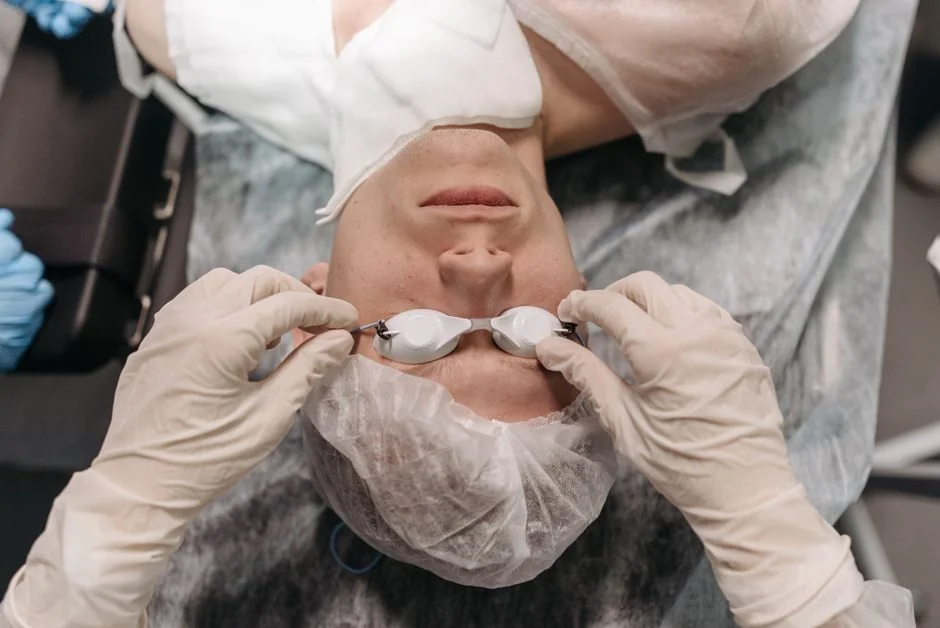
Under-eye bags are caused by the forward displacement of orbital fat — the natural cushioning that surrounds the eye within the bony socket. As the connective tissue and muscle containing this fat weaken with age (or due to inherited facial anatomy), the fat herniates, or pushes forward, creating a visible bulge beneath the lower eyelid.
This is distinct from general puffiness caused by fluid retention, allergies, or lack of sleep, which is temporary. True structural under-eye bags are permanent and progressive, and no topical product can reposition or reduce herniated fat — surgery is the only reliable long-term correction.
In some patients, under-eye bags are compounded by a tear trough deformity, a hollow or groove between the bag and the cheek. In these cases, a combination approach may be discussed during consultation: hyaluronic acid filler is one non-surgical option that can complement surgical fat repositioning, and is available at our Ichigaya clinic.
Why Eye Creams Cannot Fix Structural Eye Bags
Eye creams can improve hydration, skin texture, and fine lines, but they cannot correct anatomical fat protrusion. Structural under-eye bags develop beneath the skin, where orbital fat has moved forward through a weakened orbital septum — no topical ingredient can reposition that fat or restore the supporting tissue.
Eye creams may help with:
- Improving skin hydration
- Reducing temporary puffiness from fluid retention
- Softening the appearance of fine lines
- Supporting the skin barrier
Eye creams cannot:
- Remove protruding orbital fat
- Repair a weakened orbital septum
- Correct a tear trough deformity
- Reverse age-related structural changes
Dr. Karibe’s Clinical Perspective One of the most common misconceptions I encounter is that every under-eye concern should be treated with surgery. Some patients have prominent fat prolapse and benefit greatly from transconjunctival blepharoplasty. Others have minimal fat protrusion but significant volume loss, pigmentation, or skin laxity — for them, fillers, fat grafting, laser treatments, radiofrequency devices, or a combination approach may produce better results. My goal is never to perform the largest possible operation; it is to recommend the treatment that creates the most natural, long-lasting improvement for each individual.
What Is Transconjunctival Blepharoplasty?
Transconjunctival blepharoplasty is a surgical technique that removes or repositions herniated orbital fat beneath the lower eyelid through an incision made on the inner surface of the eyelid (the conjunctiva), rather than through the outer skin. Because no external incision is made, there is no visible scar.
This is a significant advantage over the traditional transcutaneous (external incision) approach, which carries a small but real risk of lower eyelid retraction — a complication where the lower lid pulls downward and alters the shape of the eye. Because the transconjunctival approach does not disturb the eyelid margin, eye shape is preserved in appropriately selected patients.
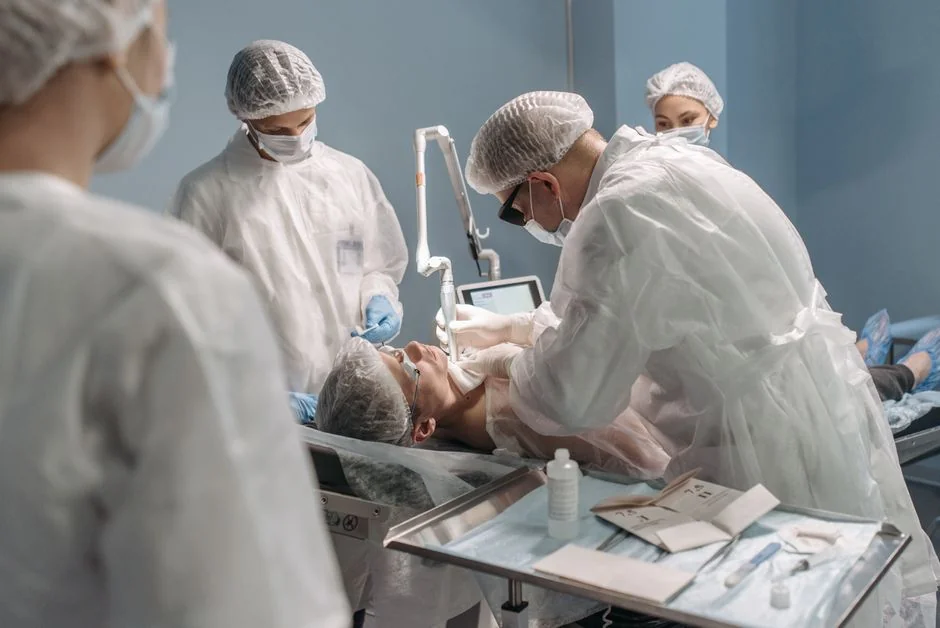
The procedure is performed under local anaesthesia in most cases, with sedation available for patients who prefer a more relaxed experience. In Tokyo clinics certified by the Japan Society of Plastic and Reconstructive Surgery, it is typically completed in 30 to 60 minutes.
What Is Transconjunctival Blepharoplasty?
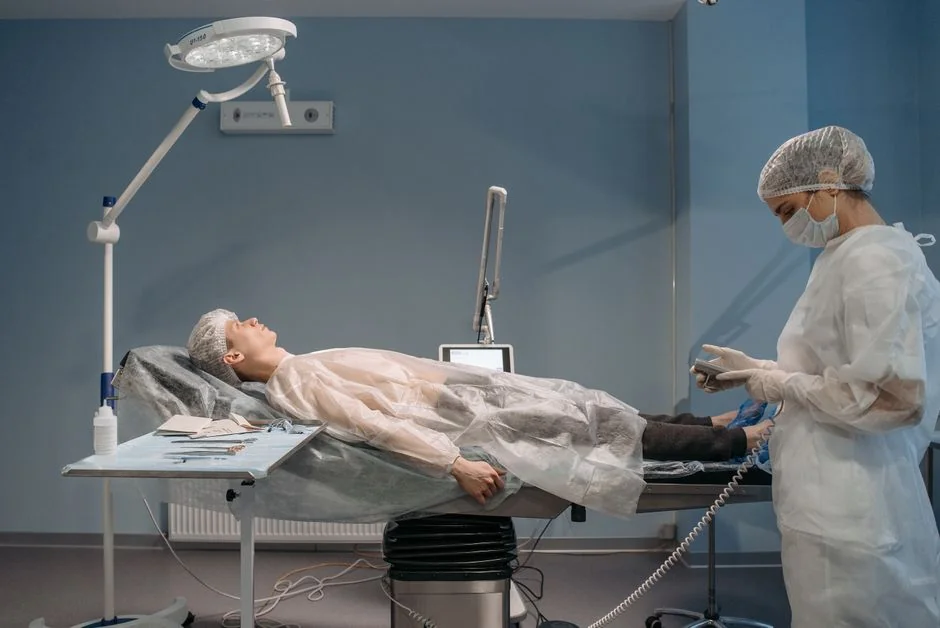
Transconjunctival blepharoplasty is a surgical procedure to remove or reposition herniated orbital fat beneath the lower eyelid.
The term “transconjunctival” refers to the route of access: the incision is made on the inner surface of the lower eyelid (the conjunctiva), rather than through the skin on the outside.
Because no external incision is made, there is no visible scar on the skin.
This is a significant advantage over the traditional transcutaneous (external incision) approach, which carries a small but real risk of lower eyelid retraction — a complication where the lower lid pulls downward, altering the shape of the eye.
The procedure is performed under local anaesthesia in most cases, though sedation is available for patients who prefer a more relaxed experience. In Tokyo clinics certified by the Japan Society of Plastic and Reconstructive Surgery, the procedure is typically completed in 30 to 60 minutes.
Fat Removal versus Fat Repositioning
There are two main surgical strategies within transconjunctival blepharoplasty, and the appropriate choice depends on individual anatomy:
- Fat removal (excision): Excess orbital fat is carefully excised. This is suitable for patients with prominent fat bulges and adequate skin and soft tissue volume in the surrounding area.
- Fat repositioning: Rather than removing fat, the surgeon releases and repositions it downward into the tear trough area, smoothing the transition between the lower lid and cheek. Studies suggest this technique may reduce the risk of a hollowed appearance following surgery and can address concurrent tear trough shadowing.
During a pre-operative consultation, the surgeon will assess which approach — or combination — is most appropriate for the patient’s anatomy and aesthetic goals.
Dr. Karibe’s Note
Many of our international patients are surprised to find that transconjunctival blepharoplasty leaves no visible scar on the skin whatsoever.
The incision is made entirely on the inner surface of the eyelid and heals without any mark that is visible to others.
A common concern I hear is whether the surgery will change the shape of the eye — in the transconjunctival approach performed correctly on suitable candidates, the eyelid margin is not disturbed, so the eye shape is preserved. This is one of the key reasons this technique has become the preferred approach for most patients seeking under-eye bag correction.
What to Expect: Before, During, and After Surgery
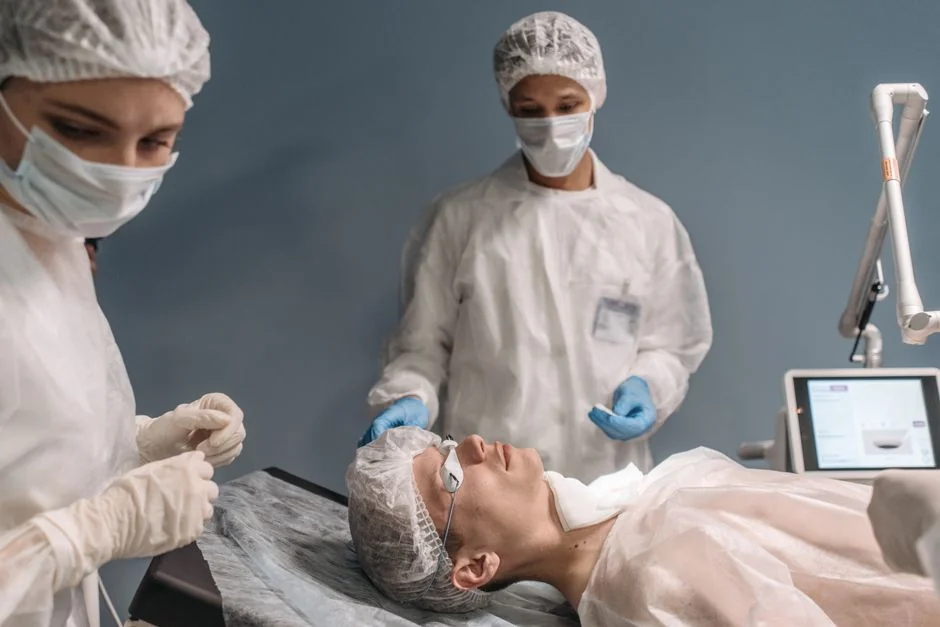
Before the Procedure
Patients will attend an initial consultation to discuss concerns and goals, followed by a dedicated surgical consultation with Dr. Karibe (fee: ¥2,200). Pre-operative blood tests are required (¥11,000) to assess general health and confirm suitability for anaesthesia. Patients are typically advised to avoid aspirin, anti-inflammatory medications, and alcohol for a specified period prior to surgery, as these can increase bleeding risk.
During the Procedure
The inner surface of the lower eyelid is anaesthetised, and a small incision is made through the conjunctiva. The surgeon accesses and addresses the herniated fat compartments through this internal approach. The conjunctival incision typically does not require sutures, or may be closed with a single dissolvable suture. The entire procedure generally takes under one hour per side.
After the Procedure: Recovery and Downtime
Swelling and bruising around the lower eyelids are expected in the days following surgery and are a normal part of the healing process. Most patients find that significant swelling resolves within one to two weeks, though some subtle residual swelling may persist for several weeks longer.
Clinical reports indicate that downtime following transconjunctival blepharoplasty is generally shorter than that following external incision lower blepharoplasty, with many patients returning to desk-based work within five to seven days. Strenuous exercise, alcohol consumption, and activities that increase blood pressure to the head (such as bending forward) are typically restricted for two to three weeks.
Patients should expect to attend post-operative follow-up appointments, and should contact the clinic promptly if they experience increasing pain, sudden vision changes, or other unexpected symptoms. Contact lens use is usually restricted for a period advised by the surgeon.
Expected Results

Transconjunctival blepharoplasty can produce a meaningful improvement in the appearance of under-eye bags, resulting in a rested and more refreshed look. The under-eye area typically appears smoother and less protuberant following surgery, with the reduction of shadowing that the fat bulges were causing.
Results are generally considered long-lasting, as the fat compartments that have been removed or repositioned do not typically recur in the same way. However, the natural ageing process continues, and skin laxity or other changes may develop over time.
Patients should approach the procedure with realistic expectations: transconjunctival blepharoplasty addresses fat herniation specifically, and does not tighten loose skin or treat pigmentation (dark circles caused by melanin or vascularity).
In our clinical experience at Biotope clinic or Kojimachi Dermatology & Plastic Surgery Clinic, patients who understand this distinction prior to surgery tend to report the highest levels of satisfaction with their outcomes.
For patients with additional concerns such as mild skin laxity, collagen-stimulating treatments such as Morpheus8 (radiofrequency microneedling) may be considered as a complementary approach — this is also available at our Ichigaya clinic and can be discussed during consultation.
Asian vs. Caucasian Anatomy: Why Surgical Planning Should Be Individualized
Although the principles of lower eyelid surgery are universal, facial anatomy differs considerably among individuals and ethnic groups. Recognizing these anatomical variations is essential for achieving natural, balanced results.
Many Asian patients develop noticeable under-eye bags at a younger age despite having relatively firm skin. This often reflects a combination of genetically prominent orbital fat, stronger lower eyelid skin, and less age-related skin laxity. In these patients, a transconjunctival approach frequently provides excellent correction without the need for an external skin incision.
By contrast, some Caucasian patients present with more pronounced skin laxity, thinner eyelid skin, and greater descent of the midface. These changes may require additional procedures such as a skin-pinch technique, lower eyelid skin excision, or adjunctive skin-tightening treatments to achieve optimal rejuvenation.
Rather than selecting a procedure based on ethnicity alone, Dr. Karibe evaluates each patient’s:
- Lower eyelid skin quality
- Degree of orbital fat prolapse
- Tear trough depth
- Midface volume
- Lower eyelid support and tone
- Facial proportions as a whole
This individualized assessment allows a surgical plan that preserves natural facial characteristics while addressing each patient’s specific concerns.
Why Eye Creams Cannot Eliminate Structural Under-Eye Bags
Many patients invest significant time and money in eye creams before considering surgery. While certain skincare products can improve hydration, skin texture, or fine lines, they cannot correct anatomical fat protrusion.
Structural under-eye bags develop beneath the skin, where orbital fat has moved forward through a weakened orbital septum. No topical ingredient can reposition this fat or restore the supporting tissues to their original strength.
Eye creams may provide modest benefits by:
- Improving skin hydration
- Reducing temporary puffiness caused by fluid retention
- Enhancing the appearance of fine lines
- Supporting the skin barrier
However, they cannot:
- Remove protruding orbital fat
- Repair a weakened orbital septum
- Correct tear trough deformities
- Reverse age-related structural changes
Understanding this distinction helps patients choose the most appropriate treatment rather than becoming frustrated by unrealistic expectations.
Dr. Karibe’s Clinical Perspective
One of the most common misconceptions I encounter is that every under-eye concern should be treated with surgery. In reality, successful rejuvenation begins with an accurate diagnosis.
Some patients have prominent fat prolapse and benefit greatly from transconjunctival blepharoplasty. Others have minimal fat protrusion but significant volume loss, pigmentation, or skin laxity. In these situations, fillers, fat grafting, laser treatments, radiofrequency devices, or a combination approach may produce better results than surgery alone.
My goal is never to perform the largest possible operation—it is to recommend the treatment that will create the most natural, long-lasting improvement for each individual.
Who Is an Ideal Candidate?
Transconjunctival blepharoplasty is particularly well suited for patients whose primary concern is protruding orbital fat rather than excess skin.
You may be an excellent candidate if you:
- Have persistent under-eye bags that remain visible throughout the day
- Notice little improvement despite adequate sleep and skincare
- Have good lower eyelid skin elasticity
- Want a scarless surgical approach
- Are in good general health
- Have realistic expectations regarding the outcome
The procedure is commonly performed in adults of all ages. While many patients seek treatment in their forties or fifties, younger adults with hereditary under-eye bags may also benefit from surgery.
When Other Treatments May Be More Appropriate
Not every patient with concerns around the eyes requires transconjunctival blepharoplasty.
Alternative or complementary treatments may be recommended for patients with:
- Significant excess lower eyelid skin
- Moderate to severe midface volume loss
- Pigmented dark circles
- Prominent vascular discoloration
- Mild skin laxity without substantial fat prolapse
- Lower eyelid instability requiring additional support
Depending on the findings, treatment may include:
- Tear trough hyaluronic acid filler
- Fat grafting
- Morpheus8 radiofrequency microneedling
- Volnewmer monopolar radiofrequency
- Laser resurfacing
- Skin-pinch blepharoplasty
- Combined lower eyelid rejuvenation procedures
An individualized treatment plan often provides more harmonious and longer-lasting results than relying on a single technique.
How Is Transconjunctival Blepharoplasty Performed?
Transconjunctival blepharoplasty is a minimally invasive surgical technique designed to correct under-eye bags by addressing protruding orbital fat through the inside of the lower eyelid. Because the incision is hidden within the conjunctiva, the procedure leaves no visible external scar, making it one of the most popular approaches for younger patients and those with good skin elasticity.
Unlike traditional lower eyelid surgery, which requires an incision just beneath the eyelashes, the transconjunctival technique preserves the skin and the supporting structures of the lower eyelid. This significantly reduces the likelihood of visible scarring and lowers the risk of postoperative eyelid malposition when performed on appropriately selected patients.
The operation typically takes 30 to 60 minutes, depending on the complexity of the case and whether additional procedures are performed simultaneously.
Step-by-Step: What Happens During Surgery?
Although every operation is tailored to the patient’s anatomy, the procedure generally follows several key stages.
Step 1 – Preoperative Marking and Assessment
Before surgery, Dr. Karibe carefully examines the patient in the sitting position. Because gravity influences the appearance of the lower eyelids, evaluating the patient while upright allows a more accurate assessment of fat protrusion, tear trough depth, facial symmetry, and skin quality.
Photographs are obtained from multiple angles to assist with surgical planning and postoperative comparison.
Rather than simply identifying “excess fat,” the entire lower eyelid–cheek junction is analyzed. This comprehensive evaluation helps determine whether fat removal alone is appropriate or whether fat repositioning or complementary procedures may produce a more harmonious result.
Step 2 – Local Anaesthesia
Most transconjunctival blepharoplasty procedures are comfortably performed under local anaesthesia, often combined with intravenous sedation for patients who prefer a more relaxed experience.
General anaesthesia is generally unnecessary for isolated lower eyelid surgery, allowing faster recovery and avoiding the additional risks associated with full anaesthesia.
Throughout the operation, patients remain comfortable and experience little or no pain.
Step 3 – Hidden Conjunctival Incision
A small incision is made inside the lower eyelid through the conjunctiva.
Because this incision is entirely internal:
- there is no external scar
- the eyelid skin remains untouched
- the orbicularis muscle is preserved
- normal eyelid support is maintained
The conjunctival tissue heals remarkably well, and in most cases no visible evidence of surgery remains once healing is complete.
Step 4 – Identification of the Orbital Fat Compartments
The lower eyelid contains three distinct orbital fat compartments:
- Medial fat pad
- Central fat pad
- Lateral fat pad
Each compartment ages differently and contributes differently to the appearance of under-eye bags.
One of the keys to achieving natural-looking results is recognizing that these fat pads should not all be treated identically. Surgical management is individualized based on each patient’s anatomy rather than removing a predetermined amount of fat.
Fat Removal vs. Fat Repositioning
Fat Removal vs. Fat Repositioning (the Hamra Technique)
Lower eyelid surgery has evolved over the past two decades. Historically, surgeons focused on removing as much protruding fat as possible — effective in the short term, but sometimes leading to a hollow or skeletonized appearance years later. Today, most experienced surgeons emphasize preserving volume rather than aggressive fat excision, producing results that age more naturally.
Fat removal (excision) carefully excises excess orbital fat. It suits patients with prominent fat bulges, minimal tear trough deformity, and adequate surrounding skin and soft-tissue volume.
Fat repositioning, pioneered by Dr. Sam Hamra, releases the fat and redistributes it downward into the tear trough instead of discarding it. This addresses bulging and hollowing simultaneously, smoothing the transition between the lower lid and cheek. Potential advantages include:
- Improved tear trough correction
- A smoother lid-cheek junction
- Preservation of youthful facial volume
- Reduced risk of postoperative hollowness
- Long-lasting contour improvement
Fat repositioning is often preferred when a patient has a pronounced tear trough deformity, simultaneous bulging and hollowing, early midface volume loss, or relatively thin lower eyelid soft tissue. Straightforward fat removal may be appropriate for younger patients with isolated fat protrusion and good midfacial support. The right approach — or combination — is determined during a pre-operative consultation based on individual anatomy and aesthetic goals.
Fat Removal
Fat excision remains an excellent option for patients with:
- prominent orbital fat protrusion
- minimal tear trough deformity
- adequate midface volume
- thick lower eyelid soft tissue
Carefully conservative removal can restore a smoother lower eyelid contour while preserving youthful fullness.
However, excessive fat removal should be avoided because orbital fat contributes to the natural three-dimensional contour of the lower eyelid.
Fat Repositioning (Hamra Concept)
Rather than discarding healthy orbital fat, many patients benefit from repositioning it into the tear trough.
This concept, pioneered by Dr. Sam Hamra, has transformed lower eyelid rejuvenation by treating both bulging fat and hollowing simultaneously.
Instead of removing tissue, the surgeon releases the retaining structures and carefully redistributes the patient’s own fat over the upper cheek, creating a smoother transition between the eyelid and the midface.
Potential advantages include:
- improved tear trough correction
- smoother lid-cheek junction
- preservation of youthful facial volume
- reduced risk of postoperative hollowness
- long-lasting contour improvement
For appropriately selected patients, fat repositioning often produces a softer and more natural appearance than fat removal alone.
Dr. Karibe’s Surgical Pearl
One of the greatest changes in lower eyelid surgery has been the shift away from aggressive fat removal.
Patients frequently tell me they want their eye bags “completely removed.” While understandable, removing every visible fat pad rarely creates the most attractive long-term result.
A youthful face is not defined by the absence of volume—it is defined by balanced volume.
For this reason, my surgical philosophy focuses on preserving normal anatomy whenever possible. The objective is not to create a perfectly flat lower eyelid but to restore a smooth, natural transition from the eyelid to the cheek. This approach allows patients to look refreshed without appearing as though they have undergone surgery.
When Do We Choose Fat Repositioning Instead of Fat Removal?
The decision depends on several anatomical factors rather than age alone.
Fat repositioning is often preferred when patients have:
- a pronounced tear trough deformity
- simultaneous bulging and hollowing
- early midface volume loss
- relatively thin lower eyelid soft tissue
- a desire for the most natural long-term rejuvenation
Conversely, straightforward fat removal may be appropriate for younger patients with isolated fat protrusion and excellent midfacial support.
Every patient undergoes a comprehensive examination to determine which strategy—or combination of strategies—is most likely to achieve a balanced, natural result.
Why Surgeon Experience Matters
Although transconjunctival blepharoplasty is often described as a minimally invasive procedure, it remains a technically demanding operation.
Success depends not only on removing or repositioning fat but also on preserving delicate anatomical structures that influence eyelid position, eye shape, and long-term facial harmony.
Small differences in surgical judgment—such as how much fat to preserve, where to reposition it, or whether an additional procedure is indicated—can have a significant impact on the final result.
For this reason, careful patient selection and a conservative surgical philosophy are just as important as technical skill.
Cost of Under-Eye Bag Surgery in Tokyo
At BIOTOPE CLINIC or Kojimachi Dermatology & Plastic Surgery Clinic in Tokyo, the fee for transconjunctival blepharoplasty is ¥280,000 to ¥428,000. This range reflects differences in surgical complexity, the specific technique required, and whether additional steps such as fat repositioning are incorporated.
In addition to the surgical fee, patients should account for the following:
- Pre-operative blood work: ¥11,000
- Anaesthesia: ¥2,200–¥77,000 depending on type and duration
- Surgical consultation with Dr. Karibe: ¥2,200
- Initial consultation: ¥3,300
Cosmetic surgical procedures in Japan are not covered by national health insurance (shakai hoken or kokumin kenko hoken), so the full cost is borne by the patient. By comparison, under-eye surgery in the United Kingdom or the United States typically ranges from the equivalent of ¥400,000 to ¥900,000 or more when accounting for anaesthetist fees and facility costs, making Tokyo a competitive destination for medical travellers.
For an accurate quote, we recommend booking a consultation.
Have a question about this treatment?
Message us on LINE or WhatsApp — our English-speaking team usually replies the same day.
Who Is a Good Candidate?
Suitable Candidates
- Adults with persistent under-eye bags caused by herniated orbital fat that does not change with rest or lifestyle
- Patients who have realistic expectations and understand that the procedure addresses fat, not skin laxity or pigmentation
- Those in generally good health with no uncontrolled systemic conditions
- Non-smokers, or patients willing to cease smoking well in advance of surgery
- Patients with adequate lower eyelid tone and skin elasticity
Who Should Approach with Caution or Avoid This Procedure
- Individuals with significant loose or excess lower eyelid skin — in such cases, a skin-pinch blepharoplasty or combined approach may be more appropriate
- Those with a history of dry eye syndrome, as orbital fat plays a role in eye lubrication and the procedure may exacerbate dryness
- Patients with certain systemic conditions (thyroid eye disease, bleeding disorders) that may affect surgical risk or healing
- Individuals with primarily dark circles due to pigmentation or vascular causes, where surgery would not produce significant improvement
- Patients whose under-eye appearance changes significantly with sleep or hydration, suggesting the issue is functional rather than structural
What People Often Get Wrong About Under-Eye Bag Surgery
Misconception 1: All dark circles can be fixed with blepharoplasty
Dark circles have multiple causes. Some are genuinely caused by shadowing from fat herniation and can be improved with surgery. However, many are caused by hyperpigmentation, thin skin through which underlying blood vessels are visible, or volume loss in the tear trough — none of which are corrected by fat removal alone. A thorough assessment is essential before assuming surgery is the right solution for under-eye discolouration.
Misconception 2: The results will look unnatural
Concerns about appearing “operated on” are common, but transconjunctival blepharoplasty performed conservatively on appropriate candidates tends to produce a natural-looking result. The goal is refinement — reducing the prominence of fat bulges — rather than dramatic alteration of the eye area. Over-removal of fat, which was more common with older techniques, is something skilled surgeons actively work to avoid through careful pre-operative planning.
Transconjunctival versus Transcutaneous Blepharoplasty: A Comparison
| Feature | Transconjunctival (Internal) | Transcutaneous (External) |
|---|---|---|
| Incision location | Inner surface of lower eyelid (no skin incision) | Below the lower eyelid lash line (skin incision) |
| Visible scar | None | Fine scar below lash line (usually fades well) |
| Risk of eyelid retraction | Lower | Higher |
| Addresses excess skin | No (fat only) | Yes (skin and fat) |
| Recovery time (approximate) | 1–2 weeks visible swelling | 2–3 weeks visible swelling |
| Best suited for | Good skin elasticity, fat herniation only | Significant skin laxity and fat herniation |
Frequently Asked Questions
- Q. Is transconjunctival blepharoplasty performed under general anaesthesia?
- In most cases, the procedure is performed under local anaesthesia with or without oral sedation, meaning patients remain conscious but comfortable and do not experience pain during surgery. General anaesthesia is not typically required, which reduces overall risk and allows for a shorter recovery. The anaesthesia plan is discussed and confirmed during the pre-operative consultation.
- Q. How long do the results last?
- The fat compartments that are removed or repositioned during surgery do not typically recur in a meaningful way, so results are generally long-lasting. However, the ageing process continues: skin may gradually loosen, and volume changes in the face may affect the overall appearance of the eye area over time. Most patients regard the improvement as durable over many years.
- Q. Can I combine transconjunctival blepharoplasty with other procedures?
- Combination approaches are common. Patients frequently enquire about combining under-eye fat correction with hyaluronic acid filler in the tear trough, or with energy-based treatments such as Morpheus8 for skin tightening. The appropriateness of combining procedures is assessed on an individual basis and discussed in detail during consultation with Dr. Karibe.
- Q. Will I be able to see normally immediately after surgery?
- Some blurring of vision is normal immediately after surgery due to the application of ointment and swelling in the area. This typically resolves within hours. Sudden or severe vision changes, significant pain, or unusual symptoms after returning home should be reported to the clinic promptly.
- Q. Is the procedure available in English at your clinic?
- Yes. Kojimachi Dermatology & Plastic Surgery Clinic in Ichigaya, Tokyo offers consultations in English, making the clinic accessible to expatriates, medical tourists, and international visitors. Both pre-operative and post-operative care can be conducted in English.
Have a question about this treatment?
Message us on LINE or WhatsApp — our English-speaking team usually replies the same day.
Summary
Transconjunctival blepharoplasty is a well-established technique for correcting under-eye bags caused by herniated orbital fat. Performed through an internal incision that leaves no visible external scar, it offers a reliable, long-lasting improvement with a lower risk profile than older external-incision methods, for suitable candidates.
The procedure is available in Tokyo at BIOTOPE CLINIC and Kojimachi Dermatology & Plastic Surgery Clinic, under the direction of Dr. Jun Karibe, a board-certified plastic surgeon certified by the Japan Society of Plastic and Reconstructive Surgery. Fees range from ¥280,000 to ¥428,000, plus pre-operative blood work and anaesthesia, with an accurate individual quote provided after consultation.
As with all surgical procedures, results depend on individual anatomy, the skill and experience of the operating surgeon, and adherence to pre- and post-operative guidance. A thorough consultation is the most important first step in determining whether this procedure is right for you. Our team at BIOTOPE CLINIC and Kojimachi Dermatology & Plastic Surgery Clinic offers consultations in English and is happy to answer any questions.
24/7 Consultation & Booking
Book a Consultation or Treatment
Our English-speaking team responds via LINE or WhatsApp — usually the same day.
References
- Goldberg RA, Edelstein C, Shorr N. Fat repositioning in lower blepharoplasty to maintain infraorbital rim contour. Facial Plastic Surgery. 1999.
- Pacella SJ, Codner MA. Minor complications after blepharoplasty: dry eyes, chemosis, granulomas, ptosis, and scleral show. Plastic and Reconstructive Surgery. 2008.
- Rohrich RJ, Ghavami A, Mojallal A. The five-step lower blepharoplasty: blending the eyelid-cheek junction. Plastic and Reconstructive Surgery. 2011.
- Nassif PS. Lower blepharoplasty: transconjunctival fat repositioning. Facial Plastic Surgery Clinics of North America. 2005.
- Trussler AP, Rohrich RJ. MOC-PSSM CME article: blepharoplasty. Plastic and Reconstructive Surgery. 2008.
Related Articles
You may also find these articles useful.
- Under Eye Filler Tokyo: Risks, Benefits & Results
- Lip Filler Tokyo: Cost, Treatment Guide & Results
- Volnewmer Recovery: Downtime, Side Effects & Aftercare
- Volnewmer vs Thermage vs HIFU: RF Comparison
- Eczema Treatment Tokyo: Options for Foreigners
SUPERVISED BY

Dr. Jun Karibe
MD
Director
Education & Career
Certifications
Awards
MEDICAL REVIEW