Embrace RF in Tokyo: FaceTite and Morpheus8 Combination Treatment Explained
Embrace RF in Tokyo: FaceTite, Morpheus8, Recovery, Results, Cost and Complete Patient Guide
Meta Description
Considering Embrace RF in Tokyo? Learn how FaceTite and Morpheus8 work together to tighten skin, improve facial contours, reduce jowls, and stimulate collagen. Discover recovery time, costs, candidacy, risks, and realistic results in this comprehensive guide by a board-certified plastic surgeon.
Embrace RF in Tokyo: Everything You Need to Know About FaceTite and Morpheus8
Choosing a skin-tightening treatment can be confusing, especially when different clinics use terms such as FaceTite, Embrace RF, Morpheus8, Thermage, and HIFU interchangeably. Although these technologies all aim to improve facial laxity, they work at different tissue depths and are designed for different clinical situations.
Among today’s minimally invasive facial rejuvenation treatments, Embrace RF occupies a unique position. Rather than being a single device, it is a treatment strategy that combines FaceTite, a bipolar radiofrequency-assisted soft tissue remodeling procedure, with Morpheus8, a fractional radiofrequency microneedling treatment. By addressing both the deeper connective tissue framework and the superficial dermis during the same treatment plan, Embrace RF can improve facial contours while simultaneously enhancing skin quality.
For patients who are beginning to notice sagging around the jawline, early jowls, loose skin beneath the chin, or reduced skin firmness, Embrace RF often provides a level of tissue tightening beyond what fully non-invasive treatments can achieve, while avoiding the longer recovery associated with facelift surgery.
However, it is equally important to understand what Embrace RF cannot do. It does not replace a surgical facelift for patients with advanced skin laxity, and it should not be viewed simply as a “laser treatment” or a device placed on top of the skin. The FaceTite component is a minimally invasive surgical procedure performed through tiny entry points under local anaesthesia, whereas Morpheus8 remodels the skin from the surface using insulated radiofrequency microneedles.
Understanding these differences is essential for selecting the most appropriate treatment and setting realistic expectations.
What You’ll Learn in This Guide
By the end of this article, you will understand:
- What Embrace RF is and how it differs from FaceTite and Morpheus8
- How bipolar radiofrequency technology tightens connective tissue and stimulates long-term collagen remodeling
- Why combining FaceTite with Morpheus8 often produces better results than either treatment alone
- Which patients are good candidates—and who may benefit more from facelift surgery or HIFU
- The expected recovery timeline and when results become visible
- Potential risks, side effects, and safety considerations
- Typical treatment costs in Tokyo
- How Embrace RF compares with HIFU, Thermage FLX, Renuvion, thread lifting, and surgical facelift
- Frequently asked questions from international patients considering treatment in Japan
Have a question about this treatment?
Message us on LINE or WhatsApp — our English-speaking team usually replies the same day.
What Is Embrace RF? FaceTite and Morpheus8 Defined
What Is Embrace RF?
Many patients researching facial skin tightening encounter several different names—including Embrace RF, FaceTite, Morpheus8, AccuTite, BodyTite, and Renuvion—which often creates unnecessary confusion.
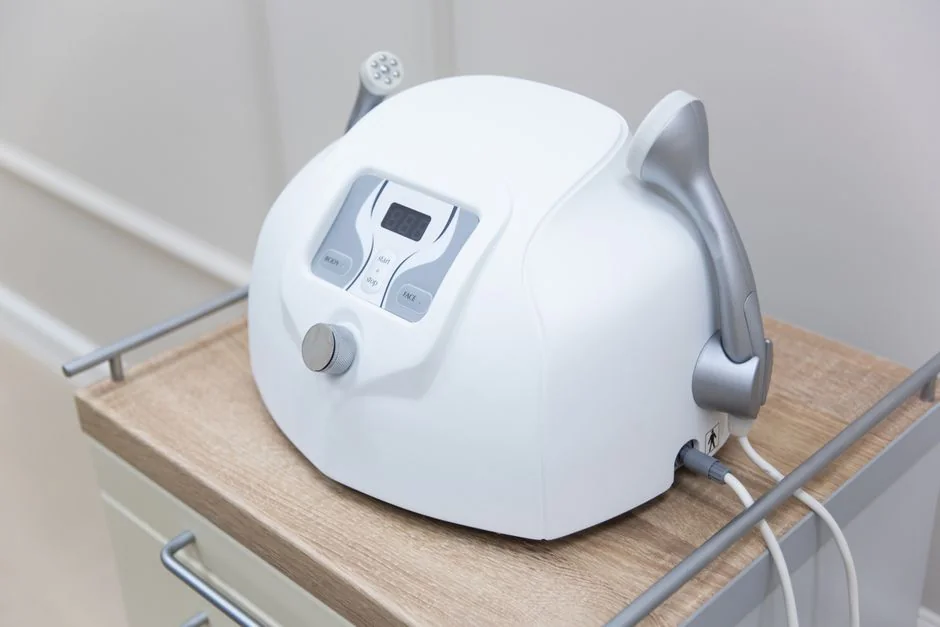
One of the most common misunderstandings is that Embrace RF is a separate device. In reality, Embrace RF is a treatment protocol developed around InMode’s bipolar radiofrequency technologies rather than a standalone machine. It combines two complementary procedures:
- FaceTite, which delivers bipolar radiofrequency energy beneath the skin to remodel the fibroseptal connective tissue network and tighten deeper soft tissues.
- Morpheus8, which delivers fractional bipolar radiofrequency through insulated microneedles to stimulate collagen remodeling within the dermis and superficial subdermal tissues.
Together, these treatments address multiple anatomical layers responsible for facial ageing. FaceTite primarily improves structural support and facial contour, while Morpheus8 enhances skin quality, elasticity, and texture. By treating both layers during the same treatment plan, physicians can often achieve more comprehensive rejuvenation than with either technology alone.
Importantly, Embrace RF is not fundamentally different from FaceTite. Rather, FaceTite represents the principal minimally invasive component of the Embrace RF protocol, while Morpheus8 provides complementary resurfacing and dermal remodeling. In everyday clinical practice, many physicians use the terms interchangeably, although technically Embrace RF refers to the combined treatment strategy.
Understanding the Difference Between FaceTite and Morpheus8
Although both technologies use bipolar radiofrequency energy, they are designed to treat entirely different tissue planes.
FaceTite
FaceTite is a minimally invasive bipolar radiofrequency-assisted soft tissue remodeling procedure.
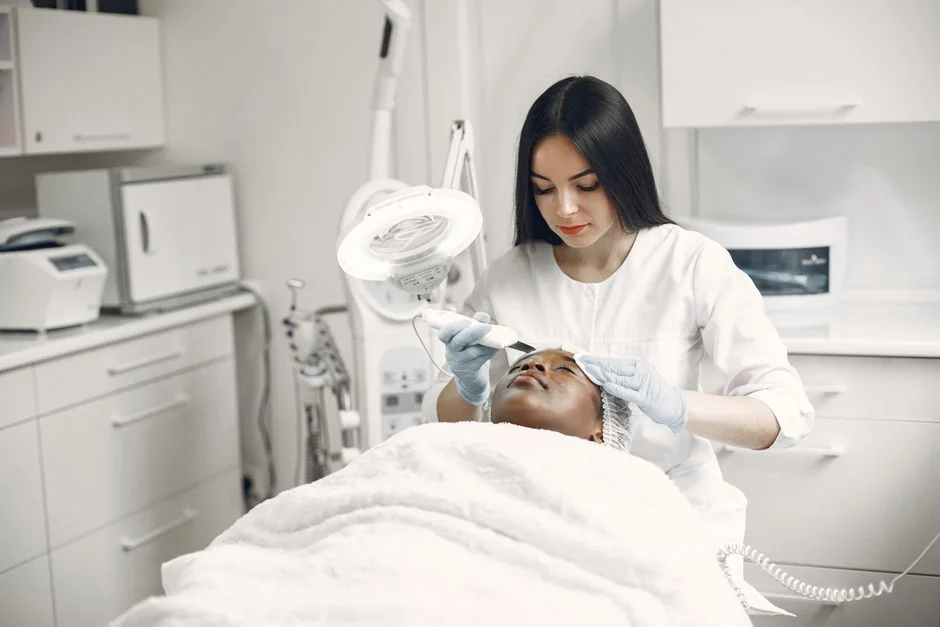
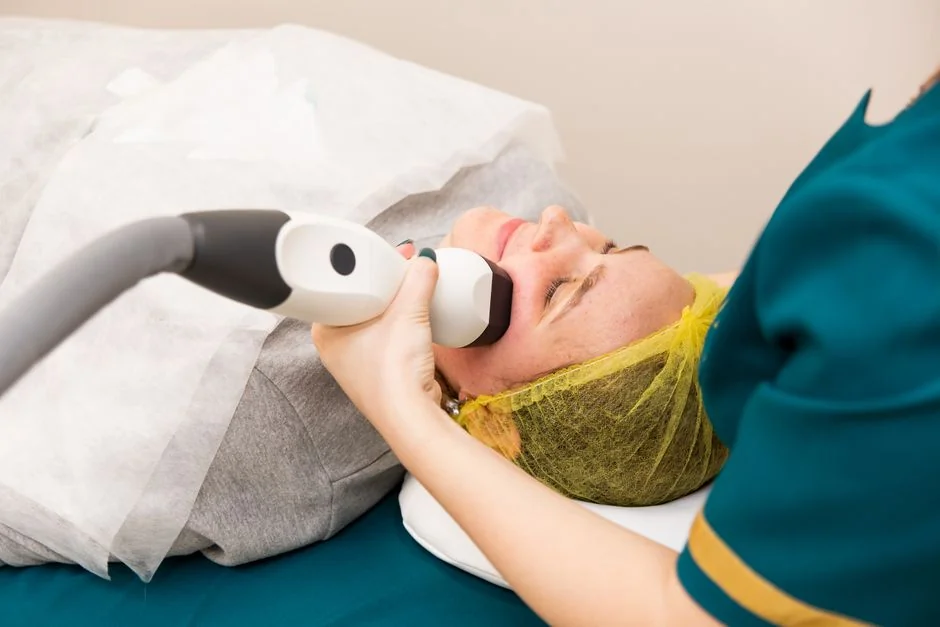
A slender internal electrode is inserted beneath the skin through tiny access points, while a second external electrode glides over the skin surface. Radiofrequency energy flows precisely between these two electrodes, allowing controlled heating of the subcutaneous connective tissues.
Unlike traditional liposuction, the primary purpose of FaceTite is soft tissue contraction rather than fat removal.
The treatment works by:
- contracting the fibroseptal connective tissue network
- producing immediate collagen contraction
- stimulating long-term neocollagenesis
- promoting elastin remodeling
- improving skin retraction
- providing modest coagulation of small fat deposits when appropriate
Although some reduction of localized fat may occur, FaceTite should not be considered a fat-reduction procedure.Patients with significant submental fat or heavy facial fullness often require liposuction or other contouring procedures in addition to FaceTite to achieve optimal results.
Because the treatment is performed beneath the skin, local anaesthesia is required, and tiny entry points—typically less than 2 mm—are created in discreet locations that usually heal with minimal visible scarring.
Morpheus8
Morpheus8 addresses an entirely different layer.
Rather than working beneath the skin, it delivers bipolar radiofrequency through arrays of insulated microneedles that penetrate to adjustable depths within the dermis and superficial subcutaneous tissue.
Each needle creates a precise column of controlled thermal injury while leaving the surrounding tissue largely unaffected.
This fractional approach stimulates:
- collagen synthesis
- elastin production
- dermal remodeling
- improved skin elasticity
- reduced pore size
- smoother skin texture
- improvement of acne scars
- softening of fine wrinkles
Because untreated tissue remains between each microscopic treatment zone, healing is generally faster than with fully ablative laser resurfacing while still producing meaningful collagen remodeling.
Why Treat Multiple Tissue Layers?
Facial ageing is not caused by a single anatomical change.
Instead, it results from progressive changes occurring simultaneously within several tissue layers.
These include:
- weakening of the fibroseptal connective tissue network
- collagen fragmentation
- elastin degeneration
- thinning of the dermis
- redistribution of facial fat compartments
- gradual descent of soft tissues
- reduced skin elasticity
Treating only one layer often produces incomplete rejuvenation.
For example:
HIFU primarily targets the SMAS layer.
Thermage primarily heats the dermis.
Morpheus8 primarily remodels the dermis and superficial fat.
FaceTite primarily contracts the fibroseptal connective tissue network beneath the skin.
Each treatment therefore addresses only part of the ageing process.
The rationale behind Embrace RF is that combining FaceTite with Morpheus8 allows physicians to treat both deep structural support and superficial skin quality during the same treatment plan, providing a more balanced and natural improvement.
Dr. Karibe’s Clinical Perspective
One question I hear frequently is:
“If FaceTite already tightens the skin, why is Morpheus8 necessary?”
The answer lies in understanding where ageing occurs.
FaceTite improves the deeper connective tissue architecture that determines facial contour and jawline definition. However, it does not directly address enlarged pores, fine wrinkles, uneven skin texture, or superficial photodamage.
Conversely, Morpheus8 significantly improves skin quality but cannot reposition deeper connective tissue to the same extent as FaceTite.
By combining both treatments, we are able to address multiple causes of facial ageing simultaneously rather than relying on a single technology to solve every problem. This layered approach generally produces more harmonious and longer-lasting results while avoiding the need for more invasive surgery in appropriately selected patients.
How Embrace RF Works: The Science of Radiofrequency Tissue Remodelling
How FaceTite(Embrace RF)Works: The Science Behind Bipolar Radiofrequency Tissue Remodeling
Unlike lasers or ultrasound-based treatments, FaceTite uses bipolar radiofrequency (RF) energy to remodel the soft tissues beneath the skin through controlled thermal coagulation. Rather than removing skin or mechanically lifting facial structures, the procedure harnesses the body’s natural wound-healing response to tighten connective tissue and stimulate long-term collagen production.
This approach allows meaningful improvement in skin laxity with significantly less downtime than traditional facelift surgery while producing more substantial tissue contraction than most completely non-invasive energy-based treatments.
Understanding Bipolar Radiofrequency Energy
Radiofrequency is a form of high-frequency alternating electrical current rather than light or ultrasound.
When RF energy passes through biological tissue, naturally occurring ions within the tissue rapidly oscillate, generating frictional heat. Because the heating is produced internally, radiofrequency energy is not dependent on skin pigmentation or chromophores, unlike many laser technologies.
This makes bipolar RF suitable for a wide range of Fitzpatrick skin types, including darker and Asian skin, where certain laser treatments may carry a higher risk of post-inflammatory hyperpigmentation.
Another important advantage is precision. In FaceTite, the RF current travels only between the internal cannula electrode and the external electrode on the skin surface. This confined electrical pathway enables controlled heating of the target tissue while minimizing unnecessary thermal spread to surrounding structures.
The Fibroseptal Network: The Hidden Support System Beneath the Skin
Many patients assume that loose skin is caused only by ageing of the skin itself. In reality, one of the earliest structural changes occurs within the fibroseptal network (FSN)—a three-dimensional lattice of fibrous connective tissue that links the skin to the underlying fat and deeper facial structures.
This network functions much like the internal framework of a building, helping to maintain facial contour and resist gravitational descent. With age, collagen fibers become fragmented, elastin loses its elasticity, and the fibroseptal network gradually weakens.
As support diminishes, the overlying soft tissues begin to descend, contributing to early jowling, blunting of the jawline, and laxity beneath the chin.
FaceTite specifically targets this deeper connective tissue framework. Controlled thermal energy contracts the collagen-rich septa immediately and initiates a wound-healing response that encourages fibroblasts to produce new collagen and elastin over the following months. This gradual remodeling strengthens the tissue scaffold, improving structural support without the need for surgical excision.
Controlled Thermal Remodeling Rather Than Fat Removal
FaceTite is sometimes described online as a “fat-melting” treatment, but this oversimplifies—and often misrepresents—its primary mechanism.
While radiofrequency energy can coagulate small, localized fat deposits, the principal therapeutic objective is soft tissue remodeling and skin contraction, not lipolysis.
The biological effects include:
- Immediate contraction of existing collagen fibers through controlled thermal denaturation.
- Stimulation of fibroblast activity, leading to the synthesis of new collagen and elastin.
- Remodeling and tightening of the fibroseptal connective tissue network.
- Improved adherence between the skin and underlying tissues, enhancing contour definition.
- Mild coagulation of adipose tissue where appropriate, which may contribute to subtle contour refinement in selected patients.
Patients with significant fat accumulation beneath the chin or along the jawline may still require liposuction or surgical fat reduction in addition to FaceTite. Addressing excess fat and skin laxity often requires different treatment modalities working together.
Why Temperature Matters
Successful radiofrequency treatment depends on delivering enough heat to trigger collagen remodeling while avoiding thermal injury.
Experimental studies have shown that collagen fibers begin to contract when heated to approximately 60–65°C, while sustained temperatures within the treatment zone stimulate fibroblast activation and subsequent neocollagenesis. Excessive temperatures, however, increase the risk of burns, tissue necrosis, and delayed healing.
FaceTite incorporates multiple safety mechanisms to maintain therapeutic temperatures. These include continuous monitoring of tissue impedance, power delivery, and both internal and external tissue temperatures. The system automatically adjusts or interrupts energy delivery if preset safety thresholds are reached, helping to achieve effective tissue remodeling while protecting surrounding structures.
For this reason, outcomes depend not only on the technology itself but also on the experience of the treating physician, who must carefully tailor energy settings to the patient’s skin thickness, tissue quality, and treatment area.
Why Results Continue to Improve for Months
Many patients expect tightening to occur immediately after treatment, but collagen remodeling is a gradual biological process.
An initial improvement may be noticeable once swelling subsides because existing collagen fibers contract during the procedure. However, the more significant changes occur over the following months as fibroblasts produce new collagen, elastin, and extracellular matrix components.
Histological studies have demonstrated progressive dermal and subdermal remodeling for several months after bipolar radiofrequency treatment. As newly synthesized collagen matures and reorganizes, the treated tissues become firmer, more elastic, and better supported. This is why the final outcome is typically assessed three to six months after treatment, with subtle improvements continuing for up to a year in some patients.
Dr. Karibe’s Clinical Perspective
Patients often ask me whether FaceTite simply “shrinks the skin.”
In reality, the procedure works at a much deeper level. The goal is not merely to tighten the skin surface but to strengthen the connective tissue framework that supports it.
By restoring tension within the fibroseptal network and stimulating long-term collagen remodeling, we can improve jawline definition and reduce early facial laxity in a way that appears natural rather than over-tightened.
Equally important is patient selection. Individuals with mild to moderate skin laxity often achieve meaningful improvement with FaceTite, whereas those with severe tissue descent or significant excess skin may benefit more from surgical lifting procedures. Understanding these differences is essential for setting realistic expectations and achieving the best possible outcome.
Key Takeaway
FaceTite is not a liposuction procedure and should not be regarded simply as a fat-reduction treatment. Its principal mechanism is controlled bipolar radiofrequency remodeling of the fibroseptal connective tissue network, promoting immediate collagen contraction and long-term collagen regeneration. By restoring deeper structural support rather than focusing solely on the skin surface, FaceTite occupies an important middle ground between non-invasive energy-based treatments and traditional facelift surgery.
Expected Results: What Patients Can Realistically Achieve
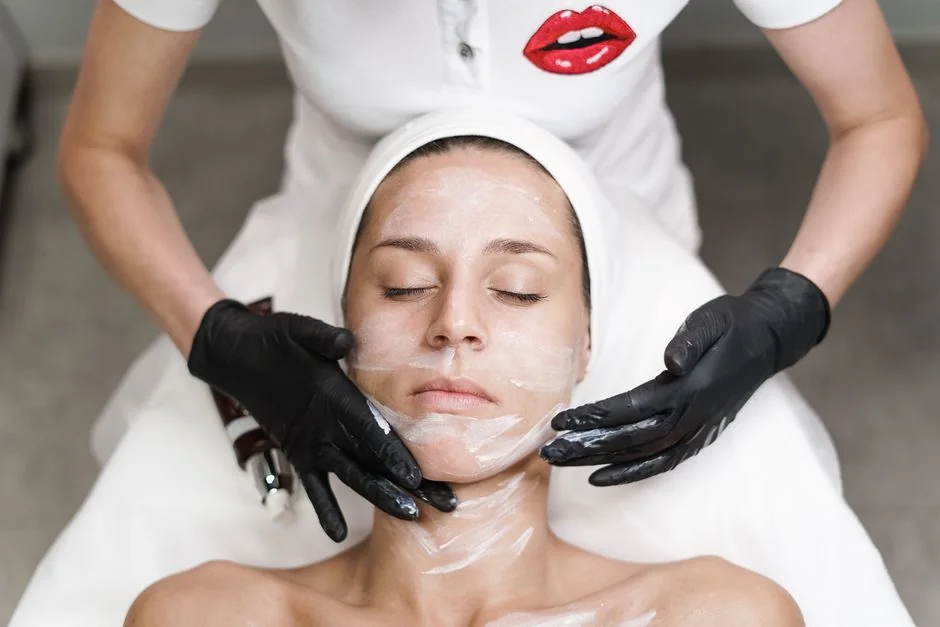
It is important to approach results with well-calibrated expectations. Embrace RF is a significant step beyond fully non-invasive treatments such as HIFU or surface-level RF devices, but it does not replicate the outcomes of formal surgical procedures such as a facelift or neck lift. The appropriate framing is that it occupies the middle ground between non-invasive energy treatments and surgery.
Areas Most Commonly Treated
- Lower face and jowls: reduction of early jowling and improved definition of the jawline
- Submental region (under the chin): reduction of submental fat and tightening of loose neck skin
- Mid-face: modest improvement in nasolabial fold depth and cheek contour
- Neck: skin laxity and textural improvement
- Periorbital area (with Morpheus8): improvement of fine lines and skin quality around the eyes, though FaceTite is not used in this delicate zone
Timeline of Visible Improvement
Some immediate tightening may be perceptible once swelling subsides, typically within two to four weeks. The most meaningful and lasting results, however, develop as new collagen matures — a biological process that takes time. The majority of the final result is generally visible at three to six months post-treatment, with some patients continuing to notice improvement up to twelve months later.
Clinical reports on FaceTite specifically suggest an average skin surface area contraction of approximately 17–45% in treated areas over a six-month period, with patient satisfaction rates consistently reported above 80% in peer-reviewed studies. It should be noted that individual outcomes vary depending on the degree of initial laxity, skin quality, age, and adherence to post-treatment care.
Dr. Karibe’s Note
Many of our international patients arrive having researched Embrace RF extensively online but are surprised to learn that the FaceTite component is a minor surgical procedure requiring local anaesthesia and a small incision — it is not simply a device placed on top of the skin. Setting this expectation clearly during consultation is something I consider essential.
It also means patients need to plan for genuine downtime, particularly for events or professional obligations, rather than treating the procedure as a lunchtime appointment. When a patient asks whether they should consider HIFU or Embrace RF, my answer depends heavily on the degree of tissue laxity present: for mild laxity, HIFU may be entirely appropriate; for moderate laxity with some fat excess, the Embrace RF combination is likely to produce a more substantive improvement.
Embrace RF vs Other Skin Tightening Options: Comparison
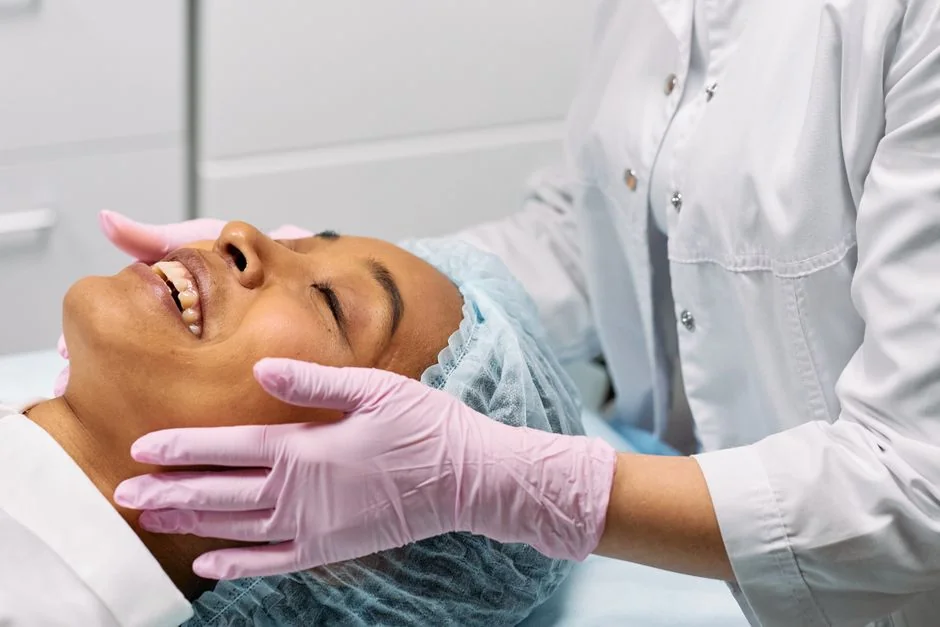
Patients researching Embrace RF are often simultaneously considering other treatments. The table below offers a factual side-by-side comparison of Embrace RF against the most commonly considered alternatives to help clarify where each treatment sits on the intervention spectrum.
| Treatment | Invasiveness | Primary Mechanism | Target Tissue Depth | Downtime | Anaesthesia | Best Suited For |
|---|---|---|---|---|---|---|
| Embrace RF (FaceTite + Morpheus8) | Minimally invasive (internal probe required) | Bipolar RF lipolysis + fractional RF microneedling | Deep subcutaneous fat + dermis | 7–14 days visible swelling/bruising; compression garment 2–4 weeks | Local anaesthesia (sedation optional) | Moderate facial laxity, mild fat excess, texture concerns |
| Morpheus8 (standalone) | Minimally invasive (needles only) | Fractional RF microneedling | Dermis and superficial subdermal fat | 3–5 days redness and micro-bruising | Topical numbing cream | Mild-to-moderate skin laxity, texture, pores, fine lines |
| HIFU (High-Intensity Focused Ultrasound) | Non-invasive | Focused ultrasound thermal coagulation of SMAS layer | SMAS fascia (4.5 mm) and dermis (1.5–3 mm) | Minimal; mild redness, transient tenderness | None (topical optional) | Mild-to-moderate laxity; patients wanting no downtime |
| Surgical facelift | Invasive (general or deep sedation) | Physical tissue repositioning and excision | All layers including SMAS | 2–4 weeks; up to 3 months for full resolution | General or IV sedation | Moderate-to-severe laxity; significant redundant skin |
| Thread lift (e.g. Tesslift) | Minimally invasive | Mechanical lifting + collagen stimulation along thread | Subcutaneous and deep dermis | 3–7 days bruising and swelling | Local anaesthesia | Mild-to-moderate laxity; adjunct to other treatments |
Note: HIFU is available at Kojimachi Dermatology & Plastic Surgery Clinic in Ichigaya, as is standalone Morpheus8. Both are treatments that may be discussed as alternatives or complements to the full Embrace RF protocol during a consultation with Dr. Karibe.
Cost of Embrace RF in Tokyo
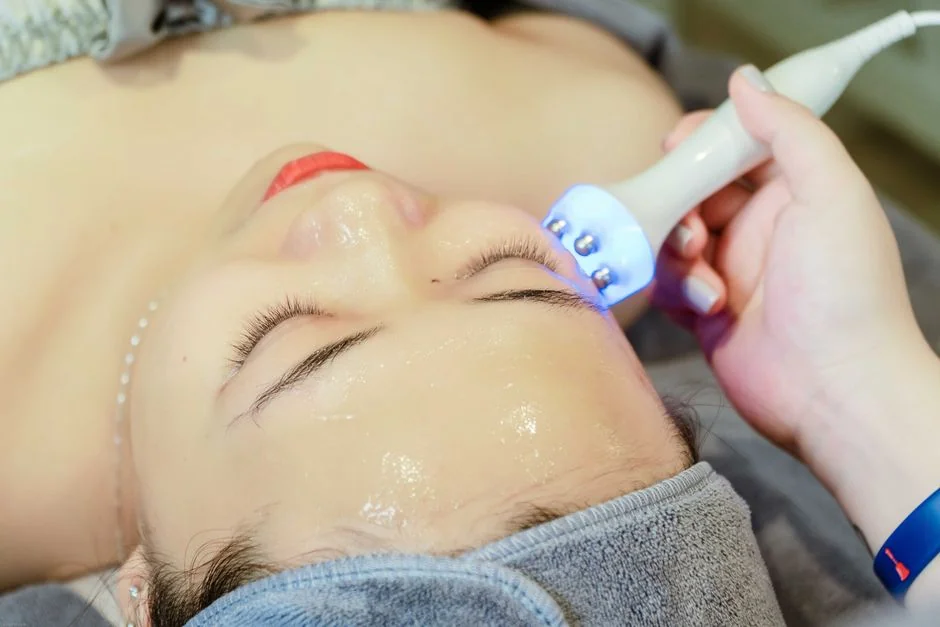
Pricing for the Embrace RF combination in Tokyo reflects the fact that the treatment involves both a device-based energy procedure (Morpheus8) and a minimally invasive surgical component (FaceTite), along with anaesthesia, consumables, and surgeon time. At Kojimachi Dermatology & Plastic Surgery Clinic, the Embrace RF programme is available, and the following pricing context applies.
Morpheus8 treatment at our Ichigaya clinic is priced in a range consistent with the clinic’s published energy treatment schedule. Standalone Morpheus8 sessions fall within a range that patients should discuss with the clinic directly based on the area and number of passes required. FaceTite, as a minimally invasive surgical procedure performed by a board-certified plastic surgeon, carries additional costs related to local anaesthesia (anaesthesia at the clinic is priced from ¥2,200 up to ¥77,000 depending on the level required) and pre-operative blood work (¥11,000), which is standard prior to any minor surgical procedure.
In clinical practice in Tokyo, the combined Embrace RF protocol — encompassing both FaceTite and Morpheus8 — is a significant investment, and patients should enquire directly for a personalised quote based on the specific areas to be treated and the extent of the procedure planned. General market pricing in Tokyo for the full combined protocol typically ranges from approximately ¥500,000 to ¥900,000 or more depending on the number of treatment zones and clinic overhead, though this is a general market reference rather than a fixed clinic price.
For an accurate quote, we recommend booking a consultation.
Have a question about this treatment?
Message us on LINE or WhatsApp — our English-speaking team usually replies the same day.
What to Expect: Before, During, and After Embrace RF
Before the Procedure
A thorough consultation with a qualified physician is essential before any Embrace RF treatment. At Kojimachi Dermatology & Plastic Surgery Clinic, this involves a review of medical history, current medications (certain blood thinners and supplements should be paused before treatment), and a physical assessment of the tissues to determine whether the patient is a suitable candidate and which areas are appropriate for FaceTite versus Morpheus8 alone.
Pre-operative blood work (¥11,000) is required ahead of the FaceTite component.
Patients are typically advised to avoid non-steroidal anti-inflammatory medications, fish oil, and alcohol for one to two weeks prior to the procedure to minimise bruising risk. Any active skin infections, cold sores, or inflammatory skin conditions in the treatment area should be fully resolved before proceeding.
During the Procedure
The session is performed under local anaesthesia, which is applied via small injections to numb the treatment area thoroughly. Most patients report that the procedure itself is well-tolerated once the anaesthesia is in effect, though some pressure or warmth may be perceptible.
A typical Embrace RF session treating the lower face, jowls, and submental region takes approximately one to two hours.
FaceTite is performed first, with the small cannula inserted through entry points typically placed in inconspicuous locations (such as within natural skin folds or along the hairline). Once the FaceTite component is complete, the Morpheus8 handpiece is applied to the surface of the skin to treat the dermal layer. A compression garment or facial wrap may be applied immediately after the procedure.
Recovery and Downtime
Patients should plan for meaningful downtime. Swelling, bruising, and a degree of firmness in the treated area are expected in the first one to two weeks. Most patients find that significant visible swelling peaks around days two to four and begins to resolve over the following week, though residual puffiness can persist for several weeks. The small entry point incisions from FaceTite typically heal with minimal scarring.
A compression garment worn around the face and neck is usually recommended for two to four weeks, particularly at night, to support the healing tissue and optimise contraction results. Strenuous exercise, significant sun exposure, and use of active skincare ingredients (such as retinoids and AHAs) should be avoided during the initial healing phase. Most patients return to work and social activities within seven to fourteen days, though this varies by individual.
In our clinical experience at BIOTOPE CLINIC or Kojimachi Dermatology & Plastic Surgery Clinic, international patients travelling from outside Japan tend to plan a stay of at least two weeks in Tokyo to accommodate both the procedure and the early recovery phase before flying home — a practical consideration worth factoring into travel planning.
Who Is a Good Candidate for Embrace RF?
Embrace RF produces the most meaningful results in patients who fall within a specific range of tissue changes. The ideal candidate typically presents with the following characteristics:
- Age approximately 35–65 years, with early-to-moderate facial or neck laxity
- Mild-to-moderate submental fat deposit (a “double chin” that does not require formal liposuction) combined with overlying skin looseness
- Visible jowling or loss of jawline definition not severe enough to require surgical correction
- Concerns about skin texture, enlarged pores, or fine lines in addition to laxity
- Good general health, non-smoker or willing to cease smoking well before treatment
- Realistic expectations about gradual, progressive improvement rather than an immediate dramatic change
Who Should Consider an Alternative
Patients with significant redundant skin, deep facial folds, or advanced ptosis (drooping) of facial tissues are likely to see limited benefit from Embrace RF and may be better served by a formal surgical procedure such as a facelift, neck lift, or — in cases of upper eyelid or brow descent — ptosis correction or blepharoplasty. Dr. Karibe is a board-certified plastic surgeon and is well-positioned to assess whether a surgical referral is more appropriate during consultation.
Patients with active implantable electronic devices such as pacemakers, those who are pregnant, those with significant uncontrolled medical conditions, and those with metal implants in or near the treatment area are generally not suitable candidates for RF-based treatments. Active skin infections, open wounds, or severe inflammatory skin conditions in the proposed treatment area also preclude treatment until resolved.
Common Misconceptions About Embrace RF
Misconception 1: “Embrace RF is the same as a non-invasive device treatment — no needles, no incisions.”
This is a significant misunderstanding that can lead patients to arrive unprepared for the reality of the procedure. The Morpheus8 component involves fine microneedles penetrating the skin surface, and the FaceTite component requires a small cannula to be inserted beneath the skin through a tiny incision under local anaesthesia. While the entry points are small and the recovery is substantially shorter than formal surgery, Embrace RF is not a “no-downtime” or fully non-invasive procedure. Patients who genuinely cannot take time away from professional or social commitments should discuss whether standalone Morpheus8 or a non-invasive HIFU treatment might be more appropriate for their circumstances.
Misconception 2: “One session will produce permanent results regardless of age or lifestyle.”
Radiofrequency treatments — including FaceTite — stimulate collagen and elastin remodelling, which produces genuine, lasting structural improvement in the treated tissue. However, they do not halt the natural ageing process. Skin will continue to age after treatment, and factors such as sun exposure, smoking, significant weight fluctuation, and general health will influence how long the results remain visible. Many patients choose to complement their results with periodic maintenance treatments — such as additional Morpheus8 sessions or HIFU — as time passes. Skincare regimens incorporating sun protection and collagen-supporting products (such as those available through medically-supervised skincare lines) can also support treatment longevity.
Frequently Asked Questions
- Q. How many Embrace RF sessions are typically needed?
- For most patients, a single combined FaceTite and Morpheus8 session addresses the primary concerns, as FaceTite is not typically repeated in the same area within a short timeframe. However, one to three additional standalone Morpheus8 sessions may be recommended in subsequent months to continue improving skin texture and superficial laxity as collagen remodelling progresses. The exact treatment plan depends on individual assessment.
- Q. Is Embrace RF suitable for all skin tones, including Asian skin types?
- Because radiofrequency energy does not rely on light absorption by melanin, it is generally considered suitable across a broad range of skin tones, including Fitzpatrick skin types IV–VI commonly seen in Asian patients. This is one advantage RF-based treatments hold over certain laser technologies where there is a higher risk of post-inflammatory hyperpigmentation in darker skin tones. That said, all patients should undergo a thorough individual assessment, as skin condition and tissue characteristics vary significantly.
- Q. Is Embrace RF painful?
- The FaceTite component is performed under local anaesthesia, and most patients report that the procedure itself is well-tolerated once the anaesthetic has taken effect. There may be some sensation of warmth or pressure. The Morpheus8 component involves microneedle insertion, which is performed after application of topical numbing cream; mild discomfort is possible but generally manageable. Post-procedure soreness, tightness, and tenderness are common in the first few days of recovery.
- Q. Can Embrace RF replace a surgical facelift?
- Embrace RF addresses early-to-moderate laxity effectively and may defer the need for surgery by several years for suitable candidates. However, it cannot replicate the degree of tissue repositioning achievable with a formal facelift, particularly for patients with significant redundant skin or deep structural changes. A candid consultation with a board-certified plastic surgeon is the most reliable way to understand which option is appropriate for an individual’s degree of change.
- Q. Can Embrace RF be combined with other treatments at the same clinic?
- Yes, in many cases Embrace RF is planned alongside complementary treatments to address a patient’s full range of concerns. For example, hyaluronic acid filler or Botox injections may be timed to coincide with (or shortly after) the Embrace RF recovery period to address volume loss or dynamic lines that are not resolved by RF tightening alone. Fat-dissolving injections may be considered for localised fat pockets in areas not covered by FaceTite. The treatment plan is always individualised based on a clinical assessment.
Have a question about this treatment?
Message us on LINE or WhatsApp — our English-speaking team usually replies the same day.
Summary
Embrace RF — the combination of FaceTite and Morpheus8 — represents a well-studied, clinically substantiated approach to facial contouring and skin tightening that occupies a meaningful space between fully non-invasive treatments and formal surgical procedures.
It is best suited to patients with early-to-moderate facial laxity, mild submental fat excess, and concurrent skin texture concerns, and it offers the practical benefit of addressing multiple tissue depths within a single treatment session and recovery period.
The procedure requires local anaesthesia, a short minimally invasive component for FaceTite, and a committed recovery period of one to two weeks. Results develop progressively over three to six months as new collagen matures, and while they are durable, they do not stop the natural progression of ageing. Individual outcomes vary, and a thorough consultation with a qualified physician — ideally a board-certified plastic surgeon — is essential to determine candidacy and set realistic expectations.
If you have questions about Embrace RF in Tokyo — including whether the FaceTite and Morpheus8 combination or an alternative such as HIFU or standalone Morpheus8 may be more appropriate for your concerns — our team at BIOTOPE CLINIC or Kojimachi Dermatology & Plastic Surgery Clinic in Tokyo would be happy to help. We offer consultations in English.
24/7 Consultation & Booking
Book a Consultation or Treatment
Our English-speaking team responds via LINE or WhatsApp — usually the same day.
References
- Theodorou SJ, Chia CT. Radiofrequency-assisted liposuction for arm contouring: technique under local anesthesia. Plastic and Reconstructive Surgery Global Open. 2013.
- Mulholland RS. Nonexcisional, minimally invasive rejuvenation of the neck. Clinics in Plastic Surgery. 2014.
- Alexiades M, Berube D. Randomized, blinded, 3-arm clinical trial assessing optimal temperature and duration for bipolar fractional radiofrequency treatment of acne scars. Dermatologic Surgery. 2015.
- Dayan E, Burns AJ, Rohrich RJ, Theodorou S. The use of radiofrequency in aesthetic surgery. Plastic and Reconstructive Surgery Global Open. 2020.
- Taub AF, Tucker RD, Palange A. Facial tightening with an advanced 4-MHz monopolar radiofrequency device. Journal of Drugs in Dermatology. 2012.
Related Articles
You may also find these articles useful.
SUPERVISED BY
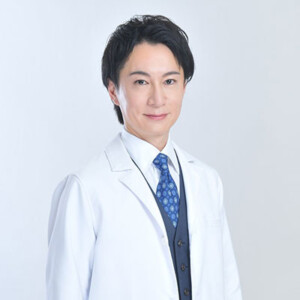
Dr. Jun Karibe
MD
Director
Education & Career
Certifications
Awards
MEDICAL REVIEW