Finding an English-Speaking Dermatologist Near Ginza and Marunouchi, Tokyo
Navigating skin care and dermatology in a foreign country is stressful enough without a language barrier added to the mix.
Whether you are an expatriate living in central Tokyo, a medical tourist, or a visitor dealing with an unexpected skin concern, finding a qualified English-speaking dermatologist near Ginza or Marunouchi,Tokyo is a common and entirely understandable priority.
This guide explains what to look for in a Tokyo dermatology clinic, what treatments are available, realistic costs, and — most importantly — where English-speaking consultations are available in the area.
- What qualifications to look for in a Tokyo dermatologist
- Which skin conditions and treatments are commonly addressed
- Realistic cost ranges for cosmetic and medical dermatology in Tokyo
- What to expect during a consultation in Japan
- Where to book an English-speaking dermatology consultation near Ginza and Marunouchi
Have a question about this treatment?
Message us on LINE or WhatsApp — our English-speaking team usually replies the same day.
Dermatology in Japan: Medical and Cosmetic Services Explained
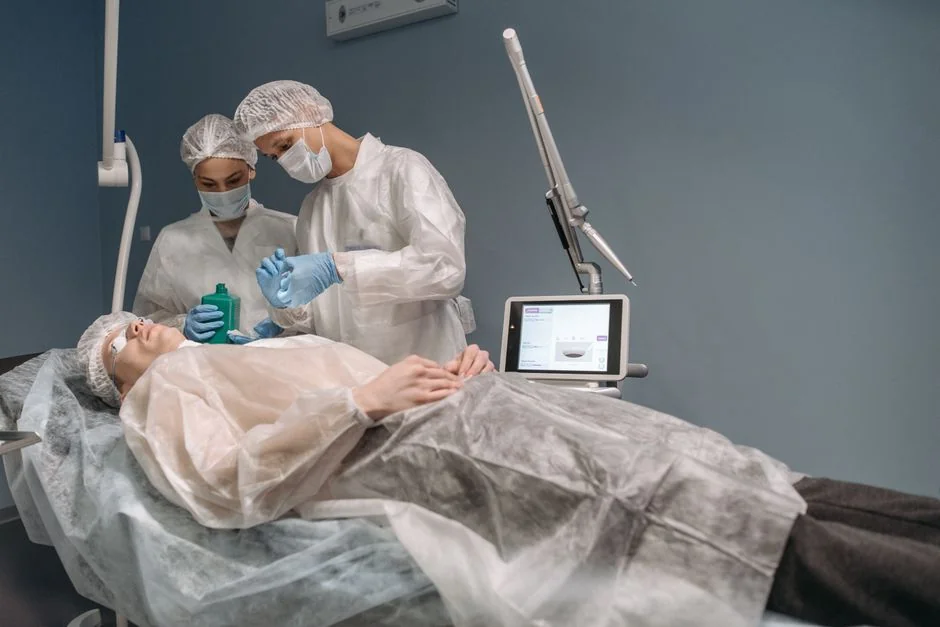
In Japan, dermatology (皮膚科, hifuka) covers both insurance-covered medical skin conditions and a wide range of cosmetic and aesthetic treatments. The two categories are distinct in terms of funding, pricing, and the type of clinic you visit.
Insurance-covered dermatology typically includes the diagnosis and treatment of conditions such as eczema, contact dermatitis, urticaria (hives), psoriasis, acne, fungal infections, viral skin conditions (including herpes zoster), and inflammatory disorders. Standard treatments include topical steroids, antihistamines, antifungal agents, antivirals, oral antibiotics, immunosuppressants, and narrowband UVB phototherapy for chronic conditions.
Cosmetic dermatology — which is not covered by Japan’s national health insurance — includes treatments such as laser therapy for pigmentation, radiofrequency skin tightening, injectable treatments (Botox, dermal fillers), and minor surgical procedures. These are typically performed at private aesthetic clinics and are priced accordingly.
Why Language Matters in a Clinical Setting
Accurate diagnosis depends on clear communication. Describing the onset, progression, associated symptoms, and relevant medical history of a skin condition requires nuance that machine translation apps often fail to convey reliably.
A misunderstood symptom can lead to a misdiagnosis or an inappropriate treatment plan.
For this reason, expatriates and international visitors in Tokyo frequently prioritise clinics where at least one physician is able to conduct a full consultation in English — not simply read a translated intake form, but discuss, listen, and explain in detail.
What Skin Conditions Are Commonly Seen in Tokyo?
Tokyo’s urban environment, seasonal humidity fluctuations, and high-stress professional culture contribute to a predictable range of dermatological presentations among both residents and visitors.
Common Medical Dermatology Concerns
- Atopic dermatitis (eczema): Particularly prevalent in Tokyo’s dry winter months and humid summers. Flare-ups are common among patients who have recently relocated.
- Contact dermatitis: Reactions to unfamiliar cosmetics, detergents, or workplace chemicals.
- Urticaria (hives): Acute or chronic, sometimes linked to dietary changes after relocation.
- Acne: Affecting adults as well as adolescents, often worsened by stress and humidity.
- Tinea (fungal infections): Including athlete’s foot and ringworm, both common in Tokyo’s public bathing culture.
- Herpes zoster (shingles): Requires prompt antiviral treatment and clear communication about symptoms.
- Mole evaluation and removal: Including pigmented lesions that merit clinical assessment.
Common Cosmetic Dermatology Requests
- Hyperpigmentation, sun spots, and melasma — particularly relevant for patients spending time in Japan’s intense summer UV environment
- Skin laxity and early signs of facial ageing
- Acne scarring and enlarged pores
- Fine lines and volume loss around the eyes and midface
- Under-eye concerns, including hollowing and pigmentation
Dr. Karibe’s Note
Many of our international patients are surprised to find that cosmetic concerns — such as pigmentation from sun exposure or acne scarring — respond very well to the combination of laser and topical treatment protocols available in Japan.
A common question I receive is whether it is worth treating skin conditions ‘while in Tokyo’ versus waiting to return home. In most cases, the sooner an active condition is addressed, the better the long-term outcome.
I am always happy to discuss realistic expectations during a consultation at BIOTOPE CLINIC.
Cosmetic Treatments Available and Costs in Tokyo
Cosmetic dermatology pricing in Tokyo is generally transparent at reputable private clinics, with costs listed per session or per treatment area. Below is an overview of commonly requested treatments and their approximate cost ranges at BIOTOPE CLINIC in Shirokanedai.
| Treatment | What It Does | Price Range (JPY) |
|---|---|---|
| HIFU (skin lifting) | Focused ultrasound energy to tighten skin and stimulate collagen without surgery | ¥25,000 – ¥110,000 |
| Pico laser (PicoWay) | Ultra-short laser pulses targeting pigmentation, sun spots, and tattoo removal | ¥11,000 – ¥98,000 |
| CO2 fractional laser | Resurfacing laser for acne scars, enlarged pores, and skin texture | ¥11,000 – ¥66,000 |
| Botox (Allergan) | Muscle-relaxing injections for lines, wrinkles, and facial contouring | ¥22,000 – ¥148,000 |
| Hyaluronic acid filler | Volume restoration for cheeks, lips, tear troughs, and facial contouring | ¥66,000 – ¥88,000 per syringe |
| Dermapen (microneedling) | Controlled micro-injuries to stimulate collagen; used for scars and skin quality | ¥9,800 – ¥220,000 |
| Photofacial (Stella M22) | Intense pulsed light (IPL) for redness, pigmentation, and overall skin tone | ¥28,000 – ¥126,000 |
| Mole removal | Surgical or laser excision of benign pigmented lesions | Consultation required |
| Initial consultation | General dermatology or cosmetic assessment | ¥3,300 |
| Dr. Karibe surgical consultation | Surgical planning (blepharoplasty, rhinoplasty, etc.) | ¥2,200 |
Clinical studies suggest that energy-based treatments such as HIFU and radiofrequency microneedling can demonstrate measurable skin tightening outcomes, with one published review reporting patient satisfaction rates exceeding 70% in prospective cohorts following ultrasound-based facial lifting procedures. Results vary by individual skin condition, age, and treatment protocol.
For pigmentation concerns, pico-second laser technology has shown statistically significant reductions in melanin index in clinical reports, with studies indicating improvement in as few as two to four sessions for solar lentigines (sun spots) in Asian skin types.
For an accurate quote based on your specific skin concern and treatment goals, a consultation is recommended before committing to any procedure.
Have a question about this treatment?
Message us on LINE or WhatsApp — our English-speaking team usually replies the same day.
What to Expect: Before, During, and After a Consultation
Before Your Appointment
Reputable clinics will typically ask for a brief medical history, including current medications, known allergies, and any previous skin treatments. If you are visiting for a cosmetic concern, bringing clear photographs of the area (including progression over time, if relevant) is genuinely helpful.
For patients concerned about skin cancer screening or atypical moles, it is worth noting that Japan does not currently operate the same GP referral system as many Western countries. You can book directly with a dermatologist — no referral letter is required.
During the Consultation
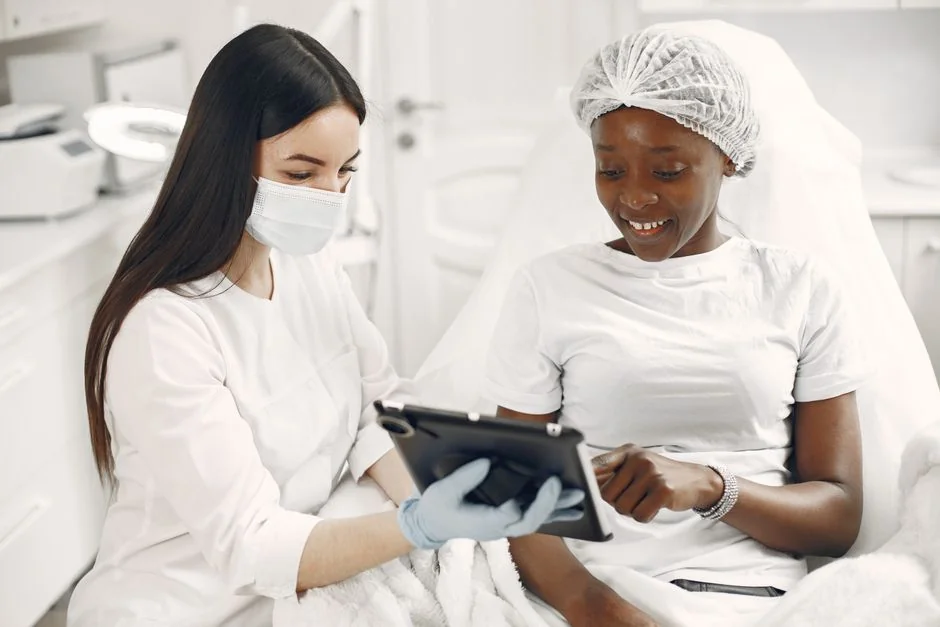
At a clinic with English-speaking physicians, the consultation should include a thorough clinical examination, a clear explanation of any diagnosis, discussion of treatment options (including non-treatment), and a transparent breakdown of costs before anything is agreed. A consultation is an opportunity to ask questions — a good physician welcomes them.
In Dr. Karibe’s clinical experience at BIOTOPE CLINIC, patients who arrive with a prepared list of questions tend to leave their consultations feeling more confident about their treatment decisions. There is no obligation to proceed with any treatment at the consultation stage.
After Treatment
Post-treatment care instructions vary significantly by procedure. Energy-based treatments such as HIFU and laser typically require sun protection and gentle skincare for one to two weeks. Injectables such as Botox have minimal downtime but carry specific post-care guidelines (avoiding pressure on the treated area, no vigorous exercise for 24 hours). Surgical procedures require a more structured recovery period and follow-up appointments.
Common Misconceptions About Dermatology in Tokyo
Misconception 1: All Tokyo Dermatology Clinics Offer English Consultations
This is not the case. The majority of dermatology clinics in Tokyo — including many well-regarded hospital outpatient departments — operate entirely in Japanese. Some clinics offer translation services via staff members, but this is not equivalent to a physician-led consultation conducted in English. Patients seeking a full clinical discussion in English should specifically confirm that the treating physician (not only reception staff) speaks English before booking.
Misconception 2: Cosmetic Clinics in Japan Are Unregulated
Japan has a robust regulatory framework for medical practice. All physicians practising in Japan — including those performing cosmetic procedures — must hold a Japanese medical licence issued by the Ministry of Health, Labour and Welfare. Board certification in plastic surgery or dermatology, while voluntary, is an additional marker of specialised training. Dr. Jun Karibe holds board certification from the Japan Society of Plastic and Reconstructive Surgery, a recognised professional body.
Where to Get English-Speaking Dermatology Consultations Near Ginza and Marunouchi,Tokyo
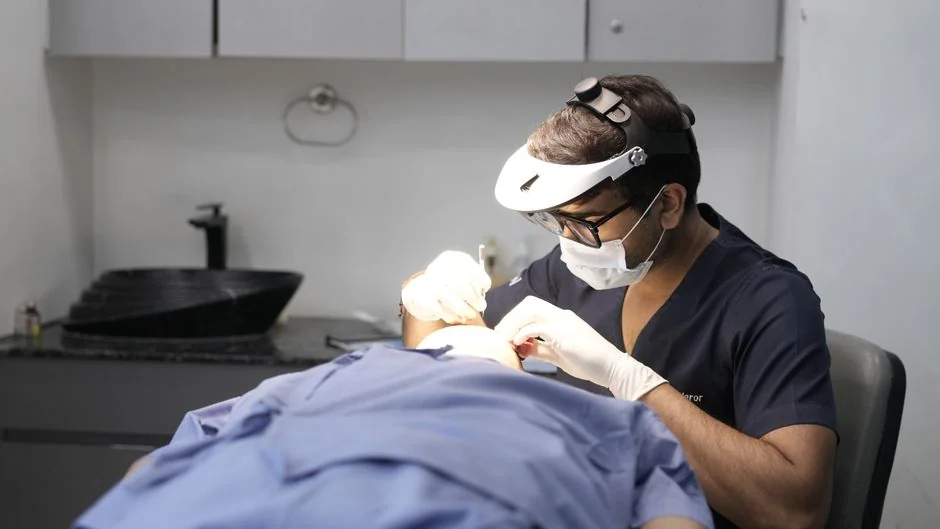
For English-speaking patients looking for dermatology or cosmetic skin care consultations in central Tokyo, the most practical consideration is proximity to transport links and confirmed English-language physician availability.
Within our clinic group, English-speaking consultations are handled at BIOTOPE CLINIC in Shirokanedai (Minato-ku, Tokyo) by Dr. Jun Karibe. BIOTOPE CLINIC is reachable by the Namboku and Mita subway lines from Shirokanedai Station, making it accessible from Ginza (via Mita Line) and Marunouchi (via Namboku Line connection) within approximately 15 to 25 minutes by rail.
Our sister clinic, Kojimachi Dermatology and Plastic Surgery Clinic in Ichigaya (Chiyoda-ku), handles Japanese-language insurance-covered dermatology and serves as the group’s main office. English-speaking patients should direct all bookings and enquiries to BIOTOPE CLINIC. Bookings and enquiries in English: LINE or WhatsApp.
BIOTOPE CLINIC offers both medical dermatology consultations and the full range of cosmetic treatments listed above, all conducted by Dr. Karibe and his English-speaking team. Treatments such as PicoWay laser for pigmentation and HIFU for skin laxity are available at BIOTOPE CLINIC in Shirokanedai — feel free to ask about either during a consultation with Dr. Karibe.
Frequently Asked Questions
- Q. Do I need a referral letter to see a dermatologist in Tokyo?
- No referral is required to book a private dermatology appointment in Japan. You can contact BIOTOPE CLINIC directly by LINE or WhatsApp to arrange an initial consultation with Dr. Karibe. If your concern turns out to be covered by Japan’s national health insurance, guidance can be provided on next steps.
- Q. Can I be treated for a medical skin condition (such as eczema or hives) at a cosmetic clinic?
- BIOTOPE CLINIC is a cosmetic and plastic surgery clinic; insurance-covered medical dermatology (including eczema management, antihistamine prescriptions, and antifungal treatment) is the specialty of our sister clinic Kojimachi Dermatology and Plastic Surgery Clinic in Ichigaya, which operates in Japanese. For English-speaking patients with medical skin concerns, Dr. Karibe can provide an initial assessment at BIOTOPE and advise on the most appropriate care pathway.
- Q. How far is BIOTOPE CLINIC from Ginza?
- BIOTOPE CLINIC is located in Shirokanedai, Minato-ku. From Ginza Station, the journey takes approximately 20 to 25 minutes by subway, changing at Mita or using the Namboku Line. Detailed directions are available upon booking confirmation.
- Q. Are cosmetic procedure prices in Tokyo competitive compared to other major cities?
- Tokyo’s cosmetic dermatology pricing is generally comparable to major cities in Europe and Australia, and often lower than equivalent treatments in the United States or the United Kingdom for comparable device-based procedures. Prices vary by clinic, physician experience, and treatment scope. A formal consultation is the most reliable way to receive an accurate personalised quote.
- Q. What languages does BIOTOPE CLINIC accommodate?
- BIOTOPE CLINIC currently offers English-speaking physician consultations with Dr. Jun Karibe. All English enquiries — including initial questions, appointment booking, and post-treatment follow-up — are handled by the English-speaking team at the Shirokanedai clinic. Japanese-language patients are of course equally welcome.
Have a question about this treatment?
Message us on LINE or WhatsApp — our English-speaking team usually replies the same day.
Summary
Finding a qualified English-speaking dermatologist near Ginza and Marunouchi,Tokyo station in Tokyo is entirely possible with the right information. Understanding the distinction between insurance-covered medical dermatology and private cosmetic dermatology helps set realistic expectations for cost, process, and clinic type.
For English-speaking patients — whether dealing with a straightforward skin concern or exploring cosmetic treatment options — the key is confirming that the physician (not only reception staff) conducts consultations in English, and that the clinic has the clinical credentials and treatment range to address your specific needs.
If you have questions about finding an English-speaking dermatologist near Ginza or Marunouchi, or about any of the treatments discussed in this article, English-speaking consultations are handled at BIOTOPE CLINIC in Shirokanedai (Minato-ku, Tokyo) by Dr. Karibe. Our sister clinic, Kojimachi Dermatology and Plastic Surgery Clinic in Ichigaya (Chiyoda-ku), handles Japanese-language insurance dermatology. English enquiries: LINE or WhatsApp.
24/7 Consultation & Booking
Book a Consultation or Treatment
Our English-speaking team responds via LINE or WhatsApp — usually the same day.
References
- Fabi SG. Noninvasive skin tightening: focus on new ultrasound techniques. Clinical, Cosmetic and Investigational Dermatology. 2015.
- Kono T, Chan HH, Groff WF, et al. Prospective direct comparison study of fractional resurfacing using different fluences and densities for skin rejuvenation in Asians. Lasers in Surgery and Medicine. 2007.
- Brauer JA, Kazlouskaya V, Alabdulrazzaq H, et al. Use of a picosecond pulse duration laser with specialized optic for treatment of facial acne scarring. JAMA Dermatology. 2015.
- Ogilvie P, Sarnoff DS, Rojanamatin J, et al. Improvement in patient-reported outcomes and facial appearance with onabotulinumtoxinA: a meta-analysis of trials in four indications. Aesthetic Surgery Journal. 2020.
- Manstein D, Herron GS, Sink RK, Tanner H, Anderson RR. Fractional photothermolysis: a new concept for cutaneous remodeling using microscopic patterns of thermal injury. Lasers in Surgery and Medicine. 2004.
SUPERVISED BY
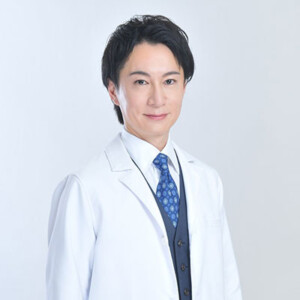
Dr. Jun Karibe
MD
Director
Education & Career
Certifications
Awards
MEDICAL REVIEW