Finding an English-Speaking Dermatologist in Setagaya,Meguro Tokyo — A Guide for Families
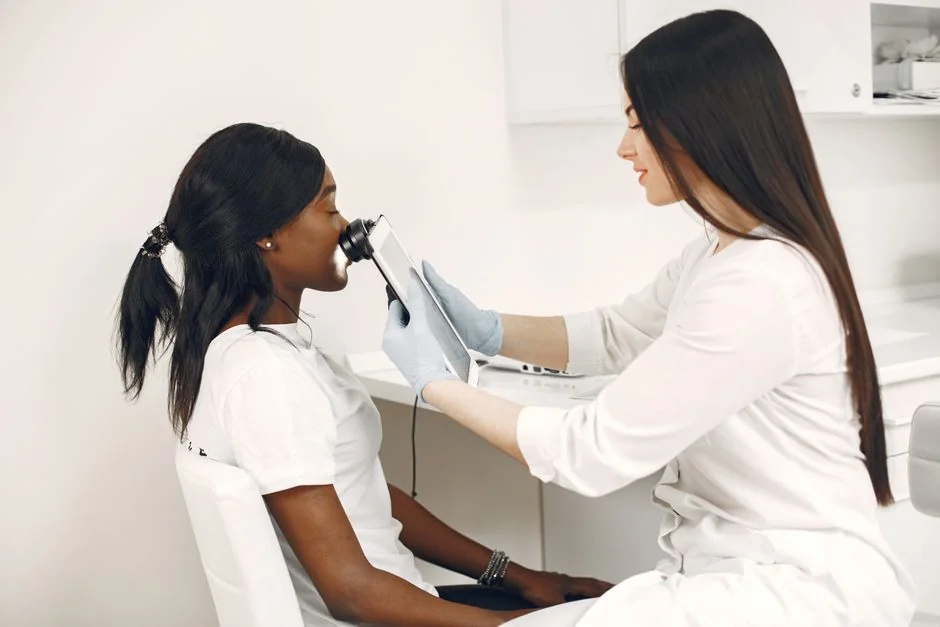
Living in Setagaya ,Meguro district with children or elderly family members means skin concerns come up frequently — from eczema flares and heat rash in summer to warts, atopic dermatitis, and mystery rashes that need a professional eye.
Finding a dermatologist who can explain a diagnosis and treatment plan clearly in English, however, is a challenge that many expat families in Tokyo know all too well.
This guide explains what to expect from dermatology consultations in Tokyo, how the Japanese clinic system works, what common family skin conditions are typically treated, and where English-speaking families in Setagaya,Meguro and surrounding wards can access quality dermatological care without a language barrier.
- What dermatology services are available for English-speaking families in the Tokyo area
- Common skin conditions affecting children and adults in Japan, and how they are treated
- How insurance-covered dermatology differs from cosmetic dermatology in Japan
- Where English-speaking consultations are available within the Dr. Karibe clinic group
- What to expect at a first appointment and how to prepare
Have a question about this treatment?
Message us on LINE or WhatsApp — our English-speaking team usually replies the same day.
Why English-Speaking Dermatology Matters for Families in Setagaya
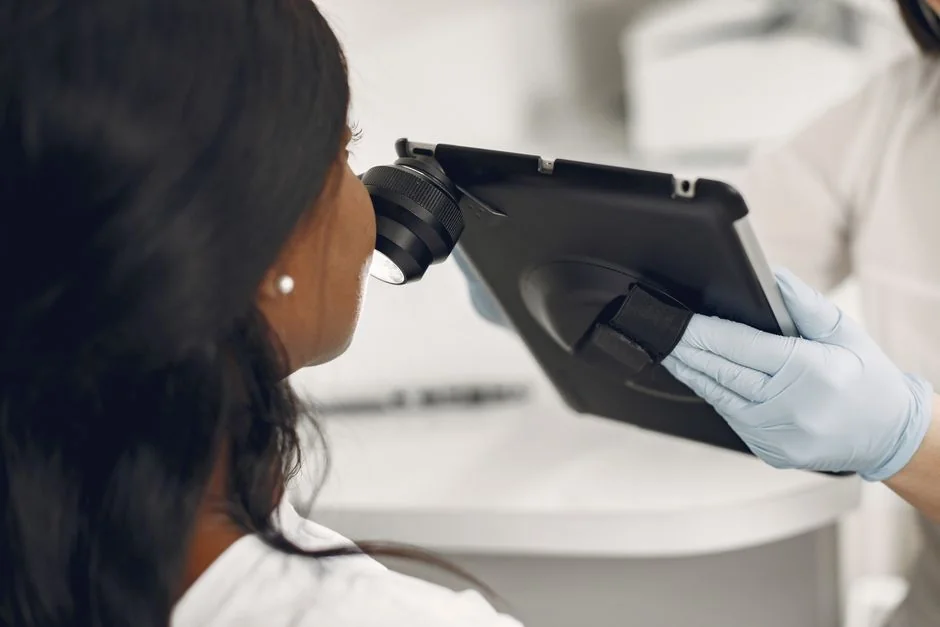
Setagaya,Meguro -ku is one of Tokyo’s largest and most internationally diverse wards, home to a significant expatriate community including families from Europe, North America, Australia, and across Asia. The ward has many excellent local dermatology clinics, but the majority operate exclusively in Japanese.
For parents trying to describe a child’s skin symptoms or understand a treatment recommendation, the language barrier is more than an inconvenience — it can lead to misunderstandings about dosage, application frequency, or follow-up care.
Studies published in patient communication research suggest that language-concordant consultations significantly improve treatment adherence and health outcomes, particularly in paediatric dermatology settings where caregivers must accurately relay instructions at home.
Having access to a dermatologist who can explain conditions in plain English — and who understands the cultural context of international patients — removes a meaningful layer of stress from managing your family’s skin health in Japan.
Dr. Karibe’s Note
Many of our international patients are surprised to find that Japanese dermatology clinics often operate very efficiently — appointments are taken seriously and waiting times are shorter than many expect.
The real challenge is not the quality of care but the language gap. Families who come to BIOTOPE CLINIC often mention that simply being able to ask questions and receive answers in English makes the entire experience far less daunting, especially when the patient is a young child who cannot describe their own symptoms.
Common Skin Conditions in Families Living in Japan
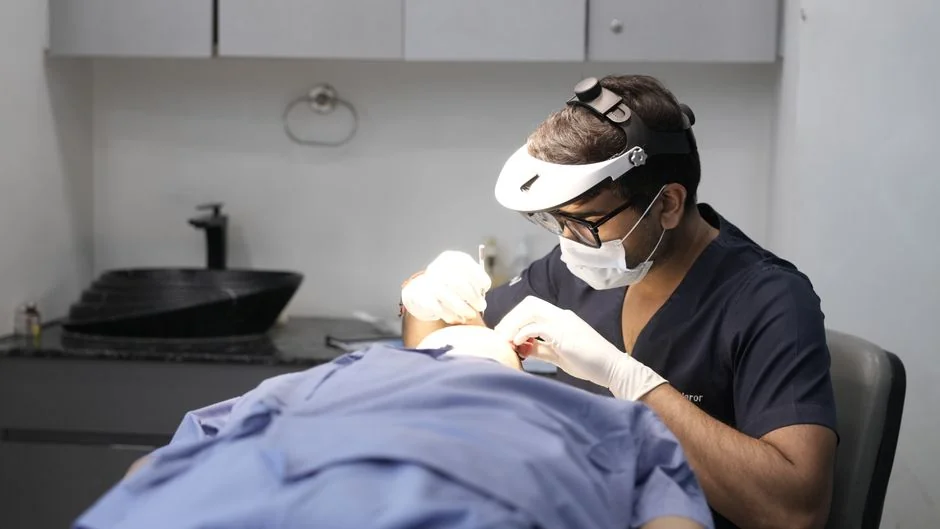
Japan’s climate — humid summers, cold dry winters, and significant seasonal pollen — creates a particular set of dermatological challenges for families, especially those whose skin is not acclimatised to the local environment.
Atopic Dermatitis (Eczema)
Atopic dermatitis is among the most commonly encountered conditions in paediatric dermatology. Clinical reports indicate that approximately 10–20% of children in developed countries are affected at some point in childhood, with many cases improving with age but requiring consistent management in the interim.
In Japan’s humid summers, eczema flares can intensify due to sweat, friction from clothing, and environmental allergens.
Treatment typically involves topical corticosteroids to reduce inflammation, emollient moisturisers to restore the skin barrier, and antihistamines to reduce itch. For moderate-to-severe cases, a dermatologist may also consider topical calcineurin inhibitors or, in adults, immunosuppressant therapy.
Narrowband UVB phototherapy is another option available at specialist clinics for cases that do not respond adequately to topical treatments.
Urticaria (Hives) and Allergic Reactions
New environments, foods, detergents, and insect bites can trigger allergic skin reactions in both children and adults.
Urticaria — red, raised, itchy welts — is often acute and resolves within a few days with antihistamines, but chronic urticaria (persisting beyond six weeks) warrants a more thorough dermatological evaluation.
Fungal Infections and Tinea
Japan’s warm, humid summers and widespread use of communal baths (sento and onsen) make fungal skin infections relatively common. Tinea pedis (athlete’s foot) and tinea corporis respond well to topical antifungal treatments, though stubborn cases may require oral antifungal therapy.
Warts, Molluscum Contagiosum, and Common Childhood Skin Infections
Warts (caused by the human papillomavirus) and molluscum contagiosum (a poxvirus causing small pearly bumps) are both prevalent in school-aged children and spread easily in communal changing areas and swimming pools.
Management options range from watchful waiting in mild cases to topical treatments, liquid nitrogen cryotherapy, or minor surgical procedures depending on the number, location, and degree of spread.
Cosmetic Concerns in Adults
Beyond medical dermatology, many expatriate adults living in Setagaya are also interested in cosmetic skin treatments — pigmentation, acne scarring, early signs of ageing, or preventive skin care. These fall outside the scope of insurance-covered dermatology and are handled as cosmetic or aesthetic medicine. At BIOTOPE CLINIC in Shirokanedai, options such as PicoWay laser (for pigmentation and uneven skin tone), CO2 fractional laser (for acne scars and enlarged pores), and HIFU (for skin lifting and tightening) are available — feel free to ask about these during a consultation with Dr. Karibe.
Insurance-Covered Dermatology vs. Cosmetic Dermatology in Tokyo
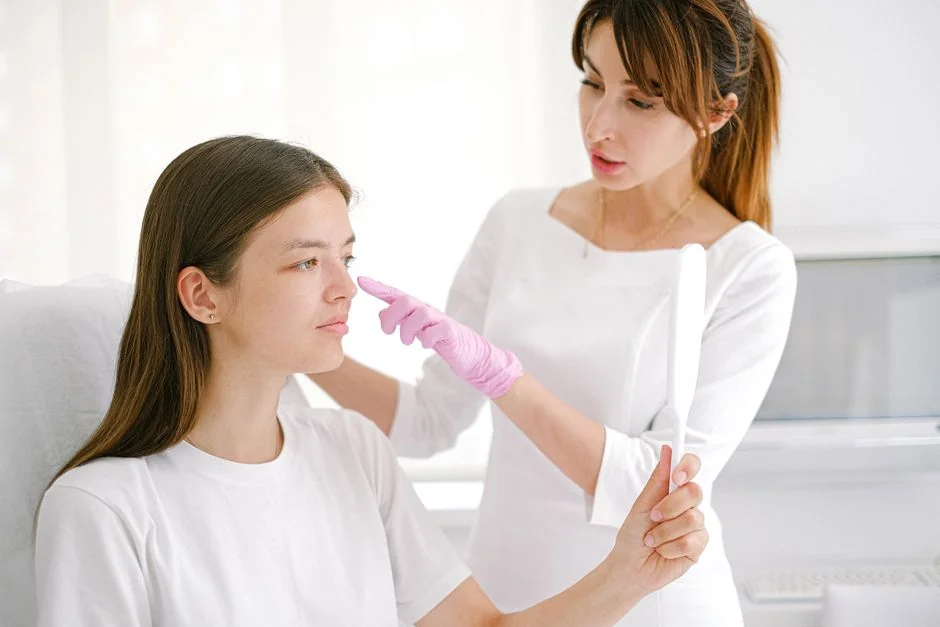
Understanding this distinction is important for families navigating the Japanese healthcare system.
| Category | Insurance-Covered Dermatology | Cosmetic Dermatology |
|---|---|---|
| Scope | Medical conditions: eczema, urticaria, acne, fungal infections, warts, rosacea, skin infections | Aesthetic concerns: pigmentation, wrinkles, scarring, skin texture, ageing |
| Funding | Covered (partially) by National Health Insurance or company health insurance | Entirely self-funded (no insurance coverage) |
| Language | Most Tokyo clinics operate in Japanese only | Specialist cosmetic clinics such as BIOTOPE CLINIC offer English consultations |
| Typical treatments | Topical steroids, antihistamines, antibiotics, antifungals, narrowband UVB | HIFU, laser, RF microneedling, injectables, chemical peels, Dermapen |
| Referral needed? | Generally not — direct booking is standard in Japan | Generally not — direct booking at aesthetic clinics |
Within the Dr. Karibe clinic group, insurance-covered dermatology in Japanese is provided at Kojimachi Dermatology and Plastic Surgery Clinic in Ichigaya (Chiyoda-ku), which serves as the group’s main office for Japanese-language dermatological care. English-speaking consultations for both cosmetic and general dermatology enquiries are handled at BIOTOPE CLINIC in Shirokanedai.
Have a question about this treatment?
Message us on LINE or WhatsApp — our English-speaking team usually replies the same day.
Getting to BIOTOPE CLINIC from Setagaya,Meguro
BIOTOPE CLINIC is located in Shirokanedai, Minato-ku — easily accessible from Setagaya by train.
The Tokyu Den-en-toshi Line and Tokyu Oimachi Line connect Setagaya stations to Shibuya, from which Shirokanedai is a short ride on the Tokyo Metro Namboku Line or Toei Mita Line (approximately 25–35 minutes total from central Setagaya).
For families with young children, it is worth noting that the clinic can be reached without multiple transfers depending on the departure station, and prior appointment booking (via LINE or WhatsApp in English) ensures minimal waiting time on arrival.
What to Expect at Your First English-Speaking Dermatology Appointment
Before the Appointment
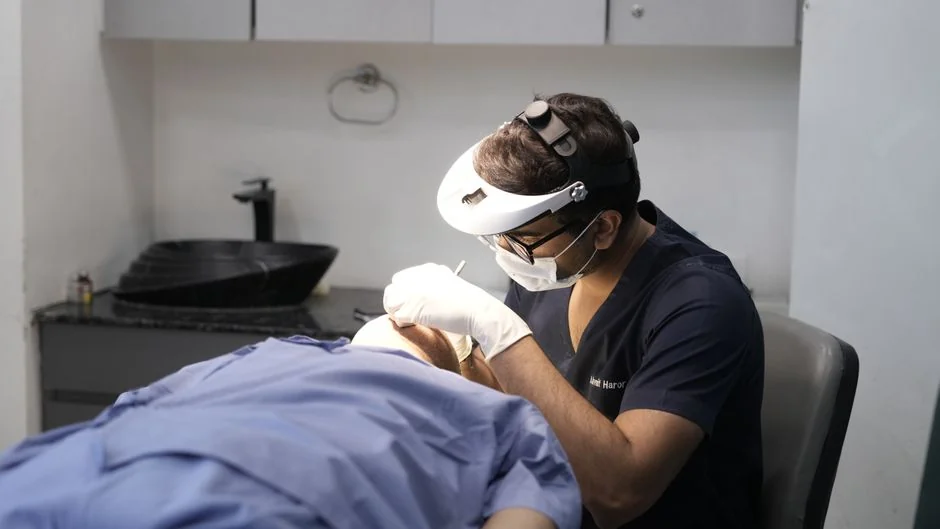
It is helpful to prepare a brief summary of your or your child’s skin history: when the problem started, whether it is seasonal, any known allergies, current medications, and any previous treatments tried.
Photographs of the skin condition taken at home — particularly if the rash or lesion is intermittent — can be extremely useful for the physician.
At BIOTOPE CLINIC, the English-speaking team can assist with new patient registration via LINE or WhatsApp prior to arrival, which reduces paperwork burden at the clinic.
During the Consultation
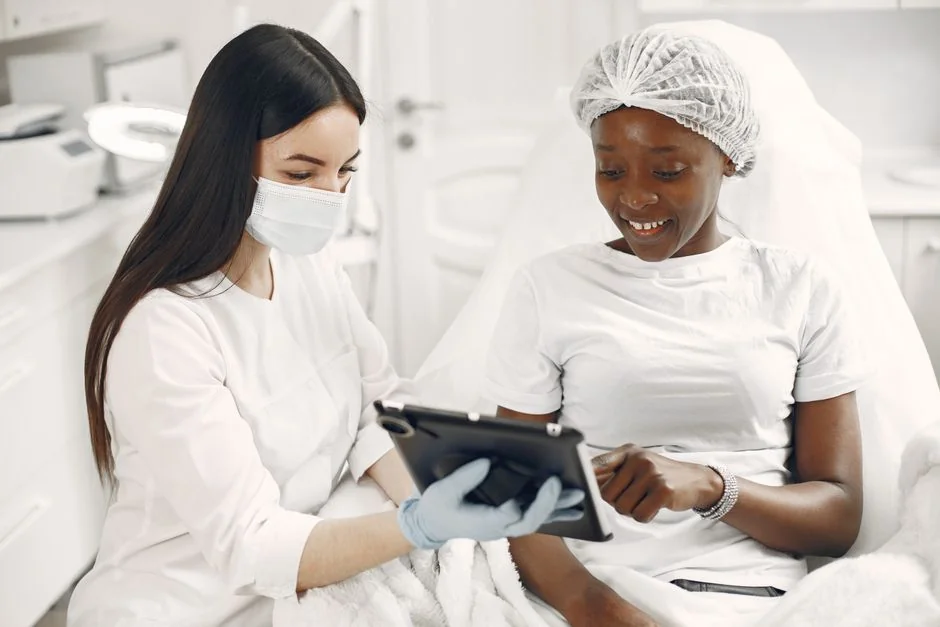
Dr. Karibe conducts consultations in English at BIOTOPE CLINIC. A thorough skin examination is performed, and the diagnosis and treatment plan are explained clearly. Parents are encouraged to ask questions about their child’s condition — understanding the rationale behind a prescription (for example, why a moderate-strength topical steroid is appropriate for a short course on a child’s trunk but not around the eyes) helps caregivers apply treatments correctly at home.
Initial consultation fees are ¥3,300, and surgical consultations with Dr. Karibe are ¥2,200. For an accurate quote on any cosmetic treatments discussed, a consultation is recommended.
After the Appointment
Prescriptions for insurance-covered conditions may be taken to any dispensing pharmacy (yakkyoku) in Japan.
Most pharmacists at larger pharmacies have basic English materials or translation apps available, and your clinic team can advise on this. Follow-up appointments are recommended for chronic conditions such as atopic dermatitis, particularly in children where treatment plans may need adjustment as the seasons change.
Common Misconceptions About Dermatology in Japan for Expats
Misconception 1: “I need a referral from a GP to see a dermatologist in Japan.”
In the United Kingdom and many other countries, a GP referral is standard practice before accessing a specialist. In Japan, patients can book directly with a dermatology clinic without a referral for most conditions. Some hospital-based specialist departments do require referrals, but independent dermatology clinics — which provide the majority of outpatient skin care in Japan — accept direct bookings. This makes access straightforward once you have identified a clinic with English-speaking staff.
Misconception 2: “Japanese clinics only treat Japanese patients or Japanese skin types.”
This reflects a concern some international patients express, particularly regarding cosmetic treatments where skin phototype affects treatment parameters. In practice, board-certified plastic surgeons and dermatologists with cosmetic training — such as Dr. Karibe — are experienced in treating patients across a range of skin tones and backgrounds.
At BIOTOPE CLINIC in Shirokanedai, Dr. Karibe’s clinical experience at BIOTOPE CLINIC includes regularly treating patients of diverse ethnicities, and treatment parameters for devices such as laser and HIFU are adjusted accordingly.
Frequently Asked Questions
- Q. Can my child be seen at BIOTOPE CLINIC in Shirokanedai?
- Yes. While BIOTOPE CLINIC is primarily known as a cosmetic and plastic surgery clinic, Dr. Karibe can assess paediatric skin concerns during an English-language consultation and advise on appropriate management or refer to specialist paediatric dermatology if needed. The English-speaking team can discuss your child’s situation in advance via LINE or WhatsApp to determine the most suitable pathway.
- Q. Is Japanese National Health Insurance accepted at BIOTOPE CLINIC?
- Cosmetic treatments at BIOTOPE CLINIC are self-funded and not covered by National Health Insurance, as is standard for aesthetic medicine in Japan. Insurance-covered dermatological treatment within the clinic group is provided at the sister clinic, Kojimachi Dermatology and Plastic Surgery Clinic in Ichigaya, which operates in Japanese. For English-speaking patients seeking insurance-covered dermatology, the BIOTOPE team can advise on the most appropriate route.
- Q. How do I book an English-speaking consultation from Setagaya?
- The most efficient method is to contact BIOTOPE CLINIC directly via LINE or WhatsApp in English. The English-speaking team at the Shirokanedai clinic handles all appointment bookings, enquiries, and pre-consultation questions for international patients. Walk-in appointments may be available but pre-booking is strongly recommended.
- Q. What skin treatments are available for adults at BIOTOPE CLINIC?
- In addition to medical dermatology consultations, BIOTOPE CLINIC offers a range of cosmetic skin treatments including HIFU (from ¥25,000), PicoWay laser for pigmentation (from ¥11,000), CO2 fractional laser for acne scars (from ¥11,000), Botox, hyaluronic acid filler, Dermapen, and chemical peels. Plastic surgery procedures including mole removal, cyst excision, and eyelid procedures are also available. A consultation with Dr. Karibe will identify the most appropriate option for your individual skin concern.
- Q. Is it safe to use topical steroids on my child’s eczema as prescribed by a Japanese dermatologist?
- Topical corticosteroids are a well-established, evidence-based treatment for atopic dermatitis in children and are widely used in paediatric dermatology worldwide. When used at the appropriate potency, for the correct duration, and on the correct body area as directed by a physician, they are considered safe and effective. If you have questions about a specific prescription, an English-speaking consultation at BIOTOPE CLINIC provides an opportunity to discuss your concerns directly with Dr. Karibe.
Have a question about this treatment?
Message us on LINE or WhatsApp — our English-speaking team usually replies the same day.
Where to Get English-Speaking Dermatology Consultations in Tokyo
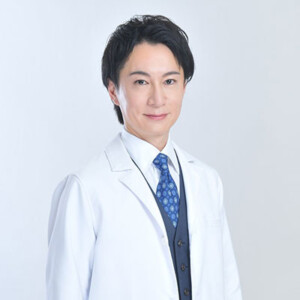
Within the Dr. Karibe clinic group, English-speaking consultations are handled at BIOTOPE CLINIC in Shirokanedai (Minato-ku, Tokyo) by Dr. Jun Karibe, a board-certified plastic surgeon certified by the Japan Society of Plastic and Reconstructive Surgery.
Our sister clinic, Kojimachi Dermatology and Plastic Surgery Clinic in Ichigaya (Chiyoda-ku), handles Japanese-language insurance dermatology and serves as the group’s main office. Bookings and enquiries in English: LINE or WhatsApp.
For expatriate families in Setagaya seeking a knowledgeable, English-speaking physician who can address both medical and cosmetic skin concerns in a professional clinical setting, BIOTOPE CLINIC in Shirokanedai represents the most accessible option within the group. The clinic is reachable by train within approximately 30 minutes from most Setagaya locations, and the English-speaking team makes the entire process — from initial enquiry to follow-up — straightforward for international patients.
If you have questions about finding an English-speaking dermatologist in the Tokyo area, English-speaking consultations are handled at BIOTOPE CLINIC in Shirokanedai (Minato-ku, Tokyo) by Dr. Karibe. Our sister clinic Kojimachi Dermatology and Plastic Surgery Clinic in Ichigaya (Chiyoda-ku) handles Japanese-language insurance dermatology. English enquiries: LINE or WhatsApp.
24/7 Consultation & Booking
Book a Consultation or Treatment
Our English-speaking team responds via LINE or WhatsApp — usually the same day.
References
- Karliner LS, Jacobs EA, Chen AH, Mutha S. Do professional interpreters improve clinical care for patients with limited English proficiency? A systematic review of the literature. Health Services Research. 2007.
- Weidinger S, Novak N. Atopic dermatitis. The Lancet. 2016.
- Eichenfield LF, Tom WL, Chamlin SL, et al. Guidelines of care for the management of atopic dermatitis: Section 1. Diagnosis and assessment of atopic dermatitis. Journal of the American Academy of Dermatology. 2014.
- Hay RJ, Johns NE, Williams HC, et al. The global burden of skin disease in 2010: an analysis of the prevalence and impact of skin conditions. Journal of Investigative Dermatology. 2014.
- Mancini AJ, Kaulback K, Chamlin SL. The socioeconomic impact of atopic dermatitis in the United States: a systematic review. Pediatric Dermatology. 2008.
SUPERVISED BY
Dr. Jun Karibe
MD
Director
Education & Career
Certifications
Awards
MEDICAL REVIEW