Finding an English-Speaking Dermatologist Near Aoyama and Omotesando, Tokyo
Navigating Japan’s healthcare system in a language that is not your own can feel daunting, particularly when a skin concern needs professional attention. Whether you have developed an unexplained rash, are managing a chronic condition such as eczema or rosacea, or are simply looking for expert cosmetic skincare advice, finding a qualified, English-speaking dermatologist in the Aoyama and Omotesando area of Tokyo is a reasonable priority for many expatriates and international visitors.
This guide explains what to expect from dermatology consultations in Tokyo, how cosmetic and medical skin treatments differ, what they typically cost, and how to access English-language care within a clinic group led by a board-certified plastic and reconstructive surgeon.
- What kinds of skin conditions and cosmetic concerns English-speaking dermatologists in Tokyo commonly treat
- The difference between medical (insurance-covered) dermatology and cosmetic dermatology in Japan
- Realistic treatment costs for common procedures in Tokyo
- Who is a suitable candidate for various skin treatments
- How to access English-speaking consultations conveniently from the Aoyama and Omotesando area
Have a question about this treatment?
Message us on LINE or WhatsApp — our English-speaking team usually replies the same day.
Medical vs Cosmetic Dermatology: Understanding the Difference in Japan
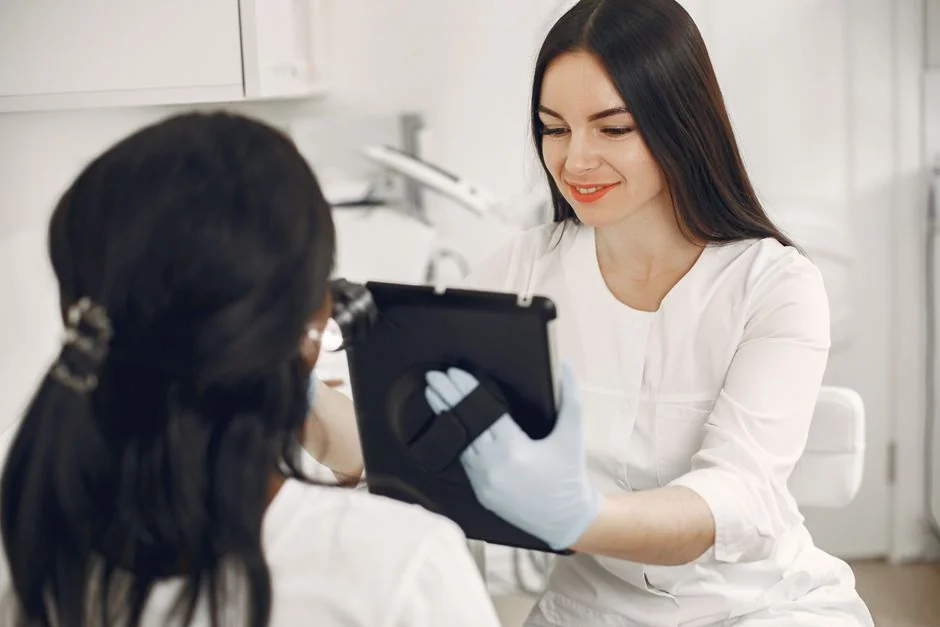
One of the first things English-speaking patients discover about Japanese dermatology is that the system draws a clear line between medical, insurance-eligible dermatology and cosmetic, out-of-pocket dermatology. Understanding this distinction helps set realistic expectations before a consultation.
Medical (insurance-covered) dermatology addresses conditions that qualify under Japan’s national health insurance, including eczema, contact dermatitis, urticaria (hives), fungal infections, viral skin conditions such as herpes zoster, acne vulgaris, and psoriasis. Treatments typically involve prescription-grade topical steroids, antihistamines, antivirals, antifungals, antibiotics, immunosuppressants, or narrowband UVB phototherapy. These consultations are conducted in Japanese at most clinics, and costs are partially subsidised.
Cosmetic (self-pay) dermatology covers aesthetic concerns — pigmentation, wrinkles, skin laxity, scarring, enlarged pores, unwanted fat, and body contouring — using clinic-grade devices and injectable treatments. These are not covered by insurance and are priced separately. This is also the area where English-speaking services are far more readily available in Tokyo.
Why the Language Barrier Matters in Dermatology
Accurate diagnosis in dermatology relies heavily on patient history: when did the symptom appear, how has it changed, what triggers it, what has been tried before. Miscommunication in this exchange can lead to misdiagnosis or inappropriate treatment. For this reason, a genuinely English-speaking consultation — where the doctor communicates directly in English, not through a translation app — is more than a convenience. It is a clinical safety consideration.
Common Skin Concerns Treated at English-Speaking Clinics in Tokyo
English-speaking patients visiting clinics in the Aoyama and Omotesando area, or nearby Minato-ku, present with a wide range of concerns. The following are among the most frequently encountered.
Medical Dermatology Concerns
- Atopic dermatitis and eczema flare-ups exacerbated by Tokyo’s seasonal humidity and air quality
- Urticaria (hives) and allergic contact dermatitis from cosmetics or environmental triggers
- Acne, including adult-onset acne common in individuals whose diets or stress levels have shifted after relocating
- Seborrhoeic dermatitis, tinea (ringworm, athlete’s foot), and other fungal conditions
- Herpes zoster (shingles) and other viral skin conditions requiring antiviral treatment
- Suspicious moles or lesions requiring assessment and, if indicated, excision
Cosmetic Dermatology and Aesthetic Concerns
- Sun-induced pigmentation, melasma, and post-inflammatory hyperpigmentation
- Fine lines, wrinkles, and early skin laxity
- Acne scarring and enlarged pores
- Volume loss in the mid-face and under-eye hollowing
- Excess submental fat (double chin)
- Drooping eyelids or under-eye puffiness
Dr. Karibe’s Note
Many of our international patients arrive at BIOTOPE CLINIC having already visited a Japanese-language dermatologist but feeling uncertain about the diagnosis or treatment plan they received. A common question I hear is: “I was given a cream, but I am not sure what it is or why.” Direct communication in English allows us to review previous treatments, explain them fully, and make informed decisions together — which ultimately leads to better outcomes.
Cosmetic Treatments Available for English-Speaking Patients
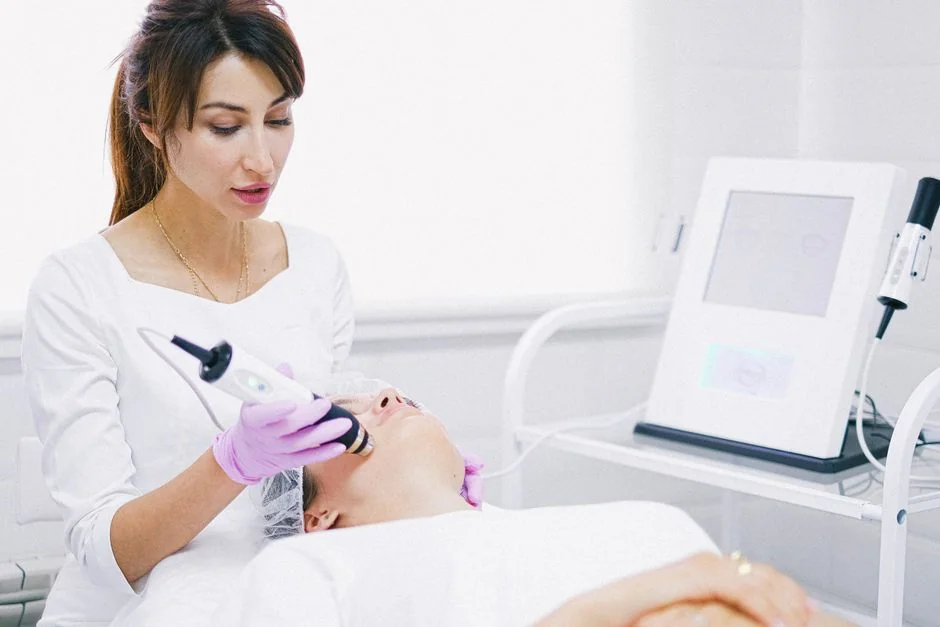
For readers coming from or near the Aoyama and Omotesando area, the nearest English-speaking clinic in the group is BIOTOPE CLINIC in Shirokanedai, Minato-ku — approximately 10 to 15 minutes by taxi or subway from Omotesando station. Dr. Jun Karibe, a board-certified plastic surgeon certified by the Japan Society of Plastic and Reconstructive Surgery, conducts consultations in English directly, not through an interpreter.
In Dr. Karibe’s clinical experience at BIOTOPE CLINIC, patients with mixed pigmentation concerns — for example, melasma combined with discrete dark spots — often benefit from a combination approach rather than a single device. This is why consultation before committing to any device treatment is particularly valuable.
Energy-Based and Laser Devices
| Treatment | Primary Concern Addressed | Downtime | Price Range at BIOTOPE CLINIC |
|---|---|---|---|
| HIFU (skin lifting) | Skin laxity, jawline definition | Minimal (1–3 days mild swelling) | ¥25,000–¥110,000 |
| PicoWay Laser | Pigmentation, tattoo removal, tone | Minimal to mild (1–5 days) | ¥11,000–¥98,000 |
| CO2 Fractional Laser | Acne scars, enlarged pores, texture | Moderate (5–7 days redness/peeling) | ¥11,000–¥66,000 |
| Morpheus8 / RF Microneedling | Skin tightening, scars, texture | Mild to moderate (3–5 days) | Consult for current pricing |
| Photofacial (Stella M22) | Redness, vessels, diffuse pigmentation | Minimal (1–3 days) | ¥28,000–¥126,000 |
| Dermapen | Scars, texture, collagen stimulation | Mild (2–4 days) | ¥9,800–¥220,000 |
Injectables
Botox (botulinum toxin) is commonly used for dynamic wrinkles — lines that form from repeated muscle movement such as frowning or squinting. Hyaluronic acid fillers restore lost volume and define contours such as the cheeks, lips, and nasolabial area.
Clinical studies suggest that botulinum toxin injections produce measurable wrinkle reduction lasting three to six months in the majority of treated patients, with satisfaction rates consistently above 80 percent in published series.
Fat-dissolving injections are a non-surgical option for localised submental fat. JUVELOOK, a polynucleotide-based biostimulator, supports collagen production gradually over a series of sessions and may suit patients looking for subtle skin quality improvement rather than volume augmentation.
Cost of Dermatology and Cosmetic Skin Treatments in Tokyo
Costs vary considerably depending on the treatment type, area treated, and number of sessions required. The figures below reflect official pricing at BIOTOPE CLINIC.
- Initial consultation: ¥3,300 / Dr. Karibe surgical consultation: ¥2,200
- Botox (Allergan): ¥22,000–¥148,000 depending on areas treated
- Botox (Korean brand): ¥9,900–¥45,000
- Hyaluronic acid filler: ¥66,000–¥88,000 per syringe
- HIFU: ¥25,000–¥110,000
- Pico laser: ¥11,000–¥98,000
- CO2 fractional laser: ¥11,000–¥66,000
- Salicylic acid chemical peel: ¥11,000–¥308,000
- Thread lift (Tesslift): ¥48,000 per thread
- Mole removal and minor surgical excision: consult for accurate quote
- Transconjunctival blepharoplasty: ¥280,000–¥428,000 (anaesthesia and pre-operative blood work additional)
Surgical procedures require a pre-operative blood test (¥11,000) and anaesthesia fees (¥2,200–¥77,000 depending on the procedure). For an accurate quote, we recommend booking a consultation.
Have a question about this treatment?
Message us on LINE or WhatsApp — our English-speaking team usually replies the same day.
What People Often Get Wrong About English-Speaking Dermatology in Tokyo
Misconception 1: “Any clinic in Aoyama will have English-speaking staff”
Aoyama and Omotesando are cosmopolitan areas, and many clinics employ reception staff who can manage basic English phrases. However, “English-speaking reception” is different from an English-speaking physician who can take a full medical history, explain a diagnosis clearly, and obtain informed consent for a procedure. Patients who rely on app-translated consultations for complex concerns — persistent skin conditions, surgical enquiries, or injectable treatments — may receive incomplete information. Confirming in advance that the doctor, not only the front desk, communicates in English is always advisable.
Misconception 2: “Cosmetic treatments in Japan are cheaper than Western countries”
This assumption is not uniformly accurate. Device treatments such as HIFU, fractional laser, and RF microneedling at reputable Japanese clinics using licensed equipment are priced similarly to, or occasionally higher than, clinics in London, Sydney, or New York. Japan’s strict medical device regulations and clinic licensing requirements add cost.
Injectables using authentic, pharmaceutical-grade products from established manufacturers are also priced at international market rates. Unusually low prices for branded treatments warrant careful scrutiny of the product source and practitioner credentials.
Who Is a Good Candidate for Cosmetic Skin Treatment?
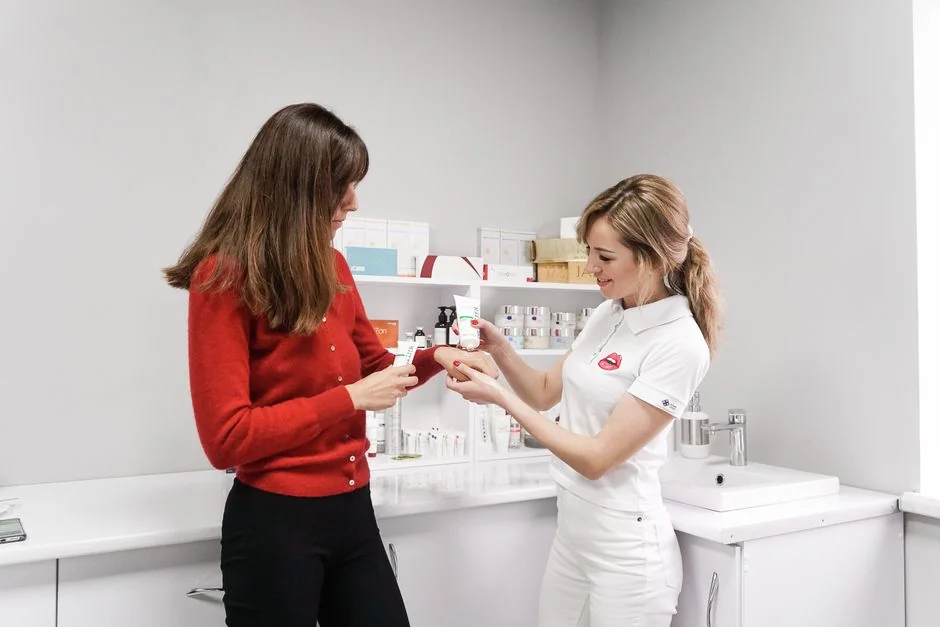
Most adults in general good health are candidates for at least some form of cosmetic skin treatment. However, candidacy varies by treatment, and a thorough consultation is always the appropriate first step.
Good Candidates Generally Include:
- Adults with realistic expectations about achievable improvement (not perfection)
- Individuals with stable, non-infected skin at the proposed treatment site
- Those not pregnant or breastfeeding (most cosmetic treatments require this as a minimum)
- Patients who have disclosed all current medications and medical history to the treating physician
Those Who Should Exercise Caution or Defer Treatment:
- Patients with active inflammatory skin conditions at the target site (treatment may exacerbate the condition)
- Individuals on blood-thinning medications or certain supplements before injectable or surgical procedures
- Those with a history of keloid scarring considering ablative laser or microneedling
- Patients with autoimmune conditions — suitability must be assessed case by case with full medical history
- Individuals with very recent significant UV exposure before certain laser treatments
Clinical reports indicate that patients who undergo thorough pre-treatment assessment, including skin type evaluation and contraindication screening, experience significantly fewer adverse events than those who receive treatments without consultation. This underlines the value of a full consultation rather than walk-in device treatment.
Where to See an English-Speaking Dermatologist Near Aoyama and Omotesando
Within our clinic group, English-speaking consultations are handled at BIOTOPE CLINIC in Shirokanedai (Minato-ku, Tokyo) by Dr. Jun Karibe. Our sister clinic, Kojimachi Dermatology and Plastic Surgery Clinic in Ichigaya (Chiyoda-ku), handles Japanese-language insurance dermatology. Bookings and enquiries in English: LINE or WhatsApp.
BIOTOPE CLINIC in Shirokanedai is accessible from Omotesando and Aoyama by the Tokyo Metro Nanboku Line or by taxi in approximately 10 to 15 minutes. Dr. Karibe holds board certification from the Japan Society of Plastic and Reconstructive Surgery, and the clinic’s English-speaking team manages enquiries, scheduling, and follow-up communication in English throughout.
At BIOTOPE CLINIC in Shirokanedai, we frequently see patients who have delayed seeking care for a skin concern specifically because they were unsure whether they could communicate adequately in Japanese. A number of these patients arrive having allowed a treatable condition to persist longer than necessary. Early consultation — even if the concern turns out to be minor — is nearly always the more sensible course of action.
Frequently Asked Questions
- Q. Do I need to speak Japanese to get dermatology treatment in Tokyo?
- Not if you choose a clinic that offers English-speaking physician consultations. At BIOTOPE CLINIC in Shirokanedai, Dr. Karibe and the clinic’s English-speaking team handle all communication in English, from initial enquiry through to post-treatment follow-up. Most other clinics in Tokyo, including those in the Aoyama and Omotesando area, conduct medical consultations in Japanese.
- Q. Can I get insurance-covered dermatology treatment at BIOTOPE CLINIC?
- BIOTOPE CLINIC is a cosmetic and plastic surgery clinic operating on a self-pay basis. Insurance-covered dermatology (including treatment for eczema, fungal infections, and other qualifying conditions) is offered at Kojimachi Dermatology and Plastic Surgery Clinic, the group’s sister clinic in Ichigaya, which operates in Japanese. English-speaking patients with medical dermatology concerns are welcome to discuss their situation at BIOTOPE CLINIC first, and Dr. Karibe can advise on the most appropriate care pathway.
- Q. How many sessions will I need for laser or device treatments?
- This depends on the concern being addressed and the device used. Pigmentation conditions such as melasma typically require multiple pico laser sessions spaced four to six weeks apart, while a single HIFU session may provide adequate lifting for some patients. Clinical studies suggest that most patients see meaningful improvement after two to four sessions for skin quality treatments, though individual results vary. A detailed treatment plan is provided at consultation.
- Q. Is it safe to have cosmetic procedures done in Tokyo as a visitor rather than a resident?
- Many treatments are well-suited to medical tourism, particularly those with minimal downtime such as botulinum toxin, certain laser treatments, and HIFU. Treatments with a longer recovery period — such as surgical procedures or CO2 fractional laser — require adequate time in Tokyo for healing and, ideally, a follow-up appointment.
- Dr. Karibe will discuss realistic scheduling with international visitors during the consultation.
- Q. What is the difference between Kojimachi Dermatology and Plastic Surgery Clinic and BIOTOPE CLINIC?
- Both clinics belong to the same medical group led by Dr. Karibe. Kojimachi Dermatology and Plastic Surgery Clinic in Ichigaya is the group’s main office and focuses on insurance-covered dermatology conducted in Japanese. BIOTOPE CLINIC in Shirokanedai is the group’s cosmetic and plastic surgery clinic and is the only location where English-speaking doctor consultations are currently available. All English enquiries should be directed to BIOTOPE CLINIC.
Have a question about this treatment?
Message us on LINE or WhatsApp — our English-speaking team usually replies the same day.
Summary
Finding a qualified English-speaking dermatologist near Aoyama and Omotesando does not require compromising on clinical standards or accepting a consultation conducted through a translation application.
BIOTOPE CLINIC in Shirokanedai, Minato-ku — a short journey from the Aoyama and Omotesando area — offers direct English-language consultations with Dr. Jun Karibe, a board-certified plastic and reconstructive surgeon with broad expertise across medical and cosmetic dermatology, laser treatments, injectables, and plastic surgical procedures.
Whether your concern is a persistent skin condition that has not responded to previous treatment, a cosmetic issue you would like to address professionally, or simply an informed second opinion, starting with a proper consultation is the most reliable step forward. Treatments such as HIFU for skin lifting and tightening, and PicoWay laser for pigmentation concerns, are available at BIOTOPE CLINIC in Shirokanedai — feel free to ask about either during a consultation with Dr. Karibe.
If you have questions about English-speaking dermatology or cosmetic skin treatment in Tokyo, English-speaking consultations are handled at BIOTOPE CLINIC in Shirokanedai (Minato-ku, Tokyo) by Dr. Karibe. Our sister clinic, Kojimachi Dermatology and Plastic Surgery Clinic in Ichigaya (Chiyoda-ku), handles Japanese-language insurance dermatology. English enquiries: LINE or WhatsApp.
24/7 Consultation & Booking
Book a Consultation or Treatment
Our English-speaking team responds via LINE or WhatsApp — usually the same day.
References
- Carruthers J, Carruthers A. Botulinum toxin type A: history and current cosmetic use in the upper face. Seminars in Cutaneous Medicine and Surgery. 2001.
- Vanaman M, Fabi SG, Carruthers J. Complications in the cosmetic dermatology patient: a review and approach to evaluation and treatment. Dermatologic Surgery. 2016.
- Habbema L, Verhagen R, Van Hal R, et al. Minimally invasive non-thermal laser technology using laser-induced optical breakdown for skin rejuvenation. Journal of Biophotonics. 2012.
- Wollina U, Goldman A. Dermal fillers: facts and controversies. Clinics in Dermatology. 2013.
- Oni G, Hoxworth R, Teotia S, et al. Evaluation of a microfocused ultrasound system for improving skin laxity and tightening in the lower face. Aesthetic Surgery Journal. 2014.
Related Articles
You may also find these articles useful.
- English Speaking Dermatologist Tokyo: Complete Guide
- English-Speaking Beauty Clinic Tokyo: Consultation Guide
SUPERVISED BY
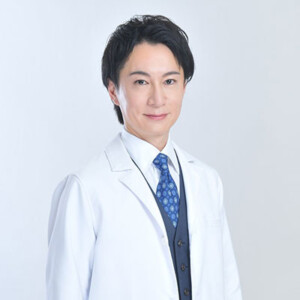
Dr. Jun Karibe
MD
Director
Education & Career
Certifications
Awards
MEDICAL REVIEW