Laser Skin Treatments in Tokyo: A Guide for English-Speaking Patients
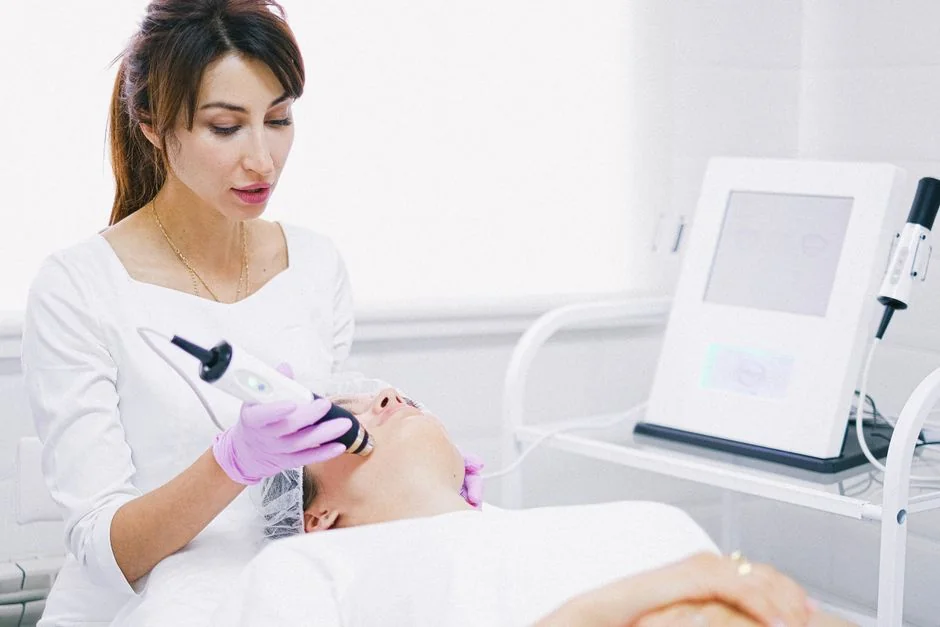
Finding a skilled, English-speaking clinic for laser skin treatment in Tokyo can feel overwhelming — especially when you are unsure which type of laser suits your concern, or what results are realistic.
This guide explains the most common laser and light-based treatments available at English-friendly clinics in Tokyo, what to expect, and how to navigate costs and recovery with confidence.
What you’ll learn in this article:
- The main types of laser treatments and which skin concerns they address
- How each laser works in plain language
- Realistic cost ranges for laser treatments in Tokyo
- Who is — and who is not — a suitable candidate
- Where to access English-language consultations in Tokyo
Have a question about this treatment?
Message us on LINE or WhatsApp — our English-speaking team usually replies the same day.
What Are Laser Skin Treatments?
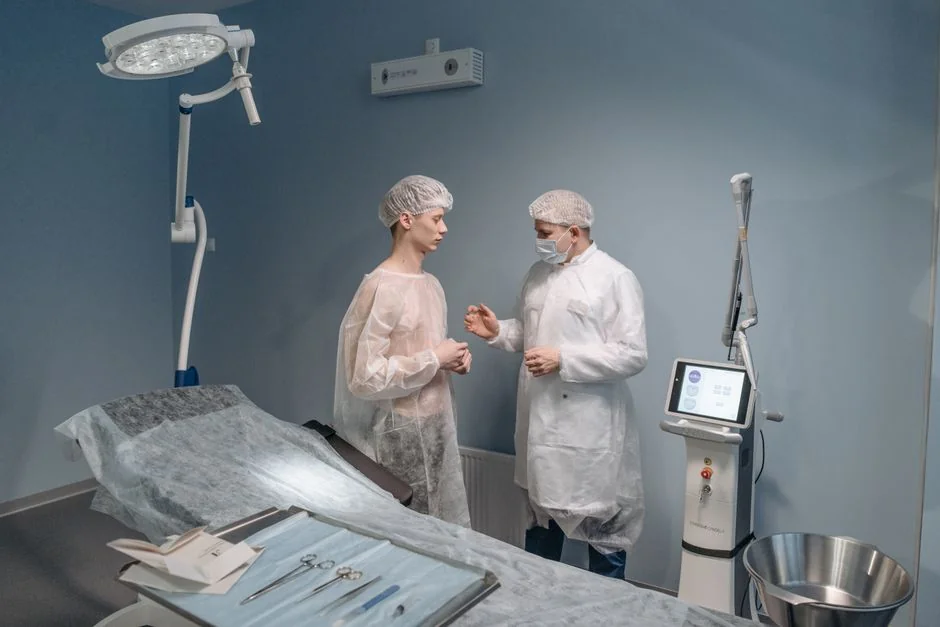
Laser skin treatments use focused beams of light energy to target specific structures within the skin — such as melanin (pigment), water in skin cells, or blood vessels — depending on the wavelength selected. The key principle is selective photothermolysis: delivering heat precisely to the target tissue while leaving surrounding skin largely unaffected.
In a cosmetic clinic context, “laser treatment” typically encompasses several distinct technologies.
These include ablative lasers (which remove the outer skin surface), non-ablative lasers (which work beneath the surface without breaking the skin), fractional lasers (which treat a fraction of the skin at a time, leaving channels of treated tissue surrounded by healthy tissue to accelerate healing), and pulsed light devices such as IPL (Intense Pulsed Light), which is technically not a laser but is often discussed alongside them.
Common Concerns Laser Treatments Address
- Pigmentation: sunspots, melasma, age spots, post-inflammatory hyperpigmentation
- Acne scarring and enlarged pores
- Fine lines and skin texture irregularities
- Vascular concerns: redness, rosacea, broken capillaries
- Tattoo removal
- Overall skin tone and radiance (laser toning)
Types of Laser Treatment Available in Tokyo
Tokyo clinics offer a wide range of laser and energy-based devices. Understanding the differences helps patients arrive at a consultation with informed expectations. The table below summarises the main categories.
| Technology | Primary Use | Downtime | Skin Tone Considerations |
|---|---|---|---|
| PicoWay / Picosecond Laser | Pigmentation, tattoo removal, overall brightness | Minimal to none (toning); 3–7 days (high-intensity) | Well-suited to Asian skin tones; lower risk of post-inflammatory hyperpigmentation |
| CO2 Fractional Laser | Acne scars, enlarged pores, resurfacing | 5–10 days | Requires careful settings for darker skin; physician experience essential |
| Laser Toning (Low-fluence Nd:YAG) | Melasma, overall tone, brightening | None to minimal | Widely used in Asian skin; multiple sessions required |
| Photofacial / IPL (e.g. Stella M22) | Redness, rosacea, sun damage, pigment | 2–5 days (mild darkening of spots) | Best on lighter skin tones; not recommended for very dark skin |
| HIFU (High-Intensity Focused Ultrasound) | Skin lifting and tightening | Minimal | Suitable for all skin tones |
Note: HIFU is an ultrasound-based device rather than a true laser, but it is frequently discussed alongside laser treatments as part of an energy-based skin-rejuvenation plan.
PicoWay Laser at BIOTOPE CLINIC
The PicoWay laser delivers ultra-short picosecond pulses (one trillionth of a second) that shatter pigment particles into dust-like fragments, which the body’s immune system then clears naturally.
Because pulses are so brief, heat transfer to surrounding tissue is minimised — a significant advantage for patients with Asian or mixed skin tones who are at higher risk of post-treatment darkening with older nanosecond lasers.
PicoWay is available at BIOTOPE CLINIC in Shirokanedai. If pigmentation, uneven skin tone, or tattoo removal is your primary concern, this is a treatment worth discussing directly with Dr. Karibe during a consultation.
CO2 Fractional Laser
CO2 fractional laser is regarded as one of the most effective tools for acne scarring and enlarged pores. The device ablates microscopic columns of skin tissue, triggering the skin’s wound-healing response and stimulating new collagen production. Studies suggest that a series of fractional CO2 treatments can reduce the depth and visibility of atrophic (depressed) acne scars by 50–70% across multiple sessions, though individual results vary considerably depending on scar type and severity.
Recovery involves several days of redness and peeling, and strict sun avoidance is essential during healing. CO2 fractional laser is available at BIOTOPE CLINIC; Dr. Karibe can advise whether this or an alternative modality — such as Dermapen or Morpheus8 RF microneedling — better suits your skin concern and lifestyle.
Laser Toning and Photofacial
Laser toning uses a low-energy Nd:YAG laser in rapid passes to gradually suppress melanin production and improve overall skin brightness. It is a popular lunchtime treatment with no visible downtime, typically requiring a course of six to ten sessions. Photofacial treatments using an IPL device such as the Stella M22 address redness, broken capillaries, and surface pigmentation simultaneously.
Dr. Karibe’s Note
Many of our international patients at BIOTOPE CLINIC arrive having already tried laser treatments abroad and are unsure why their pigmentation returned.
Melasma in particular is hormonally influenced and highly prone to recurrence after any laser stimulus if sun protection and maintenance care are not part of the overall plan.
A thorough consultation to identify the type of pigmentation — not simply the presence of dark spots — is the starting point for any effective laser plan.
Common Misconceptions About Laser Skin Treatments
Misconception 1: “One session is enough.”
Most laser treatments require a course of sessions to achieve meaningful improvement, and maintenance sessions are often recommended thereafter. Even high-intensity treatments like CO2 fractional laser typically require two to three sessions spaced weeks apart for moderate scarring. Patients who expect a single treatment to resolve longstanding concerns may be disappointed without this context.
Misconception 2: “Laser treatments are not safe for Asian skin.”
This concern stems from older laser technologies — particularly ablative lasers with longer pulse durations that carried significant risk of post-inflammatory hyperpigmentation in higher Fitzpatrick skin types. Modern picosecond lasers and carefully calibrated fractional devices, applied by experienced practitioners, have substantially improved the safety profile for Asian and mixed-heritage skin.
Clinical reports indicate that picosecond lasers demonstrate significantly lower rates of post-inflammatory hyperpigmentation compared to nanosecond predecessors in Asian skin populations. The key variable is the treating physician’s experience with the specific skin type.
Cost of Laser Skin Treatments in Tokyo
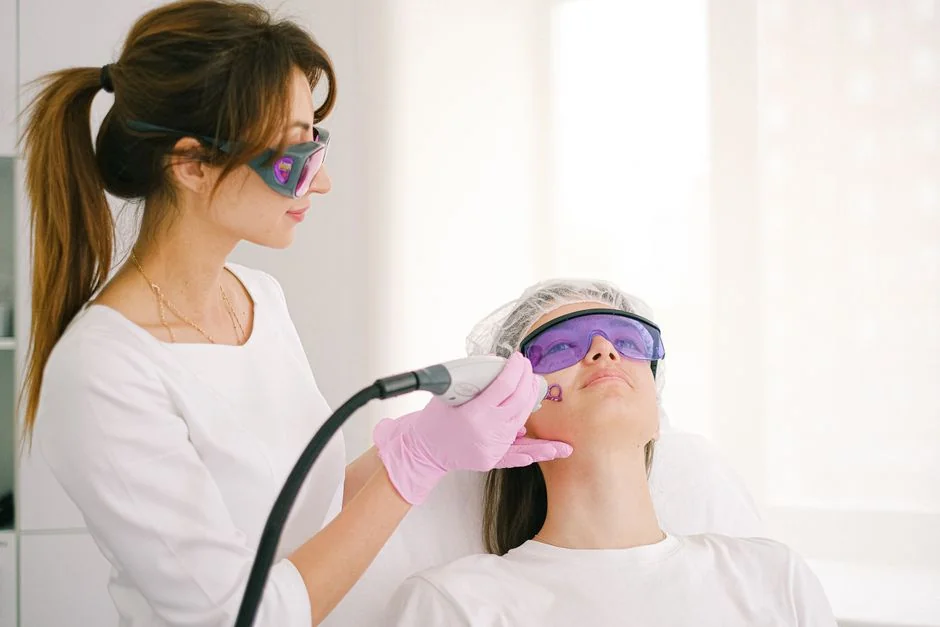
Laser treatment costs in Tokyo vary depending on the technology, the treatment area, and the number of sessions included. The following price ranges apply at BIOTOPE CLINIC in Shirokanedai:
- Pico laser (PicoWay): ¥11,000–¥98,000 per session
- Laser toning: ¥15,000–¥135,000 per session
- CO2 fractional laser: ¥11,000–¥66,000 per session
- Photofacial (Stella M22): ¥28,000–¥126,000 per session
- HIFU (skin tightening): ¥25,000–¥110,000 per session
- Initial consultation: ¥3,300 / Dr. Karibe surgical consultation ¥2,200
The wide ranges reflect differences in treatment area size, intensity settings, and whether individual spots or the full face are being treated. In Dr. Karibe’s clinical experience at BIOTOPE CLINIC, patients often find that a combined approach — for example, pico laser for pigmentation alongside laser toning for overall brightness — delivers more comprehensive results than a single modality alone, and package pricing may apply. For an accurate quote, we recommend booking a consultation.
Have a question about this treatment?
Message us on LINE or WhatsApp — our English-speaking team usually replies the same day.
What to Expect: Before, During, and After Laser Treatment
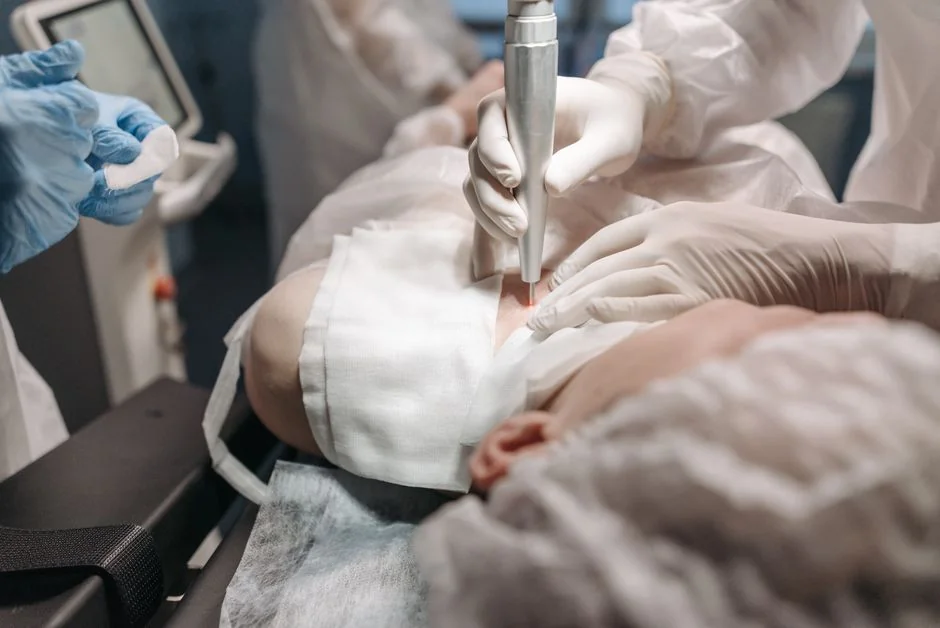
Before Treatment
A consultation with Dr. Karibe will assess your skin type, concern, medical history, and any medications that may affect treatment suitability (for example, isotretinoin should generally be discontinued before ablative laser). Sun avoidance for at least two weeks prior to treatment is standard advice, and some protocols require topical preparation with brightening agents beforehand.
During Treatment
Most non-ablative laser sessions take 15–30 minutes for a full face. A topical numbing cream is typically applied 30–45 minutes before CO2 fractional and higher-intensity treatments. Patients often describe the sensation as warm snapping or mild heat. Protective eyewear is worn throughout.
After Treatment
Post-treatment care varies by modality. Laser toning and pico toning require minimal downtime — mild redness may resolve within hours. CO2 fractional laser involves several days of redness, swelling, and skin shedding. Broad-spectrum SPF50 sunscreen is non-negotiable following any laser treatment, and reapplication every two hours when outdoors is advised. Clinical studies indicate that consistent SPF use after laser significantly reduces the risk of recurrent pigmentation.
Who Is a Good Candidate?
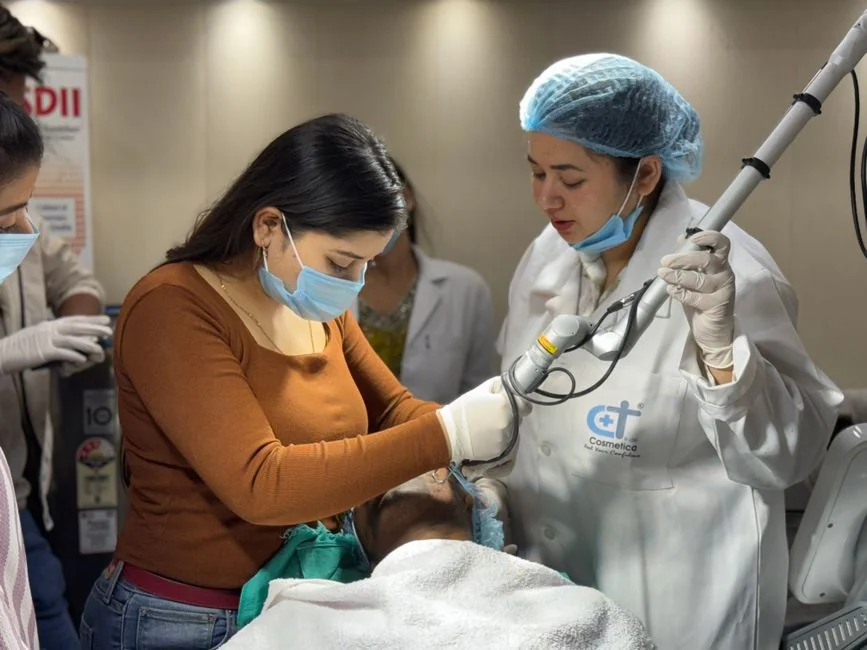
Suitable candidates for laser skin treatment are generally adults in good general health with realistic expectations about the degree and pace of improvement. Specific indications vary by technology, but laser treatments may benefit patients with:
- Sunspots, age spots, or freckle-like pigmentation
- Post-acne hyperpigmentation or active post-inflammatory marks
- Atrophic acne scars (depressed scars)
- Uneven skin tone or dullness
- Fine lines, rough texture, or enlarged pores
- Persistent redness or mild rosacea
Who Should Approach With Caution or Avoid Laser
Laser treatments are generally not recommended for patients who are pregnant or breastfeeding, have active skin infections or uncontrolled skin conditions in the treatment area, have recently used photosensitising medications, or have a history of keloid scarring (raised, thickened scar tissue). Melasma patients require particularly careful assessment, as laser can trigger rebound darkening if the type and triggers of melasma are not correctly identified beforehand. A thorough consultation is essential before proceeding.
Where to Get Laser Skin Treatment in Tokyo — English-Speaking Consultations
Within our clinic group, English-speaking consultations are handled at BIOTOPE CLINIC in Shirokanedai (Minato-ku, Tokyo) by Dr. Jun Karibe, a board-certified plastic surgeon certified by the Japan Society of Plastic and Reconstructive Surgery. All laser and energy-based treatments discussed in this article — including PicoWay, CO2 fractional laser, laser toning, HIFU, and photofacial — are available at BIOTOPE CLINIC, and Dr. Karibe can advise on the most appropriate approach for your skin concern.
Our sister clinic, Kojimachi Dermatology & Plastic Surgery Clinic, located in Ichigaya (Chiyoda-ku), serves as the group’s main office and handles Japanese-language, insurance-covered dermatology. It is a full sister clinic under the same medical group, but does not currently offer English-language doctor consultations. English-speaking patients should direct all enquiries to BIOTOPE CLINIC.
Bookings and enquiries in English are available via LINE or WhatsApp.
Frequently Asked Questions
- Q. How many laser sessions will I need?
- This depends entirely on the treatment type and the concern being addressed. Laser toning for pigmentation typically requires six to ten sessions spaced one to two weeks apart. CO2 fractional for acne scarring is often performed two to three times at monthly intervals. During a consultation at BIOTOPE CLINIC, Dr. Karibe will outline a personalised treatment plan with a realistic session estimate.
- Q. Is laser treatment safe for darker Asian skin tones?
- Modern picosecond lasers and carefully calibrated fractional devices have a well-established safety profile across a range of skin tones, including Asian skin (Fitzpatrick types III–IV). The risk of post-inflammatory hyperpigmentation exists but is substantially lower with appropriate technology and experienced clinical settings. A consultation to assess your individual skin type is the most important first step.
- Q. Can I combine laser treatment with other cosmetic treatments?
- Combination approaches are common — for example, pairing laser toning with hyaluronic acid filler or HIFU for a more comprehensive rejuvenation outcome. However, certain combinations require appropriate spacing to allow the skin to recover. Dr. Karibe can advise on sequencing during your consultation at BIOTOPE CLINIC in Shirokanedai.
- Q. Does laser treatment hurt?
- Sensation varies by modality and individual pain tolerance. Laser toning and pico toning are generally well-tolerated with only mild warmth or light snapping. CO2 fractional laser involves more noticeable heat, and topical anaesthetic cream is applied beforehand. Most patients find the discomfort manageable with standard pre-treatment preparation.
- Q. How long do results last?
- Results from pigmentation treatments can be long-lasting if combined with diligent sun protection; without it, spots are likely to recur. Acne scar improvement from CO2 fractional laser is generally permanent in terms of structural skin change, though new breakouts may produce new scarring. Maintenance sessions are recommended for ongoing skin quality.
Have a question about this treatment?
Message us on LINE or WhatsApp — our English-speaking team usually replies the same day.
Summary
Laser skin treatments cover a broad spectrum of technologies, each suited to different concerns, skin types, and downtime tolerances. Picosecond lasers such as PicoWay are particularly well-suited to pigmentation and skin brightening in Asian skin types. CO2 fractional laser remains a reliable option for acne scarring and pore refinement, with meaningful downtime. Laser toning and IPL photofacial offer lower-downtime options for progressive tone improvement and redness management.
At BIOTOPE CLINIC in Shirokanedai, we frequently see patients who have had previous laser treatments elsewhere and are seeking a second opinion, or who are unsure which modality is appropriate for their concern. A thorough, English-language consultation with Dr. Karibe provides the foundation for a safe and effective treatment plan.
If you have questions about laser skin treatment in Tokyo, English-speaking consultations are handled at BIOTOPE CLINIC in Shirokanedai (Minato-ku, Tokyo) by Dr. Karibe. Our sister clinic, Kojimachi Dermatology & Plastic Surgery Clinic in Ichigaya (Chiyoda-ku), handles Japanese-language insurance dermatology. English enquiries: LINE or WhatsApp.
24/7 Consultation & Booking
Book a Consultation or Treatment
Our English-speaking team responds via LINE or WhatsApp — usually the same day.
References
- Levin MK, Ng E, Bae YS, Brauer JA, Geronemus RG. Treatment of pigmentary disorders in patients with skin of color with a novel 755 nm picosecond, Q-switched ruby, and Q-switched Nd:YAG nanosecond lasers. Lasers in Surgery and Medicine. 2016.
- Walgrave SE, Ortiz AE, MacFalls HT, et al. Evaluation of a novel fractional resurfacing device for treatment of acne scarring. Lasers in Surgery and Medicine. 2009.
- Alexiades-Armenakas MR, Dover JS, Arndt KA. The spectrum of laser skin resurfacing: nonablative, fractional, and ablative laser resurfacing. Journal of the American Academy of Dermatology. 2008.
- Chan HH, Manstein D, Yu CS, Shek S, Kono T, Wei WI. The prevalence and risk factors of post-inflammatory hyperpigmentation after fractional resurfacing in Asians. Lasers in Surgery and Medicine. 2007.
- Negishi K, Wakamatsu S, Kushikata N, Tezuka Y, Kotani Y, Shiba K. Full-face photorejuvenation of photodamaged skin by intense pulsed light with integrated contact cooling. Lasers in Surgery and Medicine. 2002.
Related Articles
You may also find these articles useful.
- Acne Scar Laser Treatment Tokyo: Cost & Results
- Acne Scar Laser Treatment Tokyo: Cost & Results
- Dark Spot Removal Tokyo: Laser Treatment Options Guide
SUPERVISED BY
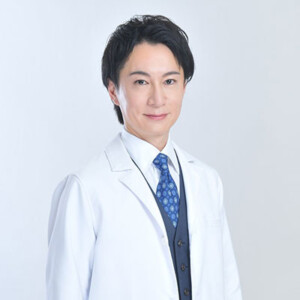
Dr. Jun Karibe
MD
Director
Education & Career
Certifications
Awards
MEDICAL REVIEW