Artmake Aftercare Guide: Healing Timeline and What to Avoid
If you have recently had artmake — or are seriously considering it — one of the most important things to understand is what happens to your skin in the days and weeks that follow the procedure. The results you see on the day of treatment are not the results you will keep; the healing process plays an enormous role in the final outcome, and small mistakes during recovery can significantly affect pigment retention.
This guide explains the complete artmake healing timeline, what to avoid at each stage, and how to protect your investment from the moment you leave the clinic. Whether you are an expatriate in Tokyo, a medical tourist, or a visitor researching the procedure, everything you need to know is covered below.
What you will learn in this article:
- What artmake is and how it differs from a conventional tattoo
- A day-by-day and week-by-week healing timeline
- Specific aftercare instructions and what to avoid at each stage
- Common misconceptions about artmake recovery
- Where English-speaking patients in Tokyo can access artmake within a medically supervised clinic group
Have a question about this treatment?
Message us on LINE or WhatsApp — our English-speaking team usually replies the same day.
What Is Artmake?
Artmake (アートメイク) is a cosmetic procedure in which pigment is deposited into the upper layer of the dermis — the skin layer just beneath the surface — using a fine needle or cluster of needles. The term is the established Japanese clinical term for what is internationally known as semi-permanent makeup or cosmetic tattooing.
The most common treatment areas are the eyebrows, eyelids (upper or lower lash lines), lips, and hairline. Medical applications also include areola reconstruction for patients who have undergone mastectomy. Because pigment is placed more superficially than a conventional decorative tattoo, artmake gradually fades over time — typically one to three years depending on skin type, lifestyle, and the treatment area.
Artmake vs Tattoo vs Microblading: Key Differences
| Feature | Artmake (Japan) | Microblading | Conventional Tattoo |
|---|---|---|---|
| Needle depth | Upper dermis (0.2–0.5 mm) | Upper dermis (manual blade) | Deep dermis (1–2 mm) |
| Pigment type | Cosmetic-grade pigment, designed to fade | Cosmetic-grade pigment | Permanent ink |
| Longevity | Approximately 1–3 years | Approximately 1–2 years | Decades (largely permanent) |
| Regulatory setting (Japan) | Medical act — performed by licensed practitioners | Often performed in beauty salons (regulatory grey area) | Tattoo studios (not under medical act) |
| Healing time | 7–14 days surface, 4–6 weeks full | 7–14 days surface | 2–4 weeks surface |
An important legal note for those in Japan: the Supreme Court of Japan confirmed in 2020 that tattooing without a medical licence is in violation of the Medical Practitioners Act. In practice, reputable artmake providers in Japan therefore operate within a medical framework, supervised by or directly employing licensed physicians or registered nurses under physician oversight.
How Artmake Works
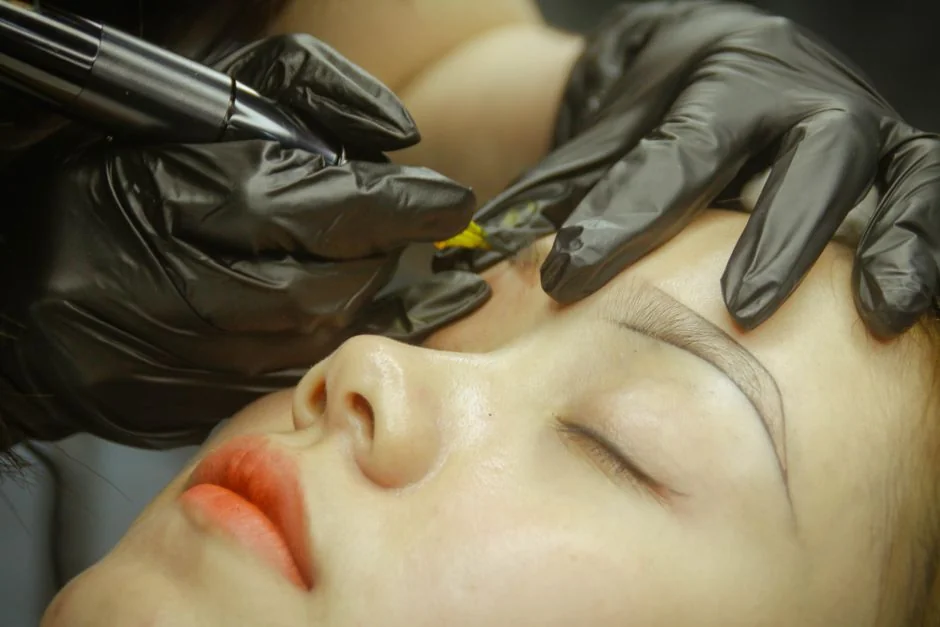
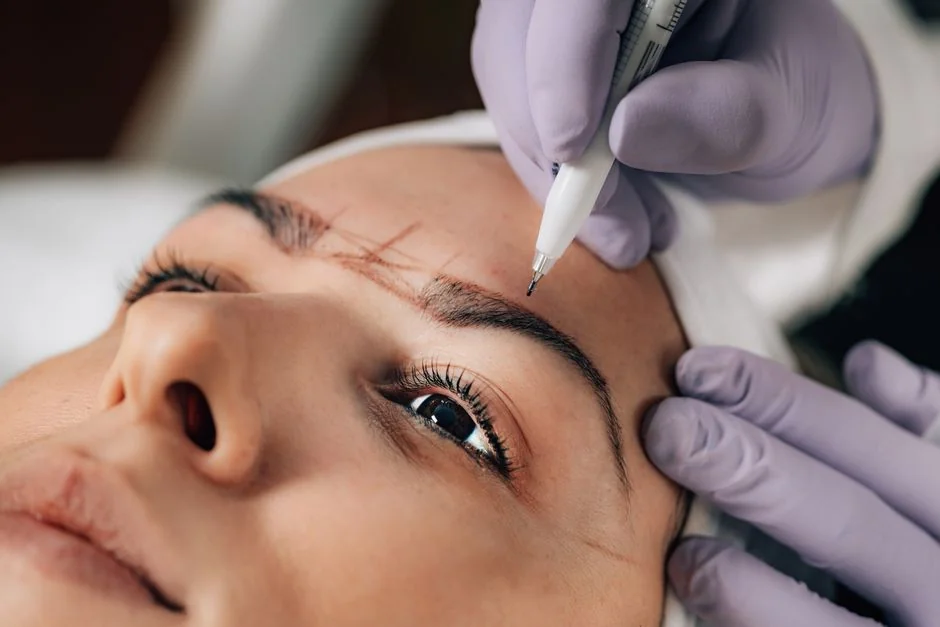
During the procedure, a trained practitioner uses a hand-held device with an ultra-fine needle (or needle cartridge) to deposit cosmetic pigment into the uppermost layer of the dermis in repeated, controlled strokes. For eyebrows, a hair-stroke technique — sometimes called 3D or 6D brow — creates individual strokes that mimic natural hair. For lips and eyeliner, a shading or blending technique is more common.
A topical anaesthetic cream is applied to the treatment area before and sometimes during the procedure to minimise discomfort; sensation varies between individuals and treatment zones, but most patients describe the feeling as mild scratching or pressure. The session itself typically lasts 60 to 120 minutes depending on the area being treated.
A second top-up session is almost always recommended four to eight weeks after the first, once the skin has fully healed. This allows the practitioner to assess pigment retention — how much colour the skin has accepted — and refine the shape and density accordingly.
Cost of Artmake in Tokyo
Artmake is performed within medical or quasi-medical settings in Japan, and pricing reflects the clinical expertise, pigment quality, and the time involved. Fees vary considerably between providers, and the ranges below represent the broader Tokyo market.
- Eyebrow artmake: typically in the range of ¥60,000–¥150,000 per session (two sessions usually recommended)
- Lip artmake (full lip): typically in the range of ¥80,000–¥180,000 per session
- Eyeliner artmake (upper): typically in the range of ¥40,000–¥90,000 per session; upper and lower combined, ¥50,000–¥110,000
- Hairline artmake: typically in the range of ¥100,000–¥250,000 per session
- Areola artmake (medical reconstruction): typically in the range of ¥60,000–¥180,000 per session
- Artmake removal (laser or saline method): typically in the range of ¥30,000–¥80,000 per session; multiple sessions are usually required
These figures are general market references and should not be taken as the specific pricing of any individual clinic. For an accurate quote, we recommend booking a consultation with BIOTOPE CLINIC via LINE or WhatsApp.
Have a question about this treatment?
Message us on LINE or WhatsApp — our English-speaking team usually replies the same day.
Healing Timeline and Aftercare: What to Expect Day by Day
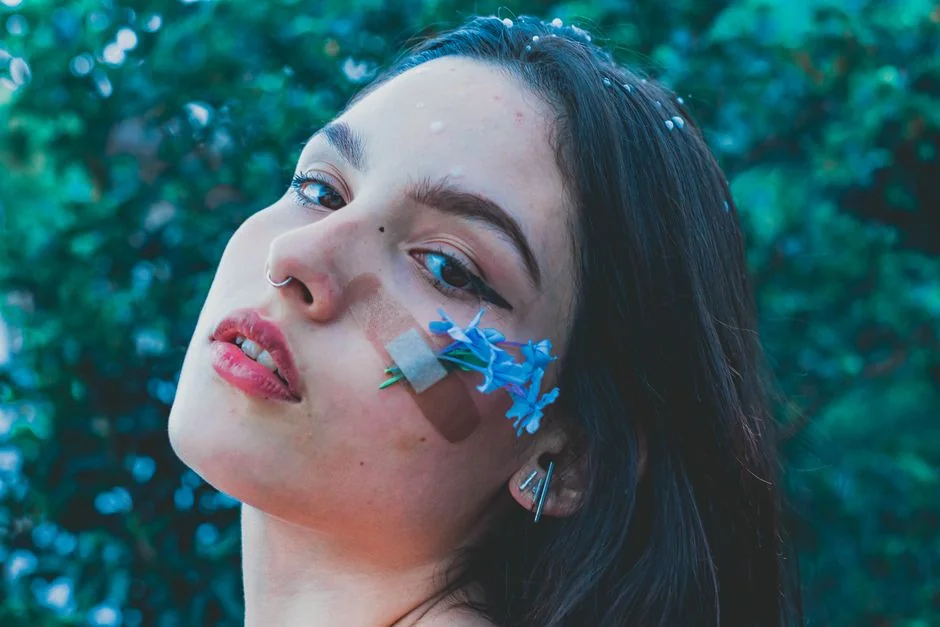
Understanding the healing stages allows patients to set realistic expectations and take the right precautions at the right time. The skin responds to artmake in a predictable sequence, though the pace varies with individual skin type, age, and the treatment area.
Days 1–3: Initial Inflammation and Darkening
Immediately after the procedure, the treated area will appear noticeably darker and more intense than the intended final result. This is normal. Mild redness, slight swelling, and a sensation of tenderness are to be expected for the first 24 to 72 hours.
What to do: Apply any aftercare ointment prescribed by the clinic (typically a thin layer of petroleum-based or medical-grade barrier balm) to keep the area lightly moisturised. Avoid touching the area with unwashed hands.
What to avoid: Water contact with the treated area (including washing your face directly over it), sweating heavily, alcohol consumption, and any makeup on or near the site.
Days 4–7: Flaking and Peeling
The surface of the skin will begin to flake or peel as the superficial layer sheds. The colour underneath may appear significantly lighter or patchy — this is a normal part of the process, not a sign that the pigment has been lost permanently. The temptation to pick at flaking skin is strong; resisting it is critical.
What to do: Continue applying the prescribed barrier ointment. Let any flaking skin fall away on its own.
What to avoid: Picking, rubbing, or scratching the treated area. Exfoliating cleansers or scrubs near the site. Swimming pools, saunas, or hot baths. Direct sun exposure.
Days 7–14: Surface Healing Complete
By the end of the second week, the surface of the skin should appear healed to the naked eye. Flaking will have stopped, and the colour — though still muted compared to the immediate post-treatment appearance — will be settling. Some patients notice the pigment appears almost to have “disappeared” at this stage; this is because new skin cells are covering the pigment as the skin regenerates.
What to do: Resume normal gentle face-washing routines. Light, non-active moisturiser can be used. If advised by the clinic, you may begin applying a broad-spectrum SPF 30 or higher sunscreen to the treated area.
What to avoid: Active skincare ingredients — retinol (vitamin A derivatives), AHAs (alpha-hydroxy acids such as glycolic acid), BHAs (beta-hydroxy acids such as salicylic acid), and vitamin C serums — directly on the treated area. These accelerate cell turnover and can draw pigment out prematurely. Avoid laser or IPL (intense pulsed light) treatments near the site.
Weeks 3–6: Deep Dermal Healing
Even once the surface appears healed, the deeper layers of the dermis continue to stabilise the deposited pigment. The true resting colour of the artmake — the colour you will see long-term — typically becomes visible during this period. Some areas may look uneven, which is why the second top-up session exists.
What to do: Attend your scheduled follow-up consultation (typically at the four-to-eight-week mark). Sun protection remains important throughout this phase.
What to avoid: Chemical peels, dermabrasion, or any resurfacing treatment over the treated area. Prolonged, unprotected sun exposure — UV radiation is one of the principal causes of premature pigment fading.
Long-Term Maintenance (Beyond 6 Weeks)
Once fully healed, artmake requires no intensive daily care, but certain habits will prolong the results. Consistent use of broad-spectrum sunscreen over eyebrow and lip areas, avoiding heavy exfoliation directly over pigmented zones, and staying generally hydrated all contribute to longevity. Most practitioners recommend a touch-up session every one to two years, though this varies by individual.
Dr. Karibe’s Note
A common question from our international patients at BIOTOPE CLINIC is whether their existing skincare routine needs to change after artmake. The short answer is yes — temporarily. Many overseas visitors use active ingredients such as retinoids or AHA-containing toners daily, and these need to be paused around the treated area for at least four to six weeks post-procedure.
What surprises many patients is how dramatically the perceived colour changes between day one and week four: the initial darkness can seem alarming, and the subsequent lightening at the peeling stage can cause unnecessary concern. Both phases are normal parts of the process, and we always walk patients through this timeline in detail before and after treatment.
Common Misconceptions About Artmake Aftercare
Misconception 1: “Artmake is permanent, so aftercare does not matter much.”
Artmake is semi-permanent by design: the pigment is deposited in the upper dermis, a layer that undergoes ongoing cellular renewal. How the skin heals directly determines how much pigment is retained after the first session. Poor aftercare — particularly picking at flaking skin, excessive sweating, or sun exposure in the early weeks — can result in significantly reduced pigment retention, requiring additional sessions to correct.
Misconception 2: “The healing process is the same for everyone.”
It is not. Oily skin tends to retain pigment less readily than dry or normal skin, and the same is true for very porous or frequently exfoliated skin. Individuals who use retinoid-based prescription creams for acne or anti-ageing, or who have recently had laser resurfacing, may experience different healing patterns. This is precisely why a thorough consultation before the procedure — including a review of current skincare and medications — matters.
Who Is a Good Candidate for Artmake?
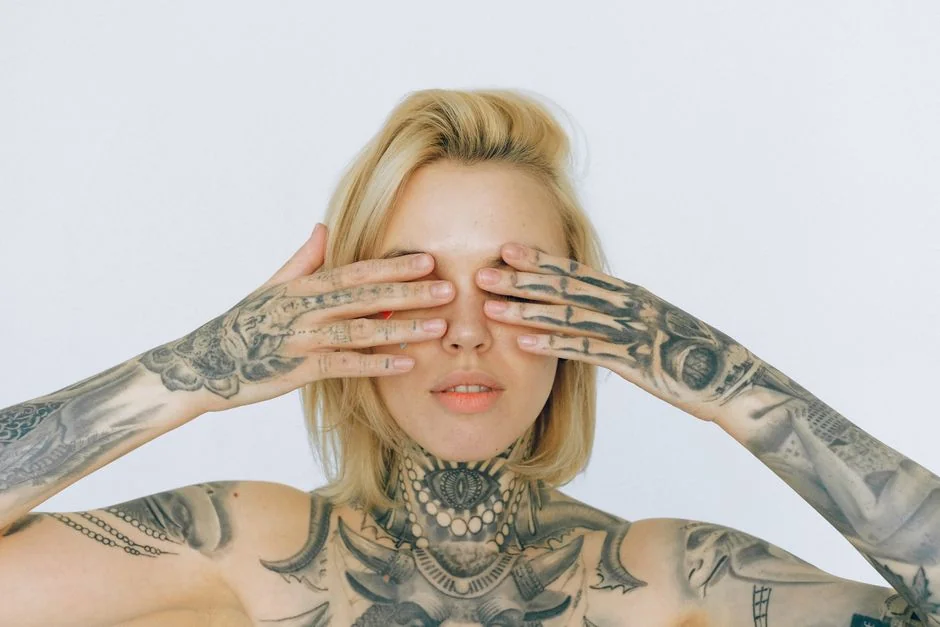
Artmake is suitable for a broad range of adults who wish to minimise daily makeup application, address sparse or asymmetric features, or — in medical contexts — reconstruct areas affected by alopecia, scarring, or post-surgical changes.
Ideal candidates are in generally good health, are not pregnant or breastfeeding, have no active skin conditions (such as eczema or psoriasis) in the treatment area, and are not taking blood-thinning medications (which can affect pigment retention and increase bleeding during the procedure). Patients with a history of keloid scarring should discuss this with their practitioner before proceeding, as pigmented areas may be at higher risk of abnormal scarring responses.
Those who are not suitable candidates at a given time include individuals who have had isotretinoin (Roaccutane/Accutane) within the past six to twelve months, those with certain autoimmune conditions affecting the skin, and anyone with an active infection or inflammation in the treatment area.
Where to Get Artmake in Tokyo: BIOTOPE CLINIC
Within our clinic group, artmake is performed at BIOTOPE CLINIC in Shirokanedai (Minato-ku, Tokyo), directed by Dr. Jun Karibe. Our English-speaking team covers both clinics — Kojimachi Dermatology and Plastic Surgery Clinic in Ichigaya (Chiyoda-ku) and BIOTOPE CLINIC in Shirokanedai — and handles all English-language enquiries, including consultation bookings, pre-procedure questions, and aftercare support.
Dr. Karibe is a board-certified plastic surgeon, and all artmake at BIOTOPE CLINIC is conducted within this medically supervised framework — an important distinction for patients who prioritise clinical safety standards.
Consultations can be arranged in English via LINE or WhatsApp. The consultation appointment is an opportunity to discuss your goals, review your medical history, and receive a personalised cost estimate based on the treatment area and number of sessions anticipated.
Frequently Asked Questions
- Q. How long does artmake take to heal completely?
- The surface of the skin typically appears healed within seven to fourteen days, but the deeper layers of the dermis continue stabilising pigment for four to six weeks after the procedure. The true, long-term resting colour of the artmake becomes visible only once this deeper healing phase is complete, which is why touch-up sessions are scheduled no earlier than four weeks post-treatment.
- Q. Can I wash my face normally after artmake?
- During the first week, direct water contact with the treated area should be minimised, and the face should be cleansed carefully around — rather than over — the site. After surface healing (generally from day seven to ten onwards), gentle face-washing can resume, provided no exfoliating cleansers or strong active ingredients are applied to the treated area. Your practitioner will give specific guidance based on the zone treated.
- Q. Will artmake look natural once healed?
- In the hands of an experienced practitioner, artmake is designed to look as natural as possible once fully healed. The immediate post-procedure appearance is always darker and more vivid than the final result; after peeling and the completion of dermal healing, the colour typically settles to a softer, more integrated tone. Individual factors — including skin tone, skin type, and the technique used — all influence the final appearance.
- Q. Is artmake safe for people with sensitive skin?
- Many people with sensitive skin undergo artmake without significant complications, but a thorough consultation is essential. A patch test with the intended pigment may be recommended. Those with a history of allergic reactions to cosmetic pigments, latex, or certain preservatives should disclose this fully before proceeding. Active inflammatory skin conditions in the treatment area are generally a contraindication until resolved.
- Q. Can artmake be removed if I am not happy with the result?
- Yes, though removal requires additional sessions and is not instantaneous. Laser removal (using Q-switched or picosecond lasers) and saline-solution removal are both used in clinical settings. In the Tokyo market, removal sessions are typically priced in the range of ¥30,000–¥80,000 per session, and multiple sessions are usually necessary. Removal is generally easier and more complete for lighter, more superficially placed artmake pigments.
Have a question about this treatment?
Message us on LINE or WhatsApp — our English-speaking team usually replies the same day.
Summary
Artmake aftercare is not a minor footnote to the procedure — it is a central determinant of the final result. The healing process unfolds in clearly defined stages: initial darkening and swelling in the first three days, surface peeling between days four and seven, surface healing by the end of week two, and continued deep dermal stabilisation through weeks three to six. At each stage, specific precautions protect pigment retention and reduce the risk of complications.
The most important rules are consistent across all treatment areas: do not pick at peeling skin, avoid active skincare ingredients and UV exposure during healing, and attend your follow-up session at the recommended interval. Patients who follow their post-procedure instructions carefully are more likely to achieve even, lasting results from fewer overall sessions.
For English-speaking patients in Tokyo seeking artmake within a medically supervised environment, BIOTOPE CLINIC in Shirokanedai — part of the same clinic group as Kojimachi Dermatology and Plastic Surgery Clinic — offers consultations in English. The English-speaking intake team can be reached via LINE or WhatsApp to arrange a consultation and answer any questions before committing to treatment.
24/7 Consultation & Booking
Book a Consultation or Treatment
Our English-speaking team responds via LINE or WhatsApp — usually the same day.
References
- Kluger N, Koljonen V. Tattoos, inks, and cancer. Lancet Oncology. 2012.
- Shinohara MM. Cosmetic tattooing: a review of the literature. Journal of Cosmetic Dermatology. 2016.
- Tope WD, Bhawan J. Permanent makeup: histological findings. American Journal of Dermatopathology. 1999.
- Navarro FA, Lavin PT, Ennis WJ, et al. Effects of hyperbaric oxygen on the proliferation of fibroblasts and keratinocytes in wound healing. Wound Repair and Regeneration. 2005.
- Forbat E, Al-Niaimi F. Tattoo reactions: diagnosis and management. Clinical and Experimental Dermatology. 2016.
Related Articles
You may also find these articles useful.
- Artmake Pain, Safety & Side Effects Guide
- Eyebrow Artmake Tokyo: Cost, Procedure & Clinic Guide
- Artmake for Foreigners in Tokyo: English-Speaking Clinic
- Eyeliner Artmake Tokyo: Safety, Technique & Results
- Eyebrow Artmake Tokyo: Cost, Procedure & Clinic
SUPERVISED BY
Dr. Jun Karibe
MD
Director
Education & Career
Certifications
Awards
MEDICAL REVIEW